
Best Primate Tracking Experience
Uganda & Rwanda · Gorilla, chimpanzee & golden monkey safaris
Best Primate Tracking Experience in Uganda & Rwanda
Walk into misty rainforest to meet mountain gorillas, follow the calls of wild chimpanzees and discover lively golden monkeys on a thoughtful, privately arranged safari.
The best primate tracking experience is not necessarily the trek with the most famous name. It is the journey that matches your interests, time, fitness and budget while giving wildlife the space it needs. Uganda excels at combining gorillas, chimpanzees and several forest monkey species in one route. Rwanda is an excellent choice for a compact gorilla-focused holiday, with further chimpanzee tracking in Nyungwe Forest.
If you have never tracked primates before, begin with our Uganda primate safari planning overview, or explore the broader Uganda primates safari options. Safari Vacations & Travel Services Ltd can plan a private route from Kigali or Entebbe, arrange permits subject to availability, and match each forest excursion with conveniently located lodging.
Which primate tracking experience is best for you?
Each forest offers a distinct rhythm. Gorillas tend to reward patience and quiet observation. Chimpanzees are faster and louder, often moving high in the canopy. Golden monkeys are energetic, social and especially rewarding in Mgahinga’s bamboo habitat.


1. Gorilla trekking: Bwindi and Mgahinga, Uganda
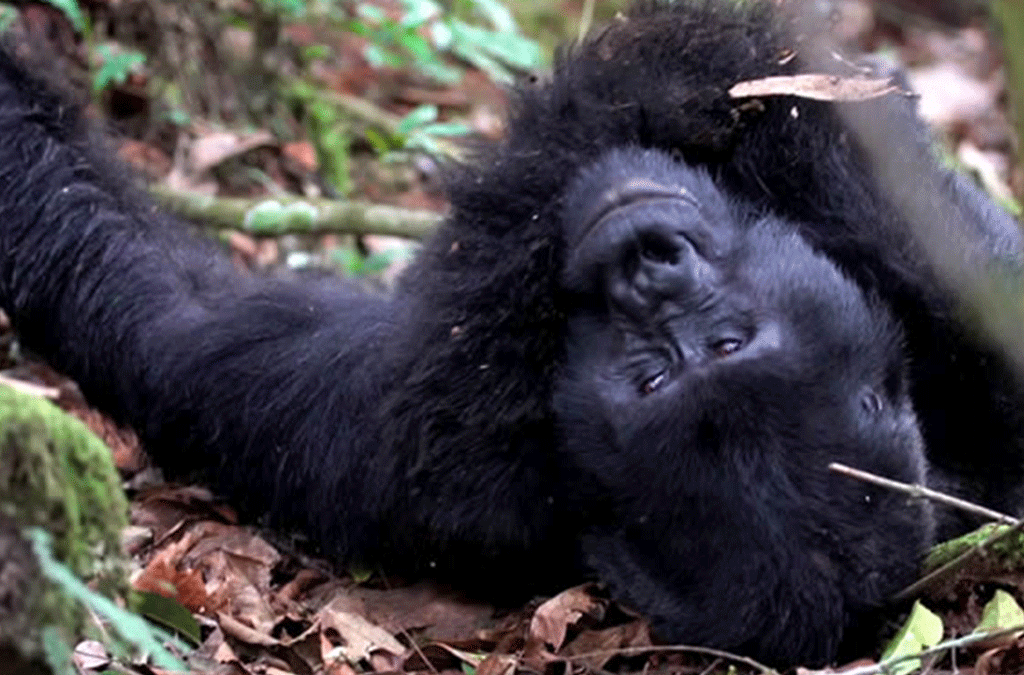
Meeting a mountain gorilla family in its natural habitat remains one of Africa’s most moving encounters. Treks begin with a ranger briefing before a guided walk through tropical vegetation and, sometimes, steep slopes. Once the family is located, standard trekking normally allows up to one hour of viewing. Expect to see feeding, grooming, resting or play rather than a staged wildlife show.
For background, explore our Kibale National Park guide if your journey also includes chimpanzees, then read about Bwindi gorilla trekking and how Uganda’s gorilla parks compare with gorilla trekking in Africa. Bwindi has several trekking sectors — Buhoma, Ruhija, Rushaga and Nkuringo — and the appropriate sector determines the best lodge and transfer route. The nearby Mgahinga gorilla national park offers a scenic alternative for gorillas as well as golden monkeys.
Standard trekking or gorilla habituation?
Standard trekking is ideal for most first-time visitors. The specialist gorilla habituation experience allows up to four hours observing a gorilla group involved in the habituation process, after it has been found. It suits serious primate enthusiasts, photographers and travelers who value longer observation. Learn about the practical differences in our gorilla habituation comparison. Habituation permits are especially limited and should be checked before fixing flights or hotel dates.

2. Chimpanzee tracking: Kibale and other Ugandan forests
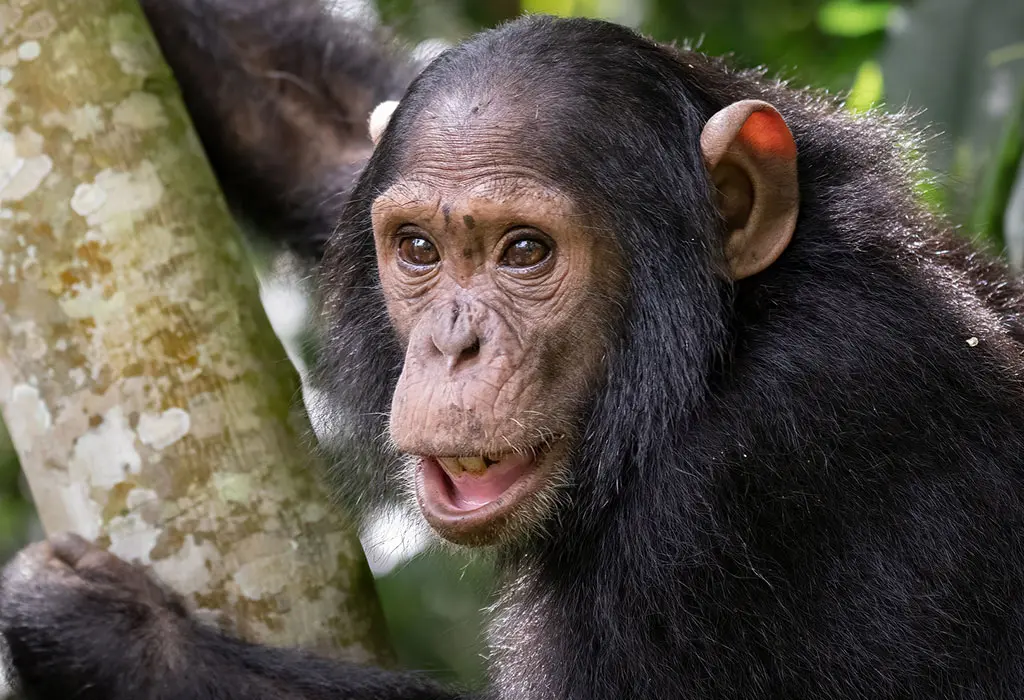
For travelers fascinated by animal behaviour, chimpanzee tracking may be the most dynamic part of a safari. In Kibale National Park, trackers listen for pant-hoots and other calls while searching for a habituated community. The chimps may be on the ground or high above the trail. A successful sighting typically includes up to one hour observing the community, under ranger instructions.
Our detailed chimpanzee tracking in Uganda guide explains the activity, and primates of Kibale introduces the wider diversity of monkeys that share Kibale’s forest. Other possible destinations include Kyambura Gorge, Kalinzu and Budongo, depending on your wider itinerary. A wildlife-focused trip can combine chimpanzees with Queen Elizabeth National Park rather than treating the forest visit as a separate holiday.
For travelers who want longer observation, chimpanzee habituation may be worth considering. It differs from standard tracking in both duration and availability; the precise programme should be confirmed when reserving. Our combining gorillas and chimpanzee habituation guide covers how to pair this experience with a gorilla trek.
3. Golden monkeys in Mgahinga and Rwanda’s volcanoes
Golden monkeys move rapidly through bamboo, often feeding in groups and leaping between stems. Mgahinga Gorilla National Park is a natural addition for travelers staying near Kisoro or southern Bwindi. Rwanda’s Volcanoes National Park also offers golden monkey tracking, making it possible to pair two different primates in a short Rwanda itinerary.
For a journey covering several species, see our best Uganda primates tour and Uganda and Rwanda gorilla tours pages. The Gorilla and chimpanzee safari guide explains why a combined gorilla and chimpanzee itinerary is especially popular, while primate experiences in Uganda describes additional tracking experiences for repeat visitors.
Where should you travel for primate tracking?
| Destination | Primary encounter | Best suited to |
|---|---|---|
| Bwindi, Uganda | Mountain gorillas, habituation | First-time gorilla travelers and photographers |
| Kibale, Uganda | Chimpanzees and numerous monkeys | Wildlife behaviour and forest biodiversity |
| Mgahinga, Uganda | Golden monkeys and gorillas | Two primates amid volcanic scenery |
| Volcanoes, Rwanda | Gorillas and golden monkeys | Shorter Rwanda-based trips |
| Nyungwe, Rwanda | Chimpanzees and colobus monkeys | Rainforest walks and Rwanda extensions |
| Kyambura / Kalinzu, Uganda | Chimpanzees | Queen Elizabeth wildlife safari add-ons |
Before choosing between Kibale and Nyungwe, compare our Uganda and Rwanda chimpanzee trekking and Kibale versus Nyungwe guides. If you are traveling at a less popular time of year, low-season primate permits may also help you evaluate whether a seasonal offer applies to your dates and residency category.
An ideal seven-day Uganda primate safari
Day 1 — Arrive in Entebbe: Airport welcome and overnight stay, with time to recover from travel.
Day 2 — Travel to Kibale: Drive west through countryside and tea-growing landscapes. Settle into a lodge near the forest.
Day 3 — Track chimpanzees: Join a guided Kibale chimpanzee tracking activity; consider an optional Bigodi community wetland walk later in the day.
Day 4 — Queen Elizabeth National Park: Continue through the crater-lake region for wildlife viewing or a Kazinga Channel boat cruise, where scheduling allows.
Day 5 — Transfer to Bwindi: Travel via the Ishasha region if practical, continuing to accommodation matched to the allocated gorilla sector.
Day 6 — Gorilla trekking: Attend the ranger briefing and spend the day in the forest. Keep the afternoon flexible; some hikes finish considerably later than others.
Day 7 — Return or extend: Travel to Kigali or Entebbe according to your flight schedule. For an additional primate, add a night near Mgahinga and track golden monkeys before departure.
Depending on trip length, you can replace standard trekking with habituation, add a second gorilla trek, or build a more leisurely route. For other approaches, consult our chimpanzee and wildlife safari itinerary and Uganda and Rwanda comparison comparison.
Accommodation near the tracking forests
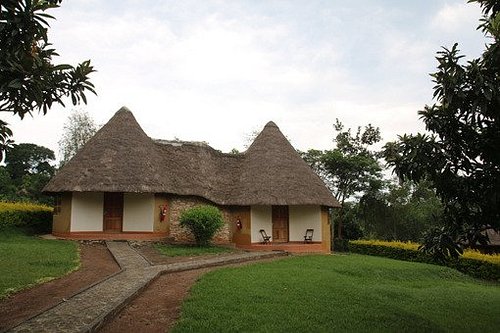
For gorilla trekking, the most important consideration is proximity to your allocated trekking sector, not simply the lodge’s star rating. For Kibale, look for a comfortable base that allows a punctual arrival at the briefing point. The options below are examples, not confirmed availability or guaranteed assignments.



When to go and how to prepare
June to September and December to February are often preferred for relatively drier trekking conditions, but primates can be tracked throughout the year. Rain can occur in any month, especially in rainforest. Footing, trail steepness and total trekking time vary with weather and where the animals moved overnight.
Bring waterproof hiking footwear, long trousers, breathable layers, gardening-style gloves for vegetation, a rain jacket, water and a small daypack. Hiring a local porter can make the hike more manageable. See our Bwindi trekking preparation checklist and best time for gorilla trekking seasonal planning guide. A separate gorilla trekking permits page covers gorilla permits, and gorilla trekking difficulty explains possible trekking challenges.
Gorilla treks generally have a minimum participant age of 15. Chimpanzee and golden monkey age rules can differ by destination and activity; please verify your family’s eligibility before making non-refundable bookings. Travelers seeking practical support on steeper terrain may find our gorilla trekking for older visitors page useful.
Permits, booking and realistic expectations
Uganda gorilla trekking for foreign non-residents is generally listed at US$800 per person. From January 2027, announced changes increase gorilla habituation to US$1,800 and Kibale chimpanzee tracking to US$300 for foreign non-residents. Different rates apply to other resident and nationality categories, and fees may change. We confirm current prices, allocation and availability before issuing your final safari quotation.
Permits are usually date- and activity-specific. Booking early helps align your confirmed gorilla sector with the right accommodation and reduces avoidable road transfers. It is also sensible to leave flexibility for bad weather, slow roads and strenuous forest walks. Visitors should disclose respiratory illness, follow ranger distance and hygiene rules and never use flash photography around primates.
Short trips may begin from Kigali; our gorilla trekking from Kigali page explains one fast-paced option, although an overnight schedule is more comfortable for many travelers. Explore gorilla trekking in Rushaga and gorilla trekking in Buhoma when deciding between southern and northern Bwindi. For a wider savannah combination, read about Kyambura and wildlife safari. If a sanctuary visit appeals more than a wild chimp trek, Ngamba Island sanctuary excursion introduces Ngamba Island.
Frequently asked questions
Which country offers the best primate tracking safari?
Uganda is often the strongest choice for seeing gorillas, chimpanzees and golden monkeys on the same trip. Rwanda is excellent for a concentrated Volcanoes National Park safari, with Nyungwe as a longer extension.
Are gorilla sightings guaranteed?
No wild animal encounter can be guaranteed, although habituated gorilla groups are monitored by specialist trackers and sightings are generally very reliable.
Is gorilla trekking harder than chimpanzee tracking?
It can be, particularly on steep Bwindi slopes. Chimpanzees can also be difficult to follow because they move quickly. Fitness demands depend on each forest excursion.
How many days should I allow?
Five to seven days makes a satisfying Uganda gorilla-and-chimpanzee trip, while eight to ten days adds a more relaxed pace and optional golden monkeys, wildlife drives or cultural activities.
Can you arrange permits, hotels and transfers together?
Yes. Safari Vacations & Travel Services can put together a private itinerary, check permit availability, reserve suitable accommodation and organize airport transfers and a safari vehicle with a driver-guide.
Plan your best primate tracking experience
Tell us your travel dates, number of travelers, preferred arrival airport and whether gorillas, chimpanzees or both are your priority. We will help design a realistic route, confirm permit options and recommend lodges near your assigned tracking locations.





