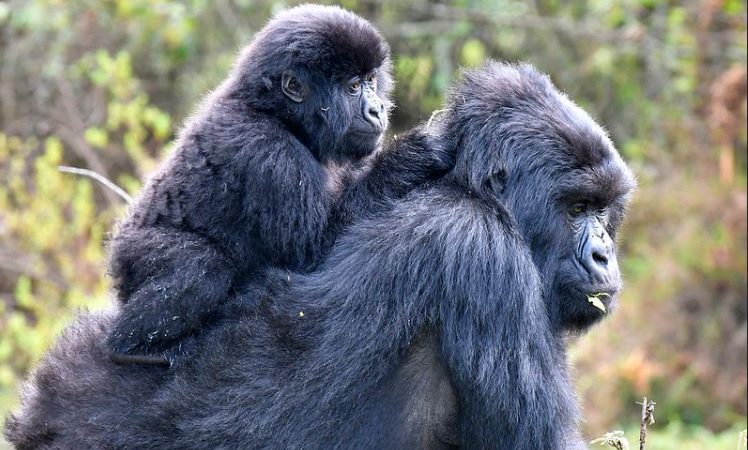
11 Ultimate Best Tips: What to Wear on a Gorilla Trek

What to Wear on a Gorilla Trek: Complete Clothing & Packing Guide
Gorilla trekking clothing should shield you from wet forest paths while staying comfortable through steep climbs. This practical guide explains what to pack, how to layer up and how to choose reliable shoes for treks in Uganda and Rwanda.
What to Wear on a Gorilla Trek: The Quick Answer
The best outfit for a gorilla trek is simple: broken-in waterproof hiking boots with reliable grip, long breathable trousers, a long-sleeved shirt, protective gloves, tall socks or gaiters, and a lightweight waterproof jacket. Carry a warm layer in your daypack rather than wearing everything at once. Choose comfortable clothing that can tolerate mud, snagging branches and a change in weather, and leave fashionable but impractical accessories at the lodge.
The forest can feel cool during the morning briefing and surprisingly warm after a sustained uphill walk. Rain may arrive without warning, even during months usually described as drier. The ground can be steep, slick and uneven. That is why choosing what to wear on a gorilla trek is less about looking like an explorer and more about protecting your feet, hands and skin while keeping your body temperature manageable. This guide is designed for travelers preparing for gorilla trekking in Uganda and Rwanda and focuses on items you can actually use on the trail.
Think of your clothing as three systems working together: sturdy traction below, comfortable coverage against vegetation, and flexible rain protection above. Your guide can help you navigate the route, but cannot prevent wet socks, blisters or a jacket that traps too much heat. If you invest in only one piece of specialist gear, make it footwear that fits your feet and the terrain.
Why Gorilla Trek Clothing Matters More Than Safari Clothing
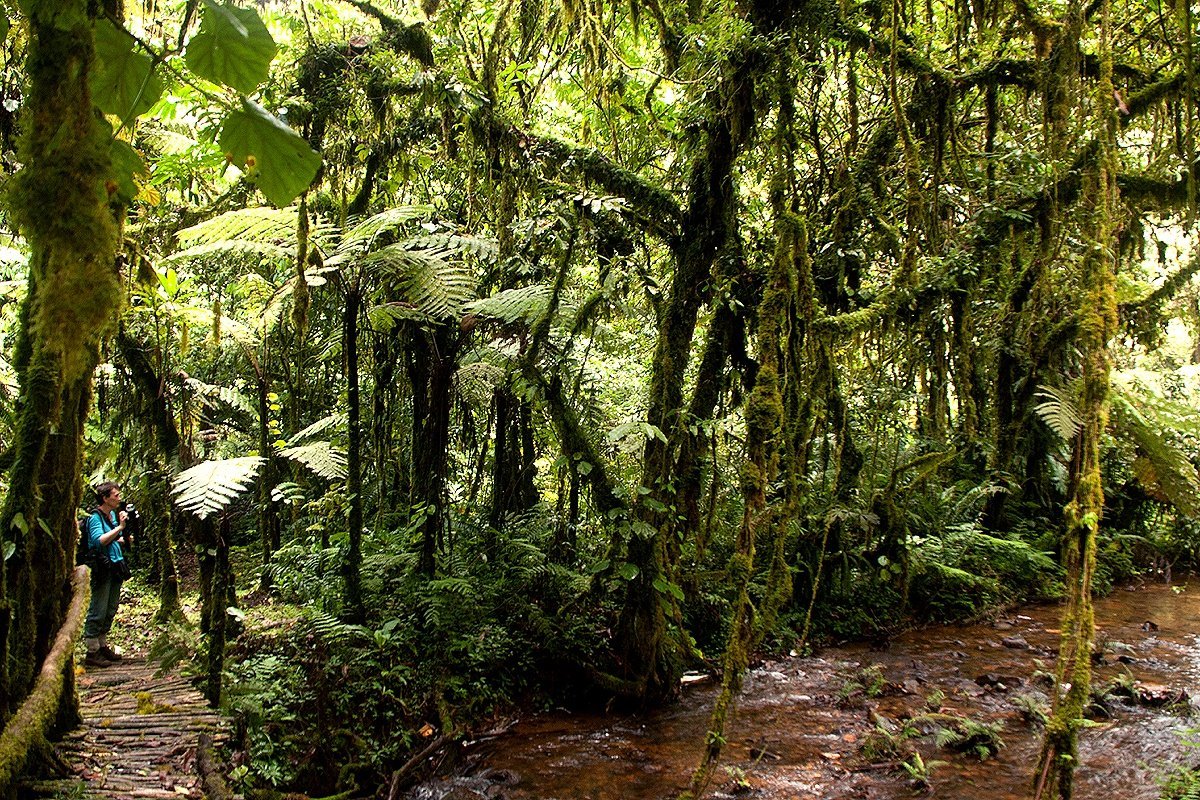
A game-drive outfit is not necessarily a trekking outfit. In a vehicle, you can often stay relatively dry and move little. On a gorilla trek, you may climb through humid montane forest, follow narrow paths, step around roots, cross wet patches and move through vegetation. Bwindi Impenetrable Forest earns its name from the density of its greenery, not from an expectation that every trail is impassable. Conditions vary considerably from one day and route to another.
The experience is also different from a conventional mountain hike. You are not necessarily walking to a fixed viewpoint along a marked route. Rangers locate the gorilla family and guides adapt the trek accordingly. Some groups finish their walking comparatively quickly; others spend longer traversing changing slopes. For that reason, understanding how long gorilla trekking takes helps with pacing, but does not eliminate the need to dress for several possible conditions.
Protective clothing reduces small, cumulative annoyances: wet cuffs, scratches from vegetation, sun exposure during an open section, chafing at the waist and cold hands when you stop. None of this requires expensive expedition equipment. Well-fitting walking clothes, chosen thoughtfully and tested at home, usually perform better than a collection of unfamiliar technical products purchased the night before departure.
The Essential Gorilla Trekking Clothing Checklist
What to Wear on a Gorilla Trek: Start With Waterproof Hiking Boots
A supportive pair of waterproof hiking boots is the strongest starting point for most trekkers. Look for a grippy, lugged outsole, secure heel hold, sufficient toe room on descents and enough ankle support for your particular stability needs. Mid-cut boots are popular, but fit and traction matter more than simply buying the tallest boot. If you already own trail shoes that you trust, discuss their suitability with your operator; very muddy or steep terrain generally favors more protective footwear.
Never make the trek your boots’ first outing. Wear them on progressively longer walks, ideally including hills and damp conditions, until you know where they rub. Use the socks you intend to pack during those tests. Our dedicated advice on gorilla trekking boots is useful when deciding between different soles and ankle designs. A slightly worn-in, correctly sized pair beats new boots that look impressive but cause blisters within an hour.
Waterproof membranes help resist rain and shallow splashes, but they are not magic. Water entering over a boot collar can stay inside. Tie laces securely without cutting circulation, and consider gaiters if muddy tracks or wet grass are expected. Pack a dry pair of socks at the lodge so you can change immediately after the trek.
Long trousers: full coverage without heavy fabric
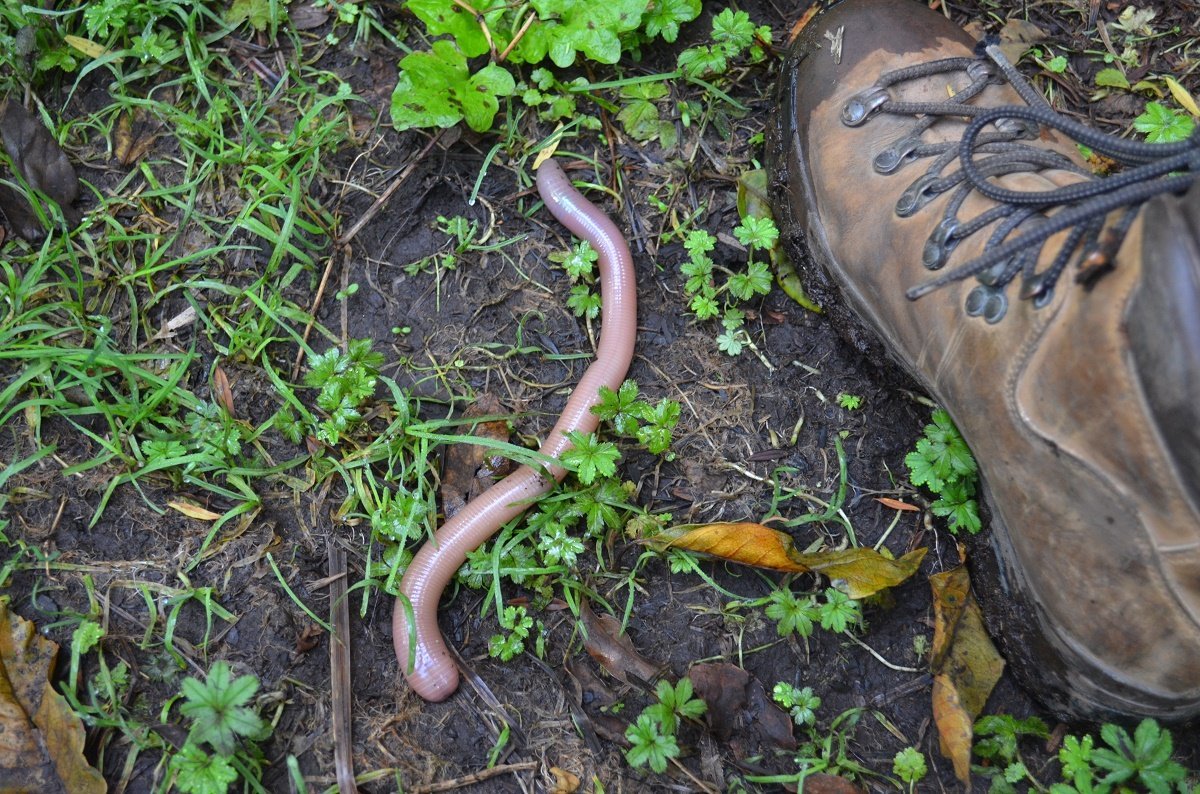
Wear long walking trousers that allow large steps and gentle squatting without pulling at the knees or crotch. Quick-drying nylon or a flexible hiking blend is practical because it moves moisture away from the skin and does not remain soaked as long as thick cotton. A straight or tapered ankle helps when tucking your trouser legs into tall socks or gaiters. Reinforced knees are optional, not essential.
Shorts leave skin exposed to branches, nettles, mosquitoes and minor scrapes. Very tight leggings can work as an underlayer, but lightweight trousers offer a more versatile outer barrier. Jeans are a poor default because heavy denim absorbs water and becomes slow to dry. Conditions described in the weather guide to Bwindi make a useful reminder that your clothing may encounter damp ground even when the morning sky looks clear.
Long-sleeved shirts: breathable protection
Choose a soft, light long-sleeved top that covers your wrists without overheating you. A loose but tidy fit makes it easier to move and less likely that exposed skin will brush against vegetation. Polyester, nylon blends or lightweight merino wool are all workable choices. You do not need a thick safari shirt unless the forecast or your personal comfort calls for it.
A collar can reduce sun exposure around the neck; a front zip or buttons give you ventilation on harder climbs. Avoid dangling ties, bulky decorative pockets and fabrics that snag easily. For travelers comparing rainforest routes with more exposed hiking, the broader gorilla trekking difficulty discussion gives context for why exertion can change quickly over the course of a morning.
Gardening gloves: the surprisingly useful accessory
Simple gardening-style gloves often earn their place in your pack. They protect your palms when you steady yourself on branches or damp vegetation and reduce discomfort from prickly plants. Choose gloves with a breathable back and a grippy palm. Heavy winter gloves are usually too warm and can make it difficult to operate a camera, adjust a backpack or handle a walking stick.
Gloves are not permission to grab any plant indiscriminately. Follow your ranger’s instructions, use a walking stick when provided and take care with fragile vegetation. If you need to remove gloves for photography, store them in a secure pocket rather than setting them on the ground. The comfort gained from this inexpensive item often exceeds that of a costly gadget.
Gaiters and long socks: stop mud before it enters
Gaiters cover the gap between trouser cuffs and shoes. They are particularly useful in wet, grassy or muddy conditions, where soil and water can otherwise enter at the ankle. Lightweight ankle gaiters may be sufficient on easier routes; taller gaiters provide more coverage in persistent mud. If you do not own gaiters, pull long socks over your trouser cuffs for a basic protective arrangement, provided it is comfortable and stays in place.
Wear moisture-managing hiking socks of appropriate thickness for your boots. A spare pair in a waterproof bag is far more valuable than multiple fashion socks. Avoid doubling up on thick socks if that makes boots too tight. When choosing routes in Bwindi’s trekking sectors, remember that local track conditions can change after rain, regardless of your chosen starting point.
Rain Jacket, Fleece and the Three-Layer System
A lightweight, breathable waterproof shell belongs in your daypack on nearly every gorilla trek. Select a jacket with a hood, adjustable cuffs and enough room to fit over your walking shirt and a thin warm layer. A packable design is helpful, but do not prioritize the smallest packed size at the expense of protection. A poncho can shield a bag as well, although loose fabric may snag in dense vegetation, so a fitted rain jacket is often easier to manage.
Under the shell, a thin fleece or warm midlayer provides comfort during a cold start, a rest stop or a rainy descent. Most trekkers do not need a heavy insulated jacket while actively climbing. You can begin the morning wearing the fleece, remove it once your heart rate rises, then put the shell on if the weather changes. The best layering system is one that lets you adjust before you feel drenched with sweat.
The forest’s microclimate differs from a city forecast. Altitude, shade, wind and a passing shower all affect how warm you feel. Researching the best time to trek mountain gorillas helps you plan for broad seasonal tendencies, but it cannot guarantee a dry trail on a particular date. This is why rain protection stays on the packing list in every month.
What to Wear on a Gorilla Trek in Uganda Versus Rwanda
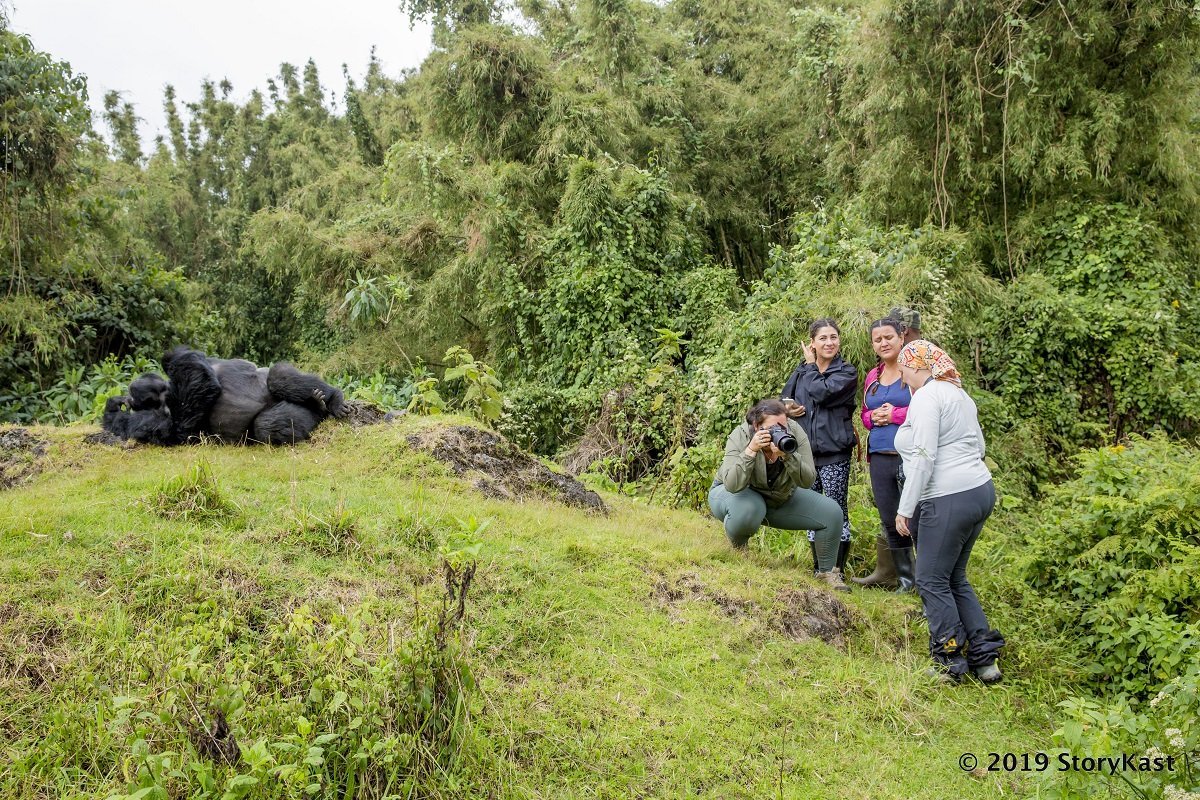
The core outfit is essentially the same in both countries: protective long clothing, dependable hiking shoes, gloves and a weatherproof outer layer. The difference comes from your individual route and the landscape you encounter. Uganda’s Bwindi is associated with steep forested slopes, dense growth and muddy sections. Uganda’s Mgahinga and Rwanda’s Volcanoes National Park lie in the Virunga landscape, where hikes may include more exposed sections as well as forest and bamboo habitat.
If you are deciding between destinations, a practical Uganda versus Rwanda comparison can help you weigh travel logistics, permit planning and preferred scenery. Clothing needs should support that choice rather than determine it. Do not assume that a shorter transfer, a higher-priced trip or a seemingly gentler photograph means the actual gorilla walk will be effortless.
Bwindi Impenetrable National Park
For gorilla trekking in Bwindi, emphasize traction, ankle coverage and gloves. Rain and undergrowth make full-length clothing especially reassuring. A compact waterproof bag liner is useful because camera equipment, snacks and spare clothing can become damp inside an otherwise ordinary backpack. The route may involve repeated short climbs and descents, which is exactly where a secure heel and tested socks make the greatest difference.
Bwindi has several trekking sectors, each with its own access roads and starting points. The Rushaga gorilla sector is one example of why a traveler should know the assigned meeting location before setting out. Choose your outfit the night before, then check with your lodge about departure and whether walking sticks or local porter services are available.
Mgahinga Gorilla National Park
For Mgahinga Gorilla National Park, keep the same protective clothing but pay particular attention to morning chill and a secure rain shell. The mountain setting can feel brisk before the walking begins. Bring a thin fleece and a hat that stays on in wind rather than a cumbersome scarf that needs constant adjustment.
Travelers planning around seasonal conditions can compare the best time to visit Mgahinga while recognizing that local conditions remain variable. If your route moves through bamboo or wetter vegetation, gloves and covered ankles are still worthwhile. The goal is not to carry every possible garment, but to have versatile pieces that work in more than one situation.
Volcanoes National Park, Rwanda
The same clothing principles apply to gorilla trekking in Rwanda. For the Volcanoes National Park gorillas, prepare for the possibility of uneven volcanic ground, wet vegetation and cool temperatures. A breathable base layer prevents overheating once walking begins. Keep your waterproof shell accessible at the top of the pack rather than buried below equipment.
Rwanda visitors sometimes arrive with only a short city stay before the trek and may be tempted to buy boots immediately beforehand. This is one of the weakest gear decisions you can make. If a comfortable pair is not available, consult your operator about suitable alternatives or rental arrangements ahead of time; availability and condition should be checked, not assumed.

Gorilla Trekking Packing List: What Goes in the Daypack?
Your gorilla trek essentials should fit easily into a small pack. A sensible gorilla trekking packing list covers what you carry as well as what you wear. Most trekkers do best with a comfortable small daypack that does not swing from side to side. Look for adjustable straps and a secure top closure. If your pack is not genuinely waterproof, use an inner dry bag or waterproof liner to protect the contents. Keep important items in the same pockets each time so they are easy to find without unpacking the whole bag.
Carry adequate drinking water, a packed lunch or snacks when advised by your operator, a waterproof shell, a thin warm layer, personal medication, a modest first-aid kit and any required documents. Your guide will explain where eating and drinking are permitted; do not eat near gorillas. A small amount of insect repellent, sunscreen and lip protection can also be useful. Take all packaging and litter out of the forest. The official gorilla tracking guidelines in Rwanda and local ranger briefing should take precedence over generic online checklists.
For photography, protect your camera or phone with a rain cover or sealed pouch that still permits quick access when conditions allow. Charge batteries the night before and carry a spare if relevant. Avoid an overloaded camera bag: every additional item becomes heavier on sustained climbs. No flash photography is permitted around gorillas, and a quieter, more deliberate approach is better for both wildlife and other visitors.
If you use hiking poles at home, ask whether they suit your guided route; some parks and guides provide or recommend a wooden walking stick. A porter can help carry a daypack and may make the day more manageable while supporting local livelihoods. If you have concerns about stamina, look into gorilla trekking fitness well before departure rather than waiting until the morning briefing.
A Printable Outfit Checklist for Trek Morning
Lay everything out the evening before departure. This saves time in a dark lodge room and reveals missing essentials while you still have a chance to fix the problem. Check that your boots are dry enough to wear, your socks have no painful seams, your rain jacket closes properly and your bag has enough room for a removed fleece. Keep valuables to a minimum and use pockets with zips or closures.
Wear: comfortable underwear, a breathable long-sleeved shirt, flexible long trousers, supportive hiking socks, broken-in boots and a secure hat if you prefer one. Carry: waterproof shell, light fleece, gloves, gaiters if needed, water, appropriate food, personal essentials and camera protection. After the trek: change into dry socks, clean mud from footwear, dry layers in a ventilated place and treat any small blisters before the next walk.
If you are considering a gorilla habituation experience, consult the operator about the expected time in the forest and the specific activity arrangements. Longer field time makes correct footwear, sufficient water and careful daypack weight even more important. Your guide’s current instructions remain more useful than a static checklist.
What Not to Wear: Common Gorilla Trekking Mistakes
Avoid jeans, short shorts and slippery everyday sneakers
Heavy denim becomes uncomfortable in rain; shorts expose the legs; and flat-soled casual trainers can slip on wet roots. None of these choices automatically makes a trek impossible, but each creates an avoidable risk. Thin fashion raincoats may also tear or leak under sustained rain. The solution is not expensive branding: choose outdoor clothing that fits, protects and dries reasonably quickly.
Open sandals and flip-flops belong at the lodge, not on the forest track. High heels, restrictive garments and oversized backpacks are similarly unsuitable. If your clothes are new, do a full trial walk before the trip. Small issues such as a rubbing seam or an unstable waistband become major distractions after repeated climbs.
Choose colors for practicality, not folklore
Muted greens, browns, grey and other neutral tones are convenient because they hide stains and suit an outdoor setting. There is little reason to claim that one bright shirt alone will determine whether gorillas tolerate your presence; ranger instructions and respectful behavior matter much more. Avoid military-style camouflage where it may be restricted or misunderstood locally, and avoid white fabrics that show mud instantly. Comfort and function should remain the deciding factors.
Very dark heavy fabrics may feel warm under direct sun, but a breathable black base layer is not inherently unsafe. Likewise, there is no need to buy a matching safari wardrobe. The main message is simple: wear clothing you can move in without drawing your attention away from the experience. When comparing budget gorilla trekking options, spending sensibly on reliable boots and a rain layer is usually more important than buying specialist outfits with little practical benefit.
Do not overpack the backpack
A large camera kit, multiple heavy jackets, unnecessary toiletries and spare shoes can make a demanding day feel harder. Pack only essentials; leave a change of clothes at the lodge or vehicle. If you want a professional photographic setup, plan its weight carefully and discuss access with your guide. An organized ten-liter-to-twenty-liter-style daypack may be enough for many people, although your actual capacity depends on gear and weather; there is no universally required bag size.

What to Wear in the Dry and Rainy Seasons
Uganda and Rwanda often have relatively drier periods and wetter periods, but neither country guarantees a rain-free gorilla trek. Forest weather is influenced by elevation and local conditions, and a passing shower can arrive at any time. During relatively dry months, prioritize breathable clothing and sun protection without omitting the rain jacket. During wetter months, prioritize waterproof storage, gaiters, extra dry socks and quick-drying fabrics.
A traveler interested in gorilla trekking in December should not rely on month labels alone; late-year conditions can vary by location and year. Likewise, a dry-season itinerary may still encounter deep mud in shaded sections. Before departure, check the latest forecast for the specific park and confirm local trail conditions with your guide. Keep your packing decision flexible enough to absorb one wet morning.
For frequent showers, place dry items in individual sealed bags, not merely under a pack rain cover. A dry bag liner protects against leaks at zippers and shoulder straps. If you are tracking on consecutive days, arrange to dry boots properly and use clean socks. Avoid placing footwear against extreme heat, which can damage adhesives and materials. A second pair of lightweight evening shoes makes it easier to let hiking boots air out.
How to Dress for Fitness, Age and Comfort Needs
Gorilla trekking is not an athletic competition. Guides may adjust pacing, but the physical effort still depends on the location of the gorilla family and the route. Travelers with knee sensitivity may prefer supportive footwear, a reliable walking stick and trekking trousers that do not restrict steps. People who get cold quickly should carry a light extra layer. Anyone prone to blisters should test sock thickness and boot fit before traveling.
Some visitors exploring gorilla tracking for elderly travelers plan porter assistance and discuss mobility needs well in advance. Services and route options differ, and no outfit can guarantee an easy trek. For many travelers the biggest improvement comes from good preparation: walking on hills beforehand, carrying less weight, staying hydrated and choosing the most comfortable gear already owned.
If you have medical conditions, use prescribed medication, or need specialized supportive equipment, ask a qualified clinician for individual advice. Your operator can explain practical trail arrangements but should not be treated as a substitute for medical care. The gorilla tracking age limit and other official activity conditions should also be checked ahead of booking, especially for families coordinating travel around children.
The Night Before and Morning of Your Trek
On the evening before the trek, inspect the weather report and your gear in good light. Confirm the meeting point, morning departure time and travel time from your accommodation. Lay out each garment, fill your water bottle, charge electronics and put documents somewhere secure. If your hiking boots are still wet from previous activities, dry them gently and have suitable backup footwear ready only if your guide confirms it is appropriate.
At breakfast, dress in your base layer and trousers rather than wearing a thick waterproof jacket immediately. A shell is easiest to put on when needed; walking in a sealed jacket from the outset can cause unnecessary sweating. During the briefing, listen for route-specific advice from the ranger team. The mountain gorilla tracking experience combines practical instruction with time in a protected habitat, so both clothing choices and conduct matter.
Once walking, pace yourself, keep your rain jacket accessible and tell the guide promptly if a boot begins to rub or you feel unwell. Adjust small issues early. Near the gorillas, follow all directions on where to stand, how to move and how to handle belongings. National park rules, including the prohibition on flash photography, are more important than the perfect photograph.
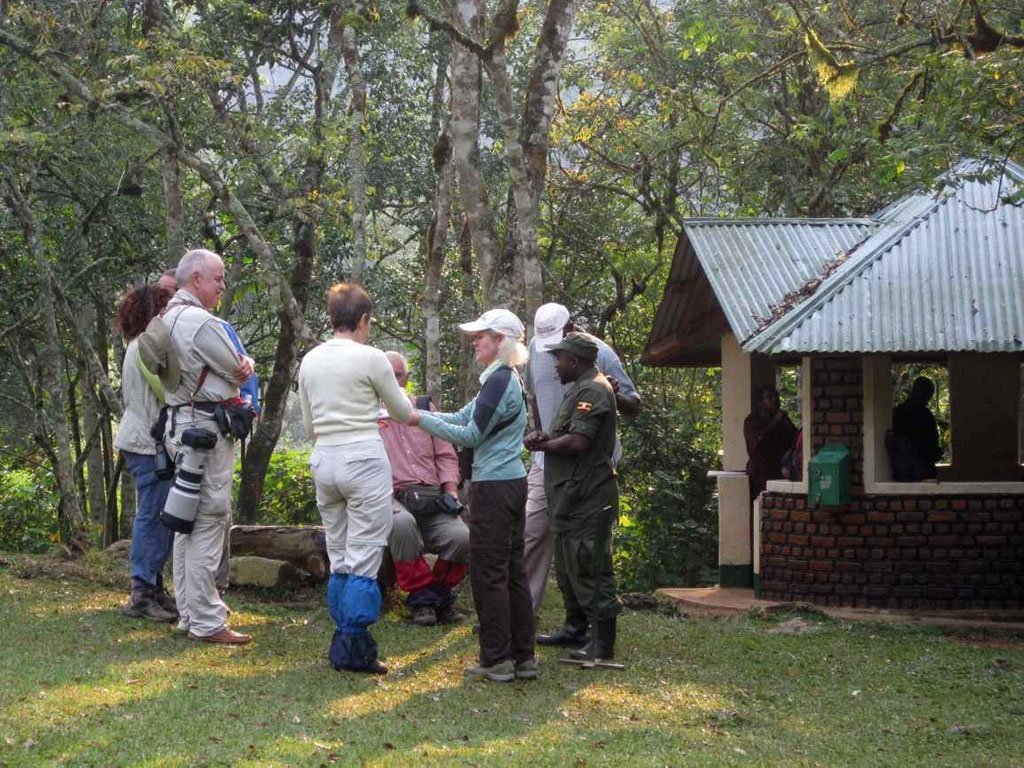
Packing for a Multi-Day Gorilla Safari
For a multi-day itinerary, divide clothing into walking outfits and comfortable lodge clothes. Two lightweight long-sleeved tops, two pairs of durable trekking trousers, enough clean socks and underwear, one dependable waterproof shell and one fleece create a useful core for many short trips. Adjust the quantities for your itinerary length, laundry access and your tolerance for rewearing clean outer layers. There is no need to pack a new safari outfit for every photograph.
If your journey includes other wildlife activities, choose pieces that work in both settings. A muted walking shirt can serve on a game drive, and a fleece may be useful during a cool early departure. The key exception is footwear: muddy trekking boots should be cleaned and aired before wearing them in a vehicle or indoors. Travelers arranging luxury gorilla tracking safaris still need practical trail gear; accommodation comfort does not change the forest surface.
Permit and transport logistics should be finalized independently of clothing. Confirm arrangements for Uganda gorilla permits with the relevant official authority or a reputable operator, and avoid relying on old price lists. Understanding how much a gorilla permit costs is useful for budgeting, but prices and booking rules can change. Focus clothing purchases on durable items that remain useful after the trip.
Plan time to clean and dry your equipment between outings. A small laundry bag separates damp clothing from clean pieces. Remove mud from boot soles to protect luggage and accommodation floors. If you continue to another protected area, comply with any local cleaning or biosecurity instructions. Responsible travel starts with small habits, not only with the moment you see gorillas.
Safety, Respect and Responsible Clothing Choices
Gorilla trekking is a protected-area activity, not an unrestricted wilderness walk. Visitors join trained guides and rangers who manage where groups travel and how they behave near wildlife. Appropriate clothing supports safe movement, but does not replace following instructions. The Uganda Wildlife Authority describes trekking in Bwindi and Mgahinga as requiring a reasonable level of fitness and potentially several hours of walking. Exact walking times and conditions vary by day.
The official rules also protect gorillas from human disturbance and illness. If you are unwell with a potentially infectious condition, inform your operator rather than attempting to conceal symptoms. Do not leave rubbish or discarded clothing in the forest, and never use flash when photographing gorillas. Anyone interested in ethical gorilla trekking should understand that respectful distance and ranger guidance outweigh personal photo preferences.
The same principle applies to safety concerns. Read about gorilla trekking safety in Uganda and take sensible precautions, but remember that conditions change. Choose clothing that allows steady, controlled movement; communicate fatigue; and accept help where appropriate. The most successful outfit is one you barely think about once you start enjoying the forest.
Frequently Asked Questions About Gorilla Trek Clothing
Can I wear trainers instead of hiking boots?
Sturdy trail shoes with excellent grip may work in some conditions, but casual trainers are a weaker choice on slippery, muddy or steep terrain. Waterproof, broken-in hiking boots remain the safest general recommendation for uncertain routes. If you have existing foot problems or only one footwear option, discuss fit and terrain with your guide before departure. Never assume a high price guarantees better traction.
Do I really need gardening gloves?
Gloves are strongly recommended because you may use your hands for balance beside wet or prickly vegetation. Lightweight gardening gloves with a grippy palm are usually adequate. Pack them where you can reach them, and remove them only when necessary. They should be comfortable enough to carry without feeling burdensome, even if you do not wear them throughout the entire walk.
Can I wear leggings for gorilla trekking?
Leggings can be comfortable, especially under light trousers, but thin fabric alone may provide little protection from rough plants or snagging branches. Durable full-length hiking trousers are a more versatile primary layer. If leggings are all you have, choose a robust pair and check with your operator about the likely conditions. Comfort, skin coverage and freedom of movement are the priorities.
What colors should I wear on a gorilla trek?
Earth tones and subdued colors are practical, particularly because mud and vegetation stains are common. Avoid military-style camouflage where local rules or sensitivities may apply. There is no need to purchase a rigidly color-matched outfit. Choose garments that are comfortable, breathable and suitable for the weather; follow any specific advice given at your national park briefing.
Should I wear a raincoat even in the dry season?
Yes, carry a lightweight waterproof jacket in any season. Highland rainforests can experience sudden showers regardless of regional seasonal patterns. A breathable shell with a secure hood is more practical than a heavy coat for active walking. Pack it at the top of your bag, where you can retrieve it quickly before your layers become wet.
How cold does it get during gorilla trekking?
Temperatures depend on elevation, weather and time of day. Morning starts can feel cool, while uphill walking may make you warm quickly. Dress in a breathable base layer and keep a thin fleece ready rather than relying on a single heavy garment. Your lodge or guide can advise on the latest local conditions before departure.
Are gaiters essential?
They are helpful rather than universally mandatory. Gaiters reduce the amount of mud, water and vegetation that reaches boot collars and trouser cuffs, especially after heavy rain. On easier, drier paths, long socks over trouser hems may offer enough protection for some travelers. If you already own comfortable gaiters, they are worth packing because they take little space.
Can I rent trekking gear locally?
Some operators or lodges may be able to advise about renting or obtaining equipment, but inventory, sizes and quality vary. Confirm arrangements in advance rather than counting on a suitable pair of boots being available on the morning of departure. Personal footwear is best tested at home; gloves and gaiters are less demanding to source at short notice.
What should I wear after returning to the lodge?
Change out of wet clothing, wash and dry your feet, and switch to comfortable dry shoes. Clean mud from boots before it hardens and let them air in a ventilated area. If you have another trek planned, inspect your socks and footwear for pressure points or damage. A dry evening outfit improves comfort without requiring elaborate safari clothing.
What is the single biggest clothing mistake?
Wearing untested shoes is arguably the most costly avoidable mistake. Wet vegetation and steep paths quickly reveal an unsuitable sole, a poor fit or a blister-prone heel. Break boots in, test them with the socks you plan to wear and keep the rest of your outfit simple. A reliable rain jacket comes a close second because mountain weather can change rapidly.
Final Advice: Dress for the Forest, Not the Photograph
Knowing what to wear on a gorilla trek comes down to preparation rather than complexity. Wear broken-in grippy boots, quick-drying trousers, a long-sleeved shirt and protective socks. Add gloves and gaiters where useful, carry a waterproof shell and warm layer, and keep your backpack light. The same basic system works for Bwindi, Mgahinga and Volcanoes National Park, with small adjustments for the weather and terrain you encounter.
Put safety and comfort first, follow ranger instructions and ask practical questions before you travel. Your clothing should let you concentrate on the forest, the expertise of your guides and the rare privilege of observing mountain gorillas responsibly. For travelers developing a wider itinerary, mountain gorillas in Africa offers helpful geographical context while the park team provides the final word on current trail conditions.