
Comparing Uganda and Rwanda Gorilla Trekking Experiences

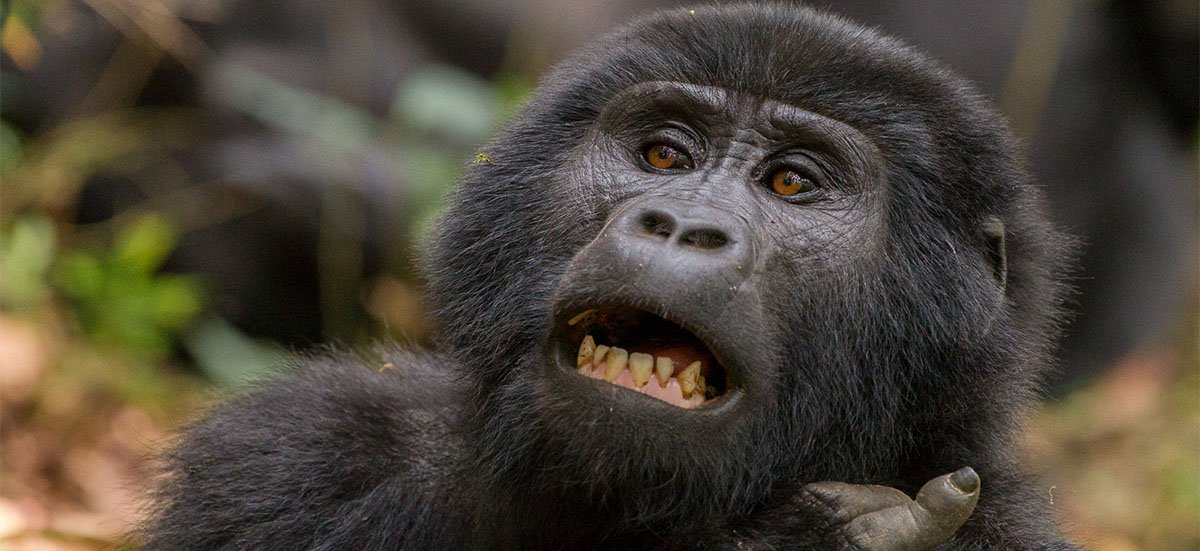
Choosing between gorilla trekking in Uganda and Rwanda is one of the most exciting decisions when planning an East African safari. Both countries protect endangered mountain gorillas, offer professionally guided treks and allow visitors a closely regulated hour observing a habituated gorilla family. Yet the journey leading to that extraordinary hour can feel surprisingly different.
Uganda invites you into the ancient, tangled forests of Bwindi and Mgahinga, with opportunities to build a longer safari around chimpanzees, lions, elephants and scenic lakes. Rwanda offers a compact route from Kigali into the dramatic volcanic scenery of Volcanoes National Park. Neither destination is automatically easier, more successful or more memorable: the best choice depends on how you want to travel.
Uganda vs Rwanda: Gorilla Trekking at a Glance
| Planning factor | Uganda | Rwanda |
|---|---|---|
| National parks | Bwindi and Mgahinga | Volcanoes National Park |
| Standard permit, foreign non-resident | US$800 standard; qualifying low-season offers may apply | US$1,500 standard |
| Time with gorillas | Up to 1 hour on standard trek | Up to 1 hour on standard trek |
| Main gateway | Entebbe or Kigali via border | Kigali |
| Typical landscape | Dense montane rainforest and volcanic forest | Volcanic slopes, bamboo and montane forest |
| Extended gorilla habituation | Available in designated Bwindi programmes | Not a standard visitor product |
| Best fit | Value, variety, longer safaris | Shorter trips, Kigali access, premium stays |
Explore Three Distinct Gorilla Trekking Landscapes


1. Gorilla Trekking Permit Costs: Which Is More Affordable?
For many international visitors, the permit is the clearest financial difference. Uganda’s standard foreign non-resident gorilla trekking permit is commonly published at US$800 per person, compared with US$1,500 per person for the standard Rwanda permit. That is a US$700 difference for a single trek, or US$1,400 for two travelers before accommodation and transfers. Always confirm the applicable tariff, visitor category, travel date and availability before paying.
Uganda has also announced qualifying discounted low-season tracking permits for April, May and November, including a reported US$600 foreign non-resident rate. These discounted permits have restrictive rescheduling conditions; they should not be treated as a universally available price. Rwanda publishes special resident or regional rates for some eligible travelers, so the standard US$1,500 figure does not describe every visitor.
The total holiday cost is more important than the permit alone. A short Rwanda itinerary can save substantial transfer time, while a Uganda itinerary may offer a wider choice of budget, midrange and luxury lodges. Compare the same number of nights, room standard, inclusions and transport before deciding which package offers better value. For more, see our East African gorilla trekking comparison.
2. Trekking Terrain, Fitness and Difficulty
Bwindi Impenetrable National Park is famous for thick vegetation, narrow forest tracks and steep ridges. A trek may involve uneven footing, wet roots, slippery slopes and sections where guides clear the way through undergrowth. It feels like an immersive expedition into old-growth forest, but the challenge can be substantial. The experience varies between Bwindi’s Buhoma, Ruhija, Rushaga and Nkuringo sectors and from one assigned gorilla family to another.
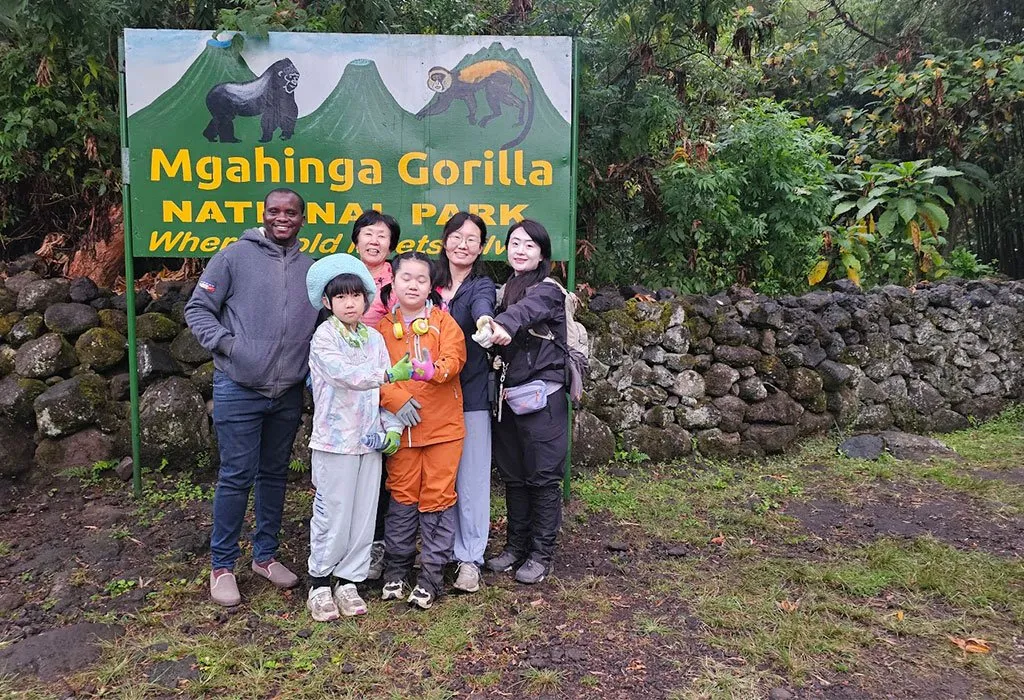
Mgahinga Gorilla National Park has a different character: bamboo, montane vegetation and a dramatic backdrop of the Virunga volcanoes. The setting can be more open than some sections of Bwindi, although elevation and steep paths still demand stamina. Travelers interested in mountain scenery sometimes find this combination particularly rewarding.
Volcanoes National Park in Rwanda is also a high-altitude trekking environment. Some routes pass through more open bamboo areas, but others involve muddy volcanic slopes, dense vegetation and prolonged climbing. It is misleading to promise that Rwanda will always be an easy trek. Gorilla groups move daily, weather changes quickly, and assignment decisions are managed by park authorities rather than guaranteed by your tour company.
3. What Is the Actual Gorilla Encounter Like?
The emotional heart of the experience is remarkably similar in both countries. After an early briefing, park rangers lead your group into protected forest, assisted by trackers who monitor the gorillas’ locations. Once your group reaches a habituated family, the standard viewing period is up to one hour, subject to conservation rules and the guides’ directions.
You might watch a silverback resting, juveniles playing, infants clinging to their mothers or a family feeding quietly in vegetation. No tour operator can promise a particular pose, a perfect unobstructed view or how active the gorillas will be. Their welfare comes first. Maintaining the required distance, avoiding flash photography, following illness restrictions and keeping voices low are essential in either park.
Uganda’s dense forest can make the approach feel especially wild, while Rwanda’s bamboo and volcanic backdrop may create a distinctive atmosphere. Yet the intimacy of the wildlife encounter is not determined by the country or permit price. For a realistic description of the process, read our Uganda and Rwanda trekking guide.
4. Travel Time and Accessibility from Kigali or Entebbe
Rwanda’s logistical advantage is straightforward: Volcanoes National Park is normally reached from Kigali by a road transfer of roughly two to three hours, depending on the hotel, conditions and stops. This makes a two- or three-day gorilla itinerary practical for travelers with limited leave or a multi-country Africa holiday.
Uganda’s Bwindi and Mgahinga parks are much farther from Entebbe by road; reaching the correct Bwindi sector often requires most of a travel day. Domestic scheduled or charter flights to Kihihi or Kisoro can shorten road travel, although you still need a lodge transfer and suitable flight connections. An alternative is to fly to Kigali and drive across the international border into southwestern Uganda, allowing adequate time for immigration and the correct park sector.
Travel planners must not confuse a national park name with a single entrance. Bwindi’s sectors are separated by winding mountain roads, and booking accommodation in the wrong sector could disrupt your morning trekking plans. Our gorilla tour planning guide covers ways to build a realistic itinerary rather than rushing transfers.
5. Accommodation: Budget, Midrange and Luxury
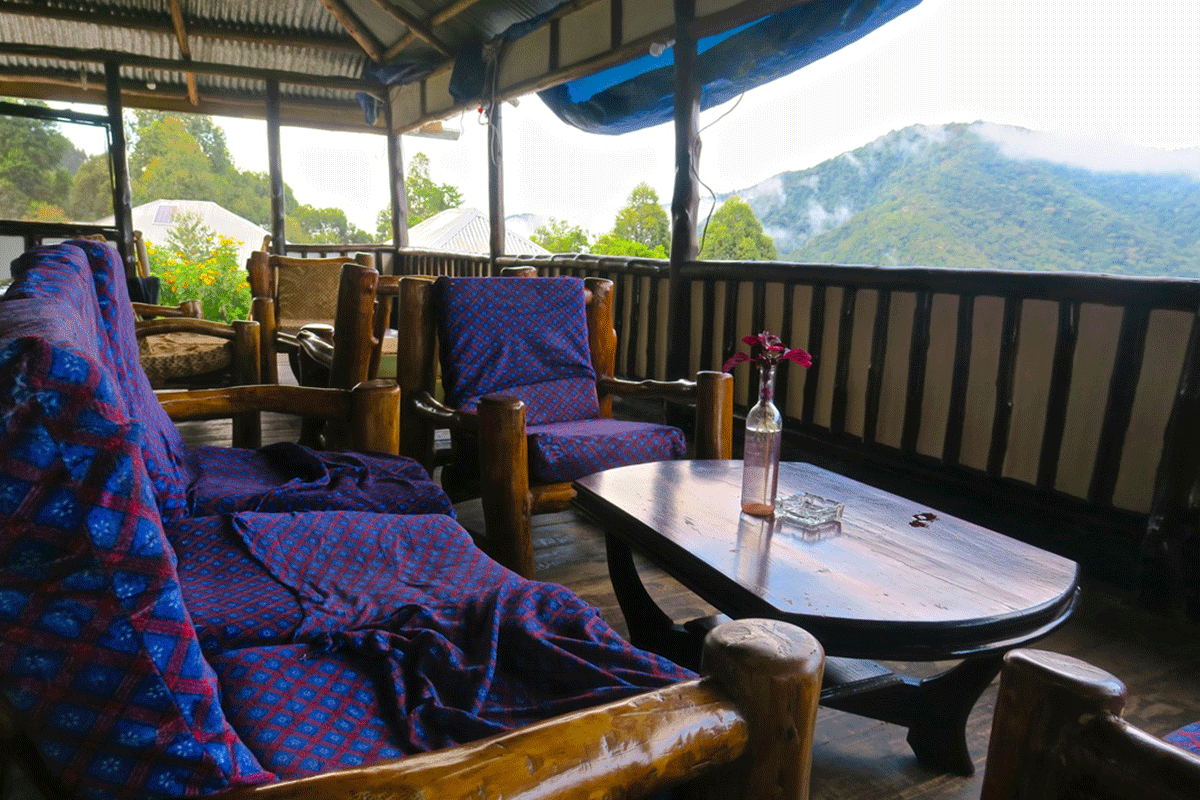
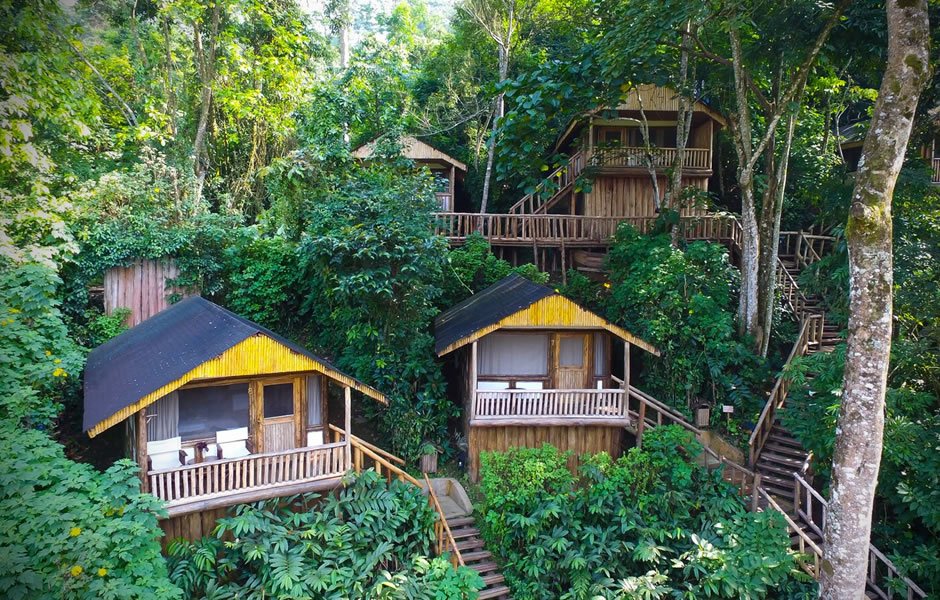
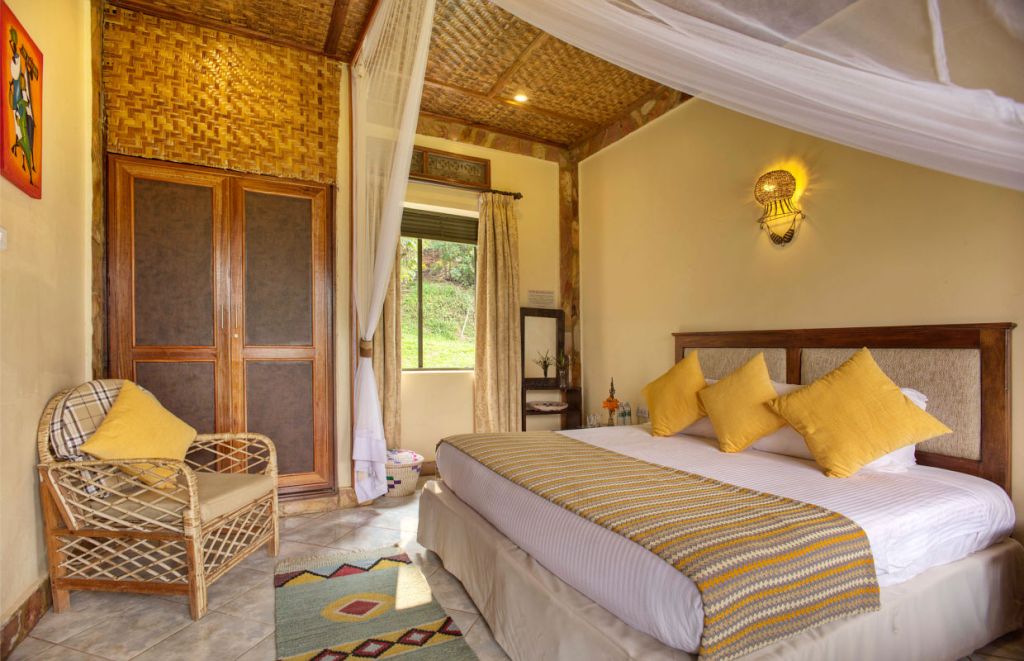
Uganda offers a broad selection of accommodation near Bwindi, from modest guesthouses and comfortable midrange lodges to exclusive forest retreats. The exact sector matters more than a generic promise that a lodge is “near Bwindi.” Your lodge should be chosen after identifying the permit sector and the briefing location, with enough time for the early morning journey.
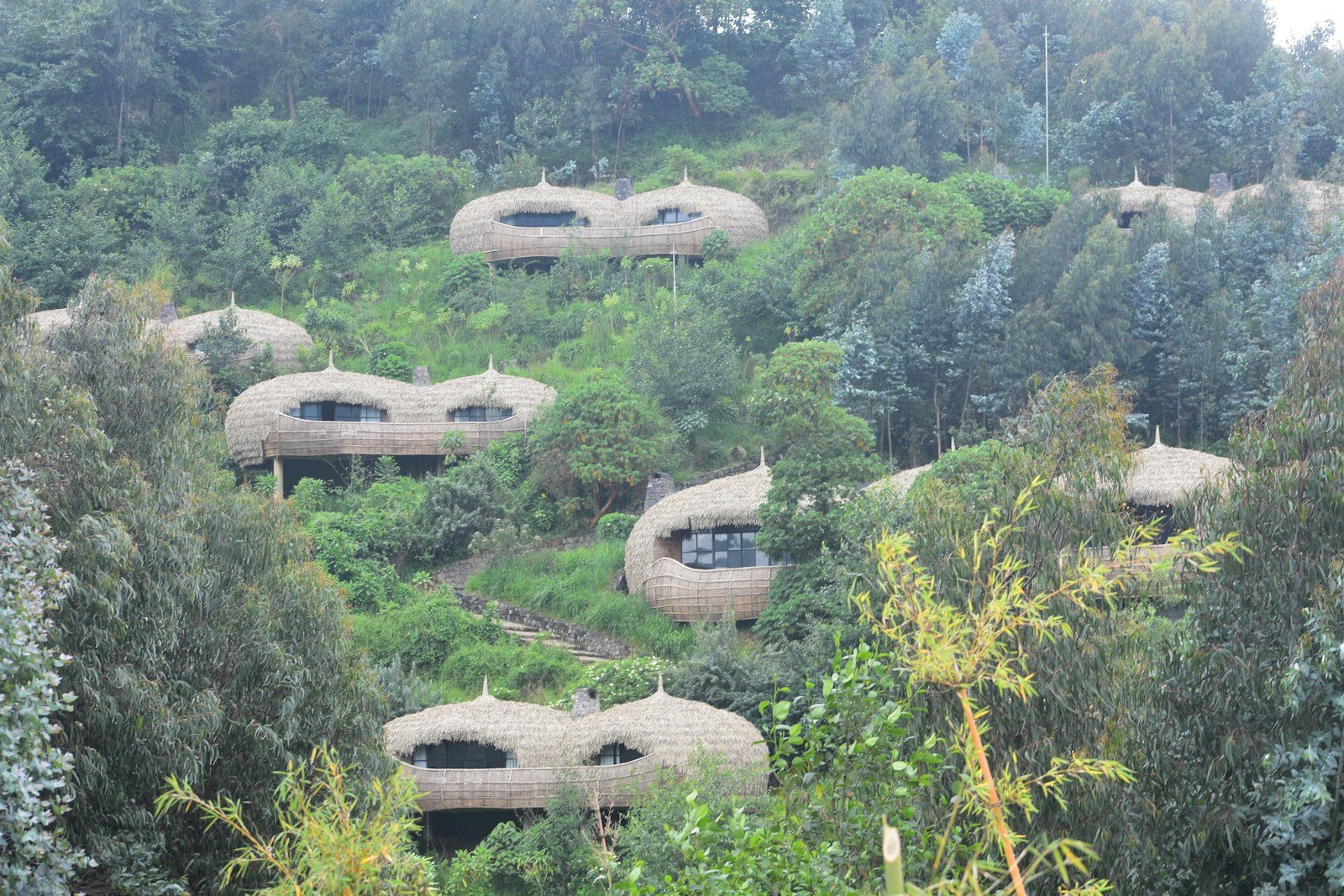
Rwanda’s Musanze and Volcanoes National Park region includes guesthouses, established midrange lodges and some of Africa’s best-known luxury gorilla properties. Travelers seeking a refined short safari often appreciate the relatively compact transfer from Kigali and the possibility of combining upscale accommodation with a gorilla trek.
Luxury is available in both countries, and Rwanda is not exclusively high-end. Uganda is not exclusively a budget choice either. Ask for a quotation that lists specific hotels, room types, board basis, transfer arrangements and the number of nights. The best accommodation is the one suited to your itinerary, comfort expectations and travel style.
6. Gorilla Habituation: A Special Uganda Advantage
 Travelers who want more than the standard hour should investigate Uganda’s gorilla habituation experience in designated areas of Bwindi. This specialist activity involves accompanying conservation personnel during the process of gradually familiarizing gorillas with a controlled human presence. Where the programme operates, the permitted encounter can extend to roughly four hours under specific rules.
This is not simply a longer version of an ordinary trek. It is a different, more specialized field activity and can involve substantial hiking with a smaller visitor allocation. Availability is limited, and pricing differs from a standard permit. Uganda’s revised published schedule indicates that the foreign non-resident habituation rate rises to US$1,800 from 1 January 2027; confirm your actual travel-date rate with Uganda Wildlife Authority before booking.
Rwanda’s Volcanoes National Park does not routinely sell the same visitor habituation product. For enthusiasts who specifically want an extended gorilla research-style encounter, this distinction may settle the country choice. Learn more about trip formats in our best gorilla trekking tours guide.
7. Best Wildlife and Cultural Experiences to Combine
One reason many travelers choose Uganda is the ease of building a diverse nature itinerary. Bwindi can be paired with chimpanzee tracking in Kibale Forest, game drives and a Kazinga Channel boat cruise in Queen Elizabeth National Park, a visit to Lake Bunyonyi, or golden monkey tracking in Mgahinga. Longer journeys can include Murchison Falls National Park, Lake Mburo and the Nile region.
Rwanda offers compelling additions of its own. Golden monkey tracking and scenic hikes around Volcanoes can be combined with a visit to Lake Kivu, Kigali’s cultural and historical attractions, the forests of Nyungwe National Park or game drives in Akagera National Park. This works well on shorter itineraries.
If you want gorillas plus chimpanzees and classic savannah wildlife in one ambitious holiday, Uganda often offers an especially natural route. If you want a shorter circuit around Kigali, Volcanoes and Lake Kivu, Rwanda is highly attractive. Two-country safaris are also possible, but passports, visas, border procedures and realistic road distances must be checked before ticketing.
8. Best Time for Gorilla Trekking in Uganda and Rwanda
Gorilla trekking operates throughout the year in both destinations. The relatively drier periods around June to September and December to February are popular because paths may be less muddy and walking conditions more comfortable. However, tropical mountain weather is unpredictable: even during a drier month, rain can arrive unexpectedly.
Rainier periods can reward travelers with vivid vegetation, misty forest photography and, depending on the property and booking conditions, more flexible accommodation options. The tradeoff is that steep trails may become slippery and transfers may take longer. Weather alone should not decide the country: consider permit availability, your schedule and your preferred safari combinations.
Travel during holidays and popular dry-season months should be arranged well ahead. A confirmed lodge without the matching gorilla permit is not enough; secure the trekking date first. Read the broader gorilla trekking travel overview when comparing seasons.
9. Photography and What to Pack
Gorilla photography is rewarding in both countries, but the conditions can be demanding. Forest light can change within seconds, foliage may obscure your subject, and the gorillas are free to move. Rwanda’s bamboo sections sometimes provide relatively open sightlines; Bwindi has dramatic rainforest textures and beautifully atmospheric backgrounds. Neither environment guarantees an unobstructed photograph.
Bring a camera you already know how to operate, a protected lens, spare batteries and a rain cover. Flash photography is not permitted. A comfortable camera strap or small weather-resistant backpack will help keep your hands free during slippery sections. Wildlife welfare and park guidance should always override the pursuit of an image.
For clothing, select waterproof hiking boots with grip, long trousers, a lightweight rain jacket, gloves for protective vegetation and layers for cool early mornings. Carry drinking water, a packed lunch when instructed, insect repellent and essential medication. Packing too heavily can make your trek unnecessarily tiring, especially at higher elevations.
10. Is Gorilla Trekking Safe in Both Countries?
Gorilla tourism in Uganda and Rwanda is conducted under tightly managed park procedures with trained guides, ranger teams and established visitor regulations. Guests receive a briefing and must follow instructions on spacing, movement, illness and behavior around the gorilla family. Gorilla trekking is a wildlife activity, not a controlled zoo encounter, so responsible conduct matters.
The more common practical difficulties are slippery terrain, fatigue, altitude, sudden weather changes and the demands of a long travel day. Travelers should discuss existing health or mobility limitations with appropriate medical professionals and the tour planner before booking. Check entry requirements and official travel advice for your nationality, and arrange suitable medical and travel insurance.
Do not participate if you are unwell with potentially transmissible symptoms: respiratory infections can threaten gorillas. Protecting the animals also protects the future of the experience. Parks may refuse access where health rules are not met, and permit conditions can limit refunds.
11. Which Destination Is Best for Different Travelers?
Couples and honeymooners
Both offer romantic forest lodges. Uganda works well for a varied honeymoon; Rwanda excels for a shorter, polished getaway.
Budget-conscious travelers
Uganda’s lower standard permit charge and accommodation range generally make it a strong starting point.
Travelers short on time
Rwanda is often simpler for a two- or three-day trip from Kigali, without long cross-country transfers.
Wildlife enthusiasts
Uganda is excellent for combining gorillas with chimpanzees, game drives, cruises and birdwatching.
Photography lovers
Both are superb but unpredictable. Prioritize patient observation, sensible camera settings and good guides.
Returning gorilla trekkers
Consider a second landscape, another trek, or Uganda’s specialist habituation programme.
12. Suggested Gorilla Safari Itineraries


13. How to Book the Right Gorilla Trek
Start with your ideal month, number of travelers, country preference and number of trekking days. Next, confirm actual permit availability and eligibility for the relevant visitor category. Only then select the lodge and build transfers around the specific briefing point. In Uganda, pay particular attention to Bwindi’s assigned sector; in Rwanda, check driving arrangements between Kigali, the lodge and the park briefing centre.
Request a transparent itinerary showing park permits, accommodation and meals, guide and vehicle, airport transfers, border formalities where necessary, included activities and excluded expenses. Ask whether porter fees, tips, drinks, insurance and optional tours are extra. A good safari includes realistic transfers and rest before trekking.
At Safari Vacations and Travel Services, we help travelers choose between Uganda, Rwanda and combined itineraries based on what matters most: value, time, terrain, lodging and wildlife interests. Explore our gorilla trekking tours for inspiration and request an itinerary tailored to your dates.
Frequently Asked Questions About Uganda & Rwanda Gorilla Trekking Comparison
Is Uganda or Rwanda better for gorilla trekking?
Uganda generally offers stronger permit value and a wider wildlife circuit. Rwanda is highly convenient for shorter trips from Kigali. Both offer exceptional mountain gorilla encounters.
How much is a gorilla trekking permit in Uganda versus Rwanda?
The commonly published standard foreign non-resident tariff is US$800 in Uganda and US$1,500 in Rwanda. Certain seasonal or residency discounts may apply; confirm the tariff for your exact date and visitor category.
Is Rwanda gorilla trekking easier than Uganda?
Not necessarily. Some Rwanda routes are more open, but high altitude, mud, steep slopes and the gorillas’ daily movements can make either destination physically demanding.
How long can I stay with mountain gorillas?
Standard permits in both countries normally provide up to one hour with the located gorilla family. Uganda’s separate habituation programme may permit a longer encounter under different rules.
Can I do gorilla trekking in Uganda from Kigali?
Yes. It is possible to travel by road from Kigali into southwestern Uganda, subject to border requirements, permit sector and suitable journey time. A properly planned itinerary is essential.
Which country is best for a short two-day trip?
Rwanda is often more practical because Volcanoes National Park is closer to Kigali. Uganda can work for carefully planned short routes from Kigali, but transfers and borders add complexity.
What is the minimum age for gorilla trekking?
The standard minimum age is 15 years in both Uganda and Rwanda. Check current park rules before arranging family travel.
Are gorilla sightings guaranteed?
No wild animal sighting can be absolutely guaranteed. Rangers and trackers work daily with habituated gorilla groups, which makes sightings generally reliable, but gorillas remain free-ranging wildlife.
When should I book gorilla permits?
Book as early as your dates become firm, especially for peak travel periods. Confirm permits before making nonrefundable lodge or flight arrangements.
Can I trek gorillas in both Uganda and Rwanda on one trip?
Yes. A two-country itinerary can include treks in both destinations, provided permits, border requirements, lodge locations and transfer time are coordinated carefully.
Final Verdict: Uganda or Rwanda?
There is no wrong choice between Uganda and Rwanda for a well-organized mountain gorilla safari. Uganda is particularly compelling for value, ecological variety and longer wildlife journeys. Rwanda stands out for its convenient Kigali gateway, compact itineraries and distinctive volcanic scenery. The hour with the gorillas can be just as moving in either country.
If you are deciding between the two, build the trip around your available days, preferred accommodation, fitness and interests beyond gorillas rather than price alone. Our team can compare actual permits and travel options and recommend an itinerary that works without unnecessary rushing.
Ready to Meet the Mountain Gorillas?
Tell Safari Vacations and Travel Services your dates, group size and preferred country. We will help design a private Uganda, Rwanda or combined gorilla trekking itinerary.





