
Gorilla Habituation Experience: 7 Amazing Expert Tips

Gorilla Habituation Experience: The Complete Bwindi Guide
A Gorilla Habituation Experience offers a rare opportunity to spend up to four hours observing a mountain gorilla group in Uganda’s Bwindi forest, alongside trained conservation staff. This detailed guide explains how the activity differs from a standard one-hour trek, where it is offered, what permits cost, how to prepare for the demanding forest day, and what a well-paced Uganda safari can realistically include.
The specialist experience is based in Rushaga in southern Bwindi and requires a separate permit. Published prices and allocation rules are date-dependent, so the advice here identifies the booking questions to ask rather than promising permits or sightings. You will also find practical guidance on lodges, transport, fitness, responsible photography and the choices that determine whether the longer excursion is right for you.
Gorilla Habituation Experience: What Makes It Different?
The Gorilla Habituation Experience is a limited, ranger-managed opportunity to accompany a conservation team into the mountain forest of southern Bwindi. Visitors observe a group of endangered mountain gorillas that is still becoming accustomed to the measured presence of humans. Compared with regular tracking, the viewing allowance is longer, the group of visitors is smaller, and the activity is connected more closely with the work of field trackers and researchers.
Habituation is not training gorillas to perform, feeding them, touching them or making them tame. Wild animals retain their independence and may spend long periods moving, feeding or resting away from a clear camera angle. The goal is to reduce alarm at carefully controlled human presence without undermining natural behavior. A respectful guest observes the process rather than expecting the animals to react to a timetable.
For travelers seeking an unusually immersive primate encounter, the extra observation time is the main attraction. It can allow more careful attention to relationships among adult females, juveniles and a silverback, or to tiny changes in posture and vocal communication. Four hours is an upper limit, however, not a promise that every moment will be spent at a comfortable viewing distance.

Where Does Bwindi Gorilla Habituation Take Place?
Uganda offers the specialist habituation visit in the Rushaga sector on the southern side of Bwindi Impenetrable National Park. Rushaga is a distinct trekking departure area: it should not be confused with Buhoma in the north, Ruhija to the east or the nearby but separate Nkuringo trailhead. Your exact ranger meeting place and designated activity must be confirmed on the permit and with the operator.
The wider Bwindi landscape consists of forested ridges, valleys, farms and small settlements. Conditions underfoot can change abruptly between a road, the first footpath and a steep forest slope. Staying in the right southern sector the night before is more important than choosing a hotel that simply advertises a Bwindi address. Roads around the park do not create a quick loop between every sector.
Rushaga gorilla habituation is distinct from a normal visit to an already habituated family. Conservation managers control which group is suitable for the activity and when it can be visited. Family assignments may change according to the animals’ welfare and park decisions, so old lists of named groups should never be treated as an entitlement attached to a specific booking.
Gorilla Habituation Experience in Rushaga: The Landscape
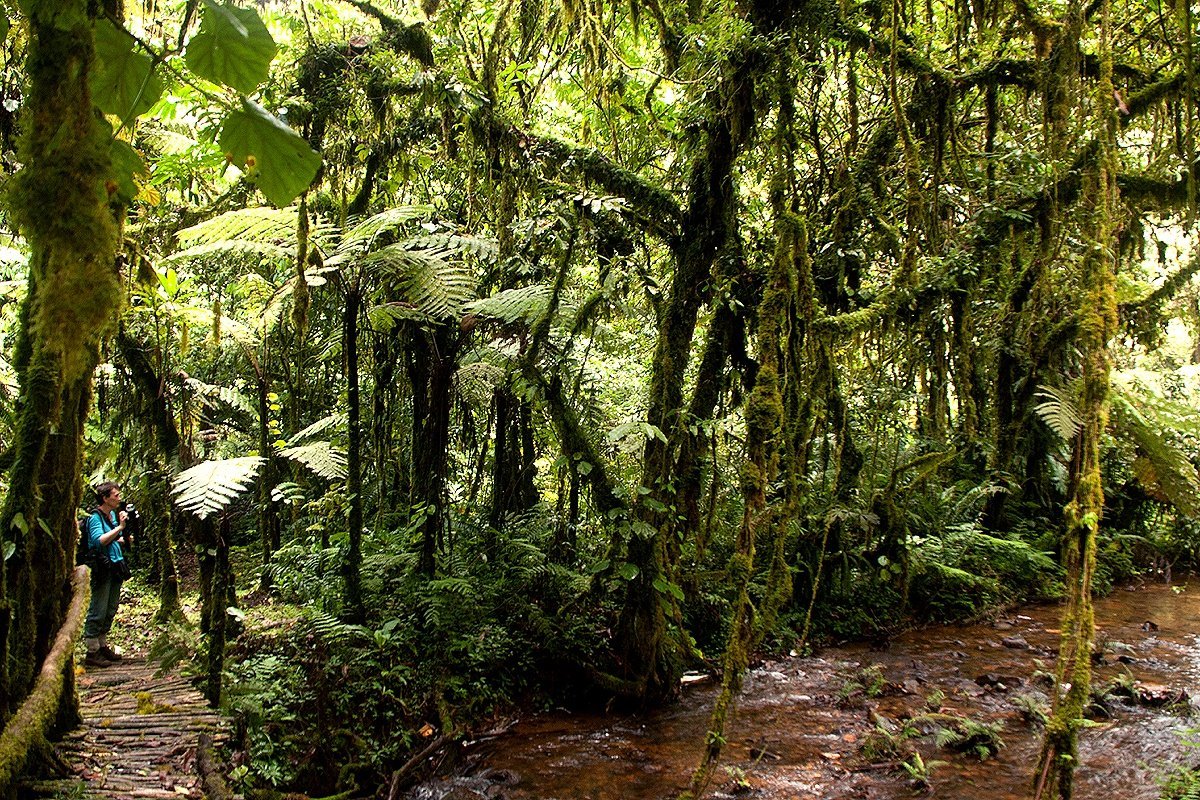
Rushaga lies in the mountainous southwest, where morning cloud can settle over the valleys and the forest can remain damp even in comparatively dry months. A clear early view may disappear behind rain later in the day. This is part of the atmosphere that makes the experience special, but visitors need realistic expectations about slippery ground, vegetation and unpredictable walking distances.
A comfortable southern Bwindi lodge gives you an opportunity to eat early, pack methodically and reach the briefing without an exhausting pre-dawn inter-sector drive. If arriving from Kisoro, Lake Mutanda or across the border from Rwanda, ask the operator to provide the actual road route and expected timing rather than relying on straight-line map distances.
Want to confirm the correct Rushaga habituation permit?
Standard Gorilla Trekking vs Habituation: What Changes?
Standard mountain gorilla trekking ordinarily allows up to one hour with a fully habituated family once trackers locate the animals. The specialist habituation experience permits up to four hours in the company of a family still undergoing the acclimatization process. Both are protected-area activities governed by ranger instructions, limits on visitor numbers and rules designed to protect great apes from stress and human illness.
The difference is not simply three extra hours of photographs. On habituation day, the animals may be less settled around people. The guides may stop, wait or reposition the group, and sightings can be more challenging. Conservation staff interpret behavior that a casual visitor might miss, while the small tourist party has to remain patient and quiet as the forest situation evolves.
For a first-time gorilla visitor who has limited time, a standard trek may offer a more straightforward introduction. For people who have tracked before, enjoy field biology or want time to watch behavior unfold, Bwindi gorilla habituation can be a more meaningful investment. Neither option is more ethical merely because it is more expensive; respectful conduct and conservation management matter most.
How a Gorilla Habituation Day Unfolds
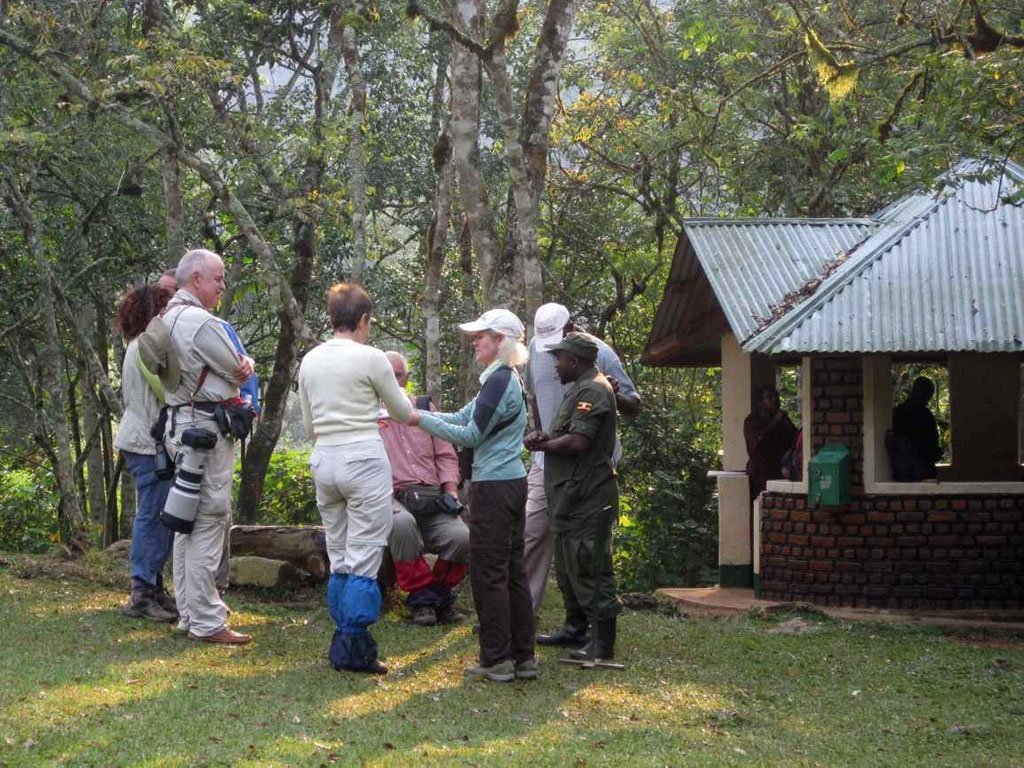
Begin with a full breakfast at your lodge and pack water, lunch, rainwear and any required medication. The ranger briefing is usually early in the morning, often around 7:30 or 8:00, but the confirmed reporting time is whatever the park and your operator provide. Staff explain conduct, fitness considerations and the conservation purpose before assigning the team and setting out.
Experienced trackers search for clues to where the family has moved: tracks, feeding signs, nest locations and reports from teams already working in the forest. The walking part may involve climbing, descending, crossing muddy ground or negotiating vegetation. Do not plan another time-sensitive activity for the afternoon. An early start does not guarantee an early finish, and even the return section can require substantial energy.
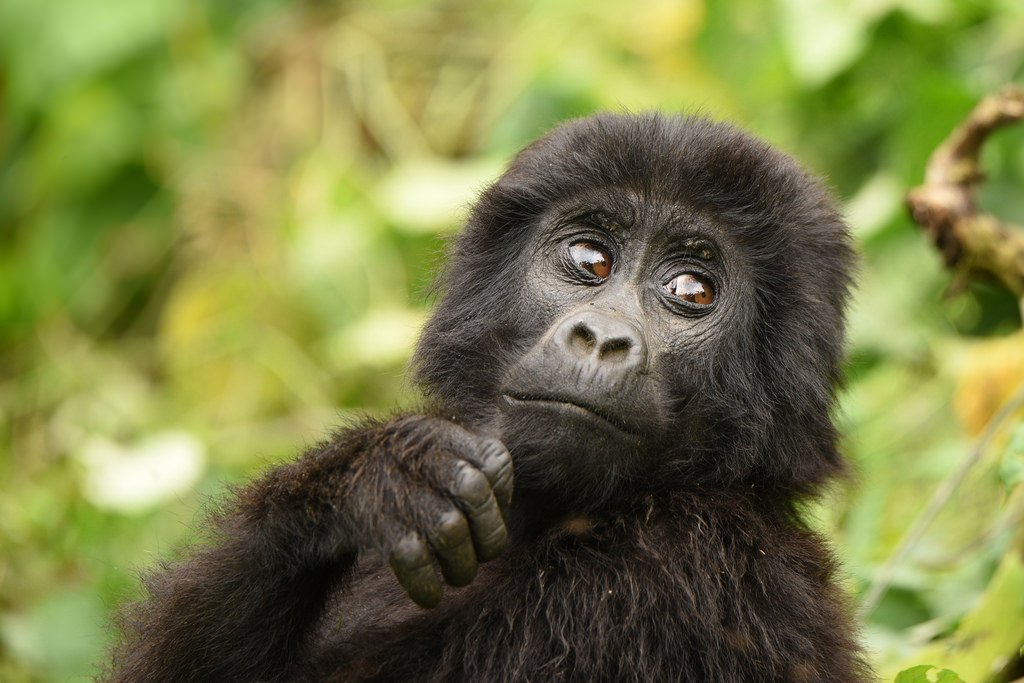
Once the gorillas are located, the group follows the ranger’s precise positioning instructions. You might observe leaves being stripped from stems, adults grooming, a juvenile investigating a branch or a silverback choosing a resting spot. These scenes need not be dramatic to be rewarding. The slower pace gives travelers time to appreciate how the family uses its habitat and communicates.
The four-hour allowance does not authorize continual movement toward animals that retreat. If the family becomes unsettled, if terrain is dangerous or if a ranger asks for distance, visitor expectations must yield to conservation judgment. Once the permitted session ends, the team returns on foot. A post-trek certificate, if offered, is secondary to finishing the day responsibly and safely.
Gorilla Habituation Experience: What You Might Observe
Watch for the subtle interactions that make mountain gorilla groups socially complex: an adult yielding space to another, youngsters learning through play or family members shifting position when a dominant animal moves. An experienced guide may interpret signs of alertness or comfort. Keep questions short and listen when the guide signals for silence, especially when gorillas change direction.
Photography works best when approached as careful observation rather than a competition for close-up portraits. The forest can be dark, faces may be partly obscured by leaves and the animals may not face the trail. Choose camera settings that work in low light, keep flash disabled and accept that some of the best moments are those remembered without a photograph.
Gorilla Habituation Permit Prices and Booking Rules
A specialist gorilla habituation permit is compulsory, and it is not interchangeable with a standard gorilla tracking permit. Published 2026 information commonly lists US$1,500 for a foreign non-resident habituation permit, while a number of current operator guides describe a planned US$1,800 rate from January 2027. Because tariff periods, traveler categories and rules are updated, request the official applicable rate for your specific trekking date.
The permit provides access to the park-managed experience subject to its regulations; it is not a full safari package. Your quotation should clearly separate the permit from accommodation, road transport or domestic flights, meals outside inclusions, porter hire and personal expenses. Never assume that an online price includes park-related charges simply because it is labeled a total safari cost.
Availability is particularly limited because habituation groups accept very few visitors, typically a maximum of four per assigned gorilla group. Busy travel periods can sell out well ahead of time. Ask a qualified operator to check the date, category and sector before you commit to nonrefundable flights or hotels. A reservation is not secured merely because someone has sent an itinerary proposal.
For foreign non-residents, published Uganda Wildlife Authority booking guidance directs permit purchases through properly licensed tour operators. Request a clear invoice, the correct spelling of every traveler’s passport details, the tracking date, the activity name and documentation of confirmed payment. If plans change, cancellation and amendment policies should be checked in writing before paying.
Need a date-specific quote and accommodation near Rushaga?
How to Book a Gorilla Habituation Permit Safely
Begin by identifying possible travel dates and confirming that every participant meets the minimum age requirement, generally fifteen years. Then check actual permit availability. The booking operator should specify that you need the longer Rushaga experience, not an ordinary Bwindi trekking ticket. Do not accept an invoice that uses the two activities interchangeably, because their availability and prices differ.
Before payment, confirm what happens if a traveler becomes ill, if a flight is delayed, or if the authority changes an allocation for operational reasons. Ask for the written terms for refunds and rescheduling, and retain the official confirmation. The most reliable booking is transparent about what is available and what cannot be guaranteed, rather than promising a named gorilla family or effortless walking.

Is the Gorilla Habituation Experience Worth the Price?
Value depends less on how many photographs you collect than on what you want from your time in the forest. A visitor fascinated by primate behavior may find the extended observation period remarkable. You might watch a family settle after feeding, notice younger animals testing boundaries or hear staff explain why researchers wait rather than intervene. Those details are difficult to appreciate in a brief encounter.
The premium is substantial, especially when transport and lodging are added. Travelers on a tighter budget may prefer to spend the difference on a longer Uganda itinerary, an extra night near the forest or another wildlife activity. A standard trek still supports protected-area conservation and offers a memorable one-hour viewing period. The more expensive option is not automatically the right choice for every guest.
For keen wildlife photographers, more time can help with changing light and a wider range of behavior, but it also means carrying equipment for a longer, physically demanding outing. A person with limited mobility should discuss the terrain and available local assistance honestly before purchasing the more demanding permit. The desired experience should match fitness and interests, not just a marketing headline.
How Physically Demanding Is Bwindi Gorilla Habituation?
The forest walk is inherently variable. Tracking crews know the gorillas’ last movements, but the animals can travel and terrain conditions can change. Some groups reach an encounter relatively quickly; others spend much longer negotiating hills and thick vegetation. After the visit, everyone still has to walk out. A four-hour gorilla viewing allowance does not mean a four-hour total excursion.
Build practical stamina before the safari with regular walks on hills, stairs and uneven paths. Test hiking boots in advance and practice carrying a modest daypack. Strong hikers can still find the humidity, altitude or muddy slopes tiring. If your health, knees or balance create concerns, discuss them with the operator and a medical professional where appropriate rather than assuming a guaranteed easy route.
A local porter can carry your bag and may assist with footing on difficult passages. The service also supports nearby communities, although specific assistance must be arranged according to local conditions and availability. Take breaks when the ranger permits, drink water consistently and do not rush simply because another visitor seems faster. Group safety and the gorillas’ welfare always outrank personal pace.
Best Time of Year for Gorilla Habituation in Uganda
The experience is organized throughout much of the year subject to permit availability and park conditions. Uganda’s relatively drier stretches are often preferred for walking, notably around June to September and December to February, but Bwindi is rainforest and rain can fall at any time. Footpaths may stay slick even after several dry mornings, so appropriate clothing matters in every season.
Wetter periods can have a beautiful atmosphere, deep green vegetation and fewer visitors on some dates. They can also make steep descents and river crossings more challenging and increase the need for waterproof protection. A weather forecast is useful for packing, not for predicting whether the gorillas will be close. Booking availability and your physical comfort should drive the timing decision.
If your schedule is fixed by holidays, school calendars or a long-haul flight, prioritize obtaining the right permit early. Do not purchase an unusually cheap itinerary without checking that a genuine habituation permit is included for the actual dates. Some discounts advertised for ordinary trekking do not extend to the specialist activity, and a bargain headline can conceal essential exclusions.
What to Pack for a Gorilla Habituation Trek
Choose broken-in hiking boots with reliable grip, long trousers, a breathable long-sleeved shirt and a waterproof outer layer. Forest plants can scratch exposed skin, and wet grass can soak ordinary clothing before the main walk begins. Lightweight gaiters and simple gloves may help on muddy trails. Carry a dry change of clothes at the lodge for the return, but keep your daypack light.
Pack drinking water, an appropriate packed lunch, a small energy snack for use away from the gorillas, sunscreen, insect repellent and personal medication. Seal electronics and documents inside waterproof pouches. Ask the lodge to prepare food early enough for your departure. Leave unnecessary valuables and heavy camera accessories behind when they are more likely to slow you down than improve the encounter.
A camera with quiet operation and good low-light performance is more practical than bulky equipment that requires constant setup. Flash photography is prohibited during the gorilla encounter, and a zoom lens is preferable to trying to move closer. Batteries can drain in cool conditions, so bring charged spares if needed. Put your phone away occasionally to appreciate the sounds and movement of the forest.
Carry your identification and booking confirmation according to the operator’s instructions. If you wear spectacles or need a walking aid, discuss a suitable arrangement before departure. A reusable bottle and minimal packaging reduce waste. The ranger team may have specific restrictions regarding bags, food and photography, so follow the morning briefing rather than any packing guide when there is a difference.
Wildlife Safety, Health and Conservation Etiquette
Mountain gorillas are susceptible to some illnesses that affect humans. If you have symptoms of a contagious disease, tell the operator and park staff before the activity rather than attempting to conceal them. Health and distancing rules can change, and the ranger’s current instructions take precedence over older online articles. Never touch, feed or deliberately attract a gorilla, even if it approaches your position.
Stay with the group and keep your voice low. Sudden movement, direct pursuit or repeated attempts to improve a camera angle can create unnecessary pressure on animals that are still adjusting to human presence. If a gorilla moves toward you, remain calm and let the ranger direct the response. The presence of trained staff does not remove the need for each visitor to behave responsibly.
Follow designated trails and carry every piece of litter back out. Avoid taking plants or stones as souvenirs. The park protects a landscape used by gorillas, birds, forest mammals and communities living around the boundary. Responsible tourism contributes most when visitors respect these broader relationships and understand that a successful day may involve patience, rain and periods without a clear view.
Prefer a fly-in option or a route through Kigali?
Getting to Rushaga From Entebbe, Kampala or Kigali
From Entebbe or Kampala, a southern Bwindi safari generally requires a long drive toward the Kisoro region. The exact journey depends on your starting point, roadworks, rest stops, weather and the lodge’s location. Most travelers arrive at least one day before the forest activity. Trying to drive across the country on the same morning as the ranger briefing is not a realistic plan.
Domestic flight options toward the southwest may reduce long road hours, but they require an onward road transfer and careful coordination with the habituation date. Flights operate on specific schedules and can have baggage restrictions. A fly-in itinerary may suit people seeking comfort, provided that the final transfer reaches the correct Rushaga accommodation with a sensible margin.
An arrival through Kigali is another possible route for southern Bwindi, particularly when visitors are already traveling in Rwanda. It requires a legal international border crossing, suitable immigration documentation and enough time for any delays. Confirm visa arrangements and the current border procedures for all travelers. Do not assume that a short map distance means a simple same-day trekking connection.
Where to Stay for the Gorilla Habituation Experience
The ideal lodge is one that gives you a reliable early transfer to the Rushaga briefing point and a restful base after a physically demanding day. Accommodation choices range from modest guesthouses to comfortable forest lodges. When comparing options, ask about drive time on actual roads, meal arrangements, laundry or boot-drying facilities, and whether staff can prepare a packed lunch before dawn.
Nearby Nkuringo and Kisoro-area accommodation can work for some travelers, but the distance between a lodge and the designated activity point must be verified individually. Do not rely on a brochure description such as near Bwindi without confirming the sector. Early arrivals are especially valuable after a long flight or international road transfer because tiredness makes an extended hike less enjoyable.
For a well-paced journey, consider an extra night after the forest outing rather than traveling directly to a distant destination. That breathing room allows you to recover, enjoy the lodge, and absorb the experience. It can also make the trip more resilient if roads are wet or flight schedules change. The best location is not always the most expensive one; practical access is decisive.
A Practical Four-Day Gorilla Habituation Itinerary
Day one is for arrival and acclimatization. Travel from Entebbe, Kampala or Kigali to your accommodation near Rushaga, leaving a generous margin for border procedures or road conditions as relevant. Check in before dark where possible, confirm the ranger meeting point and ensure the operator has the correct passport and permit information. Eat early, prepare your gear and prioritize rest.
Day two is the central forest experience. Breakfast comes before the early departure, followed by check-in, the ranger briefing and a guided trek to the assigned group. Once the family is located, the habituation team manages the observation period, which can last up to four hours. Follow every instruction about distance and behavior. Return to the lodge without scheduling a rigid afternoon appointment.
Day three provides flexibility for a nearby nature or community experience, a scenic rest day or a transfer toward Lake Mutanda and Kisoro. The purpose is to recover rather than recreate the intensity of the previous day. If you wish to add ordinary gorilla tracking or another primate activity, remember it requires a separate reservation and may involve another demanding day on foot.
Day four is the onward journey. Allow realistic driving time to the next destination or airport, particularly if your plan includes an international flight. Travelers with additional days can combine Bwindi with a savannah wildlife park or chimpanzee tracking elsewhere in Uganda. A thoughtful route has enough slack for mountain weather and avoids turning the habituation permit into a stressful dash.
Can You Combine Habituation With Other Uganda Safaris?
Yes, but the best combinations depend on your total time. An extended Bwindi stay can pair the specialist activity with ordinary tracking on another date, creating two very different encounters without changing countries. Every trek requires its own permit, and two consecutive long forest days can be strenuous. Build the itinerary around what the body and the budget can comfortably support.
Lake Mutanda offers a gentler contrast of water, hills and volcanic scenery, while Mgahinga Gorilla National Park provides a separate setting for golden monkey tracking. Further afield, Queen Elizabeth National Park introduces savannah game drives and boat-based wildlife viewing. Each addition involves travel and separate fees, so map the distances before assuming an attractive list of parks makes a practical short holiday.
Kibale’s chimpanzee tracking can add an intriguing comparison with another great ape, but it is not next door to Rushaga. Allow enough nights to make the transfer worthwhile and avoid adding activities solely because they appear in a package title. A satisfying Uganda itinerary balances close-up primate experiences with time to rest, appreciate local landscapes and travel safely.
Common Mistakes When Planning Bwindi Gorilla Habituation
The first mistake is buying a standard permit while expecting four hours with the animals. Confirm the named activity and its fee in writing. The second is booking a beautiful lodge in the wrong sector without considering the transfer road. The third is underestimating the physical commitment: a full forest day requires more preparation than simply standing beside a ranger for four hours.
Another mistake is treating photos of a named gorilla family as a promise of which animals you will meet. Group management changes with the animals’ welfare and daily operations. Likewise, an online statement about the precise starting hour, group assignment or permit price can become outdated. Confirm the date-specific arrangements and avoid irreversible travel purchases until the key permit is secured.
Finally, some travelers pack too much camera gear, too little waterproof protection or insufficient drinking water. Others try to add a long road transfer immediately after the trek. A better plan gives the day proper priority and lets the gorillas behave naturally. Realistic expectations create more satisfying memories than an itinerary that promises an effortless hike and predictable close-up behavior.
Frequently Asked Questions About the Experience
How many hours can visitors spend with the gorillas? The specialist visit allows up to four hours with an assigned family once it is found, subject to ranger decisions and conservation needs. The full outing generally takes longer because the walk to and from the family is additional. The permitted observation period should not be confused with a guaranteed amount of time photographing a stationary group.
Is gorilla habituation offered in Rwanda or Mgahinga? The particular tourist activity described in this guide is organized in southern Bwindi, Uganda. Rwanda and Mgahinga offer regular mountain gorilla trekking under their own authorities and permit systems, but a standard gorilla visit does not automatically include four hours with a semi-habituated family.
What is the minimum age? Published guidance generally requires participants to be at least fifteen. Families traveling with younger children should arrange suitable alternative activities and supervision outside the trekking area. Do not book a specialist permit for a child without checking the applicable age policy against official authority requirements.
Will we certainly see gorillas? Tracking teams work hard to find the assigned animals, but mountain gorillas remain wild, move across difficult terrain and cannot be scheduled. Weather, behavior and welfare considerations can affect an encounter. A responsible operator explains this uncertainty instead of selling a guaranteed photographic pose or a fixed walking duration.
Are permits refundable or transferable? The rules depend on current park policy, booking circumstances and the timing of a change. Ask for the written conditions before making payment, particularly if you are coordinating several travelers. An operator should distinguish official permit terms from any separate cancellation conditions for lodges, flights or transport services.
Can a solo traveler join? Solo travelers may book an available place in an allocated small visitor group, but the overall safari cost may be higher when vehicle and accommodation expenses are not shared. The habituation permit remains individual. A tour operator can explain whether a shared transfer is feasible without promising another guest will be available.
Is the experience good for photographers? Extra time is attractive for photographers, but rainforest light, vegetation and moving wildlife remain challenging. A quiet camera, spare battery and flexible composition are more useful than a heavy equipment bag. Flash use is prohibited, and a ranger may move the group whenever necessary for animal welfare.

Ready to plan your responsible Bwindi primate journey?
Plan a Responsible Gorilla Habituation Experience
The most successful Gorilla Habituation Experience begins with the right questions: is the special Rushaga permit available, can you manage the forest terrain, where should you stay, and how does the trip fit your larger Uganda route? A knowledgeable organizer will answer these before suggesting upgrades. Clear information about payments, age limits and return transfers matters more than glossy claims.
Treat the opportunity as a privilege to observe conservation work around wild mountain gorillas. Give yourself time, carry suitable equipment, respect park teams and approach sightings with patience. Whether you choose this extended visit or conventional tracking, careful planning and responsible conduct protect the animals and improve the experience for everyone who follows.





