Covid-19 Pandemic in Uganda

Uganda Travel Requirements & Safari Safety: Is Uganda Safe to Visit in 2026?
Searching for Uganda travel requirements, Uganda entry requirements, COVID-19 rules or whether Uganda is safe to visit for a safari in 2026? The practical answer for safari travelers is that Uganda is open for tourism and its national parks and safari experiences are operating. The nationwide COVID-19 lockdowns, routine pandemic travel testing and border restrictions that defined 2020 and 2021 are no longer the framework for visiting Uganda. Safari tourism is operating, national parks welcome visitors, lodges and safari companies are active, and travelers can once again focus on gorilla trekking, chimpanzee tracking, game drives, boat safaris and Uganda’s landscapes rather than pandemic-era shutdowns.
Quick Uganda safari travel checklist
Before flying, check your passport validity, Uganda tourist visa or visa-exemption status, yellow-fever certificate requirements, travel insurance and the latest official health and entry guidance. Uganda Immigration currently directs visa-required tourists to its online visa system and lists a passport bio-data page with at least six months validity among tourist-visa requirements.
COVID-19: do not rely on old 2020–2022 articles describing lockdown-era PCR tests, airport testing or border closures. Those pages remain online and can appear in search results even though they describe historical pandemic measures. Always check current official requirements close to departure.
Uganda confirmed its first COVID-19 case on 21 March 2020 and subsequently experienced lockdowns, school closures, pressure on health services and nationwide vaccination campaigns. Those emergency measures belong to an earlier phase of the pandemic. Travelers planning a safari today should base their preparations on current Uganda travel requirements, current Uganda entry requirements and the latest official travel and health guidance.
Uganda Travel Requirements in 2026: Entry Rules, Visa & Yellow Fever
For most international visitors, understanding Uganda travel requirements means checking four practical items before departure: passport validity, whether your nationality needs a Uganda tourist visa, your yellow-fever documentation and any current health or immigration notices. These Uganda entry requirements matter far more to a 2026 safari plan than archived COVID-era testing rules.
Before booking flights, permits and lodges, review the latest Uganda travel requirements for your nationality. Confirm your passport validity, Uganda tourist visa or visa-exemption status, and yellow fever vaccination Uganda documentation. Keeping these Uganda entry requirements in one pre-departure checklist makes safari preparation simpler and reduces avoidable problems at check-in or immigration.
Uganda entered the pandemic with several advantages and vulnerabilities. The country had extensive experience responding to infectious-disease threats, including Ebola and other outbreaks, and it had established surveillance and community-health structures. At the same time, the health system faced constraints in intensive-care capacity, oxygen supply, staffing, laboratory reach and household access to care. The population is young, but many families depend on informal work, daily earnings and public transport, making prolonged movement restrictions economically difficult.
The first phase of the response emphasized prevention: border restrictions, quarantine, school closures, bans on gatherings, curfews and limits on movement. These measures bought time, but they also transferred much of the burden from hospitals to households. Families had to manage interrupted schooling, reduced incomes, transport restrictions and uncertainty about food, rent and medical access. This trade-off—reducing viral spread while protecting livelihoods—became one of the central policy dilemmas of the pandemic.
March 2020: The First Confirmed Case and Rapid Restrictions
Uganda confirmed its first COVID-19 case on 21 March 2020, involving a traveler who had arrived from abroad. Restrictions were already tightening as the threat spread internationally. Passenger travel through Entebbe International Airport was curtailed, borders were restricted for passenger movement, schools and places of worship closed, public gatherings were prohibited and non-essential movement was sharply reduced. The early objective was straightforward: delay widespread community transmission while laboratories, treatment facilities and public messaging were strengthened.
For many Ugandans, the pandemic became real not through a hospital diagnosis but through the sudden disappearance of ordinary routines. Taxis and boda-bodas faced restrictions, markets operated under new rules, offices closed or shifted to remote work where possible, and families were separated by district-level movement controls. In Kampala, where commerce depends heavily on mobility and face-to-face trade, the effect was immediate. Rural districts experienced a different shock: agricultural activity could continue more easily than urban services, but access to markets, medicines and transport became harder.
COVID-era shutdowns are history. Share your dates and safari wish list with our Uganda-based team and start planning gorilla trekking, wildlife parks, accommodation and private transport with current on-the-ground guidance.
Why Uganda’s Early Response Drew Attention
During the first months, Uganda reported relatively few cases and no deaths for a prolonged period. Authorities used testing, quarantine, contact tracing, border screening and restrictions on movement. Truck drivers crossing regional borders became an important surveillance concern because freight continued moving even when passenger travel was heavily restricted. This highlighted Uganda’s position inside an interconnected East African economy: completely closing trade routes was not realistic, yet cross-border movement created pathways for infection.
Early success also created a communication challenge. When visible illness remained limited, some people questioned whether restrictions were proportionate. Public-health officials had to explain that prevention can make a threat appear smaller precisely because measures are working. Later community transmission and severe waves showed that the underlying risk had not disappeared. The experience illustrates a broader lesson from epidemic control: early case numbers are shaped not only by transmission but also by testing capacity, surveillance definitions, reporting practices and access to diagnosis.
The First Lockdown: Health Protection Versus Household Survival

Uganda’s first nationwide lockdown in 2020 was among the most disruptive periods of the pandemic. Movement restrictions helped reduce opportunities for transmission, but they also exposed how many livelihoods depend on daily cash flow. Informal traders, transport workers, hospitality staff, guides, craftspeople and small businesses could not simply move their work online. For households with little savings, even a short interruption could mean difficulty buying food, paying rent or purchasing medicine.
REQUEST A SAFARI PLAN
World Bank high-frequency surveys later documented these pressures. Work stoppages were concentrated in sectors requiring personal interaction, while agriculture proved relatively more resilient. Non-farm family businesses reported major income losses. Rural households also faced barriers to health care and medicines, including transport difficulties and affordability. These findings matter because the pandemic’s health burden cannot be measured only in positive tests and hospital admissions; indirect effects on nutrition, routine care, maternal health, chronic disease management and household welfare also shaped the national experience.
Schools, Children and the Long Education Shock
School closures were one of the longest-lasting disruptions. Uganda closed schools in March 2020, affecting millions of learners. Remote learning was attempted through radio, television, printed materials and household study, but access was unequal. World Bank survey data found that remote learning participation varied sharply by household wealth and location. Electricity, devices, internet access, parental education and the ability to create quiet study time all influenced whether children could continue learning.
The consequences went beyond missed lessons. Schools provide structure, social contact, meals or nutrition support in some settings, safeguarding, health information and a route to future employment. Long closures increased the risk that some learners—especially those facing poverty, early pregnancy, child marriage, work obligations or family disruption—would not return. When schools reopened, teachers faced the difficult task of addressing learning loss while also restoring routines and confidence. The pandemic therefore became an education crisis as well as a health crisis.
2021: A More Severe Wave and Renewed Lockdown
By 2021, Uganda faced a more severe phase of the pandemic. Community transmission was established, hospitals came under greater pressure and public anxiety increased as more families encountered serious illness directly. A second nationwide lockdown was imposed in June 2021 during the second wave. The context was different from 2020: people had already endured months of economic strain, businesses had weaker financial buffers, students had lost substantial classroom time and health workers had spent more than a year responding to the emergency.
The second lockdown again reduced movement but deepened livelihood stress. World Bank survey results showed employment falling during this period compared with earlier 2021. The cumulative effect is important. A household that can survive one temporary interruption may struggle after repeated closures, medical expenses, reduced remittances and school-related costs. The pandemic widened pre-existing inequalities because people with secure salaries, savings, private vehicles, internet access and spacious homes could absorb restrictions more easily than workers and families living closer to the economic margin.
Today’s Uganda safari experience is centered on gorilla trekking, wildlife viewing, primate tracking and scenic journeys across the country. Before departure, confirm current Uganda travel requirements, Uganda entry requirements and the travel advisory applicable to your nationality and itinerary.
Vaccination Begins: March 2021
Uganda received its first 864,000 AstraZeneca doses through the COVAX facility on 5 March 2021 and launched vaccination on 10 March. The initial rollout prioritized health workers, security personnel, teachers, essential workers, older adults and people with underlying health conditions. This phased approach reflected limited early supply and the need to protect people most exposed to infection or severe outcomes.
Vaccination was not simply a matter of receiving doses at Entebbe. Uganda had to move vaccines through a national cold chain, train staff, record doses, communicate eligibility and reach communities separated by distance, islands, mountains and poor roads. UNICEF documented vaccine delivery to Bwama Island on Lake Bunyonyi, where health services depend on boats. Such examples show the practical challenge of equitable vaccination: national supply can look adequate on paper while the final kilometers to a clinic remain difficult and expensive.
Vaccine Confidence, Misinformation and Communication
Like many countries, Uganda confronted misinformation and vaccine hesitancy. Rumors spread rapidly through social media, messaging apps, word of mouth and politicized debate. Some concerns were understandable responses to the speed of vaccine development or changing guidance; others were based on false claims. Effective communication therefore required more than repeating that vaccines were available. People wanted clear answers about safety, side effects, eligibility, dosing intervals and why recommendations changed as evidence evolved.
Health workers, religious leaders, community figures and trusted local voices played an important role in translating technical guidance into everyday language. The experience reinforced a durable lesson for public health: trust is infrastructure. Laboratories and vaccines are essential, but they work best when people believe the institutions delivering information, understand why advice is changing and can ask questions without being dismissed.
Hospitals, Oxygen and the Health-System Test

Severe COVID-19 tested Uganda’s health system in ways that were less visible during the early containment period. Hospitals needed isolation space, personal protective equipment, trained staff, oxygen and reliable referral pathways. When cases rose quickly, oxygen demand became a symbol of system pressure. Health workers faced infection risk, long shifts and the emotional strain of caring for patients during an evolving disease with changing treatment protocols.
The pandemic also competed with routine health needs. People still required malaria treatment, maternity care, HIV services, tuberculosis care, childhood immunization, surgery and management of chronic illnesses. Fear of infection, transport restrictions and household income losses could delay care even when services technically remained open. One of the strongest lessons is therefore the importance of resilient systems that can respond to an epidemic without allowing essential services to collapse.

The Economic Impact: Growth, Poverty and Informal Work
The economic shock arrived through several channels at once. Global travel collapsed, trade slowed, investment weakened and domestic restrictions reduced business activity. World Bank reporting noted that real GDP growth fell sharply in FY2020 compared with FY2019. Tourism, transport, hospitality and other contact-intensive services were especially exposed. Reduced employment and remittances affected household spending, while small businesses faced rent, debt and inventory costs even when revenue disappeared.
PLAN MY GORILLA SAFARI
The distribution of losses was uneven. Agriculture continued in many areas and provided a degree of resilience, but farmers still faced market and input disruptions. Urban workers in services, transport and commerce experienced severe interruptions. Poverty risks increased, and government faced the difficult combination of lower revenues and higher spending needs. Recovery required reopening economic activity without abandoning health precautions, supporting vulnerable households and restoring confidence among consumers and investors.
Uganda Safari Tourism Today: Gorilla Trekking, Wildlife & National Parks
Tourism offers one of the clearest windows into the pandemic’s wider impact. International arrivals fell, lodges lost bookings, guides and drivers lost work, and conservation areas lost visitor revenue. Operators produced new protocols and content such as Uganda Gorilla Trekking After COVID-19 to explain how wildlife travel could resume. As restrictions eased, travelers again began using Kampala city tours and researching places to visit in Entebbe, while updated travel information in Uganda and Rwanda became essential because old entry rules could quickly become obsolete.
Uganda’s nature-based tourism faced a special health concern: close human contact with great apes. Destinations such as Bwindi Impenetrable Forest, experiences involving gorilla trekking in Bwindi and visits to Mgahinga Gorilla National Park had to balance tourism income with disease prevention. The risk was not merely theoretical; respiratory pathogens can threaten habituated primates, so rules around illness, distance, group size and hygiene became even more salient.
As safari circuits reopened, travelers gradually returned to Queen Elizabeth National Park, Murchison Falls, Kibale Forest National Park, Lake Mburo and Kidepo Valley National Park. The recovery supported not only hotels and tour operators but also drivers, craftspeople, food suppliers, park staff and communities around protected areas. Practical services such as car hire services in Uganda and stopovers at Entebbe Botanical Gardens also benefited as mobility normalized.
The broader visitor economy includes cultural tourism sites in Uganda, roadside landmarks such as the Uganda Equator, mountain destinations including the Rwenzori Mountains and Mount Elgon, conservation attractions such as Ngamba Island Chimpanzee Sanctuary, and heritage or nature stops like Ssezibwa Falls. Adventure travel, including white-water rafting in Jinja, likewise illustrates how many different livelihoods were affected when movement and international tourism stopped.
For primate tourism, pandemic lessons remain operationally relevant. Visitors comparing gorilla and chimpanzee experiences should understand why operators protect animal health, why advance gorilla permit booking matters, and why current gorilla tracking information should be checked before trekking. The principles behind ethical gorilla trekking now include stronger awareness of respiratory disease, while seasonal planning through guidance on the best time to trek mountain gorillas helps travelers avoid treating old pandemic restrictions as current travel rules.
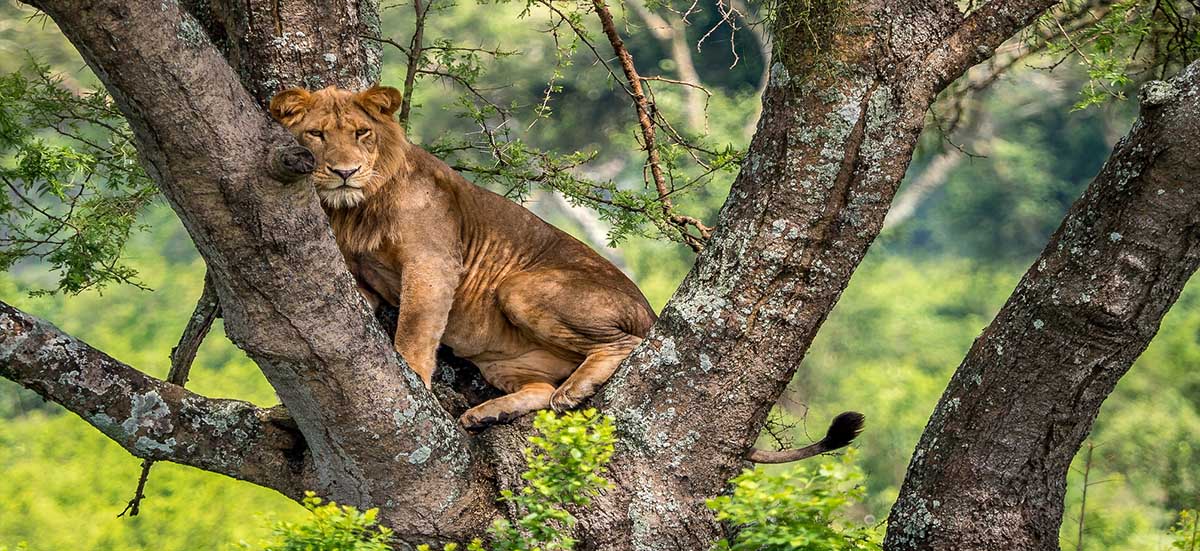
Picture your trip instead: mountain gorillas in Bwindi, chimpanzees in Kibale, lions and elephants on game drives, and boat safaris on the Nile or Kazinga Channel. Our local team can shape these experiences into one seamless itinerary.
Food Security, Household Coping and Inequality
Income loss quickly became a food-security issue for households that buy most of what they eat. Lockdowns disrupted access to markets and transport, while reduced earnings limited purchasing power. Government and humanitarian assistance helped some vulnerable groups, but the scale of need was large and distribution itself was complicated by movement restrictions. Households responded by reducing non-essential spending, using savings, borrowing, selling assets or changing diets.
These coping strategies can have long tails. Selling productive assets may reduce future income; taking children out of school can alter lifetime earnings; delaying medical care can worsen chronic illness; accumulating debt can slow recovery long after restrictions end. This is why assessments of the pandemic should include household resilience, not only national GDP. The same national growth rate can conceal very different experiences among salaried workers, informal traders, farmers, tourism workers, refugees and urban poor households.
Women, Girls and Social Risks
The pandemic’s social effects were also gendered. School closures and economic stress increased concern about early pregnancy, child marriage, domestic violence and unpaid care burdens. Women are heavily represented in informal commerce and service work, sectors vulnerable to movement restrictions, while many also carried additional responsibility for children learning at home and relatives needing care. UNICEF and other organizations warned that prolonged disruption could intensify existing risks for children and adolescents.
These outcomes were not caused by the virus alone. They emerged from the interaction between disease-control measures, household economics, social norms and access to protective services. Future emergency planning can learn from this by keeping safeguarding, reproductive health, education continuity and gender-based violence services integrated into response plans rather than treating them as secondary concerns.
Refugees and Humanitarian Pressures

Uganda hosts a large refugee population, and the pandemic placed additional strain on humanitarian services. Refugee settlements and host communities needed health information, testing, water and sanitation support, continuity of essential care and livelihood assistance while movement was restricted. Physical distancing can be difficult where households share facilities or depend on distribution points, and reduced international funding can compound local pressures.
Uganda’s refugee context demonstrates why national emergency statistics can miss important sub-populations. Risks differ by housing, income, legal status, mobility, access to information and proximity to health services. Inclusive surveillance and service delivery are therefore essential during outbreaks, both for humanitarian reasons and because infectious diseases do not respect administrative categories.
BUILD MY UGANDA ITINERARY
What Changed in Everyday Life
COVID-19 changed ordinary behavior in ways that became familiar across Uganda: handwashing stations appeared at entrances, masks became common, meetings moved outdoors or online, temperature checks became routine and businesses adjusted seating and customer flow. Some practices faded as the emergency receded, while others left a lasting imprint on infection-control awareness. Remote meetings and digital payments gained visibility, and institutions became more conscious of continuity planning.
At the same time, the pandemic revealed the limits of copying solutions from wealthier settings. Working from home is practical only for certain jobs. Online schooling depends on connectivity and devices. Private-car travel is not an option for everyone. Isolation is difficult in crowded housing. Effective policy therefore has to fit local economic and social realities rather than assuming every household can comply with the same measures at the same cost.
Is Uganda Safe to Visit in 2026? Uganda Safari Safety & Travel Health
Travelers asking is Uganda safe to visit are usually considering more than COVID-19. Uganda safari safety also involves current government travel advice, road travel, park rules, local conditions and choosing an experienced operator. Government advisories can differ by nationality and can change, so review the advisory relevant to your passport and insurance before booking and again before departure.
The most important update for 2026 is methodological. Daily national case counts are no longer the universal yardstick they were early in the pandemic. WHO’s global dashboard notes that many countries have reduced or stopped routine national reporting, and absence of reported data does not mean absence of cases, hospitalizations or deaths. SARS-CoV-2 continues to circulate globally and variants continue to evolve. For Uganda, this means readers should be cautious about websites that display an old cumulative total as though it were a live measure of current risk.
A better contemporary approach is to look for recent official surveillance, hospital pressure, outbreak notices, variant information and guidance for people at higher risk. COVID-19 is now managed alongside other respiratory and infectious diseases rather than through the extraordinary society-wide restrictions of 2020 and 2021. Individuals with symptoms, vulnerable health conditions or planned contact with high-risk people should follow current clinical and public-health advice.
Uganda COVID Requirements in 2026: What Safari Tourists Should Know
If you are searching for Uganda COVID requirements, be careful with older pages that still describe PCR testing, lockdowns or pandemic border controls. The safest planning approach is to verify the latest Uganda travel requirements shortly before flying instead of assuming a rule published during 2020–22 still applies.
Travelers asking is Uganda safe to visit should separate COVID questions from broader Uganda safari safety. Current Uganda COVID requirements, immigration rules and destination-specific travel advisories can change independently. Check each before departure, use a reputable safari operator and follow current park and local-authority guidance throughout your itinerary.
In everyday language, Uganda is clearly beyond the emergency phase that defined 2020–22: borders are open, schools and businesses operate, tourism is active and pandemic-era movement controls are no longer the organizing feature of public life. But “post-COVID” can be misleading if it suggests the virus has disappeared. The more accurate description is that COVID-19 has moved from an acute global emergency into longer-term disease management and surveillance.
This distinction matters for historical writing. A useful article should neither dramatize 2026 as though lockdown is imminent nor erase the continuing reality of respiratory disease. It should explain what happened, what changed, which consequences lasted and how readers can distinguish historical restrictions from current guidance.
Lessons Uganda Can Carry Into the Next Health Emergency
First, early action can buy time, but time must be converted into capacity: laboratories, oxygen, protective equipment, staffing, referral systems and clear communication. Second, emergency measures have unequal costs. Support for food security, informal workers, education and essential health services needs to be designed at the same time as movement restrictions, not after hardship becomes visible. Third, community trust determines whether people accept testing, isolation, vaccination and changing guidance.
Fourth, surveillance must be flexible. Border screening and contact tracing were important early tools, but once widespread community transmission occurs, resources may need to shift toward severe disease, hospital capacity and targeted protection. Fifth, resilient health systems are built between crises. Investments in oxygen systems, laboratories, data infrastructure, infection prevention and workforce training can strengthen responses to many diseases, not only COVID-19.
Finally, recovery policy matters as much as emergency policy. Learning loss, debt, lost businesses, interrupted care and reduced tourism income do not vanish when restrictions are lifted. The strongest recovery strategies identify these delayed effects and rebuild systems with the next shock in mind.
Tell us when you want to travel and what you want to see. We can help match your time and budget to the right parks, permits, lodges and route while you use current official guidance for any time-sensitive entry or health requirements.
Uganda COVID Requirements: Are Tests or COVID Vaccine Certificates Needed?
For tourists comparing Uganda COVID requirements with other Uganda entry requirements, the key distinction is between COVID-era documents and the travel documents that remain relevant today. Check current official guidance close to your departure date, especially if your itinerary or transit country has separate health rules.

For visitors, the practical message is simple: Uganda is functioning as a normal travel destination, while sensible health preparation remains part of responsible travel. Compare current Uganda and Rwanda safaris, review an up-to-date Uganda safety guide, and use recent Uganda travel tips instead of pandemic-era forum posts. Travelers combining countries can also review options for gorilla trekking Uganda-Rwanda while checking the entry and health requirements of every country on the itinerary.
Travelers visiting mountain gorillas or chimpanzees should be especially careful about respiratory symptoms because great apes are susceptible to human infections. If you are unwell, disclose symptoms to your operator or ranger team and follow current park instructions. This is not merely a COVID-era formality; it is part of long-term conservation ethics and responsible wildlife tourism.
Public Health Communication: What Worked and What Was Difficult
Public communication was one of the most visible parts of Uganda’s response. Presidential addresses, Ministry of Health briefings, radio programs, posters, community announcements and social-media updates translated an unfamiliar scientific threat into rules people could follow. Messages about handwashing, distancing, masks and reporting symptoms were repeated frequently. Radio was particularly important because it reaches households that may not have reliable internet access. Local-language communication also mattered: a national instruction has limited value if communities cannot understand how it applies to markets, transport, worship, funerals, schools and family life.
GET SAFARI IDEAS
The difficulty was that scientific knowledge changed. Advice on masks, transmission, testing, isolation and vaccination evolved as researchers learned more. To the public, a revised recommendation can look like contradiction even when it reflects better evidence. Rumors filled gaps quickly. Effective risk communication therefore required officials to explain not only what people should do but why advice was changing, what remained uncertain and which claims were unsupported. That lesson remains relevant for every future outbreak: certainty should not be exaggerated, and changing guidance should be explained as part of science rather than hidden as an embarrassment.
Business Adaptation and the Digital Shift
Businesses that survived the disruption often adapted rapidly. Restaurants experimented with takeaway and delivery, offices adopted online meetings, retailers used messaging apps to reach customers, and mobile money became even more useful when people wanted to reduce unnecessary physical contact. Tourism companies shifted from immediate sales to postponements, flexible rebooking and destination marketing aimed at future travel. Schools and universities expanded digital learning even when connectivity limitations made it impossible to reach every learner equally. The pandemic accelerated changes that were already underway, especially the use of phones as tools for commerce, communication and service delivery.
Yet digital adaptation also exposed a divide. A smartphone, data bundle, stable electricity and a job that can be performed remotely are forms of economic protection. Households without them had fewer options. Small enterprises often lacked cash reserves or formal credit histories. Many workers could not convert a physical occupation into a digital one. The lesson for resilience planning is not simply “go online”; it is to build affordable connectivity, digital skills, reliable power, inclusive payment systems and business support before the next disruption makes them essential.
Mental Health, Grief and the Less Visible Burden
Not every pandemic effect appeared in an economic survey or hospital register. Fear of infection, bereavement, isolation, job loss, uncertainty and prolonged school disruption created psychological stress. Health workers faced repeated exposure to suffering and death. Families could be unable to visit hospitalized relatives under infection-control rules. Young people lost social contact and predictable routines. Business owners worried about debt and survival. Even people who never developed severe COVID-19 could experience the pandemic as a long period of insecurity.
Mental-health effects are difficult to summarize with one national number because experiences varied enormously and services were already limited. The policy implication is clearer: psychosocial support should be considered part of emergency response, not an optional service after physical disease is controlled. Community networks, schools, workplaces, faith organizations and primary health care can all help identify distress and connect people with support. Public messaging can also reduce stigma by acknowledging that anxiety, grief and exhaustion are predictable responses to prolonged crisis.
Regional Borders, Trade and East African Interdependence
Uganda’s landlocked geography made regional coordination unavoidable. Fuel, food, manufactured goods and other supplies move through neighboring countries and ports connected by long road corridors. During the early pandemic, freight transport had to continue even when passenger movement stopped. Testing and screening truck drivers became a prominent issue because delays at borders could disrupt supply chains while infected drivers could carry the virus across districts and countries. The problem showed why national disease control can depend on agreements beyond national borders.
Regional coordination remains an important preparedness lesson. Neighboring countries benefit when laboratory definitions, traveler information, outbreak alerts and border procedures are compatible. Sudden unilateral rules can create queues, shortages and confusion. At the same time, open trade corridors require occupational protections for drivers and border staff. Future outbreak planning should therefore treat transport corridors as both economic lifelines and public-health systems, with facilities for sanitation, testing when appropriate, information sharing and humane management of delays.
Why the Pandemic Still Matters for Conservation
Uganda’s protected areas depend on a web of conservation funding, tourism revenue, ranger work, research and community relationships. When international tourism stopped, the loss was not limited to holiday businesses. Reduced visitor revenue could affect conservation budgets and community enterprises linked to parks. In places where tourism provides legal employment and local benefits, a prolonged collapse can also weaken the economic incentives that help wildlife conservation coexist with nearby communities.
Great-ape tourism added another layer. Mountain gorillas and chimpanzees are close biological relatives of humans, so preventing human respiratory infections from reaching habituated groups is a continuing conservation priority. The pandemic made this risk easier for the public to understand. Health screening, distance rules, limits on visitor numbers and instructions not to trek while sick should be viewed as conservation measures with value beyond COVID-19. The lasting lesson is that human health, wildlife health and local livelihoods are connected—a practical example of the “One Health” idea that diseases and ecosystems cannot always be managed separately.
Uganda Travel Requirements & Safari Safety FAQs
These frequently asked questions cover the Uganda travel requirements and Uganda safari safety topics tourists commonly check while deciding whether to book a gorilla trek or wildlife safari.
Planning a Uganda Safari in 2026: Travel With Current Information
The COVID-19 pandemic changed Uganda far beyond the number of laboratory-confirmed infections. It closed schools and borders, interrupted work, reshaped health services, emptied tourism destinations, accelerated new hygiene practices and tested public trust. The first lockdown demonstrated the power and cost of rapid containment. The 2021 wave demonstrated how quickly health systems can come under pressure. Vaccination showed both the value of global cooperation and the practical difficulty of reaching every community.
By 2026, Uganda is no longer living under the extraordinary restrictions that defined the emergency. The economy and tourism sector have recovered substantially, schools are open and public life has normalized. Yet the pandemic remains relevant because its lessons apply to the next outbreak: act early, communicate clearly, protect essential services, account for inequality, invest in resilient systems and support recovery after the immediate danger passes.
For a traveler planning now, the practical takeaway is simple: use current Uganda travel requirements and Uganda entry requirements to prepare for the trip, verify your Uganda tourist visa status and yellow-fever documentation, and treat old Uganda COVID requirements as historical unless a current authority has reintroduced them. For broader Uganda safari safety, check the latest advisory applicable to you and follow your guide’s instructions throughout the journey.
COVID-19 remains a circulating disease, but pandemic-era lockdown rules should not be confused with current Uganda travel requirements. Safari travelers should rely on recent official immigration, public-health and travel-advisory information when preparing for Uganda. This approach keeps Uganda entry requirements, health documentation and Uganda safari safety decisions based on current conditions rather than outdated pandemic guidance.
START PLANNING
Travel and health requirements can change. Before departure, confirm current Uganda travel requirements, immigration rules and health guidance with the relevant official authorities, particularly for time-sensitive entry or medical requirements.