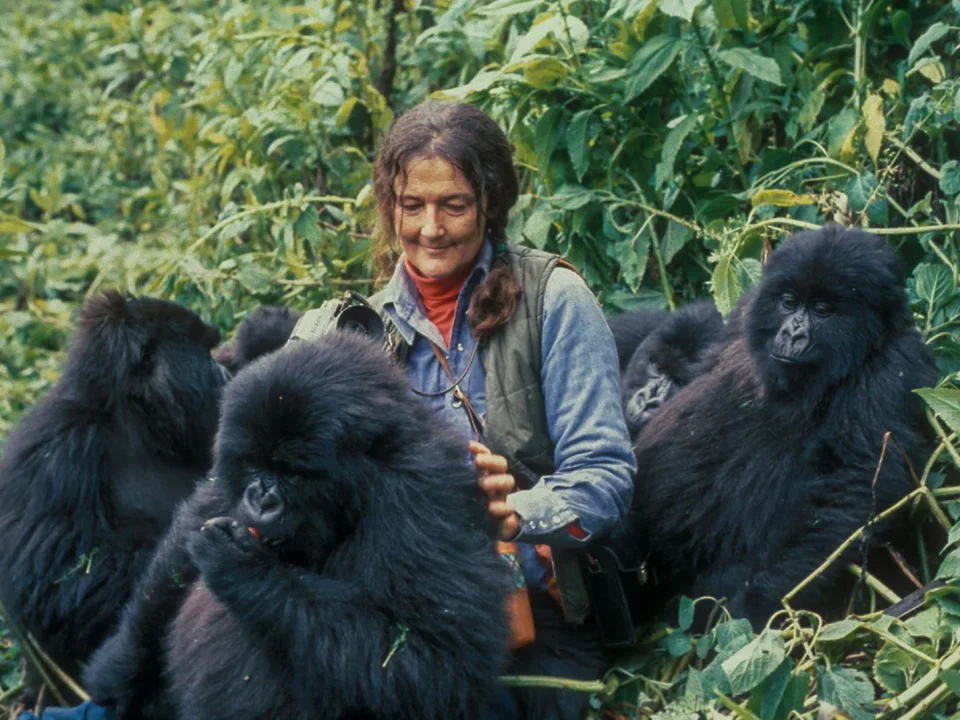
Best Gorilla Trekking Safari to Bwindi Impenetrable National Park
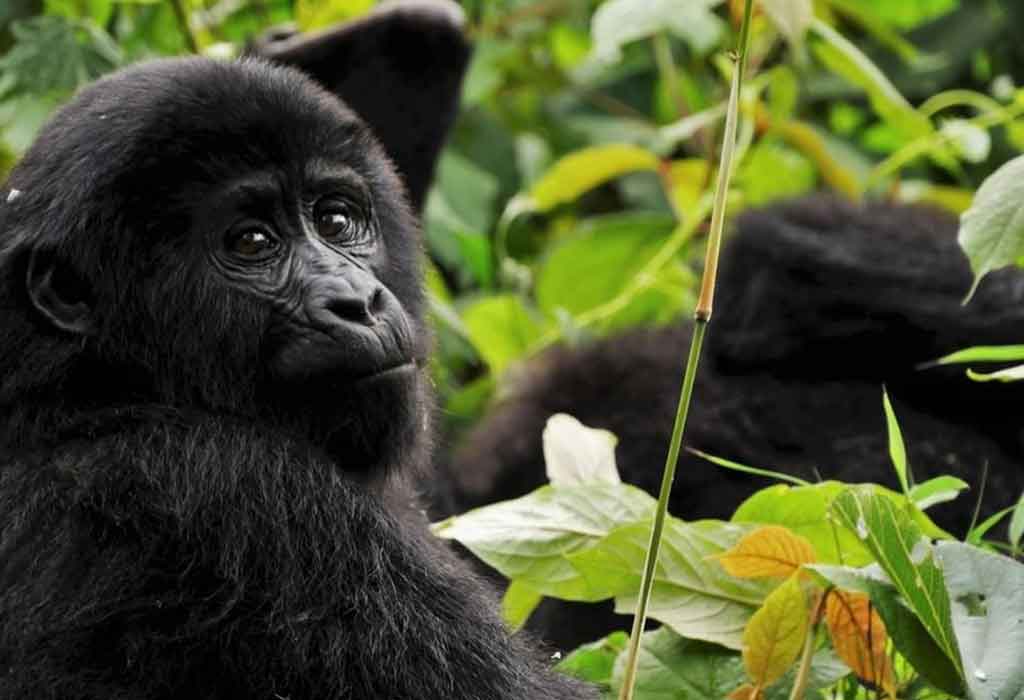
Best Gorilla Trekking Safari to Bwindi Impenetrable National Park
A gorilla trekking safari to Bwindi is a rare chance to meet mountain gorillas within Uganda’s ancient rainforest. This practical guide covers permits, trekking sectors, weather, getting there, accommodation, safety, conservation, and realistic itineraries so you can plan the experience with confidence.
Why Choose a Gorilla Trekking Safari in Bwindi?
What makes a Bwindi gorilla trekking safari special?
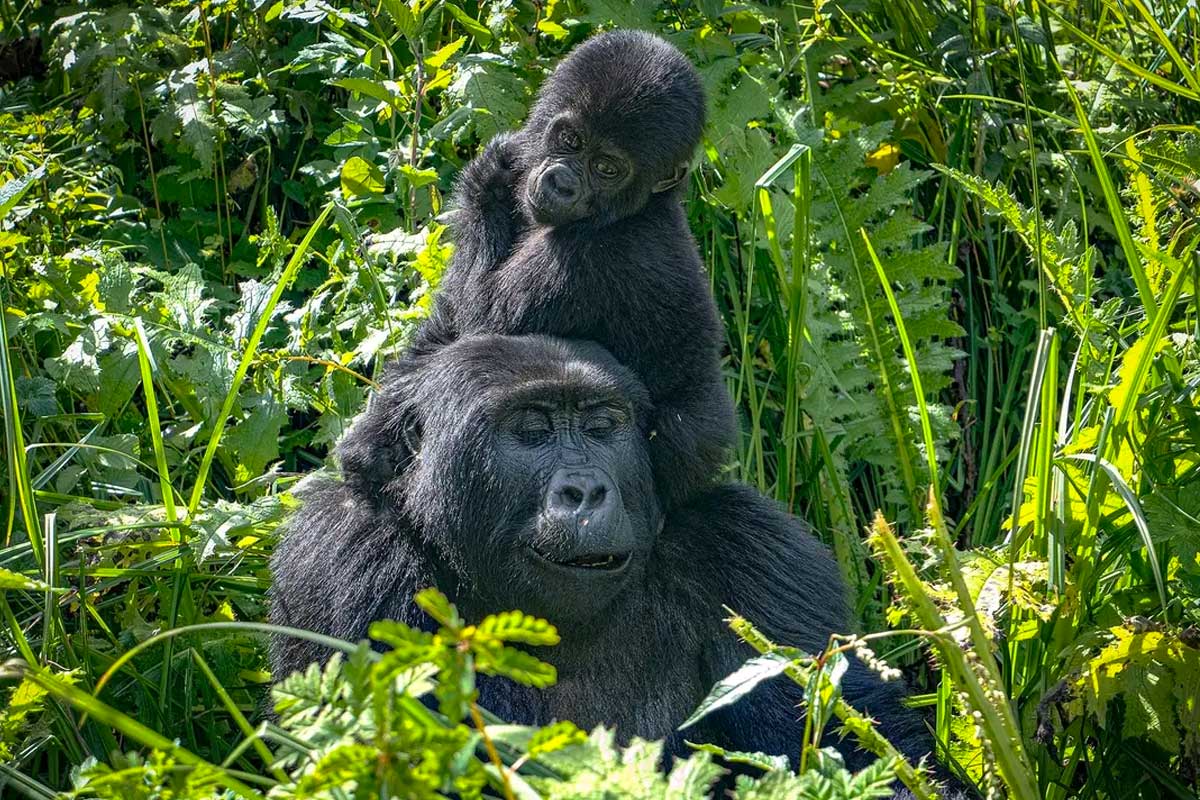
Bwindi is one of the few places on Earth where travelers can observe endangered mountain gorillas in their natural habitat. The forest climbs across southwestern Uganda in a remarkable landscape of mist, valleys, old trees, and thick undergrowth. A gorilla trekking safari here is not a zoo visit or a scheduled wildlife performance. You enter the forest with qualified rangers, follow recent signs of a habituated group, and discover an encounter that unfolds on the animals’ terms.
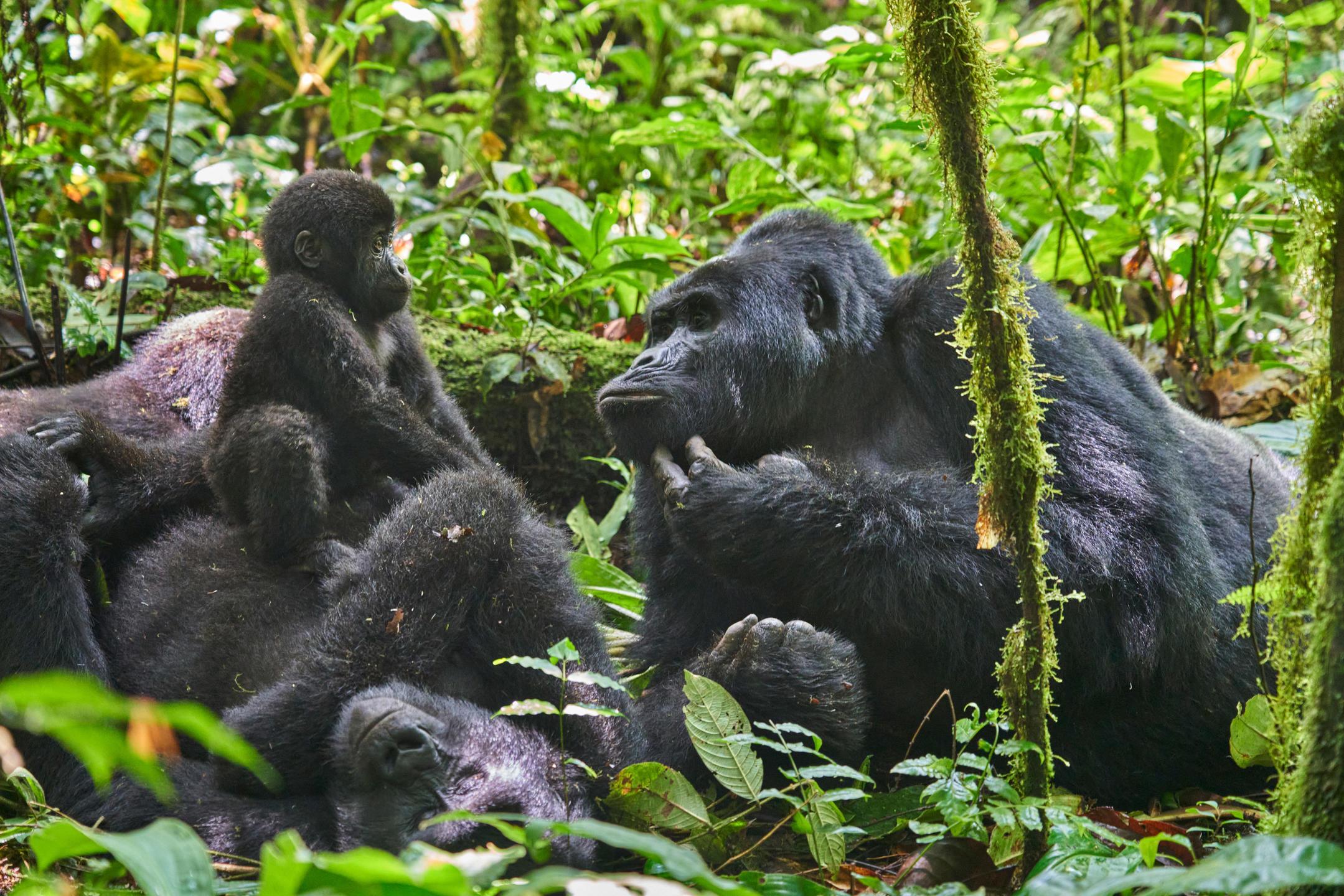
The feeling of the forest is part of the attraction. Before finding gorillas, you may hear turacos, see butterflies, cross clear streams, and notice fresh vegetation broken by feeding animals. A silverback resting near his family can be extraordinarily calm, while juveniles may play among vines. Every trek differs because gorillas move freely. Travelers who accept uncertainty often find the eventual meeting more meaningful.
Bwindi suits a dedicated three-day escape as well as a longer Uganda wildlife journey. The important choice is to organize the permit, lodge, transport, and walking expectations together. The right lodge beside your assigned trailhead can matter more than a glamorous room located across the park. This guide helps you match those decisions to your preferred comfort, available days, and budget. For a deeper picture of the ecosystem, read our guide to Bwindi Impenetrable Forest. Our Chimpanzee Trekking Safari overview explains a complementary primate experience.
Where Is Bwindi Impenetrable National Park?
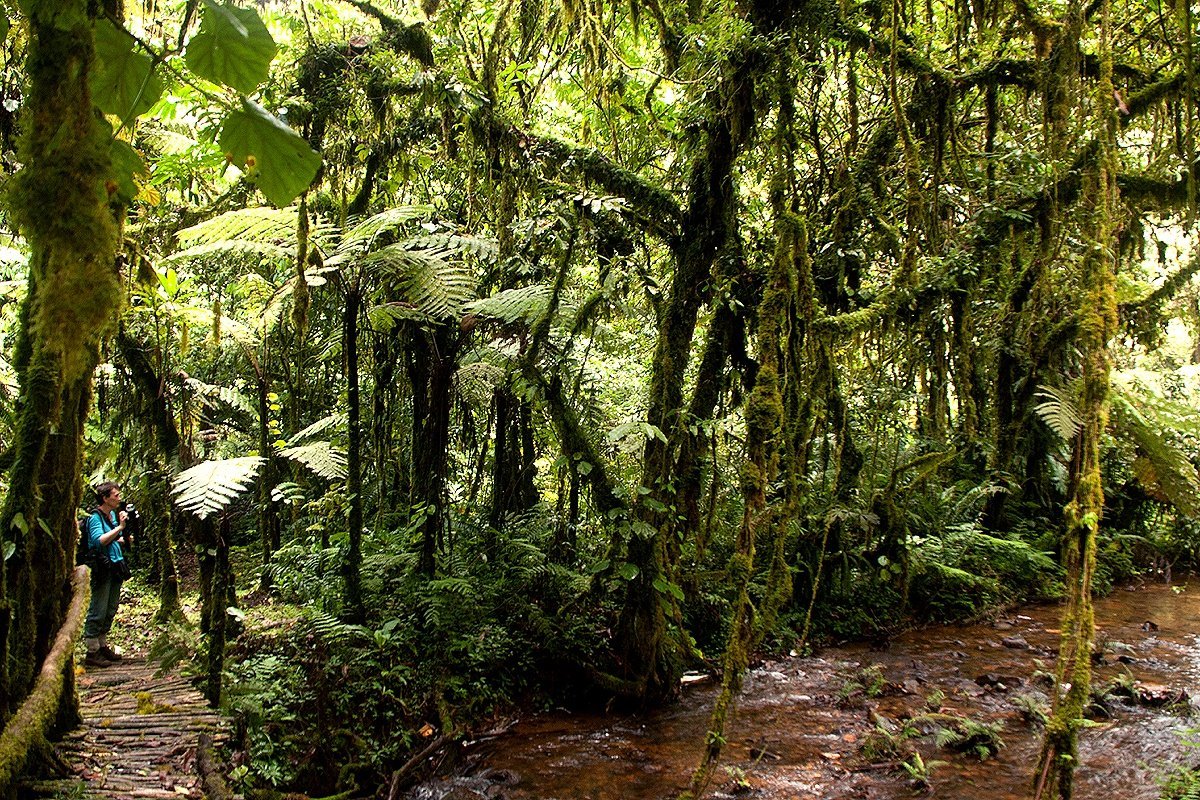
Bwindi Impenetrable National Park lies in southwestern Uganda near the borders with Rwanda and the Democratic Republic of the Congo. It is a UNESCO World Heritage forest and an important sanctuary for mountain gorillas, birds, forest mammals, and many plants. Its highland setting means warm afternoons can turn into cool, wet evenings. Rain is possible even when the broader region is experiencing a relatively dry spell.
The park is not served by one universal entrance. Visitors trek from several separate sectors, each with its own meeting point and nearby accommodation. A booking that simply says “Bwindi” is incomplete for practical travel planning. Confirm the precise sector before booking a lodge or arranging a transfer; some sectors are separated by long, winding mountain roads.
Many guests arrive through Entebbe International Airport and travel across western Uganda, while others fly to a nearby airstrip or enter through Kigali in Rwanda. Your best route depends on the permit sector, arrival hour, border requirements, and whether you want additional game drives or lakeside downtime. Map transfers in realistic driving hours, not straight-line distances. Travelers comparing experiences can review Gorilla Trekking in Bwindi before settling on their priorities. Ask about a responsible Discovering the Batwa Cultural Experience in Uganda with local hosts.
The Four Bwindi Gorilla Trekking Sectors
Buhoma, Ruhija, Rushaga, and Nkuringo are the main trekking sectors. Each offers access to habituated mountain gorilla groups, but their roads, elevations, accommodation choices, and landscape character vary. There is no universally easiest sector: even within the same sector, trackers may locate one family nearby and another far deeper in the forest. Your daily route is influenced by the animals’ movements.
Buhoma, on the northern side, has an established visitor atmosphere and a broad selection of places to stay. Ruhija sits at higher altitude and is attractive to birders and travelers who enjoy cooler forest scenery. Rushaga in the south is a major trekking center and is associated with the longer habituation activity, subject to current availability. Nkuringo offers dramatic views and can demand steep walking.
Choose primarily according to a confirmed permit and your route. Visitors driving toward Queen Elizabeth National Park may find northern connections convenient; those combining Bwindi with Lake Bunyonyi or Kigali may favor a southern approach. However, a map alone cannot guarantee that a particular transfer will be short. Ask your operator for the exact trailhead, road condition, and expected departure time. If you are weighing the trailheads, our overview of the Best region to trek gorillas in Bwindi adds useful context. For visitor conduct, learn more about Ethical Gorilla Trekking.
Find Your Ideal Bwindi Sector
Share your travel month and preferred trek style so we can plan around the right permit and lodge.Explore Trekking Options →
Email: info@ugandarwanda-safaris.com
Buhoma: Established Northern Forest Gateway
Buhoma is often appealing for travelers who want established lodge choices and a straightforward visitor base. Its community walks, forest-edge scenery, and access toward western Uganda make it a useful anchor for broader safaris. Some travelers associate Buhoma with easier trekking, but that is not a reliable promise: gorilla families move and the landscape can be slippery or steep on any day.
A stay of at least two nights creates a gentler rhythm. You arrive, check equipment, enjoy a forest evening, trek the following day, and leave only after a good rest. The forest is rich with sounds and viewpoints, and local guided activities can complement the centerpiece experience without requiring an additional lengthy road journey. The Buhoma Gorilla Trekking Guide explains considerations specific to the northern gateway. For more answers, browse Frequently asked questions on Gorilla trekking.
Ruhija: High-Altitude Scenery and Birdlife
Ruhija is known for its lofty position and forest atmosphere. Dawn can be chilly, so a fleece or light insulating layer is useful before the walking warms you up. The sector appeals to visitors who enjoy birds and quieter mountain landscapes, but visitors should still anticipate uneven paths, roots, and occasional muddy slopes.
For bird enthusiasts, ask whether a guided forest or community bird walk can fit on the afternoon before trekking or on a separate day. The focus should remain on the gorilla permit schedule: avoid exhausting yourself with a demanding hike immediately before the main trek. Lodge access and local road condition deserve a deliberate check during wet months. Read the Ruhija Gorilla Trekking Guide when comparing this highland base with other sectors.
Rushaga: Multiple Trekking Options in Southern Bwindi
Rushaga is an important southern base for gorilla tracking and the specialized gorilla habituation experience. If you are attracted by a longer observation window, ask specifically for the habituation activity rather than assuming the ordinary tracking permit includes it. These are different products, subject to different fees, availability, protocols, and conservation conditions.
Because southern Bwindi connects naturally with Kisoro, Lake Bunyonyi, and routes from Kigali, Rushaga can work well for travelers balancing a short trip with a meaningful forest encounter. Nevertheless, travel times between nearby-looking valleys can be surprisingly long. Book accommodation close to the confirmed morning briefing station. For sector-specific logistics, see the Rushaga Gorilla Sector in Bwindi.
Nkuringo: Dramatic Views and Demanding Trails
Nkuringo offers a striking mountain setting, with ridges and sweeping views in favorable weather. Its topography can be physically demanding, and the descent that feels manageable at the start may turn into a challenging ascent later. Travelers who enjoy active walking often appreciate this sense of adventure, while those with knee or mobility concerns should discuss alternatives before choosing a permit.
The sector is not reserved only for athletes, but fitness, suitable footwear, a patient pace, and willingness to take a porter are valuable. If your holiday includes a long transfer on either side, consider an extra rest night rather than treating the encounter as a race against a flight schedule. The Nkuringo Gorilla Trekking Guide offers a closer look at this scenic southern setting.
What Happens on a Gorilla Trekking Safari Day?
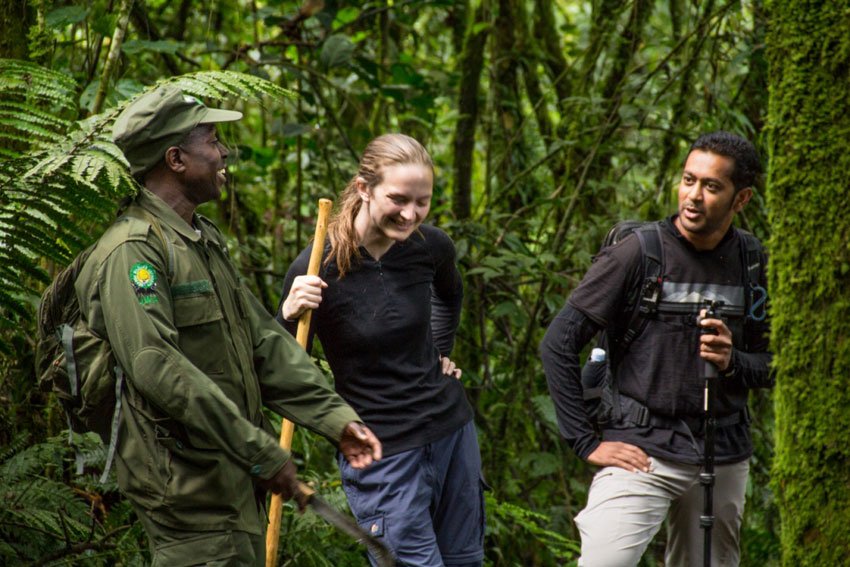
Your day normally begins with an early breakfast and transfer to the assigned briefing point. Rangers explain the forest rules, the behavior to expect, and how groups are organized. You then set off with guides and trackers, sometimes reaching the gorillas relatively quickly and sometimes walking for several hours. Terrain, weather, and group position all influence how long the search takes.
Once trackers locate your assigned gorilla family, the guide manages viewing positions and explains the rules. Standard trekking normally allows up to one hour with the gorillas. You may watch feeding, grooming, gentle family interactions, and juveniles exploring their surroundings. There is no guarantee of a perfect photograph or a particular gorilla pose; the experience is better when you observe quietly.
After the viewing period, you walk out of the forest, which can still take significant time and effort. Build the afternoon around recovery rather than a tightly timed transfer. Carry a packed lunch and enough water if advised, protect electronics against rain, and keep both hands available on slippery sections. A day that feels challenging is often remembered as a major personal achievement. For permit basics, consult our guide to the Gorilla Trekking Permit in Uganda.
Secure Your Gorilla Trekking Date
Ask about the permit date and sector before committing to flights or accommodation.Ask About Gorilla Permits →
Email: info@ugandarwanda-safaris.com
Gorilla Trekking Permits: Price and Booking
A valid gorilla trekking permit is mandatory and is separate from your airline ticket or lodge reservation. Uganda Wildlife Authority controls the activity and assigns a date and sector. Foreign non-resident standard permits have commonly been listed at US$800 under the recent tariff structure, with special seasonal arrangements announced for some months. However, prices and permit conditions can change; request a dated quotation and confirmation before making non-refundable plans.
The standard permit generally covers the supervised gorilla visit, ranger guiding, and relevant entry on the trekking day, but it does not pay for your lodge, road transfer, porter, tips, or personal equipment. Some categories receive different rates based on residency or citizenship. Ask the booking operator to explain the applicable category and provide written evidence that the permit is secured for the intended date.
Demand can be strong during popular travel periods, especially for couples or groups needing permits on the same date. Choose a feasible travel window, verify availability, pay through an authorized process, and then finalize the matching lodge. Ask about rescheduling and cancellation policies because discounted or special-category permits may have stricter conditions than a standard booking. Our page on Booking Bwindi Gorilla Permits outlines planning questions worth asking.
Ordinary Gorilla Trekking Versus Gorilla Habituation
The standard gorilla experience is designed around a guided search followed by approximately one hour observing a habituated family. A habituation experience, offered in designated arrangements in southern Bwindi, can provide a longer viewing period with a group becoming accustomed to carefully managed human presence. It is a specialized conservation-oriented activity rather than a premium ticket that guarantees a better or closer photograph.
Visitors considering habituation should compare the extra permit cost, physical effort, earlier starts, and longer time in the forest with their interests. Enthusiastic photographers and devoted primate watchers may appreciate extra observation time. First-time visitors who simply dream of meeting gorillas often find the standard encounter deeply satisfying. The exact available activities and current rules should be checked directly before purchase. See our explanation of the Gorilla Habituation Experience to compare the formats.
How Difficult Is Gorilla Trekking in Bwindi?
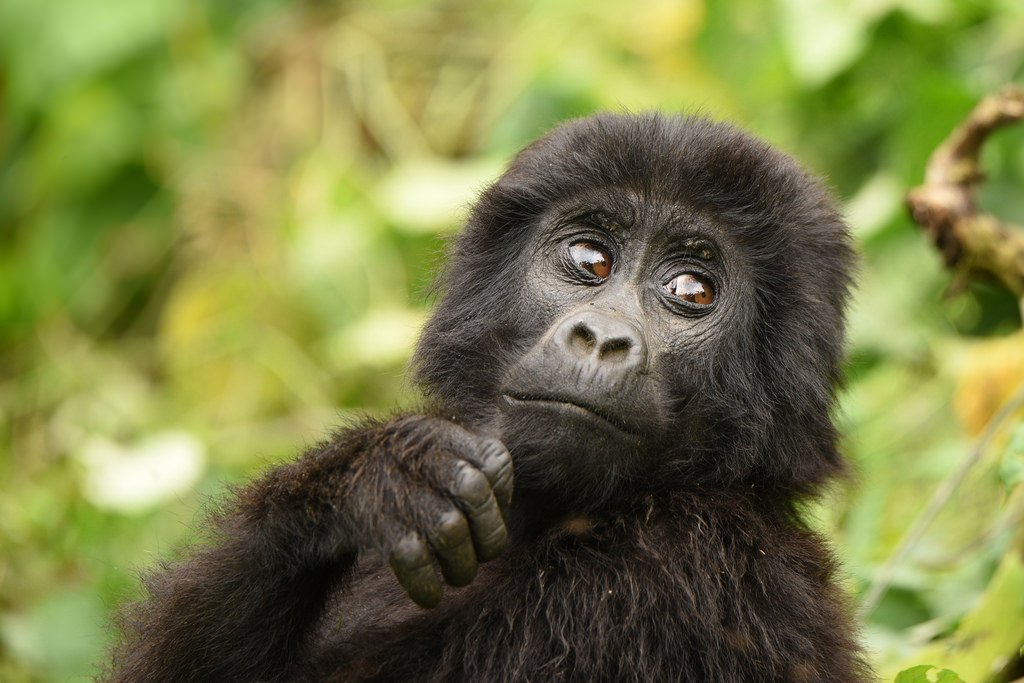
There is no reliable average that describes every trek. One group may find gorillas after a shorter walk while another climbs wet slopes and navigates tangled vegetation for hours. The return journey adds to the overall effort. Elevation, humidity, slippery roots, and changing weather can make a moderate distance feel more strenuous than a similar walk at home.
Prepare with regular walks, hills or stairs, and footwear you already know fits. Do not wear brand-new boots on trekking day. Tell the guide early if you have concerns about stamina, balance, or pace. A porter can carry your daypack and provide practical support on awkward sections, while the guide can advise on available assistance. No one should promise a flat or easy gorilla route in advance.
If you have a medical condition, discuss suitability with a healthcare professional and tell the operator about relevant mobility requirements before paying for permits. There may be arrangements that improve access for certain visitors, but their suitability, price, and availability must be confirmed locally. The responsible objective is a safe, enjoyable forest visit, not finishing faster than the next group. Review Gorilla Trekking Difficulty to prepare for variable terrain.
Best Time to Visit Bwindi for Gorilla Trekking
Gorilla trekking takes place through much of the year, and the gorillas remain in the forest regardless of the visitor season. Many travelers favor relatively drier periods around June to August and December to February because paths may be less slippery and sunny views are more likely. These are tendencies, not weather guarantees; Bwindi is a rainforest and showers can arrive at any time.
Wetter periods, often including March to May and parts of September to November, may bring muddy tracks, lush vegetation, misty photography, and a quieter atmosphere. If your dates fall during a rainy spell, pack better waterproofing and allow extra flexibility for road travel. Permit discounts may be announced for specific months, but verify their validity and limitations for your travel year.
Choose dates by considering more than rainfall. Your budget, ability to book a favored sector, connections to other parks, and preferred accommodation can be just as important. A carefully organized trip in a wetter month can be rewarding, while a poorly planned dry-season visit can still involve long transfers and rushed mornings. A practical Gorilla Trekking Fitness guide helps you prepare your walking routine.
How to Get to Bwindi from Entebbe or Kampala
Overland travel from Entebbe or Kampala to Bwindi is a full travel day in most itineraries, with duration depending on traffic, stops, road conditions, and the trekking sector. Many travelers break the journey with a lunch stop and enjoy changing scenery across Uganda. The route is practical when you have at least three days and are comfortable spending substantial time in a vehicle.
A fly-in approach can shorten long road segments by connecting the Entebbe area to regional airstrips such as Kihihi or Kisoro, depending on service and schedule. You still need a road transfer between the airstrip and your lodge, and the right airstrip depends on your sector. Check baggage allowances carefully because light aircraft may restrict weight and require soft-sided bags.
For a wildlife-focused holiday, western Uganda provides logical extensions such as Queen Elizabeth National Park and Kibale. Plan those connections in a sensible sequence so you do not drive back and forth across the same regions. A local itinerary specialist should identify which days are actually for wildlife experiences and which are primarily for transport. See our seasonal overview of the Best Time To Trek Mountain Gorillas for additional considerations.
Build a Comfortable Uganda Safari Route
Combine forest trekking with the landscapes, wildlife, and places that interest you most.Plan My Uganda Route →
Email: info@ugandarwanda-safaris.com
Can You Trek Bwindi Gorillas from Kigali?
Kigali can be a useful international gateway for southern Bwindi sectors, particularly when a traveler has limited vacation time. The journey involves a cross-border transfer and immigration formalities, so travel duration can vary. Whether this option is preferable depends on nationality, entry permissions, flights, border operating arrangements, and the confirmed location of the trek.
Plan to arrive at your Bwindi lodge the day before the trek rather than gamble on reaching a morning briefing from a distant city. Some itineraries market very short gorilla visits, but the safest approach protects a proper night near the park and allows time for unforeseen delays. Verify whether your visa or entry authorization covers the exact route and any planned re-entry. If minimizing road time matters, explore a Fly-in safari to Bwindi.
Where to Stay: Budget, Mid-Range and Luxury Lodges
Accommodation around Bwindi ranges from simple guesthouses to carefully designed high-end forest lodges. Budget properties usually prioritize a clean room, meals, and proximity to the trailhead. Mid-range lodges may add stronger views, spacious cottages, and more attentive service. Luxury options can provide premium dining, privacy, and exceptional scenery, but none can make wildlife movements predictable.
The most important accommodation question is location relative to the allocated sector. A beautiful lodge on the opposite side of Bwindi may require hours of uncomfortable early travel. Ask for transfer times to the precise briefing point, the expected road condition, meal arrangements, power availability, and whether lunch can be prepared for the trek.
At higher elevations evenings can feel cold. Check whether warm bedding, hot water, and drying facilities are available, especially when traveling in wetter months. If you are planning a honeymoon or a special occasion, an extra lodge night may add more enjoyment than upgrading every room while compressing the itinerary. For gateway planning, consider Gorilla Tracking From Entebbe.
What to Pack for Gorilla Trekking
Sturdy hiking boots with reliable grip are among the most useful items. Add long trousers, a long-sleeved shirt, breathable layers, a rain jacket, a small waterproof daypack, drinking water, and any prescribed medication. Gaiters or long socks can help protect your lower legs from mud and vegetation. Lightweight gloves may be useful when grasping branches with the guide’s permission.
Bring a camera or phone with suitable rain protection, spare batteries, and a secure strap. Flash photography is not appropriate around gorillas. Avoid packing bulky equipment that prevents you from keeping your balance on a steep trail. Binoculars can be useful for birds and other forest sightings, but the experience remains worthwhile without specialist photography gear.
Consider a dry bag for documents, a brimmed hat, sunscreen for exposed roads, insect repellent, and a warm layer for the early morning briefing. Carry only what you need on the trek and leave luggage at the lodge. A porter can reduce fatigue and supports local livelihoods; discuss arrangements and payment expectations before leaving the briefing area. Short-trip travelers can review 2-Day Uganda Gorilla Tracking From Kigali while allowing for border and transfer risks.
Health, Safety and Gorilla Viewing Etiquette
Mountain gorillas are vulnerable to infections that humans can carry. Follow current ranger guidance if you have symptoms of illness and never conceal a fever or respiratory symptoms to avoid losing a trek. The wildlife authority may apply health screening or additional measures. The responsible choice protects the animals and everyone in the group.
Keep the required distance, listen to the guide, speak quietly, avoid sudden movements, and never attempt to touch or feed a gorilla. If an animal moves closer, follow the ranger’s instructions rather than trying to approach it for a photograph. Always respect group size limits and viewing duration; these rules exist to reduce stress and disease risks.
Visitors must normally be at least 15 years old for gorilla tracking. The walk takes place in protected mountain forest, so avoid wandering away from the group or carrying unnecessary food near gorillas. Practical travel insurance should address medical care, evacuation, and trekking-related contingencies. Discuss personal health advice with a travel-health professional ahead of departure. Compare the amenities of a luxury gorilla trekking safari with your personal priorities.
How Much Does a Bwindi Gorilla Safari Cost?
The permit is often the largest fixed element of a short gorilla trip, but total cost depends on far more than the permit. A realistic quotation includes road or air transport, vehicle and driver-guide, accommodation, meals, the gorilla activity, relevant park costs, and any border or airport transfers. Clarify whether the price is per person sharing or based on a solo traveler.
A budget trip typically uses road transport and modest accommodation, while a mid-range itinerary balances comfortable lodging with dependable logistics. Luxury travel may include premium lodges, private transfers, and flights. A cheaper proposal is not always better value if it requires exhausting travel days or places you far from the assigned briefing point.
Ask for an itemized inclusion list and the exact cancellation rules for both the permit and accommodation. Optional porter fees, tips, drinks, extra activities, visas, and personal travel insurance may be excluded. For family or group travel, confirm whether all eligible trekkers can receive permits in the same sector and on the same day. Value-conscious travelers can explore budget gorilla trekking Safaris for ideas.

Compare Safari Budgets and Lodges
Get a clearly itemized itinerary with permit, guide, lodging, and transfer details.Request a Safari Quote →
Email: info@ugandarwanda-safaris.com
A Practical Three-Day Bwindi Gorilla Trekking Itinerary
Day one is devoted to reaching the correct Bwindi sector and settling into your lodge. Depart early if traveling from Entebbe or Kampala, make sensible rest stops, and aim to arrive before dark. An early dinner and check of boots, rain protection, water, and camera equipment make the next morning much easier.
Day two is the main gorilla trekking day. Eat breakfast, transfer to the ranger briefing station, meet the guides, and follow their instructions throughout the forest walk. Return for a late lunch or afternoon rest depending on trekking duration. If energy and weather allow, enjoy an optional community-led activity or simply listen to the forest from your accommodation.
Day three is for a considered return journey or a transition into another Uganda destination. Avoid promising an early international flight after a long road transfer. If connecting onward, allow time for traffic and weather. This compact plan is effective because it protects the gorilla day rather than sandwiching it between two tight travel deadlines. For outfit details, read What to Wear On a Gorilla Trek.
A Four- or Five-Day Safari with Lake Bunyonyi
With an additional night, you can build a slower experience that pairs the forest with the calm shores of Lake Bunyonyi. Depending on your Bwindi sector, transfer after trekking or the next morning, then spend time taking in the terraced hills and lake scenery. Activities may include a guided canoe excursion, village visit, or a quiet afternoon at your lodge.
This combination works especially well for couples and travelers recovering from a demanding hike. Keep water activities guided and confirm local safety advice, weather, and equipment standards. Lake Bunyonyi is best treated as a scenic complement rather than another tightly scheduled checklist item. Photographers can prepare with our Gorilla Trekking Photography Tips.
Extend Your Safari with Queen Elizabeth and Kibale
Bwindi combines beautifully with Uganda’s savannah and primate attractions. Queen Elizabeth National Park introduces game drives and boat-based wildlife viewing, providing a striking contrast with Bwindi’s dense forest. You might look for elephants, buffalo, hippos, and varied birdlife, with actual sightings depending on habitat, season, and luck.
Kibale offers chimpanzee tracking and a different primate experience. Chimpanzees are often noisy, energetic, and highly mobile; gorillas may appear quieter and more grounded. Combining both great apes can be exceptionally rewarding, but it requires additional permits, time, and transport. A week or longer gives more breathing room than squeezing all three destinations into a few days.
An experienced driver-guide can sequence the parks around your confirmed Bwindi permit. Ask how much actual wildlife-viewing time is included rather than counting transfer afternoons as complete safari days. Maintaining a moderate pace improves both comfort and opportunities for unplanned encounters. Review Is gorilla trekking in Uganda safe? for practical risk awareness.

Other Experiences Around Bwindi
The region has much to offer beyond gorillas. Guided bird walks can reveal colorful forest species, and community-led forest-edge visits provide insight into local farming, crafts, and livelihoods. The exact activities available depend on the sector, weather, community arrangements, and time remaining after your principal trek.
Batwa heritage experiences deserve a respectful approach. Choose activities organized with community participation and transparent benefits, ask before taking photographs, and approach traditions as living knowledge rather than a tourist performance. Local guides can explain the history of the forest and contemporary challenges in ways that enrich the wildlife experience.
Nature walks are an excellent addition if you have a free morning, but they should not compromise your physical readiness for the gorilla day. Consider a separate night when your interests include serious birding, longer hikes, cultural encounters, or photography. Better experiences often come from fewer activities enjoyed without hurry. Families should confirm the Gorilla Tracking Age Limit before buying permits.
Wildlife, Primates, Biodiversity and Conservation in Bwindi
Bwindi protects a complex Afro-montane forest ecosystem that supports much more than mountain gorillas. Birds, butterflies, orchids, smaller primates, and forest mammals contribute to its ecological importance. Even when the gorillas are the reason for travel, a ranger can help you notice the many species that make this habitat distinctive.
Well-managed tourism can support protected-area conservation, ranger employment, guiding livelihoods, and benefits for surrounding communities. That value depends on obeying rules, using legitimate permits, choosing responsible providers, and avoiding pressure for unusually close wildlife encounters. The aim is to leave gorillas behaving naturally, not to obtain a dramatic photo at any cost.
Visitors can also make practical choices: carry out litter, refill water bottles where safe, respect designated trails, use local porters when appropriate, and seek locally operated cultural or nature activities. Support for conservation is most credible when the safari keeps animal welfare and local participation at the center. A sample 3-Day Gorilla Trekking in Uganda shows how a short trip can be organized.
Make Your Gorilla Dream a Reality
Tell us your dates, group size, and comfort preferences for a personalized Bwindi journey.Start Planning My Trek →
Email: info@ugandarwanda-safaris.com
Travel Documents, Insurance and Booking Checklist
Before paying a deposit, confirm passport validity, nationality-specific Uganda entry rules, and any requirements for countries you will transit or re-enter. Visa and health-document rules can change. Check the appropriate official immigration and health sources for your own passport and itinerary rather than relying on advice written for a different traveler.
Ask your operator to identify the trekking date, named permit holders, Bwindi sector, briefing location, arrival airport, number of lodge nights, and every included transfer. Check baggage restrictions when using domestic flights. Ensure the invoice distinguishes gorilla permits from the rest of the safari so cancellation and change conditions are clear.
Keep permit documentation, emergency contacts, insurance details, and lodge confirmations available offline. Purchase insurance that suits the activities and read its exclusions. If you have dietary, mobility, or accessibility needs, mention them before confirming accommodation and permits. Good preparation makes the forest experience feel adventurous without avoidable logistical stress. Our Lake Bunyonyi Kabale guide offers ideas for a quieter extension.
Frequently Asked Questions About Bwindi Gorilla Trekking
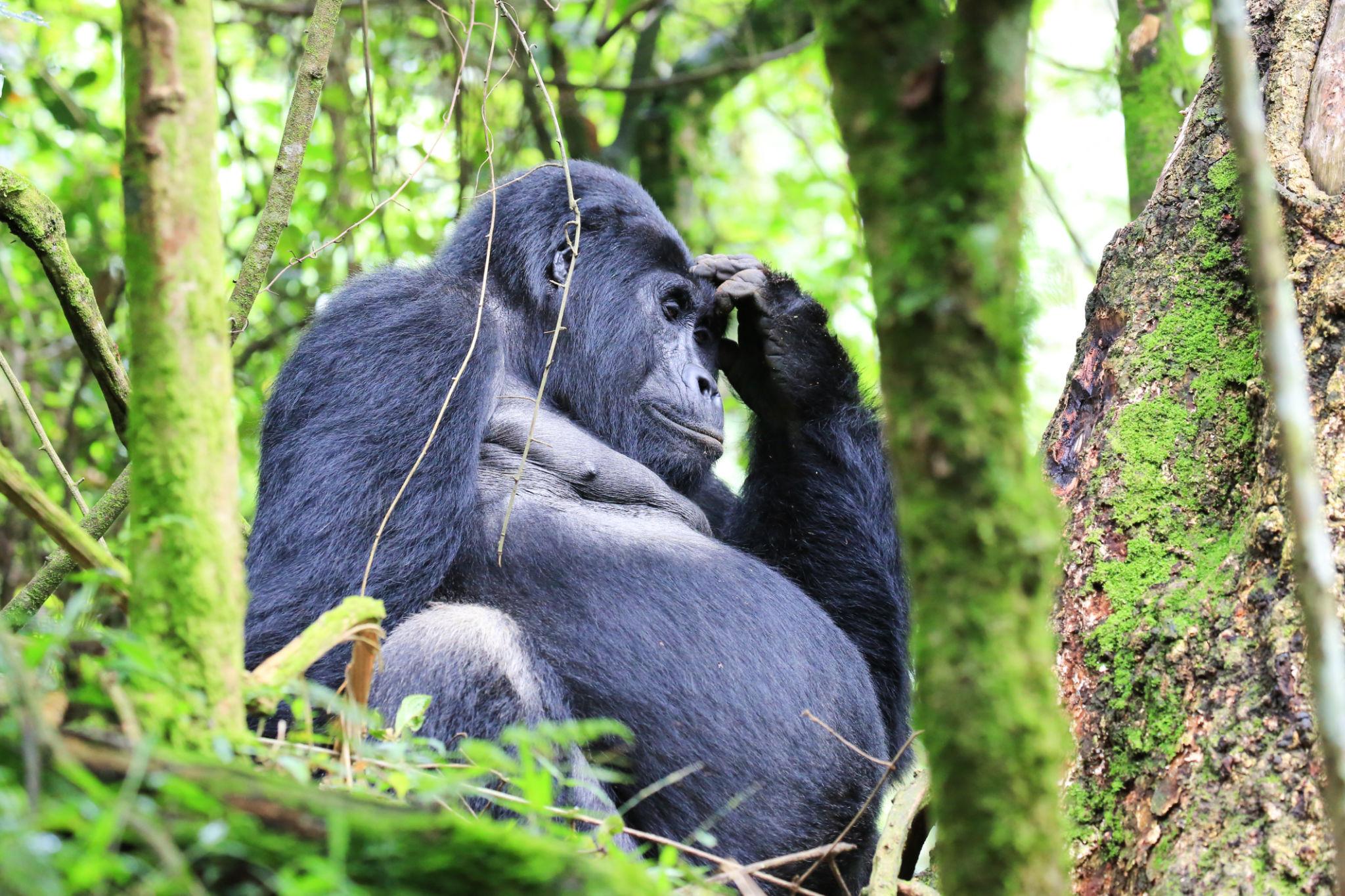
Is seeing mountain gorillas guaranteed? No wildlife sighting can be promised with absolute certainty. Trackers and guides work hard to locate habituated groups, and encounters are often successful, but wildlife movements, weather, and safety conditions can affect the day. The experience should be booked with realistic expectations.
How close can visitors get? Rangers enforce viewing-distance rules to protect gorillas and people. Follow the current distance and health instructions given at the briefing, including what to do if an animal approaches you. Avoid using the proximity of a photograph as a measure of success.
How long do you spend with gorillas? Standard trekking typically allows up to one hour once the group is located. Total outing time can be much longer because getting to and from the group may take several hours. Habituation is a distinct experience with its own longer viewing arrangements.
Can a beginner do the trek? Many first-time hikers participate, but steep slopes, mud, altitude, and variable walking time are real considerations. Train beforehand, use suitable boots, discuss fitness honestly, and arrange a porter if helpful. Never choose a lodge or sector based on a promise of an easy trek.
When should permits be booked? As soon as travel dates are reasonably firm, especially for popular months. Group sizes are controlled and inventory is limited. Your operator should confirm actual availability before you purchase flights and should provide proof of permit arrangements. Explore Queen Elizabeth National Park for more wildlife beyond the forest.
Planning Your Bwindi Gorilla Trekking Safari with Confidence
Exploring Bwindi Impenetrable National Park is more rewarding when every part of your safari is carefully arranged. A successful gorilla trekking adventure begins with securing the necessary permit, selecting the most convenient trekking sector, and traveling with experienced local guides. Staying close to your trekking starting point and allowing sufficient time for transfers will help you enjoy the beauty of Bwindi’s rainforest without feeling rushed.
From a three-day gorilla trekking safari to a peaceful getaway near Lake Bunyonyi or a longer journey combining Uganda’s remarkable national parks, each experience can be tailored to your interests and travel preferences. Let us know your intended travel dates, number of visitors, accommodation preferences, and arrival airport so we can design a comfortable and memorable safari. Our itineraries prioritize responsible wildlife encounters, meaningful community experiences, and opportunities to discover more of Uganda’s natural wonders. For travelers interested in seeing chimpanzees, Kibale Forest National Park is another excellent destination to consider.