Is Uganda a Good Idea for a Primate Safari?

Why Choose a Primate Safari in Uganda?
Uganda is one of Africa’s finest destinations for a primate safari because you can trek endangered mountain gorillas in Bwindi, observe wild chimpanzees in Kibale, track golden monkeys in Mgahinga and discover many other monkeys—all on one thoughtfully planned journey. It also offers a rare chance to combine rainforest encounters with lions, elephants, boat cruises and scenic lakes.
Imagine following an experienced ranger along a shaded rainforest trail, hearing birdsong above you and then discovering a family of mountain gorillas quietly feeding among the vegetation. A few days earlier, you might have watched chimpanzees call to one another high in Kibale’s forest canopy. This is why a Uganda primate safari deserves a place near the top of any wildlife lover’s travel list.
Unlike a safari devoted entirely to game drives, a primate safari brings you into the animals’ habitat on foot. Every walk is different. Some encounters happen after a manageable forest stroll; others require several hours of trekking through muddy or steep terrain. The reward is an intimate, strictly managed wildlife experience that often becomes the highlight of an African holiday.
Why Uganda Is One of Africa’s Best Primate Safari Destinations
Uganda’s combination of tropical forests, volcanic mountains, wetlands and woodland supports exceptional primate diversity. The country is frequently described as home to about 20 primate species, depending on how particular species and subspecies are classified. They range from great apes to colorful forest monkeys.
The most compelling advantage is diversity within one country. You do not need to choose between gorillas and chimpanzees. A well-designed itinerary includes both, with the possibility of adding golden monkeys, colobus monkeys and other forest wildlife. Uganda also makes it practical to add classic wildlife safari experiences before or after your forest adventures.
1. Mountain Gorilla Trekking in Bwindi: The Signature Experience
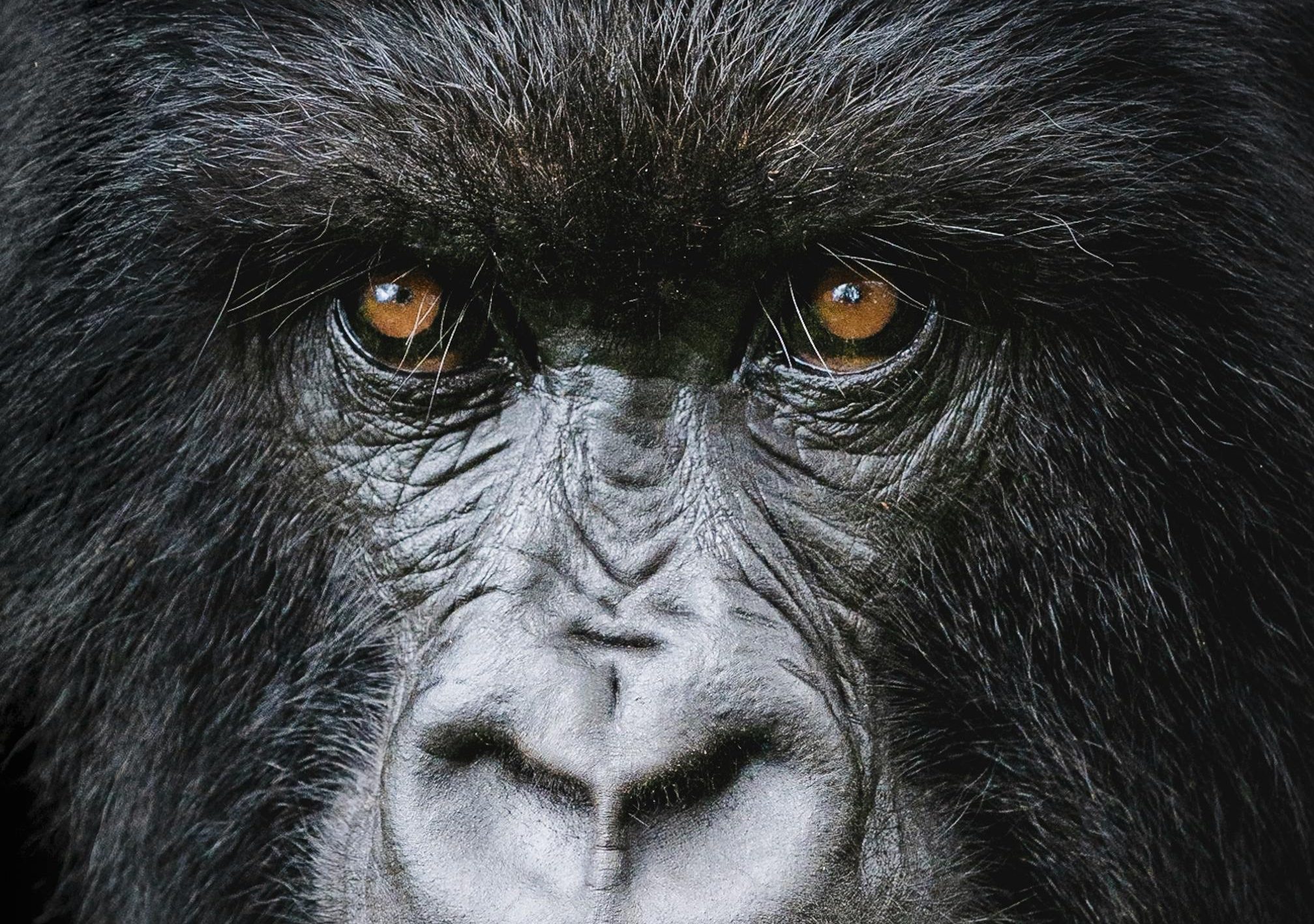
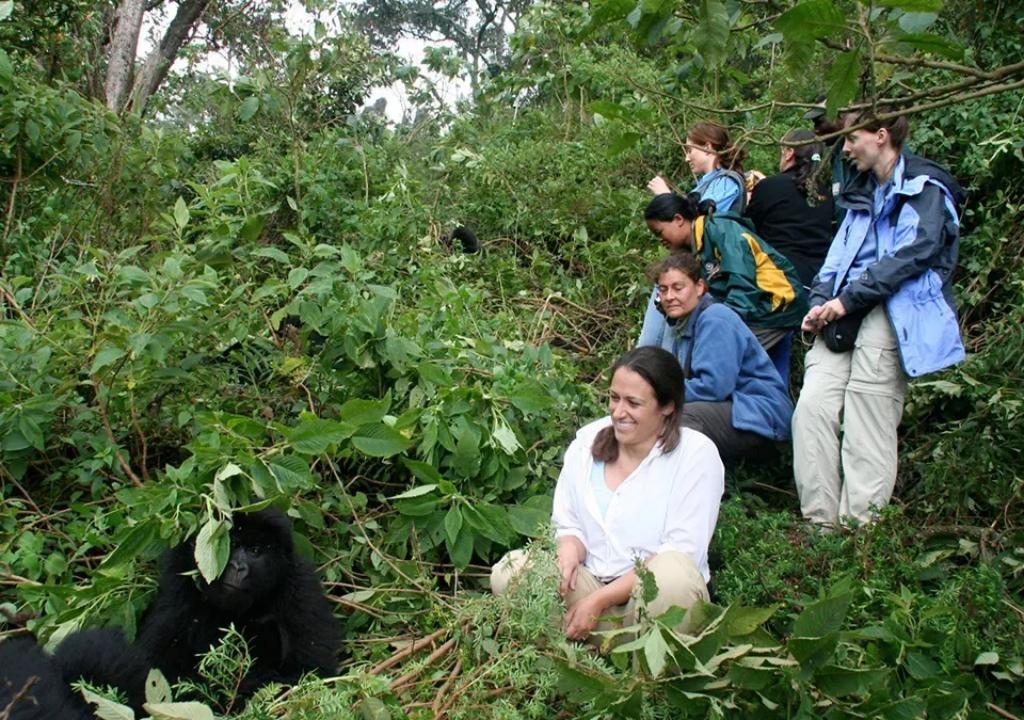
Mountain gorilla trekking is the experience that first draws many travelers to Uganda. Bwindi Impenetrable National Park, a UNESCO World Heritage Site in the southwest, shelters mountain gorillas in a densely forested landscape of valleys and steep hills. Visitors join small groups led by park rangers and trackers to locate a habituated gorilla family.
After the pre-trek briefing, the route depends on where that family has moved. You might walk through thick undergrowth, cross streams or climb slippery slopes. Once the gorillas are located, standard trekking visits allow up to one unforgettable hour in their presence. You may see a silverback watching over his family, youngsters tumbling through vegetation or adults calmly feeding.
Bwindi has four trekking sectors: Buhoma, Ruhija, Rushaga and Nkuringo. Each offers a different combination of terrain, access routes and lodge choices. Selecting the right sector matters because a permit is assigned to a specific trekking location. Our guide to the best sector for gorilla trekking in Bwindi explains the differences, while the article on the easiest trekking region is particularly useful for visitors concerned about fitness.
Gorilla sightings are generally highly successful but remain wildlife encounters, not performances. Visitors must maintain the distance required by rangers, avoid flash photography, and not trek when suffering from infectious symptoms. The minimum age for gorilla trekking is 15. Read the gorilla trekking briefing and guidance before traveling.

2. Chimpanzee Trekking in Kibale: A Very Different Encounter
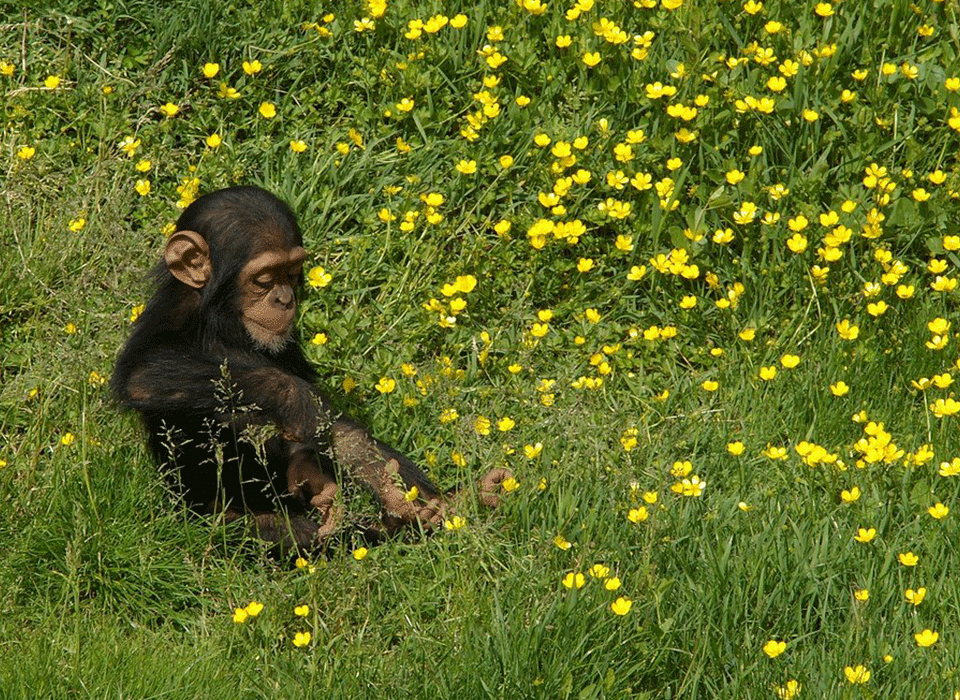
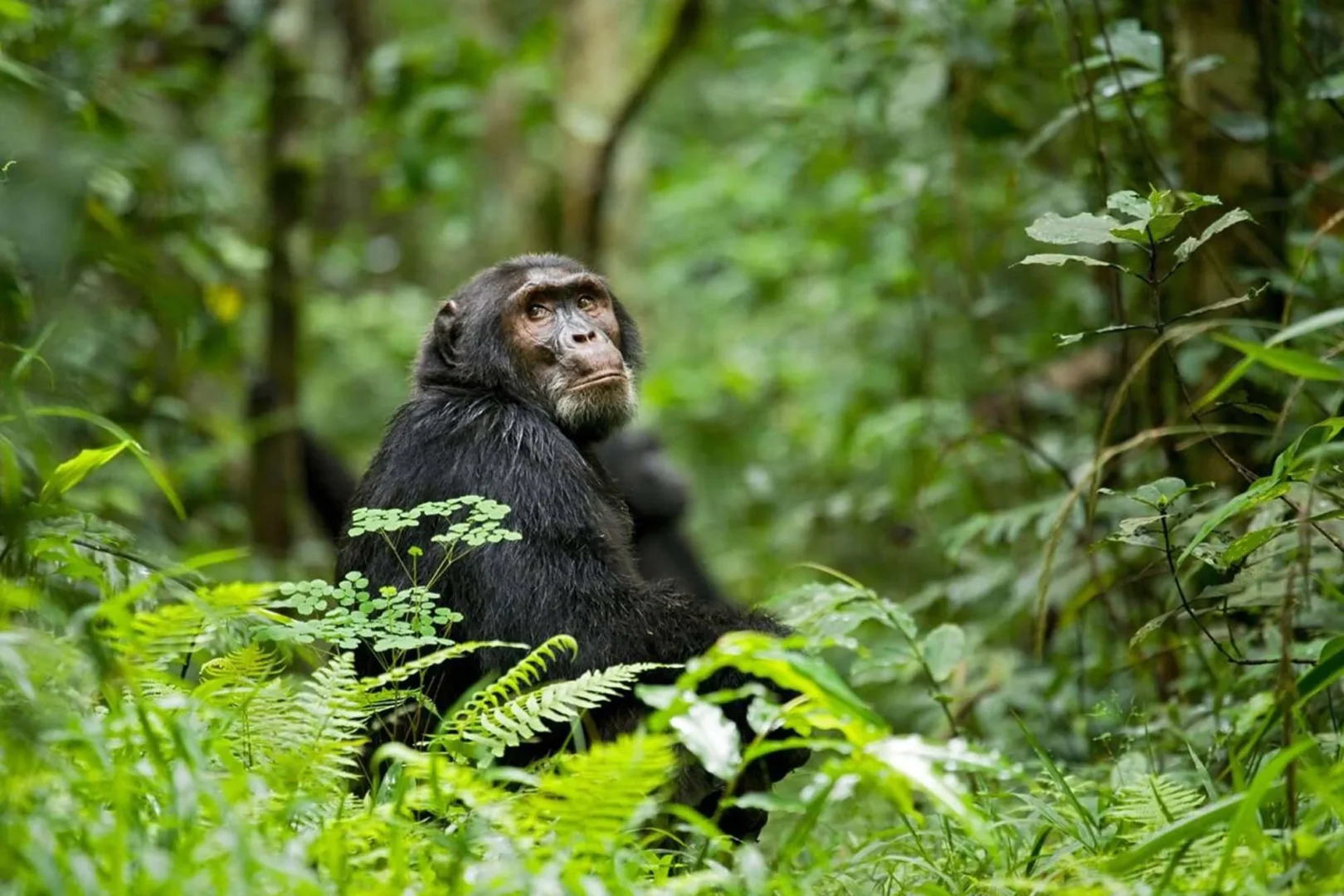
Where gorilla encounters often feel calm and contemplative, chimpanzee tracking can be energetic and unpredictable. Kibale National Park in western Uganda is the country’s best-known destination for seeing wild chimpanzees. Its forest provides habitat for several other primates as well, making it especially rewarding for wildlife enthusiasts.
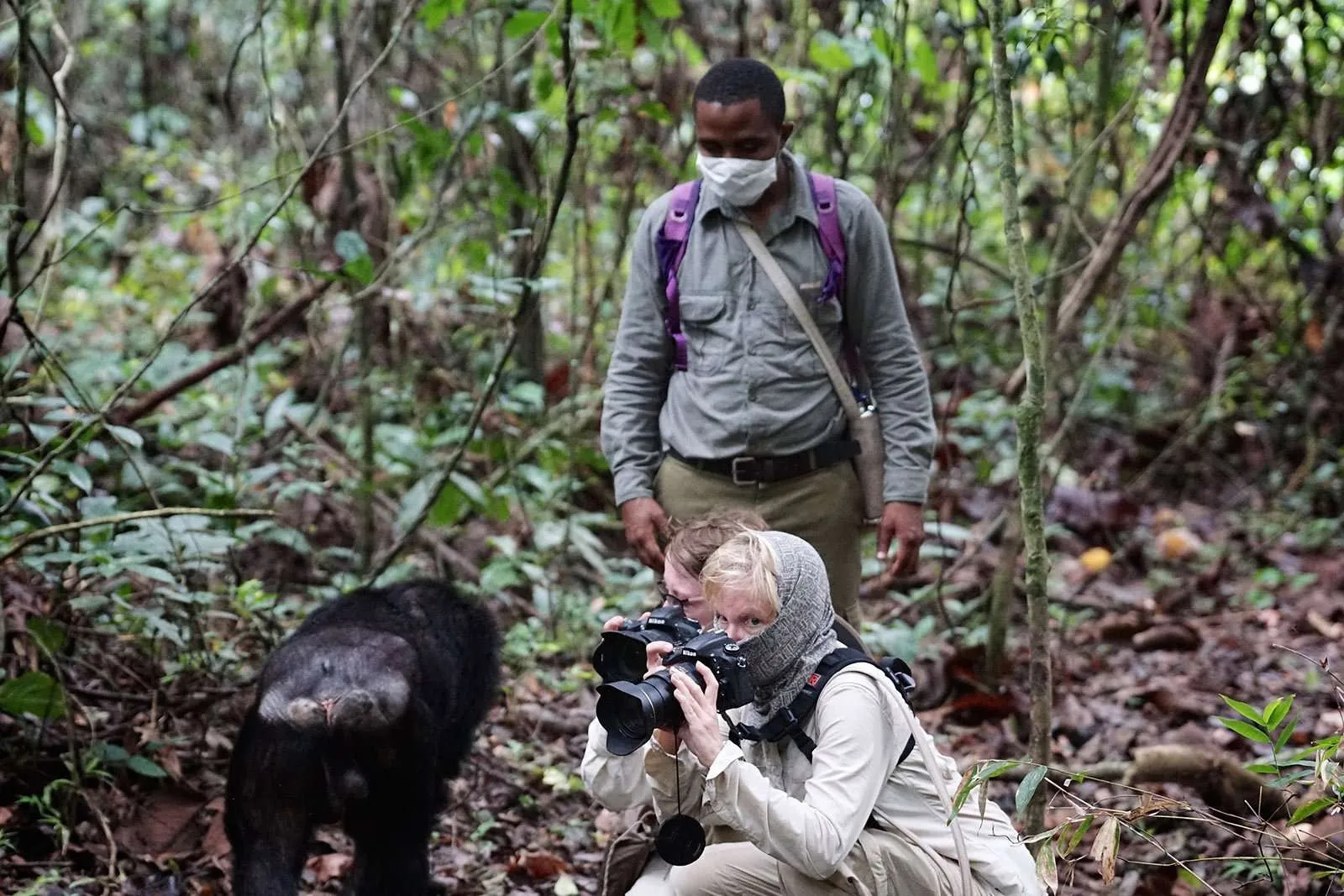
Your guide listens for vocalizations, observes signs of movement and follows trails through the forest. Chimpanzees may remain high in the trees, descend to the ground or move quickly between feeding sites. Their calls can echo through the forest long before you see them. Encounters vary according to fruiting conditions, weather and the behavior of each community.
A standard chimpanzee trek typically includes about one hour observing the animals once they are located, under the directions of Uganda Wildlife Authority staff. Travelers interested in spending more time around a community may consider a chimpanzee habituation experience, where available, which follows a different schedule and permit structure. Reserve these activities early because places are limited.
Kibale also pairs beautifully with nearby Bigodi Wetland Sanctuary, known for guided community walks, birdlife and monkey sightings. Adding Bigodi provides variety and allows local community initiatives to benefit directly from tourism.
3. Golden Monkey Tracking in Mgahinga Gorilla National Park
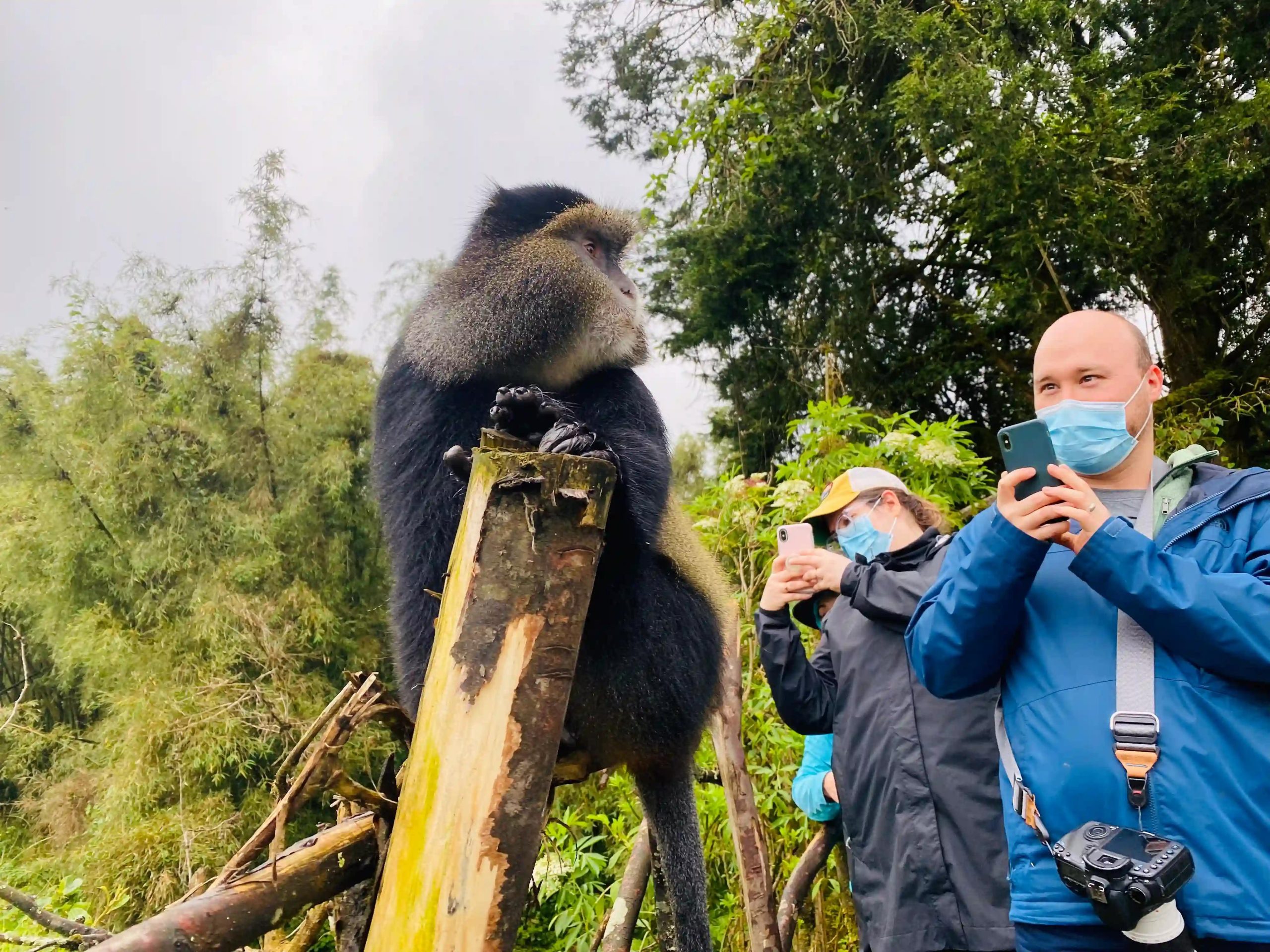
Golden monkeys are another reason to consider Uganda for a primate safari. These striking monkeys live in the montane and bamboo habitats of the Virunga region, and Mgahinga Gorilla National Park is Uganda’s principal destination for tracking them. Their reddish-gold coats and constant movement make them especially enjoyable to watch and photograph.
A golden monkey excursion usually begins with a ranger briefing followed by a guided walk through the park’s slopes. Because the monkeys often move in active groups, the experience feels different from meeting great apes. You may watch several individuals feed, jump between branches and communicate with one another.
Mgahinga can also offer mountain gorilla trekking, giving travelers a second gorilla destination beyond Bwindi. The park’s setting below the Virunga volcanoes is spectacular, and additional activities may include scenic hikes and cultural experiences. Not every visitor needs to include Mgahinga, but serious primate enthusiasts should strongly consider it.
4. Other Primates You May See in Uganda
The experience does not stop with gorillas, chimpanzees and golden monkeys. Uganda’s forests and woodland areas shelter black-and-white colobus monkeys, red colobus monkeys, red-tailed monkeys, blue monkeys, olive baboons, vervet monkeys, grey-cheeked mangabeys and L’Hoest’s monkeys, among others. Sightings depend on the park, the habitat and the day’s conditions.
Kibale is particularly rewarding for visitors hoping to identify multiple species in one location. Queen Elizabeth National Park’s forested gorges and neighboring areas add variety, while other forest reserves offer specialized walks. A knowledgeable guide can help you distinguish species by their calls, facial markings, tail patterns and movement.
For photographers, these smaller primates are not merely bonus sightings. Colobus monkeys leaping across a canopy or a red-tailed monkey pausing in filtered sunlight can provide memorable images. Be patient, use a longer lens when possible and avoid approaching animals for a closer photograph.
Where Are the Best Places for a Uganda Primate Safari?
| Destination | Main experience | Why visit? |
|---|---|---|
| Bwindi Impenetrable | Mountain gorillas | Iconic rainforest trekking |
| Kibale National Park | Chimpanzees and forest monkeys | High primate diversity |
| Mgahinga Gorilla | Golden monkeys and gorillas | Volcanic scenery and bamboo forest |
| Kyambura Gorge | Chimpanzee tracking | Forest experience alongside game drives |
| Budongo Forest | Chimpanzees and other monkeys | Forest extension near Murchison Falls; confirm current activity access |
Can You Combine Primates with a Traditional Wildlife Safari?
Yes—and this is one of Uganda’s strongest selling points. After trekking chimpanzees in Kibale, you can continue to Queen Elizabeth National Park for game drives, views across the savannah and a boat cruise on the Kazinga Channel. Lions, elephants, buffaloes, hippos and many birds can feature in the same holiday as your primate encounters.
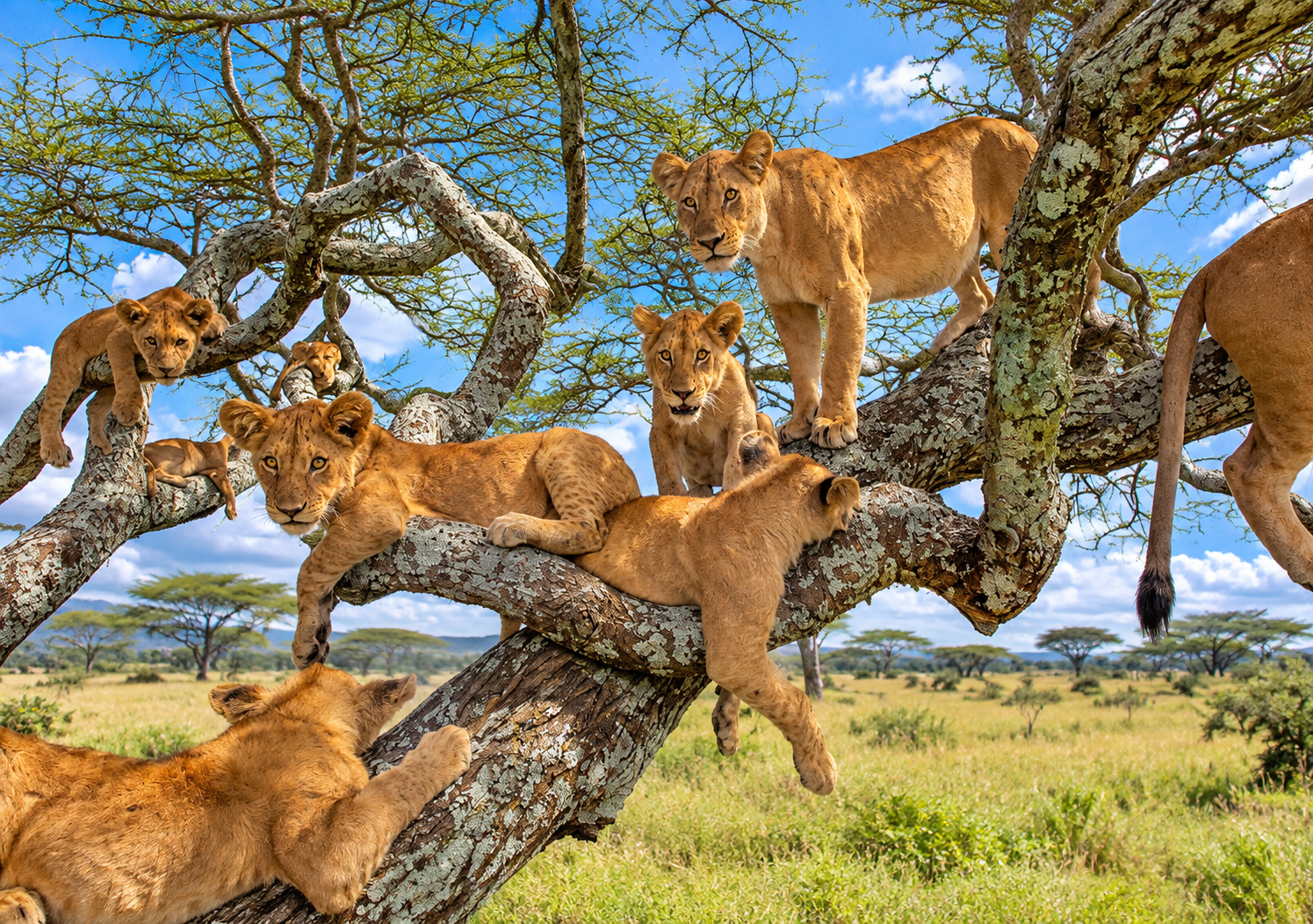
On a suitable route toward Bwindi, you may drive through Queen Elizabeth’s Ishasha sector, known for occasional sightings of tree-climbing lions. These animals are wild and sightings cannot be guaranteed. Visitors with more time can add Murchison Falls National Park, Lake Mburo or other destinations, depending on their preferred pace.
Suggested 8-Day Uganda Primate Safari Itinerary
Eight days is a strong starting point for first-time visitors who want the country’s two signature primate experiences and a taste of its savannah wildlife. The itinerary below is illustrative; exact driving times, trekking sectors, lodge locations and park activities should be adjusted after permits are confirmed.
To include golden monkey tracking in Mgahinga comfortably, extend this trip to approximately 9–10 days. The route is also customizable for honeymooners, families, keen photographers and travelers who prefer a slower pace.
Build Your Own Private Primate Safari
Tell us your dates, number of travelers, accommodation preference and must-see primates. We’ll tailor the route and check permit availability before finalizing the quotation.
What Is the Best Time for a Uganda Primate Safari?
Uganda is a year-round destination for gorilla and chimpanzee trekking. June to September and December to February are generally popular because they often offer relatively drier walking conditions. Even in these periods, rainforest showers can occur, and trails may be muddy.
March to May and October to November are usually wetter. The forest is beautifully green, and traveling outside peak demand can sometimes mean greater lodge choice or special offers. However, hikers should prepare for slippery ground, rain and potentially slower road transfers. Weather patterns are variable rather than guaranteed.
Travelers planning a school-holiday or peak-season trip should arrange permits and accommodation well ahead. The best time is ultimately the time that balances your preferred weather, travel dates, budget and willingness to hike in wet conditions.
How Much Does a Uganda Primate Safari Cost?
The cost depends on your travel dates, visitor residency category, number of travelers, permits, accommodation and transport. Gorilla and chimpanzee permits are often the largest fixed individual expenses. For a tailored trip, private transport, professional guiding, lodge meals and park activities also contribute to the total.
As a reference, Uganda’s standard gorilla tracking permit for a foreign non-resident is listed at US$800 in the published tariff information available in October 2026. The corresponding Kibale chimpanzee permit has been US$250, with published 2027 updates indicating US$300 from January 2027. Gorilla habituation and chimpanzee habituation have separate, higher prices. These are permit-only figures, not complete safari prices, and the applicable rate must be confirmed with Uganda Wildlife Authority for your actual trekking date and visitor category.
Budget safaris commonly use simpler guesthouses or camps and focus on essential experiences. Midrange safaris add comfortable lodges, convenient locations and greater privacy. Luxury safaris feature premium accommodation and, where available, domestic flights or exclusive services. We can prepare an itemized quotation showing exactly which permits, park fees, meals, lodges and activities are included.
Uganda vs Rwanda: Which Is Better for a Primate Safari?
Both countries offer remarkable primate tourism, but they suit somewhat different travel styles. Rwanda’s Volcanoes National Park is an excellent destination for mountain gorilla trekking, often with relatively convenient road access from Kigali. Rwanda also offers chimpanzee tracking in Nyungwe and additional forest experiences.
Uganda appeals especially to travelers who want gorillas, chimpanzees, golden monkeys and traditional game viewing in one country. The routes can require longer driving distances, but the variety is an important advantage. Its standard foreign non-resident gorilla permit has also been lower than Rwanda’s standard international visitor gorilla permit, although total travel costs depend on the complete itinerary.
If your priority is one gorilla trek over a short trip, Rwanda can be appealing. If you want a richer, multi-park primate and wildlife journey, Uganda is often the stronger fit. A combined Uganda–Rwanda itinerary can also be excellent, especially if you wish to begin in Kigali and trek in southwestern Uganda.
How Difficult Is Gorilla and Chimpanzee Trekking?
Fitness requirements vary greatly. Some gorilla families may be located relatively near a trailhead; others require strenuous climbs or lengthy hikes. Bwindi’s terrain is often steep and slippery. Kibale chimpanzee trekking generally takes place on forest trails but can involve uneven ground and quick changes in direction.
You do not need to be an expert mountaineer, but reasonable mobility, stamina and suitable footwear help. Speak openly with your safari planner about health, fitness or mobility concerns before booking. Ranger teams may be able to advise about options, although the difficulty of a particular trek can never be promised in advance.
Hiring a porter can make a major difference: they assist with carrying bags and can help on challenging sections while earning income from tourism. Walking poles, gloves, long trousers, a lightweight rain jacket and a small daypack are also worthwhile.
What Should You Pack?
Bring well-fitted hiking boots with good traction, breathable long-sleeved clothing, long trousers, waterproof layers, garden-style gloves for vegetation, insect repellent, sun protection and a refillable water bottle. A small backpack should hold drinking water, snacks, personal medicines, rain protection and camera equipment.
For photography, carry extra batteries and weather protection for your camera. Flash photography is not permitted during gorilla encounters. Avoid heavy or bulky equipment if you are not comfortable hiking with it. Binoculars are particularly useful for chimpanzees and smaller monkeys high in the canopy.
Most importantly, follow ranger instructions and keep the required distance from primates. Human respiratory illnesses can threaten great apes, so anyone feeling unwell should tell the guide before trekking. Ethical wildlife watching protects both visitors and animals.
Why Choose Safari Vacations and Travel Services?
 Safari Vacations and Travel Services is a Uganda-based safari company specializing in tailored gorilla, chimpanzee and wildlife journeys. Our local team helps travelers decide which parks to include, how many nights are needed and which accommodation locations best match their trekking permits.
We organize private safari vehicles, driver-guides, accommodation, airport transfers and selected activities while making the itinerary fit your interests and budget. More importantly, we help connect all the moving parts. Choosing an unsuitable lodge for your trekking sector, for example, can lead to a needlessly early start and a long drive before the forest hike.
You can learn more about our local safari team or contact us for a personalized quote. If you wish to extend your primate safari with a second gorilla experience, read our comparison of gorilla trekking versus habituation, and explore the Bwindi habituation sectors.
Frequently Asked Questions About Uganda Primate Safaris
Is Uganda really worth visiting for primates?
Yes. Uganda combines mountain gorillas, chimpanzees, golden monkeys and a diverse range of forest monkeys, making it a particularly rewarding destination for travelers interested in primate behavior and conservation.
Can I see gorillas and chimpanzees on the same safari?
Absolutely. The classic combination is gorilla trekking in Bwindi and chimpanzee tracking in Kibale. Allow enough travel time between the two parks; adding Queen Elizabeth National Park makes the route even more rewarding.
How many days should I spend in Uganda?
For both gorillas and chimpanzees, around 6–8 days offers a useful starting point. We recommend 8–10 days for a more comfortable journey with additional wildlife, and longer if golden monkeys or multiple trekking days are priorities.
Are gorilla sightings guaranteed?
No wildlife encounter can be guaranteed. Habituated gorilla groups are monitored by trackers, and success rates are usually high, but movement, weather, safety and forest conditions can affect the experience.
Is gorilla trekking safe?
Treks are organized with trained wildlife rangers and strict rules. Visitors should obey instructions, keep the required distance, disclose infectious symptoms and be realistic about physical demands. As with any outdoor activity, some risk remains.
Can children join a Uganda primate safari?
Families can enjoy Uganda’s wildlife and cultural experiences, but gorilla trekking has a minimum age of 15. Other primate activities may have their own age restrictions, which should be checked before planning the family itinerary.
Do I need to book primate permits in advance?
Yes. Gorilla permits are limited by date and trekking sector, and chimpanzee tracking places are also controlled. Booking well ahead is advisable for popular months, large groups and travelers requiring specific accommodations.
Which is better: gorilla trekking or gorilla habituation?
Standard trekking is ideal for most first-time visitors and provides up to one hour observing the gorillas. Habituation is a more specialized and expensive experience with a different duration and format. Consider your budget, fitness and interests before choosing.
Ready to Discover Uganda’s Primates?
From the gentle mountain gorillas of Bwindi to the lively chimpanzees of Kibale and golden monkeys of Mgahinga, Uganda offers an extraordinary safari story. Let Safari Vacations and Travel Services create a private adventure around your travel dates, budget and dream encounters.
Email: info@ugandarwanda-safaris.com | WhatsApp: +256 776 423286