
Gorilla Trekking in Buhoma Region

Uganda safari guide / Northern Bwindi
Gorilla Trekking in Buhoma Region
The complete guide to Buhoma’s gorilla families, trekking permits, forest trails, lodges, transfers and a memorable northern Bwindi experience.
Why Choose Gorilla Trekking in Buhoma Region?
Gorilla Trekking in Buhoma Region introduces travelers to the northern gateway of Bwindi Impenetrable National Park, one of Africa’s most meaningful wildlife destinations. Buhoma was the original departure area for organized gorilla visits in Bwindi, and it remains particularly appealing to visitors seeking established lodges, attentive local guiding, and the opportunity to explore the forest beyond a single trek. The destination feels intimate despite its reputation: small settlements, steep green hills, and the forest boundary sit close together.
The strongest reason to choose Buhoma is its combination of conservation history and practical visitor facilities. Trekkers can find accommodation across several comfort levels, hire porters, discuss fitness needs with guides, and join cultural activities after the forest excursion. That makes gorilla trekking in Bwindi a broader journey rather than simply a photograph with an endangered animal. Allow time to appreciate the local landscape, people, birds, and vegetation as well as the gorillas.
Buhoma does not guarantee an easy forest walk. Families travel freely, trackers follow their movements, and the route can include mud, roots, vines, and slippery descents. Nevertheless, a well-planned northern Bwindi stay offers excellent logistical advantages, particularly when followed by a Queen Elizabeth National Park safari through the Ishasha area. Treat the sector as a carefully managed wildlife destination rather than an attraction with fixed encounter times.
Where Is Buhoma and How Is It Different?
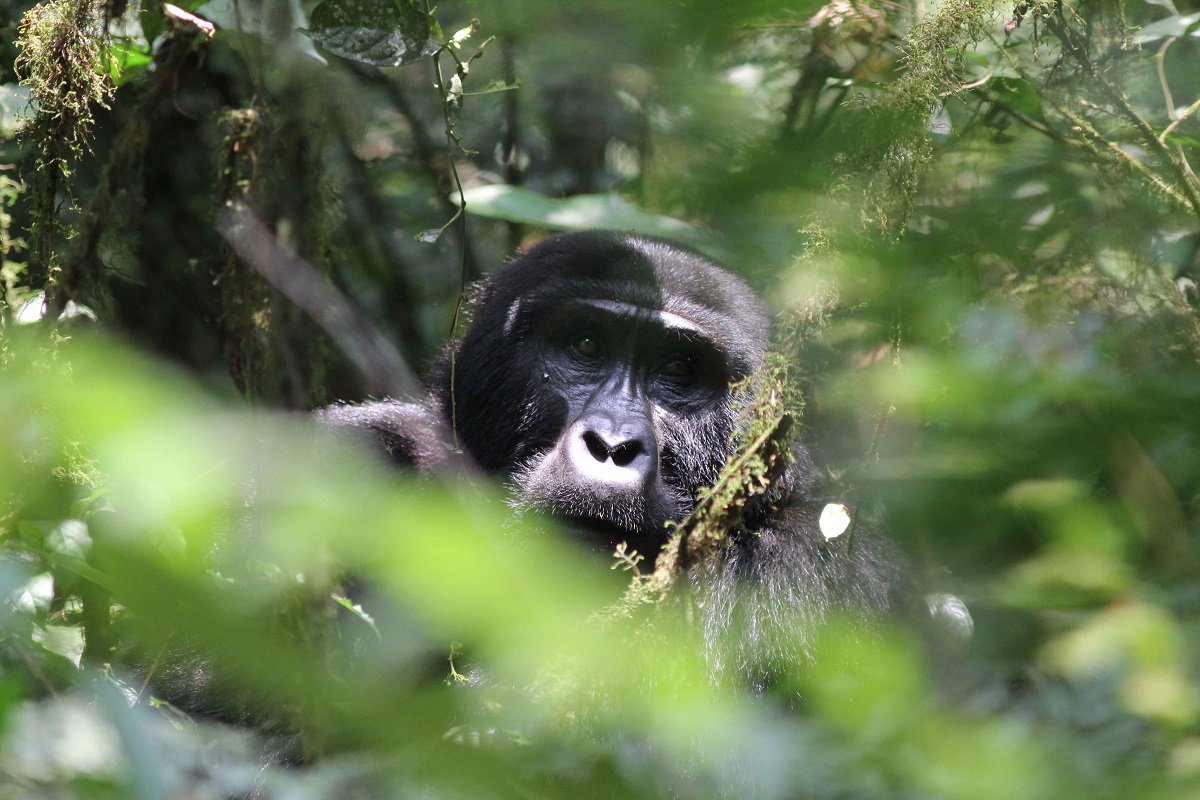
Buhoma lies on the northern side of Bwindi in southwestern Uganda, within the Kanungu area. It is one of four principal visitor entry sectors; Ruhija is to the east, while Rushaga and Nkuringo serve the southern side of the forest. The distinction matters because a permit is assigned to a specific entry point. A lodge that looks close on a small map can be far away by winding mountain roads. Choose your overnight base only after the permit sector has been confirmed.
Compared with the Rushaga gorilla trekking area, Buhoma emphasizes the long-established northern visitor center and community-based experiences. Ruhija trekking offers a different eastern approach, and the Nkuringo sector introduces travelers to dramatic southern ridge landscapes. No sector can promise better wild gorilla behavior, and daily trekking difficulty varies inside each. Pick the entry point that works with your route, accommodation, and confirmed permits.
Visitors who want to connect Buhoma with wildlife drives often travel via Ishasha, a southern section of Queen Elizabeth National Park known for opportunities to search for tree-climbing lions. This route needs time, reliable local road information, and flexible expectations. Road conditions can change after rain, while sightings remain uncertain. Your guide should confirm the actual travel sequence instead of relying on a straight-line distance between map pins.
Buhoma Gorilla Families: What You May Encounter
Buhoma Gorilla Families and Ranger Allocation
Several habituated gorilla groups have long been associated with Buhoma, including Mubare, Habinyanja, Rushegura, and Katwe. Names and availability are not a permanent checklist: gorilla social units split, individuals transfer, and conservation managers may change which families are visited. The habituated gorilla families in Uganda therefore require up-to-date confirmation rather than old headcounts repeated as if they were fixed.
Mubare has a special place in the history of mountain gorillas in Africa, because Buhoma’s early tourism program began with this group in 1993. Habinyanja and Rushegura are also frequently mentioned in accounts of the northern forest, and Katwe became part of the sector’s trekking story later. A family name can help visitors appreciate decades of monitoring, but no ethical operator should promise a particular silverback, newborn, or family interaction before the trek.
Under Uganda Wildlife Authority procedures, visitors reserve the date and entry sector, not a specific group. Rangers allocate parties after examining tracker reports and operational considerations on the morning of the visit. Tell the briefing team about serious mobility concerns, but understand that preferences cannot eliminate steep terrain or guarantee proximity. This approach supports responsible group sizes and allows conservation staff to respond to the gorillas’ location and condition on the day.

What Happens on Your Gorilla Trekking Day?
Gorilla Trekking in Buhoma Region: The Morning Briefing
The day begins early, normally with breakfast at your lodge and a transfer to the Buhoma visitor briefing area. Staff check documentation, explain health and safety rules, and assign visitors to groups with trained guides. Trackers may already be working in the forest, using knowledge of the gorillas’ previous movements. Keep your passport or requested identification accessible, wear the clothing you intend to hike in, and carry enough water before leaving the briefing point.
Once the walk begins, conditions change quickly. A gentle track can lead into thicker vegetation, and small streams or exposed roots may slow the group. Guides communicate with trackers and choose a route that balances location, terrain, and safety. The gorilla trekking difficulty depends on weather, the assigned family’s movements, and individual fitness. A porter can carry your bag and provide practical help on steep sections, but cannot remove all physical demands.
When the gorillas are reached, guides explain how to approach quietly and where to stand. Standard trekking usually permits up to one hour with the animals, subject to ranger decisions and health protocols. Watch interactions rather than pursuing a perfect photograph: feeding, grooming, resting, and juvenile play reveal a fascinating social world. The return walk may be tiring, so save energy, follow the guide’s pace, and keep your day free of tightly timed onward commitments.

How Long Does Gorilla Trekking in Buhoma Take?
A full gorilla outing can occupy much of the morning and sometimes a substantial portion of the day. A broad planning allowance of roughly two to seven hours for the forest activity is sensible, but it is not a guarantee or a precise schedule. Trekking time changes according to the gorillas’ overnight movement, slope, path conditions, and the group’s pace. The one-hour viewing limit refers to the encounter itself, not the entire hike from the visitor center.
Travelers asking how long gorilla trekking takes should separate three clocks: the briefing, the outward and return walks, and the encounter. A family may be relatively near the starting area on one date and much farther away the next. Photographs and advertisements showing short walks cannot predict your own route. Build an open afternoon into the itinerary and avoid booking a time-sensitive flight immediately after the trek.
If you have mobility limitations, notify your safari planner before permit purchase and again before the briefing. Some visitors arrange additional porters or specialized assistance in advance. Others may prefer a slower itinerary with an extra night in Buhoma. A gorilla trekking fitness plan focused on walking hills, balance, and steady endurance is more useful than relying on a promise that the guide can locate a nearby family.
Gorilla Permit Prices and Booking in Buhoma
Bwindi Gorilla Permits and Correct Entry Points
A valid Uganda Wildlife Authority permit is compulsory for tracking, and Buhoma is not priced as a separate private attraction. Published Uganda pricing commonly lists US$800 for a standard foreign non-resident gorilla tracking permit, with different nationality and residency categories. Promotional low-season rates have also been announced for eligible dates, but eligibility, changes, cancellation rules, and future tariffs must be confirmed against the applicable booking period. Never assume an older online quote still applies.
The Uganda gorilla permit booking process is based on availability for the chosen date and sector. Ask your licensed travel operator to confirm Buhoma specifically before paying for accommodation or flights. Review your personal details, permit conditions, trek date, and payment confirmation. The permit generally covers the guided tracking experience and the regulated gorilla visit; transport, accommodation, porter services, and private safari arrangements are separate costs.
For a sound budget, separate the cost of a gorilla permit from the complete travel package. Road transfers, nights in lodges, meals, vehicle type, and any additional wildlife activities can alter the total considerably. A cheaper accommodation quote in a distant sector may become costly or impractical if it requires a long early transfer. Good planning begins with confirmed permit allocation and only then chooses the best-value lodging.
Buhoma Compared With the Gorilla Habituation Experience
Standard Gorilla Trekking in Buhoma Region involves visiting an already-habituated gorilla family in a controlled group, with up to one hour of observation. The separate gorilla habituation experience is a specialist activity offered in a different part of Bwindi, commonly associated with the Rushaga area. It allows longer researcher-led contact under its own permit rules and does not simply mean that a normal Buhoma trek is extended.
The distinction matters for travelers choosing a lodge and itinerary. A standard Buhoma permit cannot automatically be exchanged for a habituation permit, and the two activities may have different availability, costs, participant limits, and starting locations. If you want four hours with a group undergoing habituation, ask about the special experience before choosing your accommodation. A sector mismatch on the night before your trek can lead to an exhausting transfer or a missed departure.
For most first-time visitors, the standard experience offers a remarkable opportunity to observe gorilla behavior while limiting disturbance. For wildlife enthusiasts with additional time, the habituation option may offer a different conservation perspective. Neither is a guarantee of particular photographs or animal interactions. Your choice should match your budget, ability, and interest in fieldwork rather than the number of hours printed on an advertisement.
The Best Time to Visit Buhoma for Gorilla Trekking
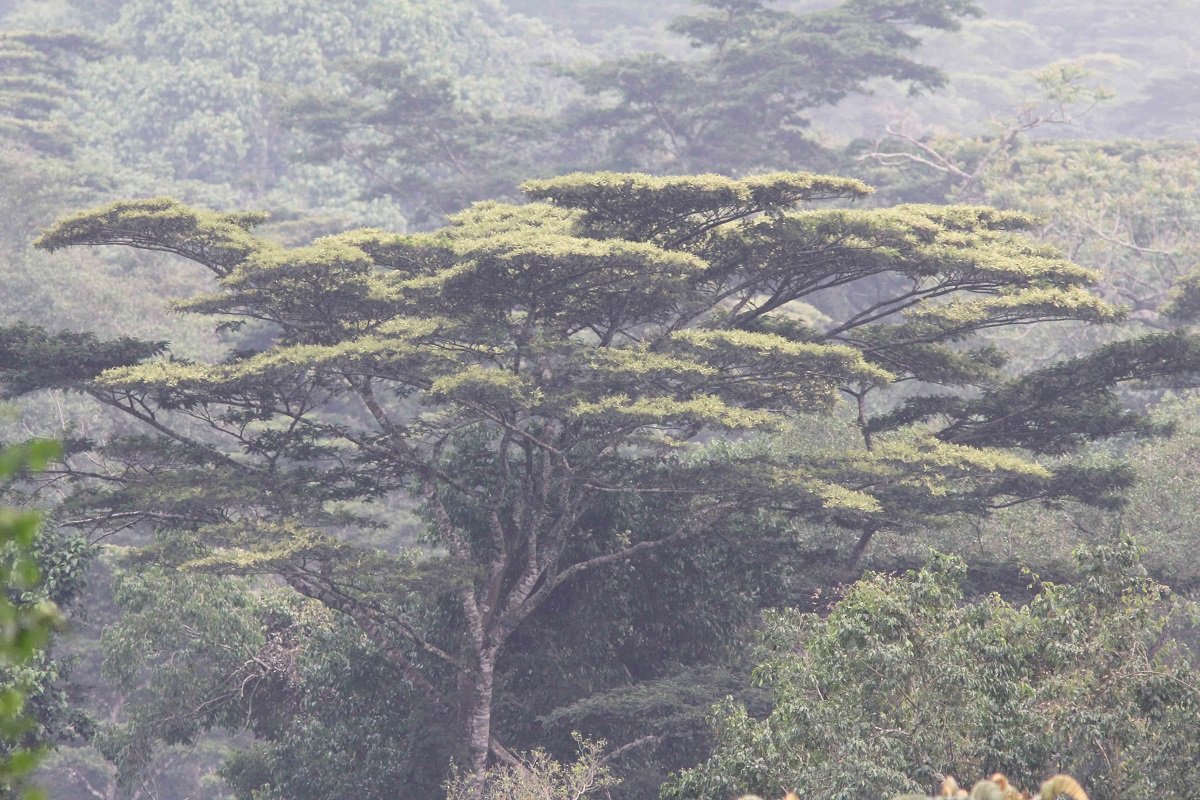
Bwindi is a rainforest, so rain is possible in every month. Many travelers prefer the relatively drier periods around June through August and December through February because trails may be more manageable. The wetter periods can bring lush greenery, quieter lodge environments, and attractive photography conditions, although some paths become very muddy. The best time for gorilla trekking in Uganda ultimately depends on your tolerance for wet weather and your wider itinerary.
Permit demand can rise during popular travel months, especially when several parties wish to trek on the same date. Reserve early if your travel dates, lodge preferences, or international flights are fixed. Rainy-season travel should include waterproof equipment, spare dry clothing, and flexibility on road transfers. A dry-season versus rainy-season comparison is helpful, but weather should never be treated as a certainty weeks in advance.
Photography conditions also vary. Cloud cover can soften the light under the canopy, while rain makes equipment protection especially important. On sunny mornings, the contrast between bright leaves and dark gorilla fur can challenge exposure. Ask your guide for safe places to stop, and prioritize animal welfare over moving closer for an image. Visiting outside the busiest months can feel relaxed, but responsible group limits apply throughout the year.
How to Reach Buhoma From Entebbe, Kampala, or Kihihi
Reaching northern Bwindi by road is a substantial journey. From Entebbe or Kampala, many itineraries allow a full driving day, often around eight to eleven hours or longer depending on the route, stops, and road conditions. A professional driver can plan rest breaks and avoid arriving late on unfamiliar mountain roads. International travelers should consider an overnight stay near Entebbe if their flight lands late, rather than attempting an immediate overnight transfer.
A fly-in journey typically combines a scheduled or charter domestic flight to Kihihi Airstrip with a road transfer to Buhoma. This can reduce the driving burden significantly, although flight schedules, baggage limits, and ground-transfer times still matter. Luxury fly-in gorilla safaris are particularly useful for travelers with limited vacation days, provided flight timing is confirmed before the trekking date is fixed.
A Kigali arrival may be an option for some itineraries, but border procedures, immigration rules, vehicle arrangements, and the drive to the northern sector make the journey more complicated than a simple map suggests. A gorilla safari from Kigali should account for the specific Bwindi sector and the border selected. Do not apply the shorter timings sometimes quoted for southern Bwindi directly to Buhoma.
A practical transfer plan also accounts for the change from surfaced highways to narrower regional roads. Fuel stops, daylight, luggage handling, and the time needed to check into your lodge should all be built into the schedule. When combining destinations, ask whether the vehicle remains with you or whether a new driver handles the final stage. Families with teenagers and visitors susceptible to travel fatigue may benefit from breaking the journey with an overnight stop. The goal is to begin the trekking morning rested, hydrated, and ready for instructions, rather than recovering from an exhausting late arrival.
Where to Stay Near Buhoma Gate
Buhoma has an established choice of forest-facing lodges, small guesthouses, and community-oriented accommodations. Rather than choosing by photograph alone, ask how far the property is from the actual morning briefing location, what meals are included, and whether staff can provide an early breakfast and packed lunch. A beautiful lodge on a remote hillside might still require a vehicle transfer. The right location helps keep the trekking morning calm and unhurried.
Some visitors seek a high-comfort lodge with private cottages and views toward the forest; others prefer modest accommodation that puts more of the budget toward the permit and guiding. Both approaches can work. Compare what is included in the room rate, especially transfers, laundry, packed meals, and assistance with porter arrangements. Our Bwindi luxury lodge planning considerations include the importance of booking near the correct sector.
For two-night stays, select a property where you can relax after returning from the forest. Hot showers, dependable meal times, walking space, and a welcoming common area can be more valuable than elaborate extras. Ask about electricity and charging availability if photography matters to you. The lodge should be part of the practical safari plan, not merely a scenic place added after other details are booked.
When comparing properties, request an exact location pin and written drive time to Buhoma’s visitor center, not merely the words “near Bwindi.” Check whether the lodge has a reliable telephone contact for early departures and can prepare breakfast before dawn if required. Guests with limited mobility should ask about stairs, slopes between cottages and dining areas, and access to bathrooms. Room category and accessibility are separate questions. A comfortable base is one that supports the trekking plan on the ground, not simply one with impressive forest views in promotional photography.

What to Pack and Wear for Buhoma
Good gear begins with supportive, broken-in boots with dependable tread. Long trousers and long sleeves help reduce scratches from vegetation; gaiters or sturdy socks can keep mud and insects away from ankles. A light waterproof jacket belongs in your bag whatever the season. The gorilla trekking packing list should also include water, snacks, any personal medication, and a protective bag for electronics.
Dress in layers, because the early morning may feel cool and the forest can become warm during a sustained uphill walk. Gloves can be useful when holding onto vegetation or stabilizing yourself on muddy ground, but follow instructions about what plants should be avoided. Bright white clothing shows mud quickly, and heavy cotton may remain wet. The most useful clothes for gorilla trekking prioritize comfort, movement, and weather resistance over appearance.
A camera with a quiet shutter mode can help record the encounter without distracting people nearby. Flash is not permitted around gorillas; check the park rules before your visit. Carry spare batteries in a dry pouch and avoid changing lenses in heavy rain. Bring only what you can manage on uneven terrain, and consider employing a porter to reduce the weight on your back during the hike.
Fitness, Seniors, and Assisted Gorilla Trekking
You do not need to be a competitive athlete to enjoy Buhoma, but you should be comfortable walking uneven trails and making steady progress on hills. Start preparing with regular walks, stair climbing, and short hikes in footwear similar to what you will use. Practice carrying a light daypack and navigating slippery surfaces carefully. The objective is not speed: a safe, measured pace leaves more energy to appreciate the encounter.
Older travelers and people with mobility concerns should discuss their needs frankly before booking. The senior gorilla trekking guide emphasizes advance planning, suitable lodging, and porter support. Specialized porter-carried chairs may be arranged in some circumstances, but availability, suitability, crew needs, cost, and terrain restrictions require individual confirmation. A chair is not the same as an accessible paved route, and ranger safety decisions remain authoritative.
If you have a medical concern, discuss the trip with a qualified clinician who knows your circumstances. You may need extra rest nights, medication storage, or a modified itinerary. Share only the information necessary for your safari team to plan appropriate support. The gorilla tracking for elderly discussion can help families understand the questions to ask, but no website can guarantee a particular trail will be manageable on the day.
Health, Conservation, and Gorilla Trekking Rules
Mountain gorillas are highly vulnerable to human respiratory infections, so visitor health rules are a major conservation measure. Do not trek if you are sick, and report symptoms before joining a group. Rangers may apply distancing, mask, or other protocols depending on current instructions. Do not touch gorillas, feed them, leave litter, or attempt to attract their attention. If an animal approaches, stay calm and follow the guide rather than moving independently.
Standard regulations typically limit the gorilla encounter to one hour, with small visitor groups and a minimum distance directed by rangers. Current operational instructions take priority over older online articles or photographs showing people closer to the animals. Understanding responsible gorilla trekking etiquette is part of being a good visitor. Avoid disruptive movement and loud conversation, and let trackers decide when the group should move or stop.
Permit fees support regulated tourism and conservation work, but responsible behavior begins long before entering the park. Choose an ethical operator, respect community access arrangements, and use local guiding services where appropriate. The wider Uganda gorilla conservation story is inseparable from the people who work in and around Bwindi. The privilege of observing a wild family depends on protecting its habitat and reducing human impact.

Nature Walks and Activities Beyond the Gorillas
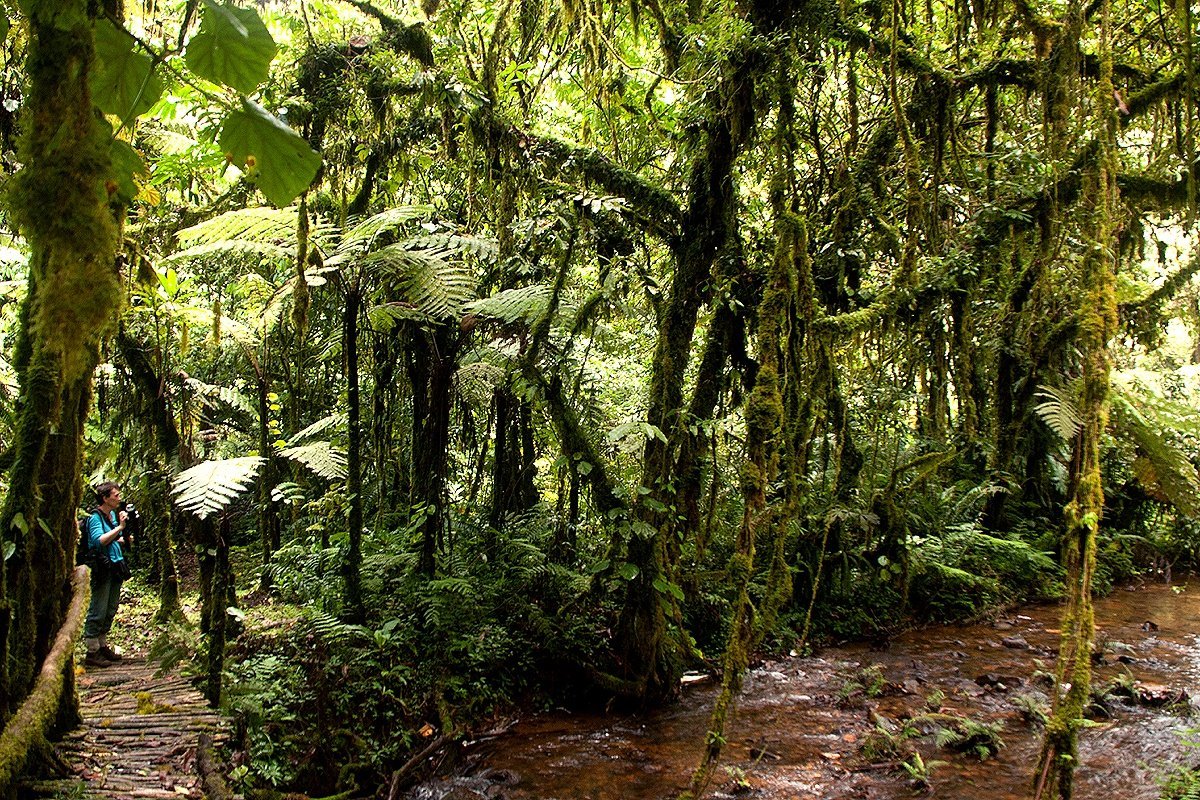
Buhoma is worth more than a single morning. Guided forest walks may explore river corridors, birding areas, or scenic trails such as the Munyaga River and waterfall routes, depending on current access arrangements. These activities require separate arrangements and may have different fees, guide requirements, and opening procedures. A slower nature walk can reveal ferns, orchids, insects, and forest sounds that are easy to overlook during a focused gorilla search.
Birdwatchers should ask about early morning outings and the best trail conditions for forest species. Bwindi supports a rich bird community, although identification and sightings depend on the season and local expertise. Adding a Uganda birding safari component can make the trip especially satisfying for visitors who enjoy watching more than large mammals. Binoculars and a patient guide are often more useful than rushing between viewpoints.
Community visits can introduce travelers to crafts, food traditions, and local initiatives around the park boundary. Choose activities that have been arranged with the community and that pay participants fairly. Ask permission before photographing people and avoid assuming every encounter is a performance. An extra afternoon gives you time to support local enterprises without imposing on family routines or treating residents as part of the scenery.
Suggested Three-Day Buhoma Gorilla Safari Itinerary
Day one is for the transfer and settling in. Leave Entebbe or Kampala early for the long road journey, or take an available domestic flight and arrange the Kihihi pickup. Stop for refreshments as needed, then reach your Buhoma lodge with enough time to review tomorrow’s logistics. Confirm the permit name and sector, request a packed lunch, prepare clothes, and discuss any fitness concerns before dinner. A relaxed first evening is more useful than adding a late activity.
Day two is the core of your three-day gorilla trekking safari. Eat breakfast early, reach the briefing area promptly, and join your assigned ranger group. Once in the forest, follow the guide’s instructions and allow the trackers to manage the approach. After the encounter, return for lunch or a rest and consider a modest community activity only if you have the energy. Do not schedule a long transfer immediately after the trekking outing.
Day three returns toward Entebbe or Kampala, with an optional extension toward Ishasha or Queen Elizabeth National Park if the whole trip has been planned for additional days. A Uganda gorilla and wildlife safari works best when game drives are allocated enough time. If using a domestic flight, confirm the ground transfer, check-in rules, and baggage allowance. This template is flexible: adding a night in Buhoma can make the experience much less rushed.
It is wise to request a day-by-day quotation showing the origin and destination of every transfer. This reveals when a package quietly assumes an especially long drive or omits an airport pickup. Confirm who is responsible for handling permit records and how changes will be communicated. If you intend to add a wildlife extension, define whether game drives are included or optional and whether any park entry costs are additional. Clear written expectations protect both the visitor and the operator and make alternatives easier to compare without endless exchanges of messages.
How Much Should You Budget for a Buhoma Safari?
The gorilla permit is usually a major fixed expense, but it is not the entire trip price. A complete quote should identify permit category, accommodation level, private or shared transport, driver-guide services, fuel, meals, and activities. An international flight is usually quoted separately unless the package states otherwise. Ask for a clear inclusion list and identify expenses that could change with exchange rates or tariffs. Compare like with like rather than judging a tour by one headline number.
An economical road-based trip with simple accommodation will usually cost less than a premium fly-in itinerary, but driving time is part of the price you pay in vacation days. A budget gorilla trekking safari can be good value when it preserves safe vehicles, competent guides, and realistic transfer schedules. Avoid arrangements that rely on unconfirmed permits or unexpectedly distant lodges. The lowest figure is not good value if it threatens the main reason for traveling.
Couples and small groups can sometimes spread vehicle costs, while solo travelers may pay more for private transfers. Ask about porter fees and gratuities, as well as personal purchases and any optional walks. If traveling in a wetter month, allow flexibility for road conditions and activity changes. Obtain a written itinerary that specifies Buhoma and make final payments only through an approved, documented process.
Who Will Enjoy Buhoma Most?
Buhoma is a compelling choice for travelers who value historical context, well-established visitor support, and the possibility of combining gorilla tracking with community activities or northern Uganda wildlife routes. It is particularly attractive to first-time visitors who want time to understand the trekking briefing and logistics. The sector is also suited to photographers who can spend an extra night rather than trying to accomplish everything in a single day.
Families must check the gorilla trekking minimum age, generally fifteen years under the applicable Uganda rules. Younger children may enjoy other carefully planned safari activities, but should not be booked into a gorilla trek that they are not eligible to join. The family gorilla trekking advice also highlights the importance of individual fitness and pacing for older teenagers. Everyone in the party should understand the physical commitment before permits are paid for.
Buhoma is not necessarily the optimal entry point for every Uganda journey. Visitors arriving from southern Rwanda or wanting a specific habituation activity may find other sectors more practical. Those extending into Uganda and Rwanda gorilla tours should compare route time, visas, and road conditions carefully. Choosing a sector is an itinerary decision rooted in geography and confirmed permits, not a competition over which forest contains the friendliest animals.
Frequently Asked Questions About Buhoma Gorilla Trekking
Is Buhoma the same as Bwindi? No. Buhoma is the northern visitor entry area within the much larger Bwindi Impenetrable National Park. A Bwindi permit must identify the appropriate sector, and a Buhoma lodge does not automatically put you close to trekking departures in southern sectors. Confirm both the permit entry point and accommodation before travel, especially if an operator offers several possible lodges under one safari package.
Can I select my gorilla family? Visitors reserve an entry area and date, while rangers allocate trekking groups based on current field conditions and operational considerations. Can I guarantee an easy walk? No. Gorilla locations change daily, and the terrain may be slippery or steep even in a well-established sector. Inform your guide of limitations early, request help when needed, and leave enough time for a variable return.
Are sightings guaranteed? Trackers work hard to locate habituated families, and visits are carefully organized, but these remain wild animals in a complex forest. What happens if it rains? Trekking may continue in wet conditions when park managers consider it safe, so bring waterproof layers and protect your camera. Is Buhoma suitable for a quick trip? A short gorilla tracking experience is possible with good transport connections, but a two- or three-night stay is often much more comfortable.
Plan Your Gorilla Trekking in Buhoma Region
The most reliable sequence is straightforward: choose provisional travel dates, confirm an available Buhoma permit, select lodging close to that sector’s briefing area, and organize transfers with realistic journey times. Next, arrange suitable clothing, discuss fitness and accessibility needs, and leave a flexible window after the trek. This prevents the common problems of a mismatched sector, rushed road transfer, or an early flight booked too soon after a variable forest excursion.
Gorilla Trekking in Buhoma Region is memorable because every visit is a genuine wildlife encounter rather than a scheduled display. The forest rewards patience, respectful silence, and preparation. With the right guide and enough time, travelers can appreciate the extraordinary work behind gorilla protection while also seeing the northern Bwindi landscape and its surrounding communities. The goal is not the shortest path to a silverback, but a safe, ethical safari worth remembering.





