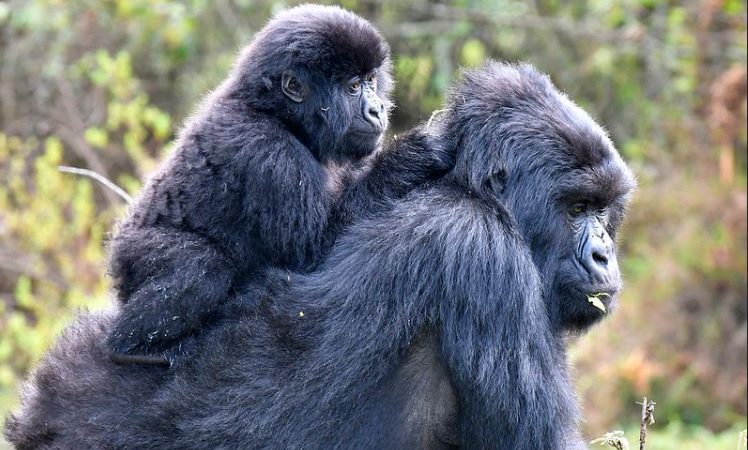
Physical Preparation for Gorilla Trekking
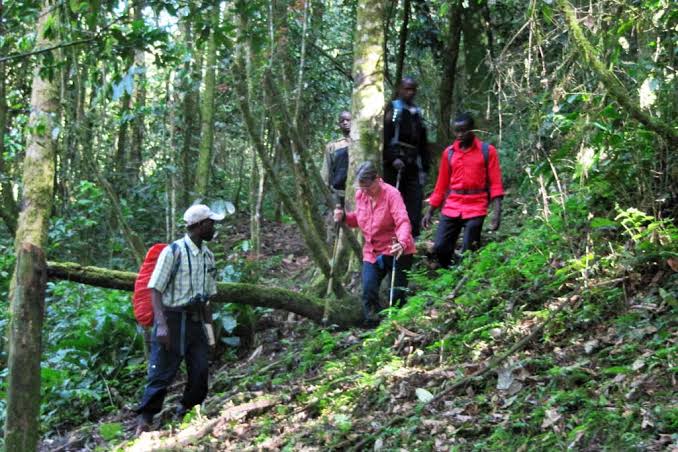
UGANDA GORILLA TREKKING GUIDE
Physical Preparation for Gorilla Trekking
Prepare for the forest trails of Bwindi and Mgahinga with practical walking exercises, strength training, hill practice and a gradual fitness plan designed for your gorilla trekking adventure.
PREPARE WITH CONFIDENCE
Get Ready for the Physical Demands of Gorilla Trekking
Gorilla trekking in Uganda is an unforgettable wildlife experience, but reaching a habituated mountain gorilla family can involve several hours of walking through mountainous rainforest. The trails may be steep, muddy, uneven and covered with thick vegetation. Your physical preparation can make a significant difference to your comfort, confidence and enjoyment.
You do not need to become a professional athlete or experienced mountaineer before visiting Bwindi Impenetrable National Park or Mgahinga Gorilla National Park. However, building your walking endurance, strengthening your legs and practising on uneven ground can help you manage the experience more comfortably.
This guide explains how to train for a multi-hour gorilla trek, what exercises to practise, how to prepare for steep forest trails and how to use the weeks before your Uganda safari wisely.
GENERAL DURATION
2–7 hours
An approximate trekking range; actual time varies.
TRAINING PRIORITY
Endurance
Build the ability to walk for longer periods.
IMPORTANT MUSCLES
Legs & Core
Prepare for slopes, steps and uneven ground.
BEST APPROACH
Gradual Training
Increase activity progressively and allow recovery.
Why Physical Preparation Matters for Gorilla Trekking
Mountain gorillas live in natural forest habitats where the terrain is not designed for ordinary walking. Depending on the gorilla family’s location, visitors may climb hills, descend into valleys, cross slippery sections and walk through thick vegetation.
The duration and difficulty of a trek cannot be guaranteed in advance. Uganda Wildlife Authority gives an approximate range of two to seven hours, although individual experiences can vary. A group may locate its assigned gorilla family relatively quickly, while another may spend much longer walking through the forest.
Physical preparation helps you develop the stamina and balance needed to manage these changing conditions. It also helps you conserve energy for the return walk after spending time observing the gorillas.
Physical Challenges You Should Prepare For
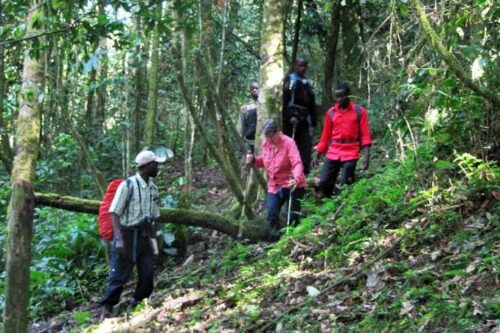 Steep Uphill Sections
Climbing forest slopes requires leg strength and cardiovascular endurance. Practise walking uphill, climbing stairs or using a safe inclined treadmill.
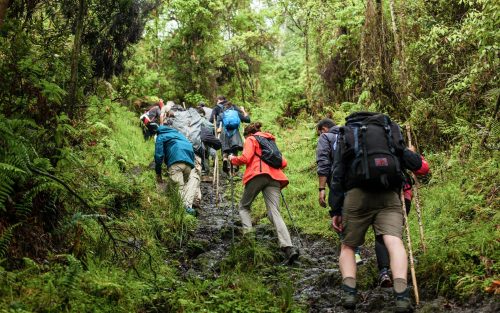 Uneven Ground
Tree roots, rocks and narrow paths require good balance and controlled movement. Practise on safe natural trails before travelling.
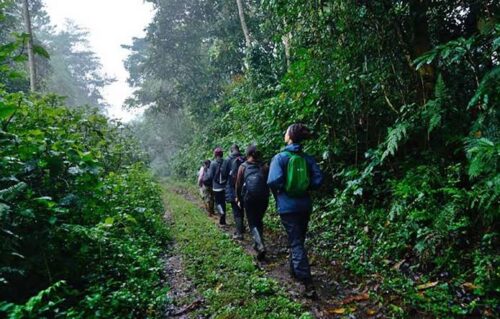 Muddy and Slippery Trails
Rain can make the forest floor slippery. Strengthening your legs and improving balance can help you move with greater control.
For a closer look at the experience, read our guide to Uganda gorilla trekking fitness and our article on gorilla trekking for first-time visitors.

THE REWARD OF YOUR PREPARATION
Good preparation helps you approach the forest walk with greater confidence and focus on the remarkable opportunity to observe mountain gorillas in their natural habitat.
Best Exercises for Preparing for a Multi-Hour Gorilla Trek
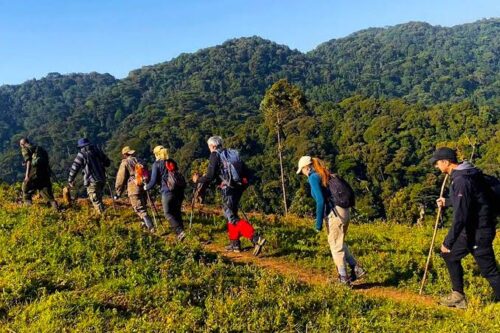
Your training should reflect the movements you are likely to make in the forest. Combine walking, cardiovascular exercise, leg strengthening and balance practice. Start at a level that suits your current ability and increase gradually.
1. Regular Walking
Walking is one of the most practical ways to prepare. Begin with manageable sessions and gradually increase the distance or duration as your fitness improves.
Training idea: 30–60 minutes, several days per week, adjusted to your ability.
2. Hill Walking
Practise walking up and down gentle hills. This prepares your legs for climbing and descending the forest slopes found in Bwindi and Mgahinga.
Training idea: Include gentle slopes in one or two weekly walks.
3. Stair Climbing
Stair climbing can strengthen the muscles used when moving uphill. Use a stable staircase, maintain a comfortable pace and avoid rushing.
Training idea: Short, controlled sessions with rest between rounds.
4. Squats and Sit-to-Stands
Controlled squats and repeated sit-to-stand movements help develop leg strength for climbing, stepping and maintaining control on slopes.
Training idea: Begin with a few comfortable repetitions and build gradually.
5. Step-Ups
Step-ups imitate the movement of climbing over natural obstacles. Use a low, stable step and move slowly with good control.
Training idea: Practise a few sets on suitable training days.
6. Balance Exercises
Simple balance exercises can help prepare you for uneven forest paths. Try supported single-leg standing or controlled heel-to-toe walking.
Training idea: Practise briefly near a stable support.
7. Cycling or Swimming
Cycling and swimming can improve general cardiovascular fitness while offering alternatives to walking. They are useful additions, although they do not fully replace trail practice.
Training idea: Add moderate sessions according to your fitness level.
8. Core Strengthening
Gentle core exercises help develop trunk stability, which is useful when stepping over roots, navigating slopes and carrying a small backpack.
Training idea: Use appropriate exercises such as modified planks or bird-dogs.
A PRACTICAL TRAINING ROUTINE
A 12-Week Physical Preparation Plan
If you have approximately three months before your Uganda gorilla safari, the following framework can help you build fitness progressively. It is a general example, not a medical prescription. Adjust the activities to your current health, ability and recovery needs.
WEEKS 1–3
Build a Walking Habit
- Begin with comfortable walks.
- Build consistency throughout the week.
- Introduce gentle slopes where available.
- Practise light mobility and balance exercises.
- Allow recovery days.
WEEKS 4–6
Improve Endurance
- Extend suitable walking sessions.
- Add regular hill or stair practice.
- Introduce basic leg-strength exercises.
- Try longer walks with short breaks.
- Monitor fatigue and recovery.
WEEKS 7–9
Practise Varied Terrain
- Include longer outdoor walks.
- Practise safe uphill and downhill routes.
- Improve balance and controlled stepping.
- Wear your intended hiking footwear.
- Try a light daypack.
WEEKS 10–12
Prepare for Trekking Day
- Maintain comfortable endurance.
- Complete a suitable longer practice walk.
- Check boots, socks and rainwear.
- Avoid sudden increases in exercise.
- Reduce strenuous training before departure.
Important: If you have not exercised recently, begin with shorter and easier sessions. Stop if you experience concerning symptoms, and seek professional advice before starting a new exercise programme if you have relevant medical conditions, injuries or mobility concerns.
Example of a Balanced Weekly Training Routine
A balanced week should combine walking endurance, strength, gentle cardiovascular exercise and recovery. The schedule below is an example to adapt to your own level.
| Day | Suggested Activity | Main Benefit |
|---|---|---|
| Monday | Comfortable brisk walk | Walking endurance |
| Tuesday | Leg and core strengthening | Muscle strength |
| Wednesday | Gentle walk or cycling | Cardiovascular fitness |
| Thursday | Hill walking or stairs | Climbing preparation |
| Friday | Rest or gentle mobility | Recovery |
| Saturday | Longer outdoor walk | Stamina and terrain practice |
| Sunday | Rest or easy activity | Recovery and preparation |
Practise Walking on Different Types of Terrain
Walking on flat roads is a useful starting point, but it does not fully prepare you for the conditions inside Uganda’s mountain forests. If possible, include safe outdoor trails with gentle slopes, natural ground and gradual changes in elevation.
Practise Uphill and Downhill Movement
Uphill walking develops stamina and leg strength, while controlled downhill movement helps you practise balance and stability. Avoid steep or slippery practice routes that are beyond your current ability.
Get Comfortable with Longer Walks
Gradually increase the duration of your outdoor walks. Take breaks when needed, carry water and pay attention to how your body responds. A comfortable longer walk is more useful than a short, exhausting session that leaves you unable to recover.
Practise with Your Daypack
Once your regular walking is comfortable, try carrying a light backpack containing items similar to those you may take on the trek. Avoid carrying unnecessary weight. A local porter can carry your main daypack during the actual gorilla trek if you hire one.
Choose and Test Your Gorilla Trekking Equipment
Physical fitness is important, but suitable equipment also contributes to comfort and stability. Do not wait until you arrive in Uganda to discover that your boots are uncomfortable or your clothing restricts movement.
Waterproof Hiking Boots
Choose comfortable boots with reliable grip and ankle support. Wear them during training walks before your safari.
Comfortable Socks
Use hiking socks that fit well and reduce rubbing. Test them with your boots before travelling.
Rain Jacket
Mountain rainforest weather can change quickly. Pack lightweight rain protection that allows comfortable movement.
Trekking Gloves
Gardening or trekking gloves can protect your hands when moving through vegetation or holding onto suitable supports.
Walking Stick
A suitable walking stick may help with balance on uneven sections. Follow ranger guidance and use it responsibly.
Light Daypack
Carry essential items such as water, snacks and rain protection. Keep the pack light and organized.
For more practical advice, see our guide to what happens on gorilla trekking day and our guide to Uganda gorilla trekking permits.
Nutrition and Hydration Before a Gorilla Trek
Training is not only about exercise. Eating balanced meals, drinking enough fluids and allowing your body to recover are also important parts of physical preparation.
Eat Balanced Meals
Include a variety of foods that provide energy and support muscle recovery. Whole grains, fruits, vegetables, protein-rich foods and healthy fats can form part of a balanced diet.
Stay Hydrated
Drink water regularly during your training walks and on trekking day. The amount you need depends on your activity, weather and individual circumstances. Carry enough drinking water for the expected outing.
Carry Suitable Snacks
Energy snacks can be useful during a long outdoor walk. Follow your safari guide’s advice about food and waste management in the forest, and never leave litter behind.
Prioritize Sleep and Recovery
Allow enough sleep between training sessions. Recovery helps you maintain a consistent routine without unnecessarily exhausting yourself before the trip.
Use Porter Services to Make Your Trek More Comfortable
Even after weeks of physical preparation, you may appreciate additional support during the gorilla trek. Hiring a local porter is a practical option for visitors who prefer not to carry their own daypacks through the forest.
Porters can carry personal belongings such as water, snacks and rainwear. Depending on the terrain and circumstances, they may also offer a helping hand on challenging sections. They do not replace the official ranger guides responsible for leading the trekking group.
Porter services also provide income opportunities for people living near the national parks. Hiring a porter can therefore support local livelihoods while making your walk more comfortable.
If you have significant mobility concerns, discuss them well before travel. Specialist carrying services, including sedan chairs in some locations, require advance coordination and confirmation of availability and suitability.
Preparing for Gorilla Trekking in Bwindi and Mgahinga
Uganda has two national parks where visitors can trek mountain gorillas. Both offer extraordinary forest experiences, but the terrain and trekking conditions vary according to the location of the gorilla family.
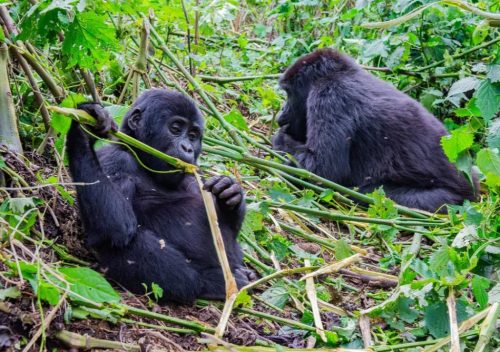 Bwindi Impenetrable National Park
Bwindi is a mountainous rainforest with four main trekking sectors: Buhoma, Ruhija, Rushaga and Nkuringo. Trails can involve steep slopes, valleys and dense vegetation. The actual difficulty depends on the gorillas’ location and daily conditions.
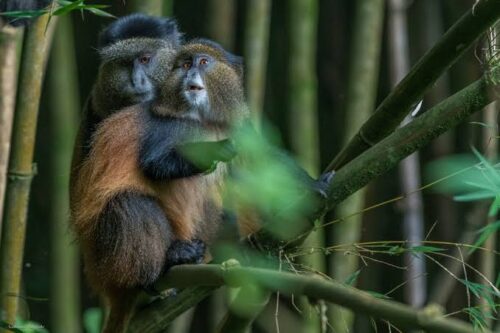 Mgahinga Gorilla National Park
Mgahinga offers a mountain environment within the Virunga landscape. Its volcanic slopes, elevation and bamboo vegetation can make some walks physically demanding. Gradual preparation is useful for visitors choosing this destination.
You can also explore access to the Rushaga sector, the best gorilla trekking sectors in Bwindi and gorilla families in Bwindi.
How to Manage Your Energy on Gorilla Trekking Day
Your preparation should continue on the day of the trek. A sensible approach to pacing, food, hydration and rest can help you manage the forest walk.
- Eat breakfast before the briefing. Have a suitable meal that gives you energy for the morning activity.
- Wear tested trekking equipment. Use comfortable boots, suitable socks and clothing that allows easy movement.
- Listen carefully to the ranger briefing. Follow the instructions and remain with your assigned group.
- Walk at a steady pace. Avoid rushing ahead or treating the trek as a race.
- Communicate when you need help. Tell the ranger guide if you feel unwell, exhausted or need assistance.
- Save energy for the return walk. Remember that the trek continues after the gorilla encounter.
Read more about what to expect during the actual gorilla trekking day and the difference between gorilla trekking and habituation.
Common Physical Preparation Mistakes to Avoid
Training Too Late
Do not wait until the final week to start walking. Gradual preparation gives you more time to build a consistent routine.
Doing Too Much Too Soon
Suddenly increasing exercise intensity or distance can cause unnecessary fatigue or injury. Progress gradually.
Ignoring Downhill Practice
Preparing only for uphill walking overlooks the balance and control needed when descending forest slopes.
Wearing New Boots on Trek Day
Unfamiliar footwear can cause discomfort. Test and break in your boots during training walks.
Skipping Recovery
Rest is part of a balanced training routine. Allow your body time to recover between demanding sessions.
Carrying Too Much
An unnecessarily heavy daypack adds effort. Carry essentials and consider hiring a porter.
Combine Gorilla Trekking with Other Uganda Safari Experiences
A gorilla trekking holiday can be combined with wildlife viewing, chimpanzee tracking, nature walks and cultural experiences. Allow enough time between demanding activities so that you can rest and enjoy each destination.
Uganda Primate Safari
Combine mountain gorillas, chimpanzees and golden monkeys.
Primate and Hiking Safari
Include gorilla trekking, chimpanzees and a forest hike.
Gorillas and Wildlife
Add game drives and a boat safari to your primate experience.
Short Gorilla Safari
Plan a shorter trip focused on the mountain gorilla experience.
Gorillas and White-Water Rafting
Combine Bwindi with an adventure on the River Nile.
Uganda Walking Safari
Explore Uganda through guided walks and outdoor activities.
Frequently Asked Questions About Physical Preparation for Gorilla Trekking
1. How fit should I be for a multi-hour gorilla trek?
A reasonable level of general fitness is helpful. You should work towards being comfortable with extended walking, gentle climbs and uneven ground. The required effort varies with the gorillas’ location and trail conditions.
2. How many hours does gorilla trekking take in Uganda?
An approximate range is two to seven hours, but individual treks may be shorter or longer. The duration depends on the gorilla family’s location, terrain, weather and other conditions.
3. How long before my safari should I start training?
Starting around eight to twelve weeks in advance can provide useful time to build endurance gradually. If you have less time, focus on safe, consistent activity suited to your current ability rather than attempting intense last-minute training.
4. Is walking enough preparation for gorilla trekking?
Regular walking is an excellent starting point. You can improve your preparation by adding suitable hill walking, stair climbing, basic leg strengthening and balance exercises.
5. Do I need to run to prepare for gorilla trekking?
No. Running is not essential. Walking, hill practice and appropriate strength exercises are more directly relevant to the movements involved in a forest trek.
6. Can I prepare for gorilla trekking without a gym?
Yes. Walking, stairs, safe hill routes, supported squats and simple balance exercises can all be practised without a gym. Choose activities that are appropriate for your fitness level.
7. Should I practise walking uphill and downhill?
Yes, where safe and suitable. Gorilla trekking can involve both climbing and descending. Practising controlled movement on gentle slopes helps prepare your legs and balance for varied terrain.
8. Are trekking poles necessary?
They are not essential for everyone, but a suitable walking stick or trekking pole may help some visitors with balance. Ask your guide about appropriate use during the trek.
9. Can I hire a porter if I am not very fit?
Yes. Local porters can carry your daypack and may offer assistance on challenging sections. Their services do not remove the need to be able to participate safely in the trek.
10. Can older travellers prepare for gorilla trekking?
Many older visitors enjoy gorilla trekking. Their preparation should reflect their health, walking ability and mobility. Anyone with medical concerns should obtain individualized professional advice before travelling.
11. What if I have knee or joint problems?
Steep and slippery terrain can be challenging for people with joint problems. Seek medical advice before booking, explain your mobility needs to your safari operator and discuss available assistance well in advance.
12. Should I continue intense training immediately before travelling?
No. Avoid sudden increases in exercise or exhausting workouts immediately before departure. Maintain comfortable activity and allow time for rest and recovery.
13. Can Safari Vacations help me plan a trek according to my fitness level?
Yes. Safari Vacations and Travel Services can discuss your trekking preferences, accommodation, permit arrangements and possible porter or specialist assistance. Any accessibility arrangements must be confirmed in advance.
More Uganda Gorilla Trekking Guides
Continue planning your trip with these related guides and safari resources:
How to Book a Uganda Gorilla Safari
Gorilla Trekking for First Timers
Gorilla Trekking in Mgahinga
Easiest Gorilla Trekking Region in Bwindi
Accessing the Rushaga Sector
Best Gorilla Trekking Sector in Bwindi
Gorilla Trekking vs Habituation
What to Expect on Trekking Day
Why You Need a Gorilla Permit
Uganda Gorilla Trekking Permits
Gorilla Families in Bwindi
8-Day Uganda Primates and Wildlife Safari
9-Day Uganda Primates and Hiking Safari
Short Gorilla Trekking Safari
Gorillas and White-Water Rafting Safari
Uganda Gorilla Trekking and Wildlife Safari
Uganda Walking Safari
1-Day Gorilla Trekking in Uganda
Bwindi Gorilla Trekking and Permits
Gorilla Trekking in Bwindi
Gorilla and Chimpanzee Trekking
Family Gorilla Trekking in Uganda
Things to Do on a Uganda Safari
Gorilla Trekking with a Big Five Safari
Prepare Well and Enjoy Your Uganda Gorilla Trekking Experience
Physical preparation is an important part of planning a multi-hour gorilla trek in Uganda. Building your walking endurance, strengthening your legs, practising on gentle hills and improving your balance can help you approach the forest with greater confidence.
Remember that every trek is different. The location of the gorillas, weather, elevation and trail conditions all influence the amount of effort required. Prepare for a potentially demanding walk, pace yourself and follow the instructions of your ranger guides.
With suitable preparation and thoughtful safari arrangements, you can focus on the experience itself: meeting Uganda’s endangered mountain gorillas in the beautiful forests of Bwindi or Mgahinga.
PLAN YOUR UGANDA GORILLA SAFARI
Let Us Help You Prepare for Your Gorilla Trek
Safari Vacations and Travel Services can help arrange your gorilla trekking permit, accommodation, ground transportation and practical trekking support. Tell us your preferred travel dates and trekking destination so we can help plan your experience.
Safari Vacations and Travel Services Ltd
Uganda · East Africa
WhatsApp: +256 776 423286