
Uganda Walking Safari – The Ultimate Guide to Exploring Uganda on Foot
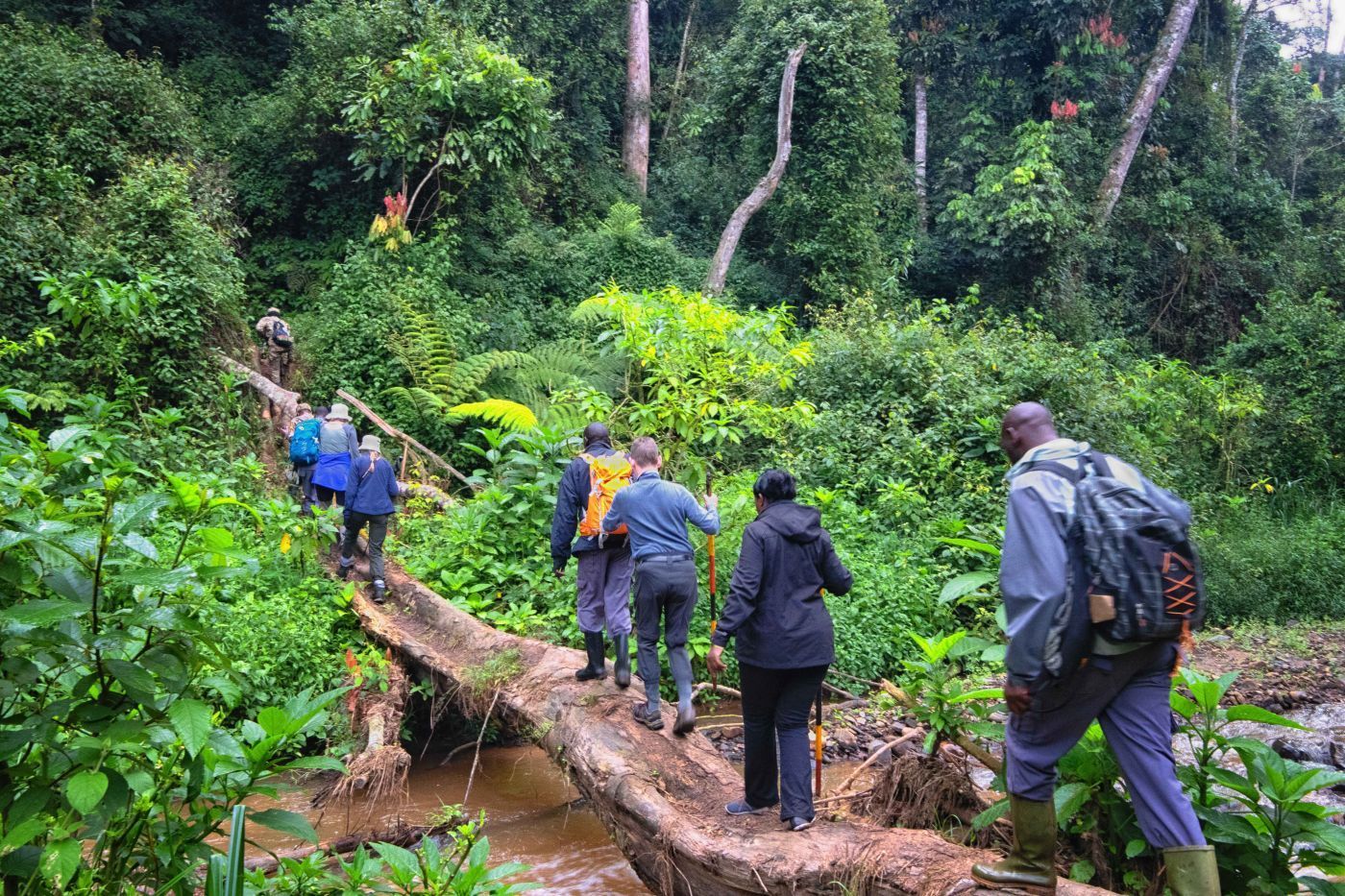
A Uganda Walking Safari is one of the most rewarding ways to explore the natural beauty, wildlife, forests and remote landscapes of the Pearl of Africa. Instead of observing every animal from inside a safari vehicle, a walking safari allows you to step into the wilderness and discover Uganda at a slower and more intimate pace. Accompanied by an experienced guide or an armed Uganda Wildlife Authority ranger, travelers follow designated trails through savannah grasslands, tropical forests, wetlands, valleys and communities while learning about the wildlife and ecosystems around them.
Uganda is widely known for mountain gorilla trekking, chimpanzee tracking and traditional wildlife game drives, but the country also offers exceptional opportunities for guided walks. A well-planned walking safari can introduce visitors to animal tracks, bird calls, medicinal plants, insects, reptiles, butterflies and smaller natural details that are often missed during a fast-moving game drive. The experience encourages travelers to listen carefully, observe patiently and develop a deeper understanding of Uganda’s wilderness.
Uganda Walking Safari experiences are available in several national parks, wildlife reserves, forests and community conservation areas. Each destination offers a different environment and style of walking adventure. Lake Mburo National Park is famous for guided savannah walks among zebras, giraffes, impalas, elands and buffaloes, while Bwindi Impenetrable National Park offers forest trails filled with birds, primates, waterfalls and dense tropical vegetation. Kidepo Valley National Park provides remote wilderness walks across dramatic valleys, and Kibale National Park introduces visitors to one of Africa’s richest primate forests.
What Is a Uganda Walking Safari?
A Uganda Walking Safari is a professionally guided journey through a protected natural area where travelers explore the landscape on foot rather than relying entirely on a safari vehicle. Depending on the destination, the experience may be described as a guided nature walk, bush walk, forest walk, wildlife walk, birding walk, community walk or hiking safari. Some walks concentrate on finding large animals, while others focus on birds, primates, plants, waterfalls, volcanic scenery, wetlands or cultural encounters.
Walking safaris are normally led by knowledgeable local guides who understand the landscape, animal behavior and safety procedures. In national parks where potentially dangerous wildlife may be encountered, an armed ranger accompanies the group. The guide interprets footprints, droppings, feeding signs, territorial markings, broken vegetation and warning calls to help guests understand what has recently passed through the area. This level of interpretation makes a guided Uganda Walking Safari both an adventure and an outdoor learning experience.
Lake Mburo National Park is usually considered the leading destination for a savannah-based Uganda Walking Safari. Its open grasslands, acacia woodland, rocky hills and lakeshore habitats support a remarkable variety of wildlife. Visitors can learn more about a professionally guided safe walking safari before including the activity in a customized Uganda itinerary. The park is especially suitable for travelers who want to observe plains animals without remaining inside a vehicle throughout their safari.
A Uganda Walking Safari can last from a short introductory walk of approximately two hours to a longer half-day or full-day expedition. Some destinations also offer multi-day walking adventures supported by lodges, camps and community guides. The length and difficulty of each walk depend on the landscape, weather, travelers’ fitness levels and the type of wildlife experience being offered. Easy walks are suitable for many first-time visitors, while mountain trails and longer wilderness routes require greater physical preparation.
The pace is normally relaxed because the purpose is not to cover the longest possible distance. Travelers stop regularly to examine plants, identify birds, study animal tracks, take photographs and listen to explanations from the guide. This creates a strong connection with the destination and turns seemingly small details into memorable discoveries. A footprint in the mud, a feather beneath a tree or a distant alarm call can reveal an entire story about the animals living nearby.
Why Choose a Uganda Walking Safari?
Travelers choose a Uganda Walking Safari because it offers a personal and immersive alternative to standard vehicle-based wildlife viewing. A safari vehicle can cover large distances and locate more animals within a short period, but walking allows visitors to understand the environment in greater detail. Guests feel the ground beneath their feet, notice changes in vegetation, hear sounds more clearly and experience the scale of the landscape from the same level as the wildlife.
Walking also provides an excellent opportunity to appreciate Uganda’s smaller species. While lions, elephants, buffaloes, giraffes and other large mammals often receive the most attention, the country is equally rich in insects, reptiles, amphibians, butterflies and plants. Exploring the Uganda national parks on foot helps visitors understand how all these species are connected within a functioning ecosystem.
Another important reason to choose a walking safari in Uganda is the quality of interpretation provided by local guides and park rangers. Guides explain how communities have traditionally used certain plants, how animals communicate, how predators follow prey and how conservation authorities protect sensitive habitats. This knowledge transforms an ordinary walk into a meaningful experience that combines wildlife viewing, conservation education and local culture.
A guided Uganda Walking Safari is also highly rewarding for photographers. Walking groups are generally small, allowing travelers to move quietly and take time composing photographs. Instead of photographing wildlife only from a vehicle window, guests can capture ground-level landscapes, close-up plant details, footprints, insects, birds and carefully framed images of animals at a safe distance. Early-morning and late-afternoon walks can offer soft natural light and beautiful views across Uganda’s forests and savannahs.
For visitors interested in forests, Uganda offers exceptional walking opportunities in protected tropical environments. The country’s forest trails reveal towering trees, vines, ferns, waterfalls and an extraordinary variety of birdlife. Experiences such as nature walks can also be combined with gorilla trekking, chimpanzee tracking or other primate encounters to create a complete Uganda adventure.
Why Uganda Is an Exceptional Walking Safari Destination
Uganda is an exceptional walking safari destination because of its remarkable diversity of landscapes within a relatively compact country. Travelers can walk through open savannah, tropical rainforest, bamboo forest, wetlands, volcanic foothills, crater lake regions and rural communities during one journey. Few African destinations allow visitors to combine so many different walking environments with gorilla trekking, chimpanzee tracking, game drives, boat cruises and cultural encounters.
Lake Mburo National Park is particularly important to Uganda’s walking safari offering. The park is conveniently located along the main route between Kampala or Entebbe and the southwestern safari circuit. It can therefore be included at the beginning or end of a longer Uganda safari. Travelers planning a short adventure can also consider a Lake Mburo safari combining walking, wildlife viewing and a boat experience.
The variety of animals that may be encountered makes Lake Mburo an exciting destination for a guided wildlife walk. Depending on the route and conditions, travelers may see zebras, giraffes, impalas, elands, topis, warthogs, waterbucks, bushbucks and buffaloes. The park is also an important birding destination, with woodland, wetland and savannah species occurring across its different habitats. A ranger may lead visitors toward salt licks, lakeshore areas, woodland trails or open plains according to recent wildlife movements.
Travelers who prefer a forest environment can include guided walks in Bwindi Impenetrable National Park. Although Bwindi is best known for mountain gorilla trekking, the forest also contains scenic trails leading to waterfalls, rivers and community areas. These walks allow travelers to appreciate the wider ecosystem beyond the gorilla encounter. Uganda’s forest nature walks are especially attractive to birdwatchers, photographers and visitors interested in trees, butterflies and primates.
Kibale National Park provides another outstanding setting for a Uganda Walking Safari. The forest supports chimpanzees and numerous other primate species, including red colobus monkeys, black-and-white colobus monkeys, red-tailed monkeys, blue monkeys and grey-cheeked mangabeys. Guided forest walks and nearby wetland experiences provide opportunities to observe birds, plants and smaller animals while learning about the ecological importance of one of Uganda’s most celebrated forests.
A visit to the Kibale Forest region can be combined with chimpanzee tracking, Bigodi Wetland walks, crater lake exploration and community experiences. This makes the destination suitable for travelers who want a detailed primate and nature-focused itinerary rather than a safari centered exclusively on large savannah animals.
Kidepo Valley National Park offers a completely different walking environment. Located in the remote northeastern part of Uganda, Kidepo is characterized by broad valleys, rugged mountains, seasonal rivers and vast open grasslands. The park appeals to adventurous travelers seeking solitude and an authentic wilderness atmosphere. Guided walks in and around the park provide a chance to appreciate the scale of the landscape, identify animal tracks and experience an area that remains less visited than Uganda’s western national parks.
The dramatic scenery of Kidepo Valley makes it particularly suitable for travelers who want to combine wildlife, photography, culture and remote exploration. Walks may also be complemented by game drives and cultural visits involving neighboring communities whose traditions are closely connected to the landscapes of northeastern Uganda.
Uganda also offers mountain and volcano walking experiences. Mount Elgon National Park contains a network of trails through montane forest, bamboo zones, moorland and high-altitude landscapes. Routes vary in length and difficulty, making the destination suitable for both short hikes and demanding multi-day expeditions. Visitors can explore established Mount Elgon trails while discovering waterfalls, caves, viewpoints, plants and bird species adapted to different elevations.
Mgahinga Gorilla National Park in southwestern Uganda combines bamboo forest, volcanic slopes, golden monkeys and views of the Virunga Mountains. Travelers can include guided nature walks, golden monkey tracking, the Batwa cultural trail or challenging volcano hikes. These experiences add an adventurous mountain element to a Uganda Walking Safari and can be combined with gorilla trekking in either Mgahinga or nearby Bwindi Impenetrable National Park.
How Uganda Differs from Other African Walking Safari Destinations
Many African countries offer walking safaris, but Uganda stands out because its walking experiences can be combined with primate trekking, classic wildlife viewing, mountain hiking, wetland exploration and community encounters. A single itinerary can include a guided savannah walk in Lake Mburo, chimpanzee tracking in Kibale, wildlife viewing in Queen Elizabeth National Park and gorilla trekking in Bwindi. This diversity makes a Uganda Walking Safari suitable for travelers who want more than one type of African adventure.
Uganda’s compact safari circuits also make it easier to connect different walking destinations. The western route links Lake Mburo, Bwindi, Queen Elizabeth and Kibale, while northern itineraries may include Murchison Falls, Ziwa Rhino Sanctuary and Kidepo Valley. Travelers can study a detailed Uganda wildlife safari guide when deciding how to combine walking experiences with gorillas, chimpanzees, boat cruises and game drives.
The country also offers strong opportunities for cultural interaction. Community walks can take visitors through villages, farms, craft centers and local markets, creating opportunities to learn about traditional livelihoods and conservation partnerships. These encounters are most valuable when they are respectful, properly organized and designed to benefit the communities being visited. Safari Vacations and Travel Services can arrange community experiences that complement wildlife activities without turning local culture into a staged attraction.
Another advantage is the possibility of creating itineraries for different budgets and fitness levels. A Uganda Walking Safari does not have to involve long or strenuous hiking. Travelers may choose short guided walks near their lodge, moderate forest trails or more challenging mountain expeditions. Families, couples, solo travelers, photographers, birdwatchers and older visitors can all enjoy carefully selected walking activities suited to their interests and physical abilities.
Visitors with limited time can add a walking experience to a short safari, while travelers with longer holidays can combine several parks. Lake Mburo is especially convenient for short trips because of its location between central and southwestern Uganda. Understanding why the park is ideal for walking safaris in Uganda can help travelers decide whether to include it in their itinerary.
Who Should Consider a Uganda Walking Safari?
A Uganda Walking Safari is suitable for travelers who enjoy nature, outdoor activity and meaningful wildlife encounters. It is especially rewarding for visitors who want to move beyond checklist tourism and understand the environments they visit. Birdwatchers can search for species across different habitats, photographers can explore new perspectives, and families can introduce older children to animal tracking, conservation and natural history.
Couples and honeymooners may enjoy private guided walks followed by relaxed stays at intimate safari lodges. Solo travelers can join guided activities while benefiting from the knowledge and security of experienced professionals. Groups can include walking safaris as part of a wider itinerary covering Uganda’s major national parks. Travelers interested in primates may combine forest walks with a broader Uganda primate safari featuring chimpanzees, mountain gorillas and other monkey species.
Some walking experiences require moderate fitness, but many are accessible to travelers who are comfortable walking slowly for a few hours. The most important considerations are choosing the correct destination, wearing suitable footwear, following the guide’s instructions and honestly communicating any mobility or health concerns before the activity. Safari Vacations and Travel Services can recommend suitable walks according to each traveler’s age, interests, available time and fitness level.
Planning a Uganda Walking Safari with Safari Vacations and Travel Services
Planning a successful Uganda Walking Safari requires more than selecting a national park. The itinerary should consider travel distances, seasonal conditions, park regulations, ranger availability, accommodation, physical difficulty and the wildlife interests of each traveler. Safari Vacations and Travel Services designs personalized itineraries that combine guided walking experiences with Uganda’s other leading attractions.
A walking safari may be combined with gorilla trekking in Bwindi, chimpanzee tracking in Kibale, a Kazinga Channel boat cruise in Queen Elizabeth National Park or wildlife viewing in Murchison Falls. Travelers can also include rhino tracking, birdwatching, cultural experiences, mountain hiking and scenic crater lake walks. A multi-destination Uganda safari itinerary creates a balanced journey featuring both active exploration and traditional game viewing.
Safari Vacations and Travel Services works with professional driver-guides, licensed park rangers, carefully selected lodges and local community partners. Each Uganda Walking Safari can be adjusted for private travelers, couples, families, groups, photographers and birdwatchers. The company can arrange transportation, accommodation, park activities, permits and additional safari experiences so that travelers enjoy a smooth journey from arrival to departure.
Whether you want a short guided walk among zebras in Lake Mburo, a forest trail in Bwindi, a primate-focused experience in Kibale or a remote wilderness adventure in Kidepo, Uganda offers an impressive range of possibilities. A professionally planned Uganda Walking Safari provides a deeper connection to the country’s wildlife, landscapes and people while creating memories that cannot be experienced through a vehicle window alone.
Why Choose a Uganda Walking Safari?
A Uganda Walking Safari offers a completely different way to experience the country’s national parks, wildlife reserves, forests and rural landscapes. Instead of watching nature only through the windows of a safari vehicle, travelers step into the wilderness and explore it at ground level under the guidance of an experienced local guide or armed park ranger. Every footprint, bird call, broken branch, animal trail and plant becomes part of the experience, making a Uganda Walking Safari more personal, educational and immersive than ordinary sightseeing.
Uganda is especially suitable for walking adventures because it contains a remarkable combination of open savannah, tropical rainforest, wetlands, volcanic slopes, crater lakes and community landscapes. Travelers can enjoy a gentle guided nature walk, follow wildlife tracks across open plains, hike through an ancient forest or climb a volcanic mountain during the same holiday. This diversity makes a Uganda Walking Safari suitable for first-time visitors, experienced hikers, photographers, birdwatchers, couples, families and solo travelers.
Experience Uganda’s Wildlife at Ground Level
One of the main reasons to choose a Uganda Walking Safari is the opportunity to experience wildlife from ground level. Traditional game drives are excellent for covering long distances and finding large animals, but they can create a physical barrier between travelers and the natural environment. Walking removes that barrier and allows visitors to feel more connected to the landscape around them.
During a guided walk, travelers may encounter zebras, giraffes, impalas, elands, topis, warthogs, waterbucks, buffaloes and several smaller animals, depending on the destination. Lake Mburo National Park is the best-known destination for this type of experience because its open landscapes allow visitors to explore selected areas on foot under professional supervision. A carefully arranged Lake Mburo walking safari provides an exciting opportunity to observe wildlife while learning how animals move, feed, communicate and respond to their surroundings.
The feeling of seeing a giraffe, zebra or antelope while standing on the same ground is very different from observing it through a vehicle window. The encounter feels quieter, more natural and more meaningful. Travelers become more aware of their movements, the direction of the wind, the sounds of the bush and the instructions provided by the ranger. This heightened awareness is one of the qualities that makes a Uganda Walking Safari unforgettable.
Discover the Smaller Details of the Ecosystem
A vehicle-based safari naturally concentrates on large and easily visible animals. A Uganda Walking Safari reveals a much broader side of the ecosystem. Guides help travelers notice insects, reptiles, animal droppings, feathers, nests, medicinal plants, flowers, fungi and small tracks that would normally be missed while driving through a national park.
These small details help visitors understand how the environment functions. A guide may explain how termites improve the soil, how birds spread seeds, how predators mark territories or how local communities have traditionally used particular plants. Exploring the country’s Uganda national parks on foot therefore becomes both an adventure and an educational experience.
Travelers may learn how rangers estimate the age of an animal track, identify the direction in which an animal moved or distinguish between feeding signs left by different species. They may also discover how plants protect themselves, how insects communicate and how birds warn other animals when a predator approaches. This detailed interpretation gives travelers a much deeper appreciation of Uganda’s biodiversity.
Enjoy a Quiet and Immersive Safari Experience
A Uganda Walking Safari is generally quieter than a traditional game drive. There is no engine noise, and walking groups are normally kept small to improve safety and minimize disturbance. This allows visitors to hear sounds that are often hidden by a moving vehicle, including rustling grass, insects, distant animal calls, wingbeats and the movement of primates through the forest canopy.
The slower pace encourages travelers to become fully present in their surroundings. Instead of rushing between wildlife sightings, visitors have time to observe animal behavior, study the landscape and listen to explanations from their guide. A walking safari experience can therefore feel more peaceful and personal than a busy game drive, especially for travelers who value quiet moments in nature.
Walking also allows travelers to appreciate the natural atmosphere of each destination. The smell of wet forest soil, the feeling of savannah grass, the cool air near a waterfall and the changing sounds of the wilderness all become part of the journey. These sensory details often remain among the strongest memories after the safari has ended.
Learn from Experienced Local Guides and Park Rangers
Professional interpretation is one of the greatest benefits of a Uganda Walking Safari. Local guides and Uganda Wildlife Authority rangers possess extensive knowledge of animal behavior, birdlife, plants, weather patterns and safety procedures. They do much more than lead visitors along a trail. They explain how the landscape has developed, how different species depend on one another and how conservation teams protect Uganda’s natural areas.
In destinations where potentially dangerous animals may occur, an armed ranger accompanies the group and determines the safest route. Travelers receive a briefing before the walk and must follow all instructions throughout the activity. Choosing a professionally organized safe walking safari ensures that guests explore the wilderness responsibly while benefiting from the knowledge of trained professionals.
Guides can also adjust the pace and focus of the walk according to the group’s interests. Birdwatchers may spend more time identifying species, photographers may stop frequently for images, and families may receive explanations that are easier for younger travelers to understand. This flexibility allows each Uganda Walking Safari to become a personalized experience rather than a fixed excursion.
Enjoy Outstanding Wildlife Photography Opportunities
A Uganda Walking Safari creates excellent opportunities for wildlife, landscape and nature photography. Traveling on foot allows photographers to explore angles and details that are difficult to capture from inside a vehicle. Guests can photograph animal tracks, plants, insects, forest trails, birds, panoramic views and wildlife from carefully selected positions under the guidance of a ranger.
Walking photographers must always respect the safety distance established by the guide and avoid disturbing animals for the sake of a photograph. When conducted responsibly, combining a walk with a wider Uganda wildlife safari gives photographers access to savannah animals, primates, birds, forests, rivers, lakes and rural landscapes during one journey.
The early morning is particularly rewarding because the temperatures are comfortable, wildlife is often active and the light is softer. Late-afternoon walks may provide warm light and beautiful sunset views across the savannah. Forest walks create different photographic conditions, with filtered light, deep shadows, dense vegetation and opportunities to capture smaller natural subjects.
Combine Walking with Traditional Game Drives
Choosing a Uganda Walking Safari does not mean replacing traditional game drives. The best itineraries combine both experiences because they offer different advantages. Game drives allow travelers to cover greater distances and search for large mammals, while walking safaris provide slower and more detailed exploration.
A morning walking safari can be followed by an afternoon game drive, boat cruise or evening relaxation at the lodge. In Lake Mburo National Park, travelers can combine walking with wildlife viewing, boating, birdwatching, horseback riding and cultural encounters. A Lake Mburo wildlife safari is therefore suitable for visitors who want several different activities within one accessible destination.
Combining activities also increases the range of animals and habitats travelers can experience. A walking safari may reveal tracks, plants, birds and plains animals, while a game drive may provide better opportunities to search for predators and cover remote parts of the park. A boat cruise can introduce travelers to hippos, crocodiles, aquatic birds and animals gathering near the water.
Explore Uganda’s Forests on Foot
Uganda’s walking safari experiences are not limited to open savannah. The country contains biologically rich forests where visitors can follow trails beneath dense canopies, listen for primate calls, identify birds and discover rivers, wetlands and waterfalls. Forest walking is an important part of the wider Uganda Walking Safari experience because it reveals landscapes and species that cannot be found in the open grasslands.
Kibale National Park and the surrounding region offer some of Uganda’s best forest and wetland walks. The area is known for its remarkable primate diversity, rich birdlife and tropical vegetation. Travelers can combine guided forest exploration with chimpanzee tracking and a Bigodi Swamp walk, where community guides introduce visitors to wetland wildlife, birds, monkeys and local conservation efforts.
Bwindi Impenetrable National Park also offers rewarding forest trails beyond its famous gorilla trekking experience. Visitors can walk to waterfalls, follow rivers, search for birds and explore areas near the park’s different sectors. These activities help travelers appreciate Bwindi as a complete rainforest ecosystem rather than only a destination for seeing mountain gorillas.
Combine Walking Safaris with Gorilla and Chimpanzee Trekking
Uganda is one of the few destinations where travelers can combine a classic wildlife walk with encounters involving mountain gorillas and chimpanzees. Gorilla trekking is itself a demanding forest walking experience, but it has a specific objective of locating and observing a habituated gorilla family. General forest walks offer a broader focus on scenery, plants, birds, waterfalls and smaller primates.
A well-planned Uganda Walking Safari itinerary can begin with wildlife walking in Lake Mburo, continue to gorilla trekking in Bwindi and then include chimpanzee tracking in Kibale. Travelers can also add Queen Elizabeth National Park for game drives and a boat cruise. Combining these experiences through a customized Uganda primate safari creates a balanced journey through forests, savannahs, wetlands and local communities.
This combination is especially attractive to travelers who want an active holiday. Rather than spending most of the trip inside a vehicle, guests regularly leave the road and experience Uganda’s landscapes on foot. Each activity is different, giving the itinerary a natural rhythm and preventing the journey from becoming repetitive.
Support Conservation and Local Communities

Responsible walking tourism can contribute to wildlife conservation and community development. Park fees, ranger charges and activity payments support the management of protected areas, ranger operations, habitat conservation and tourism services. When travelers use trained local guides, stay in community-supported accommodations and purchase locally produced crafts, tourism can also create income for people living near the parks.
Community walks introduce visitors to farming, food preparation, traditional crafts, cattle keeping and other aspects of local life. These activities should be arranged respectfully, with clear benefits for participating communities. Combining wildlife walks with a Uganda cultural tour can help travelers understand the relationship between local livelihoods, wildlife protection and the landscapes surrounding national parks.
Travelers should select a safari operator that follows park regulations, employs professional guides and works with responsible accommodation and community partners. This helps ensure that a Uganda Walking Safari protects the environment rather than placing unnecessary pressure on wildlife and natural resources.
Experience Excellent Birdwatching on Foot
Uganda is an outstanding destination for birdwatchers, and walking is often the most effective way to explore bird habitats. A slow pace allows travelers to listen for calls, observe movement in the vegetation and spend time identifying difficult species. Guided birding walks can take place in savannahs, forests, wetlands, woodland, mountains and community landscapes.
Lake Mburo National Park is particularly rewarding because it contains acacia woodland, open grasslands, wetlands and lakeshore habitats. Kibale, Bwindi and Semuliki provide forest birding opportunities, while wetlands around Bigodi and other community areas attract numerous water-associated species. Travelers can combine a Uganda Walking Safari with a dedicated Uganda birding safari designed around particular habitats and target species.
Birdwatching walks are normally slower than general nature walks because guests may spend considerable time waiting, listening and observing. A knowledgeable bird guide can identify species by their calls, explain seasonal movements and help visitors understand how birds depend on particular plants and habitats.
Choose an Experience Suitable for Your Fitness Level
Uganda Walking Safari activities vary greatly in length and difficulty. Some are short, gentle walks across relatively level terrain, while others involve steep forest paths, volcanic slopes or several hours of continuous hiking. This variety allows travelers to select an experience suited to their physical condition and personal interests.
Visitors seeking a relaxed activity can choose a short nature walk near Lake Mburo, a wetland excursion or a guided community walk. More active travelers may prefer longer forest trails, waterfall hikes or mountain routes. Before travelling, guests should prepare suitable walking shoes, lightweight clothing, sun protection, rainwear, water and a comfortable daypack. A detailed Uganda safari packing guide can help travelers prepare for changing weather and different walking conditions.
Travelers should inform Safari Vacations and Travel Services about any mobility concerns, medical conditions or fitness limitations before the itinerary is confirmed. This allows the company to recommend suitable routes and avoid activities that may be unnecessarily difficult. Walking safaris should be enjoyable and rewarding rather than physically overwhelming.
Enjoy a Flexible and Personalized Safari
A Uganda Walking Safari can be customized around the traveler’s available time, budget, interests and preferred accommodation category. Visitors may add one short walk to a traditional wildlife safari or design an entire itinerary around active exploration. The journey can include savannah walks, forest trails, primate trekking, mountain hiking, birdwatching, cultural activities and boat cruises.
Lake Mburo is particularly convenient for travelers with limited time because it can be visited as a short safari from Kampala or Entebbe and can also serve as a stop between central Uganda and the southwestern national parks. Visitors seeking a more complete experience can book a Lake Mburo walking package that combines guided walking with game viewing and a boat excursion.
Longer itineraries can connect Lake Mburo with Bwindi, Queen Elizabeth, Kibale, Murchison Falls or Kidepo Valley. Safari Vacations and Travel Services can arrange private transportation, professional guides, park activities, accommodation and permit reservations according to the traveler’s preferred level of comfort.
Create a Deeper Connection with Uganda
The greatest reason to choose a Uganda Walking Safari is the deeper connection it creates between the traveler and the destination. Walking encourages curiosity, patience and respect for nature. It gives visitors time to understand not only the animals they came to see but also the habitats, communities and conservation efforts that make those encounters possible.
Every Uganda Walking Safari is shaped by the conditions of the day. Wildlife movements, weather, vegetation and bird activity can change from one walk to another. This unpredictability makes the experience feel authentic. There is no guarantee that every desired animal will appear, but every walk offers an opportunity to discover something new.
With professional planning from Safari Vacations and Travel Services, travelers can choose suitable walking destinations, combine complementary activities and explore Uganda safely and responsibly. Whether the experience involves walking among zebras in Lake Mburo, following a forest trail in Bwindi, observing primates near Kibale or hiking through a remote mountain landscape, a Uganda Walking Safari offers a powerful and memorable way to discover the Pearl of Africa.
Best Places for a Uganda Walking Safari
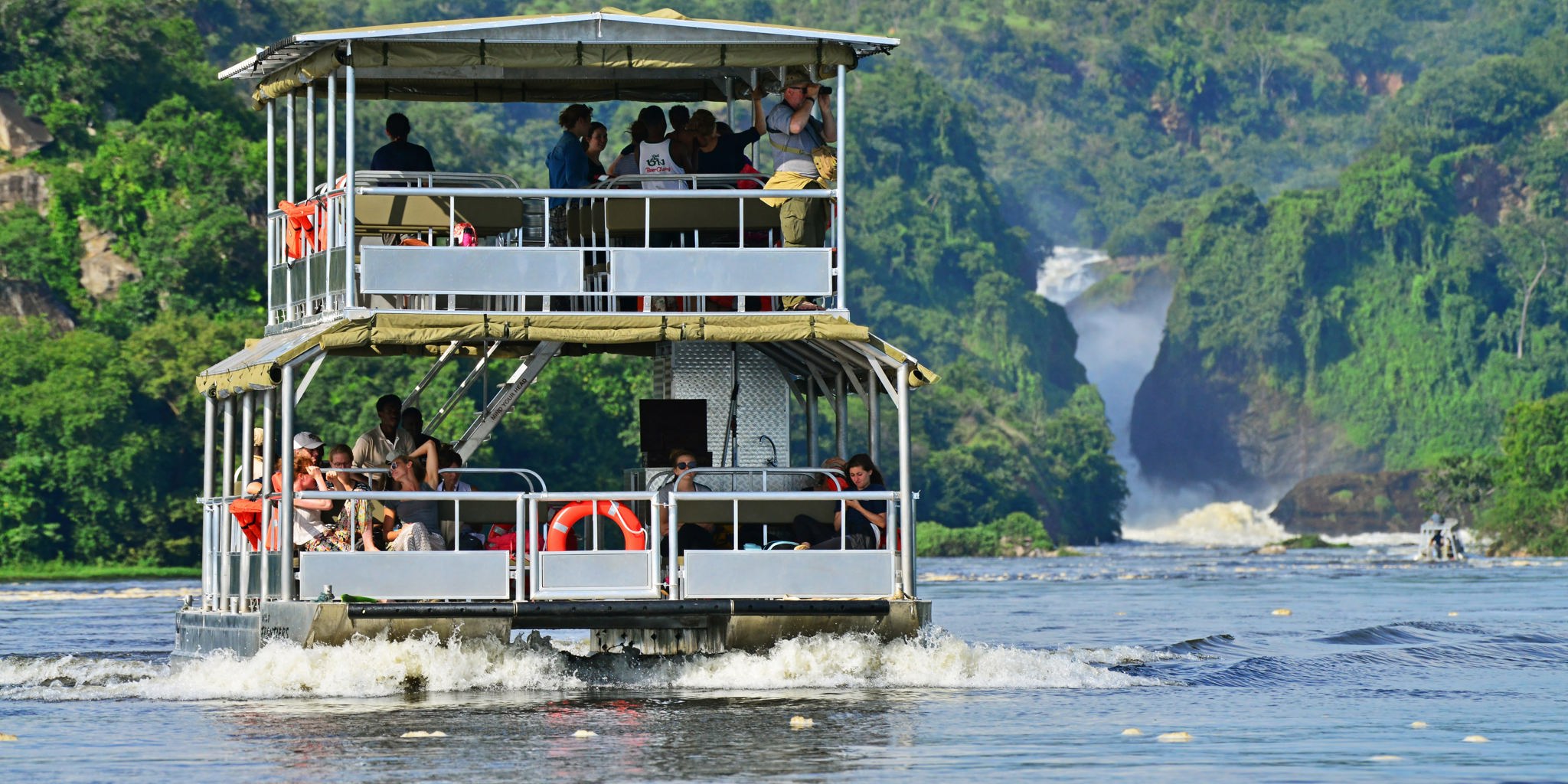
Uganda is one of the few African destinations where travelers can experience a wide variety of walking safaris across different ecosystems. From open savannah plains and tropical rainforests to wetlands, volcanic mountains and remote wilderness, every destination offers something unique. Choosing the right location depends on the type of wildlife you want to see, your level of fitness, your interests and the overall safari itinerary. Safari Vacations and Travel Services carefully designs every Uganda Walking Safari to include the most suitable destinations according to each traveler’s expectations, allowing visitors to experience Uganda’s landscapes beyond traditional game drives.
Unlike many countries where walking safaris are limited to one or two parks, Uganda provides opportunities to explore several protected areas on foot. Some destinations focus on large mammals, while others specialize in primates, birds, mountain hiking, waterfalls, cultural encounters or forest ecology. This variety is one of the reasons why a Uganda Walking Safari continues to attract nature lovers, photographers, researchers and adventure travelers from around the world.
Lake Mburo National Park – Uganda’s Premier Walking Safari Destination
Lake Mburo National Park is widely recognized as the best destination for a Uganda Walking Safari. Located approximately four hours from Kampala, the park is famous for being one of the few national parks in Uganda where visitors can safely enjoy guided walking safaris among free-ranging wildlife. The absence of elephants and the relatively low concentration of lions in the main walking areas make the park ideal for exploring on foot under the supervision of experienced Uganda Wildlife Authority rangers.
Walking through Lake Mburo allows visitors to observe zebras grazing peacefully across the savannah, giraffes feeding on acacia trees, impalas moving through open grasslands, buffaloes resting near wetlands, warthogs searching for food and numerous antelope species roaming freely. Every walk is different because wildlife movements constantly change throughout the day. Travelers interested in a professionally guided safe walking safari in Lake Mburo National Park can include this experience as part of both short and extended Uganda safari itineraries.
The park’s varied habitats include open grasslands, rocky hills, acacia woodland, seasonal wetlands and lakeshores that support hundreds of bird species. Guides explain animal behavior, identify fresh tracks, discuss conservation efforts and introduce visitors to the unique ecology of one of Uganda’s smallest but most rewarding national parks. Early morning walks are especially popular because wildlife is active and temperatures remain comfortable.
Besides walking safaris, Lake Mburo also offers boat cruises, horseback riding, cycling, birdwatching and traditional game drives. Combining several activities creates a more complete safari experience. Travelers planning a Lake Mburo wildlife, boat and walking safari can enjoy multiple perspectives of the park while maximizing wildlife viewing opportunities.
Bwindi Impenetrable National Park – Walking Through Ancient Rainforest
Bwindi Impenetrable National Park is internationally famous for mountain gorilla trekking, but it also provides some of Uganda’s most rewarding forest walking experiences. Covering more than 320 square kilometers of ancient rainforest, Bwindi is recognized as a UNESCO World Heritage Site because of its exceptional biodiversity and ecological importance. A Uganda Walking Safari through Bwindi introduces visitors to towering trees, colorful butterflies, waterfalls, medicinal plants, endemic birds and numerous primate species.
Unlike gorilla trekking, which focuses on locating a habituated gorilla family, nature walks in Bwindi allow travelers to appreciate the forest ecosystem itself. Several established trails pass through dense vegetation, bamboo zones, river valleys and scenic viewpoints while guides explain the forest’s ecological significance. Visitors can learn more about nature walks in Bwindi before selecting the trail that best matches their fitness level.
Popular walking routes include the Munyanga Waterfall Trail, River Ivy Trail, Buhoma Community Walk and several forest paths that showcase the extraordinary diversity of Bwindi. Birdwatchers are particularly attracted to the park because it supports more than 350 recorded bird species, many of which are Albertine Rift endemics.
Many travelers combine a Uganda Walking Safari in Bwindi with mountain gorilla trekking to experience both the famous gorillas and the wider rainforest ecosystem. Safari Vacations and Travel Services can arrange customized itineraries that balance walking activities with gorilla permits and comfortable accommodation.
Kibale National Park – Forest Walks in Uganda’s Primate Capital

forest walks in Kibale national park
Kibale National Park is often called the primate capital of East Africa because it supports thirteen species of primates, including chimpanzees, red colobus monkeys, black-and-white colobus monkeys, red-tailed monkeys and grey-cheeked mangabeys. While chimpanzee tracking remains the park’s most famous activity, guided forest walks are equally rewarding for travelers interested in ecology, birds and rainforest biodiversity.
A Uganda Walking Safari through Kibale introduces visitors to one of Africa’s richest tropical forests. Experienced guides explain the relationships between plants, insects, fungi, mammals and birds while leading visitors along well-maintained forest trails. Every section of the forest presents new discoveries, making each walk unique. Travelers can explore the famous Kibale Forest National Park alongside chimpanzee trekking for a comprehensive primate safari.
Nearby Bigodi Wetland Sanctuary further enriches the experience by providing excellent birdwatching, monkey sightings and community conservation programs. Combining Kibale’s rainforest with Bigodi creates one of Uganda’s finest walking and wildlife experiences.
Queen Elizabeth National Park – Nature Walks Beyond Game Drives
Queen Elizabeth National Park is Uganda’s most visited protected area and offers much more than traditional game drives. Several guided walking experiences allow visitors to discover different ecosystems, including forests, crater lakes, wetlands and volcanic landscapes. Walking here introduces travelers to habitats that cannot be fully appreciated from inside a vehicle.
Popular walking locations include Maramagambo Forest, Kyambura Gorge, the explosion crater region and selected community trails around the park. These walks provide opportunities to observe birds, butterflies, monkeys, reptiles and remarkable plant diversity while learning about conservation and geological history. Travelers interested in combining walking with classic wildlife viewing can explore a Queen Elizabeth National Park safari that includes game drives, Kazinga Channel boat cruises and guided nature walks.
The park’s extraordinary diversity makes it possible to encounter elephants, buffaloes, hippos, crocodiles, antelope species and hundreds of bird species during different activities throughout the safari.
Murchison Falls National Park – Walking Along the Nile
Murchison Falls National Park offers one of the most dramatic Uganda Walking Safari experiences. The famous Top of the Falls walk allows visitors to stand beside the point where the River Nile forces itself through a narrow rock gorge before plunging over forty meters into the Devil’s Cauldron. The sound of the rushing water, rising mist and panoramic viewpoints create an unforgettable experience.
Walking opportunities also exist in Budongo Forest, where visitors can explore tropical rainforest habitats rich in chimpanzees, birds and giant mahogany trees. Travelers can combine these experiences with traditional wildlife viewing across Uganda’s largest national park. A complete Murchison Falls National Park safari offers game drives, Nile boat cruises, chimpanzee tracking and guided nature walks.
Murchison’s combination of river scenery, waterfalls, open savannah and forest habitats makes it one of Uganda’s most diverse safari destinations.
Kidepo Valley National Park – Remote Wilderness Walking
Kidepo Valley National Park represents the ultimate wilderness destination for travelers seeking a remote Uganda Walking Safari. Located in the northeastern corner of Uganda, the park features expansive grasslands, rugged mountains, dry riverbeds and spectacular scenery rarely found elsewhere in East Africa.
Guided walks allow visitors to appreciate the silence and isolation of this remarkable landscape while observing buffalo herds, zebras, ostriches, antelope species and numerous birds. Rangers explain how wildlife survives within the semi-arid environment while sharing fascinating information about the region’s ecology. Visitors planning a Kidepo Valley National Park safari can combine walking adventures with cultural experiences among neighboring communities and traditional game drives.
Because of its remote location, Kidepo offers an authentic African wilderness experience with fewer tourists than many other national parks.
Mgahinga Gorilla National Park – Volcanoes, Forests and Golden Monkeys
Mgahinga Gorilla National Park provides a completely different style of Uganda Walking Safari centered around volcanic landscapes, bamboo forests and mountain ecosystems. Visitors can enjoy guided nature walks, volcano hiking, golden monkey tracking and the famous Batwa cultural experience while exploring the foothills of the Virunga Mountains.
The park contains three extinct volcanoes that create breathtaking scenery throughout the year. Travelers interested in combining hiking with wildlife can discover Mgahinga Gorilla National Park through carefully planned walking itineraries that include forest exploration and cultural encounters.
Golden monkey tracking is particularly popular because it combines walking through bamboo forests with opportunities to observe one of Africa’s most colorful primates.
Semuliki National Park – Uganda’s Lowland Rainforest Experience
Semuliki National Park introduces travelers to a unique lowland rainforest ecosystem that resembles the forests of Central Africa. Walking trails pass through dense vegetation, rivers and swampy habitats while offering opportunities to observe rare birds, monkeys, butterflies and extraordinary plant life.
The park is also famous for the Sempaya Hot Springs, where visitors can walk through lush forest before reaching spectacular geothermal features surrounded by tropical vegetation. Travelers can include a Semuliki National Park safari within a broader western Uganda itinerary to experience one of the country’s least explored protected areas.
Mount Elgon National Park – Hiking and High-Altitude Walking Safaris
Mount Elgon National Park offers exceptional walking opportunities for travelers who enjoy hiking and mountain landscapes. The extinct volcano features forests, bamboo zones, waterfalls, caves and high-altitude moorlands that provide a completely different Uganda Walking Safari experience compared to the country’s savannah parks.
Visitors can choose short guided hikes or multi-day expeditions depending on their interests and physical fitness. The mountain also supports numerous bird species, endemic plants and spectacular viewpoints. Travelers planning a hiking adventure can explore the park’s famous Mount Elgon hiking trails alongside other wildlife experiences in eastern Uganda.
Ziwa Rhino Sanctuary – Walking with Rhinos
Ziwa Rhino Sanctuary is the only place in Uganda where visitors can walk on foot to observe southern white rhinos in their natural environment. Accompanied by armed rangers, guests approach the rhinos at a safe distance while learning about Uganda’s successful rhino conservation program.
This activity is one of the most exciting wildlife walks available in East Africa and is often included when traveling to or from Murchison Falls National Park. Travelers interested in rhino conservation can include a Ziwa Rhino Sanctuary visit as part of their Uganda Walking Safari itinerary.
Choosing the Best Uganda Walking Safari Destination
The best destination for a Uganda Walking Safari depends entirely on the experience you want to enjoy. Travelers seeking close encounters with plains wildlife should prioritize Lake Mburo National Park. Those interested in mountain gorillas and rainforest ecology will appreciate Bwindi Impenetrable National Park, while primate enthusiasts should consider Kibale National Park. Adventurous travelers looking for remote wilderness will enjoy Kidepo Valley National Park, whereas photographers and birdwatchers may benefit from combining several destinations into one itinerary.
Safari Vacations and Travel Services designs customized Uganda Walking Safari holidays that combine multiple national parks according to your available time, budget and interests. Whether your dream safari includes wildlife walks, rainforest exploration, birdwatching, mountain hiking, gorilla trekking or cultural experiences, our experienced team will create a journey that allows you to discover Uganda one step at a time while enjoying the country’s extraordinary natural diversity. Travelers can also explore our collection of Uganda safari packages to find the perfect walking safari itinerary.
Wildlife You Can See on a Uganda Walking Safari
A Uganda Walking Safari gives travelers an opportunity to discover wildlife from a closer and more natural perspective. Instead of observing every animal from inside a safari vehicle, visitors walk through selected habitats under the guidance of an experienced local guide or armed Uganda Wildlife Authority ranger. Walking encourages travelers to slow down, listen carefully and notice both large animals and smaller forms of life that are commonly missed during a game drive.
The wildlife encountered during a Uganda Walking Safari depends on the destination, habitat, season, weather and time of day. Savannah walks may reveal zebras, giraffes, impalas, elands, buffaloes and warthogs, while forest walks can introduce visitors to monkeys, birds, butterflies, reptiles and remarkable plant life. Travelers who want to understand the country’s wider biodiversity can combine walking activities with an Ultimate Uganda Wildlife Safari covering several national parks and ecosystems.
Wildlife sightings can never be completely guaranteed because the animals move freely within their natural environments. However, professional guides understand animal behavior, seasonal movements, feeding areas, water sources and frequently used trails. Their knowledge significantly improves the quality of the experience and helps visitors interpret signs that reveal which animals are nearby.
Zebras
Zebras are among the most exciting animals travelers can encounter during a Uganda Walking Safari. Their bold black-and-white patterns make them easy to identify, and seeing them while standing on the same open plains creates a completely different experience from viewing them through a vehicle window.
Lake Mburo National Park is Uganda’s leading destination for walking among zebras. The park’s open grasslands and acacia woodlands provide suitable feeding areas for large numbers of plains zebras. Visitors may observe small family groups grazing together, resting in the morning sun or moving slowly toward water and salt-lick areas.
During a guided walking safari in Lake Mburo, the ranger maintains a safe distance while explaining zebra behavior, social organization, feeding patterns and methods of communication. Travelers may also learn how to distinguish zebra hoofprints from those of antelopes and other animals sharing the same habitat.
Zebras are alert animals with excellent hearing and vision. They may stop grazing and carefully observe a walking group before continuing to feed or slowly moving away. Visitors must remain quiet, avoid sudden movements and follow the ranger’s instructions throughout the encounter.
Giraffes
Giraffes are another major attraction during a Uganda Walking Safari. Their exceptional height allows them to feed on leaves that many other animals cannot reach. Seeing giraffes moving through woodland or standing above the savannah is one of the most memorable experiences available in Lake Mburo, Murchison Falls and Kidepo Valley national parks.
Lake Mburo is especially rewarding because Rothschild’s giraffes have become an important part of its wildlife population. During a walking safari, visitors may observe giraffes feeding on acacia leaves, moving between woodland patches or watching the surrounding landscape for possible danger.
A professionally organized Lake Mburo walking safari allows travelers to appreciate the size, movement and behavior of giraffes from ground level. The guide explains how giraffes use their long tongues to collect leaves, how they communicate and why their patterned coats provide effective camouflage among trees and shadows.
Although giraffes are generally calm, visitors should never approach them without guidance. Rangers determine the correct route and viewing distance according to the animals’ behavior, the surrounding vegetation and the direction of movement.
Impalas
Impalas are graceful antelopes commonly associated with Lake Mburo National Park. They are social animals that often gather in herds across open grasslands and woodland edges. Male impalas are recognized by their curved horns, while females are generally smaller and do not have horns.
A Uganda Walking Safari provides opportunities to observe impalas feeding, grooming, resting and interacting within their herds. When alarmed, they can make impressive leaps and quickly change direction to escape danger. Their alert behavior may also warn visitors that another animal or predator is present nearby.
Travelers who want to dedicate enough time to this ecosystem can consider a Lake Mburo wildlife, boat and walking safari. This type of itinerary combines ground-level wildlife observation with a boat cruise and traditional game viewing, increasing the variety of species and habitats experienced.
Elands
Elands are the largest antelopes found in Uganda and are among the special wildlife species associated with Lake Mburo and Kidepo Valley national parks. Despite their large bodies, elands are agile animals capable of moving quickly and jumping when disturbed.
They usually occur in open grasslands, woodland edges and lightly wooded savannah. During a guided Uganda Walking Safari, travelers may observe elands feeding in small groups or mixing with zebras and other antelopes. Their large size, pale coat and spiral-shaped horns make mature individuals relatively easy to recognize.
Elands can be cautious around people, meaning that walkers normally view them from a respectful distance. A knowledgeable ranger can identify their tracks, feeding signs and droppings even when the animals remain partly hidden by vegetation.
Buffaloes
African buffaloes occur in many of Uganda’s national parks and are among the most powerful animals travelers may encounter. They are regularly seen in Lake Mburo, Queen Elizabeth, Murchison Falls and Kidepo Valley national parks. Buffaloes may gather in large herds or occur in smaller groups, particularly near water, grasslands and muddy wallowing areas.
Buffalo encounters require particular caution because these animals can be unpredictable. Walkers must remain close to their ranger, speak quietly and avoid moving ahead of the group. The ranger studies the animals’ position, wind direction, vegetation and behavior before deciding whether the group should stop, change direction or continue walking.
Visitors planning a wider Uganda wildlife safari and gorilla trekking journey may encounter buffaloes during both walking activities and game drives. Seeing them from a vehicle provides a different perspective, while identifying their tracks and signs on foot helps travelers understand their movements through the landscape.
Guides may point out buffalo footprints, dung, resting areas, feeding paths and marks left on vegetation. These signs can reveal the approximate size of a group, the direction it traveled and how recently it passed through the area.
Warthogs
Warthogs are frequently seen during Uganda Walking Safari experiences in savannah destinations. They are commonly observed grazing on short grass, kneeling while feeding, running with their tails raised or resting near abandoned burrows.
Despite their unusual appearance, warthogs are well adapted to Uganda’s grasslands. Their tusks provide protection, while their ability to use underground burrows helps them avoid predators and extreme temperatures. When danger appears, they often run quickly toward a familiar shelter.
Walking travelers may observe warthog families consisting of females and young piglets. Adult males are often more solitary. Guides explain how to identify their tracks and how their feeding activities influence grassland habitats.
Topis, Waterbucks and Uganda Kobs
Uganda supports several beautiful antelope species that may be encountered during walking safaris, nature walks and traditional game drives. Topis are recognizable by their dark facial markings and sloping bodies. Waterbucks are larger antelopes normally associated with permanent water and are recognized by the white markings around their hindquarters.
Uganda kobs are particularly important in Queen Elizabeth and Murchison Falls national parks. Large numbers may gather in open grasslands, where males establish breeding territories and compete for females. Although walking among Uganda kobs is not available in every section, travelers may encounter their tracks or observe them from designated viewpoints and ranger-led trails.
A carefully designed Uganda safari including primates and wildlife can combine walking experiences with game drives across habitats supporting topis, waterbucks, Uganda kobs and many other antelopes.
White Rhinos
Tracking southern white rhinos on foot is one of the most remarkable wildlife walking experiences available in Uganda. This activity takes place at Ziwa Rhino Sanctuary, where visitors follow trained armed rangers through woodland and grassland habitats to locate the animals.
Rhinos are extremely large animals, and observing them from ground level can be both exciting and humbling. Rangers maintain a safe viewing distance and carefully assess each rhino’s behavior. Visitors must walk quietly, remain together and follow instructions immediately.
Travelers can learn about Ziwa Rhino Sanctuary, its visitor arrangements and conservation importance before adding rhino tracking to a Uganda Walking Safari. The sanctuary is commonly visited while traveling between Kampala or Entebbe and Murchison Falls National Park.
The experience also teaches visitors about rhino conservation, habitat protection, monitoring and the wider effort to restore rhinoceros populations in Uganda. In addition to rhinos, the sanctuary supports birds, antelopes, monkeys and other smaller wildlife.
Mountain Gorillas
Mountain gorillas are Uganda’s most famous wildlife attraction. They are found in Bwindi Impenetrable National Park and Mgahinga Gorilla National Park. Gorilla trekking is different from a traditional savannah walking safari, but it remains one of the country’s most significant guided wildlife experiences on foot.
Trekkers walk through dense forest with Uganda Wildlife Authority guides and trackers while searching for a habituated gorilla family. The journey may involve steep slopes, muddy trails, tangled vegetation and changing weather conditions. Once the gorillas are located, visitors observe their behavior according to the time and rules established by the wildlife authorities.
A Uganda gorilla trekking and wildlife safari can combine this unforgettable forest encounter with wildlife walks in Lake Mburo, rhino tracking at Ziwa and game viewing in Uganda’s savannah national parks.
Gorilla trekking allows travelers to observe family relationships, feeding, resting, grooming and communication among one of humanity’s closest relatives. However, sightings occur within strict conservation rules designed to protect the gorillas from disturbance and disease.
Chimpanzees
Chimpanzees are another important primate species encountered during guided forest walks in Uganda. Kibale National Park is the country’s leading chimpanzee destination, although tracking experiences are also available in Budongo Forest, Kyambura Gorge and other selected habitats.
Chimpanzee tracking normally involves following forest trails while listening for calls and looking for movement in the canopy. Chimpanzees may feed high in trees, travel quickly across the ground or communicate through loud vocalizations that can be heard across the forest.
Visitors exploring Kibale Forest National Park may also encounter other primates, forest birds, butterflies, squirrels and remarkable tropical vegetation. Combining chimpanzee tracking with general forest walks helps travelers appreciate the entire ecosystem rather than concentrating on one species alone.
Monkeys and Other Primates
Uganda Walking Safari experiences can reveal an impressive variety of monkey species. Depending on the forest, visitors may encounter black-and-white colobus monkeys, red colobus monkeys, red-tailed monkeys, blue monkeys, vervet monkeys, L’Hoest’s monkeys and grey-cheeked mangabeys.
Some primates remain high in the canopy, while others travel through lower vegetation or cross forest trails. Their calls, falling leaves and sudden movement can reveal their presence before they become visible. A knowledgeable guide can identify species through appearance, behavior and vocalization.
The Bigodi Wetland wildlife experience near Kibale is particularly rewarding for travelers interested in monkeys, birds, wetlands and community-based conservation. The slow walking pace creates time to search the tree canopy and observe animals that might be missed during faster activities.
Golden Monkeys
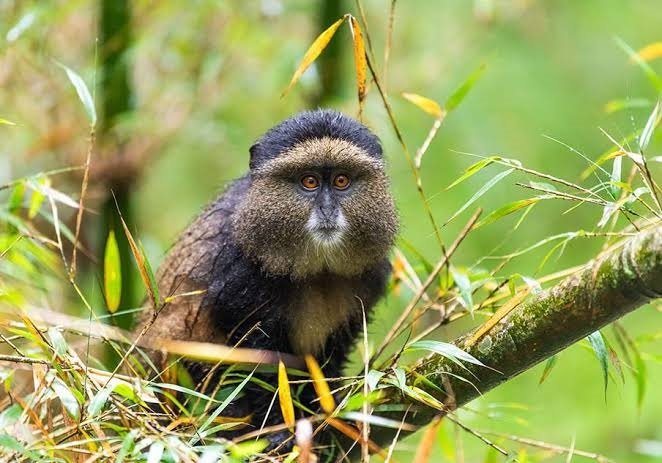
Golden monkeys inhabit the bamboo forests of Mgahinga Gorilla National Park. Their bright golden-orange coloring, energetic movements and social behavior make them one of Uganda’s most attractive primates.
Golden monkey tracking involves walking through mountain and bamboo habitats with experienced guides. The monkeys frequently move through the vegetation while feeding on bamboo shoots, fruits, leaves and small organisms. Their active behavior can make photography challenging but highly rewarding.
This experience can be included within a longer Uganda Walking Safari featuring volcano hiking, gorilla trekking, birdwatching and cultural encounters in southwestern Uganda.
Hippos and Crocodiles
Hippos and Nile crocodiles are normally observed from boats, vehicles or safe viewpoints rather than approached during an ordinary walking safari. However, travelers walking near appropriate lakeshore, river and wetland habitats may see their tracks, resting places or feeding signs under professional guidance.
Hippos leave the water at night to graze and may travel surprising distances across land. Their broad tracks and grazing paths can sometimes be identified during early-morning walks. Because hippos are dangerous and unpredictable, visitors must never approach them without professional supervision.
Travelers can observe hippos, crocodiles and water-associated wildlife during a wider Bwindi, Queen Elizabeth, Kibale and Murchison Falls safari. Boat cruises on the Kazinga Channel and River Nile provide particularly rewarding opportunities to see these animals safely.
Lions, Leopards and Hyenas
Large predators are an important part of Uganda’s wildlife ecosystem, although they are not normally the primary targets of walking safaris. Lions occur in Queen Elizabeth, Murchison Falls and Kidepo Valley national parks, while leopards have a wider but more secretive distribution. Spotted hyenas also occur in several savannah conservation areas.
During a Uganda Walking Safari, visitors may discover predator footprints, droppings, territorial markings, feeding remains or alarm calls from prey animals. Rangers use these signs to understand whether a predator has recently moved through the area and to select a safe walking route.
Travelers should never attempt to follow, approach or photograph a large predator without instructions from a qualified ranger. Traditional game drives remain the most suitable way to search for lions, leopards and hyenas while maintaining a secure viewing distance.
Birds Seen During a Uganda Walking Safari
Birdwatching is one of the greatest benefits of exploring Uganda on foot. Walking quietly allows visitors to hear calls, observe movement inside bushes and spend time identifying species that would be difficult to notice from a moving vehicle.
Uganda’s forests, wetlands, savannahs, mountains and lakes support an extraordinary range of birds. Depending on the destination, travelers may encounter kingfishers, hornbills, turacos, bee-eaters, barbets, sunbirds, weavers, eagles, vultures, herons, storks and many other species.
Lake Mburo is especially rewarding because its acacia woodland, grassland and wetland habitats occur within a relatively small area. Bwindi and Kibale attract forest bird enthusiasts, while Murchison Falls, Queen Elizabeth and Kidepo support numerous savannah and water-associated species.
Travelers interested in Uganda’s broader wildlife diversity can read about the top animals to see on a Uganda safari and combine birdwatching walks with primate tracking, wildlife drives and boat cruises.
Reptiles and Amphibians
Reptiles and amphibians are easily overlooked during traditional safaris but can become fascinating discoveries during guided walking experiences. Visitors may encounter lizards, skinks, chameleons, frogs, toads and occasionally snakes.
Most reptiles avoid human contact and move away when they sense approaching footsteps. Guides help visitors observe them safely without handling or disturbing them. Forest and wetland walks are particularly rewarding for amphibians, especially during or shortly after rainy periods.
Travelers should remain on designated trails, avoid placing their hands into holes or thick vegetation and follow the guide’s advice. Closed walking shoes and long trousers provide additional protection in forest and grassland environments.
Butterflies, Insects and Smaller Wildlife
A Uganda Walking Safari is not only about finding large mammals. Butterflies, beetles, dragonflies, termites, ants and many other insects play essential roles in pollination, decomposition, soil improvement and the wider food chain.
Uganda’s tropical forests support an impressive diversity of butterflies with different colors, patterns and sizes. Visitors may see them gathering around flowers, forest openings, muddy ground and water sources. Dragonflies are common near wetlands, while dung beetles can be found processing animal waste across savannah habitats.
Guides explain how termite mounds provide homes and feeding areas for different species, how insects help plants reproduce and how smaller organisms support the survival of birds, reptiles and mammals. These discoveries make a walking safari educational even when large animals are not visible.
Animal Tracks and Signs
Learning to identify animal tracks is one of the most valuable parts of a Uganda Walking Safari. Every footprint, broken branch, feather, dropping, feeding mark and scent can provide information about wildlife activity.
A trained ranger can explain whether a footprint belongs to a zebra, buffalo, antelope, warthog, giraffe or predator. The depth and condition of the track may indicate the animal’s size, speed and how recently it passed. Guides may also identify resting areas, rubbing posts, nests, burrows and feeding sites.
This tracking knowledge allows visitors to experience wildlife even when the animals remain hidden. It turns the landscape into a collection of stories and encourages travelers to observe details that they might otherwise ignore.
Medicinal Plants and Indigenous Trees
Plants are an important part of every Uganda Walking Safari. Local guides introduce visitors to indigenous trees, grasses, flowers, vines and shrubs while explaining their ecological and cultural importance.
Some plants provide food, shelter and nesting materials for wildlife. Others have traditionally been used by local communities for medicine, construction, food preparation and household needs. Responsible guides explain these uses without encouraging visitors to remove vegetation from protected areas.
Forest walks reveal towering tropical trees, ferns, orchids, mosses and climbing plants, while savannah walks introduce visitors to acacias, grass species and drought-resistant vegetation. Understanding the plant community helps travelers appreciate why particular animals live in each habitat.
Responsible Wildlife Viewing on Foot
Every traveler has a responsibility to protect wildlife and follow park regulations during a Uganda Walking Safari. Visitors should remain with the guide, keep their voices low, avoid sudden movement and never attempt to feed, touch or chase an animal.
A safe viewing distance must always be maintained. The correct distance depends on the animal, terrain and behavior observed by the ranger. Travelers should never move closer merely to obtain a better photograph.
Flash photography may be restricted during certain primate experiences, and visitors should avoid playing recorded animal calls unless this has been approved by a professional guide. Food wrappers, plastic bottles and other waste must never be left inside the park.
Planning a Wildlife-Focused Uganda Walking Safari
The best wildlife-focused Uganda Walking Safari combines destinations with different habitats. Lake Mburo offers zebras, giraffes, impalas and elands, while Ziwa provides rhino tracking. Kibale introduces travelers to chimpanzees and monkeys, and Bwindi offers mountain gorillas, forest birds and remarkable plant diversity.
Queen Elizabeth, Murchison Falls and Kidepo Valley can then provide traditional game drives for elephants, lions, buffaloes, giraffes, antelopes and other savannah animals. This combination creates a complete safari without expecting every species to be encountered on foot.
Safari Vacations and Travel Services can design a personalized Uganda Walking Safari according to the traveler’s preferred animals, fitness level, available time and accommodation category. By combining guided walks, forest trekking, game drives and boat cruises, visitors can discover Uganda’s wildlife from several complementary perspectives while traveling safely and responsibly.
Uganda Walking Safari Activities and Experiences
A Uganda Walking Safari includes much more than moving through the wilderness on foot. It brings together wildlife tracking, guided nature walks, forest exploration, birdwatching, mountain hiking, cultural encounters and photography. Each activity allows travelers to experience Uganda’s landscapes at a slower pace while learning from professional guides, Uganda Wildlife Authority rangers and knowledgeable community members.
The activities included in a Uganda Walking Safari depend on the destination, season, traveler’s fitness level and preferred style of adventure. Some visitors want to walk among zebras and giraffes across open savannah, while others prefer quiet rainforest trails, wetland walks, waterfalls or mountain routes. A complete guide to walking safaris in Uganda helps travelers understand the variety of experiences that can be included in a customized itinerary.
Safari Vacations and Travel Services can combine several walking activities within one journey. A traveler may begin with wildlife walking in Lake Mburo National Park, continue with forest trails and gorilla trekking in Bwindi, explore wetlands near Kibale and finish with a scenic walk around crater lakes. This variety makes a Uganda Walking Safari suitable for wildlife enthusiasts, photographers, birdwatchers, couples, families, solo travelers and active groups.
Guided Savannah Walking Safaris
Guided savannah walks are among the most exciting Uganda Walking Safari activities. They take place in open grasslands, acacia woodland and lightly forested areas where travelers can observe wildlife while accompanied by an armed ranger. The ranger selects a safe route according to recent animal movements, weather, vegetation and visibility.
Lake Mburo National Park is Uganda’s leading destination for guided savannah walking safaris. Travelers may walk among zebras, giraffes, impalas, elands, topis, warthogs and other plains animals while maintaining the distance recommended by the ranger. Buffaloes may also be encountered, although the ranger carefully assesses their position and behavior before allowing the group to continue.
A professionally arranged safe walking safari in Lake Mburo normally begins with a briefing about wildlife behavior, group movement and emergency procedures. Travelers are advised to remain together, speak quietly, avoid sudden movements and immediately follow every instruction provided by the ranger.
The purpose of a savannah walk is not to approach animals as closely as possible. The experience is designed to help visitors understand how wildlife uses the landscape. Guides identify feeding areas, water sources, salt licks, animal paths, territorial markings and resting places. These details make the experience educational even when animals remain at a distance.
Animal Tracking and Wildlife Interpretation
Animal tracking is an essential part of a Uganda Walking Safari. It involves reading signs left behind by animals and using them to understand what has recently happened in the area. These signs may include footprints, droppings, feathers, nests, burrows, broken branches, feeding marks, fur, bones and territorial markings.
A ranger can identify whether a footprint belongs to a zebra, giraffe, buffalo, antelope, warthog, primate or predator. The shape, depth and freshness of the track may provide information about the animal’s size, direction and approximate time of movement. A set of tracks can sometimes reveal whether an animal was walking calmly, running, feeding or following another member of its group.
Travelers also learn how animals communicate through scent, sound and physical markings. Buffaloes may leave clear trails through grassland, warthogs may create signs around burrows, and antelopes may establish regularly used paths between feeding and watering areas. Learning to recognize these clues transforms an ordinary nature walk into an interactive wilderness lesson.
Forest Nature Walks
Forest nature walks introduce travelers to a quieter and more enclosed environment. Uganda’s tropical forests contain towering trees, vines, orchids, ferns, fungi, butterflies, birds, monkeys and numerous smaller organisms. Every layer of the forest supports different forms of life, from the soil and undergrowth to the upper canopy.
Bwindi Impenetrable National Park offers some of the best forest trails in Uganda. Although the park is mainly associated with mountain gorilla trekking, its established trails allow visitors to explore waterfalls, rivers, hills and sections of ancient rainforest. Travelers can discover several hiking and walking trails in Bwindi Forest according to their available time and physical ability.
During a forest nature walk, guides explain the relationships between trees, insects, birds, primates and other wildlife. Visitors may see black-and-white colobus monkeys, red-tailed monkeys, blue monkeys, forest squirrels, chameleons, butterflies and many bird species. Even when wildlife remains hidden, calls and movements in the canopy make the forest feel active.
Forest trails can be wet, muddy and uneven, particularly during the rainy seasons. Travelers should wear strong walking shoes, long trousers and lightweight clothing that protects the skin. A rain jacket, drinking water, insect repellent and a small backpack are also valuable during a Uganda Walking Safari through rainforest environments.
Waterfall Walks and Scenic Forest Trails
Waterfall walks combine physical activity with beautiful scenery. These trails normally pass through forest, river valleys or hilly landscapes before reaching waterfalls and natural viewpoints. The sound of flowing water, cool forest air and surrounding vegetation make waterfall trails especially attractive to photographers and travelers seeking a peaceful experience.
Bwindi Impenetrable National Park contains rewarding waterfall routes in the Buhoma area. The walk passes through dense vegetation where travelers may observe monkeys, forest birds, butterflies, orchids and ferns. The Muyanga Waterfall hike in Bwindi can be added before or after gorilla trekking, depending on the traveler’s schedule and energy level.
A waterfall walk allows visitors to appreciate Bwindi beyond its mountain gorillas. The forest contains complex plant communities, streams and natural features that support the wider ecosystem. Guides may also explain how surrounding communities depend on water sources and participate in conservation initiatives near the protected area.
Primate Forest Walks
Uganda is one of Africa’s most important primate destinations, and several walking activities focus on locating monkeys and apes within their natural habitats. These experiences include chimpanzee tracking, gorilla trekking, golden monkey tracking and general primate walks through forests and wetlands.
Kibale National Park is particularly famous for its high concentration and diversity of primates. Visitors may encounter chimpanzees, red colobus monkeys, black-and-white colobus monkeys, red-tailed monkeys, blue monkeys and grey-cheeked mangabeys. Exploring Kibale Forest National Park on foot allows travelers to hear primate calls, watch movement in the canopy and learn about rainforest ecology.
Primate walks can vary greatly in difficulty. Some groups may locate animals near the starting point, while others may walk for several hours through uneven forest terrain. Travelers should prepare for changing conditions and understand that wildlife movements cannot be controlled or guaranteed.
Professional guides use calls, nests, feeding remains and fresh tracks to locate primates. Visitors must avoid making loud sounds, feeding animals or moving away from the group. Specific activities such as gorilla and chimpanzee tracking also follow strict regulations intended to protect the animals from disturbance and human illness.
Wetland and Swamp Walks
Wetland walks are an important part of a Uganda Walking Safari because they introduce visitors to habitats that differ greatly from savannah and rainforest. Wetlands support waterbirds, frogs, insects, small mammals, reptiles, monkeys and plant species adapted to permanently or seasonally wet conditions.
Bigodi Wetland Sanctuary near Kibale National Park is one of Uganda’s best-known community-guided wetland experiences. The walk passes through swamp, woodland, farmland and village landscapes. Visitors may encounter monkeys, colorful birds, butterflies and several plant species while learning about local conservation and livelihoods.
A Bigodi Wetland wildlife experience complements chimpanzee tracking in Kibale because it reveals species and habitats that may not be observed during the main forest trek. It also demonstrates how community tourism can provide income while encouraging residents to protect wetlands and wildlife.
Wetland trails may contain wooden walkways, muddy sections and narrow paths. Travelers should walk carefully and follow their guide, particularly after rain. Binoculars are highly recommended because many birds and monkeys may remain at a distance or high in the trees.
Night Nature Walks
Night nature walks reveal a side of Uganda’s wilderness that remains hidden during daylight. After sunset, nocturnal animals become active, insects produce different sounds and the forest atmosphere changes completely. Guided night walks may focus on bushbabies, pottos, owls, frogs, chameleons, insects, bats and other species adapted to darkness.
These walks should only be conducted in approved areas with qualified guides. Participants carry torches or use lighting provided by the guide while remaining together on designated trails. Guides search vegetation carefully and explain how nocturnal species hunt, communicate, navigate and avoid predators.
Maramagambo Forest in the Queen Elizabeth National Park region offers opportunities to explore forest biodiversity and learn about nocturnal wildlife. A visit to Maramagambo Forest can be combined with game drives, crater exploration and a Kazinga Channel boat cruise within a wider western Uganda safari.
Travelers joining a night walk should wear closed footwear, long trousers and warm clothing where necessary. Flash photography may be restricted, and visitors should avoid shining strong lights directly into an animal’s eyes for a prolonged period.
Birdwatching Walks
 Birdwatching is one of the most rewarding Uganda Walking Safari activities. Walking slowly allows visitors to listen for calls, examine vegetation and wait for species to become visible. A moving safari vehicle may pass birds quickly, while a guided walk creates enough time for careful observation and identification.
Uganda’s birding walks can take place in forests, wetlands, savannahs, mountains, woodlands and community areas. Lake Mburo supports acacia and wetland species, while Bwindi and Kibale provide forest birding opportunities. Queen Elizabeth and Murchison Falls contain a mixture of grassland, woodland and water-associated birds.
Specialist bird guides identify species by appearance, behavior and sound. They also explain habitat preferences, feeding patterns, nesting behavior and seasonal movements. Birdwatching walks can be customized for beginners who want to learn basic identification or experienced birders searching for particular regional and Albertine Rift species.
Binoculars, a camera with a suitable lens and a regional bird guidebook can improve the experience. Travelers should also wear neutral clothing, move quietly and avoid unnecessary disturbance around nests and feeding sites.
Mountain Hiking and High-Altitude Walks
Mountain hiking adds a more physically demanding element to a Uganda Walking Safari. Uganda contains volcanic ranges, highland forests, mountain slopes and dramatic viewpoints suitable for short hikes and multi-day expeditions. These activities reward travelers with changing vegetation, fresh mountain air and panoramic scenery.
Mount Elgon National Park provides routes through forest, bamboo, moorland, caves and waterfall landscapes. Travelers can choose from shorter nature walks and longer mountain adventures depending on their fitness and available time. The established hiking trails in Mount Elgon National Park introduce visitors to one of eastern Uganda’s most important natural attractions.
High-altitude walks require greater preparation than ordinary savannah or community walks. Travelers should consider weather, temperature changes, trail difficulty and altitude. Strong footwear, layered clothing, rain protection, sufficient water and an appropriate pace are essential.
Safari Vacations and Travel Services can recommend a route that matches the traveler’s experience. Beginners may select a shorter trail, while experienced hikers can consider more challenging routes supported by guides, porters and overnight arrangements.
Volcano Hiking in Mgahinga
Mgahinga Gorilla National Park offers some of Uganda’s most dramatic volcano hiking experiences. The park lies within the Virunga Mountains and contains the Ugandan slopes of Mount Gahinga, Mount Sabyinyo and Mount Muhabura. Each volcano presents a different landscape, level of difficulty and style of adventure.
Volcano hikes pass through farmland edges, montane forest, bamboo zones and higher-altitude vegetation. Depending on the route and weather, travelers may enjoy extensive views across Uganda, Rwanda and the Democratic Republic of Congo. Mgahinga also supports mountain gorillas, golden monkeys, forest birds and a rich cultural history.
A wider Ultimate Uganda Wildlife Safari can combine Mgahinga’s volcanic hiking with wildlife walking in Lake Mburo, gorilla trekking in Bwindi, chimpanzee tracking in Kibale and game viewing in Uganda’s major savannah parks.
Travelers planning a volcano hike should be prepared for steep slopes, changing weather and several hours of physical activity. Hiring a porter can make the experience more comfortable while directly supporting local employment around the national park.
Community and Village Walks
Community walks connect a Uganda Walking Safari with the people who live around national parks and conservation areas. These guided experiences may include visits to farms, craft workshops, local markets, traditional homes, schools, community projects and food-processing activities.
A well-managed community walk allows visitors to learn about local livelihoods without treating residents as objects of entertainment. Guides explain how communities farm, prepare food, produce crafts and use natural resources. Travelers may also learn how tourism revenue and conservation projects influence households living near protected wildlife areas.
Bwindi offers several opportunities to combine rainforest activities with cultural learning. Travelers can include cultural encounters in Bwindi before or after gorilla trekking and forest walking. Experiences may introduce visitors to traditional skills, farming, craft production and community-led tourism initiatives.
Responsible cultural tourism should provide fair payment, protect personal dignity and respect local customs. Visitors should request permission before photographing people and avoid distributing money or gifts directly to children. Safari Vacations and Travel Services works with established guides and community partners to organize respectful experiences.
Batwa Cultural Trail Experiences
The Batwa cultural experience introduces travelers to the history and traditional forest knowledge of the Batwa people. For generations, Batwa communities depended on forest environments for food, shelter, medicine and cultural identity. Conservation changes later affected their access to these forests and transformed their traditional way of life.
During a guided Batwa experience, community members may explain hunting traditions, medicinal plants, food gathering, fire-making, shelter construction and forest stories. The activity is not a wildlife walk, but it adds important human and historical context to a Uganda Walking Safari in Bwindi or Mgahinga.
Travelers should choose community-led experiences that provide direct benefits to participating families. The guide should explain appropriate behavior, photography guidelines and how visitor fees support community programs.
Photography Walks
Photography walks are designed for travelers who want more time to capture landscapes, animals, birds, plants and details of the natural environment. Walking provides access to viewpoints and low-level perspectives that may not be available from inside a safari vehicle.
Photographers can concentrate on animal tracks, patterns in tree bark, flowers, insects, reflections, silhouettes and wide landscapes. Early morning often provides soft light and active wildlife, while late afternoon may produce warm tones and dramatic shadows.
A photography-focused Uganda Walking Safari should maintain wildlife safety as the first priority. Travelers must never leave the group, block an animal’s path or move closer than the ranger permits. Camera flashes and loud electronic sounds should be avoided where they may disturb wildlife.
Travelers carrying heavy cameras may benefit from a comfortable harness or backpack. Extra batteries, memory cards, lens protection and waterproof covers are useful because walking conditions can include dust, rain and humidity.
Horseback Wildlife Safaris
Horseback riding is not technically a walking safari, but it complements active wildlife exploration in Lake Mburo National Park. Horses can move quietly across the landscape, allowing riders to experience wildlife without the noise of a vehicle. Zebras and antelopes may sometimes appear calmer around horses than around walkers.
Lake Mburo is Uganda’s leading destination for this activity. Depending on riding ability and the selected program, experiences may range from shorter introductory rides to longer excursions across savannah, woodland and hilly terrain. Travelers can learn more about horseback riding in Lake Mburo National Park when designing an active safari itinerary.
Riders should honestly communicate their experience level and follow instructions from the riding team. Suitable footwear, long trousers and approved safety equipment are important. Weight and age restrictions may apply according to the operator and available horses.
Cycling and Mountain Biking Safaris
Cycling adds another active dimension to a Uganda Walking Safari holiday. It allows travelers to cover more ground than walking while remaining connected to the landscape. Cycling experiences may pass through community areas, open plains, forest edges and selected wildlife zones under professional guidance.
Lake Mburo National Park and its surrounding areas provide some of Uganda’s best-known cycling opportunities. Visitors may observe zebras, impalas, warthogs, birds and scenic landscapes while cycling along approved routes. A cycling safari in Lake Mburo can be combined with guided walking, game drives, boating and horseback riding.
Cyclists should wear helmets, carry water and follow the guide’s pace. Routes should be selected according to fitness, riding experience, terrain and current wildlife conditions. Cycling is particularly suitable for travelers seeking an active alternative to spending long periods inside a safari vehicle.
Crater Lake and Countryside Walks
Uganda’s crater lake regions offer scenic walks through farmland, villages, forests and volcanic landscapes. These routes are especially common around Fort Portal, Kibale and Queen Elizabeth National Park. Travelers may walk along crater rims, pass tea plantations and enjoy views across lakes surrounded by steep green hills.
Crater lake walks combine geology, scenery, agriculture and community interaction. Local guides explain how the lakes were formed, how surrounding land is cultivated and which plants and birds occur in the region. Some routes are gentle, while others involve steep climbs and narrow paths.
These walks can be included between major wildlife activities, creating time to stretch, enjoy the scenery and experience rural Uganda. They are particularly suitable for photographers and travelers interested in landscapes rather than only large animals.
Family-Friendly Nature Walks
Some Uganda Walking Safari activities can be adapted for families traveling with children. Short nature trails, community walks, birding excursions and selected Lake Mburo experiences may be suitable depending on the child’s age, interest and ability to follow instructions.
Family walks should be kept manageable and interactive. Guides can introduce children to animal tracks, insects, plants and bird calls without requiring a long or difficult trek. Regular breaks, drinking water, sun protection and suitable footwear make the activity more comfortable.
Age restrictions apply to certain activities, particularly gorilla trekking, chimpanzee tracking and some wildlife walks. Families should provide the children’s ages before booking so that Safari Vacations and Travel Services can recommend permitted and appropriate alternatives.
Multi-Day Walking Safari Experiences
Travelers seeking a deeper adventure can combine walking activities over several days. A multi-day Uganda Walking Safari may connect wildlife walks, forest trails, community encounters and hiking routes while using lodges or camps as overnight bases.
Unlike a single short walk, a multi-day experience allows travelers to notice how landscapes and wildlife activity change between morning, afternoon and evening. It also creates more time for guides to explain ecology, tracking and conservation.
The itinerary should balance active days with adequate rest. Travel distances, terrain, weather, accommodation and individual fitness must all be considered. Luggage can remain in the safari vehicle or lodge while travelers carry only essential items during daily walks.
Combining Uganda Walking Safari Activities
The best Uganda Walking Safari does not depend on one activity alone. Combining complementary experiences creates a richer and more balanced journey. Lake Mburo can provide savannah walks, cycling and horseback riding, while Bwindi offers waterfall trails, gorilla trekking and cultural encounters. Kibale adds chimpanzee tracking and wetland walks, while Mgahinga introduces golden monkeys and volcano hiking.
Traditional game drives and boat cruises should also be included where appropriate. Walking reveals tracks, plants and smaller natural details, while game drives cover longer distances and provide better opportunities to search for large predators. Boat cruises introduce travelers to hippos, crocodiles, waterbirds and animals gathering along riverbanks and lakeshores.
Safari Vacations and Travel Services designs personalized Uganda Walking Safari itineraries according to the traveler’s preferred activities, fitness level, available time and budget. Whether the main interest is wildlife, primates, photography, hiking, birdwatching or culture, combining several guided experiences allows visitors to discover Uganda from a more intimate and memorable perspective.
Uganda Walking Safari vs Game Drives: Which Safari Experience Is Better?
A Uganda Walking Safari and a traditional game drive provide two very different ways to explore Uganda’s wildlife, landscapes and national parks. A walking safari allows travelers to enter selected wilderness areas on foot under the guidance of an experienced guide or armed Uganda Wildlife Authority ranger. A game drive involves traveling through a national park in a specially prepared safari vehicle while searching for animals across a much larger area. Both activities are valuable, and the best Uganda safari normally combines them instead of treating one as a complete replacement for the other.
The choice between a Uganda Walking Safari and a game drive depends on the traveler’s interests, physical ability, available time and preferred style of wildlife viewing. Walking is slower, more detailed and more physically engaging, while game drives are comfortable, cover longer distances and generally create better opportunities to search for large animals. Travelers can read more about the best ways to explore Uganda national parks before deciding how much time to dedicate to each activity.
A Uganda Walking Safari is ideal for travelers who want to understand animal tracks, plants, birds, insects and the smaller details of the ecosystem. Game drives are more suitable for visitors hoping to search for lions, elephants, leopards, buffaloes, giraffes and large herds across extensive savannah landscapes. Combining both activities gives travelers a more complete understanding of Uganda’s wildlife.
What Is a Uganda Walking Safari?
A Uganda Walking Safari is a guided journey through an approved wildlife area, forest, wetland, community landscape or mountain environment. Travelers move on foot and follow instructions from a qualified guide or ranger. In national parks where potentially dangerous animals may be present, an armed ranger accompanies the group and selects the safest route according to wildlife movements and environmental conditions.
Walking safaris usually move at a relaxed pace. The objective is not to cover the greatest possible distance but to study the environment in detail. Guides identify footprints, droppings, nests, feeding signs, medicinal plants, bird calls and animal paths. A detailed guide to walking safaris in Uganda can help travelers understand where guided walks take place and what they may experience.
Lake Mburo National Park is the best-known destination for a classic savannah-based Uganda Walking Safari. Visitors may encounter zebras, giraffes, impalas, elands, topis, warthogs, waterbucks and buffaloes while walking through open grasslands and acacia woodland. Forest walking experiences are also available in Bwindi, Kibale, Mgahinga, Budongo and other natural areas.
What Is a Uganda Safari Game Drive?
A Uganda safari game drive is a guided wildlife-viewing activity conducted in a four-wheel-drive safari vehicle. The vehicle follows established tracks through a national park or wildlife reserve while the guide searches for animals and explains their behavior, habitats and conservation status.
Game drives are available in Queen Elizabeth National Park, Murchison Falls National Park, Lake Mburo National Park, Kidepo Valley National Park and selected wildlife reserves. Travelers planning this activity can review information about planning a guided game drive in Uganda before selecting destinations and travel seasons.
Safari vehicles can travel much farther than walking groups and are therefore able to explore several habitats during one activity. Vehicles may also approach large animals at a controlled distance without exposing travelers directly to the surrounding environment. This makes game drives suitable for people of different ages and physical abilities.
Wildlife Viewing on Foot Compared with a Safari Vehicle
The wildlife experience during a Uganda Walking Safari is more intimate because travelers stand at the same ground level as the animals. Seeing zebras, giraffes or antelopes while walking creates a strong sense of connection with the landscape. Visitors become more aware of the direction of the wind, the sounds of the bush and the behavior of nearby wildlife.
A game drive offers a broader view of the park. The elevated seating and open roof of a safari vehicle can make it easier to see animals above the grass and vegetation. Guides can also move between different wildlife areas quickly, increasing the chance of finding animals that are spread across a large landscape.
Lake Mburo allows visitors to experience both activities in the same park. A Lake Mburo wildlife, boat and walking safari may include a guided walk, a game drive and a boat cruise, allowing travelers to compare the experiences while observing animals from land and water.
Animals Seen During a Uganda Walking Safari
The animals seen during a Uganda Walking Safari depend on the destination. Lake Mburo may provide encounters with zebras, giraffes, impalas, elands, topis, buffaloes, warthogs and waterbucks. Ziwa Rhino Sanctuary offers guided rhino tracking, while forest destinations provide opportunities to see monkeys, birds, butterflies and smaller wildlife.
Large predators are not normally the main focus of walking safaris. Rangers may identify lion, leopard or hyena tracks, but walkers do not deliberately approach these predators. The aim is to understand the signs and behavior of wildlife while maintaining a safe distance.
Lake Mburo remains a leading choice because its habitats support several animals that are suitable for responsible ground-level observation. Travelers can learn why Lake Mburo is ideal for a Uganda Walking Safari before including it in a longer safari itinerary.
Animals Seen During Uganda Game Drives
Game drives create better opportunities to search for large mammals and predators. Depending on the national park, travelers may see lions, elephants, buffaloes, leopards, giraffes, zebras, Uganda kobs, hartebeests, waterbucks, topis, elands, hyenas, warthogs and many other animals.
Murchison Falls National Park is known for elephants, giraffes, buffaloes, lions, Uganda kobs, hartebeests and other savannah wildlife. Queen Elizabeth National Park offers elephants, buffaloes, Uganda kobs, lions, leopards and numerous antelopes. Kidepo Valley provides remote wildlife viewing, while Lake Mburo is especially famous for zebras, impalas, giraffes and elands.
Travelers seeking a traditional game-viewing experience can explore information about safari game drives in Uganda and compare the wildlife, landscapes and activities offered by the country’s principal savannah parks.
Distance Covered During Walking Safaris and Game Drives
A Uganda Walking Safari covers a relatively small area because the group travels at a human pace and stops frequently. The limited distance is not a disadvantage because walking focuses on details rather than the total number of animals seen. A short trail can reveal footprints, plants, insects, birds and several wildlife species when explored carefully.
A game drive covers considerably more distance. Safari vehicles can travel between open plains, watering areas, woodland, riverbanks and other wildlife habitats during the same activity. This creates a greater chance of locating animals whose movements may change throughout the day.
Travelers with limited time may prefer a game drive because it covers more of the park. However, adding even one guided walk can create a deeper understanding of the destination. A two-day Lake Mburo safari can include both wildlife driving and walking without requiring a long holiday.
Physical Activity and Fitness Requirements
A Uganda Walking Safari requires a reasonable level of mobility because travelers may walk across uneven ground, grassland, forest paths or rocky areas. The difficulty depends on the selected destination and trail. Short Lake Mburo walks may be suitable for many travelers, while mountain hikes and rainforest trails require greater endurance.
Participants should be comfortable walking for the expected duration and should inform the safari operator about mobility challenges or health concerns. Suitable footwear, drinking water, sun protection and lightweight clothing are important for comfort and safety.
Game drives require much less physical effort because travelers remain seated inside the vehicle for most of the activity. They are therefore suitable for visitors who cannot participate in long walks. However, sitting for several hours can also become tiring, especially on rough park tracks, so rest stops should be included where permitted.
Safety During a Uganda Walking Safari
Safety during a Uganda Walking Safari depends on professional guiding, responsible behavior and strict observance of park regulations. Walkers receive a briefing before entering the wilderness and must remain close to their ranger throughout the activity. The ranger considers animal movements, visibility, wind direction and terrain before choosing the route.
Travelers should not run, shout, separate from the group or move closer to wildlife without permission. Sudden movement can cause animals to feel threatened. Food should not be displayed, and visitors should avoid strong fragrances that may affect the natural environment.
Booking a professionally guided safe walking safari in Lake Mburo National Park ensures that the activity is conducted with a trained ranger who understands wildlife behavior and established safety procedures.
Safety During a Uganda Game Drive
Game drives provide a physical barrier between travelers and wildlife, making them generally more comfortable for observing large animals. Visitors must remain inside the vehicle unless the guide confirms that leaving it is permitted at a designated location.
Travelers should not stand outside the roof opening when approaching low branches, make loud noises, feed animals or encourage the driver to move dangerously close to wildlife. Animals must always have enough space to move and should never be blocked by several safari vehicles.
A professional guide understands park tracks, animal behavior and safe viewing distances. Travelers should therefore follow the guide’s instructions even when an animal appears calm. Wildlife can change direction or behavior without warning.
Photography During Walking Safaris
A Uganda Walking Safari creates unique photography opportunities because visitors can work from a natural ground-level perspective. Photographers may capture animal tracks, insects, plants, landscapes, birds and wildlife within the surrounding habitat rather than photographing only from a vehicle window.
Walking can also provide access to forest trails, waterfalls and viewpoints that vehicles cannot reach. However, photographers must carry their equipment while walking, which can become difficult on longer trails. A comfortable camera strap, protective bag and lightweight lens combination can make the activity easier.
Photography must never take priority over safety. Travelers should not leave the group, move closer to animals or block wildlife paths while looking for a better angle. The ranger determines where the group may stop and when it is necessary to continue walking.
Photography During Game Drives
Game drives are excellent for wildlife photography because the safari vehicle can carry larger cameras, telephoto lenses and supporting equipment. Travelers can photograph animals from the open roof or windows while using the vehicle as a stable viewing platform.
The vehicle can also change position when permitted, helping photographers respond to changing light and animal movement. However, photography can become difficult when several vehicles gather around the same animal or when travelers cannot move freely within a crowded vehicle.
A private game drive provides greater flexibility because the guide can consider the photographer’s interests and preferred pace. Travelers can learn more about Lake Mburo safari game drives when planning a photography-focused visit to the park.
Birdwatching on Foot Compared with Birding from a Vehicle
Walking is particularly rewarding for birdwatching because travelers can move quietly, listen for calls and examine smaller areas of vegetation carefully. Forest and wetland birds may remain hidden inside bushes or tree canopies, making a slow walking pace valuable for identification.
Game drives are more effective for covering large birding areas and searching for raptors, ground birds and species living across open savannah. A vehicle also carries birding equipment comfortably and can provide shelter from strong sun or rain.
The best birdwatching safari combines walking and driving. Walks reveal small forest, wetland and woodland species, while game drives create access to wider grassland habitats. Lake Mburo is especially suitable because its acacia woodland, savannah and wetlands support a varied bird population.
Learning and Interpretation
A Uganda Walking Safari normally provides more detailed environmental interpretation because travelers move slowly and examine each discovery closely. Guides can stop beside animal tracks, plants, insects and feeding signs while explaining their ecological importance.
During game drives, guides provide valuable information about animals, habitats and behavior while covering a wider area. The interpretation may focus more heavily on visible mammals and birds because the vehicle is moving between wildlife locations.
Travelers interested in understanding the whole ecosystem may prefer walking, while those focused on finding many large animals may prefer driving. A combined Uganda wildlife safari provides both forms of interpretation and creates a more complete learning experience.
Morning Walking Safaris vs Morning Game Drives
Morning is one of the best periods for both walking safaris and game drives. Temperatures are normally cooler, wildlife is often active and natural light is suitable for photography. Morning walks are comfortable because the sun is less intense, while fresh tracks may reveal animal movements from the previous night.
Morning game drives allow travelers to search for predators before temperatures rise. Lions, leopards and hyenas may still be active, while herbivores move toward feeding areas and water sources. The guide may also receive information about recent sightings from other park staff and safari guides.
Travelers staying more than one night can dedicate one morning to walking and another to a game drive. This reduces the need to choose between the two experiences and increases the variety of the safari.
Evening and Night Wildlife Experiences
Late-afternoon walking safaris may offer warm light, cooler temperatures and beautiful sunset views. However, walks must end according to park regulations and the ranger’s safety assessment. As darkness approaches, visibility decreases and nocturnal animals begin to emerge.
Night game drives offer a wildlife experience that cannot usually be replaced by walking. Rangers and guides use spotlights to search for nocturnal animals such as leopards, hyenas, genets, civets, bushbabies, porcupines and white-tailed mongooses.
Visitors can consider night game drives in Lake Mburo National Park after completing a daytime walking safari. Combining the activities reveals how the same landscape changes between daylight and darkness.
Comfort During Walking Safaris and Game Drives
Walking safaris place travelers directly within the natural environment. Visitors experience the temperature, wind, dust, humidity and changing terrain without the shelter provided by a vehicle. This creates a stronger connection with nature but also requires appropriate preparation.
Game drives are generally more comfortable because travelers remain seated and can carry additional water, clothing, cameras and personal items. Enclosed vehicles may provide protection from rain and dust, while open-sided or open-roof vehicles improve visibility and photography.
Neither activity is always completely comfortable. Walking can become hot or tiring, while game drives may involve rough tracks and long periods of sitting. A balanced itinerary allows travelers to alternate active walking with comfortable vehicle-based wildlife viewing.
Environmental Impact of Walking Safaris and Game Drives
A carefully managed Uganda Walking Safari can have a relatively small environmental footprint because it does not require a vehicle to travel through the walking area. Small groups move quietly and follow designated routes under professional supervision.
However, walking can still disturb animals and vegetation when participants leave trails, approach wildlife too closely or enter sensitive habitats. Responsible management, limited group sizes and trained guides are therefore necessary.
Game drives rely on vehicles and fuel, but their environmental impact can be reduced by remaining on approved tracks, avoiding unnecessary engine idling and preventing off-road driving in restricted areas. Safari operators should also maintain vehicles properly and avoid crowding wildlife sightings.
Best National Parks for Uganda Walking Safaris
Lake Mburo National Park is the principal destination for classic wildlife walking safaris. Its open habitats and diverse plains animals allow visitors to enjoy close-to-nature encounters under ranger supervision. Bwindi, Kibale and Mgahinga provide forest-based walking activities, while Ziwa Rhino Sanctuary specializes in guided rhino tracking.
Other walking opportunities include Mount Elgon hiking, crater lake walks, wetland trails, community experiences and selected nature walks in Queen Elizabeth and Murchison Falls regions. Travelers interested in combining forest walking and primates can explore nature walks and gorilla trekking safaris.
Best National Parks for Uganda Game Drives
Queen Elizabeth National Park and Murchison Falls National Park are among Uganda’s leading destinations for classic game drives. Both parks support elephants, buffaloes, lions, antelopes and extensive birdlife. Murchison Falls is also known for Rothschild’s giraffes, while Queen Elizabeth offers the famous Ishasha Sector, where visitors may search for tree-climbing lions.
Kidepo Valley National Park provides a remote game-driving experience across expansive valleys and rugged landscapes. Lake Mburo is suitable for shorter wildlife safaris and is particularly attractive for travelers interested in zebras, giraffes, impalas and elands.
Pian Upe Wildlife Reserve offers another game-viewing environment in northeastern Uganda. Travelers can learn about game drives in Pian Upe Game Reserve when developing an itinerary beyond Uganda’s more frequently visited western parks.
Uganda Walking Safari vs Game Drive Comparison Table
| Safari Feature | Uganda Walking Safari | Uganda Game Drive |
|---|---|---|
| Method of exploration | Travelers explore selected habitats on foot with a guide or armed ranger. | Travelers explore established park tracks in a safari vehicle. |
| Distance covered | Covers a smaller area at a slow and detailed pace. | Covers larger areas and several habitats within one activity. |
| Main focus | Animal tracks, plants, birds, insects, landscapes and ground-level wildlife encounters. | Large mammals, predators, herds and wide-ranging wildlife searches. |
| Physical effort | Requires walking and an appropriate level of mobility. | Requires little physical effort because travelers remain in the vehicle. |
| Wildlife perspective | Provides an intimate ground-level perspective. | Provides an elevated and wider viewing position. |
| Predator viewing | Predators are generally not approached or deliberately followed. | Provides better opportunities to search safely for lions, leopards and hyenas. |
| Photography | Excellent for low-level perspectives, tracks, plants and landscapes. | Excellent for large mammals and carrying heavy photography equipment. |
| Comfort | Travelers are directly exposed to weather and terrain. | The vehicle provides seating, shade and space for personal equipment. |
| Learning experience | Provides detailed interpretation of tracks, plants and ecological relationships. | Provides broad wildlife information while exploring several park areas. |
| Suitable travelers | Active travelers, nature lovers, birdwatchers and photographers. | Travelers of many ages and physical abilities. |
| Best destinations | Lake Mburo, Ziwa, Bwindi, Kibale, Mgahinga and Mount Elgon. | Queen Elizabeth, Murchison Falls, Kidepo Valley and Lake Mburo. |
| Recommended approach | Combine with game drives for a complete wildlife experience. | Combine with walking to understand smaller ecosystem details. |
Can Children Join Uganda Walking Safaris and Game Drives?
Game drives are generally easier to include in a family safari because children can remain safely inside the vehicle. Families can stop where permitted, carry food and water, and adjust the duration according to the children’s comfort and attention levels.
Walking safari age limits and participation rules depend on the park, activity and wildlife involved. Children must be capable of following instructions, remaining quiet and walking safely without separating from the group. More restrictive age requirements apply to gorilla trekking, chimpanzee tracking and certain wildlife encounters.
Families should provide the ages of all children before booking. Safari Vacations and Travel Services can recommend suitable walks, game drives and alternative activities according to current park rules and the children’s abilities.
Which Activity Is Better for Older Travelers?
Game drives are normally more suitable for older travelers with limited mobility because they require less walking. However, road conditions inside national parks can be rough, and getting into a raised safari vehicle may still require assistance.
Active older travelers can enjoy shorter Uganda Walking Safari experiences on relatively level ground. The pace can sometimes be adjusted when a private guide or ranger is arranged. Travelers should communicate mobility concerns before the itinerary is confirmed.
A combination of short walks, relaxed game drives and boat cruises can provide an enjoyable safari without creating unnecessary physical pressure.
Which Activity Is Better During the Rainy Season?
Both walking safaris and game drives remain possible during many parts of the rainy season, but conditions can become more challenging. Walking trails may be muddy and slippery, while vegetation may be thick. Travelers need waterproof clothing, strong footwear and protection for cameras.
Game-drive tracks can also become muddy, and some routes may be difficult to access. A reliable four-wheel-drive vehicle and an experienced guide are essential. Rain can create beautiful green landscapes, fewer visitors and excellent birding opportunities.
Travelers should remain flexible because guides and rangers may adjust activities according to weather and safety conditions. Dry-season travel generally provides easier walking and driving, but every season offers different advantages.
Which Activity Is More Affordable?
The cost difference depends on park fees, ranger charges, vehicle hire, fuel, group size and the selected destination. A guided walk may have a relatively modest activity charge, but travelers must still consider park entry, transport and accommodation.
Game drives require a suitable safari vehicle, fuel and a professional driver-guide. Private game drives can therefore cost more than shared vehicle experiences. However, the same vehicle is normally used for transfers between destinations, making it an essential part of most Uganda safari itineraries.
A complete package such as a six-day African safari in Uganda may combine walking, game drives, boat trips and primate tracking within one organized journey.
Should You Choose a Uganda Walking Safari or a Game Drive?
Travelers should choose a Uganda Walking Safari when they want close interaction with the environment, physical activity, detailed wildlife interpretation and a slower pace. Walking is especially suitable for visitors interested in animal tracking, birdwatching, plants, insects, photography and conservation education.
A game drive is the better choice when the main goal is to cover a large area and search for elephants, lions, leopards, giraffes, buffaloes and extensive antelope herds. It is also more appropriate for travelers with limited mobility, families with younger children and visitors who prefer greater comfort.
The best answer is normally to include both. A Uganda Walking Safari and a game drive reveal different parts of the same ecosystem. Walking explains the smaller details, while driving provides a broader view of the landscape and its large wildlife.
Combining Walking Safaris and Game Drives in Lake Mburo
Lake Mburo National Park is the best destination for combining both experiences within a short period. Travelers can begin with an early-morning walking safari, return to the lodge for breakfast and later explore additional sections of the park by vehicle.
The game drive may reveal wildlife in areas that cannot be reached during the walk, while the walking safari provides opportunities to study tracks, plants and animal behavior in greater detail. A boat cruise can then introduce visitors to hippos, crocodiles and waterbirds around the lake.
Travelers seeking additional comfort can consider luxury safaris to Lake Mburo National Park that combine quality accommodation with game drives, boating and ranger-guided walking.
Combining Walking Safaris and Game Drives Across Uganda
A longer itinerary can combine walking and driving across several national parks. Lake Mburo can provide a classic savannah walking experience, while Bwindi adds forest walks and gorilla trekking. Kibale offers chimpanzee tracking and wetland exploration, and Queen Elizabeth provides extensive game drives and the Kazinga Channel boat cruise.
Murchison Falls National Park can add game drives, a Nile boat cruise, the Top of the Falls and nearby rhino tracking at Ziwa. Kidepo Valley can provide remote game drives and selected guided walks in one of Uganda’s most dramatic wilderness landscapes.
Travelers with limited time may choose a three-day Uganda wildlife safari, while longer itineraries can combine primates, savannah wildlife, forests, lakes and community encounters.
Final Comparison of Uganda Walking Safaris and Game Drives
A Uganda Walking Safari offers intimacy, education and a powerful connection with the natural environment. It teaches travelers to interpret wildlife signs, appreciate smaller species and understand how animals depend on the surrounding landscape. The experience is active, quiet and highly personal.
A game drive offers range, comfort and better opportunities to search for large animals and predators. It allows travelers to explore distant parts of a national park, carry photography equipment and observe wildlife from a protected position.
Safari Vacations and Travel Services recommends combining both activities whenever the itinerary and traveler’s physical ability allow. A carefully planned Uganda Walking Safari followed by a guided game drive creates a complete wildlife experience that balances close environmental exploration with broad game viewing. This approach helps travelers understand Uganda’s national parks from several perspectives while increasing the variety and quality of the overall safari.
Uganda Walking Safari Cost
The cost of a Uganda Walking Safari depends on the destination, number of travel days, group size, accommodation category, transportation, park entrance fees and additional activities included in the itinerary. A short guided walk may cost only a small amount when added to an existing safari, while a complete multi-day walking safari covering several national parks can cost several thousand dollars per person.
Travelers should understand that the walking activity fee represents only one part of the total safari cost. A complete Uganda Walking Safari may also require a private four-wheel-drive safari vehicle, fuel, an English-speaking driver-guide, accommodation, meals, park entrance fees, ranger charges and transfers between destinations. Travelers can first explore the available walking safaris in Uganda before requesting a personalized quotation from Safari Vacations and Travel Services Ltd.
A short Uganda Walking Safari in Lake Mburo National Park is generally more affordable than a longer itinerary combining Lake Mburo, Bwindi, Kibale, Queen Elizabeth National Park and other destinations. The final price also changes according to whether the traveler selects budget, mid-range or luxury lodges.
How Much Does a Uganda Walking Safari Cost?
A basic ranger-guided walk inside Lake Mburo National Park may cost approximately $15 per foreign visitor for the walking activity itself, according to information currently published by Safari Vacations and Travel Services Ltd. Community and lodge-managed walking experiences outside the main park area may cost approximately $10 to $20 per person, although prices depend on the lodge, duration and route.
These activity charges do not normally represent the total cost of visiting the park. Travelers still need to consider park entrance fees, transportation, accommodation, meals and other activities. Anyone planning the activity should review the details of a safe walking safari in Lake Mburo National Park and request the latest confirmed charges before booking.
A complete Uganda Walking Safari may generally cost approximately $250 to $450 per person for a short two-day budget trip when several travelers share transport. A comfortable mid-range itinerary may cost approximately $450 to $750 per person, while a luxury short safari may cost $800 or more per person. These figures are planning estimates and can change according to group size, accommodation, season and activities.
Estimated Uganda Walking Safari Price Ranges
| Walking Safari Option | Estimated Price Per Person | Typical Inclusions | Best Suited For |
|---|---|---|---|
| Individual guided walking activity | Approximately $10–$25 | A guided nature walk or ranger-guided bush walk only | Travelers already staying near the park |
| One-day Lake Mburo walking safari | Approximately $180–$350 | Transportation, guide services, park entry and guided walking | Travelers with limited time |
| Two-day budget walking safari | Approximately $250–$450 | Road transport, budget accommodation, meals, park entry and walking | Budget-conscious couples and groups |
| Two-day mid-range walking safari | Approximately $450–$700 | Private transport, comfortable lodge, meals, walking and game viewing | Travelers seeking comfort and good value |
| Three-day Lake Mburo walking safari | Approximately $550–$1,100 | Accommodation, transport, meals, walking, boating and game drives | Travelers wanting a complete Lake Mburo experience |
| Three-day luxury walking safari | Approximately $1,000–$1,800 or more | Luxury lodge, private transport, premium meals and private activities | Honeymooners and luxury travelers |
| Five-day walking and wildlife safari | Approximately $1,200–$2,800 | Multiple parks, accommodation, transport, meals, game drives and walks | Travelers wanting varied ecosystems |
| Seven-day walking and primate safari | Approximately $2,300–$5,000 or more | Walking safaris, forest trails, primate activities, lodges and private transportation | Travelers combining wildlife and primates |
| Ten-day complete Uganda walking safari | Approximately $3,500–$7,500 or more | Several national parks, accommodation, transport, meals and guided activities | Travelers seeking a comprehensive Uganda journey |
The prices in this table are broad planning estimates rather than fixed quotations. Safari Vacations and Travel Services Ltd calculates each Uganda Walking Safari according to the traveler’s dates, number of participants, chosen accommodation and requested activities. Travelers should also review information about a standard walking safari in Lake Mburo National Park when comparing activity charges with complete safari-package prices.
Cost of a One-Day Uganda Walking Safari
A one-day Uganda Walking Safari is suitable for travelers staying in Kampala, Entebbe, Masaka, Mbarara or another location within reasonable driving distance of Lake Mburo National Park. The trip may include an early departure, private road transportation, park entrance, ranger services, a guided wildlife walk and lunch.
The estimated cost may range from approximately $180 to $350 per person when two travelers share a private vehicle. The price per person may decrease when three or more travelers share transportation and guiding costs. Solo travelers usually pay more because they carry the full cost of the vehicle, fuel and driver-guide.
A one-day trip can become tiring because it includes several hours of driving. Travelers who want more time inside the park should consider staying for at least one night. This creates opportunities for an early-morning walk, a relaxed game drive and wildlife viewing during the most productive hours.
Cost of a Two-Day Uganda Walking Safari
A two-day Uganda Walking Safari offers better value than a rushed day trip because travelers spend one night near or inside the national park. The package may include transportation from Kampala or Entebbe, park entrance fees, one night of accommodation, meals, a guided walking safari and a game drive.
A budget two-day safari may cost approximately $250 to $450 per person sharing, while a mid-range trip may range from $450 to $700 per person. Luxury options may cost $750 to $1,200 or more per person, depending on the lodge and private services selected.
Travelers can compare these estimates with the structure of a two-day Lake Mburo safari. The exact quotation will depend on the number of travelers, room arrangement, pickup location and activities included.
Cost of a Three-Day Uganda Walking Safari
A three-day Uganda Walking Safari creates enough time to combine guided walking with game drives, birdwatching and a boat cruise. It is one of the best options for travelers who want a complete Lake Mburo experience without committing to a long Uganda itinerary.
A three-day budget or standard safari may cost approximately $550 to $850 per person sharing. A comfortable mid-range safari may range from approximately $750 to $1,200, while luxury options may begin around $1,200 and rise according to lodge rates, private activities and room category.
A complete three-day Lake Mburo wildlife, boat and walking safari provides a better understanding of how accommodation, transportation, game viewing, boating and ranger-guided walking can be combined within one package.
Budget Uganda Walking Safari Cost
A budget Uganda Walking Safari uses simple but safe accommodation, shared transportation where possible and carefully selected activities. Budget travelers may stay in basic guesthouses, tented camps or lodges outside the most expensive areas of the national park.
Budget travel does not mean sacrificing professional guiding or wildlife safety. Park regulations, ranger requirements and suitable transportation must still be respected. Savings should come from accommodation choices, group sharing and itinerary planning rather than using unqualified guides or unauthorized walking routes.
Travelers comparing affordability and comfort can read about budget, mid-range and luxury Uganda safaris. This makes it easier to decide which expenses are essential and where reasonable savings can be made.
A short budget Uganda Walking Safari may range from approximately $250 to $600 per person, depending on duration and group size. A longer budget itinerary combining several destinations may cost approximately $250 to $400 per person per day before expensive primate permits are added.
Mid-Range Uganda Walking Safari Cost
A mid-range Uganda Walking Safari offers comfortable accommodation, private transportation, full-board meals and professionally arranged activities. This category is suitable for travelers who want reliable comfort without paying for the most expensive luxury lodges.
Mid-range lodges normally provide private rooms, en-suite bathrooms, good meals and convenient access to the main safari activities. They may not offer the extensive facilities, premium room designs or highly personalized services associated with luxury properties, but they provide an excellent balance between cost and comfort.
A mid-range Uganda Walking Safari may cost approximately $350 to $600 per person per day when two people share a room and private vehicle. The difference between mid-range and luxury safaris is especially important when accommodation represents a large percentage of the total trip cost.
Luxury Uganda Walking Safari Cost
A luxury Uganda Walking Safari includes high-quality lodges, private transportation, carefully planned meals, flexible guiding and personalized services. Some luxury lodges provide private cottages, panoramic views, swimming pools, spas, premium dining and exclusive wildlife experiences.
A short luxury walking safari may cost approximately $800 to $1,800 per person, while a longer itinerary can cost $700 to $1,200 or more per person per day. Ultra-luxury properties, charter flights, private villas and exclusive activities can increase the cost considerably.
Travelers interested in a premium stay can explore available luxury safaris to Lake Mburo National Park. The lodge location, room category and included services should be reviewed carefully before comparing quotations.
Luxury travelers can still reduce costs by traveling outside the busiest months, selecting road transport instead of charter flights and combining high-end lodges with well-chosen mid-range properties. It is possible to learn more about experiencing a luxury Uganda safari for a lower cost when planning a flexible itinerary.
What Is Included in the Uganda Walking Safari Cost?
A complete Uganda Walking Safari package normally includes airport or hotel pickup, transportation in a four-wheel-drive safari vehicle, fuel, services of an English-speaking driver-guide, accommodation, meals stated in the itinerary, park entrance fees and scheduled ranger-guided walks.
The package may also include game drives, boat cruises, community walks, birdwatching and drinking water during transfers. Every quotation should state clearly which activities are included, because a low initial price may exclude important park or ranger charges.
Longer itineraries such as an Ultimate Uganda Wildlife Safari may combine walking with game drives, primate trekking and boat activities. Such trips cost more than a simple Lake Mburo visit because they involve additional destinations, accommodation nights and transportation.
What Is Not Included in the Uganda Walking Safari Cost?
International flights, travel insurance, visas, vaccinations, personal shopping, alcoholic drinks, laundry, optional activities and tips are commonly excluded from the quoted Uganda Walking Safari price. Domestic flights may also be excluded unless they are clearly stated in the itinerary.
Travelers should check whether the quotation includes airport transfers, all meals, drinking water, park entrance fees, ranger charges and community fees. The words “walking safari included” should not automatically be interpreted to mean that every park and transport cost has also been covered.
Optional horseback riding, cycling, night game drives, cultural activities and spa services normally require separate payment unless they appear in the confirmed package. Reading the inclusions and exclusions carefully prevents unexpected costs during the safari.
Uganda Walking Safari Park Entrance Fees
Park entrance fees are separate from the ranger-guided walking activity fee unless the package states otherwise. Entrance charges depend on the national park, visitor category and number of days spent inside the protected area.
Foreign non-residents, foreign residents and East African citizens normally pay different rates. Vehicle entrance charges may also apply in addition to individual visitor fees. Park rates can change, so travelers should request a current quotation rather than relying entirely on old online price lists.
A short package such as a three-day Uganda wildlife safari normally combines park entrance, transportation and activities into one quoted amount, making budgeting easier.
Ranger and Guide Fees
Professional ranger services are essential during walks inside approved wildlife areas. The ranger understands animal behavior, identifies safe routes and explains tracks, plants, birds and ecological relationships. The fee may be charged per person, per group or as part of an official activity rate.
Some community and lodge walks use local guides rather than Uganda Wildlife Authority rangers. The cost depends on the walking route, duration, group size and organization managing the activity.
Travelers should never reduce costs by entering a wildlife area without an authorized guide. Walking independently in locations containing buffaloes, hippos, elephants or predators can be extremely dangerous and may violate park regulations.
Transportation Cost
Transportation is often one of the largest components of a Uganda Walking Safari cost. Most itineraries require a four-wheel-drive vehicle, fuel and an experienced driver-guide. The vehicle is used for airport transfers, travel between national parks, game drives and access to walking starting points.
Vehicle costs are normally shared among the people traveling together. A couple will pay more per person than a group of four or five using the same vehicle. However, vehicle capacity, luggage space and viewing comfort should be considered before placing too many travelers in one safari vehicle.
Remote destinations such as Kidepo Valley National Park involve longer driving distances and higher fuel costs than Lake Mburo. Travelers may choose a domestic flight to reduce travel time, but flying normally increases the overall cost.
Accommodation Cost
Accommodation can significantly change the total Uganda Walking Safari price. Budget properties may provide simple rooms and basic meals, while mid-range lodges offer greater privacy, comfort and service. Luxury lodges can cost several hundred dollars per person per night.
Properties located inside or close to a national park may cost more than accommodation farther away. However, staying near the activity starting point can reduce driving time and allow guests to begin early-morning walks without a long transfer.
Travelers should compare the complete lodge experience rather than room price alone. Meal plans, location, views, service, room category and included activities all affect value.
Meals and Drinking Water
Most organized Uganda Walking Safari packages use a full-board meal plan while guests stay in national-park lodges. This normally includes breakfast, lunch and dinner. Lunch may be served at the lodge or provided as a packed meal during long transfers and activities.
Drinking water in the safari vehicle is often included, but travelers should confirm the daily quantity. Alcoholic drinks, imported beverages, specialty coffees and private dining experiences are commonly charged separately.
Budget accommodation may sometimes use bed-and-breakfast or half-board arrangements. Travelers should calculate the cost of excluded meals before deciding that this option is cheaper than a full-board package.
Group Size and Uganda Walking Safari Cost
Group size has a major effect on the cost per person. Transportation, fuel and driver-guide expenses can be shared among several travelers. Two people sharing a vehicle generally pay more per person than four travelers using the same vehicle.
Accommodation and park activity fees are usually charged individually, so these costs may not decrease significantly. However, shared transport can produce meaningful savings on longer itineraries.
Travelers considering a group departure can read about planning Uganda group safaris. Groups should still remain small enough to preserve comfort, visibility and the quiet nature of the walking experience.
Solo Uganda Walking Safari Cost
A solo Uganda Walking Safari normally costs more per person because one traveler pays the complete vehicle, fuel and driver-guide costs. A private room may also attract a single supplement because accommodation prices are commonly based on two people sharing.
Solo travelers can reduce expenses by joining a scheduled group departure, sharing selected activities or choosing accommodation without a high single supplement. They can also select a shorter itinerary concentrated in one region instead of covering several distant national parks.
A private solo safari still provides important advantages. The itinerary can move at the traveler’s preferred pace, and the guide can focus on individual interests such as birds, photography, plants or animal tracking.
Cost of Adding Gorilla Trekking
Adding gorilla trekking greatly increases the Uganda Walking Safari cost because every participant requires a gorilla trekking permit. Gorilla trekking may be included in Bwindi Impenetrable National Park or Mgahinga Gorilla National Park alongside forest walks and cultural experiences.
Permit prices are established by the Uganda Wildlife Authority and may vary by visitor category or special season. Travelers should confirm the rate applying to their exact travel date before paying. Detailed information about Uganda gorilla trekking costs in 2026 and 2027 can help explain how permits affect the total safari budget.
Gorilla permits are limited and should be reserved early, particularly during popular travel months. Safari Vacations and Travel Services Ltd can check availability, secure the permit and match the accommodation to the correct trekking sector.
Cost of Gorilla Habituation
Gorilla habituation is more expensive than standard gorilla trekking because it provides an extended encounter with a semi-habituated gorilla group. The activity is available in designated areas of Bwindi and involves researchers, trackers and wildlife rangers.
The habituation permit is a major fixed cost and should be included from the beginning of the budgeting process. Travelers should not compare safari packages without checking whether one includes standard trekking and another includes habituation.
Information about booking gorilla permits and accommodation in Bwindi can help travelers coordinate permits, trekking sectors and nearby lodges correctly.
Cost of Adding Chimpanzee Tracking
Chimpanzee tracking is another popular addition to a Uganda Walking Safari. Kibale National Park is Uganda’s leading chimpanzee destination and can be combined with forest nature walks, birdwatching and the Bigodi Wetland Sanctuary.
The chimpanzee permit must be added to the cost of transportation, accommodation, park entrance and other activities. Permit rates may differ between Kibale, Budongo, Kyambura and other chimpanzee destinations.
Travelers should review the experience offered by Kibale Forest National Park before deciding whether to include standard chimpanzee tracking, habituation or general forest walking.
Cost of Adding Forest Nature Walks
Forest nature walks can be added in Bwindi, Kibale, Mgahinga, Budongo, Maramagambo and several community-managed areas. Their prices depend on the managing authority, length of the trail, guide services and whether park entrance is already included.
Short nature walks may be inexpensive compared with gorilla or chimpanzee permits. However, a long forest trail may require additional guide fees, transportation to the trailhead and a packed lunch.
Travelers combining primates and forest exploration can consider nature walks and gorilla trekking safaris. This combination provides broader value by allowing visitors to appreciate the whole forest ecosystem.
Cost of Mountain Hiking
Mountain hiking costs depend on the selected route, number of days, ranger fees, guide services, porters, camping arrangements and equipment. A short guided hike costs less than a multi-day mountain expedition requiring food, tents, cooks and support staff.
Mount Elgon offers both short trails and longer routes through forest, bamboo and high-altitude moorland. Travelers can compare the available hiking trails in Mount Elgon National Park before choosing a route that matches their budget and fitness.
Travelers should budget for porters when carrying heavy equipment. Hiring a porter can improve safety and comfort while providing direct income to surrounding communities.
Cost of Optional Uganda Walking Safari Activities
Optional activities may include boat cruises, horseback riding, cycling, night game drives, community walks, birding excursions and cultural experiences. Each addition increases the total safari price but can also make the journey more varied.
A boat cruise in Lake Mburo introduces visitors to hippos, crocodiles and waterbirds. A game drive provides opportunities to search for wildlife in areas that cannot be covered on foot. Horseback riding and cycling offer alternative ways to experience the landscape.
Travelers should prioritize activities according to their interests instead of including every available option. A carefully selected combination normally provides better value than an overcrowded itinerary with insufficient time to enjoy each experience.
Peak-Season Uganda Walking Safari Prices
Uganda’s busiest safari periods commonly occur during the drier months, when walking trails and park roads are generally easier to use. Strong demand can increase accommodation prices and reduce room availability, particularly at popular lodges.
Travelers visiting during peak periods should reserve accommodation and permits early. Late bookings may be limited to more expensive properties or less convenient locations.
Peak-season pricing does not always increase every government activity fee, but it can affect lodge rates, domestic flights and the availability of private guides. Early planning provides more control over the final Uganda Walking Safari cost.
Low-Season Uganda Walking Safari Prices
Low-season travel can reduce accommodation costs because some lodges provide special rates during quieter or wetter months. Parks may also receive fewer visitors, creating a peaceful experience for photographers, birdwatchers and travelers who prefer less crowded destinations.
The main disadvantage is that walking trails can become muddy, slippery or difficult after rain. Some activities may be delayed or adjusted according to weather and ranger advice.
Travelers with flexible dates may receive excellent value by combining discounted accommodation with a carefully planned route. However, the cheapest month should not be selected without considering rainfall, trail conditions and the activities that matter most.
Family Uganda Walking Safari Cost
A family Uganda Walking Safari cost depends on the children’s ages, room arrangements and permitted activities. Some lodges offer family cottages, triple rooms or discounted rates for children sharing with adults.
Age restrictions apply to certain wildlife and primate activities. Children who cannot participate in a walk may require an alternative activity or responsible supervision at the lodge, which may create an additional cost.
Families can review the most suitable national parks for a Uganda family safari before selecting activities. Lake Mburo is often a useful choice because it offers short game drives, boating, birdwatching and selected guided walks.
How to Reduce the Uganda Walking Safari Cost
The most effective way to reduce the price is to travel with another person or a small group. Sharing the safari vehicle, fuel and driver-guide costs can significantly lower the amount paid by each traveler.
Travelers can also select comfortable budget or mid-range lodges instead of luxury properties, travel by road rather than domestic flight and visit during a lower-demand period. Concentrating on destinations within one region reduces fuel costs and long driving days.
Another way to save is to include only the activities that match the traveler’s main interests. A short walk, one game drive and one boat cruise may provide better value than paying for several similar excursions.
Why the Cheapest Uganda Walking Safari Is Not Always the Best
An unusually cheap Uganda Walking Safari may exclude park entrance fees, ranger charges, meals, drinking water or suitable transportation. The traveler may later be asked to pay these expenses separately, making the final cost higher than expected.
Very low prices may also involve poorly located accommodation, an overcrowded vehicle or an unrealistic itinerary with long drives and insufficient time inside the parks. Professional guiding and wildlife safety should never be compromised merely to reduce the price.
Travelers should compare complete inclusions, exclusions, lodge standards, vehicle type and company reliability rather than selecting the lowest figure. The purpose of a Uganda Walking Safari is to enjoy nature safely and meaningfully.
Booking and Payment for a Uganda Walking Safari
Safari Vacations and Travel Services Ltd normally prepares a customized itinerary and quotation after receiving the travel dates, number of participants, preferred accommodation category and requested activities.
A deposit may be required to confirm accommodation, transportation and permits. Expensive wildlife permits may require full advance payment because they must be purchased from the responsible authority before the safari.
Travelers should read the payment, cancellation and rescheduling conditions before transferring money. The confirmed invoice should clearly show the total trip cost, amount paid, remaining balance and payment deadline.
Is a Uganda Walking Safari Worth the Cost?
A Uganda Walking Safari is worth the cost for travelers who want more than ordinary vehicle-based sightseeing. Walking creates a deeper connection with the environment and provides opportunities to understand animal tracks, plants, birds, insects and conservation.
The experience is particularly valuable when it is combined with game drives, primate trekking and boat cruises. Each activity reveals a different part of Uganda’s ecosystem and prevents the itinerary from becoming repetitive.
Travelers with enough time can consider a longer journey such as a 19-day Best of Uganda safari, which connects major savannah parks and varied wildlife experiences. Shorter trips can focus on Lake Mburo and one or two nearby destinations.
Requesting an Accurate Uganda Walking Safari Quotation
The most accurate Uganda Walking Safari cost can only be calculated after the traveler provides specific information. Safari Vacations and Travel Services Ltd needs the expected travel dates, number of adults and children, preferred trip duration, pickup location, accommodation category and activities of interest.
Travelers should also state whether they want private or shared transportation, single or shared rooms, road or air transfers and any gorilla or chimpanzee activities. These details prevent unnecessary revisions and allow the company to prepare a realistic quotation.
Safari Vacations and Travel Services Ltd can design budget, mid-range and luxury Uganda Walking Safari packages according to individual interests and available time. Every quotation should be treated as date-specific because park rates, permit prices, fuel costs and lodge charges can change. Booking early provides better access to suitable accommodation and allows enough time to confirm all walking, wildlife and primate activities.
Uganda Walking Safari Route Maps
Uganda Walking Safari route maps help travelers understand how the country’s national parks, forests, wildlife reserves, lakes and walking destinations can be connected within one safari itinerary. Uganda offers several possible routes because its walking experiences are spread across savannah national parks, tropical forests, wetlands, mountains and community conservation areas.
The most suitable route depends on the traveler’s arrival point, available number of days, physical ability and preferred wildlife experiences. Some routes begin in Entebbe or Kampala and travel west toward Lake Mburo National Park, Bwindi Impenetrable National Park, Queen Elizabeth National Park and Kibale National Park. Other routes travel north toward Ziwa Rhino Sanctuary and Murchison Falls National Park or continue farther northeast to Kidepo Valley National Park.
A Uganda Walking Safari route should not be designed according to distance alone. Road conditions, park activity times, accommodation location and wildlife permits must also be considered. Safari Vacations and Travel Services Ltd carefully arranges each Uganda safari itinerary to reduce unnecessary driving while allowing enough time for guided walks, game drives, primate trekking, boat cruises and relaxation.
How to Use Uganda Walking Safari Route Maps
A route map shows the order in which destinations can be visited. It helps travelers understand where the safari begins, where overnight stops are required and how the journey ends. However, a map should be used together with a detailed itinerary because it does not show road conditions, activity schedules or the amount of time required at each destination.
Travelers should also understand that a Uganda Walking Safari is rarely completed entirely on foot. A safari vehicle is normally used for transfers between national parks, lodges and walking starting points. The guided walking activities then take place inside approved sections of the park, forest, reserve or community area.
Before selecting a route, travelers can learn more about the general walking safari experience in Uganda. This makes it easier to identify which destinations and activities should receive the most time within the itinerary.
Entebbe to Lake Mburo National Park Route Map
The Entebbe to Lake Mburo National Park route is one of the most popular choices for a short Uganda Walking Safari. The journey begins near Entebbe International Airport and passes through Kampala or the city bypass before joining the main road toward western Uganda.
Travelers normally continue through towns such as Mpigi, Lukaya, Masaka and Lyantonde before reaching the Lake Mburo region. An Equator stop may be included along the route for photographs, refreshments and a short explanation about Uganda’s position across the Equator.
Lake Mburo is the most convenient savannah national park for travelers beginning or ending a safari in Entebbe. It offers ranger-guided walks through selected wildlife areas where visitors may encounter zebras, giraffes, impalas, elands, warthogs and buffaloes. Travelers can read why Lake Mburo is the best place for walking safaris before planning this route.
Kampala to Lake Mburo National Park Route Map
The Kampala to Lake Mburo route is suitable for travelers already staying in Uganda’s capital. The safari normally leaves Kampala and travels toward Masaka before continuing to Lyantonde and the park entrance.
This route can be completed as a one-day excursion, but spending at least one night near the park provides a more relaxed experience. An overnight stay allows travelers to enjoy an early-morning walking safari when temperatures are cooler and wildlife is often active.
A longer stay also creates time for a game drive, boat cruise, cycling or horseback riding. A three-day Lake Mburo wildlife, boat and walking safari follows this general route while allowing enough time to explore several habitats inside the park.
Lake Mburo Short Walking Safari Route
A short Lake Mburo walking safari route normally begins from Kampala or Entebbe, includes one overnight stay and returns along the same general road. This option is suitable for business travelers, visitors with a long airport connection or travelers adding a short wildlife experience before another tour.
On arrival, guests may enjoy a game drive or boat cruise before spending the night near the park. The guided walking safari can then take place the following morning before the return journey begins.
A two-day Lake Mburo safari provides a practical route for travelers who want a meaningful walking and wildlife experience without visiting several distant national parks.
Entebbe to Lake Mburo and Bwindi Route Map
The Entebbe to Lake Mburo and Bwindi route combines a classic savannah walking safari with rainforest exploration and mountain gorilla trekking. Travelers first journey from Entebbe or Kampala to Lake Mburo National Park, where they can enjoy wildlife walking, game viewing and boating.
After Lake Mburo, the route continues through western Uganda toward Kabale, Kisoro or the selected Bwindi trekking sector. The exact road depends on whether the accommodation is located in Buhoma, Ruhija, Rushaga or Nkuringo.
This route provides a gradual transition from open savannah to highland landscapes and tropical rainforest. Travelers interested in combining several activities can explore a Uganda gorilla trekking and wildlife safari that connects Lake Mburo with Bwindi and other western destinations.
Lake Mburo to Bwindi Impenetrable National Park Route Map
The Lake Mburo to Bwindi route begins after the walking safari and other wildlife activities have been completed. Travelers leave the park area and continue toward Mbarara before following the most suitable road to the selected Bwindi sector.
The journey passes through rural landscapes, farms, hills and trading centers. Travelers entering southern Bwindi may continue through Kabale toward Rushaga or Nkuringo, while those visiting Buhoma or Ruhija may use a different western Uganda connection.
Bwindi offers more than gorilla trekking. Visitors can explore waterfalls, forest trails, community areas and birding routes. Travelers can compare the available hiking and walking trails in Bwindi Forest before deciding how many nights to spend near the park.
Kampala to Bwindi Walking and Gorilla Safari Route Map
The direct Kampala to Bwindi route is commonly used when travelers have limited time and want to concentrate on gorilla trekking and rainforest walking. The journey passes through central and southwestern Uganda before reaching the highlands surrounding Bwindi Impenetrable National Park.
Although the route can be completed in one long travel day, adding Lake Mburo creates a more balanced itinerary. It divides the journey and introduces travelers to zebras, giraffes and other savannah wildlife before the forest adventure.
Travelers who prefer a direct journey can consider the route used by a three-day Uganda gorilla trekking safari. Additional forest or community walks can be arranged according to the visitor’s arrival and departure schedule.
Bwindi to Queen Elizabeth National Park Route Map
The Bwindi to Queen Elizabeth National Park route connects mountain rainforest with open savannah, volcanic craters and the Kazinga Channel. The exact route depends on the Bwindi sector where the traveler stays.
Travelers leaving Buhoma may continue toward the Ishasha Sector of Queen Elizabeth National Park. This route provides opportunities to search for tree-climbing lions and other wildlife before continuing to the main northern tourism area. Travelers leaving southern Bwindi may travel through Kabale and other western Uganda roads before entering Queen Elizabeth National Park.
This connection is included in several wildlife and gorilla itineraries. A five-day gorilla and game safari demonstrates how Bwindi and Queen Elizabeth can be combined within a shorter route.
Queen Elizabeth National Park Walking Route Map
Queen Elizabeth National Park contains several locations that can be explored through guided nature walks and related activities. These include Kyambura Gorge, Maramagambo Forest, crater areas and community landscapes around the park.
The park is large, meaning that visitors normally use a safari vehicle to travel between the main walking locations. Game drives are also important because they provide opportunities to search for elephants, buffaloes, lions, Uganda kobs, waterbucks and other animals.
A detailed Queen Elizabeth National Park safari can combine walking activities with game drives, a Kazinga Channel boat cruise, crater exploration and cultural encounters.
Queen Elizabeth National Park to Kibale Route Map
The Queen Elizabeth to Kibale route connects savannah wildlife with one of Africa’s most important primate forests. Travelers normally leave the northern section of Queen Elizabeth and continue toward Kasese, Fort Portal or the Kibale region.
The journey passes through changing landscapes that may include crater lakes, foothills, tea-growing areas, farmland and views toward the Rwenzori Mountains. Depending on the itinerary, a crater lake walk or community visit can be included during the transfer.
Kibale offers chimpanzee tracking, forest walks and access to community-managed wetlands. Visitors can learn more about Kibale Forest National Park before adding it to a Uganda Walking Safari route.
Kibale and Bigodi Wetland Walking Route Map
The Kibale and Bigodi route is concentrated within a relatively small area, making it suitable for travelers who want to enjoy several walking experiences without long daily transfers. Accommodation is normally selected near Kibale National Park or the surrounding community.
Chimpanzee tracking takes place inside Kibale Forest, while the Bigodi Wetland walk is conducted in a community-managed landscape near the park. The two activities introduce visitors to different habitats and may provide sightings of monkeys, birds, butterflies and wetland wildlife.
The Bigodi Wetland wildlife experience is normally combined with chimpanzee tracking or another forest activity. Spending at least two nights in the area creates enough time to enjoy both experiences without rushing.
Lake Mburo, Bwindi, Queen Elizabeth and Kibale Route Map
This western Uganda circuit is one of the best routes for a complete Uganda Walking Safari. It begins in Entebbe or Kampala and travels to Lake Mburo National Park for savannah walking. The route then continues to Bwindi for forest trails and gorilla trekking.
From Bwindi, travelers proceed to Queen Elizabeth National Park for game drives, nature walks and a boat cruise. The journey then continues to Kibale for chimpanzee tracking, forest exploration and the Bigodi Wetland walk before returning to Kampala or Entebbe.
A ten-day Uganda wildlife and primates safari follows a similar western circuit and provides enough time for wildlife, primates and several guided walking activities.
Kigali to Bwindi Walking Safari Route Map
Kigali provides an alternative arrival point for travelers visiting Bwindi Impenetrable National Park. The route begins in Rwanda’s capital and continues toward the Uganda border before reaching Kabale, Kisoro or the selected Bwindi sector.
The exact border and road depend on the traveler’s accommodation and trekking sector. Cyanika is often convenient for Kisoro, Mgahinga and some southern Bwindi routes, while Katuna can be used for routes through Kabale.
This route is useful for travelers combining Rwanda and Uganda or those who want to reduce the road journey to southwestern Uganda. A six-day Kigali, Bwindi, Queen Elizabeth and Kibale safari demonstrates how the journey can begin in Rwanda and finish in Uganda.
Kigali to Bwindi, Queen Elizabeth and Kibale Route Map
This route begins in Kigali and crosses into southwestern Uganda for gorilla trekking and forest walking in Bwindi. It then travels north toward Queen Elizabeth National Park before continuing to Kibale National Park.
The route is suitable for travelers arriving in Rwanda but departing from Entebbe. It avoids returning along the same road and creates a one-way journey through Uganda’s major western safari destinations.
Visitors may include gorilla trekking, community walks, game drives, a Kazinga Channel boat cruise, chimpanzee tracking and Bigodi Wetland exploration. Travelers can review the best Uganda primate tour when comparing primate-focused route options.
Entebbe to Ziwa Rhino Sanctuary and Murchison Falls Route Map
The northern Uganda Walking Safari route begins in Entebbe or Kampala and travels toward Ziwa Rhino Sanctuary. Visitors can stop at the sanctuary for guided rhino tracking on foot before continuing to Murchison Falls National Park.
This route combines one of Uganda’s most exciting wildlife walks with game drives, a Nile boat cruise and a visit to the falls. It is suitable for travelers interested in rhinos, giraffes, elephants, buffaloes, antelopes, birds and dramatic river scenery.
A three-day Murchison Falls safari follows this general northern route and can include the Top of the Falls and other guided nature experiences.
Ziwa Rhino Sanctuary Walking Route Map
The Ziwa Rhino Sanctuary walking route begins at the visitor briefing point. After registration and a safety briefing, travelers are accompanied by trained rangers into the sanctuary to locate southern white rhinos.
The route followed on foot changes according to the location and movement of the rhinos. Rangers monitor the animals and determine the safest approach while maintaining an appropriate viewing distance.
Travelers should include enough time for the activity before continuing to Murchison Falls. Information about a Ziwa Rhino Sanctuary visit helps explain how rhino tracking can be included along the Kampala to Murchison route.
Murchison Falls and Bwindi Route Map
The Murchison Falls and Bwindi route connects northern Uganda’s largest national park with the mountain forests of southwestern Uganda. Because the destinations are far apart, this route requires careful planning and normally includes an overnight stop or an additional destination between them.
Travelers may journey from Murchison Falls toward Kibale, Queen Elizabeth or another western Uganda location before continuing to Bwindi. This creates a more comfortable route than attempting the entire distance in one day.
A six-day gorillas and Murchison Falls safari shows how northern wildlife experiences and Bwindi gorilla trekking can be connected within one itinerary.
Murchison Falls, Kibale, Queen Elizabeth and Bwindi Route Map
This route is suitable for travelers who want a broad combination of savannah wildlife, primates, boat cruises and walking experiences. The journey begins with Ziwa and Murchison Falls before continuing south toward Kibale National Park.
After chimpanzee tracking and forest walks in Kibale, travelers continue to Queen Elizabeth National Park for game drives and the Kazinga Channel. The final major destination is Bwindi, where gorilla trekking and forest walks can be included.
This journey covers several ecosystems and is best completed over a comfortable number of days. Travelers can use the Ultimate Uganda Wildlife Safari guide to compare the main national parks and activities along the route.
Kampala to Kidepo Valley National Park Route Map
The Kampala to Kidepo Valley route travels toward northeastern Uganda and requires considerably more road time than the western safari circuits. The journey may include an overnight stop, depending on the itinerary, road conditions and starting time.
Kidepo offers open valleys, mountain scenery, wildlife drives, birdwatching and selected guided nature walks. Its remote location makes it suitable for travelers seeking a quieter wilderness experience away from Uganda’s most frequently visited parks.
Travelers should study information about Kidepo Valley National Park before choosing between road transportation and a domestic flight.
Kidepo and Murchison Falls Walking Safari Route Map
The Kidepo and Murchison Falls route combines two of northern Uganda’s major wildlife destinations. Travelers may begin in Kampala, visit Murchison Falls and then continue toward Kidepo, or complete the journey in the opposite direction.
This route includes long road transfers but rewards travelers with changing landscapes and remote wildlife areas. Walking activities can be combined with game drives, cultural encounters, birdwatching and scenic viewpoints.
A longer itinerary such as the 19-day Best of Uganda safari can include Kidepo, Murchison Falls and western Uganda without creating an overly rushed schedule.
Entebbe to Mount Elgon Route Map
The Entebbe to Mount Elgon route travels east through Kampala toward Jinja, Iganga, Mbale and the Mount Elgon region. The journey introduces travelers to a different part of Uganda from the more frequently visited western safari circuit.
Mount Elgon offers forest walks, waterfall trails, caves, mountain scenery and multi-day hiking routes. Travelers can select a short nature walk or a longer expedition according to fitness and available time.
The available Mount Elgon hiking trails differ in duration, elevation and difficulty. The route should therefore be selected before accommodation, guides and porter services are confirmed.
Kisoro to Mgahinga Gorilla National Park Route Map
The Kisoro to Mgahinga route is one of the shortest connections between a regional town and a major walking destination. Travelers leave Kisoro and continue toward the park entrance at the foothills of the Virunga Mountains.
Mgahinga offers golden monkey tracking, gorilla trekking, volcano hiking, birdwatching and Batwa cultural experiences. It is ideal for active travelers interested in mountain landscapes and forest walking.
A visit to Mgahinga Gorilla National Park can be combined with Bwindi, Lake Bunyonyi, Kigali or Volcanoes National Park in Rwanda.
Bwindi to Mgahinga Walking Safari Route Map
The Bwindi to Mgahinga route connects two of Uganda’s mountain gorilla national parks. The exact road depends on the Bwindi sector, with southern sectors generally providing easier access toward Kisoro and Mgahinga.
This route is suitable for travelers who want to combine gorilla trekking in Bwindi with golden monkey tracking, volcano hiking or the Batwa experience in Mgahinga. It provides several walking activities within a relatively concentrated part of southwestern Uganda.
Travelers should spend enough nights in the region to recover between demanding activities. Gorilla trekking and volcano hiking can both require significant physical effort, especially when trails are steep or muddy.
Complete Uganda Walking Safari Circuit Route Map
A complete Uganda Walking Safari circuit may begin in Entebbe and travel north to Ziwa Rhino Sanctuary and Murchison Falls. The journey can then continue south through Kibale National Park, Queen Elizabeth National Park, Bwindi Impenetrable National Park, Mgahinga and Lake Mburo before returning to Entebbe.
This route combines rhino tracking, forest walks, chimpanzee tracking, wetland exploration, gorilla trekking, volcano hiking and savannah walking. Game drives and boat cruises provide additional wildlife experiences between the major walking activities.
A route of this size requires enough days to avoid exhausting transfers. The 12-day Best of Uganda safari provides an example of how Lake Mburo, Mgahinga, Bwindi, Queen Elizabeth, Kibale and Murchison Falls can be connected.
Short Uganda Walking Safari Route Map
A short Uganda Walking Safari lasting two or three days should normally concentrate on one destination. Lake Mburo is the most practical choice for travelers beginning in Kampala or Entebbe because it combines guided wildlife walking with game drives and boating.
Travelers already staying near Fort Portal can concentrate on Kibale and Bigodi, while visitors in southwestern Uganda may select Bwindi, Mgahinga or Lake Bunyonyi. A short route should avoid including distant destinations merely to increase the number of parks visited.
The best short itinerary allows enough time for the main walking activity, comfortable transportation and at least one complementary experience.
Seven-Day Uganda Walking Safari Route Map
A seven-day route can combine Lake Mburo, Bwindi and Queen Elizabeth National Park. Travelers begin with savannah walking in Lake Mburo, continue to Bwindi for forest activities and gorilla trekking, and finish with game drives, nature walks and boating in Queen Elizabeth.
An alternative seven-day route can combine Kibale, Queen Elizabeth and Bwindi. This option focuses more strongly on primates and includes chimpanzee tracking, wetland walking, savannah wildlife and gorilla trekking.
The final route should depend on the traveler’s preferred wildlife rather than attempting to include every destination within one week.
Ten-Day Uganda Walking Safari Route Map
A ten-day Uganda Walking Safari can comfortably include Lake Mburo, Bwindi, Queen Elizabeth and Kibale. The route creates a natural western Uganda circuit and combines savannah walking, rainforest exploration, primate trekking, game drives and boat cruises.
Travelers may begin in Entebbe, travel to Lake Mburo and continue toward Bwindi. Queen Elizabeth and Kibale can then be visited before the journey returns to Kampala or Entebbe.
This route offers excellent variety without requiring the long northern transfer to Murchison Falls or Kidepo. Additional nights can be included for Lake Bunyonyi, community activities or crater lake walking.
Fourteen-Day Uganda Walking Safari Route Map
A fourteen-day route allows travelers to include Murchison Falls, Kibale, Queen Elizabeth, Bwindi and Lake Mburo. Ziwa Rhino Sanctuary can be visited during the journey from Kampala to Murchison Falls.
This itinerary provides enough time for rhino tracking, waterfall exploration, chimpanzee trekking, Bigodi Wetland walking, game drives, boat cruises, gorilla trekking and savannah walking.
Travelers with strong hiking interests can replace one destination with Mount Elgon or Mgahinga. The route should be balanced according to physical activity, wildlife priorities and transportation time.
Uganda Walking Safari Route Planning Table
| Suggested Route | Recommended Duration | Main Walking Experiences | Additional Activities |
|---|---|---|---|
| Entebbe – Lake Mburo – Entebbe | Two to three days | Savannah wildlife walking and animal tracking | Game drive, boat cruise, cycling or horseback riding |
| Entebbe – Lake Mburo – Bwindi – Entebbe | Five to seven days | Savannah walking, forest trails and gorilla trekking | Game drives, community encounters and Lake Bunyonyi |
| Kigali – Bwindi – Queen Elizabeth – Kibale – Entebbe | Six to nine days | Gorilla trekking, nature walks, chimpanzee tracking and wetland walking | Game drives, Kazinga Channel cruise and crater lakes |
| Entebbe – Ziwa – Murchison Falls – Entebbe | Three to five days | Rhino tracking and waterfall walking | Game drives and Nile boat cruise |
| Entebbe – Murchison – Kibale – Queen Elizabeth – Bwindi – Lake Mburo | Twelve to sixteen days | Rhino tracking, forest walking, primate trekking and savannah walking | Game drives, boat cruises and community visits |
| Entebbe – Kidepo – Murchison – Kibale – Queen Elizabeth – Bwindi – Lake Mburo | Eighteen days or more | Remote wilderness walks, rhino tracking, forest walks and savannah walking | Extensive game drives, boat cruises and cultural encounters |
Choosing the Best Uganda Walking Safari Route
The best Uganda Walking Safari route depends on the experience the traveler wants most. Lake Mburo should be prioritized for walking among savannah wildlife. Bwindi and Mgahinga are ideal for gorillas, forests and mountain hiking, while Kibale is the leading destination for chimpanzees and primate walks.
Ziwa should be included for guided rhino tracking, while Murchison Falls adds waterfall scenery, wildlife and the Nile. Kidepo is suitable for travelers seeking remote wilderness, and Mount Elgon is recommended for mountain hiking and scenic trails.
Travelers should avoid selecting too many destinations for the available number of days. A good route provides enough time to complete each walking activity safely, rest between physically demanding experiences and enjoy the scenery between national parks.
Planning Uganda Walking Safari Route Maps with Safari Vacations and Travel Services Ltd
Safari Vacations and Travel Services Ltd designs Uganda Walking Safari routes according to the traveler’s arrival airport, departure airport, travel dates, group size, fitness level, accommodation preference and activities of interest.
The company can arrange routes beginning in Entebbe, Kampala or Kigali. It can also create one-way itineraries that begin in Rwanda and finish in Uganda or begin in Entebbe and finish in Kigali. This can reduce repeated driving and allow travelers to experience more destinations.
Every route is supported by a detailed itinerary showing the daily destination, planned activity, accommodation and meal plan. Travelers can explore additional Uganda national park experiences before requesting a customized route map and safari quotation.
Conclusion: Plan Your Uganda Walking Safari
A Uganda Walking Safari is one of the most rewarding ways to experience the country’s wildlife, forests, mountains, wetlands and local communities from a close and natural perspective. Unlike a safari completed entirely inside a vehicle, walking allows travelers to slow down, observe the finer details of nature and develop a deeper appreciation for Uganda’s diverse ecosystems. Whether you are searching for wildlife, beautiful scenery or authentic cultural encounters, a Uganda Walking Safari offers an unforgettable adventure.
Uganda provides a wide variety of walking experiences suitable for different interests and fitness levels. Travelers can walk among zebras and giraffes in Lake Mburo National Park, track rhinos at Ziwa Rhino Sanctuary, explore ancient rainforest trails in Bwindi Impenetrable National Park, discover chimpanzees in Kibale Forest National Park, or enjoy volcano hiking in Mgahinga Gorilla National Park.
The best Uganda Walking Safari combines several activities into one memorable journey. Travelers can include guided wildlife walks, game drives, boat cruises, birdwatching, cultural encounters, waterfall hikes, gorilla trekking and chimpanzee tracking. A carefully planned Ultimate Uganda Wildlife Safari creates the perfect balance between adventure, wildlife viewing and relaxation.
The destination, route and duration of your safari should always reflect your available time, budget and interests. Lake Mburo National Park remains Uganda’s leading destination for traditional wildlife walking, while Bwindi and Mgahinga provide exceptional rainforest and mountain experiences. Queen Elizabeth National Park, Murchison Falls National Park and Kibale National Park add even more opportunities for wildlife, primates and scenic exploration.
Safety is always the highest priority during a Uganda Walking Safari. Every wildlife walk should be conducted with experienced guides or Uganda Wildlife Authority rangers who understand animal behavior and the surrounding environment. Choosing professionally organized experiences such as a safe walking safari in Lake Mburo National Park ensures both safety and a richer learning experience.
The total Uganda Walking Safari cost varies according to the number of travel days, accommodation category, transportation, park entrance fees and activities selected. Travelers can enjoy affordable short walking holidays or combine several destinations into longer adventures such as a 10 Days Uganda Wildlife and Primates Safari or a more extensive 19 Days Best of Uganda Safari.
Good preparation contributes greatly to an enjoyable safari. Comfortable walking shoes, lightweight clothing, rain protection, drinking water, insect repellent and a camera are all valuable items for travelers planning to explore Uganda’s national parks on foot. Reading practical travel advice before departure can also help visitors prepare for changing weather, terrain and wildlife conditions.
A Uganda Walking Safari is suitable for photographers, birdwatchers, wildlife enthusiasts, couples, families, solo travelers and anyone who enjoys spending time in nature. Short walks can easily be combined with traditional game drives, while longer itineraries provide opportunities to experience Uganda’s remarkable variety of landscapes and wildlife.
Safari Vacations and Travel Services Ltd specializes in designing customized Uganda Walking Safari itineraries according to each traveler’s interests, travel dates and budget. The company arranges transportation, accommodation, professional driver-guides, park entrance fees, ranger-guided walks and additional wildlife activities to ensure a smooth and memorable safari experience. Travelers can also browse a collection of Uganda safari packages for additional inspiration.
Whether you are looking for a short weekend walking safari, a gorilla trekking adventure, a wildlife photography expedition or a complete Uganda holiday, Safari Vacations and Travel Services Ltd can create a personalized itinerary that matches your travel goals. Visitors interested in combining walking with primates and wildlife can also explore the Best Uganda Primate Tour and other tailor-made safari experiences.
Start planning your Uganda Walking Safari today and discover Uganda beyond the safari vehicle. Walk through open savannah, ancient rainforest, wetlands and mountain trails while experiencing some of Africa’s most spectacular wildlife and scenery.
Contact Safari Vacations and Travel Services Ltd for a personalized itinerary and quotation, and begin your journey through the Pearl of Africa with confidence.