
Things to Do on a Uganda Safari


Uganda rewards travellers who want more from a safari than a single wildlife sighting. In one holiday, you can walk through an ancient rainforest, watch elephants crossing open grasslands, drift along a river populated by hippos and discover communities whose traditions are closely connected to the landscapes around them.
This guide explains the best things to do on a Uganda safari, where each activity takes place, who it suits and how to combine the experiences into a sensible travel route. Whether you have four days or two weeks, we can help design a private adventure without rushing from park to park.
For inspiration, start with our gorilla trekking in Uganda guide, compare gorilla and chimpanzee safari, or browse our seven-day Uganda safari itinerary.
Three Signature Uganda Safari Experiences


1. Trek Mountain Gorillas in Bwindi or Mgahinga

Gorilla trekking is often the centerpiece of a Uganda safari. In Bwindi Impenetrable National Park, ranger-led groups follow forest trails in search of habituated mountain gorillas. The walk may involve steep hills, muddy ground and dense vegetation, but the reward is the opportunity to observe a gorilla family in its natural home. Uganda’s other gorilla destination, Mgahinga Gorilla National Park, adds volcanic scenery and bamboo forest to the experience.
During a standard visit, guests may spend up to one hour with the gorillas after they are located. Trekkers must be at least 15 years old, and permits should be secured well ahead of travel. Choose your Bwindi sector based on permit availability and the location of your lodge, not on promises of an easy hike. Explore ten-day Uganda safari for further planning.
2. Track Chimpanzees in Kibale Forest
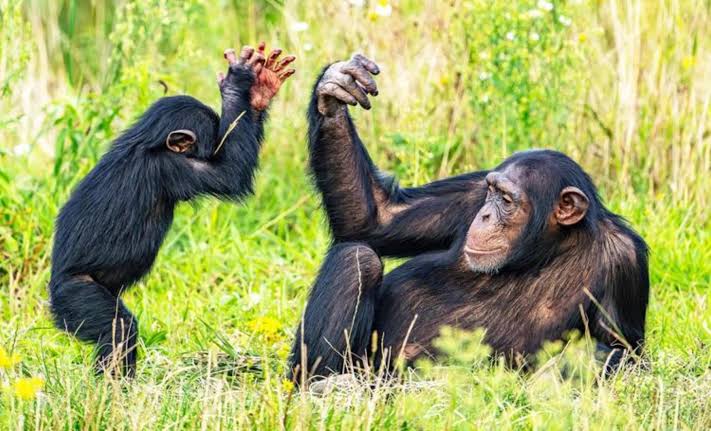
Kibale National Park is Uganda’s leading destination for chimpanzee tracking. Instead of open grassland, your safari begins beneath towering rainforest trees. A ranger helps you listen for distant pant-hoots and follow the signs of chimpanzees moving through the forest. Sightings may include feeding, grooming, play and noisy social encounters.
Chimpanzees are mobile, so the walking time varies. Standard tracking generally permits an hour of observation once they are found. Travellers with extra time can also inquire about a chimpanzee habituation experience where offered. Bigodi Wetland Sanctuary, nearby, is an excellent addition for birds, monkeys and a community-managed nature walk. Explore gorillas, chimpanzees and Big Five safari for further planning.
3. Enjoy Game Drives in Uganda’s Savannah Parks

Game drives reveal a different side of Uganda. In Queen Elizabeth National Park, the Kasenyi plains support Uganda kob, buffaloes, elephants, warthogs and predators. Murchison Falls National Park offers giraffes, elephants, buffaloes and opportunities to look for lions and leopards. For a more remote safari atmosphere, Kidepo Valley National Park opens into expansive northeastern landscapes.
Early morning and late afternoon drives can be especially rewarding when temperatures are cooler. Wildlife remains unpredictable; guides know how to search responsibly, but no particular animal can be guaranteed. A good itinerary includes more than a single hurried drive, particularly if photography is a priority. Explore gorilla trekking and Big Five wildlife for further planning.
4. Cruise the Kazinga Channel and River Nile
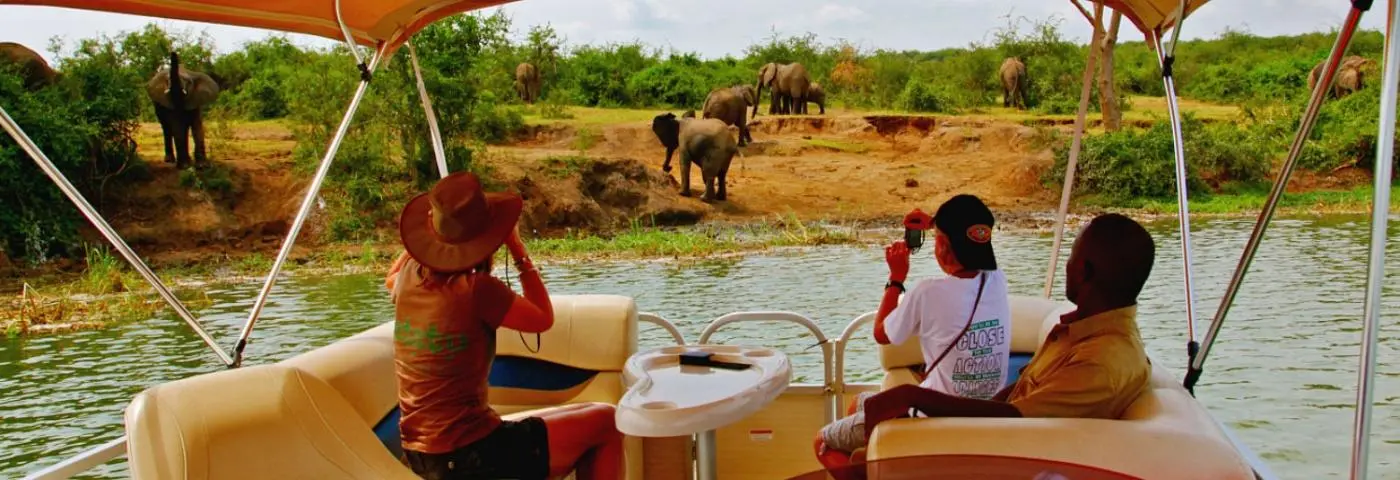
A boat safari gives you eye-level views of the water environments that support Uganda’s wildlife. The Kazinga Channel in Queen Elizabeth National Park is renowned for hippos, waterbirds, crocodiles and elephants that sometimes visit the banks. In Murchison Falls National Park, boat excursions along the Nile offer river scenery and opportunities to view wildlife along the shore.
A launch trip can complement a game drive on the same day, letting you appreciate the ecosystem from two perspectives. Carry binoculars and sun protection, and keep your camera ready for pied kingfishers, African fish eagles and animals drinking at the water’s edge. Explore Uganda bucket list for further planning.
5. Track Rhinos on Foot at Ziwa

Ziwa Rhino Sanctuary, along the route between Kampala and Murchison Falls, offers guided rhino tracking on foot. Accompanied by trained guides, visitors learn about white rhinoceros conservation while observing the animals at a safe distance. This experience adds another dimension to a holiday otherwise dominated by forest treks and vehicle-based game drives.
Rhino tracking is particularly convenient for a northern safari route. Closed walking shoes, drinking water and attentive listening to the guide are essential. The encounter should be planned as a conservation experience rather than a guaranteed close-up photo session. Explore animals to see on safari for further planning.
6. Search for the Shoebill and Other Birds

Uganda is a remarkable destination for birdwatching. The shoebill, famous for its enormous bill and prehistoric appearance, can be searched for in wetland habitats such as Mabamba Swamp near Entebbe. Forest birds, raptors, kingfishers and colourful bee-eaters add variety to safari days in parks, forests and lakeside locations.
A dedicated birding guide can help with identification, calls and the best viewing areas. Serious birders may want to spend additional time in Bwindi, Kibale, Semuliki or Queen Elizabeth National Park. Even travellers who are not bird specialists often enjoy a dawn canoe excursion in search of the shoebill. Explore Uganda walking safaris for further planning.
7. Look for Tree-Climbing Lions in Ishasha

The Ishasha sector of Queen Elizabeth National Park is best known for its tree-climbing lions. On a fortunate drive you might spot lions resting on the branches of large fig trees, sometimes shaded from the heat or insects. The region also contains buffaloes, elephants, antelopes and striking open woodland scenery.
Ishasha lies on a useful route between Queen Elizabeth and Bwindi, making it a worthwhile addition when travel time allows. The lions are wild and sightings are not guaranteed. Avoid designing an entire itinerary around seeing a lion in a tree on a specific afternoon. Explore budget safari planning for further planning.
8. Relax or Canoe on Lake Bunyonyi

After demanding treks, Lake Bunyonyi offers a slower rhythm. Islands rise from the lake, terraced hills create beautiful views and lakeside lodges provide quiet places to recover. Visitors may enjoy a guided canoe excursion, a boat trip, scenic walks or simply an unhurried evening watching the light change across the water.
Lake Bunyonyi works particularly well after a gorilla trek in southern Bwindi. Plan water activities through reputable local operators, follow their safety guidance and use appropriate life jackets. You do not need to pack every hour with activities to enjoy this beautiful landscape. Explore two-day rhino tracking tour for further planning.
9. Hike the Rwenzori Mountains and Volcanic Trails

Uganda offers everything from manageable forest walks to demanding high-altitude expeditions. The Rwenzori Mountains attract hikers looking for dramatic valleys, unusual vegetation and multi-day trekking challenges. In Mgahinga, volcano hiking provides a different adventure through montane habitats and toward elevated viewpoints over the Virunga landscape.
Choose the activity according to fitness, weather, elevation and available days. A full Rwenzori expedition is not a casual add-on to a short safari; it requires dedicated planning, specialist guides and proper equipment. Gentler walks in the foothills or forest regions are alternatives for travellers seeking scenery without a strenuous climb. Explore activities at Ziwa for further planning.
10. Discover Golden Monkeys in Mgahinga

Golden monkey tracking in Mgahinga Gorilla National Park introduces visitors to a lively primate species associated with bamboo-dominated mountain habitats. The monkeys are energetic and often move rapidly through vegetation, creating a very different encounter from the slower atmosphere commonly associated with mountain gorillas.
This activity pairs naturally with a Bwindi gorilla trek when the route and permits are aligned. Photographers should allow for challenging light and fast movement. A few additional nights in southwestern Uganda can transform a gorilla-focused holiday into a broader primate and mountain experience. Explore guided game drive planning for further planning.
11. Walk or Cycle Through Lake Mburo

Lake Mburo National Park is one of Uganda’s most accessible places to enjoy walking safaris in a savannah setting where authorised. Led by trained park guides, walks can reveal animal tracks, plants, birds and the quieter details that are easily missed during game drives. The park is also recognised for zebra and impala sightings.
Depending on the lodge and local arrangements, cycling, horseback riding or boat excursions may be available. These activities offer a refreshing change from sitting in a safari vehicle. Always participate with approved guides and follow wildlife safety procedures. Explore chimpanzee permit guidance for further planning.
12. Meet Communities and Experience Uganda’s Culture

A meaningful Uganda safari includes the people who live near its protected areas. Community visits around Bwindi can introduce guests to Batwa heritage, craft-making, music, storytelling and changing relationships with forest conservation. Around Kibale, local guides can share insights into agriculture, local food and community-led wetland tourism.
Choose locally organised activities where hosts participate voluntarily and benefit from tourism. Request permission before photographing people and take time to listen rather than treating a community visit as a quick performance. Cultural exchanges are most rewarding when built respectfully into the itinerary. Explore seven-day primate safari for further planning.
13. Photograph Wildlife and Natural Landscapes

Photographers can plan whole days around changing light, wildlife movement and contrasting habitats. Mist rising over Bwindi, elephants near water, the impressive Nile gorge and giraffes on northern savannahs provide very different compositions. Bird photographers can add wetlands and forest edges to their route.
Wildlife photography depends on patience. Consider a private safari vehicle, sufficient time in each park and protective gear for dust and rain. Never pressure a guide to drive off designated tracks or approach animals too closely. Respect gorilla and chimpanzee viewing rules, including restrictions on flash. Explore Buhoma trekking planning for further planning.
14. Extend the Trip to Jinja and the Nile

Jinja is widely associated with the source region of the Nile and adventure activities. Subject to conditions and local operator arrangements, travellers can explore white-water rafting, kayaking, cycling or a more relaxed boat excursion. This part of the country makes a useful extension for visitors who want active recreation beyond wildlife parks.
Allow adequate travel time and choose reputable activity providers with appropriate safety equipment. Rafting difficulty varies with the river section, water conditions and the operator’s route, so discuss your comfort level before booking. Explore Ruhija safari options for further planning.
How to Combine Safari Activities Without Rushing
Start by prioritising two or three experiences that matter most. A short gorilla-focused safari can work around Bwindi and Lake Bunyonyi. With approximately a week, add Kibale and Queen Elizabeth National Park for a rewarding mixture of forest and savannah wildlife. Ten to fourteen days can open up Murchison Falls, Ziwa, Lake Mburo or slower-paced visits within the western circuit.
Travellers who prefer a gentle schedule should allow a recovery day after a demanding trek and avoid back-to-back long road journeys. Families may prioritise accessible boat excursions, game drives and short nature walks; active travellers may choose more trekking. Discuss park age limits before confirming any primate activities.
Compare our Uganda primate safari guide and Uganda safari booking guide for more ideas on choosing a travel style.
Sample Safari Routes by Duration
| Time Available | Suggested Focus | Best For |
|---|---|---|
| 3–5 days | Bwindi or Mgahinga; optional Lake Bunyonyi | Gorilla-focused travellers |
| 6–8 days | Kibale, Queen Elizabeth and Bwindi | Primates and game viewing |
| 9–11 days | Ziwa, Murchison, Kibale, Queen Elizabeth and Bwindi | A broad wildlife experience |
| 12–15+ days | Add Lake Mburo, Kidepo or extra mountain/birding time | Photographers and slower explorers |
Practical Uganda Safari Planning Advice
When to go
The relatively drier periods from June to September and December to February are popular for trekking and wildlife safaris. March to May and October to November often bring greener landscapes, but some tracks become muddy. Rain is possible at any time, especially in mountain forests. Read Nkuringo trekking advice.
Permits and bookings
Gorilla and chimpanzee tracking require valid permits for the travel date. Book early for busy periods and verify the latest price and park conditions before payment. In addition to permits, budget for lodging, entrance charges, a 4×4 vehicle, guiding and optional activities. Read Rushaga gorilla trekking.
What to pack
Bring comfortable walking shoes, a rain jacket, long trousers and sleeves for forest activities, sun protection, insect repellent and a refillable water bottle. Binoculars and a camera are valuable even on a short holiday. A porter may make a mountain gorilla trek more comfortable. Read Lake Bunyonyi experiences.
Planning around budgets
Uganda offers a range of accommodation categories, from simple guesthouses to high-end wilderness lodges. Private safaris can still be designed with budget-sensitive accommodation and travel days. Do not cut essential permit or safety provisions merely to reach a low headline price. Read Lake Mburo and Bwindi safari route.
Responsible safari behaviour
Follow the guide’s instructions, keep safe wildlife distances, never feed animals or use flash during gorilla encounters, and avoid leaving litter. Support ethical wildlife viewing and community-led experiences whenever possible. Read Uganda safaris from Rwanda.
Frequently Asked Questions About Things to Do on a Uganda Safari
What is the best thing to do on a Uganda safari?
For many visitors, mountain gorilla trekking is the standout experience. However, combining gorilla trekking with chimpanzees, game drives and a boat safari provides a more varied introduction to Uganda.
Can I see the Big Five in Uganda?
A carefully planned itinerary may offer opportunities to see lions, leopards, elephants and buffaloes in savannah parks and rhinos at Ziwa. Wildlife sightings are never guaranteed.
Is a Uganda safari suitable for first-time visitors?
Yes. An experienced local guide, realistic driving times and a well-chosen sequence of parks make Uganda rewarding for first-time safari travellers.
How many days do I need for Uganda?
A short trip of three to five days can focus on gorillas. Around seven to ten days is more comfortable for combining primates and savannah wildlife. Two weeks allows wider coverage or a gentler pace.
Do I need to book gorilla permits in advance?
Yes. Gorilla permits are date-specific and limited. Booking early helps match permits with accommodation in the correct trekking sector.
Can children join all Uganda safari activities?
Not every activity. Gorilla trekking generally has a minimum age of 15, and chimpanzee trekking has its own minimum-age rules. Game drives, certain boat trips and cultural experiences may be more suitable for families.
Are boat safaris safe?
Boat safaris should be booked through recognised operators and conducted according to local safety instructions. Wear life jackets where required and follow the captain’s directions.
Can I combine Uganda with Rwanda?
Yes. Cross-border safaris can link southwestern Uganda with Rwanda. Check immigration requirements, border timings and whether the route allows sufficient time between activities.
For additional practical details, explore gorilla and chimpanzee differences, Bwindi trekking sectors, eight-day Uganda safari, six-day Uganda safari, Kibale versus Ngamba Island and four-day Uganda primate safari.
Plan Your Uganda Safari with Local Experts
Tell Safari Vacations & Travel Services Ltd how many days you have, which activities interest you and your preferred level of comfort. We will help coordinate a tailor-made itinerary, permits, lodges, private transport and guiding.





