
How to Tour Uganda on a Budget?

Uganda offers something that many African destinations cannot easily match: a remarkable variety of landscapes and wildlife within one country. You can watch elephants on the savannah, explore tropical forests, walk beside peaceful lakes and meet welcoming communities. Some experiences require expensive permits. Others cost very little.
The secret is knowing where to spend your money and where you can save. Choosing affordable accommodation, sharing transportation, travelling during quieter months and following a sensible route can significantly reduce your overall expenses.
At Safari Vacations and Travel Services Ltd, we help travellers create affordable Uganda safari itineraries that balance cost, comfort, safety and memorable experiences. This guide explains how to make your budget work, whether you are travelling alone, with a partner, as a family or with friends.


How Much Does It Cost to Tour Uganda on a Budget?
A budget Uganda safari can mean different things to different travellers. Some visitors are comfortable using public buses and simple guesthouses. Others prefer an organised safari with a professional driver-guide, a reliable vehicle and affordable lodges.
Both approaches can work. However, the overall cost depends on the number of travellers, length of stay, selected parks and activities.
The following figures are broad planning estimates in US dollars for international visitors. They are not fixed safari package prices.
Per person per day for basic travel, excluding major park activities and permits.
Per person per day, estimated for a small group sharing transport, excluding major primate permits.
Per person per day for two travellers sharing, before major primate permits.
These illustrative ranges include different levels of services and should not be compared as identical packages. Domestic flights, visas, insurance, international airfares and expensive activities can increase the total.
For additional safari options, read our budget safaris in Uganda guide and explore our custom Uganda safari packages.
15 Smart Ways to Tour Uganda on a Budget
1. Travel During the Low Season
One of the easiest ways to save money is to avoid the busiest safari months. Uganda’s popular travel seasons generally run from June to September and December to February. During these periods, demand for accommodation, safari vehicles and permits can be high.
March to May and October to November are usually quieter. Some lodges offer lower room rates, and visitors may have greater flexibility when choosing accommodation.
However, travelling during the rainy season has trade-offs. Forest trails can become muddy, while some remote roads may be difficult after heavy rain. Pack waterproof clothing and allow enough time for journeys.
For a more detailed comparison, read our month-by-month gorilla trekking guide.
2. Share Safari Transportation
Transport often represents a significant share of the safari budget. A private vehicle costs more per person when used by one traveller than when shared among four or five guests.
Travelling with friends or joining a suitable small group allows everyone to contribute towards the vehicle, fuel and driver-guide expenses.
A shared journey does not necessarily mean sacrificing comfort. You can still travel in a properly maintained safari vehicle, enjoy wildlife viewing and stay in affordable lodges.
Before selecting a group safari, ask how many people will share the vehicle, whether everyone will have a suitable viewing position and whether the itinerary matches your travel interests.
3. Choose Road Transfers Instead of Domestic Flights
Domestic flights can save time, but they often increase the total safari price. Travelling by road is generally more economical, especially when vehicle costs are shared.
For example, reaching Bwindi Impenetrable National Park from Entebbe usually requires approximately eight to ten hours by road, depending on your destination within the forest.
Although the drive is long, the route passes through countryside, farming communities, trading centres and beautiful landscapes. You can make the journey more enjoyable by stopping for photographs and refreshments.
Read our guide to planning a Bwindi gorilla safari for transport considerations.
4. Stay in Budget Lodges and Guesthouses
You do not need to stay in expensive luxury lodges to enjoy Uganda. Many destinations offer comfortable guesthouses, community camps, simple cottages and affordable tented accommodation.
Look for clean rooms, reliable meals, friendly staff and convenient access to your planned activities.
The cheapest property is not always the best value. A lodge far from your activity starting point might increase fuel costs and require an exhausting early morning drive.
5. Choose Affordable Wildlife Destinations
Some Ugandan destinations are particularly suitable for travellers managing a limited budget.
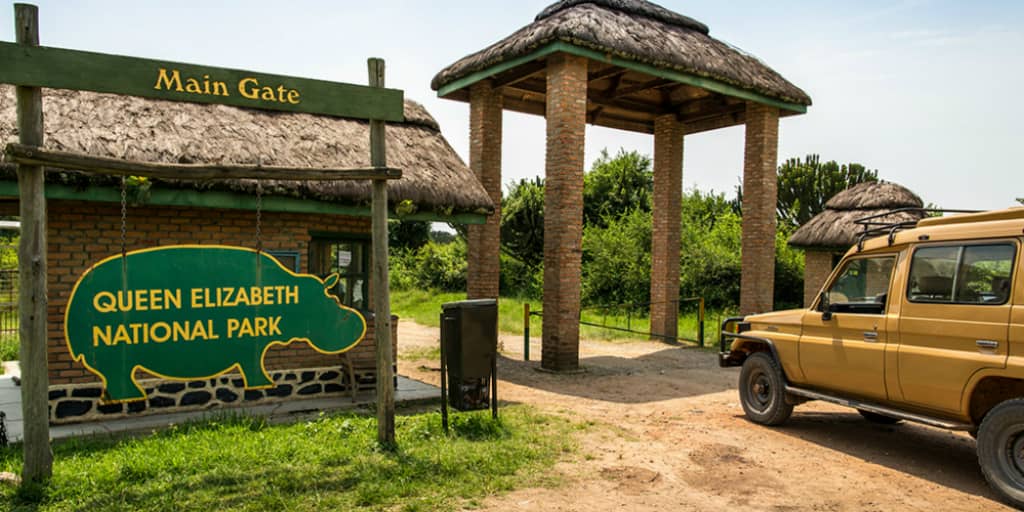
Lake Mburo can be a practical addition to a southwestern road safari. Queen Elizabeth offers varied wildlife viewing and boat excursions. Murchison Falls combines game drives with memorable scenery along the Nile.
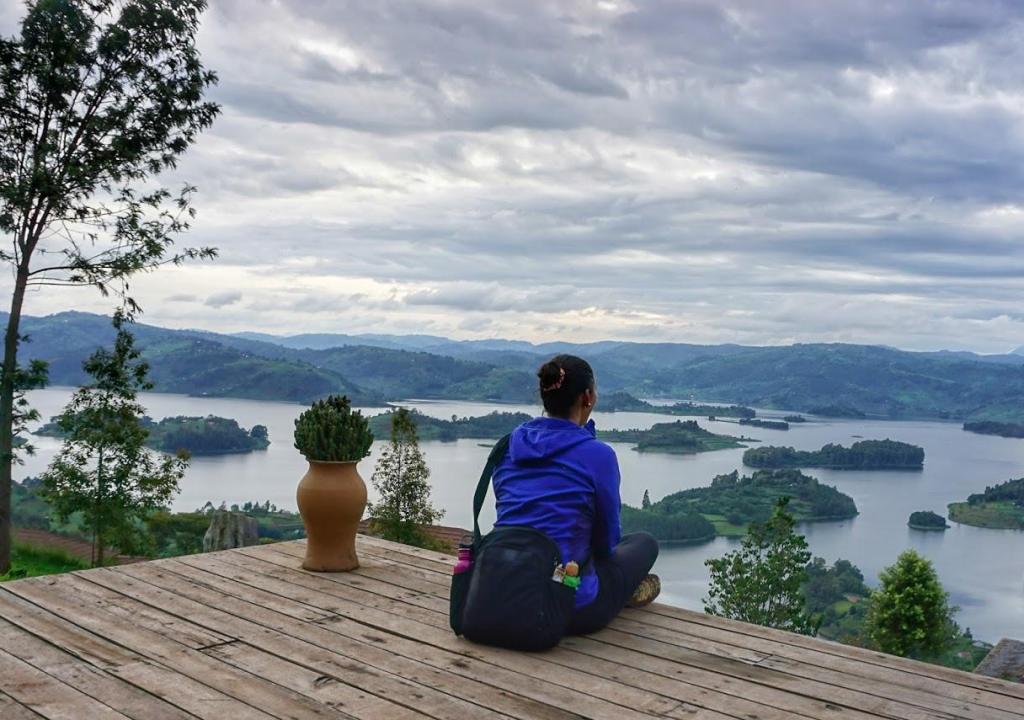
Meanwhile, Lake Bunyonyi offers beautiful landscapes and relaxing activities without the same level of permit expenses associated with major primate encounters.
6. Include Free and Low-Cost Experiences
Not every memorable moment requires an entrance ticket. Visiting local markets, exploring accessible town viewpoints, tasting traditional food and walking through communities can enrich your journey.
In some locations, affordable guided village walks provide opportunities to learn about agriculture, traditional crafts and everyday life. These experiences also benefit local people.
Always ask permission before taking photographs of residents, and hire a local guide where necessary.
7. Make Gorilla Trekking Your Main Premium Experience
Gorilla trekking is often the largest individual expense on a budget Uganda safari. Nevertheless, it may be the experience that visitors most want to include.
Instead of eliminating gorilla trekking, consider limiting other expensive activities. For example, combine one gorilla trek with affordable accommodation, a scenic lake visit and a shorter wildlife safari.
Standard gorilla trekking is also less expensive than the longer gorilla habituation experience.
Explore our guide to affordable gorilla trekking and the best trekking sectors in Bwindi.
8. Compare Chimpanzee Trekking Locations
Kibale National Park is one of Uganda’s leading destinations for chimpanzee trekking, but it is not the only location where visitors can seek these primates.
Kalinzu Forest and Budongo Forest may offer lower-cost alternatives. Kyambura Gorge is another option, although its permit price and separate park entry charges should be carefully considered.
Chimpanzee sightings are never guaranteed in natural forests. The quality of the experience, accessibility, permit conditions and chance of success should all influence your decision.
Compare the destinations in our budget chimpanzee tours guide and chimpanzee permit information.
9. Follow a Logical Safari Route
Poor route planning can lead to unnecessary driving and extra accommodation nights. Instead of moving between distant parks in random order, follow a route that connects nearby attractions.
A southwestern route might begin in Entebbe, continue to Lake Mburo, Queen Elizabeth, Bwindi and Lake Bunyonyi, then return to Entebbe.
If chimpanzees are a priority, Kibale can be added before Queen Elizabeth. However, adding destinations also means additional travel time and expenses.
10. Eat Locally When Appropriate
Ugandan food can be affordable and satisfying. Restaurants in towns frequently serve dishes such as matooke, rice, beans, sweet potatoes, groundnut sauce and grilled meat.
Choosing established local restaurants can reduce food expenses and introduce you to everyday Ugandan cuisine.
Where possible, select accommodation that includes breakfast. On organised safaris, compare half-board and full-board quotations rather than automatically assuming either is cheaper.
11. Book Your Permits and Accommodation Early
Budget accommodation close to popular activities can sell out. Gorilla permits are also limited and linked to specific dates and trekking locations.
Booking early gives you more accommodation choices and makes transport planning easier. Waiting until the last minute can force travellers into expensive or inconvenient options.
For practical guidance, see how to book a Uganda safari step by step.
12. Consider Public Transport for Town-to-Town Travel
Independent travellers can save money by taking intercity buses between destinations such as Kampala, Mbarara, Fort Portal, Kabale and Kisoro.
However, public transport is not a replacement for every safari transfer. Reaching remote lodges, trekking briefing points and wildlife viewing tracks may require prearranged local transport or a suitable 4×4.
Allow extra time, avoid unnecessary night travel and confirm onward transport before arriving in unfamiliar areas.
13. Avoid Too Many Optional Activities
It is tempting to add every available activity. However, several extra excursions can quickly increase a safari budget.
Prioritise the experiences that matter most. For example, one good game drive and a Nile boat cruise may offer better value than several loosely planned activities.
A carefully selected itinerary often feels more rewarding than a crowded schedule with little time to appreciate each destination.
14. Travel With Reusable Essentials
Bring a refillable water bottle, rain jacket, comfortable walking shoes, sunscreen and other useful essentials from home.
Some items may be expensive or difficult to find near remote national parks. Packing carefully can reduce unnecessary purchases along the journey.
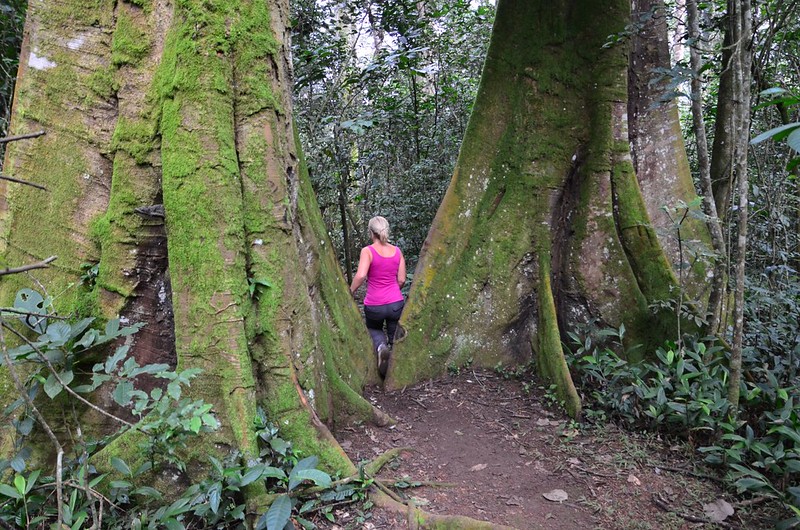
For forest activities, wear appropriate clothing and follow the advice of your ranger guide.
15. Book Through a Reliable Local Tour Operator
A knowledgeable Ugandan tour operator can help you avoid expensive routing mistakes, select accommodation in suitable locations and identify activities that offer good value.
Always compare complete quotations rather than looking only at the headline price. Check whether accommodation, meals, fuel, park entrance fees, permits, guiding and transfers are included.
Safari Vacations and Travel Services Ltd can help design a budget itinerary that keeps your priorities intact while reducing unnecessary expenses.
Best Places to Visit in Uganda on a Budget
Uganda has many rewarding destinations, but the following places work particularly well when planning an affordable safari.



Where to Stay on a Budget Uganda Safari
Affordable accommodation does not always mean sacrificing a comfortable night’s sleep. Across Uganda, travellers can find guesthouses, community lodges, tented camps and modest safari cottages.
The key is to choose a property that suits both your budget and your next day’s activity.

Bwindi and Rushaga
Consider Rushaga Gorilla Camp, Nshongi Camp and other affordable properties near your confirmed trekking sector. In Buhoma, community accommodation can also be worth considering.
Kibale and Fort Portal
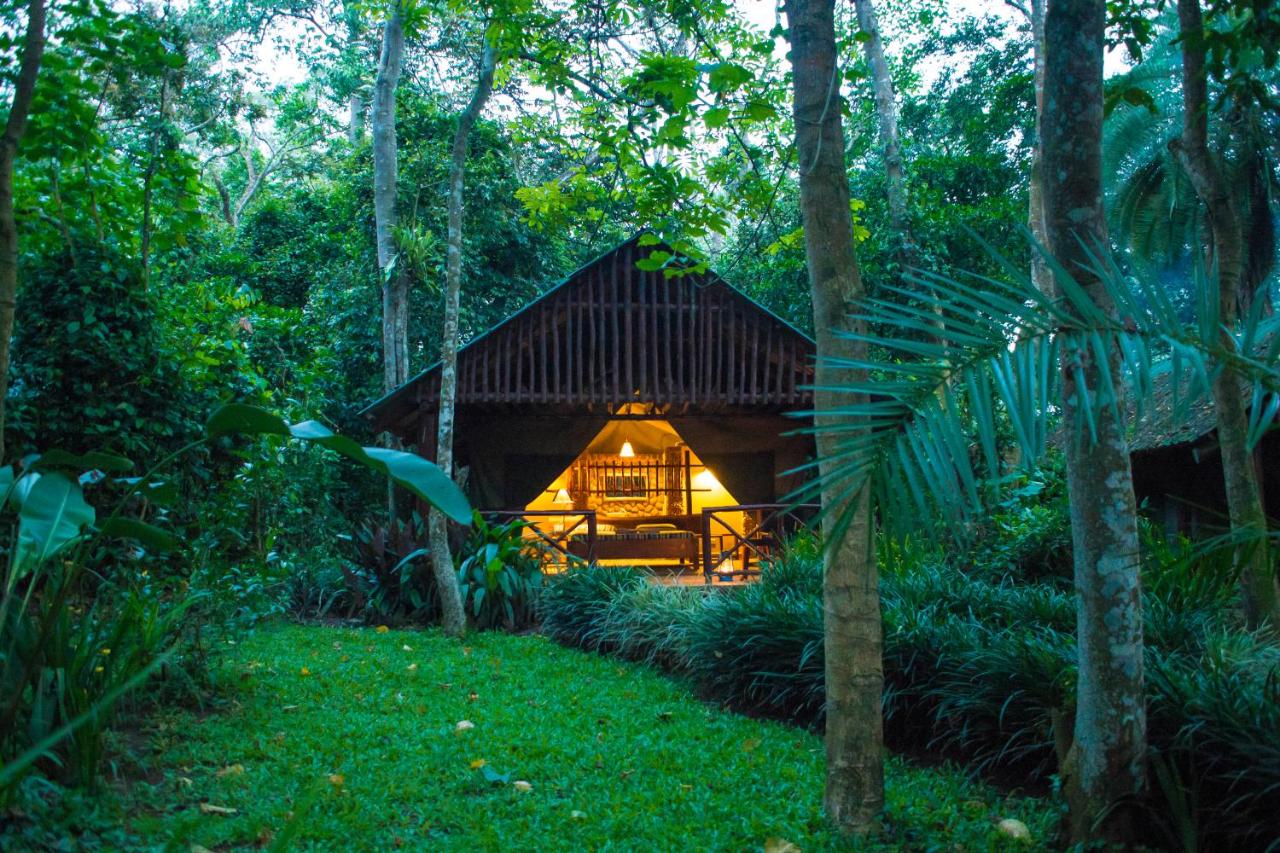
Kibale Forest Camp and selected guesthouses around Fort Portal can provide simpler alternatives to high-end forest lodges. Check driving distance to the chimpanzee briefing point.

Murchison Falls
Red Chilli Rest Camp and other basic accommodation options may provide good value. Choose according to your game drive area, boat cruise arrangements and access roads.
Budget Accommodation Around Lake Bunyonyi
Lake Bunyonyi is particularly suitable for travellers seeking simple lakeside accommodation. Options such as Byoona Amagara and community-oriented island properties may appeal to visitors who value scenery and relaxed surroundings over luxury facilities.
Remember that island accommodation can involve additional boat transfer costs. Compare the total price rather than the room rate alone.
Read our guide to attractions and accommodation around Kabale and Lake Bunyonyi.
What Should You Check Before Booking?
Ask whether the rate includes breakfast, private bathroom facilities, electricity, drinking water and applicable taxes. Also check transfer times, room availability and payment conditions.
When comparing lodges, consider the value of location. Staying near a trekking briefing point can reduce early morning transport pressure, while a cheaper lodge several hours away may increase the overall cost.
How to Save Money on Gorilla and Chimpanzee Trekking
Primate encounters are among Uganda’s most memorable experiences. However, permits are fixed conservation-related expenses that cannot simply be negotiated down by choosing a cheaper tour operator.
For foreign non-residents, the standard Uganda gorilla trekking permit is USD 800 per person. This fee applies separately to each person and must be included in the safari budget.
In April, May and November 2026, eligible foreign non-residents can benefit from a promotional gorilla trekking permit of USD 600. The special permit is subject to conditions, including restrictions on rescheduling.
For a short trip, consider our four-day gorilla and Lake Bunyonyi safari. Combining one trek with a relaxing lake visit allows you to enjoy different experiences without paying for another expensive primate permit.
Gorilla and Chimpanzee Permit Comparison
Important: Indicative standard foreign non-resident permit fees, based on published 2026–2027 schedules. Kyambura requires separate applicable park entry fees. Visitor categories, offers and operating conditions differ. Confirm the tariff for your exact trekking date before payment.
For detailed planning, explore Uganda gorilla trekking availability and our gorilla and chimpanzee safari planning guide.
Sample 7-Day Budget Uganda Safari Itinerary
This example focuses on affordable wildlife viewing, beautiful scenery and one premium primate encounter. It uses road transportation and budget accommodation rather than luxury lodges and domestic flights.
Day 1: Arrive in Entebbe
Arrive at Entebbe International Airport and transfer to your selected guesthouse. Depending on your arrival time, relax or explore nearby attractions. Overnight in Entebbe.
Day 2: Entebbe to Lake Mburo National Park
Travel southwest through Uganda’s countryside. Stop at the Equator crossing before continuing towards Lake Mburo. Enjoy an afternoon game drive if timing permits. Overnight near the park.
Day 3: Lake Mburo to Queen Elizabeth National Park
Continue towards Queen Elizabeth National Park. Enjoy the changing landscape and settle into affordable accommodation. Depending on arrival time, take a short wildlife drive or rest before the following day’s activities.
Day 4: Explore Queen Elizabeth National Park
Begin with a morning game drive in search of elephants, buffaloes, antelopes and other wildlife. In the afternoon, enjoy a boat cruise on the Kazinga Channel, subject to booking and your selected package.
Day 5: Queen Elizabeth to Bwindi
Travel south towards Bwindi Impenetrable National Park, potentially passing through Ishasha depending on your route. Arrive at your lodge in time to prepare for the gorilla trek.
Day 6: Gorilla Trekking in Bwindi
After an early briefing, enter the forest with Uganda Wildlife Authority ranger guides. Once the gorillas are located, spend the permitted one hour observing their behaviour. Return to your lodge or continue to Lake Bunyonyi if the day’s timing permits.
Day 7: Return to Entebbe
Begin the long road journey back towards Entebbe. Enjoy scenic stops along the way. Because the drive can take most of the day, arrange any international departure for late evening only if the timing is realistically achievable. An additional overnight is safer for earlier flights.
Budget tip: Travellers who do not wish to include gorilla trekking can substitute extra wildlife or lake activities. This can substantially reduce the total cost.
For a longer wildlife itinerary, see our nine-day Uganda wildlife safari tour.
Is Uganda Affordable for Solo Travellers?
Uganda can be affordable for independent travellers, especially those who use public transport, simple guesthouses and reasonably priced restaurants.
However, travelling alone on a private safari is usually more expensive per person. You must cover the vehicle and driver-guide expenses without sharing them with companions. Single room supplements may also apply.
Solo travellers can reduce costs by joining a suitable group departure, sharing accommodation where appropriate or focusing on fewer destinations.
Learn more through our solo versus group chimpanzee trekking comparison.
Can You Tour Uganda Without Gorilla Trekking?
Absolutely. Although mountain gorillas are among Uganda’s most famous attractions, the country has much more to offer.
You can explore savannah wildlife, enjoy the Nile around Jinja, visit waterfalls, discover crater lakes, participate in birdwatching activities and experience Ugandan culture.
A wildlife-focused itinerary avoids the substantial gorilla permit expense while retaining the excitement of an African safari.
For example, a shorter trip to Murchison Falls can combine game drives and a boat cruise. Lake Bunyonyi can offer canoeing and beautiful scenery. Fort Portal provides access to crater lakes and community experiences.
Those interested in water activities can read our Lake Bunyonyi canoeing guide.
Common Budget Safari Mistakes to Avoid
The biggest mistake is assuming that the cheapest advertised safari is automatically the best value. A low price may exclude permits, park entrance charges, fuel, meals or essential transfers.
Another mistake is trying to visit too many national parks in a short period. Uganda is larger than it may appear on a map, and some journeys involve winding roads or unpaved sections.
Travellers should also avoid booking accommodation before confirming their gorilla trekking sector. Staying on the opposite side of Bwindi can create difficult early morning transfers and unexpected transport expenses.
Finally, do not ignore travel insurance, health precautions and vehicle reliability to save a small amount. Safety and the protection of your holiday investment should remain priorities.
Frequently Asked Questions About Budget Travel in Uganda
Is Uganda a cheap country to visit?
Uganda can be relatively affordable for travellers who use local accommodation, public transport and inexpensive activities. However, private safaris, national park fees and gorilla trekking permits significantly increase the budget.
What is the cheapest month to visit Uganda?
April, May and November often offer opportunities for better accommodation value. However, discounts vary by property and year. Travellers should expect wetter conditions during these months.
Can I visit Uganda on a $1,000 budget?
It may be possible to organise a short independent holiday for around $1,000 excluding international flights. However, including a standard foreign non-resident gorilla permit of $800 leaves little for transportation, accommodation and other expenses.
What is the cheapest way to see mountain gorillas in Uganda?
Choose standard gorilla trekking rather than habituation, travel by road, share transportation and stay at an affordable lodge near your confirmed trekking sector. Eligible low-season discounts can provide additional savings when officially available.
Do I need a 4×4 for a budget Uganda safari?
Not for every journey. Major towns are connected by public roads, but a suitable safari vehicle is strongly recommended for game drives, remote lodge access and some mountain roads. Vehicle requirements depend on the route and weather conditions.
How many days are enough for a budget Uganda safari?
Three to five days can work for one main region or a short gorilla safari. Seven to ten days provides more time to combine wildlife, forests and scenic destinations without excessive rushing.
Is a budget safari safe and comfortable?
A properly planned budget safari can be both safe and comfortable. Choose reliable transport, appropriate accommodation, experienced guides and authorised park activities. Budget travel should focus on avoiding unnecessary luxury rather than compromising essential services.
Can a local tour operator arrange a budget safari?
Yes. Safari Vacations and Travel Services Ltd can arrange customised itineraries with budget-friendly accommodation, private or shared transport where available, permit coordination and carefully selected wildlife experiences.
Final Thoughts: Explore Uganda Without Overspending
Learning how to tour Uganda on a budget is about making thoughtful decisions rather than removing the experiences that make travel special.
With the right itinerary, you can enjoy the country’s remarkable wildlife, friendly communities, lush forests and beautiful scenery while keeping expenses manageable.
Choose your travel dates carefully. Share transportation when possible. Select affordable accommodation near your activities. Most importantly, spend your money on the experiences you will remember long after your journey ends.
Whether you dream of seeing mountain gorillas, photographing elephants or relaxing beside Lake Bunyonyi, Uganda offers rewarding experiences for different budgets.
Safari Vacations and Travel Services Ltd can help you create an affordable safari that suits your travel dates, group size and interests.
Plan Your Affordable Uganda Safari
Tell us your travel dates, group size, preferred activities and estimated budget. We will help you design a practical Uganda itinerary with comfortable accommodation and memorable experiences.
Safari Vacations & Travel Services Ltd | Uganda & East Africa Safari Specialists





