
Primate Filming Safaris in Uganda

Film Uganda’s Remarkable Primate Stories
Primate filming safaris in Uganda are specially planned journeys for documentary producers, camera crews, conservation storytellers, television teams, independent filmmakers and serious wildlife photographers. Uganda offers opportunities to document the subtle social behavior of mountain gorillas, the energetic lives of chimpanzees and the quick movements of golden monkeys within strikingly different rainforest landscapes.
Unlike a standard wildlife holiday, a professional filming assignment must be built around its creative brief, approved access, equipment needs, crew size, available permits and realistic time in the field. Safari Vacations & Travel Services can help coordinate the travel and ground logistics of a filming-focused itinerary, with relevant authorizations arranged through the responsible authorities. Wildlife sightings and specific animal behavior can never be guaranteed.
This guide explains where to film primates, how permit planning works, what to pack, how to protect the animals and how to structure a practical production itinerary.
Three Signature Primate Filming Experiences

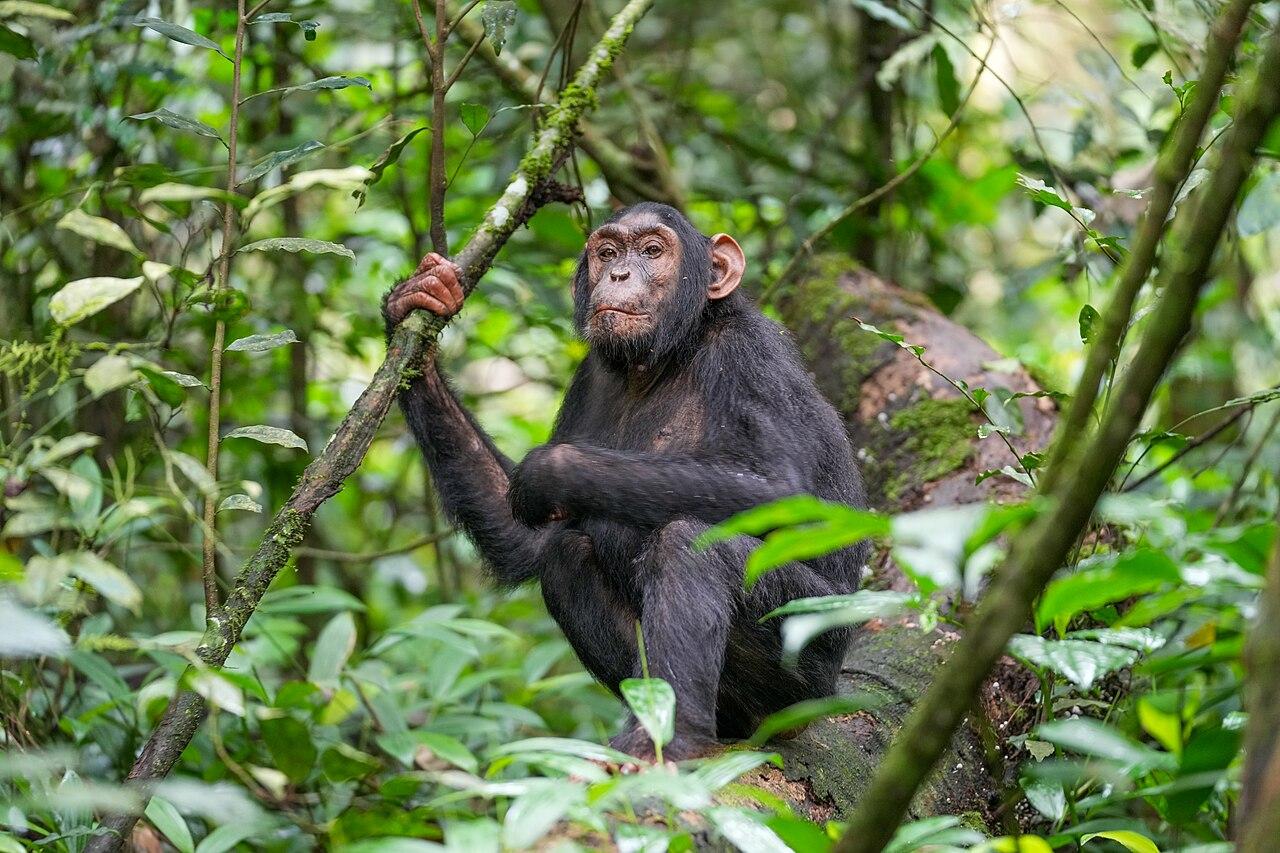

Best Places for Primate Filming in Uganda
1. Bwindi Impenetrable National Park – Mountain Gorillas
Bwindi’s steep valleys, mature forest, mist and remarkable mountain gorillas make it a signature setting for natural-history storytelling. The Buhoma, Ruhija, Rushaga and Nkuringo sectors differ in terrain, road access and lodge options. Choose a sector only after reviewing production objectives and confirming the approved gorilla activity and filming arrangements. Dense vegetation and changing animal positions mean fixed shot lists need flexibility. Read more about gorilla trekking in Bwindi and Bwindi Impenetrable Forest.
2. Kibale National Park – Wild Chimpanzees
Kibale is a leading location for chimpanzee behavior and forest primate diversity. Crews may seek footage of grooming, feeding, play, vocalizations and movement, although any particular behavior depends on the chimpanzees themselves. Standard tracking and habituation experiences have different visitor conditions and must not be confused with permission to conduct a commercial shoot. Nearby forest and community scenery can strengthen the wider narrative. Explore Kibale Forest National Park and chimpanzee trekking.
3. Mgahinga Gorilla National Park – Golden Monkeys
Mgahinga provides a strong visual contrast: bamboo stands, volcanic slopes and the fast-moving golden monkeys of the Virunga landscape. Mountain gorillas are also present, subject to the appropriate authorized activity. Golden monkeys are especially challenging to photograph in the canopy; camera operators should plan for changing light, movement and weather.
4. Other Forest Locations
Depending on the filming brief and access approvals, crews may consider Budongo Forest for chimpanzee-focused stories, Kyambura Gorge for forest-and-savannah contrasts and Bigodi’s wetlands for monkeys, birdlife and community conservation narratives. These are complementary locations, not substitutes for the required permits or a guarantee of specific sightings.

What Filmmakers Can Expect in the Forest
Filming wild primates differs from a conventional wildlife game drive. Gorilla families may travel through dense undergrowth, feed below a forest canopy or rest in open patches for only a short period. Chimpanzees can move rapidly through the treetops, with frequent changes in direction and light. Golden monkeys often move in lively groups among the bamboo, making stabilization and fast camera adjustments especially important.
A productive shoot starts with realistic expectations: animal movement cannot be staged, close approaches cannot be guaranteed, and filming access is always subject to ranger direction, designated tracks and approved conditions. Crews should build a sequence around natural behavior—habitat establishing shots, movement, feeding, grooming, group relationships and ambient forest sound—rather than depending on one dramatic encounter.
For conservation documentaries, broaden the story beyond wildlife portraits. With separate permissions and informed consent, production teams can explore conservation work, habitat protection and the lives of neighboring communities. This creates a richer account of why Uganda’s forests and primates matter.
Commercial Filming Permits and Permissions
Commercial productions require advance authorization. A standard gorilla or chimpanzee tracking ticket does not automatically authorize a commercial documentary or professional filming activity. Uganda Wildlife Authority (UWA) manages access and fees inside its protected areas, while other national permissions may apply depending on the crew, equipment and type of production.
- UWA filming clearance: Submit the intended parks, dates, activities, number of crew members and production details for review before travel. Check the tariff effective on your actual filming dates.
- General production permissions: Uganda Communications Commission (UCC) has a filming-production permit application process. Additional government, location, journalist or immigration clearances may be required for specific productions.
- Primate activity permissions: Gorilla, chimpanzee and golden monkey experiences are governed by separate activity rules and space limits. Special or extended access must be expressly approved; it is not included by default.
- Drones: Never assume drones are permitted over a national park or near primates. Aviation, security and protected-area approvals may be required. Do not launch a drone without written authorization.
- Personal travel filming: Ordinary noncommercial holiday photographs and videos are different from commercial production. If use is uncertain, describe the project to the authorities before booking.
Publicly available tariff documents include commercial filming charges, but older documents and third-party websites may not reflect the rules applicable to a 2026–2028 production. We recommend requesting a current written quote directly from UWA. Reference: UWA publications and UCC filming request form.
Filming authorization checklist
Prepare a short treatment or synopsis, production company details, filming dates, expected crew size, equipment list and the precise protected areas proposed. A clearer brief makes it easier to establish which authorities must review the project.
Confirm national production permissions with the Uganda Communications Commission and protected-area authorization with the Uganda Wildlife Authority. Depending on the assignment, additional approvals may be needed for interviews, local locations, media work, specialist equipment or aerial filming.
Ask for a written, itemized permit assessment before locking the production budget. UWA commercial filming charges and park activity tariffs are updated periodically; fees stated in older online articles may no longer be valid.
Do not assume that a personal tourist photography allowance also authorizes commercial footage. Equally, a filming authorization does not by itself guarantee access to every gorilla group, an extended encounter, drone operations or off-trail activities.
Official starting points: Uganda Wildlife Authority (https://ugandawildlife.org/) and the Uganda Communications Commission filming production services request form (https://www.ucc.co.ug/download/request-form-for-filming-production-services-permit-in-uganda/).
Journalists, news teams and some independent producers may also need Media Council accreditation. Check the requirements for your exact assignment with the Uganda Media Centre accreditation guidance. Filming authorization, press accreditation, immigration clearance and protected-area access are separate questions; one approval does not replace the others.
Responsible Primate Filming Practices
All filming must prioritize the welfare of wildlife over footage. Great apes are susceptible to human disease, and forest conditions can change quickly. Respect ranger instructions at every stage, including any stricter limits applied to a particular shoot.
- Maintain the separation distance set by park staff; never approach or surround a primate for a camera angle.
- Do not use flash, disruptive lights, bait, playback calls or other techniques that could disturb animal behavior.
- Keep crew movements quiet, remain with authorized guides and do not block an animal’s natural route.
- Disclose illness symptoms before any great-ape encounter and follow the park’s health and mask requirements.
- Do not claim access to off-trail areas, nighttime work, extended contact time or aerial footage unless separately authorized.
- Use respectful local consent and appropriate permissions when filming people, villages or interviews.
Practical Film-Crew Logistics
A successful filming safari depends on operational planning as much as wildlife knowledge. Filming days should account for transfer times, equipment handling, unpredictable weather, trekking difficulty and the possibility of long waits. Production schedules should have contingency days rather than promising a new wildlife location every morning.
- Vehicles and transfers: 4×4 vehicles, airport pickup, road transfers and equipment movement between filming locations.
- Accommodation: Lodges selected for park access, crew needs, quiet work space and practical early departures.
- On-site coordination: Ranger briefings, guides, porters and locally required escorts subject to approvals.
- Equipment planning: Protective rain covers, spare batteries, power arrangements, sufficient media storage and lightweight support systems suitable for muddy trails.
- Creative brief: Target species, intended end use, crew size, recording formats, interviews and expected filming duration.
We can build around individual camera operators or multi-person documentary teams. Specialist production services, equipment rentals, fixer services and any permits will be itemized only after availability and supplier arrangements are confirmed.
Camera equipment, power and data
Humidity protection is essential: pack dry bags, rain covers, silica gel, lens cloths and sealed cases for sensitive cameras. A practical kit generally favors a lightweight camera body, manageable telephoto options, fast lenses for low light, stable shoulder or handheld support and reliable audio protection. Rangers may restrict bulky setups if they slow the group or affect safe movement.
Plan battery rotation and media backups every evening. Confirm electrical outlets, charging reliability and suitable working space at each lodge before arrival. On longer projects, arrange two separate data backups and carry spare storage rather than relying on forest-area internet speeds for large transfers.
Use porters where available to help transport permitted equipment and reduce strain on steep trails. Film crews should allow time for equipment checks, briefings, ranger coordination and weather delays. An additional contingency day is often more valuable than an overpacked daily schedule.
How We Build a Custom Production Itinerary
The best itinerary starts with the intended final film rather than a fixed package duration. A short digital campaign may need only one species and a concentrated schedule; a television documentary or conservation series may require repeated visits and extended time in multiple habitats. We recommend identifying the primary species, priority behaviors, required interviews, crew composition and essential footage before selecting travel dates.
A Bwindi-centered project can focus on gorilla habitat, nearby community storytelling and permitted gorilla encounters. A two-species assignment can combine gorillas in Bwindi with chimpanzees in Kibale. A longer production can add golden monkeys in Mgahinga and transition sequences showing the contrasting forest landscapes of western and southwestern Uganda.
Safari Vacations & Travel Services can coordinate suitable 4×4 transport, driver-guide support, accommodation and porter arrangements, plus assist with introductions and permit planning. Any specialist production fixers, licensed aerial operators, translators or dedicated research support should be agreed in the production brief and quoted separately where required.
Suggested 10-Day Uganda Primate Filming Itinerary
This is an illustrative production-oriented route, not a promise of approved commercial access or footage. It is best adjusted around permit conditions, the confirmed trekking sector, crew fitness and the filming brief.
- Day 1 – Entebbe: Arrive, check equipment, review approvals and meet the ground team.
- Day 2 – Transfer to Kibale: Travel west with filming stops only where permitted; prepare for forest access.
- Days 3–4 – Kibale chimpanzee sessions: Approved filming activities focused on chimpanzee behavior, other primates and rainforest atmosphere.
- Day 5 – Additional forest coverage: A contingency day for approved follow-up sessions, community context or other authorized footage.
- Day 6 – Transfer toward Bwindi: Travel via western Uganda, with optional approved scenic and conservation footage.
- Days 7–8 – Bwindi gorilla filming: Scheduled, authorized gorilla-related activities and forest coverage. The number and duration of encounters depend on the permits issued.
- Day 9 – Mgahinga or a Bwindi buffer day: Golden monkey filming if preapproved and logistics allow, or use the day as a weather/production contingency.
- Day 10 – Departure routing: Travel to Kigali or continue toward Entebbe according to your confirmed route; a long return to Entebbe may require an extra overnight before departure.
For an in-depth natural-history film, fourteen or more days may be more realistic. For a short travel-series segment, we can plan a smaller focused route with fewer location changes.
When Is the Best Time to Film Primates?
Uganda offers primate encounters throughout the year. June–September and December–February are often preferred for relatively drier walking conditions, although rain is possible even then. March–May and October–November usually bring wetter conditions and lush forest scenery. In every season, dense canopy, intermittent sun, mist and moving animals affect exposure and continuity.
For productions seeking natural behavior, a flexible schedule is generally more valuable than choosing a single supposedly perfect date. Avoid promising clear visibility, vocalizations, courtship or specific interactions: those depend on the animals and environment.
Planning for Different Production Teams
Independent wildlife filmmakers benefit from compact crews and a realistic shot list. A small documentary team may prioritize ground support, a local guide, battery charging, repeat access when approved and sound-recording opportunities in quiet forest settings. Larger broadcast crews often need a tighter equipment manifest, transport capacity planning and documented responsibility for filming permissions.
Photographers and branded-content teams should be explicit about their intended use of material, especially where deliverables are commercial. Conservation organizations and academic storytellers may need collaboration with a local institution, additional research permission, or specific consent procedures for interviews. Student films and travel programming should still confirm the relevant classification rather than assume exemptions.
We recommend sharing the project purpose, release platforms, approximate shooting days and final crew number at inquiry stage. That helps avoid underestimating access costs, unnecessary travel days and late changes to the permissions process.
Where Film Crews Can Stay


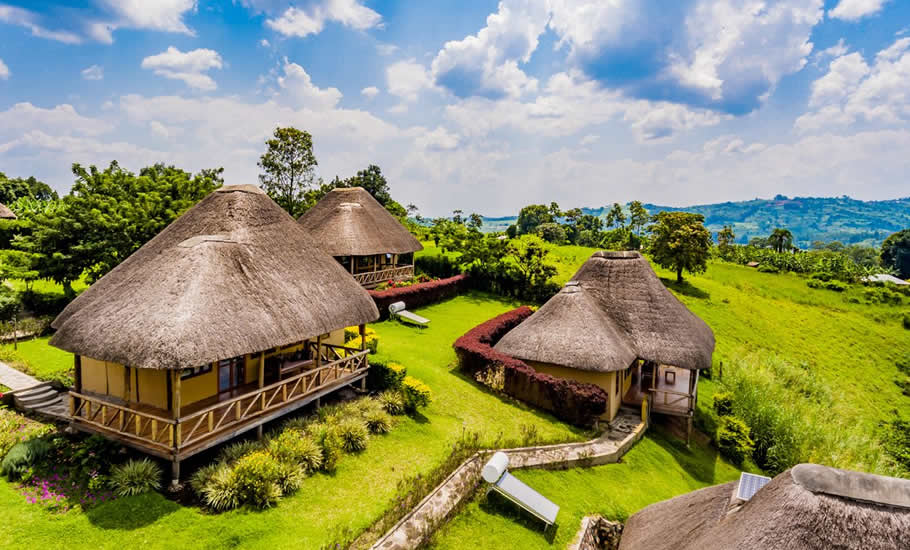
These are illustrative accommodations, not confirmed crew bookings. We select properties based on exact filming locations rather than assuming any lodge works for every park sector.
What Determines the Cost of a Primate Filming Safari?
Commercial filming budgets are highly customized. The total can include park access and activity permits, commercial filming authorization, ranger and location requirements, crew transport, accommodation, meals, porter support, producer/fixer arrangements, equipment logistics and, where applicable, specialist permissions. Numbers that appear on ordinary trekking pages should not be used as an all-inclusive production quote.
To request a meaningful cost breakdown, share the target primates, project type (documentary, broadcast, advertising, editorial or personal), requested dates, number of crew, gear list, shooting days and any proposed drone or interview work. Our team can then prepare an appropriate itinerary and identify the approvals that must be confirmed.
Frequently Asked Questions
Can we film mountain gorillas commercially in Uganda?
Can our team spend more than one hour with gorillas?
Where should we film chimpanzees?
Are drones permitted for primate filming?
Does Safari Vacations arrange filming permits?
How many days do we need?
Can tourists record personal videos?
Can we use drones to film primates in Uganda?
Drone operations require separate regulatory and protected-area approvals, and permission must be confirmed before equipment is deployed. Do not assume that a commercial filming permit alone permits aerial flights inside national parks.
Should a filming team plan extra days in the forest?
Usually yes. Forest weather, animal movement, travel logistics and approval conditions can reduce productive shooting time. A flexible schedule improves the likelihood of obtaining varied natural-history sequences without rushing the wildlife encounter.
Can you arrange a safari for a small international film crew?
Safari Vacations & Travel Services can tailor ground arrangements for small and larger teams, including transport, suitable stays and local coordination. Share the crew size, equipment requirements and production dates for an itemized proposal.
Tell Uganda’s Primate Story With a Well-Planned Filming Safari
Send Safari Vacations & Travel Services your project brief, crew size, target species and preferred dates. We’ll help plan realistic ground logistics and identify the filming permissions to confirm before you travel.





