
Rushaga Gorilla Sector in Bwindi: 7 Ultimate Amazing Tips

Rushaga Gorilla Sector in Bwindi: Complete Safari Guide
Southern Bwindi • Mountain gorillas • Guided rainforest trails • Standard trekking and specialist habituation
Why Rushaga Gorilla Sector in Bwindi Is Worth Exploring
The Rushaga Gorilla Sector in Bwindi sits among steep forested hills in southwestern Uganda, where guided mountain gorilla tracking begins with an early briefing and ends with a rare hour observing a wild, habituated family. It is one of Bwindi Impenetrable National Park’s four main trekking areas and a useful base for guests arriving through Kisoro or crossing from Rwanda. The experience is not a quick wildlife stop: weather, forest paths and a family’s movements can turn the walk into a demanding mountain adventure. A successful visit means reserving the right permit, staying close to the assigned starting point and preparing for a trek of uncertain duration. The forest, rangers and local communities are as central to this experience as the gorilla encounter itself.
Rushaga appeals especially to travelers seeking a southern Bwindi route, people arriving from Rwanda, and guests interested in a longer primate encounter. The wider Bwindi Impenetrable Forest deserves respect as a protected habitat rather than a scenic backdrop. Your trip can support guides, porters and local accommodation, yet responsible behavior matters as much as spending. Choose a permitted activity, travel with qualified rangers, listen closely to the briefing and allow flexibility around weather. This guide explains the practical differences between standard trekking and habituation, how permits work, how to reach the correct gate and what to expect on the ground.

Where Is Rushaga Gorilla Sector in Bwindi?
The Rushaga Gorilla Sector in Bwindi occupies the southern section of the park near the Kisoro highlands and the broader Rubuguri area. The four operational Bwindi sectors—Buhoma, Ruhija, Rushaga and Nkuringo—use different starting points. A permit assigned to Rushaga is not interchangeable with an arrival at Buhoma just because both lie inside Bwindi. This distinction matters when choosing accommodation, organizing a driver and planning the departure time on trekking morning. Roads through the hills may be rough or slow after rain, so use route estimates as planning guides rather than promises.
Rushaga is known for offering access to several habituated gorilla families, and its southern location works well for journeys through Kisoro or Kabale. It is also associated with the special habituation activity that allows a longer observation period under controlled conditions. These advantages do not make the walking easy: steep gradients, slippery vegetation and unpredictable gorilla movements are part of the day. Nor does a large number of families guarantee a permit on any requested date. A confirmed permit for the correct sector and a lodge with a dependable transfer route are the two foundations of a realistic plan.
Rushaga Gorilla Sector in Bwindi: The Trekking Experience
The experience starts before the first gorilla appears. Guests gather for registration and a ranger briefing, learn the health and distance rules, and are assigned a guide and a tracking group. From there, vehicles may move to a trail access point before the hike begins. On some days the forest walk is relatively short; on others it involves long climbs, descents and sections where trackers carefully open a narrow path through vegetation. The Mountain Gorilla Tracking Experience is guided and regulated, but it remains an outdoor adventure rather than a predictable hour-long stroll.
Once the rangers locate a family, visitors normally receive up to one hour of viewing time on a standard permit. Watch for small behaviors: an adult selecting leaves, youngsters tumbling together, a silverback changing position or a mother resting while an infant stays close. Remain quiet and obey the ranger’s instructions even when a gorilla moves toward the group. The most rewarding photographs often come from patiently observing ordinary family interactions, not from trying to force a close encounter. Rangers decide where guests stand to protect both gorillas and people.
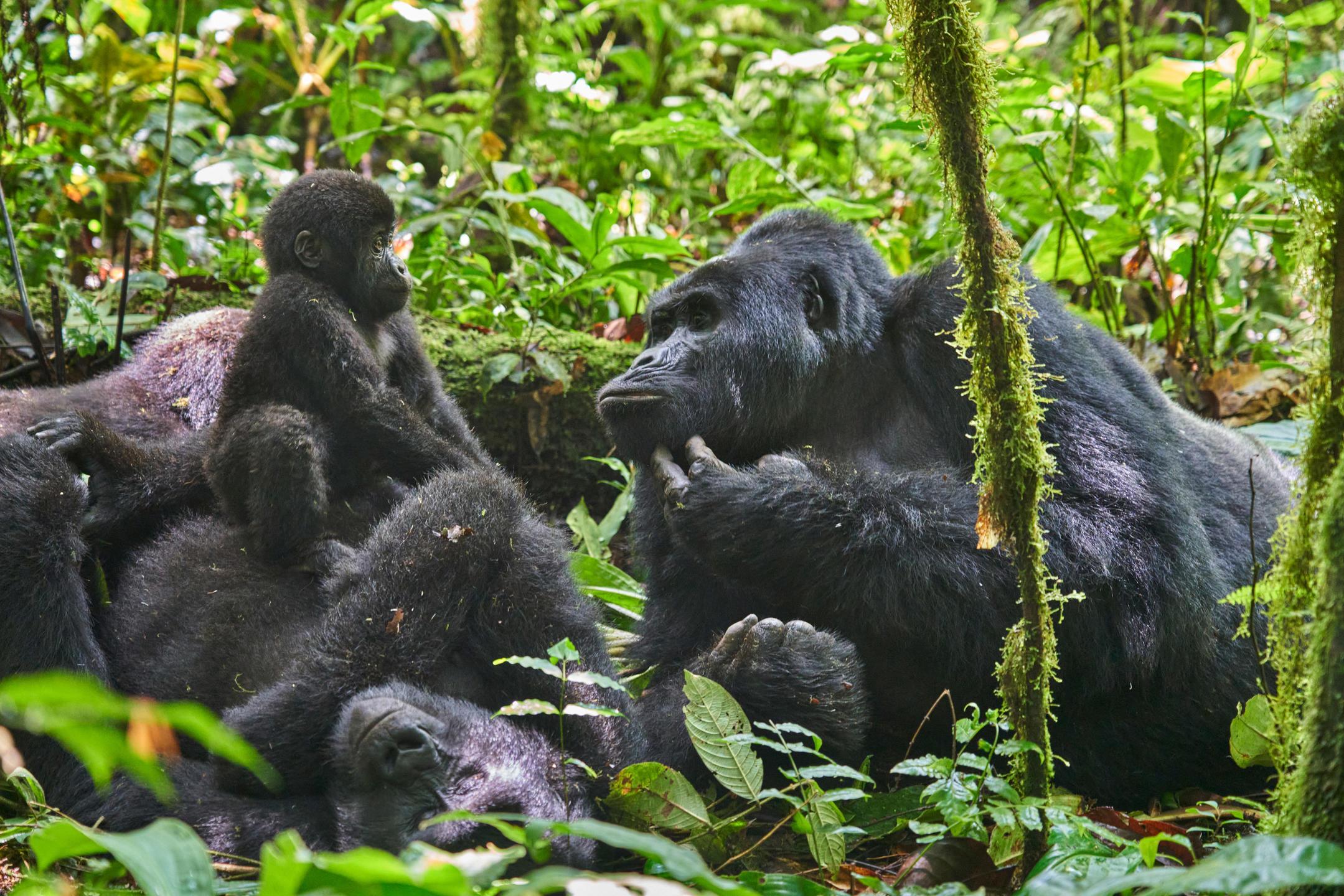
Rushaga gorilla families: Names, Movement and Allocation
Several established gorilla groups have historically been associated with Rushaga, including Nshongi, Mishaya, Kahungye, Busingye and Bweza. Family names and visiting arrangements can change as groups split, individuals move, and management decisions evolve. It is better to understand the sector’s broad appeal than to buy a trip based on the promise of one named silverback or a specific family photograph. The southern Bwindi trekking sector is a useful starting point for understanding this part of the park, but current allocations belong to the wildlife authorities.
Visitors are assigned groups under ranger management, taking account of operating conditions and, where possible, individual needs. Tell your operator in advance if you are worried about steep ground, limited stamina or recent injury. Do not assume a family described as “easy” online will remain close to the briefing point on your date. Trackers follow moving animals, so route difficulty can change overnight. If you are especially interested in the Rushaga gorilla families, treat that interest as a question to discuss, never a guaranteed allocation.
How Rangers Assign Gorilla Families
You may express a preference, but a permit ordinarily confirms participation in a sector rather than an entitlement to a particular family. Guides coordinate visits to reduce disturbance and keep group sizes within conservation limits. Changes in terrain, gorilla location and visitor fitness may also influence the assignment. The Easiest gorilla family to trek is therefore a less reliable booking concept than selecting the right season, preparing physically and letting the ranger team make the safest operational decision on the day.
Rushaga gorilla trekking Versus Extended Habituation
The biggest planning question in Rushaga is whether to book ordinary trekking or the extended habituation activity. Standard gorilla trekking provides a guided search and normally a maximum of one hour watching a habituated family once located. The Gorilla Habituation Experience is different: it involves visiting a family still becoming accustomed to human presence, with a maximum viewing period of four hours under the approved program. That extended time is the potential attraction, although the overall field day may be physically demanding and behavior is never staged for visitors.
Both activities require separate, limited permits. Do not book a standard tracking permit expecting to upgrade at the gate, and do not assume the same daily briefing time. Uganda Wildlife Authority guidelines specify a morning start for standard tracking and an earlier start for habituation. In both cases, the allocated time with gorillas is an upper limit, subject to conservation and safety instructions. Travelers debating Gorilla Trekking vs Gorilla Habituation should decide according to budget, walking tolerance, photographic interest and how much time they want to spend observing a family.

Who Should Consider gorilla habituation in Rushaga?
Habituation can suit keen wildlife photographers, serious primate enthusiasts and travelers who want more time to study family behavior. It may also appeal to people taking a single major gorilla-focused trip. However, more hours in the forest do not necessarily mean easier walking or more dramatic events. The group may be moving, feeding quietly or partly obscured by leaves. Guests need patience, flexibility and the ability to follow instructions around animals that are still adjusting to controlled human observation. The Gorilla habituation experience Uganda requires an especially thoughtful attitude toward responsible wildlife viewing.
Standard trekking remains an extraordinary choice for first-time visitors and those combining Bwindi with several other safari parks. The one-hour limit is enough to appreciate the gorillas when everyone stays present and respects the guide’s pace. A shorter viewing window may also work better for travelers who prefer not to spend most of a day on steep forest trails. Whatever you select, do not arrange two strenuous activities back-to-back without considering recovery time. A relaxed afternoon and comfortable lodge often contribute more to overall enjoyment than an overfilled excursion schedule.
Rushaga Permits and Booking: What to Confirm
For late 2026 planning, the commonly published standard foreign non-resident gorilla tracking rate is US$800 per person. Published operator summaries of revised tariffs indicate that the standard foreign non-resident rate remains US$800 in 2027, while the habituation rate is set to increase from US$1,500 to US$1,800 from January 2027. Rates vary by residency and nationality category, and periodic promotions or amendments can apply. Confirm the exact date-specific tariff directly with Uganda Wildlife Authority or a licensed operator before paying. The Gorilla Trekking Permit in Uganda is a controlled conservation permit, not simply a lodge add-on.
A safari quotation must separate the permit from accommodation, vehicle, guiding, meals and possible cross-border costs. Ask for written confirmation of the sector—Rushaga—the activity type, the travel date, the guest names recorded and the cancellation conditions. An operator may help with Online Gorilla Permit Booking and transport, but the permit allocation still has to be properly secured. Because spaces are limited, choose realistic travel dates before finalizing flights or nonrefundable lodging, especially for popular holiday periods. Availability should never be inferred from a website paragraph or advertised package price.
What Is Included in a Rushaga Permit?
The permit covers the authorized wildlife activity, with UWA rangers and conservation oversight under current park conditions. Exactly what additional park fees are incorporated can depend on the published tariff and activity, so request an itemized explanation rather than relying on old web pages. Tips for porters, personal equipment, transport, accommodation and some community experiences generally need separate budgeting. The Cost of a Gorilla Permit in Uganda and Rwanda also shows why travelers comparing two countries should compare a full trip rather than permit prices alone.
Be cautious about discounted permits promoted without an official basis. Some special-season rates have appeared in public operator material, but they are date-specific and may not be available to your traveler category. A deposit request is not proof that a permit has been issued. Request a booking reference or appropriate confirmation and make sure the purchased experience matches the itinerary. In high season, booking earlier gives you more choice of dates and lodges, although no operator can promise a specific gorilla encounter in advance. Secure the essentials before adding optional excursions.
How to reach Rushaga From Kigali, Entebbe and Kisoro
Kigali is a useful gateway for travelers flying into Rwanda and heading directly to southern Bwindi. The overland route crosses an international border and continues on winding highland roads toward Rushaga. Travel time depends heavily on traffic, the exact crossing, immigration processing, rain and roadworks. Allow a generous transfer window rather than treating online estimates as a guarantee. Passports, visa permissions and any required entry documents must be checked for the specific nationalities in your party. The Gorilla Trekking from Kigali approach is popular because it can reduce road time compared with starting in central Uganda.
From Entebbe or Kampala, the southwest journey is much longer and is usually best treated as a substantial travel day, not the beginning of a guaranteed same-day trek. Many guests travel through Mbarara and Kabale or Kisoro, while others choose a domestic flight to Kisoro followed by a road transfer. UWA advises four-wheel-drive access for the region’s winding unpaved approaches. A Fly-in safari to Bwindi can save time, but flight schedules, baggage restrictions and transfer arrangements must be checked together. Remember that fog and rain can affect mountain-region travel.
Kisoro town can serve as a practical supply and transfer point, yet it is not the trekking gate itself. Travelers should ask their driver to confirm the precise lodge and meeting location well before arrival. Keep spare time for rough roads and avoid scheduling a long evening transfer immediately before an early briefing. If you want to combine the route with Mgahinga Gorilla National Park, place that activity on a separate day: two parks may look close on a map but deserve careful road planning. The same principle applies when you add scenic lakes to the itinerary.

Best Areas to Stay Near Rushaga
The best accommodation is not always the most expensive; it is the property that fits your permit sector and trekking plans. Rushaga-area lodges and guesthouses range from relatively simple rooms to comfortable wilderness-style stays with terraces, warm meals and views over green valleys. Prioritize clear transfer times, reliable early breakfast arrangements, packed lunch preparation and staff accustomed to gorilla trekking schedules. Some properties marketed as Bwindi lodges are in distant sectors. The Luxury Gorilla Lodges in Bwindi can inspire choices, but confirm actual road distance from the Rushaga briefing point before booking.
Ask practical questions before making a reservation: Is the access track passable after heavy rain? Can the lodge organize a packed lunch and drinking water? Are there steps between rooms and dining areas? Can staff help with muddy boots and wet clothing? A scenic property far from the sector might still work for flexible travelers, but a predawn transfer adds unnecessary stress. Guests choosing budget gorilla trekking Safaris should particularly compare included transport and meal arrangements so a low nightly rate does not produce unexpected costs on trekking day.
Should You Sleep in Rushaga, Kisoro or at Lake Mutanda?
For a single-night trekking stop, staying near Rushaga is often the simplest choice. Kisoro offers wider town services but requires a planned early drive. Lake Mutanda is appealing for travelers who want a scenic recovery stay after trekking or a slower vacation that includes canoeing and volcanic views. The Lake Mutanda Kisoro Uganda landscape is a wonderful complement to Bwindi, yet lakeside lodges differ in road access. Ask how long it will actually take to reach the briefing point during the season you are traveling.
Another appealing extension is Explore Lake Bunyonyi After Gorilla Trekking in Rushaga Sector, particularly if you want a quiet day after forest hiking. Lake Bunyonyi’s terraced hills and island views offer a different pace from the park, but it is not a reason to rush the gorilla day. Keep check-out times flexible and avoid planning a demanding onward drive immediately after a lengthy trek. You may return from the forest later than expected, tired, damp and ready for a proper meal rather than another packed activity.
What Happens on Trekking Day: A Realistic Step-by-Step Guide
Before the Walk: Early Breakfast, Briefing and Porter Arrangements
The morning begins with a substantial breakfast, water bottles filled and a packed lunch ready to carry. Wear long sleeves, long trousers and broken-in hiking boots; choose layers because the air can feel cool before a steep climb warms you up. Arrive at the assigned meeting point on time with identification and any documents requested by your operator. Rangers explain safety rules and coordinate groups. Reviewing the Gorilla Tracking Information beforehand helps you arrive confident, but the ranger’s instructions on site always take priority over a printed checklist.
Consider hiring a local porter even if you think your bag is light. A porter can help carry water and camera equipment and offer a steadying hand over wet slopes, while earning income through conservation-linked tourism. Ask about the locally agreed fee and tipping practice before starting. The advice in Gorilla Trekking Fitness is useful preparation, yet walking carefully and using support are not signs of weakness. They are sensible ways to conserve energy for the important moments once the family is found.
During the Hike: Forest Terrain, Tracking and Gorilla Viewing
Expect uneven roots, steep paths, damp soil and occasional bushy sections. Rangers communicate with advance trackers and adjust the route according to where gorillas were last seen. Hike at a sustainable pace and speak up early if you need a short rest. Do not wander away from the group or remove plants to improve a camera angle. The practical Gorilla Trekking Difficulty varies enormously from day to day; even fit walkers benefit from poles, patience and good footwear. Weather can make a short distance feel much longer than it looks on a map.
When gorillas are located, your guide will explain how to position yourself and when the viewing period starts. Keep the required separation distance, avoid flash photography, and never touch a gorilla even if an animal approaches. Stay composed if a youngster is curious or a silverback vocalizes; guides understand the family’s behavior and manage the encounter. A thoughtful Ethical Gorilla Trekking mindset means accepting that the animals set the rhythm. The aim is to observe wild gorillas respectfully, not to create an artificial close-up or provoke movement for photographs.

After the Trek: Recovery, Meals and a Gentle Afternoon
The return can be tiring because descending wet slopes often demands as much concentration as climbing. Take your time, drink water and let guides know if you are struggling. Once the hike ends, return to your lodge for lunch, a shower and a chance to process what you have seen. If conditions and energy allow, an easy community activity might fit later, but reserve the right to rest. The emotional impact of a gorilla encounter often becomes clearer when you have time to review photographs, record impressions and enjoy a quiet evening.
Guests who complete a particularly demanding trek should be cautious about booking a major road transfer immediately afterward. Delays are normal, and long journeys can feel harder after hours in the forest. This is one reason the 3-Day Gorilla Trekking Safari Uganda format generally works better than an aggressively compressed visit. If you have just one gorilla day, give it enough breathing space to be the highlight rather than one rushed item in a crowded list of attractions.
Gorilla Trekking Rules, Health Precautions and Responsible Travel
Mountain gorillas can catch some human illnesses, so visitors must follow health screening and behavior rules. Do not travel to the trek while knowingly ill; tell your operator if you develop symptoms and ask about the current UWA policy. Rangers may instruct guests to use face coverings or follow additional procedures according to prevailing guidance. Children below the usual minimum trekking age of fifteen are generally ineligible for standard gorilla trekking; families should confirm the current rule before paying. Gorilla Trekking Age Limit is an essential planning issue when traveling with teenagers.
Never litter, feed animals or use a drone without explicit authorization. Maintain the ranger-specified distance, keep voices low and avoid blocking a gorilla’s path. Visitors should also respect people living beside the forest by seeking consent before photographs and paying fairly for services. The Is gorilla trekking in Uganda safe? question has several dimensions: park guiding, physical fitness, road travel, medical preparedness and normal travel-security awareness. Follow current official advisories, use reliable transport and remain flexible if local conditions require an itinerary change.
Best Time to Visit Rushaga Gorilla Sector in Bwindi
Rushaga can be visited throughout the year, but relatively drier periods often make access and hiking more comfortable. June through August and December through February are commonly favored for gorilla trips, although rain can fall in Bwindi in any month. Wetter periods typically bring muddier paths, mistier mornings and lush forest colors. Travelers researching the Best Time To Trek Mountain Gorillas should balance trail conditions against crowd levels, lodge rates and permit availability. There is no weather forecast capable of promising an easy hike or a perfectly clear photograph.
Rain does not mean the experience stops. Forest guides work in changing conditions, while wildlife continues feeding and traveling naturally. However, heavy showers can slow transfers and affect the comfort of long walks, so pack waterproof layers and protect essential electronics. Look at weather conditions in Bwindi forest national park as a packing and logistics issue rather than an absolute reason to avoid a particular month. Travelers with limited flexibility should leave buffer time around flights and cross-border transport, especially when traveling during heavier rainfall.

What to Pack for a Rushaga Gorilla Trek
Wear sturdy, already-tested boots with good tread, thick socks, long trousers, a breathable long-sleeved shirt and a lightweight waterproof jacket. Gardening-style gloves can help protect your hands if you need to steady yourself against vegetation. A small daypack should hold water, a packed lunch, simple personal medication and rain protection for your camera or phone. Tuck trousers into socks when appropriate and avoid clothing that restricts movement on steep ground. The practical What to Wear On a Gorilla Trek guidance becomes especially valuable in Rushaga’s damp vegetation.
Carry only the equipment you can manage comfortably or arrange a porter. A modest zoom lens is often more useful than repeatedly changing bulky lenses in wet conditions. Do not rely on flash, and keep batteries and memory cards dry. Bring binoculars if you enjoy birds and forest details during pauses. A complete Best Gorilla Trekking Packing List should be adapted to your health, season and accommodation rather than copied word for word. Add a reusable water bottle, sun protection for exposed sections and a dry change of clothes waiting at the lodge.
Fitness, Accessibility and Trekking With Older Travelers
You do not need to be a professional athlete, but you should be able to walk on uneven ground, handle moderate climbs and remain standing for the viewing period. Prepare with regular walks, stairs and some hill practice before departure. The Gorilla Trekking Fitness Guide can help you build confidence, but medical conditions deserve individual advice from your clinician. Tell your operator about mobility concerns early so they can discuss realistic assistance options and whether the experience fits your abilities.
Porters can offer meaningful support, and some areas have specialized carrying arrangements that must be organized well in advance and priced separately. These arrangements are not a guarantee that every terrain or weather condition will be manageable. Guests considering Gorilla Tracking for elderly should prioritize professional assessment, appropriate footwear, a slower itinerary and flexible expectations. It is better to ask candid questions before purchasing a nonrefundable permit than to arrive hoping the forest will be easy on the day.
A Thoughtful Three-Day Rushaga Safari Itinerary
Day 1: Arrive in Southern Bwindi and Settle Into Your Lodge
Travel toward Rushaga from the agreed starting point, allowing time for stops, border processing if coming from Rwanda and rougher stretches near the park. Check into a lodge with verified access to your briefing location. Use the afternoon to rest, organize trekking clothes and confirm breakfast and departure times with the driver. An optional short village walk can be rewarding if you arrive early, but it should not interfere with sleep. Your guide can review the Gorilla Trekking Tips for First-Time Visitors most relevant to the next morning.
Day 2: Guided Trekking in Rushaga
Rise early, eat breakfast and depart with your permit documents, water and packed lunch. Attend the mandatory briefing, hire a porter if wanted and begin the ranger-led trek. When gorillas are located, enjoy the permitted observation time while following health and distance rules. The return hour is unpredictable, so leave the afternoon open for rest. Your guide may suggest a brief cultural activity if you are back early and feeling energetic, but this is optional. The day should revolve around the gorilla experience rather than a fixed schedule of additional stops.
Day 3: Return or Add a Southern Uganda Extension
After breakfast, drive toward Kigali, Entebbe or your next safari destination, matching departure time to your route and flight schedule. Consider a scenic continuation through Kisoro or Lake Bunyonyi if you have extra nights. Travelers with broader interests sometimes combine Bwindi with Queen Elizabeth National Park for savanna wildlife, but the transfer deserves its own realistic planning. Three days are enough for a focused gorilla escape when travel is well arranged; more days allow a richer experience of local culture and Uganda’s changing landscapes.
What Else Can You Do Around Rushaga?
Outside the main trekking day, southern Bwindi offers opportunities to learn about community life and explore the landscape with authorized local guides. Cultural visits should be arranged through reputable community initiatives, with transparent fees and respect for participants. A visit can introduce traditional skills, local farming or the challenges of living alongside a protected forest, provided experiences are community-led rather than staged without consent. The broader What to Do in Rushaga Sector After Gorilla Trekking choices depend on time, season and where your lodge is located.
Travelers staying longer can enjoy Lake Mutanda views, a boat outing with an experienced guide or a separate visit to Mgahinga for golden monkeys when permits and access allow. Birdwatchers may discover plenty of interest around forest edges and local gardens, even without a second major trek. If choosing between Bwindi sectors, the Best region to trek gorillas in Bwindi is the one that suits your route and permit date, not a universal winner. Avoid trying to squeeze several distant locations into the same afternoon.
Common Mistakes to Avoid When Booking Rushaga
The first mistake is booking a Bwindi lodge without checking the sector. The second is assuming a permit is available because an itinerary is advertised online. The third is treating road-time estimates as fixed, particularly around international borders and unpaved mountain roads. A fourth is confusing standard trekking with habituation; these experiences carry different conditions, capacities and fees. The How to Book a Uganda Mountain Gorilla Safari process should start with confirming dates, sector and permit type before committing to a full holiday.
Frequently Asked Questions About Rushaga
Is Rushaga Better Than Buhoma, Ruhija or Nkuringo?
Rushaga is a strong choice for southern access, multiple habituated families and the option of a separate extended habituation permit. Buhoma, Ruhija and Nkuringo offer their own landscapes and logistical advantages. The best sector depends on your dates, road route, permit availability and desired level of comfort. Review Best Bwindi Sectors for Gorilla Trekking with a real map and avoid assuming neighboring sectors are only a few minutes apart by vehicle. Every sector is part of the same protected mountain-gorilla habitat.
How Long Does Gorilla Trekking Take in Rushaga?
Allow most of the morning and potentially much longer for the overall activity. Uganda Wildlife Authority indicates that gorilla tracking outings can last roughly two to seven hours, depending on animal location and forest conditions, while standard observation time is limited to one hour after the group is found. Some visitors return early and others are out later. How Long Does Gorilla Trekking Take? is best answered as a flexible range rather than a precise appointment. Plan no essential onward activity immediately afterward.
Is Gorilla Trekking in Rushaga Suitable for a First Safari?
Yes, provided visitors understand the walking demands and arrive with realistic expectations. Many first-time travelers choose Rushaga because it fits a Kigali arrival or southern Uganda itinerary. A good guide, properly selected lodging and early permit arrangements make the experience manageable. Wildlife can be close, but the trek still involves real hills and rainforests. The Gorilla Trekking for Solo Travellers: A Complete Uganda and Rwanda Guide also shows how independent guests can join a regulated ranger group without needing to organize a private trekking party.
Can You Take Photographs of Mountain Gorillas?
Photography is generally allowed when you follow ranger instructions, remain at the required distance and do not use flash. Choose equipment that you can comfortably carry, keep it protected from rain and avoid sudden movements to obtain an angle. Respect other visitors by allowing everyone a view. The Gorilla Trekking Photography Tips are most useful when they encourage patience and observation rather than aggressive positioning. Sometimes putting the camera down for a minute creates the clearest memory of the entire journey.
When Should You Book a Rushaga Gorilla Permit?
Book as early as practical once dates are firm, especially for popular travel months or small habituation allocations. Confirm the selected activity, approved sector and actual availability before paying for nonrefundable travel components. Changes to permit rates and administration may occur, so treat printed prices as planning information until formally confirmed. Ask for transparent cancellation terms, and keep copies of payment and booking documents. A well-planned trip removes avoidable uncertainty while leaving room for the natural unpredictability that makes gorilla trekking special.
Plan Your Visit to Rushaga Gorilla Sector in Bwindi
Gorilla Trekking in Rushaga Sector is most rewarding when the planning feels as thoughtful as the encounter itself. Choose between the one-hour standard visit and the longer habituation option, secure the correct permit, stay close enough to reach your briefing comfortably and prepare for steep, changeable forest conditions. Give yourself time to enjoy the landscape before and after the trek. The gorillas are wild, the terrain is real and conditions will differ from any itinerary photograph; that is precisely why patience, good guiding and responsible travel matter.
Whether you are arriving from Kigali, traveling across Uganda or building a longer primate safari, start with your dates, group size and preferred level of comfort. Ask for written confirmation of the sector, permit category and transport arrangements, then let the forest provide the day’s extraordinary moments. A responsible Rushaga visit does more than deliver a remarkable wildlife encounter: it helps support the ongoing work of protecting Bwindi’s mountain gorillas and the people who live beside their habitat.





