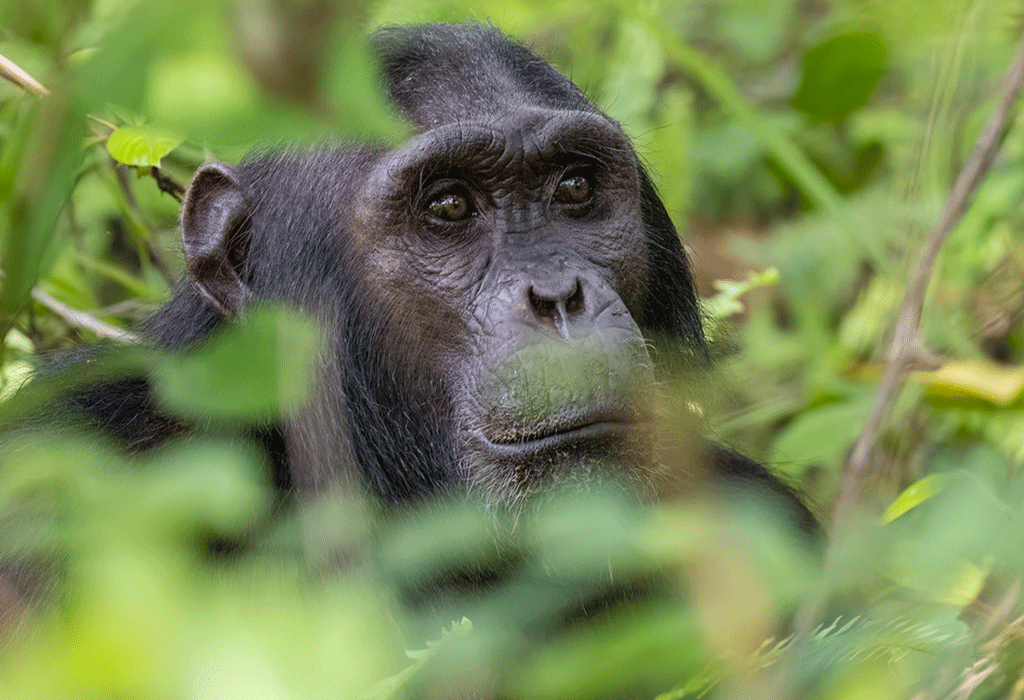
Kanyanchu Sector in Kibale National Park

Kanyanchu Sector is the best-known visitor area of Kibale National Park and one of Uganda’s most important starting points for guided chimpanzee trekking. At the Kanyanchu Visitor Centre, travelers meet Uganda Wildlife Authority (UWA) rangers, receive their forest briefing and begin a journey through a vibrant tropical rainforest where chimpanzees, other primates and hundreds of bird species live in the wild.
For travelers designing a Uganda primate safari, Kanyanchu is much more than a meeting point. It helps determine where you stay, what time you leave your lodge, how to arrange your chimpanzee permit and which nearby experiences can fit into your schedule. Safari Vacations and Travel Services Ltd can coordinate all these arrangements as part of a privately tailored trip.
Kanyanchu at a Glance
Main experience
Guided chimpanzee tracking
Meeting point
Kanyanchu Visitor Centre
Typical trek
Around 2–5 hours; variable
Chimpanzee viewing
Up to 1 hour on standard tracking
Times and rules are subject to UWA operational instructions and the specific permit booked.
Understand the location
Kanyanchu Sector vs Kibale National Park: What Is the Difference?
Kibale National Park is the wider protected rainforest landscape in western Uganda. Kanyanchu is an established visitor and chimpanzee-tracking entry point within that park, not a separate national park. The visitor centre is where many booked travelers meet Uganda Wildlife Authority (UWA) guides, complete registration and receive an orientation before setting out into the forest.
This distinction matters when booking. A hotel that describes itself as “near Kibale” is not automatically next to the Kanyanchu briefing point. Ask for a transfer estimate to the Kanyanchu Visitor Centre, not merely to Kibale’s park boundary. Other officially designated chimpanzee-tracking entry points may operate within Kibale, so the meeting location printed on your confirmed permit takes priority.
For an overview of the wider destination, explore our Kibale National Park guide.
Why Visit Kanyanchu Sector?
Kibale is internationally recognized for its primate diversity, and Kanyanchu provides a practical introduction to this extraordinary ecosystem. The forest is not a zoo or a fenced wildlife display. Rangers follow wild chimpanzees as they move through trees and across the forest floor; what visitors see depends on the animals’ movements, food sources, weather and luck.

Chimpanzee Trekking at Kanyanchu: What to Expect
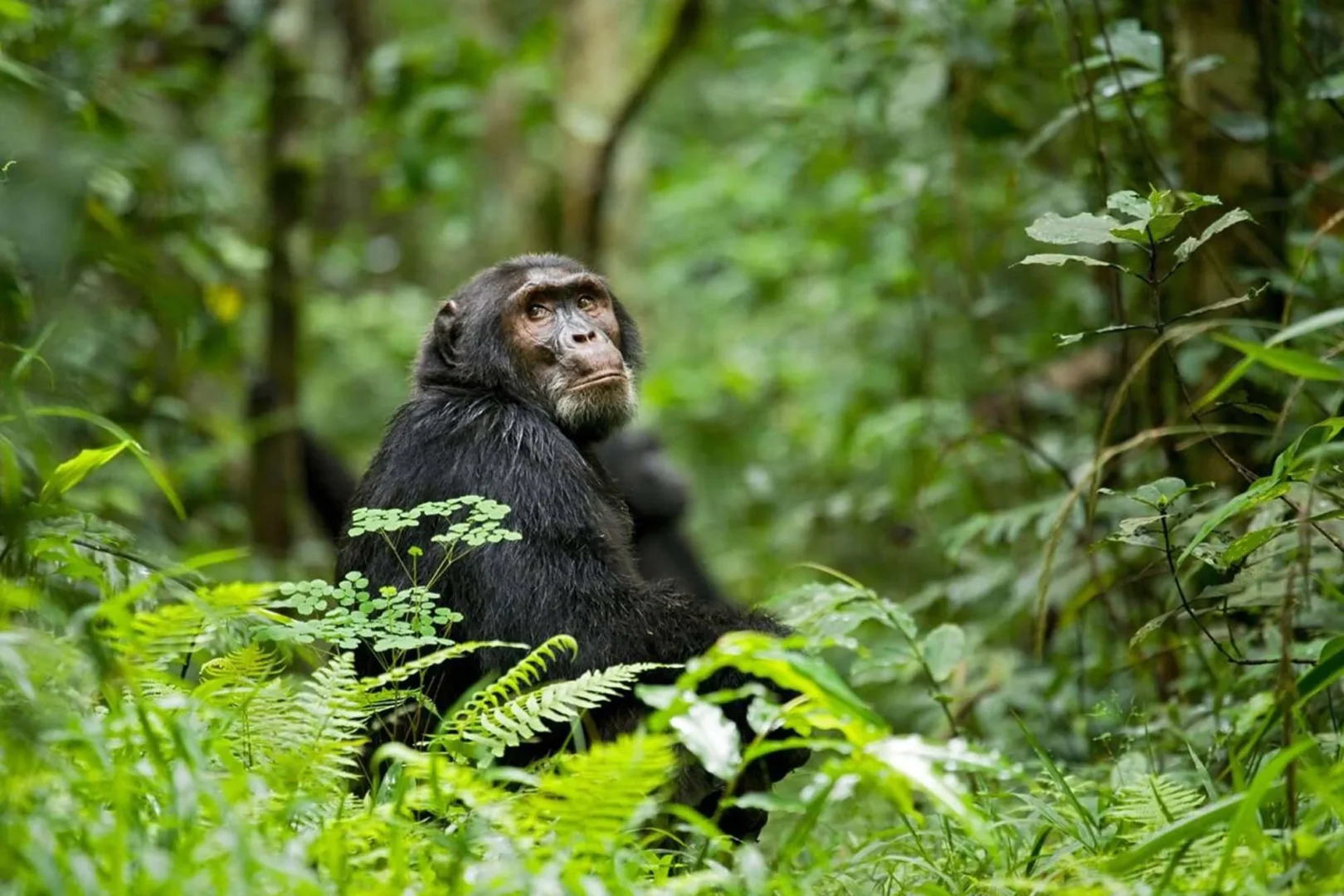
Chimpanzee trekking is the signature activity in Kanyanchu. Guests arrive at the visitor centre for registration, permit checks and a ranger briefing covering distance, forest etiquette, safety and how to behave if chimpanzees approach or call loudly. Afterward, small groups enter the forest accompanied by authorized guides.
Tracking involves listening for loud pant-hoots, watching for movements in the canopy and looking for signs of feeding or recent activity. A trek may include relatively easy forest sections as well as muddy, uneven or sloping trails. Chimpanzees frequently change direction, so the pace and distance cannot be guaranteed beforehand. A permit gives you the opportunity to track a wild community, not a guaranteed sighting.
When chimpanzees are located, visitors normally have a maximum of one hour in their presence on standard tracking. You may see an adult male calling from a branch, youngsters playing, a mother carrying an infant or individuals quietly grooming one another. Maintain the ranger’s instructed distance and never attempt to touch, feed or surround the animals.
Step-by-Step: Your Trekking Day
- Leave your lodge: Set off with enough time to reach Kanyanchu before the scheduled check-in.
- Register and attend briefing: Rangers explain tracking rules and group arrangements.
- Enter the rainforest: Follow a ranger along approved trails in search of chimpanzees.
- Spend time with the chimpanzees: If the group is found, enjoy the authorized viewing period without disturbing the animals.
- Return and continue your safari: Depending on the timing and your energy, enjoy lunch, rest or add a Bigodi community experience.

What Can You Actually See During a Kanyanchu Chimpanzee Trek?
Each encounter is different. A community may be feeding high in fruiting trees on one day and moving quickly along the forest floor on another. You might hear pant-hoots and branch shaking before you see an animal. When a group is resting, patient observation can reveal grooming, youngsters practicing climbing, quiet social exchanges and the order in which different chimpanzees approach one another.
These are wild animals, not staged encounters. Sightings are never guaranteed, behavior is unpredictable, and dense vegetation, rain, and chimpanzee movement affect how much can be photographed. UWA regulates the viewing period and how close visitors may approach; your ranger’s instructions take priority over photographic ambitions.

How challenging is the forest walk?
Expect uneven ground, tree roots, humid conditions and occasional slippery or muddy sections. The group may cover short or longer distances depending on the chimpanzees’ location. The regular tracking experience commonly takes around two to five hours overall, but the actual duration varies. Wear broken-in footwear with grip, pace yourself, and tell your operator about mobility considerations in advance. A leisurely Bigodi walk is not a substitute for a chimpanzee trek, but can be a gentler extra activity on a separate afternoon.
Chimpanzee Habituation Experience: How Is It Different?
The Chimpanzee Habituation Experience (CHEX) is intended for visitors who prefer a longer, more immersive experience. Unlike standard tracking, which focuses on a habituated chimpanzee community and an hour of viewing, the habituation program involves accompanying authorized personnel who are helping chimpanzees become accustomed to non-threatening human presence.
Habituation activities generally begin early, with UWA guidelines listing a 6:30 a.m. start. The authorized time with chimpanzees can extend to a maximum of four hours, though the total time in the field varies. This option may suit wildlife photographers and visitors deeply interested in primate behavior, but it is also more demanding and requires patience. Availability, location, age rules and the applicable permit must be confirmed in advance. Read our broader chimpanzee safari planning guide for more context.
Other Wildlife and Nature Experiences Around Kanyanchu
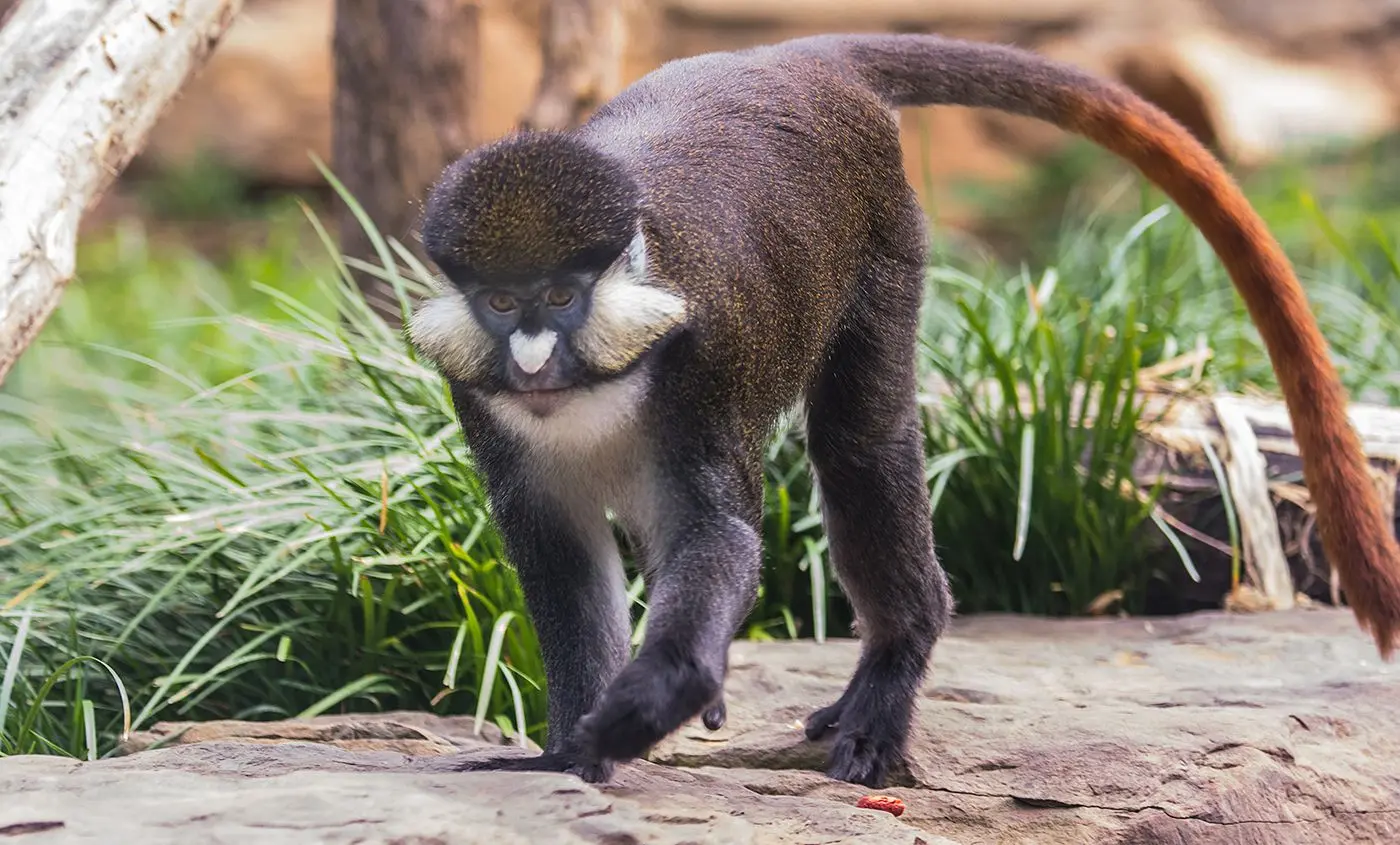
The Kanyanchu forest is part of a wider wildlife habitat, not a single-species attraction. Besides chimpanzees, visitors may encounter black-and-white colobus monkeys, red-tailed monkeys, blue monkeys, grey-cheeked mangabeys and other primates. Some are more likely to be seen high in the canopy; others travel in noisy troops along the forest edge. The chance of seeing any particular species is never assured.
Guided nature walks can deepen the visit by focusing on forest plants, insects, bird calls and signs of mammals. Specialist birding can be particularly rewarding for travelers who want time to stop, listen and work through a checklist rather than hurry directly to the chimpanzee community. Any night activity must be officially available and booked through approved providers; visitors should never enter the forest independently after dark.
Add Bigodi Wetland Sanctuary
One of the most natural additions to a Kanyanchu visit is Bigodi Swamp Walk, a community-based wetland experience near Kibale. Bigodi offers a different habitat from the main forest, with guided opportunities to observe birds, monkeys and wetland vegetation. It also supports locally organized tourism, making it meaningful for visitors who want to experience community conservation as well as wildlife.
Many travelers schedule Bigodi in the afternoon after a morning chimpanzee trek. This works well when the tracking session ends early enough, but arrangements should remain flexible because chimpanzees may take longer to locate. Birders may prefer a separate morning to allow more unhurried observation.

Responsible Chimpanzee Trekking: Protecting the Animals
Kibale’s chimpanzees are highly susceptible to some human respiratory infections. UWA’s briefing and health protocols protect both visitors and primates. Visitors should not trek while ill; inform the guide or operator if you have symptoms. Follow current instructions about masks, distance, hand hygiene and any other health precautions.
Remain with your ranger, avoid sudden movements and loud calls, and never attempt to touch, feed or chase chimpanzees. Do not leave litter, and never use flash photography where prohibited. Parents traveling with younger visitors should check permit age limits before designing a family itinerary; different activities may have different rules.
For practical travel planning, see our chimpanzee trekking safari guide and the official UWA tracking guidelines.
Where Is Kanyanchu and How Do You Get There?
Kanyanchu lies in the southern-central tourism area of Kibale National Park in western Uganda, on the road serving the forest and Bigodi area south of Fort Portal. For most safaris, you reach the region by road from Entebbe or Kampala via Fort Portal, or from Queen Elizabeth National Park through western Uganda’s safari circuit.
Drive times depend on your departure point, roadworks, weather, stopping time and lodge location. For planning, Entebbe or Kampala to the Kibale area commonly takes much of a day, while the transfer from Fort Portal is substantially shorter. Travelers arriving by domestic air can arrange onward ground transport from an appropriate regional airstrip where scheduled services are offered. We recommend building in a night near Kibale before an early chimpanzee trek rather than relying on a long same-day journey.
Visitors combining Kibale with other western Uganda destinations can often include crater lakes, Queen Elizabeth National Park and Bwindi in a logical multi-day route. The best sequence depends on the chimpanzee permit date, accommodation choices and your international flight schedule.
Where to Stay Near Kanyanchu Visitor Centre
Choosing the right lodge can make a noticeable difference to your trekking morning. Properties near Kanyanchu and Bigodi reduce the need for an especially early road transfer, while lodges around crater lakes or Fort Portal may offer different scenery and comfort levels but require more driving. Here are three options to compare; availability, amenities and rates must be checked for your travel dates.
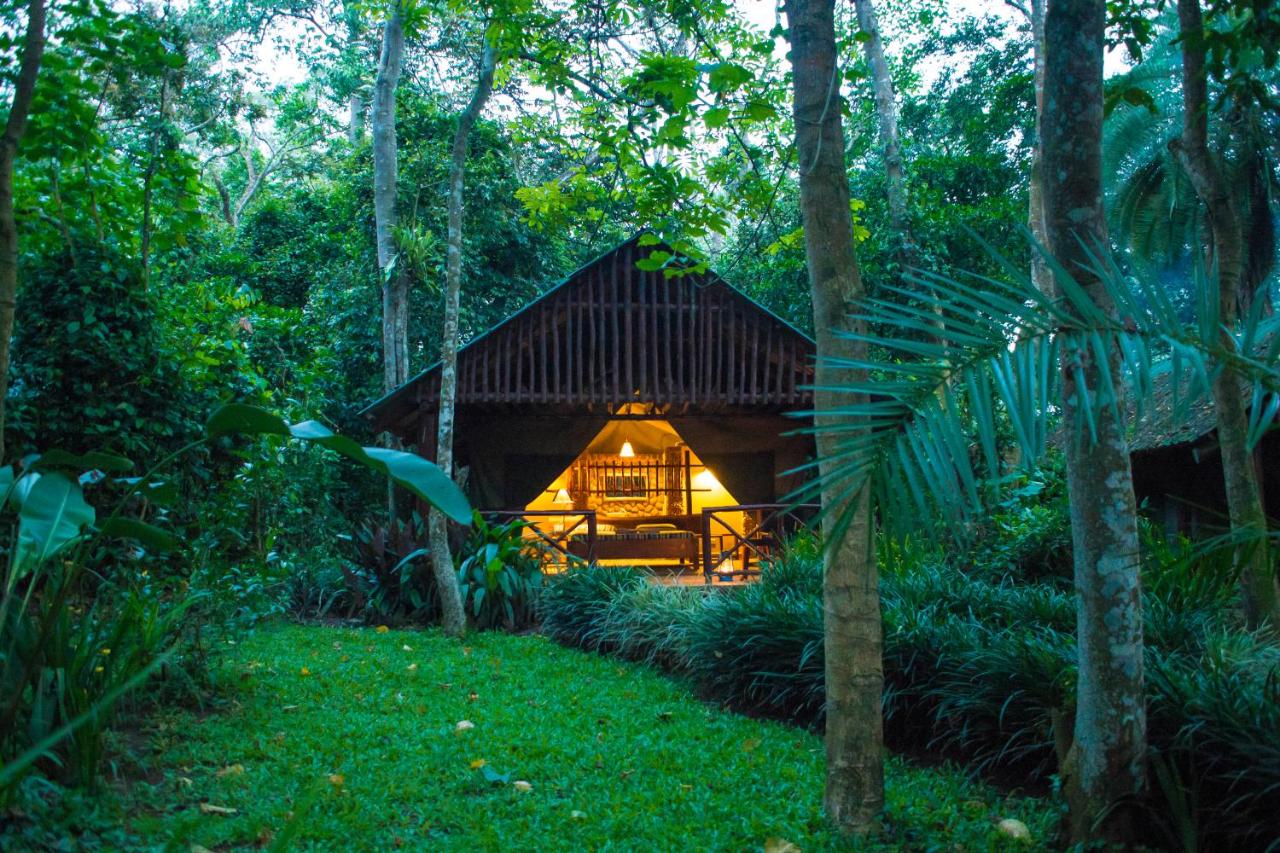
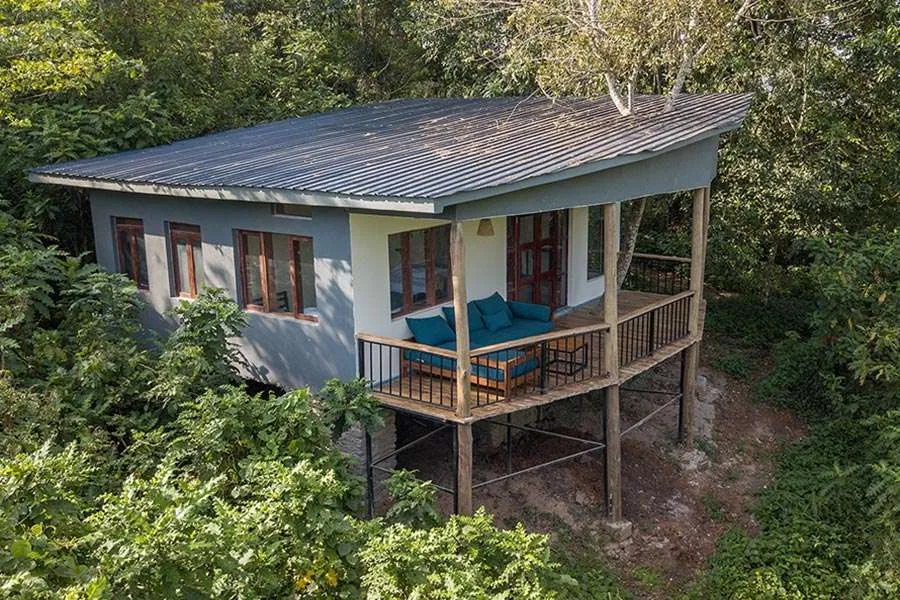
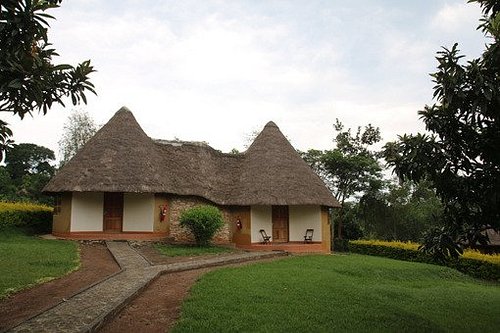
For a broader comparison of lodge locations, read our Kibale Accommodation Guide and Mid-Range Lodges in Kibale. The best property is one that matches your itinerary, budget and requested level of comfort—not necessarily the closest or most expensive lodge.
Choosing Where to Stay: Distance, Comfort and Budget
For early Kanyanchu departures, the best lodge is the one that fits your budget and allows a relaxed drive to the confirmed briefing venue. Accommodation in the Kibale and Bigodi area ranges from simple guesthouses and tented camps to more comfortable forest lodges. Some properties have lush woodland settings, while others overlook tea farms or villages beyond the protected forest.
Kibale Forest Camp can suit travelers seeking a nature-oriented tented stay. Turaco Treetops is worth comparing for its forest atmosphere and more spacious facilities. Kibale Guest Cottages offers another option to request when balancing location and costs. Rates, room categories, accessibility and exact travel times must be checked for the dates requested rather than assumed from a promotional photograph.
Our team can compare available rooms and customize the choice to your group size. Browse our Kibale accommodation guide or mid-range lodge options.
Kanyanchu Chimpanzee Permit Costs and Booking
Permit budgeting: UWA tariffs differ by residency and travel date. For a foreign non-resident, Kibale chimpanzee tracking is listed at USD 250 in the 2026 tariff, with a announced 2027 adjustment to USD 300; chimpanzee habituation is a separately priced experience. Verify the tariff and availability applicable to your travel date before payment. This is a permit price, not the full cost of a safari.
Because official rates, permit allocation and inclusions can change, Safari Vacations and Travel Services reconfirms the applicable UWA tariff and availability before issuing the final quotation. We can include the permit in your tailored safari price so the overall cost is clear before you book. A standard booking request should specify your proposed trekking date, nationality/residency category, number of participants and whether you prefer regular tracking or habituation.
When Is the Best Time to Visit Kanyanchu?
Kanyanchu welcomes visitors through the year. Uganda’s comparatively drier periods, broadly December to February and June to September, can make walking trails more manageable and fit nicely into longer wildlife safari circuits. However, a tropical rainforest can receive rain in any month. The wetter months generally bring greener vegetation, mud and occasional changes in trekking pace, not the closure of the forest experience.
The best time also depends on what matters to you. Wildlife photographers may appreciate misty, dramatic forest light, birders may prioritize seasonal activity and families may need travel dates to fit school holidays. Booking ahead remains sensible during busy months because the number of permits for each session is limited.
What to Pack and How to Prepare
- Sturdy walking shoes or boots with good grip on muddy paths.
- Lightweight long trousers and a long-sleeved shirt to reduce scratches and insect exposure.
- A waterproof jacket or poncho, even in the drier months.
- Drinking water, a small snack if permitted, and a lightweight daypack.
- Insect repellent, sunscreen and any personal medication.
- Camera with adequate battery and storage; follow UWA rules on flash photography.
- Passport or identification and your booking details as requested by your operator.
Chimpanzees are susceptible to human diseases. If you develop a respiratory illness or feel unwell, tell your safari operator before the trek; park officials may restrict participation to protect the animals. Do not plan to approach chimpanzees closely for selfies. Follow all ranger instructions, including any face-mask and viewing-distance requirements in force on the day.
Sample 2-Day Kanyanchu and Bigodi Safari
Day 1 — Arrive in Kibale and Explore Bigodi
Travel to the Kibale area, check into a lodge selected for your budget and enjoy lunch or a short rest. If timing permits, visit Bigodi Wetland Sanctuary for a guided nature walk, birdwatching and an introduction to the local community. Return to your lodge for dinner and overnight, ready for the next morning’s forest adventure.
Day 2 — Chimpanzee Trekking at Kanyanchu
After an early breakfast, transfer to Kanyanchu Visitor Centre for registration and briefing. Enter the rainforest with UWA guides to track wild chimpanzees, enjoying the authorized viewing period if they are found. Return for lunch and continue to your next destination, or stay an extra night to explore the surrounding crater-lake landscape at a slower pace.
The plan is illustrative rather than a fixed departure. We can extend it to three or more days, substitute habituation if available, or connect Kibale with Queen Elizabeth National Park and gorilla trekking in Bwindi.
How to Combine Kanyanchu With Other Uganda Safari Destinations
Kanyanchu works particularly well as a primate-focused stop within a longer western Uganda route. A common combination starts with chimpanzee tracking and Bigodi, continues to Queen Elizabeth National Park for savannah wildlife and a Kazinga Channel boat experience, then heads south toward Bwindi Impenetrable National Park for mountain gorilla trekking. Route lengths depend on park sector, road conditions and lodge locations.
With an extra day, a traveler can split the forest activities: one day dedicated to chimpanzee trekking, another for wetland birding and local community visits. If time is very limited, prioritize the chimpanzee permit rather than overfilling the itinerary with activities that are far apart. Share your arrival and departure points with Safari Vacations and Travel Services Ltd so we can suggest a realistic number of nights rather than rushed transfers.
Frequently Asked Questions About Kanyanchu
Is Kanyanchu inside Kibale National Park?
Yes. Kanyanchu is one of the designated tourism and chimpanzee-tracking entry areas within Kibale National Park, and its visitor centre is a principal meeting point for treks.
Is a chimpanzee sighting guaranteed?
No. Kibale’s habituated chimpanzees are often found, but they are wild and move freely. Weather, feeding patterns and forest conditions influence tracking success.
How long does a standard trek take?
UWA visitor information describes guided tracking walks of roughly two to five hours. The actual duration changes with the location of the chimpanzees and other conditions.
How long can I watch the chimpanzees?
Standard chimpanzee tracking provides up to one hour of observation after the animals are found. The habituation experience offers a longer authorized observation period, subject to its specific rules.
What is the minimum age for chimpanzee trekking?
UWA’s Kibale visitor guidance lists an age minimum of 16 years for its standard Kanyanchu primate walk. Confirm the age eligibility for your dates and specific activity before purchasing permits.
Can I combine Kanyanchu with Bigodi in one day?
Often, yes. A morning chimpanzee trek can be followed by a Bigodi wetland walk if the trek finishes in time. Keep the second activity flexible as the time spent tracking wildlife cannot be predicted precisely.
Where should I sleep before chimpanzee trekking?
A property near Kanyanchu or Bigodi is usually practical for an early start. Kibale Forest Camp, Turaco Treetops and Kibale Guest Cottages are options to compare, depending on location, availability and budget.
Can Safari Vacations arrange the permit and transport?
Yes. We arrange tailor-made transfers, accommodation and chimpanzee trekking plans and can include the permit in your confirmed itinerary, subject to availability and payment conditions.
Plan with local safari specialists
Ready to Discover Kanyanchu and Kibale’s Chimpanzees?
Tell us your travel dates, group size, preferred accommodation and whether you want standard chimpanzee trekking or the habituation experience. Safari Vacations and Travel Services Ltd will help arrange a tailored Uganda adventure.