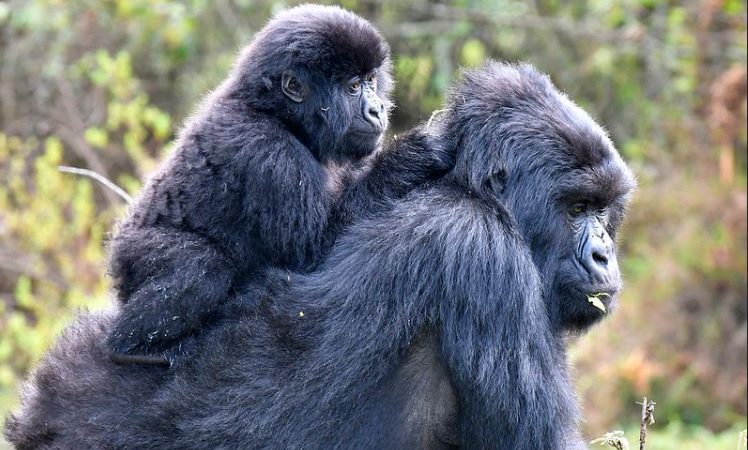
20 Things to Know About Gorilla Trekking
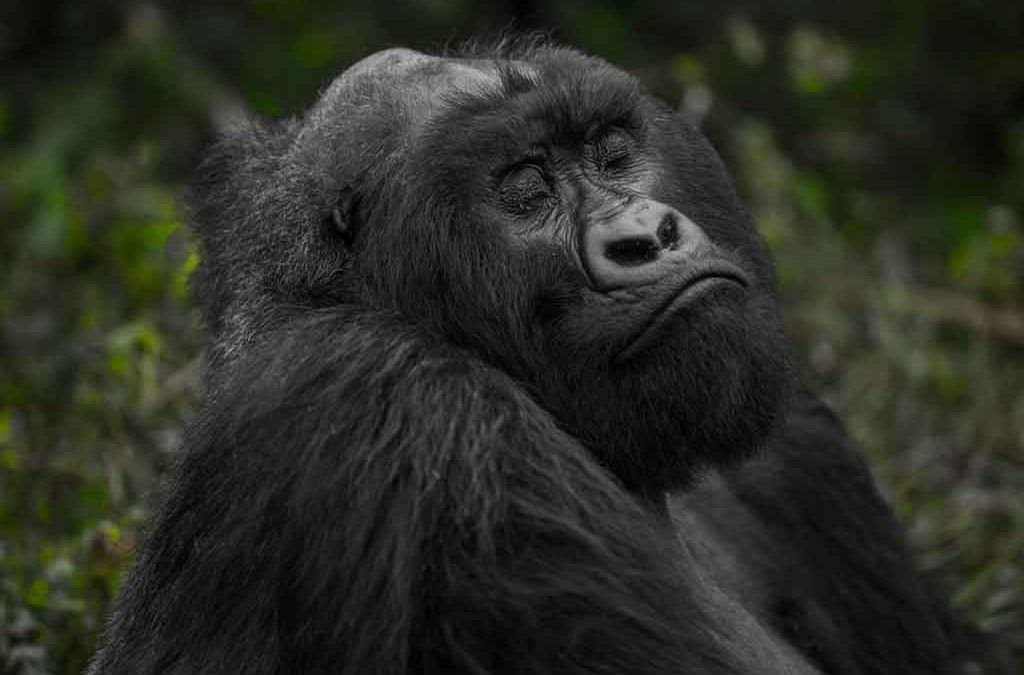
20 Things to Know About Gorilla Trekking in Uganda and Rwanda
Everything you need to know before meeting endangered mountain gorillas in their natural rainforest habitat. Discover trekking destinations, permits, preparation, safety rules and essential travel advice.
Mountain Gorilla Trekking | Bwindi | Mgahinga | Volcanoes National Park
Understanding the Mountain Gorilla Trekking Experience
Gorilla trekking is among the most remarkable wildlife experiences in Africa. It takes visitors into the tropical rainforests and mountainous landscapes of East Africa to observe endangered mountain gorillas living freely in their natural habitat.
Uganda and Rwanda are two of the world’s leading destinations for mountain gorilla trekking. Uganda offers encounters in Bwindi Impenetrable National Park and Mgahinga Gorilla National Park, while Rwanda offers trekking in Volcanoes National Park.
However, gorilla trekking requires preparation. From securing a permit and choosing suitable accommodation to understanding forest conditions and following conservation guidelines, there are several important things to consider before travelling.
Below are 20 essential things every traveller should know before embarking on a mountain gorilla trekking adventure.

3 countries
Uganda, Rwanda and DR Congo offer mountain gorilla trekking, subject to current access conditions.
1 hour
Maximum viewing time for a standard habituated gorilla trek.
15 years
Minimum standard trekking age in Uganda and Rwanda.
8 visitors
Maximum tourist group size per habituated gorilla family for standard trekking.
20 Essential Things to Know About Gorilla Trekking

1. Gorilla Trekking Takes Place in Natural Rainforests
Gorilla trekking involves hiking through natural forests to locate and observe a habituated mountain gorilla family. Unlike traditional wildlife safaris, where visitors watch animals from a vehicle, gorilla trekking requires walking on foot through forest vegetation, hills and sometimes muddy trails.
In Uganda, the experience takes place in Bwindi Impenetrable National Park and Mgahinga Gorilla National Park. In Rwanda, visitors trek through Volcanoes National Park.
The experience provides an opportunity to see gorillas feeding, grooming, resting, playing and interacting with other members of their families.
2. Uganda and Rwanda Are Leading Gorilla Trekking Destinations
Uganda and Rwanda are internationally recognised for their mountain gorilla conservation and tourism programmes. Both countries provide guided gorilla trekking experiences supported by trained park rangers and trackers.
Uganda is particularly attractive to visitors seeking a wider safari experience, with several gorilla trekking sectors in Bwindi and additional opportunities in Mgahinga. Rwanda is convenient for travellers who want to access mountain gorillas from Kigali and explore the Virunga volcanic landscape.
Your destination should depend on your travel budget, preferred trekking environment, available permits and the amount of time available.
3. Bwindi Has Four Main Gorilla Trekking Sectors

Bwindi Impenetrable National Park is divided into four main gorilla trekking sectors: Buhoma, Ruhija, Rushaga and Nkuringo.
Each sector has its own accommodation facilities, access roads, trekking starting points and habituated gorilla families.
- Buhoma: Located in northern Bwindi.
- Ruhija: Located in eastern Bwindi.
- Rushaga: Located in southern Bwindi and known for gorilla habituation opportunities.
- Nkuringo: Located in southwestern Bwindi, with beautiful mountain scenery.
Always confirm your permit sector before booking accommodation because the trekking briefing takes place at the designated location.
4. Gorilla Permits Must Be Secured Before Trekking
A gorilla trekking permit is compulsory for every visitor participating in a standard gorilla trekking experience. The permit authorises you to join a guided trek to an assigned habituated gorilla family on a particular date.
In Uganda, permits are issued through the Uganda Wildlife Authority, while Rwanda’s gorilla trekking permits are managed by the Rwanda Development Board.
Permit prices depend on the destination and visitor category. Rates and booking procedures can change, so obtain an up-to-date quotation before making payments.
Because the number of visitors is restricted, booking several months ahead is advisable, especially during popular travel periods.
5. The Minimum Age for Gorilla Trekking Is 15 Years
Gorilla trekking in Uganda and Rwanda generally has a minimum age requirement of 15 years. This regulation helps protect visitors and gorillas during the trekking experience.
Children below the required age cannot participate in standard gorilla trekking. Families travelling with younger children should consider alternative activities around the national parks.
Always provide accurate traveller ages when requesting permits and planning a safari.
6. Gorilla Trekking Requires Reasonable Physical Fitness
Gorilla trekking can be physically demanding because the forest environment contains steep slopes, thick vegetation, uneven ground and muddy trails.
Some gorilla families may be found relatively close to the starting point, while others require several hours of hiking. The actual duration depends on the movement of the gorillas, weather and terrain.
Prepare by walking regularly, climbing stairs and practising on hilly terrain before your safari. Visitors with mobility limitations should discuss available assistance and arrangements before booking.
7. You Spend Up to One Hour with a Habituated Gorilla Family
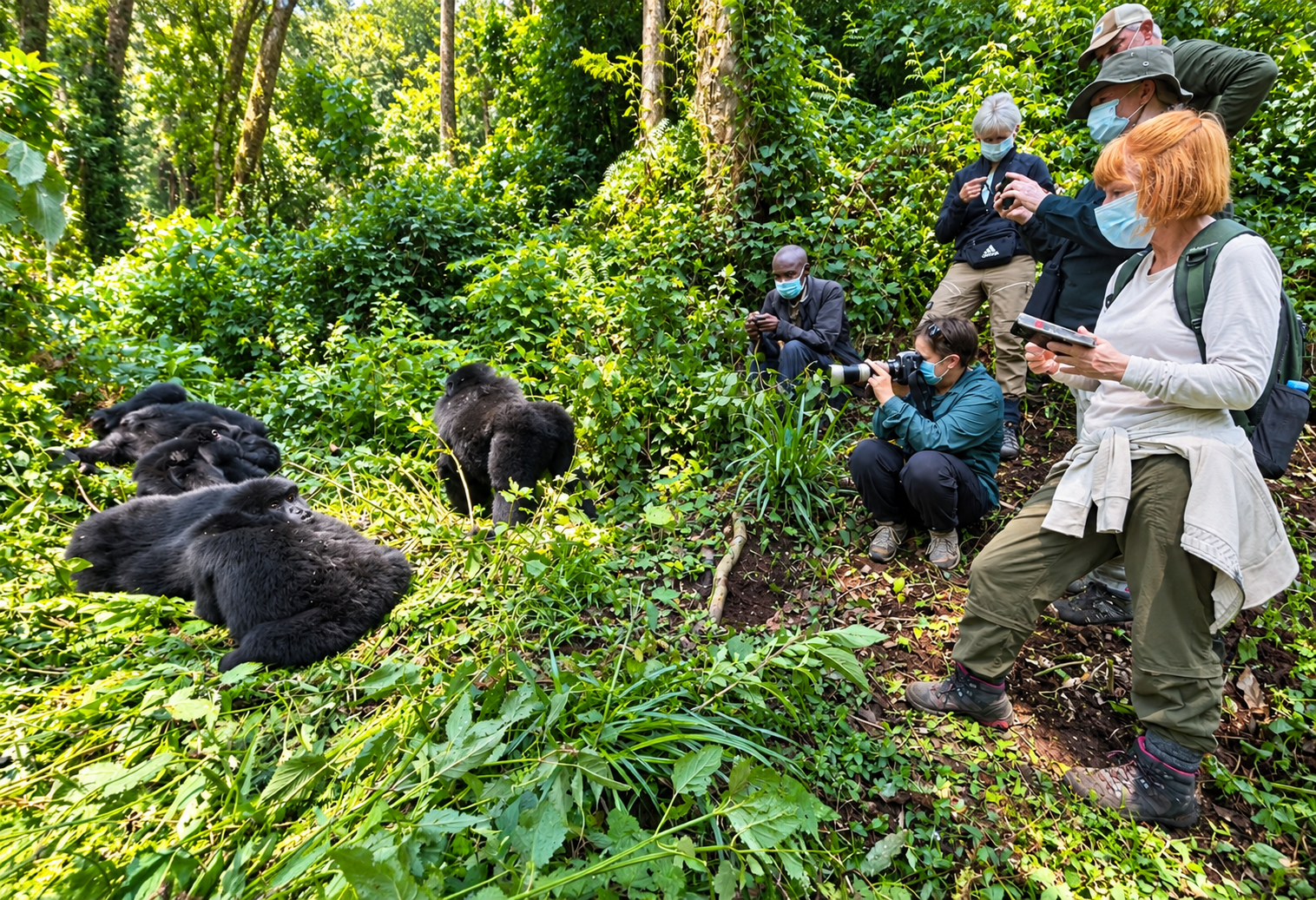
One of the most important things to understand is that standard gorilla trekking provides a maximum of one hour with the assigned habituated gorilla family after it has been located.
This viewing period is carefully regulated to minimise disturbance and protect the health and natural behaviour of the gorillas.
During the encounter, you may observe a silverback, adult females, juveniles and infants. You may also witness feeding, grooming, resting and playful interactions.
Visitors should follow their ranger’s instructions throughout the encounter.
8. Gorilla Families Are Limited to Eight Tourists Per Day
Standard gorilla trekking in Uganda and Rwanda allows a maximum of eight tourists to visit a habituated gorilla family per day.
This restriction helps reduce human pressure on the gorillas and creates a more controlled wildlife viewing experience.
The small group size also allows visitors to listen carefully to the ranger’s instructions and observe gorilla behaviour without creating unnecessary disturbance.
9. Gorilla Trekking Is Available Throughout the Year
Mountain gorilla trekking takes place throughout the year in Uganda and Rwanda. However, weather conditions influence the nature of the trekking experience.
The relatively drier months are generally June to September and December to February. These periods often offer more manageable forest trails, although rain can occur at any time.
March to May and October to November can bring wetter conditions. The trails may become muddy, but the forests remain beautiful and lush.
Your decision should also consider permit availability, accommodation prices and personal travel preferences.
10. Appropriate Clothing Is Essential
Wearing suitable clothing makes a significant difference when hiking through a mountain rainforest.
Recommended clothing includes:
- Long-sleeved shirts to protect your arms.
- Long hiking trousers to protect your legs.
- Waterproof hiking boots with good grip.
- Long socks that can be pulled over trouser bottoms.
- Lightweight waterproof jackets or raincoats.
- Neutral-coloured clothing suitable for forest environments.
- Gardening gloves for protection against vegetation.
Avoid wearing clothing that restricts movement or footwear that has not been properly broken in.
11. You Should Carry the Right Gorilla Trekking Equipment
Besides clothing, there are several useful items to carry during your trek. A small backpack helps you organise essential belongings without carrying unnecessary weight.
- Drinking water.
- Energy snacks or packed refreshments.
- Insect repellent.
- Waterproof camera bag.
- Camera with spare batteries.
- Personal medication.
- Lightweight rain jacket.
- Walking stick, where available.
- Garden gloves and gaiters.
Pack only what you need because you will be walking through challenging forest terrain.
12. Hiring a Porter Makes the Trek More Comfortable
Hiring a local porter is highly recommended, especially for travellers carrying cameras, water bottles and other equipment.
Porters assist with carrying backpacks and can offer a helping hand on steep or slippery sections of the trail. Their knowledge of the local terrain can also make the journey more comfortable.
Hiring a porter provides income to people living around the national parks and allows visitors to contribute directly to local livelihoods.
Porter services are generally arranged separately and should be included in your budget unless already covered by your safari package.
13. Gorilla Trekking Has Strict Health and Safety Rules
Mountain gorillas are susceptible to several human respiratory infections. Even a common cold can potentially expose them to harmful illnesses.
Visitors who are sick or experiencing symptoms of an infectious illness should inform their safari operator and park authorities rather than attempting to trek.
During the encounter, maintain the distance instructed by your ranger, avoid touching the animals, remain quiet and never attempt to feed them.
Do not run or make sudden movements if a gorilla approaches. Stay calm and follow the ranger’s instructions.
14. Flash Photography Is Not Allowed

Photography is one of the most exciting aspects of gorilla trekking. Visitors can capture beautiful moments of gorillas feeding, resting, grooming and interacting with their families.
However, flash photography is prohibited because it can disturb the animals.
Carry a camera with good low-light performance, spare batteries and adequate memory. The forest canopy can create challenging lighting conditions, so prepare your equipment in advance.
Always prioritise the animals’ welfare and follow instructions from the ranger before taking photographs.
15. The Gorilla Trek Begins with an Early Morning Briefing
Gorilla trekking usually begins early in the morning at the designated park headquarters or sector meeting point.
Visitors register, present their permit details and attend a briefing conducted by park rangers. The briefing covers safety precautions, conservation guidelines, trekking procedures and expected behaviour around gorillas.
After the briefing, visitors are allocated to gorilla families and accompanied by experienced guides and trackers into the forest.
Arrive on time and confirm your reporting location with your safari guide the previous evening.
16. Gorilla Habituation Offers a Longer Wildlife Experience
Uganda offers another special experience known as the Gorilla Habituation Experience. This activity takes place in the Rushaga area of Bwindi Impenetrable National Park.
Unlike standard gorilla trekking, which allows up to one hour with a fully habituated family, gorilla habituation allows visitors to spend up to four hours with a gorilla group undergoing habituation, subject to the applicable programme rules.
Visitors learn about gorilla behaviour, conservation research and the process through which gorillas gradually become accustomed to the controlled presence of humans.
It is particularly suitable for wildlife enthusiasts, photographers and travellers interested in primate conservation.
17. Accommodation Should Be Near Your Trekking Sector
Choosing suitable accommodation is an important part of planning a successful gorilla trekking safari.
Bwindi has several trekking sectors spread across different parts of the forest. Travelling from a lodge in the wrong sector can result in unnecessary early-morning transfers.
For example, visitors assigned to Rushaga should ideally choose accommodation around Rushaga, while those allocated to Buhoma should stay near the northern trekking area.
Rwanda visitors trekking in Volcanoes National Park can consider accommodation around Kinigi and Musanze.
Confirm your trekking sector before paying for accommodation.
18. Gorilla Trekking Can Be Combined with Other Safari Activities
Gorilla trekking does not have to be a standalone experience. Uganda and Rwanda offer several additional wildlife and cultural attractions that can be incorporated into a longer holiday.
In Uganda, visitors can combine gorilla trekking with:
- Chimpanzee tracking in Kibale Forest.
- Game drives in Queen Elizabeth National Park.
- Golden monkey tracking in Mgahinga.
- Boat safaris along the Kazinga Channel.
- Birdwatching in Bwindi and other forest destinations.
- Batwa cultural experiences around Bwindi and Mgahinga.
In Rwanda, gorilla trekking can be combined with Nyungwe Forest, Akagera National Park, Kigali city tours and Lake Kivu.
19. Gorilla Trekking Contributes to Conservation and Community Development
Mountain gorilla conservation depends on protecting natural habitats, monitoring gorilla families and reducing threats such as poaching, habitat destruction and human-wildlife conflict.
Responsible gorilla tourism contributes to conservation through regulated visitor activities and revenue that supports park management and conservation programmes.
It also creates employment for local guides, trackers, porters, drivers, lodge employees and community tourism providers.
Visitors can make their trips more meaningful by hiring local porters, purchasing locally made crafts and participating in respectful community-led cultural experiences.
20. Choosing a Reliable Safari Operator Makes Planning Easier
Planning a gorilla trekking safari involves several arrangements, including permit acquisition, accommodation, transport, park transfers and itinerary preparation.
Working with a reliable local safari operator helps coordinate these arrangements and reduces the risk of booking mistakes.
A professional operator should provide clear information about permit availability, current prices, travel distances, accommodation choices and the trekking sector allocated to your permit.
At UgandaRwanda Safaris, we help travellers organise gorilla trekking experiences in Uganda and Rwanda according to their travel dates, interests and budgets.
Whether you are planning a short gorilla trekking holiday or an extended East African wildlife safari, our team can help coordinate the necessary arrangements.

Explore the Rainforest
Discover the beautiful trails, vegetation and wildlife of Bwindi during a guided trekking adventure.

Meet Mountain Gorillas
Observe these endangered primates in their natural habitat under the guidance of experienced rangers.
Important Gorilla Trekking Preparation Checklist
Before travelling to Uganda or Rwanda for gorilla trekking, make sure you have considered the following requirements.
- Confirm your gorilla trekking destination.
- Secure your permit for the correct date.
- Check your passport and visa requirements.
- Confirm the allocated trekking sector.
- Book accommodation near your trekking starting point.
- Arrange reliable safari transportation.
- Prepare appropriate hiking clothing and footwear.
- Carry drinking water and personal medication.
- Consider hiring a local porter.
- Follow all conservation and safety guidelines.
Proper preparation helps you enjoy the experience while respecting the wildlife and communities that make gorilla trekking possible.
Explore More Gorilla Trekking and Uganda Safari Guides
Continue planning your East African adventure with these related guides and safari experiences from UgandaRwanda Safaris.
1. Gorilla Trekking in Uganda →
2. Mountain Gorilla Trekking →
3. Gorilla Trekking in Bwindi →
4. Mgahinga Gorilla National Park →
6. Gorilla Permits in Uganda →
7. Accessible Gorilla Trekking Sectors →
8. Gorilla Habituation Experience →
9. Gorilla Tracking vs Habituation →
10. Short Gorilla Trekking Safaris →
11. Rushaga Gorilla Habituation from Kigali →
12. Gorilla Trekking Adventures →
13. What to Expect on Trekking Day →
14. Physical Preparation for Gorilla Trekking →
15. Top Gorilla Destinations in Africa →
16. Uganda Safari Lodges and Hotels →
17. Kibale Forest National Park →
18. Queen Elizabeth National Park →
19. Lake Mburo National Park →
20. Uganda and Rwanda Safaris →
21. Gorilla Trekking in Uganda and Rwanda →
23. New Gorilla Families in Bwindi →
Frequently Asked Questions About Gorilla Trekking
1. How difficult is gorilla trekking?
Gorilla trekking can be moderately to very challenging depending on the terrain, weather and location of the gorilla family. Visitors should have reasonable physical fitness and wear appropriate hiking equipment.
2. How long does gorilla trekking take?
The forest hike can take several hours, depending on the location of the gorilla family. Some treks are relatively short, while others require considerably more walking. Standard viewing time is limited to one hour after locating the gorillas.
3. Is gorilla trekking safe?
Gorilla trekking is a carefully managed wildlife activity conducted with trained park rangers. Visitors must follow all safety instructions, maintain the required distance and avoid disturbing the animals.
4. Can I touch a mountain gorilla?
No. Visitors must never touch, feed or attempt to interact physically with mountain gorillas. Even when a gorilla approaches, remain calm and follow your ranger’s instructions.
5. What is the difference between gorilla trekking and gorilla habituation?
Standard gorilla trekking allows up to one hour with a fully habituated gorilla family. The Gorilla Habituation Experience in Uganda allows visitors up to four hours with a gorilla group undergoing habituation, subject to programme rules.
6. Can I trek gorillas in Uganda and Rwanda during the same holiday?
Yes. You can combine Bwindi or Mgahinga in Uganda with Volcanoes National Park in Rwanda. Your itinerary should account for border procedures, permits, transportation and sufficient time between trekking activities.
7. What happens if it rains during gorilla trekking?
Gorilla trekking continues in different weather conditions when park authorities consider conditions suitable. Carry waterproof clothing and hiking boots with good grip because forest trails can become slippery.
8. Should I hire a porter for gorilla trekking?
Hiring a porter is recommended, particularly if you need assistance carrying your belongings or navigating difficult sections of the trail. It also supports local employment.
9. Can senior travellers go gorilla trekking?
Age alone does not necessarily prevent someone from trekking. However, visitors should assess their fitness and mobility and discuss any assistance requirements with their safari operator and park authorities before booking.
10. How early should I book a gorilla permit?
Booking several months in advance is recommended, especially for peak travel seasons. Early booking gives you a better opportunity to secure your preferred trekking date and organise suitable accommodation.
Plan Your Unforgettable Gorilla Trekking Adventure
Are you ready to encounter mountain gorillas in the rainforests of Uganda or Rwanda? Let UgandaRwanda Safaris help you organise your permits, accommodation, transportation and complete safari itinerary.
Contact our team today and start planning your mountain gorilla trekking experience.
UgandaRwanda Safaris | Uganda and Rwanda Wildlife Adventures