The Cheapest Gorilla Tours in Uganda:
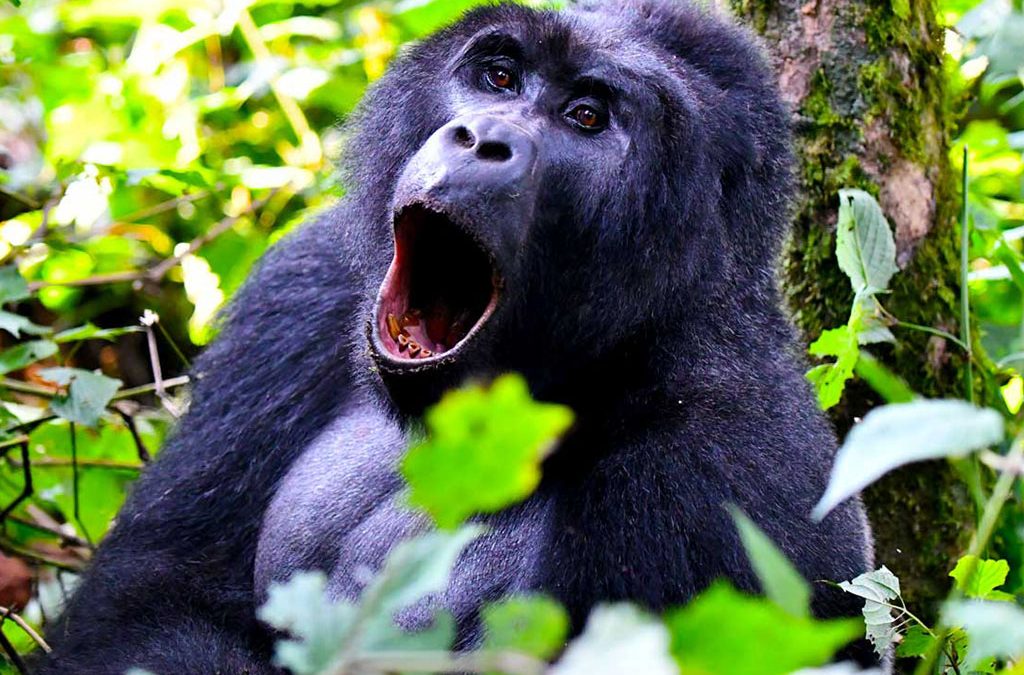
The cheapest gorilla tours in Uganda start from approximately $1,250–$1,300 per person for basic 3-day packages, making this bucket-list wildlife experience accessible to budget-conscious travelers willing to minimize non-essential expenses. The largest fixed cost remains the mandatory $800 gorilla trekking permit, leaving approximately $450–$500 for transportation, accommodation, meals, and guide services across a three-day itinerary. Strategic planning including low season travel, budget accommodation selection, starting tours from nearby Kigali rather than distant Entebbe, and booking through reputable local operators enables significant cost reductions while maintaining quality experiences. Understanding what expenses are fixed versus flexible helps travelers maximize value and create memorable gorilla encounters without breaking budgets or sacrificing safety and comfort standards.
Strategic Timing for Maximum Savings: The Cheapest Gorilla Tours in Uganda
Low Season Travel Advantages
Uganda’s rainy seasons from March through May and October through November represent the most cost-effective periods for gorilla trekking, as reduced tourist demand triggers substantial price reductions across accommodations, tour packages, and ancillary services. Tour operators compete aggressively for limited visitor numbers during these periods, often offering discounts of 20-40% compared to peak season rates.
Budget-conscious travelers can leverage low season pricing to access mid-range accommodations at budget prices or secure comprehensive packages with added value inclusions like extra activities, upgraded meals, or complimentary services that operators bundle to attract bookings. These savings often offset any additional equipment costs required for wet season trekking, delivering net financial advantages.
The reduced competition for gorilla permits during low season also enables more flexible booking timelines, eliminating the need for expensive last-minute permit purchases or premium fees charged for securing scarce peak season availability. This flexibility allows travelers to monitor prices, compare operator offerings, and book when optimal deals emerge rather than committing months ahead at premium rates.
Peak Season Cost Premiums
The dry months of June through September and December through February command premium pricing across all safari services as demand surges from international visitors seeking optimal weather conditions. Accommodations, transportation, and tour packages increase substantially during these periods, often doubling or tripling compared to low season rates.
Peak season also creates permit scarcity that can force travelers into expensive multi-day itineraries when preferred single-trek dates are unavailable, further inflating total costs. The combination of higher service rates and reduced flexibility makes peak season gorilla trekking significantly more expensive than low season alternatives offering comparable experiences.
Optimizing Tour Duration and Structure: The Cheapest Gorilla Tours in Uganda
Three-Day Package Efficiency
The most budget-friendly gorilla tours feature streamlined 3-day itineraries designed to include only essential components: transportation to Bwindi, one night’s pre-trek accommodation, the gorilla trek itself, and return transportation. This minimal structure eliminates expensive multi-park additions, extended accommodation periods, and supplementary activities that inflate costs without necessarily enhancing the core gorilla encounter experience.
Typical 3-day packages follow efficient Day 1 travel to Bwindi, Day 2 gorilla trekking, and Day 3 return journey formats that minimize accommodation nights while maximizing actual gorilla encounter time. This structure works particularly well for visitors with limited vacation time or those adding Uganda to broader East African itineraries where time and budget constraints demand efficiency.
Extended Tour Cost Implications
Longer tours incorporating multiple national parks like Murchison Falls, Queen Elizabeth, or Kibale Forest significantly increase total costs through additional accommodation nights, extended transportation, extra park entrance fees, and supplementary guide services. While these comprehensive safaris provide excellent value for visitors seeking diverse wildlife experiences, they may not suit budget travelers focused specifically on gorilla encounters.
Extended itineraries make sense for first-time Uganda visitors seeking comprehensive wildlife experiences or those with flexible budgets able to absorb additional costs. However, budget-focused travelers should resist pressure to book extended packages when their primary interest centers on gorilla trekking.
Strategic Starting Point Selection
Kigali Airport Advantages
Flying into Kigali International Airport in Rwanda rather than Entebbe International Airport in Uganda delivers substantial savings through reduced ground transportation costs and time efficiency. The drive from Kigali to Bwindi’s southern sectors takes approximately 4-5 hours compared to 8-10 hours from Entebbe, cutting transportation costs nearly in half while reducing physical fatigue and travel time.
International flights to Kigali often cost less than comparable Entebbe flights, particularly from European and Middle Eastern hubs where Rwanda’s flag carrier and partner airlines maintain competitive pricing. The combination of cheaper flights and reduced ground transportation creates savings of $200-400 per person compared to Entebbe-based itineraries.
The Kigali route also provides flexibility for adding Volcanoes National Park gorilla trekking in Rwanda, creating opportunities for double gorilla trekking experiences across two countries at marginal additional cost compared to Uganda-only itineraries based from Entebbe.
Border Crossing Considerations
Starting tours from Kigali requires Uganda visa acquisition, which travelers should arrange in advance through online e-visa systems or upon arrival at land borders. The East African Tourist Visa covering Uganda, Rwanda, and Kenya costs approximately $100 and provides excellent value for travelers visiting multiple regional countries.
Reputable tour operators handle all border crossing logistics, ensuring smooth transitions between countries and proper documentation for international travelers unfamiliar with regional border procedures.
Accommodation Selection Strategies
Budget Lodge Options
The cheapest gorilla tours utilize budget lodges and campsites charging $50-60 per night compared to mid-range lodges at $100-200 or luxury properties exceeding $400 nightly. These budget accommodations provide basic but comfortable facilities including private rooms, shared bathrooms, simple meals, and essential amenities sufficient for short gorilla trekking stays.
Buhoma Community Rest Camp
This community-owned facility in Buhoma sector offers authentic budget accommodation with basic rooms, shared facilities, and community-focused operations that directly benefit local residents. The camp provides essential services at minimal costs while supporting sustainable tourism development.
Rushaga Gorilla Camp
Located in Rushaga sector with high gorilla family density, this budget camp provides simple accommodations convenient to multiple trailheads, reducing morning transportation requirements and associated costs.
Broadbill Forest Camp
Another popular budget option offering basic but clean accommodations in forest settings that provide authentic wilderness experiences without luxury price tags.
Comfort Versus Cost Trade-offs
Budget accommodations sacrifice amenities like hot showers, electricity reliability, varied meal options, and scenic locations that characterize more expensive properties. Travelers must honestly assess their comfort requirements and willingness to accept basic conditions in exchange for significant cost savings.
Most budget properties maintain adequate cleanliness and safety standards appropriate for short stays focused primarily on gorilla trekking rather than lodge experiences. The savings achieved through budget accommodation choices can fund additional activities, extend trip durations, or simply reduce overall financial burdens.
Booking Through Local Tour Operators: The Cheapest Gorilla Tours in Uganda
Package Service Advantages
Reputable local tour operators provide comprehensive packages bundling permits, transportation, accommodation, guides, and meals at rates lower than individual component costs. Their established relationships with lodges, transportation providers, and Uganda Wildlife Authority enable wholesale pricing unavailable to independent travelers.
Operators handle complex logistics including permit procurement, accommodation bookings across remote areas, reliable 4×4 vehicle arrangements, experienced guide assignment, and emergency support systems that independent travelers struggle to coordinate effectively. This professional management ensures smooth experiences while delivering cost efficiencies through economies of scale.
Self-Drive Limitations
While self-drive rentals may appear cheaper initially, the reality of navigating remote, poorly maintained roads to Bwindi without local knowledge creates risks and hidden costs that often exceed professional operator fees. Vehicle breakdowns, navigation errors, accommodation booking challenges, and permit coordination difficulties frequently plague self-drive attempts.
Local operators explicitly discourage self-drive gorilla safaris for foreign visitors unfamiliar with Ugandan road conditions, rural navigation challenges, and regional logistics. The modest savings potential rarely justifies increased risks and stress.
Standard Package Inclusions
Core Services Covered
Budget all-inclusive packages typically include the mandatory $800 gorilla trekking permit, ground transportation in reliable 4×4 safari vehicles, English-speaking driver-guide services, budget lodge accommodation for required nights, basic meals, and drinking water throughout the tour.
These comprehensive packages eliminate surprise expenses and simplify budget planning by providing fixed all-inclusive pricing that covers essential services. Travelers can focus on preparing physically and mentally for treks rather than coordinating complex logistics or managing multiple vendor relationships.
Additional Expense Planning
Services Not Included
Budget travelers must plan for several expenses typically excluded from basic package prices including Uganda entry visas or East African Tourist Visas, personal items like insect repellent and rain gear, waterproof hiking boots, porter fees ($15-20 for invaluable trek assistance), tips and gratuities for guides and lodge staff, alcoholic beverages, and international flights.
Porter Service Value
Hiring porters represents one of the best investments for budget travelers, as the modest $15-20 fee provides crucial assistance navigating muddy trails while directly supporting local communities dependent on tourism income. Porters carry daypacks, offer stability support on steep slopes, and significantly improve trek enjoyment for all fitness levels.
Maximizing Budget Tour Value
Quality Operator Selection
Choosing reputable operators based on reviews, credentials, and transparent pricing ensures budget tours deliver value rather than cutting corners on safety, guide quality, or essential services. The cheapest options aren’t always the best value if they compromise safety standards or deliver poor experiences.
Realistic Expectations
Budget gorilla tours provide authentic wildlife encounters and professional services at accessible prices but require accepting basic accommodations, simple meals, and limited amenities. Travelers with appropriate expectations enjoy excellent experiences, while those expecting luxury services at budget prices inevitably face disappointment.
Successful budget gorilla trekking requires balancing cost savings with comfort requirements, safety standards, and experience quality to create memorable encounters that represent genuine value rather than mere expense minimization.