Exploring Rwanda’s Three National Parks

Quick answer: Which three national parks should you visit in Rwanda?
For a safari combining mountain gorillas, chimpanzees and Big Five wildlife, visit Volcanoes National Park in the northwest, Nyungwe National Park in the southwest and Akagera National Park in the east. Allow about 9–12 days for a comfortable road itinerary, ideally starting and ending in Kigali. Rwanda has four national parks overall; the fourth is Gishwati–Mukura.
Best experiences: gorilla trekking • golden monkeys • chimpanzee tracking • canopy walkway • game drives • Lake Ihema boat safari.
Exploring Rwanda’s Three National Parks: What to Expect
Additional reading for this part of your journey: Rwanda’s best travel attractions, Rwanda safari planning, Rwanda national parks overview.
Exploring Rwanda’s Three National Parks is a rewarding way to experience the country’s contrasting ecosystems. In the north, Volcanoes National Park is known for endangered mountain gorillas and dramatic volcanic scenery. In the southwest, Nyungwe Forest National Park offers rainforest trekking, chimpanzees and a spectacular canopy walkway. In the east, Akagera National Park opens into savannah, lakes and wetland habitats where classic game drives take centre stage.
These are Rwanda’s three most widely combined safari parks, but they are not the country’s only protected national parks. Rwanda also has Gishwati–Mukura National Park. This guide focuses on Volcanoes, Nyungwe and Akagera because their contrasting wildlife experiences create a particularly varied itinerary.
For a comfortable journey that includes the main experiences in all three parks, allow 9–12 days. Seven or eight days may be possible with tighter scheduling and fewer optional activities, while a longer tour provides more time for photography, scenic stops, extra treks and relaxed lodge stays.
Meet the three parks at a glance


Volcanoes National Park: Rwanda’s gorilla country
Additional reading for this part of your journey: Volcanoes National Park, Rwanda mountain gorilla trekking, Rwanda gorilla habituation alternatives.
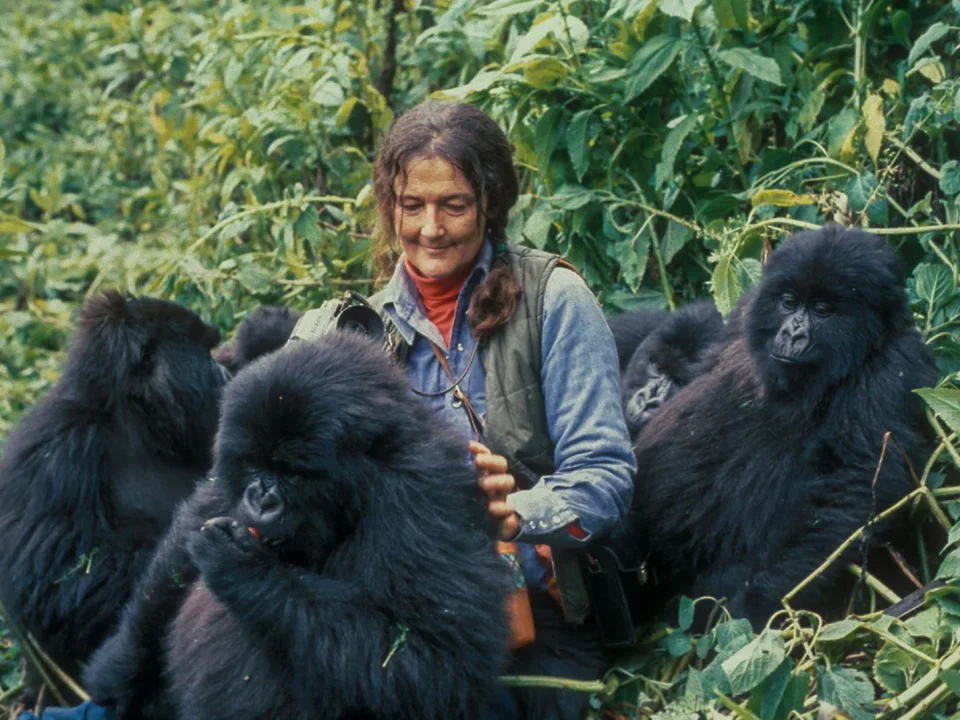
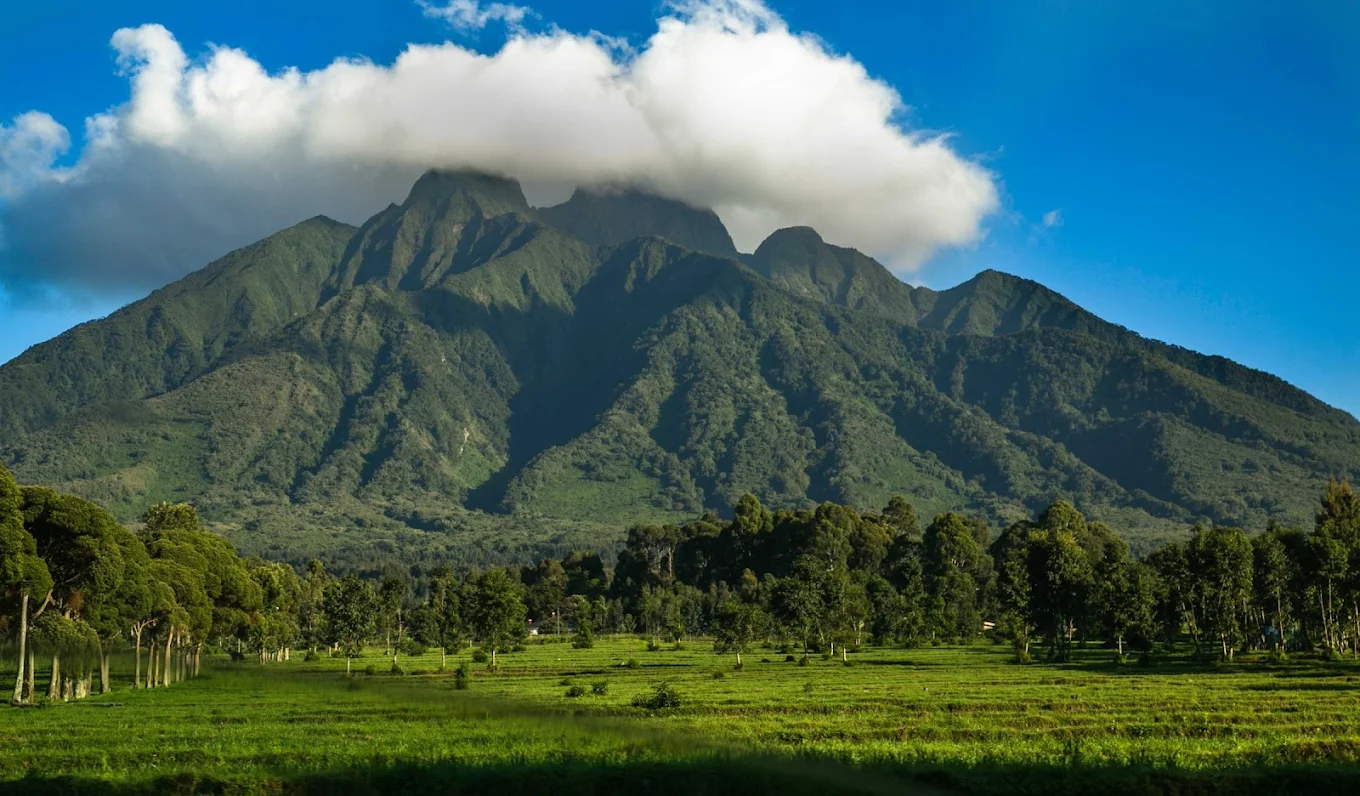
Volcanoes National Park lies in northwestern Rwanda, within the Virunga mountain range. The park protects bamboo woodland, montane forest and the habitat of mountain gorillas. Musanze and Kinigi serve as the main gateways, around two to three hours by road from Kigali depending on your starting point and traffic.
For many visitors, mountain gorilla trekking in Rwanda is the highlight of the trip. Treks begin with a ranger briefing before guests are allocated a habituated gorilla family. The walk can vary considerably in length and difficulty depending on where the gorillas are feeding that day. Once located, guests usually have one hour with the family under the supervision of park guides.
The published standard gorilla trekking permit for a foreign non-resident is USD 1,500 per person. The minimum age is 15 years. Other visitor categories may qualify for different rates, so permit eligibility should always be checked at booking.
Other experiences worth adding
A golden monkey tracking excursion provides a gentler, lively primate encounter in the bamboo zone. Energetic travellers can consider guided hikes to Mount Bisoke, the Dian Fossey research and conservation heritage sites, or other trails permitted by the park. Those who prefer a slower pace can explore the Musanze area, local communities and scenic foothills.
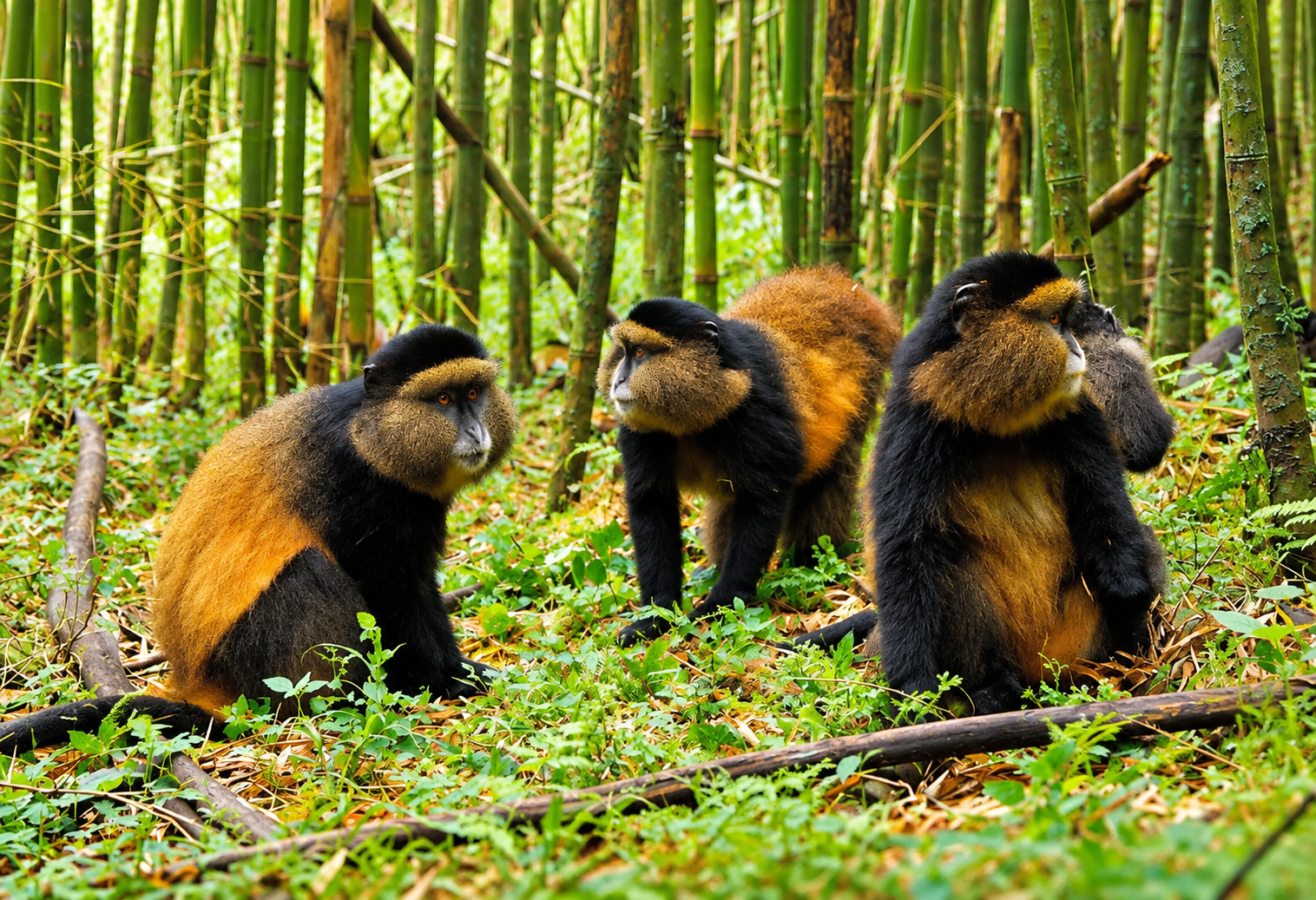

For more detail, explore our guide to Golden Monkey Trekking Rwanda.
For more detail, explore our guide to golden monkey permit guide.
Nyungwe National Park: chimpanzees and ancient rainforest
Additional reading for this part of your journey: Nyungwe Forest National Park, Nyungwe chimpanzee trekking.
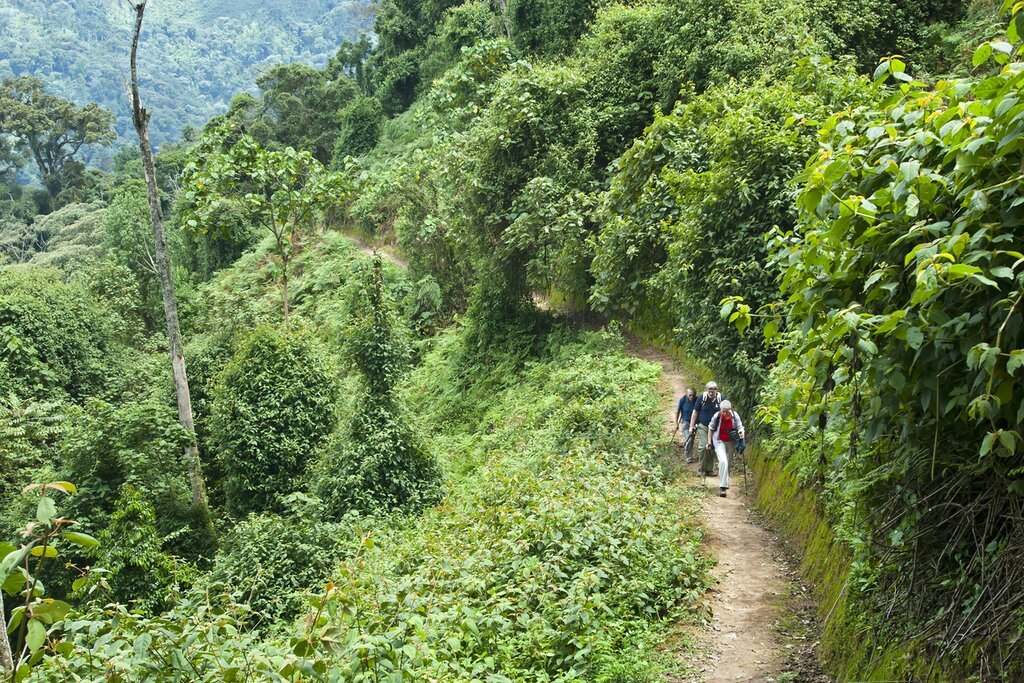
Nyungwe National Park covers a mountainous rainforest landscape in southwestern Rwanda. It feels very different from the open savannah of Akagera or the bamboo slopes of Volcanoes. Dense vegetation, tea-growing landscapes, forest valleys and a remarkable diversity of primates make it especially appealing to travellers who enjoy active nature experiences.
The park’s headline adventure is chimpanzee trekking in Nyungwe. Tracking begins early, sometimes before sunrise, with an authorised guide. Chimpanzees may move quickly and remain high in the canopy, so sightings and photographic opportunities depend on the conditions and the animals’ movements. Some trails are steep and muddy, even during relatively dry months.
The Nyungwe canopy walk is another signature activity. Suspended high above the forest floor, the walkway provides a different perspective over trees and valleys. Visitors can also add colobus monkey tracking, birdwatching and guided walks, including trails to waterfalls where current park conditions permit.
For most itineraries, two nights close to Nyungwe provide time for a chimpanzee trek and an additional forest activity. Travellers interested in several hikes or a relaxed rainforest stay may prefer three nights.
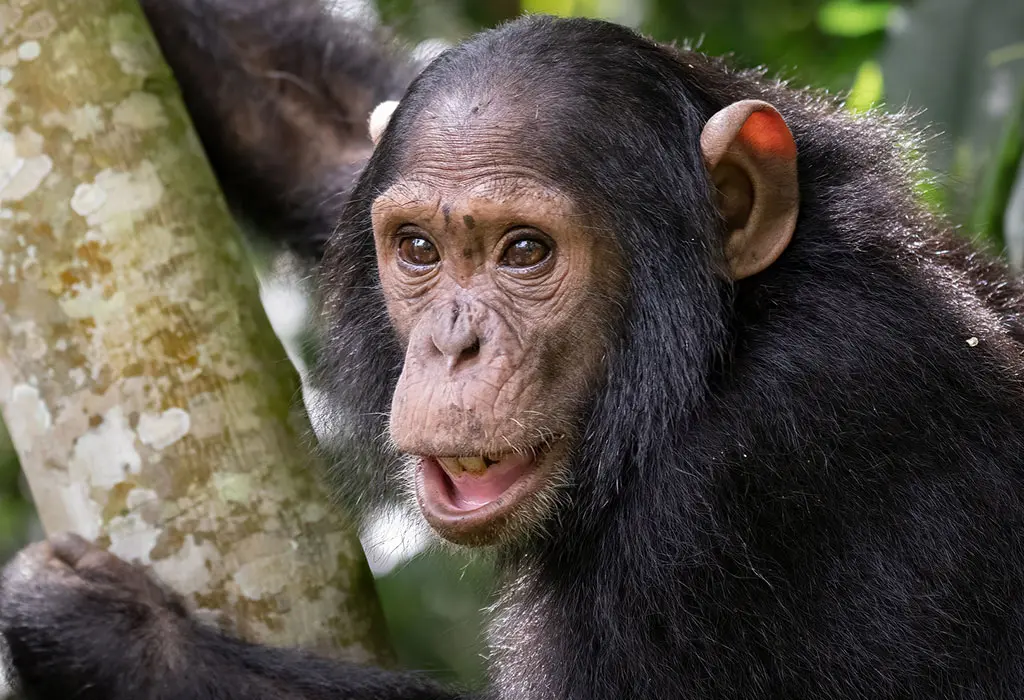

For more detail, explore our guide to preparing for Nyungwe chimpanzee tracking.
For more detail, explore our guide to Nyungwe canopy walk guide.
For more detail, explore our guide to what to expect on the canopy walk.
For more detail, explore our guide to chimpanzee tracking minimum age.
Akagera National Park: Rwanda’s savannah safari
Additional reading for this part of your journey: Akagera safari planning, Akagera animals, Akagera wildlife and safari, Akagera animal sightings.
Akagera National Park is located in eastern Rwanda near the Tanzanian border. Its varied terrain includes woodland, open grassland, papyrus wetlands and a chain of lakes. Akagera is Rwanda’s main destination for traditional vehicle-based wildlife safaris and is home to lions, elephants, buffaloes, leopards and rhinos, although finding all five on a single trip is never guaranteed.
Game drives are most rewarding when there is time to explore different habitat zones instead of rushing through the park. Early morning and late afternoon outings may provide productive wildlife viewing, while guided night drives offer a chance to look for nocturnal animals where the activity is available.
A boat safari on Lake Ihema adds variety to the trip. Visitors may see hippos, crocodiles and wetland birds from the water. The shoreline and islands are particularly interesting to wildlife photographers and birding enthusiasts.
Although Akagera can be visited as a long day trip from Kigali, an overnight stay is strongly recommended. Two nights allow more time for game drives and a boat outing without the pressure of a same-day return journey.


For more detail, explore our guide to can you see the Big Five in Rwanda?.
Rwanda’s Three National Parks Compared
Additional reading for this part of your journey: Rwanda wildlife encounters, combining Rwanda national parks.
| Feature | Volcanoes | Nyungwe | Akagera |
|---|---|---|---|
| Main habitat | Mountain and bamboo forest | Montane rainforest | Savannah, woodland, wetlands |
| Top experience | Mountain gorilla tracking | Chimpanzee tracking | Game drive |
| Other highlights | Golden monkeys, volcano hikes | Canopy walk, colobus, birding | Lake Ihema boat safari, birding |
| Suggested stay | 2–3 nights | 2–3 nights | 1–2 nights |
| Fitness needs | Variable; gorilla trek may be strenuous | Moderate to challenging trails | Generally less walking |
There is no single “best” park: Volcanoes is ideal for gorilla encounters, Nyungwe rewards adventurous rainforest travellers, and Akagera provides the classic safari experience. Visiting all three makes the contrast itself part of the adventure.
How to Explore Rwanda’s Three National Parks in 10 Days
Additional reading for this part of your journey: Rwanda’s memorable highlights, day trips from Kigali, Rwanda gorilla and wildlife circuit, Lake Kivu beaches.
Route: Kigali → Akagera → Kigali → Nyungwe → Lake Kivu corridor → Volcanoes → Kigali. The route prioritizes a dedicated long-transfer day between Akagera and Nyungwe rather than combining a major drive with a strenuous trek. Times below are approximate driving estimates, not guaranteed schedules; entry points, traffic and stops affect each journey.
This sample route starts and ends in Kigali. It prioritises manageable transfers, avoids trying to trek on long travel days and includes the main wildlife experiences in every park. The exact order can be reversed to suit permits, lodge availability, flight schedules and personal interests.
Day 1: Arrive in Kigali
Arrive at Kigali International Airport, meet your driver-guide and transfer to your hotel. Depending on arrival time, enjoy a relaxed afternoon or an optional Kigali city experience.
Planning note: Arrival and flexible recovery day; airport-to-hotel transfer commonly 20–45 minutes, depending on traffic. Overnight: Kigali.
Day 2: Kigali to Akagera
Drive east to Akagera National Park. After lunch or check-in, enjoy an afternoon game drive, looking for mammals and birdlife among the lakes and savannah.
Planning note: Drive approximately 2½–3½ hours to the southern gate region, then allow additional time for park tracks and the chosen lodge. Overnight: Akagera.
Day 3: Full day in Akagera
Spend the morning on a game drive and, subject to availability, enjoy a Lake Ihema boat safari. Return to your lodge for a relaxing evening.
Planning note: Allow a full day inside the park; boat departure and driving distance need to be coordinated carefully. Overnight: Akagera.
Day 4: Akagera to Kigali and onward towards Nyungwe
Travel west through Rwanda’s scenic countryside. This is a substantial road-transfer day; plan reasonable stops and do not overload the schedule with park activities.
Planning note: Long travel day, usually around 7–9+ hours including the road east from Akagera, Kigali crossing, breaks and the southwest approach; an intermediate overnight near Kigali can make this more relaxed. Overnight: Nyungwe.
Day 5: Chimpanzee trekking in Nyungwe
Start early for your guided chimpanzee tracking experience. Spend the afternoon resting or enjoying a light activity according to the trek duration and energy levels.
Planning note: Early chimpanzee briefing; trekking start time and meeting point depend on park allocation. Keep the afternoon flexible. Overnight: Nyungwe.
Day 6: Nyungwe canopy walk and forest experiences
Enjoy the canopy walkway and an additional forest trail or birdwatching activity where timings permit. The extra day provides breathing room in a mountainous rainforest setting.
Planning note: Canopy walk and another permitted forest activity; allow time for check-in and weather disruptions. Overnight: Nyungwe.
Day 7: Travel towards Volcanoes National Park
Drive north via the Lake Kivu corridor or an appropriate inland route depending on your chosen lodge and road conditions. Arrive near Musanze or Kinigi and settle in.
Planning note: Long northbound transfer, potentially 5–7+ hours depending on the route via Lake Kivu and stops; leave early and arrive before the next morning’s briefing. Overnight: Musanze / Volcanoes.
Day 8: Mountain gorilla trekking
Attend the early park briefing before trekking to a habituated mountain gorilla family. Return to the lodge after this memorable but potentially demanding experience.
Planning note: Start early for the 7:00 a.m. park briefing. Trek length varies; gorilla viewing is limited to one hour. Overnight: Musanze / Volcanoes.
Day 9: Golden monkeys or a Virunga hike
Choose golden monkey tracking, a permitted guided hike, or a gentler cultural and scenic experience around Musanze. Enjoy a final evening in the highlands.
Planning note: Golden monkey tracking or a pre-booked hike; choose one principal morning activity to keep the pace realistic. Overnight: Musanze / Volcanoes.
Day 10: Return to Kigali and depart
Drive back to Kigali for an onward flight or an extra city night. Airport transfer timing will be planned around your flight and transfer requirements.
Planning note: Allow roughly 2½–3 hours from Musanze to Kigali plus airport check-in buffers; late international flights allow more flexibility. Overnight: End of tour.
Where to Stay: Budget, Midrange and Luxury Lodges
Accommodation should match both your budget and the position of your planned activities. These are examples, not confirmed bookings or fixed hotel ratings. Room category, lodge pricing and availability vary by date; our team will propose suitable alternatives based on your travel style.


Transfers, best time and trip planning
Additional reading for this part of your journey: Rwanda safari timing, Rwanda safari costs, first-time Rwanda travel.
How to travel between the parks
Most three-park tours use a private 4×4 safari vehicle with a professional driver-guide. Kigali to Akagera is often around 2.5–3 hours; Kigali to Volcanoes approximately 2–3 hours; and Kigali to Nyungwe commonly 5–6 hours. Connecting between parks is more time-consuming and may require most of a travel day, especially when travelling between Akagera and Nyungwe. Road conditions, breaks, exact lodge locations and the chosen route affect every estimate.
A sensible circuit begins in Kigali, continues to Akagera, crosses the country to Nyungwe and finishes in Volcanoes before returning to Kigali. Travellers arriving late or departing early may need an extra night in the city.
Best time to combine the three parks
Rwanda is a year-round destination. The generally drier months of June to September and December to February can make forest walking more comfortable, though rain remains possible in Volcanoes and Nyungwe. The wetter months offer lush landscapes, fewer crowds in some periods and rewarding birdlife, but trails may be slippery and visibility may vary.
For more active itineraries, choose departure dates with enough flexibility for travel and avoid scheduling a demanding trek immediately after an exhausting transfer. Gorilla permits should be secured early, particularly during popular travel periods.
Costs and permits
Your overall safari cost will depend on the trip length, accommodation level, the number of travellers, vehicle arrangements and the activities chosen. Gorilla permits represent a major fixed expense for international visitors. Nyungwe chimpanzee tracking, canopy activities, park-entry charges, Akagera game drives and boat safaris are separate items that should be included explicitly in a written quotation.
Travellers who do not wish to trek gorillas can reduce the overall cost significantly, while those seeking premium lodges and multiple treks should budget considerably more. Contact our safari team for a personalised itinerary and itemised quotation.
For more detail, explore our guide to practical Rwanda safari tips.
Permits, Trekking Ages and Budget Planning
Most international visitors currently pay US$1,500 for a standard Rwanda mountain-gorilla trekking permit, but official categories and promotions may change. Gorilla trekking has a minimum age of 15, includes at most eight guests visiting a habituated family, and limits time with the gorillas to one hour. Chimpanzee tracking in Nyungwe also has a minimum age of 15. Check the applicable park activity rules for golden monkeys, canopy walks and hikes when children are travelling.
A complete quote should state exactly which permits, park entries, vehicle, guide, fuel, lodging, meals, activities and transfers are included. A popular 10-day programme is not automatically a low-cost safari: gorilla permits, high-end lodges, seasonal rates and private vehicle arrangements can have a substantial influence on price. For more details, see the Rwanda safari cost guide.
Official references: Rwanda Development Board gorilla permit information, Nyungwe National Park and African Parks – Akagera. Confirm current rates and activities before making a booking.
What to pack for a three-park Rwanda safari
Pack for both cool, wet mountain conditions and warmer savannah game drives. Neutral-coloured layers, a lightweight waterproof jacket, sturdy walking boots with grip, long trousers, sun protection, insect repellent and a daypack are useful across the trip. Carry drinking water, any necessary medication, spare batteries and a camera with suitable protection for rain and dust.
Forest trekking can involve muddy slopes and dense vegetation. Gaiters and gardening-style gloves can be helpful for gripping vegetation where guides advise. A porter may also improve comfort on gorilla trekking days. For Akagera, bring binoculars and a zoom lens if you enjoy wildlife photography.
Always follow park guide instructions, keep the required distance from animals, and avoid visiting primates when you are ill. Wildlife sightings are never guaranteed.
For more detail, explore our guide to what to wear for gorilla trekking.
Explore Rwanda Safari Packages
Choose a starting point and ask us to customise the duration, lodge style, safari activities and trekking permits to fit your interests.
Frequently asked questions
Can I visit Akagera, Nyungwe and Volcanoes on one safari?
Yes. A private road-based itinerary can combine all three parks. For a comfortable journey with their signature experiences, around 9–12 days is a sensible starting point.
Does Rwanda have only three national parks?
No. Rwanda has four national parks: Volcanoes, Nyungwe, Akagera and Gishwati–Mukura. This page focuses on the three that are most commonly combined in a classic gorilla, chimpanzee and wildlife safari.
Which park in Rwanda has mountain gorillas?
Volcanoes National Park in northern Rwanda is the country’s destination for regulated mountain gorilla trekking.
Where can I see chimpanzees in Rwanda?
Nyungwe National Park is a major chimpanzee trekking destination. The park assigns tracking arrangements and meeting points according to operational conditions.
Which national park is best for Big Five viewing?
Akagera National Park is Rwanda’s classic savannah safari park and supports the Big Five. However, sightings of individual species are not guaranteed.
How much is a gorilla trekking permit in Rwanda?
The published standard fee for a foreign non-resident is USD 1,500 per person. Rates for eligible residents and citizens may differ, so verify eligibility and current prices before paying.
How difficult is gorilla trekking?
The difficulty depends on the gorilla family’s location, trail conditions and weather. Some treks are relatively short; others involve steep, muddy terrain and several hours of walking.
Is the Nyungwe canopy walk suitable for everyone?
The canopy walkway is elevated and accessed as part of a guided forest activity. Guests with significant fear of heights or mobility limitations should discuss suitability before booking.
Can I take a boat trip in Akagera?
Yes, boat safaris on Lake Ihema are a popular way to view aquatic wildlife and birds, subject to booking, weather and park operations.
What is the best route for all three parks?
A logical circuit is Kigali–Akagera–Nyungwe–Volcanoes–Kigali. The reverse can work just as well, depending on availability and travel preferences.
Should I book park permits before accommodation?
It is wise to coordinate permits and lodging together, because limited trekking permits and lodge availability can determine the most practical dates.
Is this safari suitable for families?
Yes, but minimum ages apply to activities such as gorilla and chimpanzee tracking. Families with younger children can focus on Akagera, scenic stops and age-appropriate cultural or nature activities.
Are three parks too much for one week?
A one-week circuit is possible only with compromises and substantial transfers. Nine to twelve days generally provide a more satisfying balance.
Can the tour include luxury accommodation?
Yes. The itinerary can be built around luxury lodges, comfortable midrange properties or a combination, depending on budget and preferred experiences.
Can I extend the itinerary to Lake Kivu?
Yes. A Lake Kivu stop is a useful way to introduce a slower lakeside break between rainforest and mountain destinations, provided enough extra time is available.
Plan your Rwanda three-park safari
Tell Safari Vacations & Travel Services your travel dates, number of guests, preferred lodge category and must-do experiences. We will create a tailored route covering Volcanoes, Nyungwe and Akagera, with transfers, permits and activities clearly explained.