Animals to look out for in Akagera National Park


Akagera Wildlife: Quick Facts
Location
Eastern Rwanda
Big Five
All five species present
Birdlife
Approximately 500 species recorded
Safari activities
Game drives, boat trips and guided activities
The Big Five Animals in Akagera National Park
The Big Five are often the main attraction for first-time visitors to Akagera. Following major conservation efforts, the park has established populations of all five animals.
Visitors particularly interested in these species can explore our Big Five game drive guide.


For a wider understanding of Akagera’s conservation achievements, read what makes Akagera National Park famous.
Other Amazing Savannah Animals in Akagera
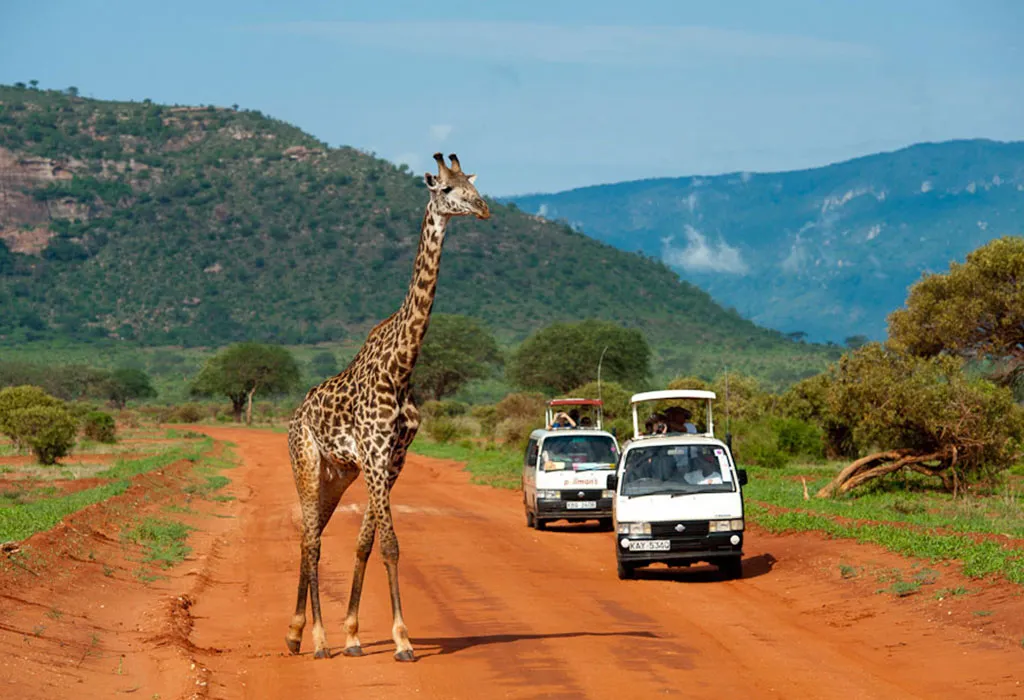
Although the Big Five receive considerable attention, many visitors find Akagera’s giraffes, zebras and antelopes equally fascinating. These animals give the park its classic African savannah character.


9. Warthogs
Warthogs are entertaining animals to watch. They often move across open grassland with their tails raised. Visitors may see them kneeling on their front legs while feeding on short grass and roots.
10. Spotted Hyenas
Spotted hyenas are important predators and scavengers within Akagera’s ecosystem. Although often associated with feeding on carcasses, they are also capable hunters.
They can occasionally be seen during daytime drives, but authorised night drives may provide additional opportunities. Learn more about activities available in Akagera National Park.
Animals to See Around Lake Ihema
Akagera’s lakes create another wildlife experience beyond the open savannah. Lake Ihema is particularly rewarding for watching hippos, crocodiles and waterbirds.

11. Hippopotamuses
Hippos spend much of the day resting in water. Their eyes, ears and nostrils are positioned near the top of the head, allowing them to remain mostly submerged.
A boat safari gives visitors an opportunity to watch hippos surfacing, interacting and moving through the water. They are powerful wild animals, so boats must maintain safe distances.
12. Nile Crocodiles
Nile crocodiles are among Akagera’s largest reptiles. They often rest along shorelines to warm themselves in the sun.
During a Lake Ihema boat cruise, visitors may observe crocodiles lying quietly near the banks or moving almost silently through the water.
Combining a lake excursion with a game drive is an excellent way to experience different wildlife habitats. Our 2-day Akagera safari is one option for travellers interested in both activities.
13. Primates in Akagera National Park
Akagera is not primarily a primate trekking destination, but several monkey species inhabit its woodland and savannah environments.
Olive baboons are among the most noticeable primates. Visitors may encounter troops along roads or moving through open areas.
Vervet monkeys are smaller and often occur near woodland. Their quick movements and social behaviour make them interesting to observe.
Blue monkeys also occur in the park but are less frequently encountered. Bushbabies may be observed during organised night drives.
For visitors particularly interested in primates, Akagera can be combined with Rwanda’s other national parks, including destinations known for chimpanzee and gorilla trekking.
14. Birds to Look Out for in Akagera
Akagera is an outstanding birdwatching destination. Approximately 500 bird species have been recorded across its grasslands, woodlands, lakes and papyrus swamps.
The African fish eagle is among the most recognisable birds around the lakes. Its distinctive call is often heard across the water.
Visitors may also encounter grey crowned cranes, kingfishers, African jacanas, herons, cormorants, African darters and colourful bee-eaters.
African Fish Eagle
Often found near lakes, this powerful bird hunts fish and makes its presence known with a distinctive call.
Grey Crowned Crane
One of Africa’s most elegant birds, recognised by its beautiful golden crown and graceful movements.
Papyrus Gonolek
A colourful bird associated with papyrus wetlands. Its habitat makes it an interesting target for dedicated birdwatchers.
15. The Rare Shoebill
The shoebill is one of Akagera’s most sought-after wetland birds. Its enormous bill and prehistoric appearance make it unforgettable.
However, shoebills are rare and elusive. Visitors should not expect a guaranteed sighting during an ordinary boat safari.
For a broader introduction to Rwanda’s wildlife and birdlife, explore our Rwanda national parks guide.
Where to Look for Animals in Akagera National Park
Different parts of Akagera offer different wildlife encounters. Understanding the habitats helps visitors plan a more rewarding game drive.
Northern Savannah Plains
Look for lions, buffaloes, zebras, giraffes, topis, elands and other grassland animals. Open landscapes make wildlife easier to observe.
Woodland Habitats
Look for elephants, giraffes, bushbucks, baboons and other mammals. Leopards may also occur in suitable woodland.
Lakes and Wetlands
Look for hippos, crocodiles, waterbirds and animals approaching the shores to drink. Papyrus areas support specialist bird species.
Wildlife movements change throughout the year. Experienced guides consider weather, recent sightings and road conditions when deciding which routes to take.
Best Time to See Animals in Akagera National Park
Wildlife viewing is possible throughout the year. However, the drier months are often preferred because shorter vegetation can make animals easier to spot.
June to September
This is generally a favourable dry-season period. Some animals gather around water sources, and visibility in open areas can be good.
December to February
These months often provide another useful opportunity for wildlife viewing, although seasonal rainfall can vary.
Rainy Seasons
Rain brings fresh green vegetation, dramatic scenery and attractive photography conditions. Animals may be more widely dispersed, and taller grass can make some sightings more challenging.
Visitors planning a wider Rwanda journey can read our best time to visit Rwanda guide.
Best Ways to Experience Akagera Wildlife
Morning and Afternoon Game Drives
Game drives are the main way to see Akagera’s large mammals. Morning drives are particularly useful for looking for predators while temperatures remain cool.
Afternoon drives can provide beautiful light for wildlife photography and opportunities to observe animals becoming active before sunset.
Read our guide to Akagera’s Big Five game drives for further details.
Lake Ihema Boat Safaris
A boat safari offers a refreshing change from travelling by vehicle. Hippos, crocodiles and waterbirds are the main attractions.
It can also provide a different perspective on animals moving near the shoreline.
Night Game Drives
Authorised night drives provide opportunities to search for animals that are difficult to observe during the day. These may include bushbabies, genets, hyenas, leopards and other nocturnal wildlife.
Night drives must be arranged according to park regulations.
Guided Nature Experiences
Organised walking activities offer an opportunity to learn about the park’s vegetation, smaller wildlife, tracks and conservation history.
Walking is restricted to permitted guided experiences. Visitors should never leave a safari vehicle to approach wild animals independently.
Learn about guided nature walks in Akagera National Park.
Recommended Akagera Wildlife Safari Experiences
Whether you have one day or several days, Akagera offers exciting opportunities to explore Rwanda’s savannah ecosystem.


Useful Tips for Watching Wildlife in Akagera
Start early. Morning game drives can provide pleasant temperatures and good opportunities to look for active wildlife.
Use an experienced guide. A knowledgeable guide can explain animal behaviour, identify species and help choose suitable routes.
Carry binoculars. Binoculars are particularly useful for birdwatching and observing distant animals.
Bring suitable camera equipment. A zoom lens allows you to photograph wildlife without approaching too closely.
Respect park regulations. Stay inside the vehicle except at authorised stops. Never feed animals or attempt to attract their attention.
Allow enough time. Two or three days can provide a more relaxed safari than a brief visit. Different drives may produce very different sightings.
For further planning advice, explore our complete Akagera National Park guide.
Frequently Asked Questions About Animals in Akagera
What animals are commonly seen in Akagera National Park?
Common wildlife encounters include buffaloes, giraffes, zebras, impalas, topis, waterbucks, warthogs, hippos, crocodiles, baboons and vervet monkeys. Elephants are also an important attraction.
Can visitors see the Big Five in Akagera?
Yes. Akagera protects lions, leopards, elephants, rhinoceroses and buffaloes. However, spotting all five during one visit is never guaranteed.
Are there lions in Akagera National Park?
Yes. Lions were successfully reintroduced in 2015 and have since established a breeding population.
Are there black and white rhinos in Akagera?
Yes. The park protects both eastern black rhinoceroses and southern white rhinoceroses following successful conservation reintroductions.
Where can visitors see hippos and crocodiles?
Lake Ihema is one of the best places to look for hippos and Nile crocodiles. A guided boat safari provides an opportunity to observe aquatic wildlife from a safe distance.
Is Akagera good for birdwatching?
Yes. Approximately 500 bird species have been recorded. The park offers a mixture of savannah, woodland and wetland birds, including African fish eagles, kingfishers and rare papyrus specialists.
How many days should I spend in Akagera?
Two or three days are a good choice for travellers who want enough time to explore different habitats and combine game drives with other activities. Longer visits provide additional opportunities for wildlife encounters.
Experience the Incredible Wildlife of Akagera National Park
Akagera National Park is one of Rwanda’s most rewarding destinations for wildlife lovers. Its open savannah, peaceful woodland and beautiful lakes support an exciting variety of animals.
From watching elephants move across the grasslands to seeing giraffes feeding among acacia trees, every game drive offers something different. The possibility of encountering lions, leopards and rhinos makes the experience even more exciting.
Visitors can also enjoy a boat safari on Lake Ihema, where hippos, crocodiles and waterbirds provide an entirely different wildlife experience.
To explore more possibilities, see our Akagera safari experiences and three-day wildlife safari itinerary.
Plan Your Akagera Wildlife Safari
Discover Rwanda’s Big Five and remarkable savannah wildlife with Safari Vacations & Travel Services. We arrange private game drives, accommodation, park activities and personalised Rwanda safari itineraries.