A Safari in Akagera National Park Rwanda: 7 Amazing Secrets

A Safari in Akagera National Park Rwanda: Complete Wildlife Safari Guide
Updated November 2026 · Big Five game drives · Lake Ihema boat trips · Practical itineraries · Published 2026 fees
A Safari in Akagera National Park Rwanda: Why Visit?

A Safari in Akagera National Park Rwanda introduces travelers to a side of the country that looks remarkably different from its misty mountain forests. Here, grassy hills open toward freshwater lakes, papyrus marshes and broad plains where zebras graze, giraffes browse and elephants move between woodland and water. It is Rwanda’s signature savannah destination and an excellent way to add classic game viewing to a holiday otherwise focused on gorillas, city culture or rainforest trails. The landscape is unusually varied for a relatively compact park, so the experience is about more than checking animals off a list.
Akagera sits in eastern Rwanda near the Tanzanian border, within practical reach of Kigali. For many visitors, the opportunity to see lions, rhinos, elephants, buffaloes and leopards in one protected landscape is reason enough to travel. Yet a responsible Rwanda wildlife safari treats those species as possibilities, never guarantees. Large mammals move naturally, visibility varies and a patient guide often turns subtle tracks, alarm calls and changing light into memorable encounters. Travelers planning Rwanda safaris can choose a long day outing or, preferably, an overnight stay that allows more time on the quieter northern tracks.
Where Is Akagera National Park?
A Safari in Akagera National Park Rwanda: Where to Begin
Akagera occupies the low-lying eastern edge of Rwanda and is named for the river system associated with its wetlands and lakes. Its mixture of savannah, woodland, hills and marshes makes it distinct from the volcanic forests around Musanze and the montane habitat of Nyungwe. That contrast is particularly satisfying on a multi-park journey: even a short drive can reveal how widely Rwanda’s scenery changes with altitude, rainfall and land use. Our overview of Rwanda’s national parks helps place the reserve in the broader conservation story.
Most international visitors reach the country through Kigali International Airport, spend a night in or around the capital, and drive east with a safari vehicle the next morning. Allow roughly two-and-a-half to three hours for the approach under favorable conditions, plus time for stops, traffic and park formalities. The time required to reach your chosen lodge or game-viewing sector can be longer, especially if you want to explore the north. Do not confuse arrival at the gate with arrival at the area where you expect to see wildlife.
Wildlife: Big Five and Other Animals
Akagera supports the Big Five—lion, leopard, elephant, buffalo and rhinoceros—following sustained conservation work and the reintroduction of species that had disappeared from the ecosystem. African Parks reports that lions were returned in 2015, eastern black rhinos followed in 2017 and 2019, and major white rhino introductions occurred in 2021 and 2025. These are meaningful conservation developments, but they are not a promise that every visitor will spot all five animals in a single day. Even an experienced guide cannot control the movements of a leopard hidden in vegetation.
Elephants, buffaloes, zebras, giraffes, waterbucks, impalas and topis may be easier to find in suitable habitat. Hippos and Nile crocodiles occupy the waterways, while baboons and other smaller animals bring life to roadside thickets. Ask your guide to explain the difference between an animal’s likely habitat and its actual location on the day. The broader Rwanda wildlife guide offers context for which species inhabit savannah and forest environments.
Daytime Game Drives Across the Savannah
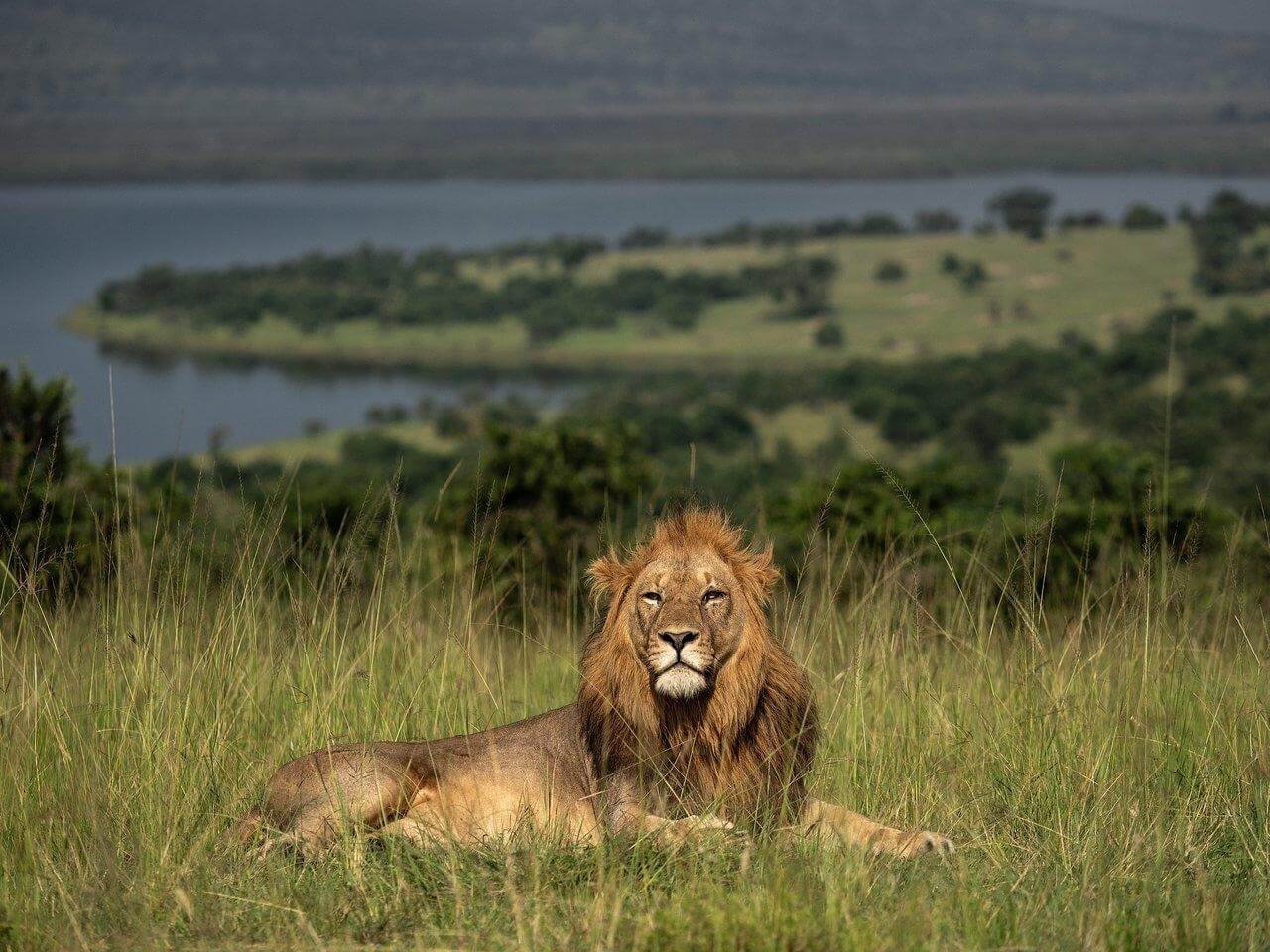
Akagera game drives are the core of most visits. The park permits self-driving in suitable vehicles during designated daylight hours, and travelers may also hire a guide or book a vehicle-based excursion. Early departures are often productive because temperatures are cooler and animals may be more active. Late afternoon can bring beautiful soft light, particularly over open grasslands, although distances inside the park require careful planning before official closing times. The park describes its self-drive operating window as 6 a.m. to 6 p.m.; always confirm the current rules with the management team before departure.
For a first visit, a high-clearance safari vehicle with a knowledgeable driver-guide is usually the most convenient option. Guides interpret spoor, bird behavior, seasonal grazing patterns and the difference between a probable sighting and a distant shadow. A dedicated Akagera activities overview can help you prioritize wildlife drives against optional experiences. Bring binoculars, store camera equipment where it will not fall, and keep your body inside the vehicle unless your guide identifies an authorized stopping point.
Lake Ihema Boat Safari: The Water-Based Highlight

A Lake Ihema boat safari is one of Akagera’s defining experiences because it reveals the park from the water rather than the road. Visitors may observe hippos surfacing, crocodiles resting along the shoreline and a changing cast of herons, kingfishers, cormorants and fish eagles. The lakeshore offers a quiet visual contrast to the grassland drives: reeds, reflections and waterbird calls make even a modest animal encounter feel immersive. Never assume a close approach to a hippo or crocodile is safe; trained boat operators control distance and movement.
Akagera’s official tourism site advertises scheduled Lake Ihema outings, including morning and afternoon departures, with private options subject to arrangement. The published 2026 tariff lists US$35 per adult for a scheduled daytime trip and US$45 for a scheduled sunset trip, excluding other park-related costs. These are published reference prices, not a guarantee of capacity or unchanged future rates. Reserve a place before a short stay, especially if your itinerary depends on a particular departure.
Choose your dates and wildlife priorities before requesting a quotation.
Birdwatching in Wetlands and Woodlands
Akagera is outstanding for travelers who enjoy birds even when no lions appear. African Parks reports almost 500 documented bird species, reflecting the variety of open grassland, marsh, woodland and freshwater habitats. African fish eagles are charismatic subjects around the lakes; colorful bee-eaters, rollers and kingfishers add detail to roadside stops. Papyrus specialists require patience and the right habitat, while raptors may be easier to study from open vantage points. Species presence does not mean guaranteed sightings on an ordinary game drive.
A serious birding schedule should use different habitats at different times of day. Begin with a patient morning drive, spend part of the day near a suitable wetland viewpoint, and leave time for boat travel if conditions permit. Listen before moving; many birds are identified by call before they emerge from cover. A bird guide can also distinguish similar species that are difficult to separate through a moving vehicle window. Visitors planning broader East African birding extensions should keep a field checklist and record the actual habitat of each sighting.
Rhino and Lion Conservation in Akagera
The restoration of large mammals is central to Akagera’s appeal. Lions and rhinos were reintroduced through coordinated conservation efforts, while anti-poaching systems, habitat management and community involvement have supported wider recovery. African Parks states that an additional seventy southern white rhinos arrived in June 2025. This conservation achievement matters because rhinos have suffered dramatic declines across many parts of Africa, and their long-term protection depends on more than tourism interest.
Visitors should distinguish the presence of rhinos from a public rhino-tracking entitlement. Some special guided experiences may be restricted by location, lodge access, staffing or conservation priorities. Never approach a rhino on foot without explicit authorization from park personnel. Similarly, a sighting of a lion close to a road is an opportunity for quiet observation, not a reason to block its passage or crowd it with vehicles. The conservation-focused side of an Akagera wildlife safari is best experienced by respecting these boundaries.
What Makes Akagera’s Landscape Different?

One of the striking aspects of Akagera is the transition between habitats over a relatively short distance. A vehicle may pass sunlit grassland where antelope feed, climb into wooded hills with broad viewpoints, then descend toward swamps bordered by papyrus. Such diversity creates distinct conditions for wildlife observation. Animals are not distributed evenly across the reserve; each species responds to food, water, cover and human disturbance in its own way. A thoughtful route therefore explores varied terrain rather than returning repeatedly to one famous photograph location.
The lakes are equally important to the park’s identity. Their freshwater margins support aquatic animals and birds, while surrounding vegetation helps sustain other wildlife through seasonal change. Look beyond the obvious mammals and notice plant communities, termite mounds, tracks and how birds use different layers of habitat. Understanding these relationships enriches the trip, especially on quieter game-viewing days. Even if the sky is overcast or the largest predators remain concealed, the landscape offers a vivid lesson in how savannah and wetland ecosystems connect.
Night Game Drives and After-Dark Wildlife
Guided night drives reveal a different rhythm to Akagera. As daylight fades, some animals retreat while others become active. Visitors may encounter nocturnal birds, smaller mammals or predators moving through darkness, although none is guaranteed. The experience is especially valuable for travelers who have already enjoyed daylight Akagera game drives and want to explore the park’s ecological diversity. It is not the same as driving independently after sunset: night activities require an authorized operator and arrangements that comply with park rules.
The published 2026 schedule lists a park-operated night drive as a separately priced activity, with adult rates shown at US$40 per person under the applicable minimum participation conditions. Ask whether your lodge location makes joining a scheduled departure practical. Staying far north can complicate a late-night return, and some camps operate seasonally. Confirm pickup, vehicle capacity, departure point, age conditions and what happens if the activity cannot run because of weather or operations.
Where to Stay: Lodges and Campsites

Accommodation in Akagera ranges from simple campsites to comfortable tented and high-end safari lodges. The right choice depends on your budget, preferred atmosphere, desired activities and where you intend to spend the most time in the park. Staying inside the reserve can make early starts more manageable and reduce unnecessary transfers. However, some locations are remote from boat departures or southern park services, so the lodge with the finest photographs is not automatically the most practical for your itinerary.
Ruzizi Tented Lodge is associated with the lakeside environment, while Karenge Bush Camp is a seasonal northern option. Other well-known choices include Magashi and properties outside or near the park, with specific access arrangements that should be checked before booking. Travelers comparing luxury accommodation in Rwanda should ask what the nightly price actually includes: meals, drinks, game activities, transfers, park fees and laundry are not always bundled together. Camping requires more preparation, especially for bedding, food storage and weather protection.
One-Day Akagera Safari from Kigali
A one-day trip can work if your time in Rwanda is limited and you accept that the focus must be selective. Leave Kigali early, reach the park in the morning, complete entry procedures and spend several hours on a guided or self-drive route. Plan a realistic lunch stop and decide in advance whether you want a boat excursion or a longer game drive. Trying to fit both extensive northern exploration and every optional activity into one day often leads to rushed viewing and a late return.
Begin with pickup from a confirmed location in Kigali and allow a margin for the outbound drive. Travelers who have just arrived on an overnight flight may be better served by a city rest day and an early start the following morning. Our guide to things to do in Kigali offers worthwhile options if you want a gentle first afternoon. Carry water, sun protection and any medication you need; do not assume food and supplies will be available at every point along the wildlife route.
Compare boat trips, game drives and overnight stays in one clear plan.
Two-Day Akagera National Park Safari Itinerary

Two days are often a better introduction to the park than one. On day one, drive from Kigali, enter Akagera, and begin with a game-viewing circuit or a scheduled Lake Ihema boat safari, depending on timing. Stop for lunch where available, enjoy the landscape at an unhurried pace and settle into your accommodation before dark. An optional night drive can add variety if the park is operating it and your lodge location is suitable. This pattern avoids using the entire first day on a cross-park dash.
On day two, depart early for another wildlife drive. Choose routes based on road conditions, seasonal animal movements and what you already saw rather than following an inflexible checklist. You might spend longer photographing giraffes, exploring open plains or watching a herd from a safe distance. Return to Kigali at a realistic hour, accounting for road travel, fuel stops and unexpected delays. Visitors considering longer Rwanda safari holidays can continue to another national park instead of doubling back immediately.
Three-Day Akagera Safari: A Slower Route
With three days, the trip becomes a relaxed wilderness holiday rather than a quick excursion. Spend the first day arriving, visiting the southern sector and taking an afternoon boat trip if reservations and weather cooperate. Use the second day for a longer safari drive across different habitats, with sufficient time for lunch, bird identification and the occasional long wait at a productive viewing point. On the third day, choose one shorter morning activity before returning to Kigali.
This approach works particularly well for photographers, families and travelers who prefer not to sit in a vehicle for every daylight hour. The extra night gives you flexibility if rain slows a journey or an afternoon activity must be rescheduled. It also creates opportunities for a conservation-focused visit or a community experience when offered. Couples comparing Rwanda honeymoon safaris may value quiet time at a lodge as much as the game drives themselves.
Best Time to Visit Akagera
Akagera welcomes visitors throughout the year, but seasonality affects scenery, road conditions and the ease of viewing animals. In relatively drier periods, grass may be shorter in some areas and wildlife can be easier to spot near accessible water. During wetter periods, the landscape can become especially lush, bird activity may be rewarding and rain can change the state of unpaved tracks. Do not assume an entire season is uniformly dry or rainy, or that a good game-viewing month guarantees a particular predator sighting.
A safari in January or February can feel different from one during the longer midyear dry period. Early mornings may still be cool, and storms can occur outside textbook seasonal boundaries. Consult a current forecast as the trip approaches and discuss any recent road changes with your operator. The broader best time to visit Rwanda depends on whether you are prioritizing savannah wildlife, gorillas, birds or a combination.
2026 Akagera Park Fees and Safari Budget
Budgeting becomes clearer once you separate park entry from the actual safari package. The Akagera Management Company’s published 2026 tariff lists a standard one-day adult international visitor entry fee of US$100. It also lists US$150 for two nights and US$200 for three nights for that visitor category, alongside different rates for Rwandan and East African Community citizens, residents, and other eligible groups. Check your category carefully rather than assuming one international price applies to everyone. These figures are a dated official tariff and should be reconfirmed for your precise travel dates.
Separate charges may apply for the vehicle, guide, scheduled boat trip, night drive, camping or other activities. In the same published tariff, an eligible locally registered vehicle or minibus is listed at US$10, while a guide accompanying a self-drive is listed at US$25 for a half day or US$40 for a full day. Scheduled daytime boat trips are shown at US$35 per adult, and a sunset boat at US$45. Accommodation, meals, Kigali transfers, driver allowances and private vehicle hire are additional unless your quotation expressly includes them. For comparison, Rwanda safari costs can help travelers assess whether a package’s headline price reflects the full trip.
Ask for an itemized quote that specifies each traveler’s eligibility category, number of nights, vehicle type and activities booked. If a tour is unusually cheap, find out whether park fees or guide costs are excluded. If it seems expensive, check whether the price covers an exclusive vehicle and a premium lodge. A transparent budget is more useful than an unrealistic universal cost per person.
Traveling as a Couple or Small Group
Couples and small groups can shape an Akagera visit around shared interests without needing an elaborate expedition. Decide whether you prefer a wildlife-intensive schedule, a combination of animals and relaxation, or a photography-focused stay with extra time at scenic stops. A private vehicle allows the guide to adjust pacing within park rules and operational limits. It can be especially valuable if travelers have different levels of experience or want to spend long periods watching behavior rather than repeatedly changing locations.
For a romantic trip, select accommodation based on atmosphere and practicality, not just room decoration. A lakeside outlook may suit relaxed evenings, while a northern lodge may appeal to those prioritizing remote plains and early drives. Ask about dining arrangements, privacy and any additional costs for special experiences. Visitors building Rwanda honeymoon itineraries can pair an Akagera stay with another region while avoiding excessive hotel changes.
Food, Water and Daily Comfort
Long safari drives are much easier when basic needs are planned before departure. Confirm whether breakfast is served before the early activity or provided as a packed meal. Ask where lunch will take place, whether dietary requirements can be accommodated and how drinking water is supplied. Carry enough water for the length of the drive, especially in warm weather. The park is a protected wilderness, not an urban attraction with shops around every bend, so do not rely on spontaneous purchases between sightings.
A small cushion or supportive seat can help travelers with back discomfort on uneven tracks. If you experience motion sickness, discuss suitable preventive measures with your healthcare professional ahead of time. Protect food from heat and follow lodge advice about storage. Never throw scraps into the bush or attempt to feed an animal that approaches the vehicle. Planning these ordinary details makes it easier to enjoy the day without unnecessary interruptions.
How to Reach Akagera from Kigali
Most guests drive east from Kigali in a private vehicle, organized tour transport or appropriate self-drive car. A dedicated safari vehicle offers better visibility, dependable luggage space and a driver who understands wildlife etiquette. Travelers planning an independent visit should check insurance, road suitability, fuel availability and rental conditions that apply inside protected areas. Road conditions can change after heavy rain, so a route that looks straightforward on a map may take longer than expected.
The journey often begins from the hotel or after arrival at Kigali’s international airport, but avoid scheduling a demanding same-day safari after a delayed long-haul flight. Rest can improve the whole experience. Discuss pickup time, luggage storage and whether the vehicle will remain with you throughout the park visit. For self-drive guests, confirm the approved entry and exit points and current opening hours directly during trip planning rather than relying on an old online map.
Build an itinerary around your pace, accommodation and travel interests.
Self-Drive Versus Guided Safari
Self-driving appeals to independent travelers who enjoy controlling their pace and stopping whenever a scene catches their attention. Akagera officially allows self-drive visits during its stated daytime window, but the driver remains responsible for navigation, road awareness and compliance with park rules. A vehicle suited to uneven tracks is preferable, particularly after rain. Ask how breakdown assistance works and whether your rental agreement permits park driving before committing to this option.
A guided Rwanda wildlife safari generally costs more than basic self-drive entry but offers the benefit of someone who recognizes animal behavior, useful routes and local conditions. Guides can also help beginners distinguish buffalo from distant cattle-like shapes or identify birds by sound. If you are hiring a local guide for your own vehicle, confirm the guide’s meeting point and the half-day or full-day arrangement. Rwanda safari planning considerations are particularly useful for families, older travelers and first-time visitors who may underestimate driving fatigue.
Photography Tips for Akagera Wildlife
Akagera rewards wide landscapes as well as close wildlife photographs. The rolling hills, wetlands and open skies provide context that is often lost in tight portraits. Morning and late-afternoon light can add depth to animal shapes, while boat excursions offer different perspectives on aquatic wildlife. Use a moderate telephoto lens if you have one, but remember that a good composition includes habitat and behavior. Do not pressure your guide to approach an animal simply because your equipment cannot photograph it from a safe distance.
A beanbag can stabilize a camera against a vehicle window or railing, and spare batteries are valuable on long drives. Dust, sudden showers and movement inside vehicles create practical challenges, so keep a cloth and protective cover close. On a Lake Ihema boat safari, secure straps and follow the operator’s instructions before changing lenses or standing. Travelers looking at Rwanda luxury lodges may also want to ask whether photography-friendly vehicle arrangements are available through the property.
Family Safari Planning and Accessibility
Akagera can be a good choice for families because vehicle-based game viewing allows people of different ages to enjoy wildlife without strenuous trekking. Still, a full-day drive can feel long for young children, and the heat, uneven tracks and limited bathroom options deserve advance discussion. Build frequent rest opportunities into the schedule and choose a lodge that suits the group’s sleeping and dining habits. Take snacks, water and quiet activities for stretches between wildlife sightings.
Accessibility needs vary widely. A traveler who cannot climb into a high-clearance vehicle easily may need a carefully chosen car and specific assistance arrangements. Boat excursions involve boarding procedures that should be discussed in advance, not assumed to be accessible. Ask about step heights, seat support, proximity to facilities and whether a shorter drive can be arranged. A flexible Rwanda safari holiday can be customized more effectively than a rigid group departure.
Community Culture and Conservation Visits
There is more to the area around Akagera than the wildlife inside the park boundary. The park advertises community-led cultural experiences that may involve learning about cattle traditions, honey production or local food processing. These activities can bring travelers into contact with people whose livelihoods are connected to the landscape. Availability, minimum numbers and timing may vary; arrange a visit rather than arriving unannounced at a farm or cooperative.
A conservation-oriented activity may also explain how park management, guides and neighboring residents work together. The history of Akagera includes substantial restoration efforts, and community involvement helps visitors understand why wildlife protection requires more than patrol vehicles. Consider pairing a shorter game drive with a community experience if your trip has enough time. Travelers building a broader Rwanda safari travel plan should allow such stops to be meaningful rather than using them as quick photographs.
Safety, Park Rules and Responsible Travel
Wildlife is not domesticated, even when animals appear accustomed to vehicles. Follow the instructions of park staff and guides, stay within authorized areas and obey all movement restrictions. Never leave the vehicle near dangerous animals or approach hippos at the water’s edge. Do not feed wildlife, play calls to attract predators or fly a drone without written authorization. When enjoying a boat excursion, wear the safety equipment provided and remain seated when instructed.
The same principles apply to driving: keep speeds low, respect road closures and do not block an animal’s path. During wet conditions, slick tracks and reduced visibility may change the plan. Carry appropriate medication and discuss any health or mobility needs with your operator beforehand. Confirm current entry, insurance and travel-document requirements through the relevant official channels during booking, particularly if your trip crosses national borders. Your safari preparation checklist should cover both wildlife etiquette and ordinary road safety.
Combining Akagera with Gorillas and Nyungwe
Akagera complements Rwanda’s other headline experiences beautifully. After open-country wildlife viewing, many travelers head toward Volcanoes National Park for mountain gorillas or golden monkeys, while others continue to Nyungwe for rainforest walks and chimpanzee tracking. These destinations are not interchangeable: each offers a different ecosystem and requires separate planning. Build in travel days, and do not assume that a gorilla permit or a chimpanzee activity is included with an Akagera booking.
An itinerary pairing Akagera with gorilla trekking in Rwanda can make sense for visitors who want both savannah mammals and a close primate encounter. Families should check age and fitness restrictions for trekking before paying deposits. Another rewarding extension explores golden monkey trekking in the Volcanoes region; this involves a different forest experience and separate permit arrangements. Travelers who prefer rainforest birdlife might choose Nyungwe chimpanzee tracking and spend additional time on trails suited to their abilities.
How Akagera Compares with Uganda Safaris

Travelers sometimes ask whether to choose Akagera or a larger wildlife destination in neighboring Uganda. The answer depends on the wider holiday. Akagera is convenient for guests based in Kigali and integrates naturally with Rwanda’s gorilla region. Uganda offers a different collection of parks and wildlife environments, including Queen Elizabeth and Murchison Falls, but reaching them may involve longer drives or extra travel days. Neither destination should be sold as universally better for every traveler.
If you want classic savannah wildlife within a compact Rwanda itinerary, Akagera is a strong choice. If you are planning an extensive regional journey, compare the broader Rwanda versus Uganda safari options according to time, travel style and desired animals. You may also explore East African wildlife safari routes that combine multiple habitats, although cross-border logistics and costs need careful planning.
Make Akagera part of an unhurried Rwanda holiday.
Packing List for an Akagera Safari
Pack for warm days, cooler morning departures and occasional rain. Lightweight neutral-colored clothing is practical, along with a hat, comfortable closed shoes and a breathable long-sleeved layer for sun protection. Bring sunscreen, insect repellent, personal medication and a reusable water bottle. A compact rain jacket is useful even outside the wetter months, while a warmer layer helps on an early boat trip or night drive. Avoid heavily scented products when practical and check current luggage allowances for any connecting flights.
Binoculars are among the most useful items you can bring; they make distant antelope, small birds and details on the lakeshore much easier to appreciate. Charge your phone and camera before departure, carry spare batteries or a power bank, and protect electronics from dust. A small day bag keeps essentials organized without cluttering the safari vehicle. Visitors following Rwanda birdwatching itineraries may also appreciate a field guide, notebook and lightweight binocular harness.
Frequently Asked Questions About Akagera
Can I see the Big Five in Akagera? Yes, all five species occur in the park, but sightings depend on habitat, timing and luck. Lions or leopards may remain hidden even during a full-day visit. A guide can improve interpretation and route choices without guaranteeing an encounter.
Is one day enough? A day trip from Kigali gives you a taste of savannah landscapes and wildlife. Two or three days are preferable if you want a calmer route, boat experience and more than one game drive. The right length depends on your arrival plans and travel budget.
Can visitors drive themselves? The park officially allows self-driving during designated daytime hours. You need a suitable vehicle, an understanding of rules and a realistic route. Community guides can accompany self-drivers, subject to arrangements and fees.
Should I book the boat in advance? Yes, especially on a short visit. Published departures are scheduled, but spaces, timing and operations may change. Do not assume a Lake Ihema boat safari is automatically part of standard park entry.
What is the best way to plan prices? Separate entrance charges from vehicle, guide, accommodation and activities. Published 2026 rates provide a useful starting point, but confirm the quote for your visitor category and intended date. Our Rwanda safari budget guide can help clarify the different cost elements.
Is Akagera suitable for children? It can be, especially with a comfortable vehicle and a flexible schedule. Check age restrictions for individual activities, emphasize wildlife safety and include breaks. Small children may prefer a shorter drive to an ambitious all-day circuit.
Plan Your Akagera Safari with Confidence
The most enjoyable safari in Akagera National Park, Rwanda combines good preparation with room for the unexpected. Decide how many days you can spare, select a lodge that matches your activity priorities, and confirm whether your trip includes guided Akagera game drives, park fees and a Lake Ihema boat safari. Tell your operator if you are especially interested in birds, photography, family travel or a relaxed pace. Then leave your checklist behind long enough to appreciate the animals and landscapes that appear.
Because every sighting is unscripted, the most valuable booking advice is straightforward: choose transparent arrangements, allow time for transfers and never rely on claims that a particular animal will definitely be seen. A practical Rwanda safari package should identify its inclusions clearly. You can also combine Akagera with other Rwanda safari experiences if your trip spans more than a few days. With realistic expectations, respectful guiding and enough time beside the lakes and open plains, Akagera becomes one of the most rewarding ways to discover Rwanda beyond the mountain forests.