
Is January a Good Time to Visit Uganda for Safaris

Is January a Good Month for a Uganda Safari?
January is an excellent time to visit Uganda for safaris. The month falls within the country’s relatively dry season, making it particularly attractive for mountain gorilla trekking, chimpanzee tracking, game drives, nature walks and birdwatching.
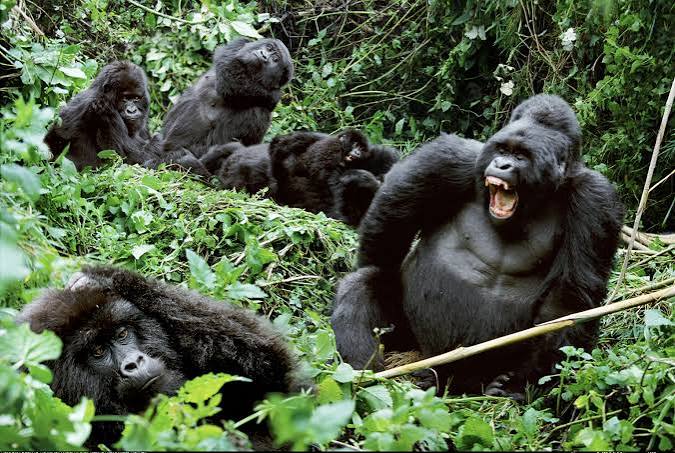
Imagine walking through the ancient forests of Bwindi in search of mountain gorillas, watching elephants move across the savannah in Queen Elizabeth National Park, or cruising along the Nile in Murchison Falls National Park. January gives travelers a wonderful opportunity to enjoy these experiences during generally favorable weather conditions.
However, Uganda is an equatorial country with varied landscapes. Weather conditions differ between the warmer northern savannahs, the western national parks and the cooler mountainous forests. Even in January, rainfall is possible, especially around Bwindi, Mgahinga and Kibale.
For travelers researching the best national parks in Uganda, January offers an excellent balance of wildlife, outdoor adventure and beautiful scenery.


January Uganda Safari: Quick Facts
What Is the Weather Like in Uganda in January?
January usually brings warm days, a good amount of sunshine and comparatively lower rainfall across many parts of Uganda. These conditions make it one of the more convenient months for exploring national parks by road.
However, Uganda’s climate changes significantly with altitude and geography. Northern savannah regions can become quite hot, while southwestern highlands remain cooler. Mountain forests also create their own weather patterns, so visitors should never assume that January guarantees completely dry conditions.
Warm Days in the Savannah
Travelers visiting Murchison Falls, Queen Elizabeth and Kidepo Valley can often expect warm afternoons and comfortable early-morning game drives. In some northern areas, daytime temperatures may rise above 30°C. Therefore, carrying drinking water and sun protection is important.
Cooler Conditions in Gorilla Trekking Areas
Bwindi and Mgahinga lie at higher elevations, where temperatures are generally cooler than those of the savannah. Early mornings can feel chilly, particularly before trekking begins. A lightweight fleece and waterproof jacket will help you stay comfortable.
Can It Rain in January?
Yes. Although January is usually drier than the main rainy-season months, occasional showers are normal. Forest paths may remain damp, and sudden changes in weather are possible.
For additional preparation, read our complete Uganda safari packing guide.
Why January Is One of the Best Months to Visit Uganda
1. Better Conditions for Gorilla Trekking
Mountain gorilla trekking involves walking through thick vegetation, navigating hills and sometimes crossing muddy forest paths. Because January receives relatively less rainfall, the trails may be easier to navigate than during the wettest months.
However, the difficulty of each trek also depends on the location of the gorilla family, terrain, altitude and individual fitness. Some visitors find gorillas relatively quickly, while others spend several hours hiking.
Explore our month-by-month gorilla trekking guide to compare different seasons.
2. Rewarding Wildlife Viewing
During relatively dry weather, grass can become shorter and animals may gather near reliable water sources. This can improve opportunities to observe elephants, buffaloes, Uganda kobs, lions and other animals.
Wildlife sightings are never guaranteed. Nevertheless, the combination of good road access, experienced guides and favorable morning conditions makes January a strong choice for game drives.
3. Excellent Opportunities for Wildlife Photography
January’s clear mornings can produce beautiful light for photographing wildlife. Early game drives are particularly rewarding when the sun rises over the grasslands and animals are active before the afternoon heat.
Forest photography offers a different atmosphere. Mist, filtered sunlight and deep green vegetation create striking backgrounds for photographing primates.
4. Convenient Conditions for Road Safaris
Many popular Uganda safari routes connect Entebbe, Murchison Falls, Kibale, Queen Elizabeth, Bwindi and Lake Mburo. During January, roads and park tracks are generally easier to navigate than during periods of prolonged heavy rainfall.
Still, travel times depend on road conditions, traffic and the specific route. A well-planned itinerary should include adequate driving time rather than trying to cover too many destinations in a single day.
5. Wonderful Birdwatching Experiences
January is also a rewarding month for bird enthusiasts. Uganda has an extraordinary diversity of resident species, and Palearctic migrants may be present during the northern winter.
Birdwatchers can explore Mabamba Wetland for the shoebill, the forests around Kibale and Bwindi, or the wetlands and savannah habitats of Queen Elizabeth and Murchison Falls.
Best Places to Visit in Uganda in January
Each Uganda destination offers a different experience. The following national parks and natural attractions are particularly worthwhile when planning a January safari.

Bwindi Impenetrable National Park – Mountain Gorilla Trekking
Bwindi is among Africa’s most remarkable wildlife destinations. Its ancient mountain rainforest shelters endangered mountain gorillas alongside forest birds, monkeys and numerous other species.
January is especially suitable for visiting Bwindi because the relatively dry conditions can make trekking more comfortable. Travelers should nevertheless wear waterproof boots and prepare for steep slopes and slippery sections.
Gorilla trekking takes place across four main sectors: Buhoma, Ruhija, Rushaga and Nkuringo. Your permit determines the trekking location, making it important to select accommodation near the correct sector.
Visitors must be at least 15 years old. Standard gorilla trekking includes up to one hour observing a habituated gorilla family once it has been located.
Learn more about Uganda gorilla trekking permits and how to prepare for the experience.

Queen Elizabeth National Park – Lions, Elephants and Boat Safaris
Queen Elizabeth National Park is a fantastic choice for January wildlife viewing. Its landscape includes open grasslands, crater lakes, woodlands, wetlands and the famous Kazinga Channel.
Morning and afternoon game drives provide opportunities to look for lions, elephants, buffaloes, Uganda kobs, warthogs and other animals.
The Ishasha sector is particularly known for its tree-climbing lions, although sightings depend on wildlife movements and local conditions.
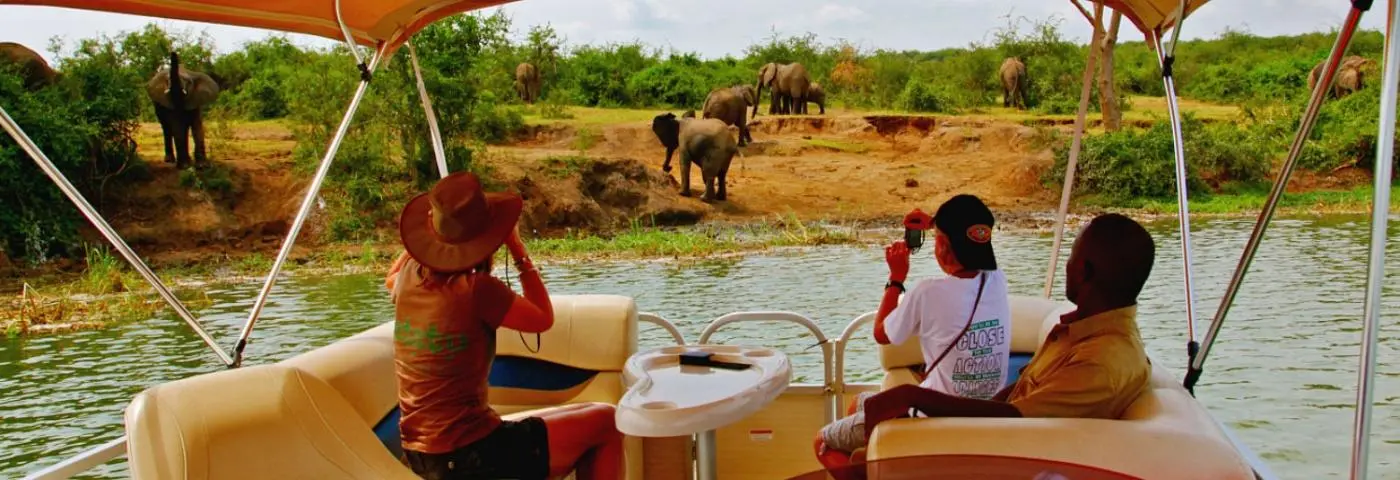
Another highlight is a boat cruise along the Kazinga Channel. Hippos, crocodiles, waterbirds and other animals frequently occupy the shores, making this a rewarding wildlife experience.
Read our Queen Elizabeth National Park guide for more details.

Murchison Falls National Park – Big Game and the Nile
Murchison Falls National Park combines open savannah, riverine vegetation, woodland and one of Uganda’s most spectacular waterfalls.
January’s relatively dry conditions are well suited to morning game drives, when travelers may encounter elephants, giraffes, buffaloes, antelopes and predators.
A boat trip along the Nile toward Murchison Falls is another highlight. Travelers can watch hippos, crocodiles and birds while enjoying beautiful river scenery.
The waterfall itself is famous for the tremendous force of the Nile as it passes through a narrow rock gorge.
Kibale National Park – Chimpanzee Tracking
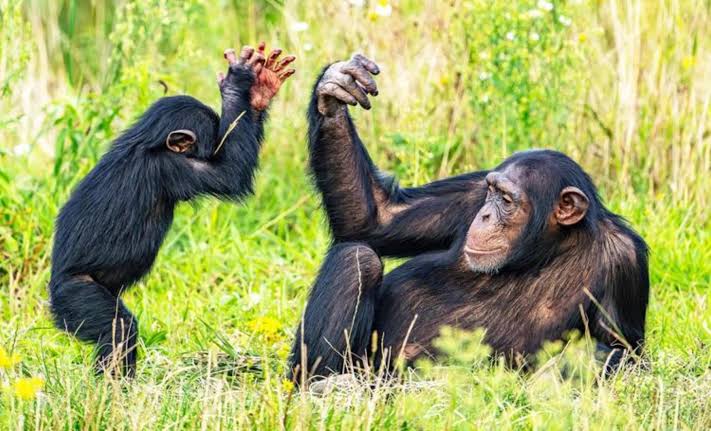
Kibale National Park is one of Uganda’s leading destinations for chimpanzee tracking. Its tropical forest supports a rich community of primates, birds and other wildlife.
January is a very good month for tracking chimpanzees because relatively drier conditions may make walking through the forest more comfortable.
During the guided experience, visitors listen for chimpanzee calls and follow their movements through the trees. Once a habituated community is located, standard tracking generally allows up to one hour of observation.
Visitors can also explore Bigodi Wetland Sanctuary, which offers guided nature walks, birdwatching and community experiences.
Discover more in our Kibale National Park ultimate guide.

Lake Mburo National Park – Walking Safaris and Zebras
Lake Mburo is an excellent addition to a January itinerary, particularly for travelers driving between southwestern Uganda and Entebbe.
The park is known for zebras, impalas, elands, buffaloes, giraffes and other wildlife. Its mixture of grassland, acacia woodland and lakes creates a beautiful setting for outdoor activities.
One of the most memorable experiences is a guided walking safari. Accompanied by an authorized ranger, visitors can explore selected areas on foot while learning about tracks, vegetation and animal behavior.
January mornings are particularly appealing for walking because temperatures are usually more comfortable before midday.
Read about walking safaris in Lake Mburo National Park.

Kidepo Valley National Park – Remote Savannah Adventure
Kidepo Valley National Park is a beautiful destination for travelers seeking remote landscapes and a less conventional safari experience.
Located in northeastern Uganda, Kidepo features expansive plains, mountain scenery and diverse wildlife. January is generally part of its dry season, when conditions may be hot and vegetation less dense.
Visitors can explore the Narus Valley, enjoy game drives and discover a region of Uganda that receives fewer tourists than many western safari destinations.
Because Kidepo is far from the main western safari circuit, it works best in a dedicated northern itinerary or a longer journey with suitable transport arrangements.

Mabamba Wetland – Searching for the Shoebill
Mabamba Wetland, near Lake Victoria, is one of Uganda’s best-known birdwatching destinations.
A guided canoe excursion through the wetland provides opportunities to look for the unusual shoebill, a remarkable bird recognized by its enormous shoe-shaped bill.
January can be a rewarding month for visiting Mabamba, especially during the cooler morning hours when bird activity may be high.
However, the shoebill is a wild bird, and sightings are never guaranteed. An experienced local guide can help visitors explore suitable habitat responsibly.
Best Safari Activities to Enjoy in Uganda in January
January is suitable for a wide variety of experiences, allowing visitors to combine adventure, wildlife photography and relaxation in one journey.



Is January an Expensive Month for Uganda Safaris?
January is a popular time to travel, particularly around the New Year holiday period. As a result, some lodges may have higher rates or limited room availability during the first part of the month.
However, the entire month does not necessarily have the same demand. Travelers who can visit during the middle or latter part of January may find more flexibility in accommodation choices.
Uganda safari prices depend on several factors, including the number of travelers, accommodation category, duration, park fees, transport arrangements and activities.
Gorilla trekking permits are an important part of the overall budget. Unlike some accommodation rates, official permit fees are set according to visitor categories and the prevailing Uganda Wildlife Authority tariff.
We recommend requesting a personalized quote rather than relying on a general daily safari estimate. This gives you a clearer picture of the total cost and what your safari package includes.
For additional planning advice, explore our Uganda safari discounts and travel planning guide.
January vs Other Months: When Should You Visit Uganda?
January is a strong choice for many visitors, but your ideal month depends on the experience you want. The following comparison highlights the main differences.
| Period | Typical Conditions | Best For |
|---|---|---|
| Jan–Feb | Relatively dry | Gorillas and wildlife |
| Mar–May | Often wetter | Green scenery |
| Jun–Sep | Generally drier | Classic safari touring |
| Oct–Nov | Often wetter | Lush landscapes |
| December | Usually improving | Holiday safaris |
For a detailed comparison of trekking conditions throughout the year, see the best time to see mountain gorillas in Uganda and Rwanda.
Suggested 10-Day Uganda Safari Itinerary for January
For first-time visitors, a ten-day itinerary provides a rewarding combination of primates, wildlife, boat cruises and scenic countryside.
Day 1: Arrival in Entebbe
Arrive at Entebbe International Airport and transfer to your accommodation. Relax after your international journey.
Day 2: Transfer to Murchison Falls
Travel north toward Murchison Falls National Park, with an optional stop at Ziwa Rhino Sanctuary depending on timing and arrangements.
Day 3: Murchison Falls Wildlife Safari
Enjoy an early game drive followed by an afternoon Nile boat cruise toward the waterfall.
Day 4: Transfer to Kibale
Travel southwest toward Fort Portal and the Kibale forest region, enjoying views of Uganda’s countryside.
Day 5: Chimpanzee Tracking
Track chimpanzees in Kibale National Park and enjoy an optional guided visit to Bigodi Wetland Sanctuary.
Day 6: Queen Elizabeth National Park
Drive to Queen Elizabeth National Park and enjoy a boat cruise on the Kazinga Channel, subject to your arrival time.
Day 7: Game Drive and Transfer to Bwindi
Enjoy wildlife viewing, then continue toward Bwindi Impenetrable National Park through the Ishasha region.
Day 8: Mountain Gorilla Trekking
Experience the highlight of your safari with a guided mountain gorilla trek in Bwindi.
Day 9: Travel to Lake Mburo
Enjoy a scenic drive to Lake Mburo National Park for a relaxing evening in the savannah.
Day 10: Return to Entebbe
Enjoy an optional early morning game drive or guided walk before returning to Entebbe for your onward flight, subject to departure time.
This is an illustrative itinerary. Your actual route, accommodation and activity dates should be adjusted to permit availability, travel preferences and flight schedules.
What Should You Pack for a January Safari in Uganda?
January’s relatively dry weather makes packing straightforward, but travelers visiting both forests and savannahs should prepare for different conditions.
Lightweight, breathable clothing works well for warm game drives. Neutral-colored shirts and trousers are practical, while a wide-brimmed hat, sunglasses and sunscreen provide protection against the equatorial sun.
For gorilla and chimpanzee trekking, waterproof hiking boots with good grip are particularly important. Long trousers, long-sleeved shirts, gardening gloves and a lightweight rain jacket will help protect you from vegetation, mud and occasional showers.
A small daypack, reusable water bottle, binoculars, insect repellent and waterproof camera protection are also useful.
Bring a warm layer for early mornings in highland areas, even if your safari includes warmer national parks.
Important Tips for Planning a Uganda Safari in January
Book Gorilla Permits in Advance
Gorilla trekking permits are limited each day to protect the animals and manage visitor numbers. Once your travel dates are reasonably certain, check permit availability before confirming non-refundable travel arrangements.
Choose Accommodation Near Your Activities
For gorilla trekking, staying near the correct Bwindi trekking sector is particularly important. This reduces unnecessary early-morning travel and helps you arrive at the park briefing point on time.
Include Adequate Travel Time
Uganda offers beautiful landscapes, but road journeys between national parks can be long. Avoid packing too many activities into one day, particularly when traveling between distant destinations.
Prepare for Both Sun and Rain
Even during the dry season, mountain forests can receive showers. Carrying the right clothing helps you enjoy your safari regardless of changing weather.
Travel With Experienced Safari Guides
A knowledgeable local guide makes a significant difference. Guides understand safari routes, park procedures, animal behavior and practical travel arrangements.
Learn more about how to book a safari in Uganda.
Frequently Asked Questions About Is January a good time to visit Uganda
Is January a good time for gorilla trekking in Uganda?
Yes. January is generally one of the better months for gorilla trekking because conditions are relatively dry. However, Bwindi and Mgahinga are mountain environments where rain and muddy trails remain possible throughout the year.
Does it rain in Uganda in January?
Yes, occasional rainfall is possible. January is generally drier than the main wet-season months, but conditions vary by region and altitude.
Is January good for seeing lions and elephants?
January offers favorable opportunities to see savannah wildlife, including lions and elephants, especially in parks such as Queen Elizabeth and Murchison Falls. However, sightings depend on natural animal movements and are not guaranteed.
Can I track chimpanzees in January?
Yes. Chimpanzee tracking takes place throughout the year in Kibale National Park. January’s relatively dry conditions can make the forest walks more manageable.
Is Uganda crowded in January?
Visitor demand can be high around Christmas and New Year, especially for gorilla trekking. However, many destinations remain less crowded than major international safari hotspots, and availability may improve later in January.
How many days are enough for a January Uganda safari?
Seven to ten days is a good starting point for combining gorillas, chimpanzees and wildlife viewing. Travelers with additional time can explore Murchison Falls, Kidepo Valley or other destinations.
Is January better than July for a Uganda safari?
Both months are excellent. January falls within the shorter dry season, while July is part of the longer midyear dry season. July can be particularly busy, whereas parts of January may offer more flexibility after the New Year holiday period.
Can I visit Uganda for a honeymoon in January?
Absolutely. January’s generally favorable weather makes it suitable for combining luxury lodges, gorilla trekking, wildlife safaris and relaxation beside Lake Bunyonyi or Lake Victoria.
Final Verdict: Is January Worth Visiting Uganda?
January is undoubtedly one of the most rewarding months to plan a Uganda safari. It offers generally favorable weather, enjoyable wildlife viewing conditions, excellent gorilla trekking opportunities and a wide range of outdoor adventures.
Whether you are planning your first African safari, a mountain gorilla trekking experience, a photographic holiday or a journey through several national parks, January provides an excellent starting point.
The key to a successful trip is choosing the right itinerary, securing permits early and allowing enough time to enjoy each destination without rushing.
At Safari Vacations and Travel Services Ltd, we organize private, tailor-made Uganda safaris covering gorilla trekking, chimpanzee tracking, wildlife game drives, birdwatching and scenic adventures. Our team can help you choose suitable accommodation, arrange transport and design a journey around your travel dates and interests.
Plan Your January Uganda Safari With Us
Experience mountain gorillas, chimpanzees, wildlife and the beauty of Uganda with a personalized safari created by local travel specialists.
Safari Vacations and Travel Services Ltd | Uganda & East Africa Safari Specialists





