What to Pack for a Uganda Safari and Trekking Adventure
THE RIGHT GEAR FOR EVERY ADVENTURE
Three Packing Priorities for Your Uganda Safari
From sunny savannah drives to slippery forest paths, your equipment should match the places you plan to visit—not simply the number of days you are travelling.
What Should You Pack for a Uganda Safari?
A well-planned Uganda safari packing list should prepare you for several different environments on one holiday. A morning wildlife drive can be cool and breezy, an afternoon on the open plains can feel hot, and a walk through the rainforest can become wet or muddy at almost any time. The trick is to travel light while carrying clothes and equipment that work in more than one setting.
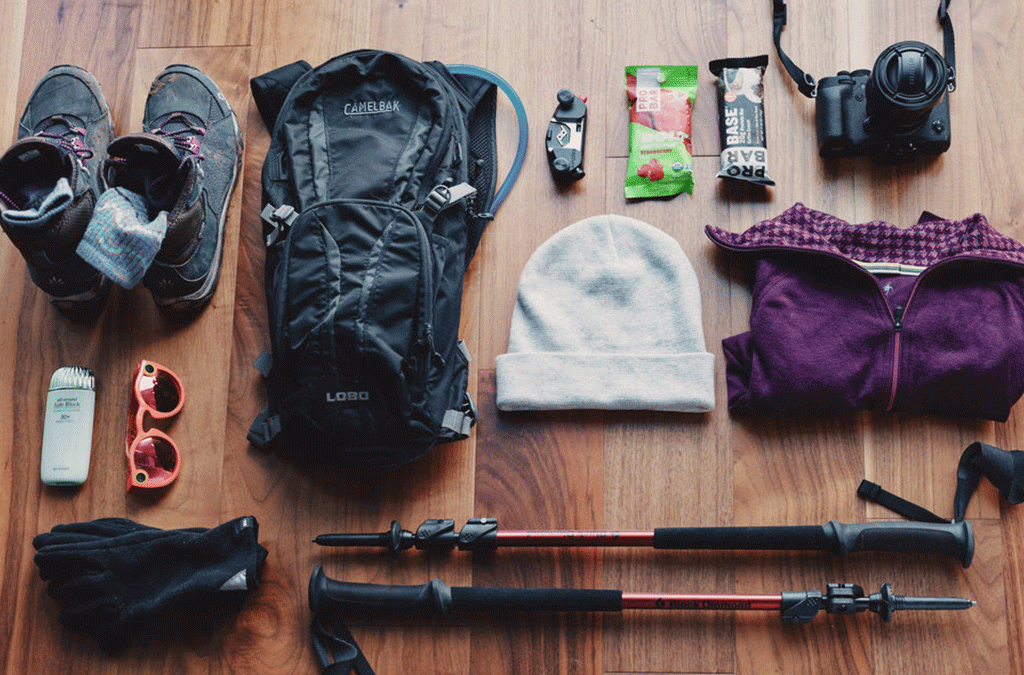
If your journey includes wildlife game drives in Uganda, choose lightweight trousers, breathable tops, a sun hat and comfortable closed shoes. If you are adding a safari and trekking adventure, add good-grip hiking boots, long socks, gloves and reliable rain protection. These are complementary packing needs rather than two completely separate wardrobes.
This guide is designed for first-time safari visitors, couples, families, solo travellers and photographers. It will also help you decide what belongs in your suitcase, what must go into your daypack and which items you can leave at home. For families travelling with children, our Uganda family safari guide offers additional trip-planning considerations.
The most useful starting point is to plan around your actual itinerary. A short savannah safari and a longer trip combining Bwindi, Kibale and Queen Elizabeth National Park will not require exactly the same gear. Our team at Safari Vacations and Travel Services can help tailor your checklist to your travel month, scheduled activities and luggage arrangements.
Uganda Safari Packing List at a Glance
Start with the essentials below, then adjust quantities for your trip length and access to laundry services.
| Packing category | What to bring | Why it matters |
|---|---|---|
| Clothing | Lightweight tops, long trousers, fleece and rain jacket | Variable temperatures, rain and insect protection |
| Footwear | Comfortable closed shoes; hiking boots if trekking | Comfort on drives and grip on forest trails |
| Daypack | Small backpack, water bottle, snacks, waterproof pouch | Easy access during excursions |
| Health and protection | Sunscreen, insect repellent, prescribed medicines, basic first-aid items | Outdoor comfort and personal wellbeing |
| Wildlife viewing | Binoculars, camera, charging cables, spare battery or power bank | Better viewing and photography opportunities |
| Travel documents | Passport, applicable visa, insurance details and health documents | Airport, entry and trip administration |
Tip: On smaller domestic flights, baggage limits may be more restrictive than on international flights. Confirm your operator’s allowance before packing.
DO NOT LEAVE THESE BEHIND
The Most Important Uganda Safari Packing Essentials
These six packing decisions make the biggest difference to comfort. They also cover the items that travellers commonly overlook when combining a classic safari with forest activities.
01. Lightweight, neutral clothing
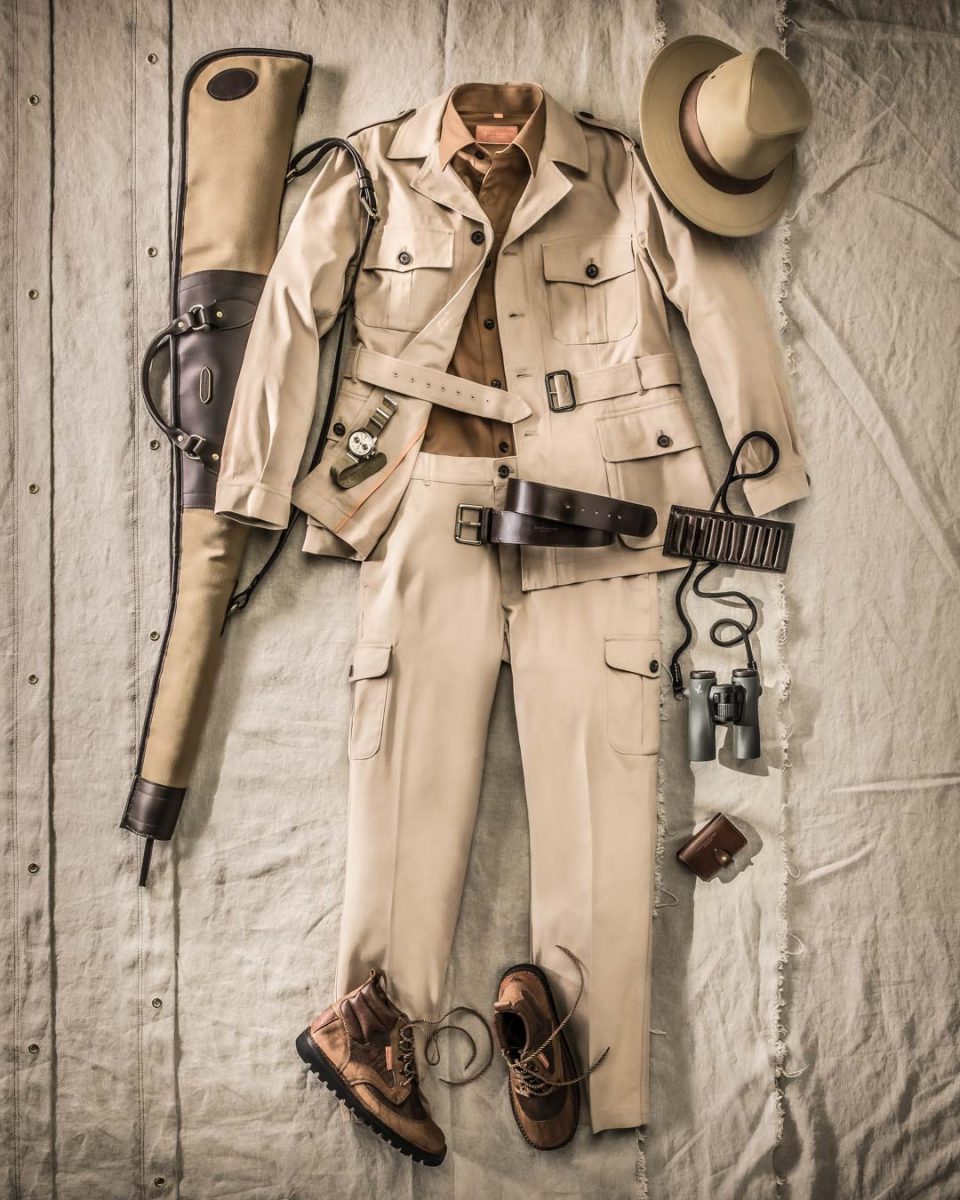
Bring breathable shirts and trousers in olive, khaki, beige or earthy shades. Long sleeves offer extra coverage during dusty drives and outdoor walks. See our guided game-drive planning advice for more preparation tips.
02. Boots suited to your activities
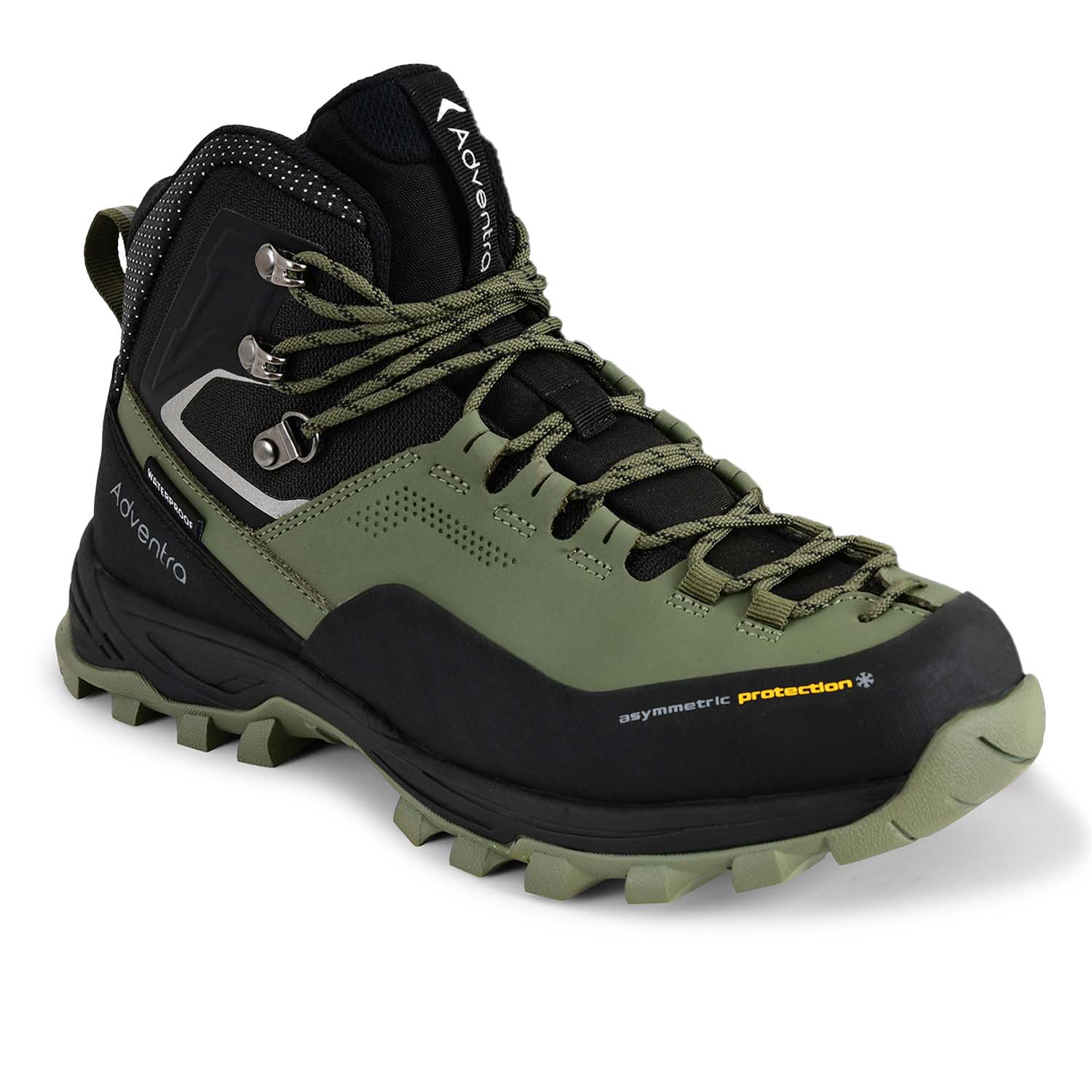
Comfortable walking shoes may be enough for vehicle-based safaris. For gorilla or chimpanzee trekking, prioritise sturdy, already-worn-in boots with dependable traction on muddy or uneven ground.
03. Rain protection and warm layers
Carry a lightweight waterproof jacket and a fleece or sweater. Rain can occur in forest destinations even during comparatively drier months, while early starts and higher elevations can be cool.
04. Sun and insect protection
Pack broad-spectrum sunscreen, a brimmed hat, sunglasses and a suitable insect repellent. Check medical advice before travel for vaccinations, malaria prevention and your personal prescriptions.
05. Camera, binoculars and power
Binoculars make distant wildlife and birdlife easier to appreciate. Carry camera batteries, spare memory cards and a travel adapter. If photography is a priority, explore our Uganda photography safari guidance.
06. Documents and a handy daypack
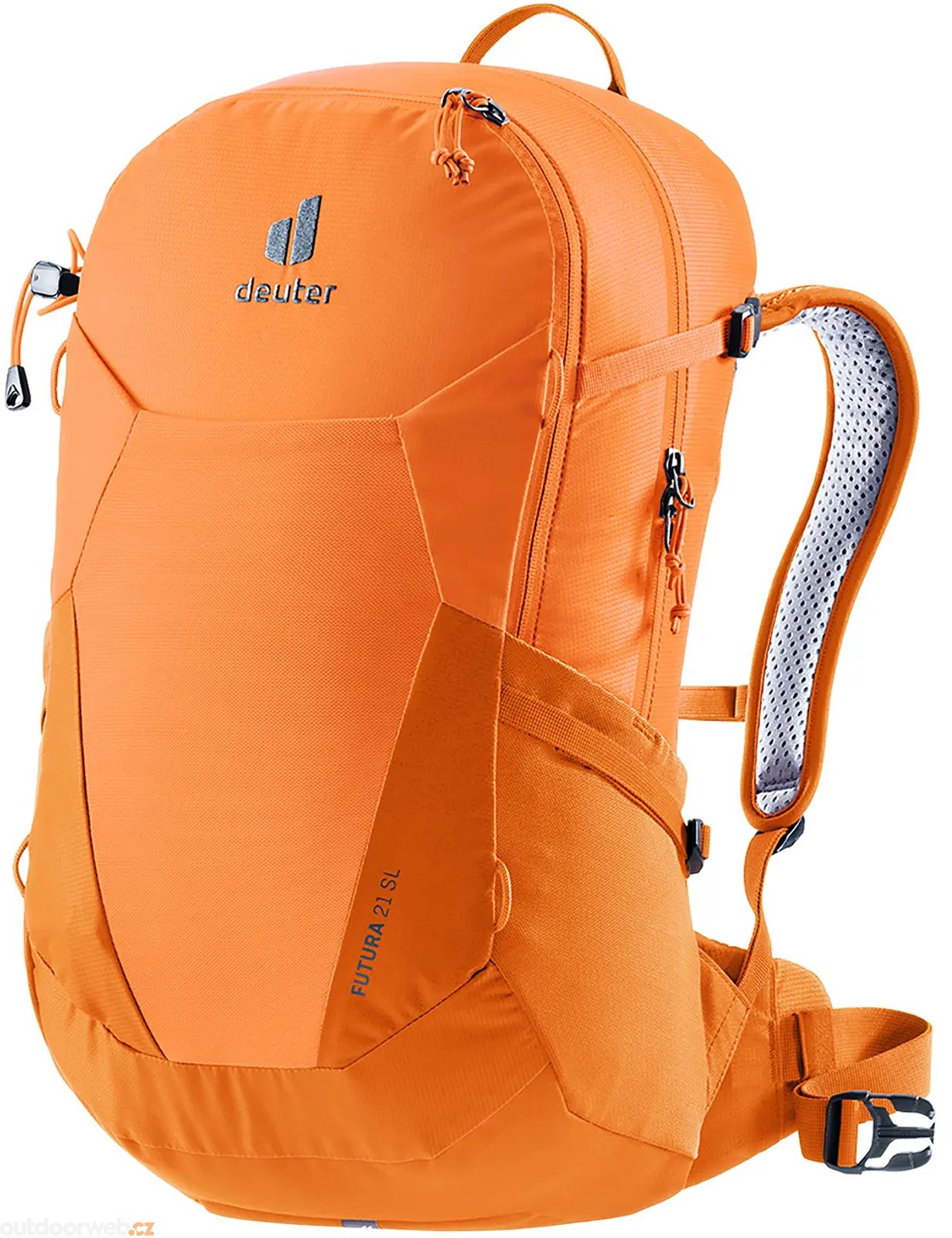
Keep your passport, travel paperwork, medicines and valuables accessible in hand luggage. For park excursions, use a compact daypack with water, snacks and a waterproof bag for electronics.
Our packing principle: Pack for the wettest and coolest activity on your itinerary, then use versatile layers for everything else. The rest of this guide will break down exact quantities, packing by activity and what to leave at home.
PLAN FOR YOUR ACTUAL ROUTE
How Much Should You Pack for a Uganda Safari?
The right luggage volume depends more on your activities, laundry arrangements and transport than on the number of days alone. Pack clothing that can be layered and reused, and confirm the baggage allowance for every scheduled flight, especially small-aircraft transfers. The quantities below are useful starting points rather than strict rules.
| Safari length | Suggested clothing baseline | Additional gear | Packing approach |
|---|---|---|---|
| 2–4 days | 3–4 tops, 2 trousers, underwear and socks, 1 warm layer | Sun protection, compact rain jacket, binoculars | One compact bag and daypack for a short game-drive trip |
| 5–7 days | 4–5 tops, 2–3 trousers, extra socks, 1 fleece | Walking boots and gloves if trekking | Use repeatable outfits and check laundry availability |
| 8–12 days | 5–6 tops, 3 trousers, sufficient basics for laundry intervals | Forest-ready rain gear, waterproof pouches, spare camera power | Plan laundry stops rather than doubling every item |
| 13+ days | Pack roughly a week of flexible outfits, subject to laundry access | Extra prescription supplies and any specialist equipment | Prioritise lightweight bags and a practical washing schedule |
For a classic savannah-only itinerary, choose simple lightweight clothing and comfortable closed shoes. A holiday combining Bwindi gorilla trekking with Kibale chimpanzee tracking calls for additional rain, trail and moisture-protection items.
Want a Packing List Tailored to Your Safari?
Tell Safari Vacations and Travel Services your travel dates, national parks and planned activities. We can help you match your equipment to game drives, rainforest walks, accommodation and transfer arrangements.
ACTIVITY-SPECIFIC CHECKLISTS
What to Pack for Each Uganda Safari Experience
You do not need an entirely different suitcase for every park. Instead, build a core kit and add a few activity-specific items. The checklists below focus on what actually changes between wildlife drives and forest excursions.
1. Packing for Game Drives in Uganda
During game drives, much of your time is spent inside a safari vehicle, often with open windows or a raised roof. Pack for cool departures, sunshine later in the day and occasional dust. A lightweight top, comfortable trousers, hat and closed shoes are usually suitable. Add a fleece for early starts, sunglasses and a reusable water bottle.
Binoculars are particularly valuable for distant animals and birdlife, while a camera with an appropriate zoom lens can make wildlife photography more rewarding. Keep lenses and electronics inside protective pouches when travelling on dusty roads. Whether you are exploring Queen Elizabeth, Murchison Falls or Lake Mburo, read more about preparing for a guided game drive before departure.
2. Packing for Gorilla Trekking in Bwindi or Mgahinga
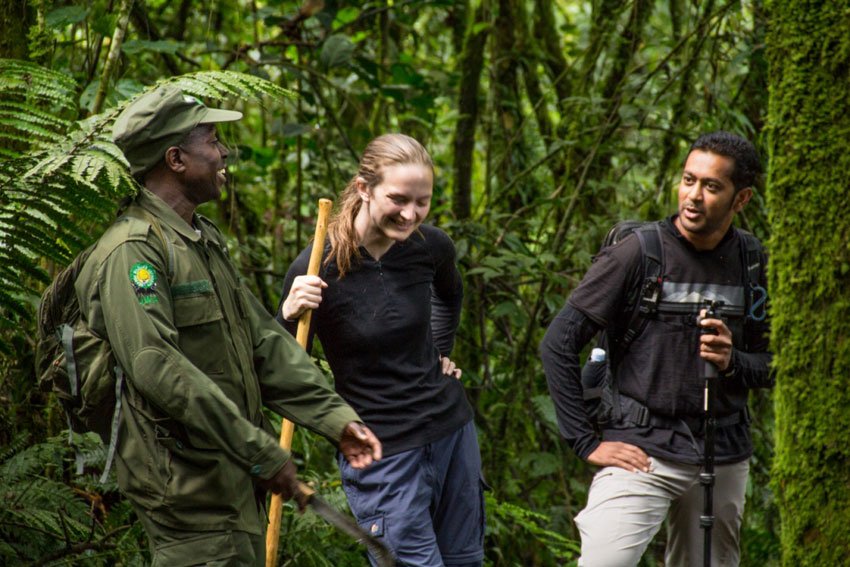
Gorilla trekking involves walking through natural forest on routes that may be steep, damp, slippery or overgrown. Choose well-fitting hiking boots with good traction, long trousers and a long-sleeved shirt. Gaiters can help keep mud and debris out of footwear, while durable gardening-style gloves can protect your hands when using vegetation for balance where your guide permits it.
Carry a reliable waterproof jacket, a rain cover for your bag and a waterproof pouch for documents and electronics. Pack drinking water and suitable energy snacks according to your guide’s instructions. Use a comfortable small backpack so your hands remain free on uneven trails. For guidance on park procedures, read the gorilla trekking briefing and safety guidance; the precise walking route and duration cannot be predicted in advance.
If your group includes travellers with varying levels of hiking experience, discuss fitness and porter arrangements before the trek. You can also review the different trekking sectors in Bwindi when planning your visit.
3. Packing for Chimpanzee Tracking in Kibale
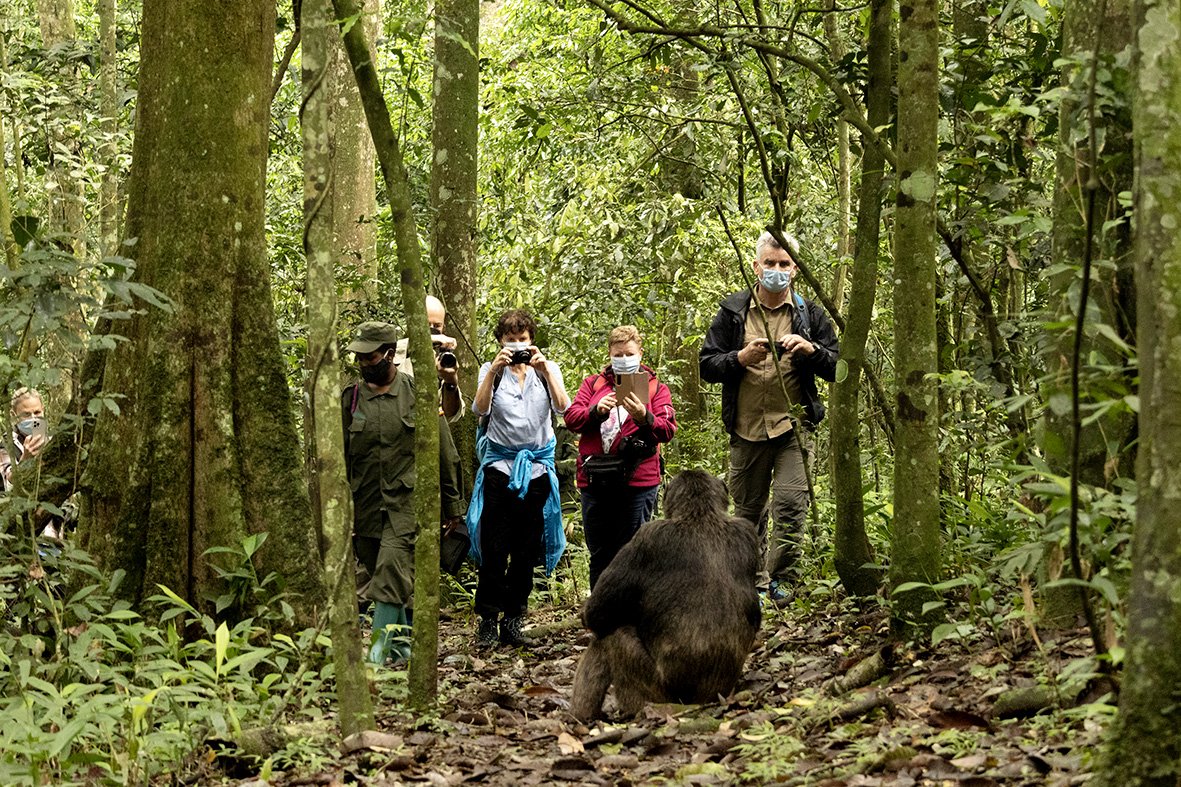
Kibale’s forest paths can be humid and muddy, so breathable long clothing, suitable walking boots and rain protection should be part of your chimpanzee tracking kit. Choose clothing that allows easy movement and carries moisture away from your skin. Insect repellent and a lightweight daypack are useful additions.
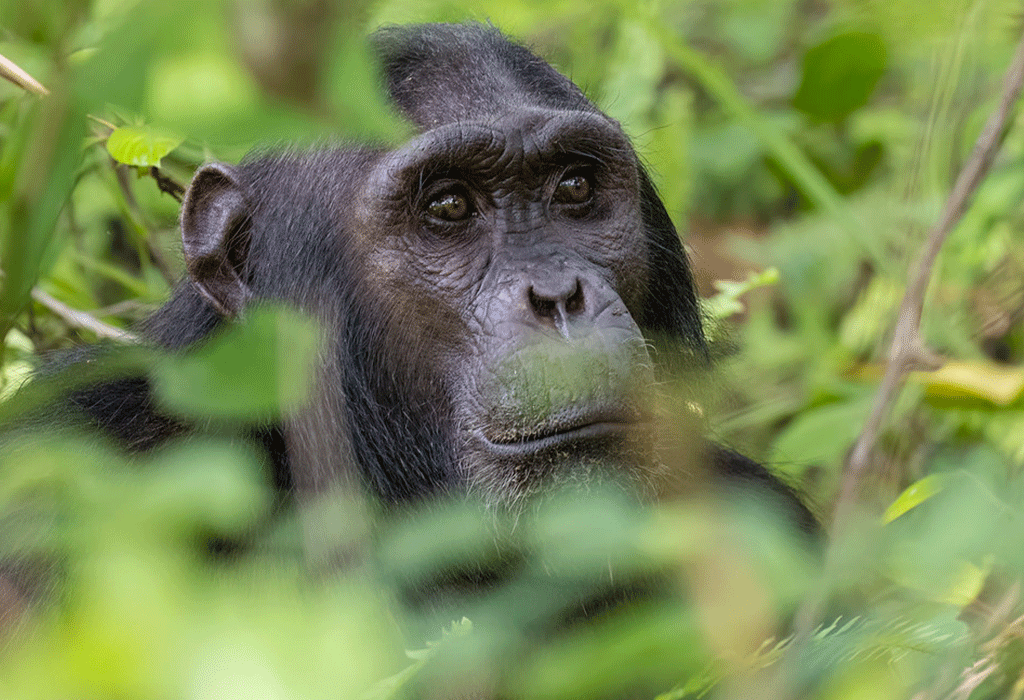
Chimpanzees may move rapidly through the forest or rest high in the canopy. Binoculars can help, while a camera with fast autofocus may be more practical than carrying multiple heavy lenses. Protect sensitive equipment from humidity and rainfall. If you are planning the activity, our Kibale chimpanzee trekking guide explains what to expect on the day.
Packing in Practice: Three Uganda Safari Activities
These three experiences show why a flexible packing system works best. The same comfortable everyday clothes can be used repeatedly, while footwear and weather protection are adjusted for each activity.

YOUR COMPLETE CLOTHING CHECKLIST
What Clothes Should You Pack for a Uganda Safari?
For a typical Uganda safari, build a small mix-and-match wardrobe rather than packing a different outfit for every day. Lightweight, breathable fabrics work well on warmer game drives, while long sleeves, durable trousers and a warm layer are especially valuable when your itinerary includes higher-altitude rainforest. Choose clothes you have already worn comfortably, particularly for active trekking days.
Breathable tops
Pack several lightweight T-shirts or shirts that wick moisture and dry reasonably fast. Include at least two long-sleeved options for forest walks, sun protection and cooler mornings.
Trousers and hiking pants
Bring comfortable trousers for travel and game drives, plus durable full-length hiking trousers for gorilla or chimpanzee tracking. Avoid restrictive fabrics that become heavy when wet.
Fleece and light jacket
A compact fleece or insulated mid-layer is useful on early departures and at forest lodges. Pair it with a breathable waterproof outer shell rather than relying on a bulky coat.
Underwear and socks
Carry enough breathable underwear and several pairs of well-fitting walking socks. Bring an extra dry pair for forest days; wet socks contribute to blisters and discomfort.
Sun hat and scarf
A brimmed hat, sunglasses and a lightweight scarf or buff protect against sun, breeze and dust during vehicle-based safaris.
Relaxed lodge clothes
Pack one or two comfortable outfits for dinners and downtime. Most safari lodges favor practical, relaxed clothing rather than formal dress; check any special requirements with your lodge.
Khaki, olive, beige, grey and other subdued colors are versatile for wildlife viewing. Bright clothing is not universally prohibited, but neutral shades are practical and less distracting. Avoid wearing camouflage-pattern uniforms or military-style clothing, which may be restricted or attract unwanted attention. If you want to match your clothing to the route, read the Uganda weather guide before choosing heavier or lighter layers.
FOOTWEAR THAT FITS THE ACTIVITY
Best Shoes and Footwear for a Uganda Safari
Footwear is one of the few categories worth choosing carefully before departure. Your safari may involve airport transfers, short lodge walks, dusty vehicle stops and long sections of muddy rainforest trail. One pair of shoes rarely handles every situation equally well.
Broken-in hiking boots
For Bwindi or Mgahinga, choose sturdy boots with reliable traction, ankle support if you need it, and water resistance. Test them on walks at home; brand-new boots can cause painful blisters.
Comfortable walking shoes
Breathable trainers or closed-toe walking shoes are ideal for travel, easy nature walks, short city stops and most vehicle-based safari days.
Lodge sandals or slides
A lightweight pair is useful after trekking and around the lodge. Do not rely on open sandals for forest paths or uneven wildlife-viewing areas.
Good hiking socks
Choose moisture-managing socks that fit properly in your boots. A spare pair and small blister-care supplies are useful for trekking days.
If your route includes steep or slippery rainforest trails, consider gaiters to keep mud and plant debris out of your boots. Walking sticks can also improve balance on uneven ground. Our gorilla trekking packing checklist explains the extra clothing and footwear considerations for forest activities.
BAGS AND ORGANIZATION
Luggage and Daypack Recommendations
Choose bags to suit your actual transfers, not just your international airline allowance. A soft-sided duffel is often easier to handle in safari vehicles than a large rigid suitcase. However, luggage limits for domestic flights vary by operator, aircraft and booking, so confirm the permitted weight, dimensions and whether a soft bag is mandatory before departure.
Main travel bag
A manageable duffel or suitcase for clothes and personal belongings. Use packing cubes to separate clean outfits, trekking items and laundry.
Daypack
A small, comfortable daypack to carry a water bottle, waterproof jacket, snacks, sunscreen, medication and camera items during excursions.
Waterproof protection
Pack a rain cover, reusable dry bag or zip pouches for electronics, spare clothes, travel documents and items that must stay dry.
Small valuables pouch
Keep your passport, cards, emergency cash and essential medication in a secure pouch or carry-on bag. Never put irreplaceable essentials in checked luggage.
A useful method is to divide luggage into three categories: the main bag stays in the vehicle or lodge, the daypack travels on activities, and your valuables stay close to you. If your safari includes remote domestic flights, ask Safari Vacations and Travel Services to confirm the baggage conditions for your booked itinerary rather than assuming a universal kilogram allowance.
SEASONAL SAFARI PACKING
What to Pack for Uganda in the Dry and Rainy Seasons
Uganda can be visited throughout the year, but the balance between sun, rain, mud and cooler mornings changes with season and location. The following seasonal packing comparison is a planning guide, not a weather guarantee; highland forest destinations can receive showers even in comparatively drier months.
| Travel period | Typical packing priority | What not to forget |
|---|---|---|
| Generally drier: June–September | Lightweight layers, sun protection and dust-tolerant clothes | A rain jacket for rainforest destinations |
| Generally drier: December–February | Breathable daywear, a light fleece and sun protection | Closed shoes and wet-weather cover for forest excursions |
| Often wetter: March–May | Quick-drying clothes, good-grip boots and waterproof bags | Dry spare socks and a complete change of clothes |
| Often wetter: October–November | Rain protection, sturdy footwear and extra drying time | Waterproof camera storage and a pack cover |
For more detail on conditions by month, see our month-by-month gorilla trekking season guide. Even in a dry-season itinerary, plan at least one rainy-day outfit if you will walk through Bwindi, Mgahinga or Kibale. In the wetter months, favor garments that dry overnight and keep a sealed bag for damp gear. See also our practical rainy-season gorilla trekking packing advice.
FINAL EVERYDAY ESSENTIALS
Travel Essentials: Documents, Health, Electronics and Personal Items
Travel documents
Carry your passport, required visa or travel authorization if applicable, flight information, travel insurance details and booking confirmations. Check the latest entry rules for your nationality before departure.
Health and hygiene
Pack prescription medicines in their original packaging, necessary medical documentation, sunscreen, insect repellent, hand sanitizer and basic blister care. Discuss recommended vaccinations and malaria prevention with a qualified travel-health clinician.
Power and connectivity
Bring phone and camera chargers, spare memory cards, an appropriate travel adapter and a power bank that complies with airline rules. Uganda commonly uses Type G sockets, but confirm electrical requirements for your devices.
Money and small purchases
Carry at least one working payment card and a modest cash reserve. Confirm payment options and tipping arrangements for your particular trip; keep cash safely divided.
Reusable daily essentials
Use a refillable drinking bottle, tissues, lip balm and a small flashlight or headlamp. A compact laundry bag helps isolate damp or dusty clothing.
Photography protection
Bring binoculars, lens cloths, a padded camera case and rain sleeves or dry bags. Protect equipment from dust during road transfers and moisture in forest areas.
Keep critical medications, one change of clothes and basic toiletries in your cabin baggage in case your checked luggage is delayed. Be aware that individual airlines may have specific rules for lithium batteries, liquids and aerosols. Before packing for forest activities, review our volcano hiking and gorilla trekking equipment guide to distinguish everyday safari items from specialized trekking gear.
KEEP YOUR BAG PRACTICAL
What Not to Pack: Common Uganda Safari Packing Mistakes
You do not need to bring everything you own on a safari. Overpacking makes transfers harder, leaves less room for laundry or souvenirs, and increases the chance of leaving an item behind. Think about the weather, the frequency of changing lodges and the physical activities on the itinerary.
Avoid heavy formal wardrobes
Pack comfortable, reusable outfits instead of numerous dress shoes, heavy denim pieces or bulky evening wear unless your trip includes an event requiring them.
Avoid excess gadgets
One reliable camera kit and charging solution is usually more useful than several duplicate devices you rarely use.
Avoid new untested footwear
Do not save new hiking boots for your first day in the rainforest. Wear them beforehand to identify any discomfort.
Avoid relying on one rain item
A light jacket alone will not protect your spare clothes or electronics; add a pack cover or waterproof pouch.
The ideal Uganda safari packing list is compact, activity-specific and flexible. For tailored advice based on your exact parks, lodges and travel dates, contact our safari planning team with your proposed itinerary.
PACKING FOR YOUR TRAVEL STYLE
Safari Packing Tips for Different Types of Travellers
A good Uganda safari packing list should reflect who is travelling, how active the journey will be and whether your route includes jungle trekking or mostly game drives. These small adjustments help every traveller stay comfortable without carrying unnecessary luggage.
Couples and honeymooners
Share a compact first-aid kit and charging accessories, but each person should carry their own rain jacket, walking shoes and daypack essentials. Add one comfortable evening outfit if your lodge plans call for it.
Families with children
Pack familiar snacks for long transfers, refillable water bottles, sun hats, spare clothes and age-appropriate entertainment. Keep children’s medicines and essentials in your hand luggage and check activity age rules before travel.
Solo travellers
Prioritise a manageable bag, secure document copies, an independent phone charger and a lightweight daypack. Organise medications and valuable equipment so you can access them without unpacking everything.
Photographers and birdwatchers
Carry binoculars, protected camera storage, spare batteries, memory cards and a dry bag for boat or forest activities. Keep lenses and electronics accessible without leaving them exposed to dust or rain.
Older and less-active travellers
Choose light luggage, supportive shoes with good grip, any prescribed medications and a comfortable rain layer. Discuss mobility and walking expectations in advance so your gear suits your specific activities.
Adventure-focused travellers
Make room for broken-in boots, hiking socks, a quick-drying base layer, trekking gloves and a waterproof shell. Protect a spare set of clothes for the afternoon after a wet forest trek.
For a route with several experiences, review our custom Uganda safari itineraries before deciding how much specialised equipment to take.
PACKING BY PARK AND REGION
What to Pack for Uganda’s Different Safari Destinations
Uganda’s landscapes change noticeably between open savannah, lake shores, and mountainous rainforest. Your main packing decisions should follow the activities and terrain on your itinerary—not just the month of travel.
| Destination | Typical activities | Most useful additions |
|---|---|---|
| Bwindi Impenetrable National Park | Gorilla trekking and forest stays | Grippy hiking boots, durable trousers, gardening-style gloves, gaiters if preferred, rain shell and a dry bag |
| Kibale National Park | Chimpanzee tracking and guided forest walks | Lightweight long sleeves, walking shoes with traction, insect repellent, waterproof layer and spare socks |
| Queen Elizabeth National Park | Game drives and Kazinga Channel boat activities | Sun hat, binoculars, breathable clothes, camera protection and light morning layer |
| Murchison Falls National Park | Savannah drives, waterfall viewing and Nile boat excursions | Sun protection, refillable bottle, binoculars, dust cover and a light layer for early starts |
| Lake Mburo National Park | Game drives and guided walking activities | Comfortable closed shoes, neutral walking clothes, sun protection and compact water bottle |
| Kidepo Valley National Park | Open-country wildlife viewing and scenic excursions | Breathable shirts, sun protection, dust protection for gear and a warmer morning layer |
Travellers combining the primate forests and savannah parks can use our guide to Uganda’s national parks to understand the differences. A longer journey through Murchison Falls or remote Kidepo Valley may also benefit from a more carefully organised day bag.
FLIGHT, HEALTH AND DOCUMENT CHECK
Important Checks Before You Zip Your Suitcase
Review your ticket, activity details and government entry guidance before departure. Requirements can change, so a packing checklist should never replace checking the rules for your nationality, transit airports and booked travel dates.
Passport and visa documents
Carry your valid passport and any applicable approved visa or travel authorisation. Keep offline and printed copies of your confirmations. Use Uganda’s official immigration website to check current nationality-specific entry requirements.
Vaccination and medical planning
Speak with a qualified travel-health clinician about recommended vaccines and malaria prevention. As of October 2026, Uganda immigration says a yellow-fever certificate is not mandatory for entry, but another destination or airline may have its own rules.
Airline baggage restrictions
Check your international airline baggage allowance and any separate allowance for domestic light-aircraft flights. Confirm cabin-bag restrictions for liquids, batteries and power banks with the operating airline.
Prescriptions and medical supplies
Carry essential medicine in original labelled packaging in hand luggage, with enough for the trip plus a reasonable contingency. Ask your clinician about any controlled medication, temperature-sensitive medicines or altitude-related concerns.
Cash and payment options
Bring a sensible mix of payment options; some local purchases and tips may be easier with cash. Keep small amounts accessible and separate your payment cards and emergency money.
Electronic backups
Save offline copies of flight information, lodge confirmations, insurance documents and emergency contacts. Carry the correct plug adapter and keep spare batteries or power banks in airline-permitted baggage.
For entry guidance, consult the official Uganda immigration website and the Uganda e-visa portal. Uganda announced its yellow-fever certificate policy change on 2 October 2026; always check transit and onward-entry requirements separately.
OPTIONAL EXTENSIONS
Adjusting Your Bag for a Longer Uganda Safari
If your trip extends beyond a simple wildlife circuit, plan a few additions rather than bringing a second full wardrobe. A mixed forest-and-savannah itinerary needs adaptable clothing, while a longer stay may make laundry arrangements more useful than extra luggage.
Classic western Uganda circuit
One pair of sturdy trekking boots plus comfortable travel shoes usually covers the main activities on a route connecting Kibale, Queen Elizabeth, Bwindi and Lake Mburo. See the Uganda wildlife circuit overview for the route’s varied environments.
Longer multi-park safaris
An extended itinerary may include different temperatures, several lodge changes and boat activities. Organise a main duffel with packing cubes and a separate daypack. Our 10-day Uganda safari example illustrates this mix.
Extra guided walking
Bring well-tested hiking socks, supportive footwear and a water-resistant layer if adding walking activities. See our Uganda walking safari guide to match equipment with activity type.
Avoid taking unnecessary specialist equipment if your activity operator already supplies it. Ask Safari Vacations and Travel Services which items are provided with the booked tour.
QUESTIONS FROM TRAVELLERS
Uganda Safari Packing List: Frequently Asked Questions
These answers address the practical questions travellers most often ask while preparing for Uganda. Select each question to expand the answer.
What should I pack for a Uganda safari?
Pack light, breathable clothing; a warm layer; a rain jacket; comfortable closed shoes; sun protection; insect repellent; binoculars; personal medication; travel documents; and a practical daypack.
How many outfits do I need for a seven-day Uganda safari?
Plan several mix-and-match daytime outfits rather than seven completely separate sets. Adjust for laundry access, trekking days and whether you expect wet weather.
Are jeans suitable for Uganda safaris?
Jeans may be fine for transfers or relaxed evenings, but they are often heavy, slow to dry and less comfortable for muddy forest treks. Quick-drying trousers are more practical.
What colours should I wear on a game drive?
Neutral and muted colours such as khaki, olive, beige and brown are practical. Comfort and breathable fabric matter more than buying an entirely new colour-coordinated wardrobe.
Can I wear shorts on a Uganda safari?
Shorts can be suitable for some lodge settings and warmer daytime activities, but long trousers protect better from vegetation, insects and sun during forest walks.
Do I need hiking boots for gorilla trekking?
Supportive, broken-in footwear with reliable traction is strongly recommended because trails may be steep, muddy or uneven. Waterproof hiking boots are a popular choice.
Should I pack a raincoat in the dry season?
Yes. Rain is possible year-round in Uganda’s rainforest destinations, so a breathable waterproof outer layer is useful even during generally drier travel periods.
Do I need gloves for gorilla trekking?
Lightweight, durable gloves are useful for protecting your hands when handling vegetation on permitted trekking routes. Your ranger’s instructions should always take priority.
Can I bring a suitcase instead of a duffel?
A suitcase may be workable on some road itineraries, but soft-sided luggage is often easier to load. Check any internal-flight restrictions before choosing your main bag.
What size daypack is best for a Uganda safari?
A comfortable small-to-medium daypack that fits water, a raincoat, personal essentials and camera items is usually enough. Choose capacity based on your activities and what your guide carries.
Should I pack binoculars for Uganda?
Yes, binoculars improve viewing of birds and wildlife at a distance, even if you also carry a camera with a zoom lens.
Do Uganda safari lodges offer laundry?
Some lodges offer laundry services, sometimes for an additional charge or with limitations. Ask about your specific accommodations before planning to pack less.
Will I need warm clothes in Uganda?
Yes. Early morning game drives and elevated forest lodges can feel cool. One fleece or warm mid-layer is sensible.
How do I protect my camera from rain and dust?
Use a padded camera bag, waterproof cover or dry bag, and carry spare batteries and memory cards in sealed pouches. Avoid changing lenses in dusty conditions when possible.
What insect repellent should I bring?
Take a repellent suitable for your age and health needs, follow its product instructions and combine it with appropriate clothing. Ask a clinician about malaria prevention.
Do children need a different safari packing list?
Children benefit from sun hats, extra clothes, familiar snacks, basic travel entertainment and individual medication. Verify age limits for any specialist wildlife activities before departure.
Is a yellow-fever certificate required to enter Uganda?
Uganda immigration announced on 2 October 2026 that a yellow-fever vaccination certificate is no longer mandatory for entry. Other countries and some airlines may still require proof depending on your route, so verify current requirements.
What should stay in my hand luggage?
Keep your passport, travel authorisation, essential medications, valuables, batteries or power banks according to airline rules, and one change of clothes within reach.
Can I buy forgotten safari supplies in Uganda?
Basic toiletries and common travel items are available in urban centres, but specialised trekking sizes, camera accessories or prescription medicines may be harder to replace quickly. Bring essential items with you.
What is the most common packing mistake?
Overpacking unsuitable clothing while overlooking trekking footwear, a reliable rain layer and organised daypack essentials. Pack for the activities you have actually booked.
PACK SMART. TRAVEL CONFIDENTLY.
Ready to Plan Your Uganda Safari?
From rainforest trekking to unforgettable wildlife drives, Safari Vacations and Travel Services can help tailor a route that suits your travel style and explain exactly what to bring for your chosen activities.