Chimpanzee Tracking and Birding Safari in Burundi
The short answer
Is a chimpanzee and birding safari in Burundi possible?
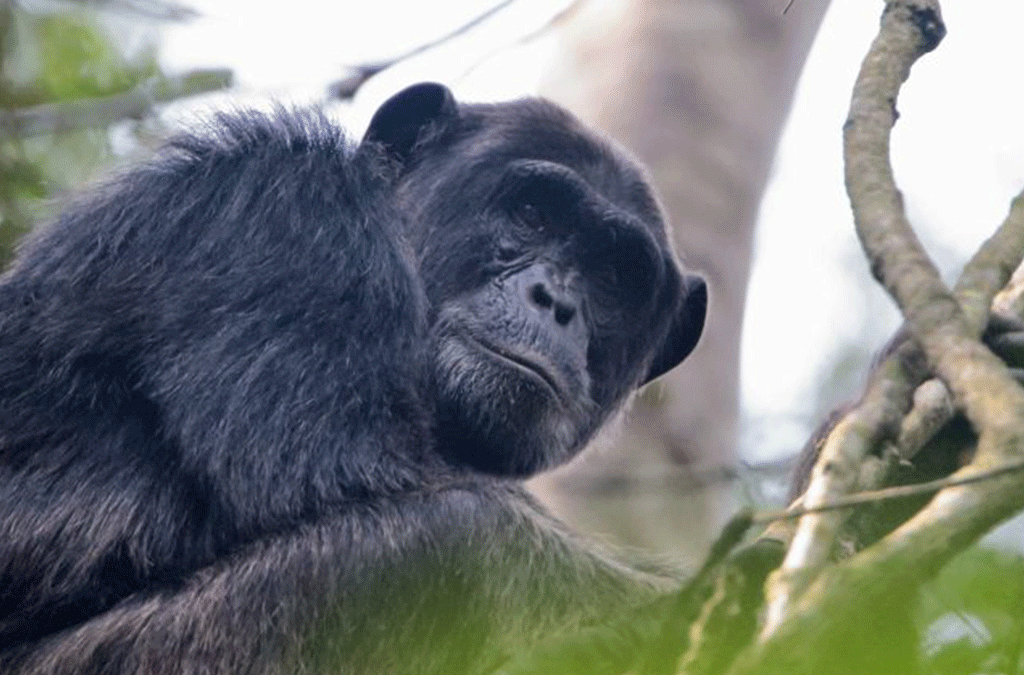
Kibira is a genuine montane rainforest with wild chimpanzees and around 200 reported bird species, according to Burundi’s tourism authority. But a forest with chimpanzees is not the same as a reliably bookable chimpanzee-tracking product: habituation, access, guide availability and sightings all need checking.
For travel planning in November 2026: Kibira should not be treated as an available safari destination under current government travel warnings. Consider Kibale in Uganda or Nyungwe in Rwanda for established chimpanzee experiences while assessing current conditions separately.
Main forest
Kibira National Park
Main interests
Wild chimpanzees · Forest birds
Suggested duration
4–5 days, if travel becomes advisable
Best suited to
Patient wildlife watchers and birders
Why consider a chimpanzee tracking and birding safari in Burundi?
A Chimpanzee Tracking and Birding Safari in Burundi brings together two complementary interests: looking for wild primates and discovering the birds of a high-altitude African rainforest. Although Burundi is better known for Lake Tanganyika, green hills and cultural traditions, the country’s protected forests preserve an important part of the wider Albertine Rift landscape.
Unlike highly established chimpanzee-tourism destinations such as Kibale National Park in Uganda, Burundi’s forest experiences are less predictable. The appeal lies in the ecology of the forest and the challenge of listening, looking and walking with knowledgeable local guides. Visitors should expect dense vegetation, changing weather, potentially long periods without sightings and considerable variation from one visit to another.
Kibira is the best-known forest setting for this concept. Its rugged terrain, moss-covered trees, streams and upland vegetation create habitat for chimpanzees, monkeys and many birds. Birdwatching is rewarding even on a day when chimpanzees remain hidden. For serious birders, allowing several mornings in appropriate habitat is more useful than rushing from one landmark to the next.
Three highlights of the experience


Chimpanzee tracking in Kibira National Park
Kibira National Park occupies montane rainforest along Burundi’s Congo Nile divide, close to the Rwanda border. Burundi’s tourism authority describes the park as covering more than 40,000 hectares and supporting numerous primates as well as about 200 bird species. Forest conditions vary greatly with altitude, rainfall and season, which in turn affects where animals move and how readily visitors can observe them.
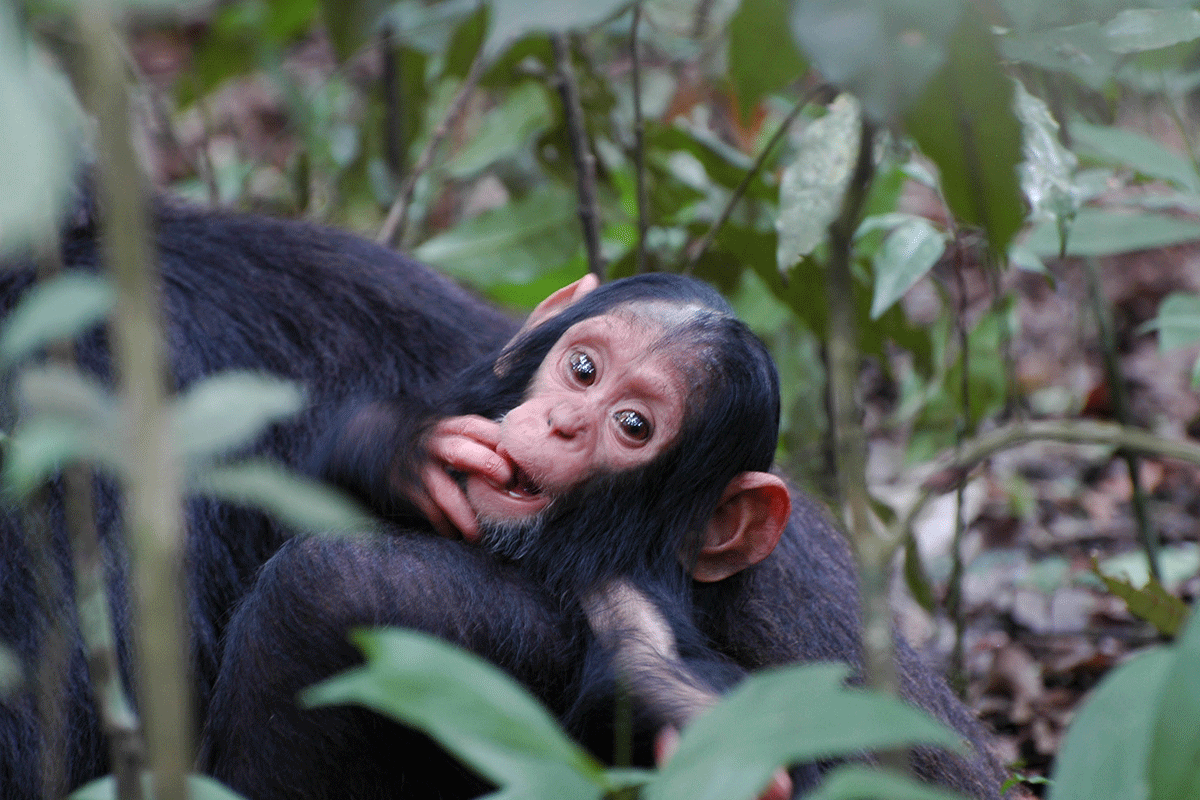
Chimpanzee tracking here is best understood as searching for wild, elusive chimpanzees rather than booking a reliably habituated, fixed-duration viewing session. Chimpanzees may travel far to feed and may respond to the presence of humans by moving away. A guide may pick up calls, feeding evidence or nests without finding the animals themselves. Listening to vocalisations, interpreting forest signs and discovering the wider ecosystem are all important elements of the experience.
Any chimpanzee-focused walk would need explicit authorisation by the relevant park authority and appropriate guides. The route, hours, fees, ranger requirements, recent tracking results and even whether visitor tracking is being conducted should all be checked specifically for the proposed dates. We do not advertise fixed permit rates or guarantee encounters in this destination.
Walking may be physically demanding. Trails can be steep, slippery and uneven, with roots, narrow paths and wet sections. Travellers should have a realistic idea of their fitness, wear supportive hiking footwear, carry drinking water and discuss limitations before planning forest activities.
Birdwatching in Burundi: forest species and different habitats
For birdwatchers, the real value of Burundi is the opportunity to explore different habitats within one country. The forests of Kibira support a different assemblage from the papyrus swamps, wetlands and lakeshore edges around Lake Tanganyika. Dedicated birding sessions usually begin early, when calls are easiest to detect and bird activity can be especially rewarding.
In Kibira, birders may seek forest species such as great blue turaco, mountain buzzard and other montane birds of the Albertine Rift region. A species wish list should be treated as a target, not an assurance of sightings. The abundance of vegetation means some species are far more often heard than seen, and reliable identification benefits from a specialist guide who knows local calls.
Birding can also include watching mixed-species feeding groups, studying differences between forest-edge and interior birds, and observing how vegetation changes along elevation and watercourses. Good binoculars, a field notebook or phone checklist and patience all help. If photography is your main priority, a longer lens and sufficient time at each site are valuable.
Rusizi’s wetland and delta environment is sometimes discussed in Burundi birding itineraries because it differs from Kibira. However, current travel advisories warn against visiting Rusizi National Park; it should not be inserted automatically into a live itinerary. Any alternative birding location must be assessed on its own access and safety conditions before being proposed.
For specialist birdwatchers
Birdwatching in Kibira: habitats, possible targets and field methods
Burundi’s tourism authority describes Kibira as a mountain forest between roughly 1,500 and 2,660 metres above sea level and reports approximately 200 bird species. This is a broad park-level figure, not a promised trip checklist. In dense forest, success is more often measured in patient observation and species identified by sound than in the number of close-up photographs.
Montane canopy
Look and listen for turacos, sunbirds, greenbuls and other canopy birds where the foliage opens. Their presence varies by local habitat; no individual species is guaranteed.
Shaded understorey
Slow down for quiet forest birds, calls from concealed vegetation, mixed flocks and movement along fallen branches. A specialist guide can help distinguish similar voices.
Edges and clearings
Forest openings, authorised trails and peripheral vegetation may permit longer views of birds and butterflies. Habitat transitions are often worth revisiting at different hours.
When planning becomes safe, a dedicated birding session would begin with a local naturalist’s habitat briefing, continue with a slow early-morning walk and build in quiet observation stops. A guide should carry a current regional field checklist and confirm target species locally instead of promising endemics without evidence. Bring 8×42 or 10×42 binoculars, a notebook, weather protection and a camera with enough light-gathering capability for shadowy forest.
For a comparison of birding habitats, explore our Bwindi forest birding locations, Bigodi wetland trails and Lake Mburo’s open-country birds. These are different ecological settings and should not be treated as a species list for Burundi.
Source: Burundi official tourism authority, parks and reserves. Species-level targets should be checked with current local records before future trips are planned.
Illustrative five-day Burundi forest itinerary — not currently bookable
Illustrative only: Day-by-day activities below describe a possible future travel concept, not an active itinerary. No park entry, route, overnight stop or chimpanzee activity is guaranteed or offered for booking.
Concept only — do not book this route now. Days below describe what could be explored if official restrictions change and local authorities reopen safe, permitted visitor operations. There are no verified Kibira chimpanzee permits, confirmed tracking slots, partner lodges or transport timings in this proposal. Avoid assuming the Rwanda land crossing can be used.
The following is an illustrative itinerary only, intended for a time when official advice and local assessments support the proposed activities. It is not a departure schedule and does not confirm that Kibira is currently open or safe for visitors.
Day 1 — Arrival in Bujumbura
Arrive at Melchior Ndadaye International Airport, meet your driver and settle into accommodation. Depending on arrival time and current local guidance, enjoy a gentle city introduction and views of Lake Tanganyika. Review the most recent access, road and security information with your operator before travelling farther.
Day 2 — Highland scenery and introductory forest birding
If conditions permit, drive towards the authorised forest-access area selected by the park authority. The journey through Burundi’s hills and tea-growing landscape is part of the attraction. Spend time with a local guide learning the habitats and identifying birds along approved trails. The exact sector and overnight base would be chosen only after verification.
Day 3 — Chimpanzee search and natural history
Begin early for an approved ranger-led search, if this activity is operating. Follow evidence such as calls and feeding traces, and pause regularly to observe other primates, plants and birdlife. Chimpanzees may not be found. A full day is deliberately reserved to avoid turning a natural forest search into a rushed promise of an encounter.
Day 4 — Specialist birding and flexible forest exploration
Use another morning for targeted forest birds. The guide can adapt to the previous day’s results, weather and bird activity. Where access is approved, a quieter walk can focus on birds, landscape interpretation and conservation. Alternatively, make the day a travel or cultural day in an area confirmed suitable for visitors.
Day 5 — Return and departure
Transfer back to Bujumbura with time allowed for road conditions and airport formalities. A longer itinerary could be designed for travellers who want extra birding mornings, but only with individually assessed locations.
Best season for future chimpanzee tracking and birding in Burundi
The relatively drier months are generally more comfortable for forest walking. June to August, and parts of December to February, may provide less muddy conditions, although Kibira’s altitude means rain is possible at any time. Wetter periods can bring lush vegetation and lively bird activity, but also more slippery terrain and harder access.
For birders, the best timing depends on the species you wish to see. Resident forest birds can be sought year-round, while migratory species and breeding activity follow their own seasonal patterns. Rather than selecting a month on rainfall alone, tell your guide whether your focus is chimpanzees, a broad species list, bird photography or a particular bird.
Fitness requirements for chimpanzee tracking in Burundi
Kibira is not an effortless wildlife-viewing destination. Forest routes can be steep and wet, and an animal search may extend well beyond the duration of a simple nature walk. There is no reliable way to guarantee how far a group might need to go before finding signs of chimpanzees. Allow the guide to recommend a route aligned with your ability and the permitted activities.
Visitors who prefer gentler exploration may enjoy shorter birding sessions at accessible forest edges, subject to ranger guidance and approved locations. Walking poles, long trousers, a waterproof layer and good-grip boots are recommended. If you have mobility limitations, discuss them before travel rather than assuming every route can be shortened.
What to pack for a forest birding and chimpanzee walk
Bring sturdy waterproof hiking shoes, long sleeves, durable trousers, a light rain jacket, insect repellent, sun protection and a refillable water bottle. Binoculars are essential for serious birdwatchers; a camera with a telephoto lens is useful but optional. Keep electronics protected from moisture, carry personal medication and avoid brightly coloured clothing that stands out in the forest.
A small daypack is sufficient for most single-day walks. Ask your operator about local weather, any ranger instructions, food arrangements and whether the trip involves elevations where the temperature can feel notably cooler than Bujumbura.
Burundi compared with more established chimpanzee destinations
| Destination | Experience | Planning consideration |
|---|---|---|
| Kibira, Burundi | Elusive wild chimpanzees and montane forest birds | Current do-not-travel warnings; tracking not reliably habituated |
| Kibale, Uganda | Established guided chimpanzee tracking and forest birding | Advance permits and park rules apply |
| Nyungwe, Rwanda | Organised chimpanzee trekking and montane birdwatching | Book authorised activities and allow travel time |
If seeing chimpanzees is your main objective rather than exploring Burundi specifically, consider an organised chimpanzee tracking safari in Uganda or Rwanda. These destinations have more established visitor arrangements, though all wildlife sightings remain subject to nature.
Understanding Burundi’s rainforest ecosystem
The highland rainforest of Kibira is important for reasons that go beyond individual animals. It is part of a mountain landscape where forest protects soils, captures rainfall and feeds streams. The forest also provides habitat across different elevations, from sheltered valleys to more exposed ridge slopes. For the visitor, that means no two walks are necessarily alike. A route that begins in relatively open growth can quickly enter damp, shaded woodland where sound travels differently and birds become harder to see.
Chimpanzees are one component of this connected ecosystem. They forage across the forest rather than staying beside a marked visitor trail. Fruit availability, the size of their ranging area and disturbance all influence where they may be found. This is one reason it is better to speak about searching for wild chimpanzees than promising a specific viewing time. The animals are not an attraction that can be scheduled to appear.
Birds respond to the same changes in habitat. Some favour the forest interior; others are more readily found beside clearings, streams or natural gaps in the canopy. A skilled guide can help visitors notice vertical layers of birdlife: movement on the ground, calls from undergrowth, feeding in the middle branches and silhouettes high in the trees. Observing these layers turns a quiet walk into an engaging natural-history experience.
How a specialist birding day can be organised
Experienced birders often have different priorities from general wildlife visitors. Some want a long species list, others a chance to observe a small number of forest birds properly, and photographers may prefer to wait in one promising area. A good itinerary should distinguish these objectives at the planning stage. Birding is usually more productive when the day begins early and follows a manageable route instead of racing between distant sites.
The first part of a typical birding morning might focus on vocalisations around the forest edge, allowing time to work out which calls are nearby. The guide can then move the group towards more shaded forest habitat, stopping where mixed flocks pass or a particular species is calling. Lunch or a rest break provides an opportunity to compare notes and photographs. If weather and access allow, a later walk can concentrate on a different elevation or vegetation type.
It is useful to send your target-bird list to the operator before the trip. That helps the team determine whether a general nature guide or a specialist birder is more appropriate. It also prevents disappointment when a desired species is rare, difficult to locate or associated with habitat that is not part of the authorised route. Responsible birding means remaining on approved paths, avoiding playback where prohibited, and respecting nesting birds and sensitive habitat.
Local guides, conservation and respectful wildlife viewing
Local knowledge matters particularly in a forest where animals are secretive and trail conditions change. Authorised rangers and guides understand the terrain, the signs of wildlife and the rules intended to protect the park. Visitors should follow instructions about group movement, distances, noise and photography. Avoid approaching, feeding or attempting to attract primates. Never treat an animal’s escape response as a reason to follow it aggressively.
Chimpanzees are vulnerable to diseases carried by humans. Even where a park’s current visitor procedures differ from those in more developed trekking destinations, the principles of keeping distance, avoiding visits when ill and obeying any mask or hygiene requirements remain important. The exact rules must come from the responsible park authority and should be communicated before the walk begins.
Conservation-sensitive tourism also involves choosing providers that respect protected-area access, pay appropriate local fees and avoid promising unauthorised encounters. A responsible trip may require changing the route, declining an activity or postponing a visit. In the present security context, that caution is essential. The preservation of wildlife does not justify exposing travellers, guides or neighbouring communities to avoidable danger.
Practical travel planning: transport, accommodation and costs
Most international journeys into Burundi involve travel through Bujumbura. Accommodation ranges from city hotels to more limited options in smaller towns and highland areas. A practical itinerary needs to account for the distance from the chosen accommodation to the actual authorised entrance, not merely to the edge of a national park on a map. Road quality, weather, security checkpoints and fuel availability can change journey times substantially.
For this reason, any trip quotation should specify the confirmed transport arrangements, accommodation standards, guiding services, park charges, meals and the handling of changes or cancellations. There is no single responsible price to publish for chimpanzee searches in Kibira while current access conditions and operating arrangements remain uncertain. Quoting an invented permit fee or presenting an unverified departure as available would mislead travellers.
Visa and health requirements vary by citizenship and route. Check official entry guidance well before travel, including any online forms, vaccination documentation and insurance provisions. A multi-country itinerary requires separate checks for every border. In particular, travellers should not plan a Rwanda–Burundi road transfer on the assumption that the land border is open; government guidance has reported its closure. Flights and border arrangements must be verified for the actual travel dates.
For travellers whose main priority is a confirmed primate-focused holiday, the more practical route may be an established chimpanzee destination in Uganda or Rwanda. Safari Vacations can discuss those alternatives alongside birdwatching and other wildlife experiences, rather than making the entire holiday dependent on a difficult-to-predict Burundi forest visit.
Available alternatives to research
Plan a primate and birding safari without depending on Kibira access
For travellers hoping to see chimpanzees sooner, the most practical next step is to compare established guided experiences in Uganda and Rwanda. All plans remain subject to each destination’s current advice, permit and park availability. The links below lead to our published guides and sample itineraries, not to guaranteed departures.
Uganda chimpanzees
Discover Kanyanchu’s tracking area, the primates of Kibale and the extended habituation experience.
Forest and wetland birding
Explore three-day Uganda birding, a two-day wetland trip or a birding and gorilla safari.
Longer wildlife journeys
Read about a 16-day primate and wildlife itinerary, Budongo Forest and Bwindi’s trekking sectors.
Also useful: Entebbe birdwatching · ten-day Uganda birding · Lake Mburo guide · Chimpanzee habituation planning.
Additional planning guides: Travellers considering a different forest adventure can compare chimpanzee permit capacity, habituation permits, Kibale wildlife, Lake Mburo birdlife, Bwindi trekking fitness and the Bwindi gorilla experience.
Existing Burundi tour listings: Our Burundi destination catalogue and four-day Burundi birding sample contain historical route ideas. Their advertised departures, availability, inclusions and pricing must not be relied on while present travel warnings remain; please request an updated assessment instead.
What a future custom quote would and would not include
Potential inclusions, only if safe operations resume: private transfers on an approved route, suitable accommodation, agreed meals, a locally authorised nature or birding guide, park charges and activities explicitly itemised on a future invoice.
Not assumed or confirmed: a Kibira chimpanzee-tracking permit, habituated chimpanzee encounters, specific bird sightings, particular hotels, park access, open borders, guaranteed guiding or any fixed price. International flights, visas, personal expenses and insurance would be specified separately.
We will not accept a deposit for a Kibira park visit until relevant security, park access and operating conditions have been satisfactorily checked.
Frequently asked questions
Can visitors see chimpanzees in Kibira National Park?
Chimpanzees inhabit Kibira, but sightings can be difficult and should never be guaranteed. Whether guided visitor searching is available for your dates needs to be confirmed with the park authority, and current government advisories warn against travel to the park.
Is Kibira currently safe to visit?
As of November 2026, multiple governments warn against travel to Kibira National Park because of armed-violence risks. Please consult your own country’s travel advice, travel insurer and a qualified local security assessment. We do not recommend treating this proposed itinerary as bookable without those checks.
How many days should I allow?
For a future trip when conditions permit, about four to five days allows more flexibility for weather, birdwatching and forest exploration than a rushed single-day visit.
What birds might I look for?
Kibira is associated with montane forest birds such as the great blue turaco and various other Albertine Rift forest species. Exact opportunities depend on the chosen trail, season and guide knowledge; no species sighting is guaranteed.
Can I combine Burundi with Rwanda or Uganda?
A multi-country safari may be possible with careful routing and entry planning. Burundi’s land border with Rwanda has been reported closed, so do not assume overland transfers are available. Confirm current border operations, visas, flights and safety before arranging any combination.
Is this a guaranteed chimpanzee trekking package?
No. This is a destination guide and future itinerary concept. No departure, permit, access arrangement or chimpanzee sighting is promised. A personalised quotation would require fresh operational and security verification.
How we would plan responsibly
Four checks before any Burundi forest proposal
- Official travel advice: reassess government warnings and travel insurance implications for each traveller.
- Access and security: confirm any future park access and safe routes with relevant authorities and trusted local partners.
- Wildlife operations: verify whether authorised guiding, chimpanzee searches and birding activities are actually operating.
- Written quotation: specify available accommodation, transport, inclusions, exclusions and cancellation terms only after the preceding checks.
Plan responsibly with Safari Vacations
Discuss your Burundi wildlife interests—or a more established chimpanzee safari
Tell us the dates, preferred duration, birding interests and level of flexibility. We can discuss suitable alternatives in Uganda and Rwanda while keeping any Burundi forest plans dependent on up-to-date safety, access and local-authority guidance.