Birding Lake Mburo Safari
Birding Lake Mburo Safari offers one of Uganda’s most rewarding wildlife experiences. This compact park packs over 350 bird species into just 370 square kilometers. Varied ecosystems — open savanna, acacia woodlands, papyrus wetlands, and gallery forests — create ideal conditions for diverse birdlife. Importantly, visitors can explore by foot, boat, and vehicle, unlocking different habitats and species in a single day. Expert guides lead every outing, ensuring you spot both common and rare birds. Whether you are a seasoned birder or a curious traveler, Lake Mburo delivers unforgettable encounters with Uganda’s extraordinary natural world.
Why Birding in Lake Mburo Safari Stands Out
Lake Mburo National Park may be small, but it punches well above its weight. The park covers roughly 370 square kilometers, yet it hosts a remarkable range of bird species. Each habitat supports its own unique community of birds, so moving between zones feels like entering a completely new world.
What truly sets this park apart, however, is its flexibility. Most parks in Africa limit visitors to vehicle-based game drives. Lake Mburo breaks that rule. Visitors walk through forests, cruise across the lake, and drive through open savanna — all in one trip. This variety means you can spot shy forest birds, bold acacia specialists, and graceful waterbirds without leaving the park.
Furthermore, the park holds two headline species that draw birders from across the globe. The first is the Red-faced Barbet, a bird found nowhere else on Earth, except in this small corner of Uganda. The second is the Shoebill — a prehistoric-looking giant that ranks among Africa’s most desired sightings. Together, these two species alone justify the journey. Yet the park offers hundreds more, ensuring every walk and every drive produces fresh excitement.
The Boat Cruise: Birding on the Water
One of the best ways to experience Lake Mburo is from the water. The two-hour boat cruise glides across the calm lake, bringing birders close to species that hide along the shoreline. The experience is peaceful, productive, and full of surprises.
The African Finfoot, a secretive and rarely seen bird, often appears along vegetated banks. Kingfishers are particularly impressive here. Pied, Malachite, and Giant Kingfishers perch on overhanging branches and dive sharply into the water below. Watching them hunt is endlessly entertaining.
Additionally, the papyrus swamps at the lake’s edges sometimes reveal a Shoebill standing perfectly still, waiting to strike at lungfish. Herons of all sizes wade through the shallows — the massive Goliath Heron stands out especially against the calm water. Pink-backed Pelicans drift gracefully overhead, while African Fish Eagles call from high perches in a sound that defines the African wilderness.
Beyond birds, the cruise delivers close encounters with hippos surfacing near the boat and crocodiles basking on muddy banks. These moments add a thrilling dimension to what is already an exceptional birding experience.
Birding Lake Mburo Safari with Guided Nature Walks: Into the Heart of the Forest
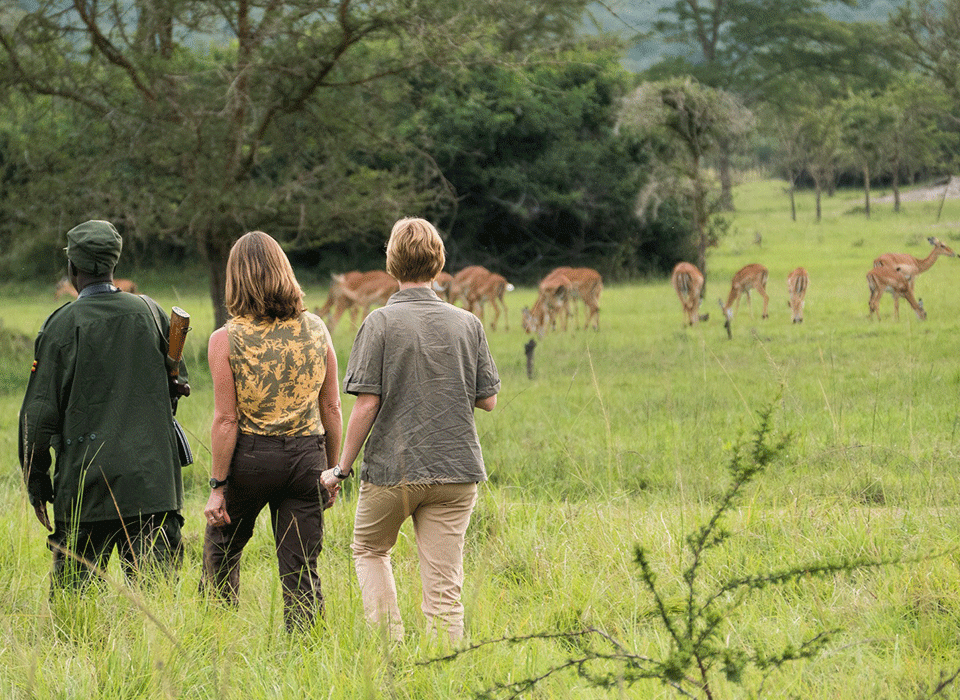
Walking safaris open habitats that vehicles cannot reach. Armed ranger guides lead these walks, keeping visitors safe while sharing deep knowledge of the park’s plants, animals, and birds. Every step brings a discovery.
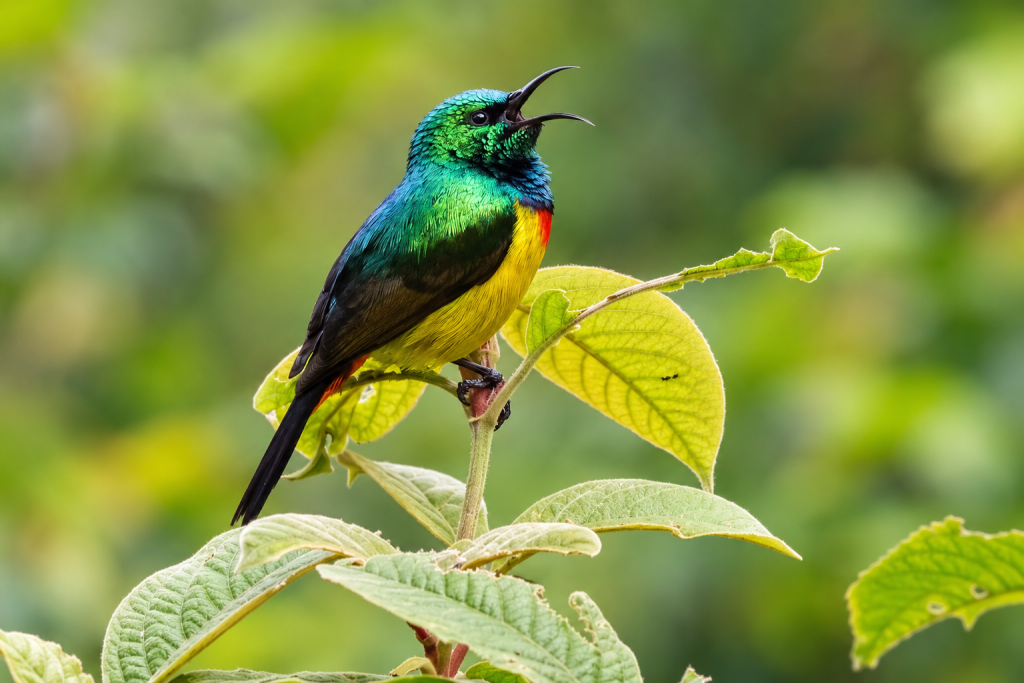
Rubanga Forest is the top destination for serious birders. This lush forest tract is the best place in the world to find the endemic Red-faced Barbet. Early morning walks here are especially rewarding. Bird calls echo through the trees as species become active with first light. The forest canopy also shelters Green Pigeons, colorful sunbirds, active flycatchers, and the spectacular Great Blue Turaco, whose size and plumage make it impossible to miss.
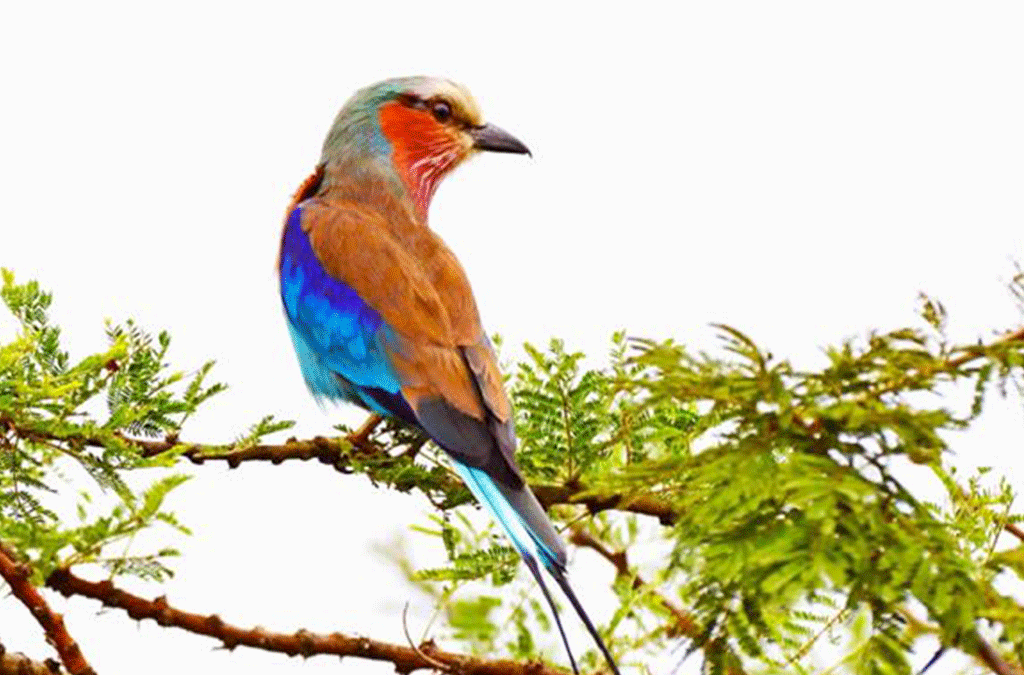
In contrast, the Western Lakeside Walk takes visitors through woodland and savanna during the golden morning hours. This walk produces sightings of Bare-faced Go-away-birds, various hornbills, and rollers. Mammals add to the spectacle — hippos return to the lake after a night of grazing, and spotted hyenas make their way back to their dens. The soft morning light makes this walk ideal for photography.
Another productive stop is the Salt Lick near Rwonyo rest camp. A viewing platform overlooks a natural mineral deposit that attracts both birds and large mammals. Visitors sit comfortably and wait as species arrive throughout the day to supplement their diets. The close-up views make this spot especially popular with photographers.
Game Drives: Covering the Open Savanna
Vehicle-based birding works surprisingly well in Lake Mburo. The park’s well-maintained tracks pass through diverse habitats, and slow driving with windows open often yields remarkable finds.
The Warukiri Track winds through classic acacia woodland, where specialized species thrive among the thorny trees. Along this route, scenic viewpoints open up wide vistas where raptors soar on thermals and vultures circle lazily overhead. These elevated spots reward patient observation.
Game drives also allow birders to cover larger areas efficiently. The open savanna supports ground-dwelling species, including the impressive Southern Ground Hornbill. This large, slow-moving bird stalks through the grass with purpose, and spotting it feels like a genuine reward. Acacia trees along the route host barbets, starlings, and weaver birds, creating a lively spectacle wherever you stop.
Colorful bee-eaters flash between perches, while camouflaged nightjars rest on bare ground, almost invisible until the vehicle passes close. Every turn in the track holds potential, making game drives an important part of any complete birding itinerary.
Birding Lake Mburo Safari in Swampy Valleys: Hidden Birding Gems
The Miriti and Warukiri valleys often go unnoticed by casual visitors, but serious birders know their value. These seasonally flooded areas attract a rich mix of swamp-dwelling and savanna species throughout the year.
Waders probe the soft mud for invertebrates along the water’s edge. Papyrus specialists move quickly through the reed beds, often disappearing before you get a good look. These valleys become especially productive during the wet season, when rising water levels draw additional species from across the region.
Patience pays off in these habitats. Sitting quietly near a flooded area and scanning carefully often reveals birds that active walking would flush away. The valleys complement the more visited sites in the park and add meaningful diversity to any bird list.
Key Species to Watch For
Lake Mburo’s bird list covers an impressive range of Uganda’s western species. Beyond the Red-faced Barbet and Shoebill, the park consistently delivers sightings of several other notable birds.
The Papyrus Gonolek, with its striking crimson plumage, haunts wetland edges alongside the tiny Papyrus Yellow Warbler. Both species require papyrus habitat to survive, making the park’s wetlands critical for their conservation. In the acacia woodlands, the Black-collared Barbet, Lesser Blue-eared Starling, and several woodpecker species keep birders busy.
The Southern Ground Hornbill stalks open grasslands in small groups, while African Wattled Lapwings defend their territories noisily. The localized Tabora Cisticola adds a special challenge for birders keen to tick unusual species. Along the water, African Fish Eagles, Goliath Herons, and Pink-backed Pelicans round out an impressive aquatic bird community.
Best Time to Visit
Lake Mburo offers good birding throughout the year, but timing your visit wisely can make a real difference. The wet seasons, running from March to May and October to November, bring migratory birds down from Europe and northern Africa. Species diversity rises noticeably during these months. Birds enter peak breeding condition, displaying their finest plumage and singing loudly to attract mates.
Conversely, the dry seasons from June to August and December to February concentrate wildlife near remaining water sources. Vegetation thins out, improving visibility across all habitats. Animals and birds gather predictably at reliable water points, making observation straightforward. The weather during dry months is comfortable and well-suited to long days outdoors.
A Three-Day Birding Itinerary
A three-day visit provides enough time to experience all of Lake Mburo’s major habitats and build a substantial bird list.
Day One starts with the drive from Kampala or Entebbe. The journey itself offers birding opportunities, as roadside stops produce Great Blue Turacos and various woodland species. After arriving at the lodge, an afternoon game drive introduces the park’s acacia woodlands and savanna birds.
Day Two dedicates the full day to intensive birding. A morning guided walk through Rubanga Forest targets the Red-faced Barbet first, while midday hours allow for relaxed observation near the lodge. The afternoon boat cruise then explores aquatic habitats, searching for the Shoebill, African Finfoot, and the full range of waterbirds. Hippos and crocodiles add excitement to the lake crossing.
Day Three offers a final morning game drive or walk to target any species missed earlier. After packing up and departing, optional birding stops along the return route to Kampala or Entebbe round off the safari on a high note.
Birding Lake Mburo Safari combines expert guidance, comfortable accommodations, and extraordinary biodiversity into an experience that satisfies both first-time visitors and veteran birders. The park’s accessibility, variety of birding methods, and iconic target species make it a destination that deserves a place on every serious birder’s list.