
3-Day Rwanda Gorilla Tracking: Ultimate Amazing Safari

3-Day Rwanda Gorilla Tracking: Itinerary, Permits & Costs
A 3-day Rwanda gorilla tracking trip is a compact journey from Kigali to the forested slopes of Volcanoes National Park, where trained guides lead a small visitor group toward a habituated mountain gorilla family. The route is designed around one important morning rather than a hurried tour of the entire country. You arrive, settle in near Kinigi, spend the next day tracking gorillas, and return to the capital after a second night in the highlands. This guide explains the itinerary, permits, costs, clothing, fitness, seasons, and responsible travel decisions that make those three days work.
Essential planning point: Secure your gorilla permit before finalizing nonrefundable travel. The official Rwanda Development Board booking site currently lists US$1,500 for standard foreign visitors, with limited eligibility-based promotional categories and documentation requirements.

Why three days works for a Rwanda gorilla safari
Three days is a practical length for travelers who want a meaningful gorilla encounter without turning the journey into a race across Rwanda. The plan gives you a day to reach the foothills, a dedicated day for the forest, and a final day to return to Kigali. That structure matters more than the number on the calendar. Gorilla tracking begins early, the length of the hike is unpredictable, and there is little pleasure in trying to connect a long international flight immediately after leaving the forest. A well-paced trip protects the experience you have invested in.
The central attraction on a gorilla trekking in Rwanda holiday is mountain gorillas in Rwanda, living in family groups across the Virunga slopes. A gorilla tracking information overview helps set expectations: a trekking visit is not a zoo encounter or a guaranteed sighting at a fixed viewpoint. Trackers locate the family’s recent movements, park guides lead visitors along forest trails, and the group spends a strictly managed period observing the animals after contact. Even people who have seen gorillas in photographs often find their ordinary gestures more affecting than anything dramatic: a juvenile clambering over vegetation or a silverback quietly watching his family.
The itinerary also offers a manageable introduction to the country. You can hear the rhythm of Kigali, watch the scenery shift from city streets to cultivated hills, and spend an evening near the park before entering the forest. Travelers considering broader Rwanda safari packages can treat this route as a building block, but three days alone are not enough to combine every major destination. Keep the gorilla experience as the priority, and let smaller activities fit around it rather than compete for attention.
3-day Rwanda gorilla tracking itinerary at a glance
| Day | Main plan | Overnight |
|---|---|---|
| 1 | Kigali arrival and transfer north | Musanze / Kinigi |
| 2 | Gorilla tracking and lodge rest | Musanze / Kinigi |
| 3 | Return to Kigali / departure | — |
The recommended route is simple: Kigali to the Musanze and Kinigi area on day one; guided gorilla tracking in Volcanoes National Park on day two; and a return to Kigali on day three. You stay two nights close to the park, which removes the pressure of driving from the capital in darkness on the morning of your trek. This also leaves room for weather changes and a relaxed evening after a physically demanding outing.
Most international visitors arrive through Kigali International Airport, although the same route works if you are already in a city hotel. Allow roughly two and a half to three hours for the road transfer under ordinary conditions, with extra time for stops and traffic. Your exact driving duration depends on pickup location, road conditions, and where your lodge sits in relation to Kinigi. A private driver-guide simplifies the transfers, especially because the trekking allocation may require travel from headquarters to a different trailhead.
The third day is deliberately flexible. A morning flight may call for an immediate departure, while an evening flight leaves space for a local cultural visit, a scenic stop, or a short Kigali city tour. It is better to book an optional activity only after comparing its real duration with your flight check-in time. A memorable short safari is one that feels calm enough to notice the landscape, not one that attempts every attraction in the north.
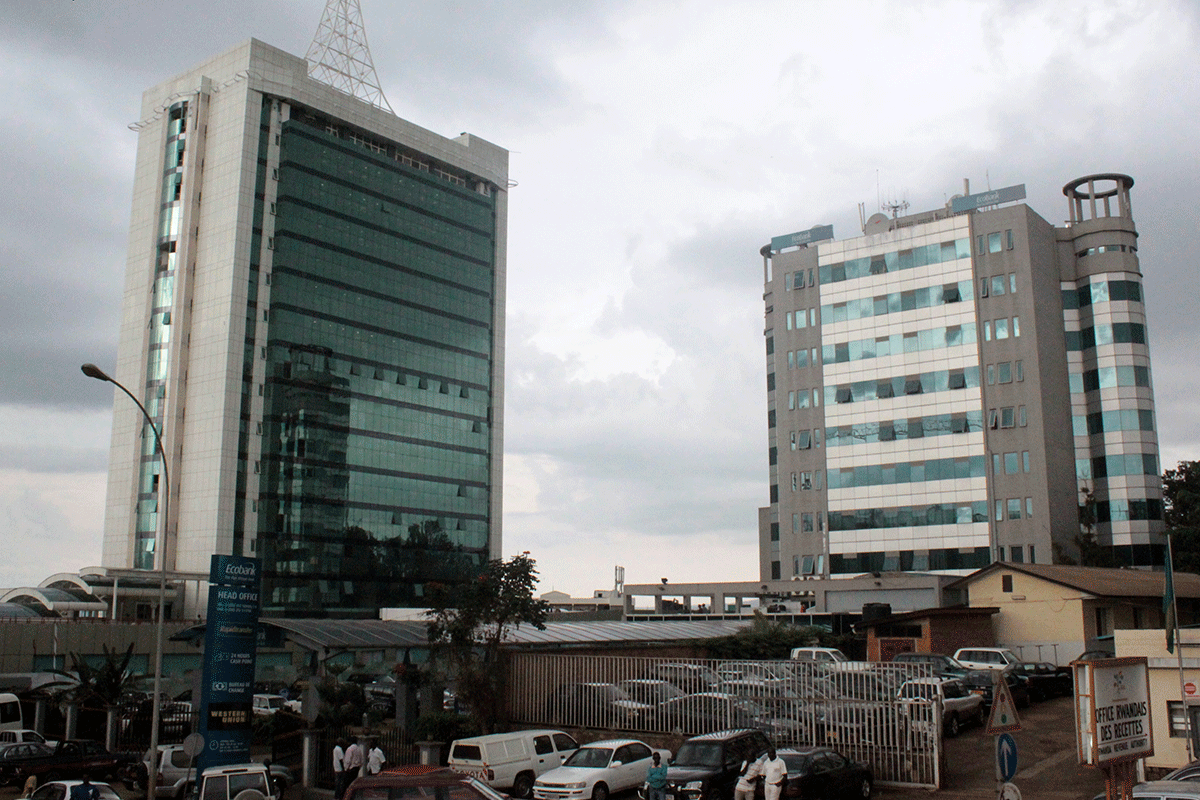
Day 1: Kigali arrival and scenic transfer to Volcanoes National Park
Your first day begins with a welcome in Kigali and an orientation to the journey ahead. A morning arrival leaves time for lunch and perhaps a brief city stop before driving north. If your flight reaches Rwanda late in the afternoon, the wiser plan is to move directly toward your lodge, provided the transfer can be completed safely. Arrival schedules should determine sightseeing rather than the reverse. Your driver can explain the route, the climate at higher elevations, and the early start expected on trekking day.
Kigali makes a rewarding first impression, with tidy avenues, busy neighborhoods, local markets, and a growing creative scene. A visit to the Kigali Genocide Memorial can be deeply meaningful, but it is not an attraction to squeeze between two hurried stops. Give it time and respect, or save it for the final day. Travelers who want more detailed context on the country can consult a Rwanda travel guide before departure. Checking arrival formalities and airport pickup arrangements in advance keeps the first few hours straightforward.
As you leave the capital, the landscape turns into a sequence of green ridges and hillside farms. On clear days the Virunga volcanoes eventually rise above the surrounding fields, offering a dramatic sense of where tomorrow’s tracking will take place. The drive itself is part of the journey, so request safe photo stops where suitable rather than assuming you must cover every kilometer without pause. You may hear the area described as Musanze, the nearby town, or Kinigi, the park headquarters area; both are useful reference points when choosing accommodation.
Arrive at your lodge with time to settle in, eat an early dinner, and confirm the next morning’s departure. Ask staff whether a packed lunch, refillable drinking water, and walking stick are included. Lay out your boots, rain jacket, gloves, trousers, and small daypack before sleeping. A comfortable evening is more valuable than late entertainment because gorilla day starts well before most holiday mornings. A well-organized Volcanoes National Park guide can also help travelers understand the environment around their lodge.
Make your three-day journey fit your dates, comfort level and travel plans.
Where to sleep on the first and second nights
Choose accommodation near the park for both nights rather than moving hotels halfway through a short visit. The most important considerations are driving time to the Kinigi briefing point, reliable early breakfast arrangements, a comfortable room after trekking, and staff familiar with the logistics. An expensive lodge can be wonderful, but proximity and good service matter at every budget level. Ask for the exact journey time to headquarters, not merely a vague description such as “near Volcanoes.”
Budget travelers can focus on clean guesthouses or modest lodges with private rooms, straightforward meals, and an early departure plan. Midrange options often provide larger rooms, landscaped grounds, and more extensive dining. High-end properties emphasize views, private service, wellness facilities, and distinctive architecture. Before booking, compare what is included in the rate: transfers, meals, laundry, packed lunch, local taxes, and beverages may or may not form part of the quote. The most useful Rwanda luxury lodges comparison is one that connects amenities with how much time you will actually spend at the property.
Two nights in one location allow you to unpack properly and recover after the trek. Many visitors are surprisingly tired by the afternoon, especially after a wet or steep route. A warm shower, a relaxed meal, and uninterrupted sleep may feel like the finest luxury of all. If you are sensitive to altitude or cold evenings, request extra bedding and confirm heating arrangements. The park’s mountain climate is cooler and more changeable than many first-time visitors expect from an equatorial destination.

Day 2: The gorilla tracking experience in detail
What makes 3-day Rwanda gorilla tracking unforgettable?
Today is the reason for the journey. Have breakfast early and arrive at the designated visitor registration area in Kinigi for the official 7:00 a.m. reporting time. Carry your passport or other documents required for your permit category, and keep your confirmation accessible. Staff verify details, give an essential safety briefing, and allocate visitors to habituated gorilla families. Group allocation is managed by the park and may consider fitness, operational conditions, and the family’s location; no reputable operator can promise a particular family or an effortless walking route in advance.
After the briefing, you may drive with your guide to the assigned forest entry point. The first part of the walk can cross open farmland before reaching dense vegetation, while other routes begin closer to bamboo or montane forest. Terrain varies enormously: muddy roots, uneven ground, slopes, narrow paths, and thick plants can all appear on the same outing. Treks can be relatively short or last several hours. The current gorilla trekking difficulty depends on the animals’ movements, weather, and your assigned route, rather than on a fixed distance advertised beforehand.
Trackers and guides work together as the search continues. You may pause to listen for forest birds, notice the texture of giant plants, or see how quickly the mist changes the view. These pauses are not wasted time. They create the sense of entering the gorillas’ habitat on its own terms. When the family is found, guides explain where you may stand and how to move calmly. Keep voices low, avoid sudden gestures, and follow all directions. Your guide will also explain the required separation distance and what to do if an animal moves closer than expected.
The encounter itself is limited to one hour. That rule protects the gorillas and means visitors should resist the temptation to use every moment through a camera screen. Observe the family structure, different ages, feeding behavior, and quiet social interactions. Photographs are welcome under park rules, but flash is not. The strongest memories often come from ordinary details: a juvenile investigating a leaf, a mother grooming, or the measured presence of an adult. A thoughtful mountain gorilla tracking experience is as much about restraint and respect as it is about excitement.
Once the allotted time ends, guides lead the group out of the forest. Your vehicle returns you to the lodge, where lunch, a shower, and rest are usually the right next steps. Do not schedule a demanding afternoon excursion on the assumption that everyone will finish trekking early. Some visitors return before lunch; others have had a much longer day. This is why the second overnight is valuable. You can enjoy the evening at your own pace, review photographs, and appreciate what you witnessed without rushing to the next destination.
The gorilla permit: price, eligibility and booking
Rwanda’s official booking portal lists the standard foreign-visitor gorilla tracking permit at US$1,500 per person. The permit is a major part of the overall trip budget, and it should be arranged before nonrefundable flights or lodge commitments where possible. Permit availability is limited, and popular travel periods can sell out. Ask for written confirmation of the trekking date, the visitor category used, and who is responsible for receiving and safeguarding the permit documentation. A gorilla permit cost comparison makes the choice between Rwanda and neighboring destinations easier to understand.
The official portal also shows promotional categories for some Rwandan, East African, African, and resident visitors, subject to eligibility, documentary evidence, and date restrictions. In 2026 the published promotion excludes June through October. Never assume that nationality or a temporary stay automatically qualifies you for a reduced price. Residency rules can be precise, and applicants may be refused entry if the documents presented do not match the booking. Check the live Rwanda Development Board portal directly before paying and obtain guidance for your exact circumstances.
The minimum trekking age is 15 years. Children below that age cannot join the gorilla visit, even when traveling with adults who have permits. If your party includes younger children, build the trip around a separate activity or suitable childcare arrangements rather than expecting exceptions at the gate. Travelers whose passports are close to expiration should also verify immigration requirements separately from trekking requirements; purchasing a park permit does not resolve visa or entry issues.
You can arrange the Rwanda gorilla permit yourself through the official reservation channel or ask a reputable safari operator to include it. Either way, request a transparent breakdown between the government permit and the other tour services. The online gorilla permit booking process deserves attention because mistakes in names, categories, and supporting documents can cause serious problems at entry. Do not rely on verbal assurances that a particular date is available; only a confirmed booking should drive the final itinerary.

Make your three-day journey fit your dates, comfort level and travel plans.
What a 3-day Rwanda gorilla tracking safari costs
A complete quotation usually combines the gorilla permit, two nights’ accommodation, vehicle and fuel, driver-guide services, airport or hotel transfers, and the meals specifically listed. Budget, midrange, and luxury prices differ largely because of lodging and service levels, while the standard international permit remains a substantial fixed component. When comparing offers, first check whether the published figure includes the US$1,500 permit. A seemingly inexpensive tour can be misleading if the permit is billed separately after the booking decision.
Next ask about single-room supplements, domestic or international flights, drinks, gratuities, visa charges, optional visits, porter fees, and travel insurance. A private tour for one person often costs more per traveler than a shared trip because one guest covers the vehicle and driver. Two or more people sharing a vehicle and room can reduce those non-permit costs. A budget gorilla trekking safari may therefore be sensible for travelers who value the wildlife experience more than deluxe facilities, but it still needs dependable transport and authentic permit arrangements.
A good proposal should state its inclusions and exclusions in plain language, not hide them in a long paragraph of promotional adjectives. Ask whether the operator has already secured your requested trekking date, whether accommodations are confirmed or proposed, and what happens if you change or cancel the trip. For travelers comparing a luxury gorilla trekking safari, private guiding, location, and time for relaxation are more meaningful differentiators than generic claims of exclusivity.
Day 3: Return to Kigali or add a gentle experience
On the final morning, take breakfast and begin the drive back toward Kigali in time for your onward plans. With an early departure flight, the morning should be devoted entirely to the transfer and airport formalities. With a later flight, you may choose a relaxed stop in Musanze or a short visit that matches the available time. Avoid committing to a substantial hike unless you have a generous buffer; rain, traffic, and activity timing can change even the best-prepared schedule.
Golden monkey tracking is one appealing option for visitors with sufficient time and an additional night or a genuinely late departure. It is a separate, separately permitted activity that generally starts in the morning, so it should never be portrayed as automatically included in a standard three-day trip. These lively primates inhabit bamboo-rich habitat and offer a very different observation experience. Learn the practical differences between golden monkey trekking and gorilla tracking before deciding whether to extend your stay.
Other possibilities include a community-led cultural experience, a short scenic outing near the volcanic foothills, or time to explore Kigali once you return. Choose operators that explain how visitor payments support local people and present culture respectfully. If you would rather travel slowly, spend the morning enjoying the lodge grounds before beginning your transfer. The goal of the third day is to complete the journey comfortably, not to turn a carefully paced trip into an exhausting checklist.
Visitors planning more time in Rwanda can extend toward Lake Kivu for lakeside scenery or arrange a longer wildlife route. Those destinations deserve their own days rather than being added as token drive-by stops. If your flight leaves Rwanda at night, confirm directly how long your lodge checkout, road transfer, and airport arrival will take. A flexible private driver can help, but even private arrangements cannot eliminate real-world delays.

Best time of year for Rwanda gorilla tracking
Gorilla trekking operates through the year, and encounters are possible in every month. Drier periods often make the paths somewhat more manageable, but the mountain forest receives rain even when surrounding areas are relatively dry. Many travelers favor parts of June through September or December through February, while wetter months can bring deep green vegetation, misty landscapes, and softer travel demand. Conditions vary, and no month guarantees a dry trek or an easier family allocation.
The useful question is not simply which month is “best,” but what you value most. If you want a better chance of firmer paths, weigh seasonal rainfall trends. If your photography benefits from atmospheric clouds and lush vegetation, a wetter period can be appealing. If cost is important, remember that accommodation prices and any promotional permit eligibility may not follow the same calendar. Review a best time to trek mountain gorillas overview alongside the official permit terms for your travel dates.
Travelers who can move their trip by several days should ask about both permits and lodging before locking flights. During popular holidays and high-demand months, availability can be the deciding factor. A short visit has little room to reschedule an already sold-out tracking day, so the date should be secured first. Once permits are confirmed, pack for rain regardless of the forecast. The highland environment changes quickly, and comfortable waterproof layers matter more than optimistic weather predictions.
Make your three-day journey fit your dates, comfort level and travel plans.
What to wear and pack for the forest
Wear sturdy walking boots with good grip, long trousers, and a long-sleeved top that protects against vegetation and insects. Lightweight gloves can be useful where you need to steady yourself among plants. Carry a waterproof jacket or poncho that allows easy movement, and avoid heavy cotton layers that stay wet and cold. Gaiters may help in muddy conditions, although they are not essential for everyone. A detailed what to wear on a gorilla trek checklist can prevent last-minute purchases that may be difficult near the park.
A small daypack should hold water, a packed snack or lunch as advised by your operator, required medication, sunscreen, and a waterproof pouch for valuables. A reusable bottle is useful, and you should carry your own rubbish back out. Keep your passport or identification accessible for registration, but protect it against moisture. Check whether the lodge can provide walking sticks and whether your guide recommends hiring a porter. A long lens may help with distant details, yet you should be able to operate your camera without distracting other visitors.
Temperatures can feel cool before sunrise and after rain, especially at elevation. A light warm layer is often welcome during the early briefing, and a change of socks back at the lodge can make the afternoon more comfortable. Neutral clothing is practical but does not need to be specialized expedition equipment. The aim is comfort and movement on variable ground, not a fashionable uniform. If you are shopping for gear, prioritize boots you have already worn on uneven trails rather than new ones that may cause blisters.

Fitness, accessibility and trekking safety
You do not need to be an elite athlete to join a gorilla trek, but you should be prepared for uneven terrain and an uncertain walking duration. Regular hill walking, stair climbing, and hikes on rough paths before departure are sensible preparation. If you have knee, balance, breathing, or mobility concerns, discuss them with a clinician and your operator well ahead of the trip. Park allocation may take fitness into account, but a specific easy route cannot be guaranteed. The practical advice in a gorilla trekking fitness guide is especially relevant for travelers returning to activity after a long break.
Some visitors arrange porter assistance, and particular accessibility arrangements may be possible with advance coordination. Those services require accurate discussion of your needs, the terrain, and what local teams can realistically provide. Older age alone does not determine whether you can trek; readiness and the available support matter far more. Travelers considering gorilla tracking for elderly visitors should build extra recovery time into the schedule and avoid a late flight after a potentially strenuous outing.
A gorilla family is wild, even when accustomed to carefully managed human visits. Always obey the guide, maintain the required distance, avoid touching animals, and never attempt to approach a juvenile for a photograph. Flash photography is prohibited. If you are unwell with a respiratory or other contagious illness, inform the operator before tracking and follow the park’s health protocols. Human disease can endanger gorillas, and responsible decisions help protect the animals that make the trip possible. The principles of ethical gorilla trekking extend beyond the moment you encounter the family.
Rwanda or Uganda: which gorilla trek suits your trip?
Both Rwanda and Uganda offer extraordinary mountain gorilla experiences, but they differ in access, permit structures, landscapes, and surrounding itineraries. Rwanda’s Volcanoes National Park works particularly well for short visits beginning and ending in Kigali. Uganda’s Bwindi Impenetrable National Park offers forest trekking across several sectors and often appeals to travelers combining gorillas with chimpanzees or classic savannah wildlife. The choice is not a contest for the “better” gorilla; it is about which route matches your time, budget, and interests.
A thoughtful Uganda vs Rwanda gorilla trekking comparison should consider the complete cost of transfers and accommodation as well as permit fees. Crossing the border can add formalities and travel time, so do not assume the lowest permit price produces the cheapest or simplest three-day holiday. Uganda can be an excellent choice with enough days, while Rwanda has the appeal of a compact transfer from Kigali. The experiences remain distinct and should be evaluated as complete itineraries rather than isolated price tags.
Travelers considering Bwindi can examine the different gorilla sectors in Bwindi, since where you stay and which trekking sector your permit covers can affect road logistics. Others may prefer a longer Uganda and Rwanda tour that combines countries at a pace which allows time for wildlife and culture. For a focused three-day Rwanda holiday, however, remaining in the Volcanoes area usually keeps transport straightforward and the forest encounter central.

Make your three-day journey fit your dates, comfort level and travel plans.
Responsible gorilla tourism and community benefits
A gorilla trek takes place within a carefully managed conservation landscape. Visitor limits, trained trackers, health rules, and restricted viewing time help reduce pressures on the animals. Permit revenue supports the broader protected-area system, although the full distribution and conservation outcomes should be understood through official reporting rather than broad promises made by a tour advertisement. When choosing a company, look for respectful wildlife practices, clear staff conditions, and transparent information about what your money pays for.
Local communities are part of the region’s story. Consider a community-guided activity when it genuinely fits your interests and schedule, purchase crafts directly from makers when appropriate, and treat village visits as opportunities for exchange rather than performances owed to tourists. Ask permission before photographing people. Discuss tipping openly without assuming that small communities are interchangeable attractions. These habits matter just as much as following the rules inside the park itself.
The best travel memories often come from paying attention. For travelers considering Rwanda national parks, this forest journey is one distinctive part of the country’s protected landscapes. Take a moment to notice the farms beneath the volcanic slopes, learn the name of the place where you stay, or speak with your guide about conservation work. A Rwanda wildlife guide can broaden the perspective beyond the famous apes. Gorilla tracking becomes richer when visitors understand that its future is connected to habitat protection, stable community relationships, and disciplined visitor behavior.
Practical travel questions before you book
Start with the calendar. Identify an available trekking date, check your passport and entry eligibility, then reserve accommodation and transport. Share flight details with your operator, including terminal, arrival time, and luggage allowance. If you are arriving on separate flights, decide whether everyone will meet at the airport or at a Kigali hotel. Keep copies of the permit confirmation, booking contacts, insurance details, and emergency phone numbers available offline as well as online.
Next ask for the daily plan in writing. Day one should name the pickup point, the expected drive, and the hotel. Day two should state the early transfer to Kinigi and confirm whether packed lunch, vehicle transfers to the trailhead, and a local ranger-led trek are included. Day three should clearly specify the drop-off destination and timing. A gorilla trekking FAQ may answer general questions, but your own booking confirmation should resolve the practical details for your trip.
If a tour offers a low headline price, ask whether the permit is actually secured, whether the operator’s cancellation terms are written down, and whether accommodation is guaranteed or merely illustrative. Confirm how the provider handles delayed flights. A responsible company should explain what is known, what can change, and what it cannot promise. You should never be guaranteed a particular gorilla family, ideal weather, or a precise return hour from the forest.
Finally, make room for the experience itself. A three-day safari is short, but it can be complete when it gives you time to arrive, observe, and reflect. Whether you travel solo, with a partner, or as part of a small group, the strongest itinerary protects the tracking day instead of surrounding it with excessive commitments. Explore gorilla trekking tours to understand the range of arrangements, then build a quote that reflects your own comfort level and timing.
Frequently asked questions about the 3-day Rwanda gorilla tracking trip
Is three days enough to see mountain gorillas in Rwanda? Yes, when you already have a confirmed permit and arrange transfers efficiently. Two nights near the park give you a full day for trekking and a more comfortable departure. The itinerary does not guarantee every extra attraction in the country; its strength is that it prioritizes one major wildlife encounter.
Where does the trek start? Visitors report to the Volcanoes National Park headquarters area at Kinigi for the morning registration and briefing. After allocation, the group may drive to its assigned trailhead. Staying near the park is convenient, but your guide still needs to confirm the exact departure time from your lodge.
How close will I get to the gorillas? Park rules require visitors to maintain the instructed distance and behave quietly. Guides control the encounter, and wildlife may move unpredictably. You must never move closer on your own, touch an animal, or use flash. The viewing period after the gorillas are reached is limited to one hour.
Can children join? Gorilla tracking is restricted to visitors aged at least 15 years. Families with younger children should plan different activities or childcare, and should not assume the age rule will be waived. Make sure the age and identity details used for permit booking match the documents presented at the park.
Is a gorilla sighting guaranteed? Trackers have extensive local knowledge and monitor habituated families, but the gorillas remain wild animals. Routes and conditions are unpredictable. A reputable tour company should explain the process rather than promise a particular sighting, a specific family, or an exact trek duration.
Can I do a gorilla trek immediately after landing? That is risky for a three-day holiday because permits have fixed dates and the park reporting time is early. Arriving the previous day is a much more comfortable plan. It also allows for travel delays and gives you a chance to sleep near the park before the hike.
Should I book extra nights? An extra night is useful if you want golden monkey experience, an unhurried cultural outing, or recovery time after the trek. Longer stays also offer flexibility for photography, other parks, or a lakeside visit. Three days are sufficient for a focused gorilla trip, not for seeing all of Rwanda.
Ready to plan your Rwanda gorilla adventure?
The best 3-day Rwanda gorilla tracking experience begins with a confirmed permit and a realistic travel plan. Choose dates that work, select two nights near the park, and leave your gorilla day free of unnecessary pressure. The result is a short journey with enough time to appreciate one of Africa’s most remarkable wildlife encounters.
Make your three-day journey fit your dates, comfort level and travel plans.
Permit information checked against the Rwanda Development Board booking portal and Visit Rwanda. Eligibility and availability may change. Image sources are from the project media export; availability of each external image URL has not been independently confirmed.





