Best Photography Spots for Wildlife in Murchison Falls

Discover Wildlife Photography in Murchison Falls
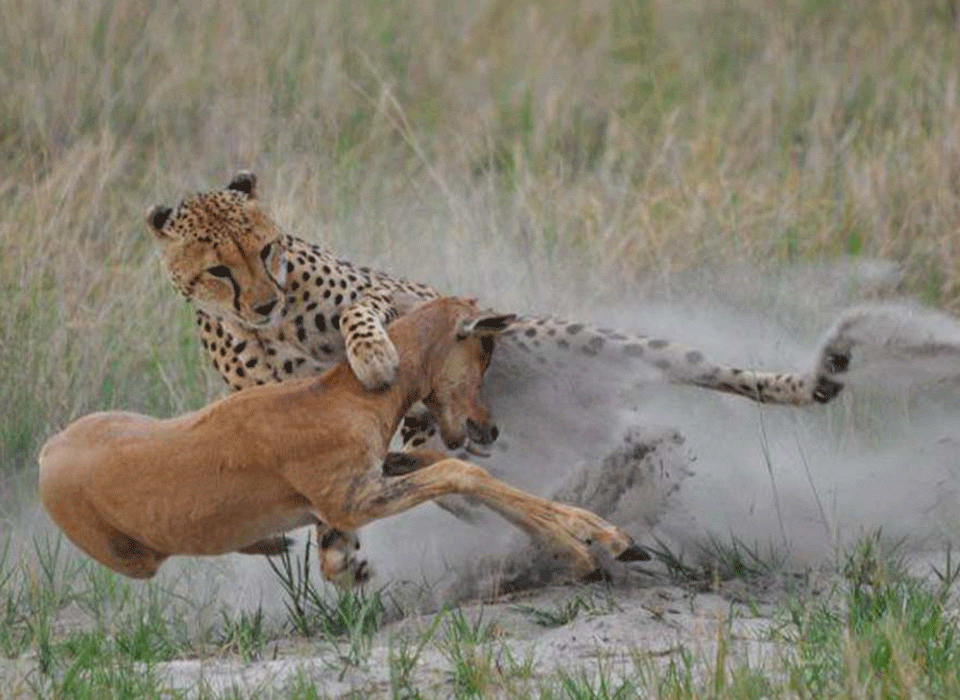
There is something special about photographing wildlife in Murchison Falls National Park. A giraffe may appear above the golden grass as the morning sun rises. A herd of elephants might walk quietly towards the Nile. Meanwhile, a lion resting beneath a tree can turn an ordinary game drive into an unforgettable photographic encounter.
Located in northwestern Uganda, Murchison Falls National Park is an outstanding destination for nature lovers and photographers. Its open savannah, riverine habitats, woodlands and spectacular waterfall create opportunities to photograph many different subjects during one safari.
Unlike destinations that focus mainly on traditional game drives, Murchison Falls offers several photographic perspectives. You can capture mammals across open plains, photograph hippos and crocodiles from a boat, search for colourful birds and create dramatic landscapes around the waterfall.
Whether you use a professional camera or a smartphone, a well-planned safari can produce beautiful photographs. The most important ingredients are patience, good natural light, suitable positioning and a knowledgeable safari guide.
At Safari Vacations & Travel Services, we arrange private Uganda photography safaris with flexible game-drive schedules, comfortable safari vehicles and experienced driver-guides who understand the importance of taking time at wildlife sightings.


Why Murchison Falls Is Excellent for Wildlife Photography
The greatest advantage of Murchison Falls is its variety of habitats. You do not have to spend an entire safari searching for one type of photograph. Instead, you can build a collection of wildlife portraits, animal behaviour, river scenes and dramatic landscapes.
Open Savannah
Open grasslands make it easier to frame large animals against natural backgrounds, especially during early morning game drives.
Varied Wildlife
Photograph Uganda kob, giraffes, elephants, buffaloes, waterbucks, lions and numerous bird species.
The River Nile
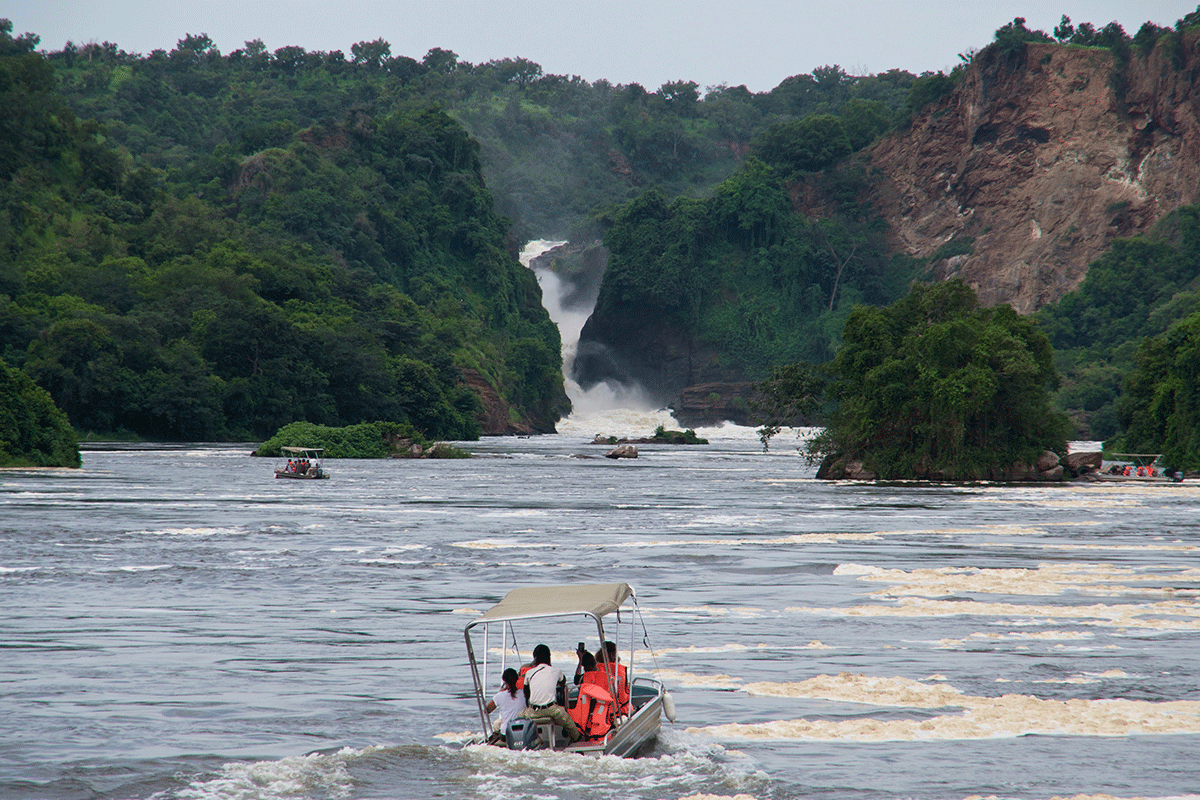
Boat excursions create opportunities for wildlife photography from perspectives unavailable during ordinary game drives.
Beautiful Natural Light
Morning and late-afternoon sunlight brings warmth, depth and atmosphere to savannah and wildlife photographs.
Visitors can also discover the park’s history, ecology and distinctive landscape through our Murchison Falls National Park guide.
Best Animals to Photograph in Murchison Falls
Each animal presents different photographic opportunities. Some are ideal for close wildlife portraits, while others look particularly striking against the wider landscape.


Other worthwhile subjects include Jackson’s hartebeest, Uganda kob, oribi, buffaloes, warthogs, waterbucks and baboons. Smaller animals often produce excellent behavioural photographs when you allow enough time to observe them.
Where to Photograph Wildlife in Murchison Falls
Different areas of the park offer different photographic conditions. Photographers should select locations according to their preferred subjects rather than attempting to visit every area in a single day.
1. Buligi Game Viewing Tracks
The Buligi area is one of the park’s best-known game-drive destinations. Its broad savannah supports numerous grazing animals and provides opportunities to encounter predators.
For photography, the combination of open grassland, scattered palms and distant wildlife makes this area especially attractive. Morning excursions offer cooler conditions and softer lighting.
Photographers can learn more about the experience in our guide to game drives in Uganda.
2. Paraa and the Northern Savannah
Paraa is a convenient base for exploring the northern wildlife areas. Giraffes, antelopes, buffaloes and elephants may be encountered along the surrounding game-viewing tracks.
The area is particularly suitable for photography that combines wildlife with its natural surroundings. Instead of filling every frame with the animal, consider including nearby vegetation, grasses or the distant horizon.
3. Victoria Nile Riverbanks
The Nile offers a different photographic atmosphere. Hippos gather in the water, crocodiles rest along the banks and birds move between branches, reeds and river channels.
The bottom-of-the-falls boat cruise is particularly rewarding for photographers interested in aquatic wildlife and river scenery.
4. The Nile Delta
The delta, where the Victoria Nile approaches Lake Albert, is an important destination for wetland and bird photography. Its papyrus habitat creates opportunities to search for herons, fish eagles, kingfishers and the elusive shoebill.
Shoebills are difficult to predict, so a dedicated delta excursion is more appropriate than expecting one during the regular upstream waterfall cruise. Sightings are never guaranteed.
5. The Top of Murchison Falls
The top of the waterfall is ideal for landscape photography. Here, the Nile forces its way through a narrow rocky gorge before dropping into the river below.
Photographers can experiment with different shutter speeds. A faster exposure preserves detail in the rushing water, while a longer exposure can create a smoother appearance when the camera is securely supported.
For more information about access and viewpoints, read Can I Hike to the Top of Murchison Falls?. Walking routes and access must be confirmed locally.
6. Budongo Forest
Budongo Forest adds a refreshing contrast to Murchison’s grassland scenery. The forest environment suits photographers interested in primates, birds, leaves, insects and atmospheric woodland scenes.
Forest photography can be challenging because the light changes quickly beneath the canopy. A lens with a wider aperture can help in shaded conditions.
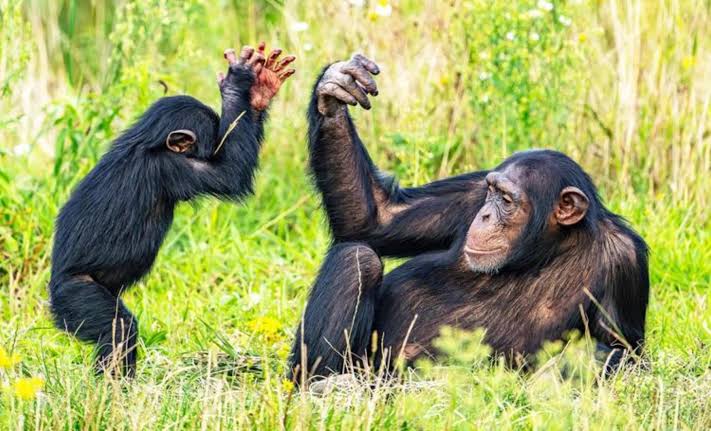
A longer safari may combine this experience with chimpanzee tracking around Murchison Falls.
For more location-specific information, see our existing article about the best wildlife photography spots in Murchison Falls.
Bird Photography in Murchison Falls

Bird photography adds another dimension to a Murchison Falls safari. The park’s savannah, river and wetland habitats support a remarkable variety of species.
Photographers can search for African fish eagles, pied kingfishers, bee-eaters, herons, cormorants and numerous grassland birds.
For birds in flight, use continuous autofocus and a sufficiently fast shutter speed. For perched birds, concentrate on eye sharpness and an uncluttered background.
Explore our guide to Uganda’s best birdwatching parks for more destinations.
Best Time for Wildlife Photography in Murchison Falls
Murchison Falls can be photographed throughout the year. However, the appearance of the landscape changes with the seasons, and this influences the kinds of pictures you may capture.
Dry Season Photography
Generally December–February and June–September.
Grass is often shorter and access along game tracks is easier. This can improve visibility when searching for mammals.
Dry conditions also bring dusty, golden landscapes that can look beautiful in early morning or evening light.
Photographers interested in lions, giraffes, elephants and large wildlife may particularly enjoy these periods.
Rainy Season Photography
Generally March–May and October–November.
Rain often brings lush vegetation, dramatic clouds and green backgrounds.
This season can be attractive for bird photography and environmental wildlife portraits.
However, occasional heavy rain, muddy tracks and thicker vegetation can make some photographic activities more challenging.
Best Time of Day
The first hours after sunrise and the period before sunset usually provide beautiful natural light. During these times, shadows are less harsh than around midday, and animals may be more active.
Midday is not necessarily wasted. You can photograph birds, investigate shaded scenes, visit viewpoints or use the time to prepare equipment for an afternoon excursion.
Learn more about seasonal travel conditions in our Murchison Falls visitor guide.
Recommended Camera Equipment and Settings
You do not need the most expensive equipment to enjoy a wildlife photography safari. A camera with a versatile zoom lens can produce excellent results when used carefully.
| Photography Subject | Suggested Equipment | Starting Settings |
|---|---|---|
| Giraffes and elephants | 100–400mm zoom | 1/500s, f/5.6–f/8 |
| Birds in flight | 400mm or longer | 1/1600s–1/2500s |
| Lions and wildlife portraits | 200–400mm zoom | 1/500s or faster |
| River and waterfall landscapes | 16–35mm or 24–70mm | f/8–f/11 when light permits |
| Moving boat photography | 70–300mm zoom | 1/1000s or faster where needed |
These settings are starting points, not fixed rules. Adjust aperture, ISO and shutter speed to the available light, subject movement and camera support.
Additional Equipment Worth Carrying
Pack spare batteries, memory cards, a cleaning cloth, a dust-resistant camera bag and a rain cover. A beanbag can help support a telephoto lens inside a safari vehicle.
Photographers who use interchangeable lenses may appreciate carrying a second camera body. This reduces lens changes when the environment becomes dusty.
A tripod can be useful for landscape photography where permitted and practical, but it is often less convenient inside a moving safari vehicle or boat.
Can You Use a Smartphone?
Yes. Modern smartphones can capture beautiful images of landscapes, nearby wildlife and river scenes. Use the optical zoom where available, avoid excessive digital zoom and focus carefully before taking the picture.
For distant birds or predators, a dedicated camera with a telephoto lens generally provides more flexibility.
Practical Tips for Better Wildlife Photographs
Focus on the Eyes
Sharp eyes help bring wildlife portraits to life. Use appropriate autofocus modes when animals are moving.
Watch Animal Behaviour
Observe animals before taking photographs. Feeding, grooming and social interactions often make interesting images.
Use Natural Backgrounds
Look for clean backgrounds that help your subject stand out without unnecessary distractions.
Include the Environment
Wide photographs showing wildlife and habitat help tell a complete story about the safari destination.
Choose a Private Safari
Private game drives provide greater flexibility when spending time at sightings or waiting for suitable light.
Protect Wildlife
Never disturb, chase, feed or deliberately provoke animals to obtain a photograph.
Safari photography should always follow Uganda Wildlife Authority regulations. Remain on authorized routes, follow your guide’s instructions and avoid any action that changes animal behaviour. Commercial filming and drone use may require additional permissions, which should be arranged before travel.
Suggested 4-Day Murchison Falls Photography Safari
A four-day journey provides a more comfortable photographic pace than a rushed visit. The following itinerary combines wildlife, scenery and time for observation.
Where to Stay During a Murchison Falls Photography Safari
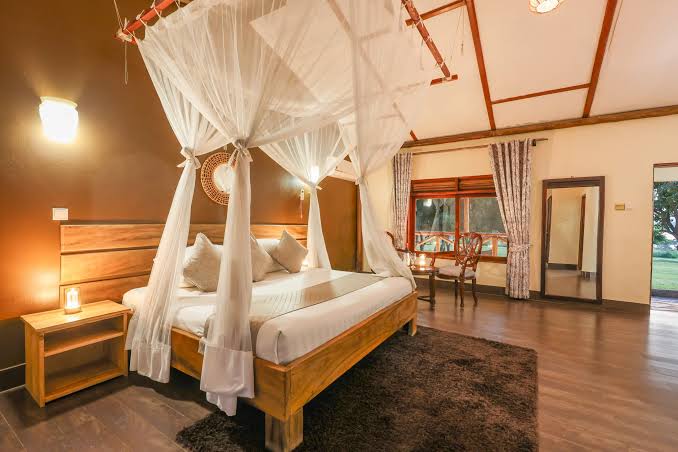
Accommodation plays an important role in wildlife photography. Staying near the planned game-drive area reduces unnecessary travel and helps you reach suitable locations early in the morning.
 Paraa Safari Lodge
A long-established safari lodge near the Nile. It provides a convenient location for accessing boat activities and nearby game-viewing areas.
Best for: Comfortable safari stays and access to Nile activities.
 Pakuba Safari Lodge
A practical accommodation option for travellers planning wildlife-focused game drives in the northern part of the park.
Best for: Convenient game-drive access and wildlife photography.
Accommodation selection depends on your budget, travel dates, desired comfort and planned photography routes. Safari Vacations can recommend suitable lodges and compare available options when preparing your itinerary.
Recommended Uganda Safaris for Wildlife Photographers
Explore safari options that combine Murchison Falls with other wildlife experiences in Uganda.


Responsible Wildlife Photography in Uganda
The welfare of wild animals must always come before obtaining a particular photograph. A responsible photographer observes wildlife without interfering with its natural behaviour.
Never request off-road driving where it is prohibited. Avoid approaching nesting birds, surrounding predators or moving dangerously close to elephants. Your driver-guide should decide where it is safe and lawful to stop.
Respect other visitors, minimise noise and avoid using flash in situations where it may disturb animals. Drone flights and commercial photography require relevant authorisations, and permission should never be assumed.
For a better understanding of wildlife conservation and park management, consult the Uganda Wildlife Authority.
Frequently Asked Questions About Wildlife Photography in Murchison Falls
Is Murchison Falls good for wildlife photography?
Yes. The park combines open savannah, abundant wildlife, the Nile River, wetlands and a spectacular waterfall. This variety makes it particularly suitable for photographers interested in both animals and landscapes.
Which animals can I photograph?
Potential subjects include giraffes, elephants, lions, buffaloes, Uganda kob, waterbucks, hippos, crocodiles and numerous birds. Wildlife encounters vary according to habitat, weather and animal movements.
What is the best lens for wildlife photography?
A 100–400mm or similar telephoto zoom is a versatile choice for larger mammals and general wildlife. Serious bird photographers may prefer a longer focal length. A wide-angle lens is useful for landscapes.
How many days should I spend in the park?
Three days can provide an introduction to the park. Four days or longer is more comfortable for dedicated photographers because it allows additional game drives, better flexibility with natural light and more time for boat activities.
Can I photograph shoebills in Murchison Falls?
Yes, shoebills may be encountered around suitable wetlands in the Nile Delta. However, they are elusive wild birds and sightings cannot be guaranteed. A dedicated guided excursion is recommended.
Can beginners join a photography safari?
Absolutely. Beginners can enjoy wildlife photography using smartphones, bridge cameras or other equipment. An experienced guide can assist with positioning, timing and identifying subjects.
Are private game drives better for photographers?
Private game drives usually provide greater flexibility to spend time observing wildlife and planning compositions. They are particularly valuable when photographers have specific subjects or lighting conditions in mind.
Can I use a drone in Murchison Falls?
Drone use is restricted and requires prior authorisation from the appropriate authorities. Do not bring or operate a drone on the assumption that normal personal photography permission covers it.
Can I combine Murchison Falls with other Uganda parks?
Yes. Photographers often combine Murchison Falls with other destinations such as Kibale, Queen Elizabeth National Park and Bwindi for primates, savannah wildlife and additional landscape photography.
Plan Your Murchison Falls Photography Safari
Experience the beauty of Uganda through your camera lens. Safari Vacations & Travel Services can arrange a private photography safari with flexible game drives, comfortable accommodation, Nile excursions and experienced driver-guides.
Tell us your preferred dates, number of travellers, photography interests and accommodation budget. We will help design a safari around your priorities.
Safari Vacations & Travel Services Ltd | Uganda & Rwanda Safari Specialists