
Why Uganda Gorilla Trekking in Low Season is a Hidden Gem
Why Uganda Gorilla Trekking in Low Season is a Hidden Gem
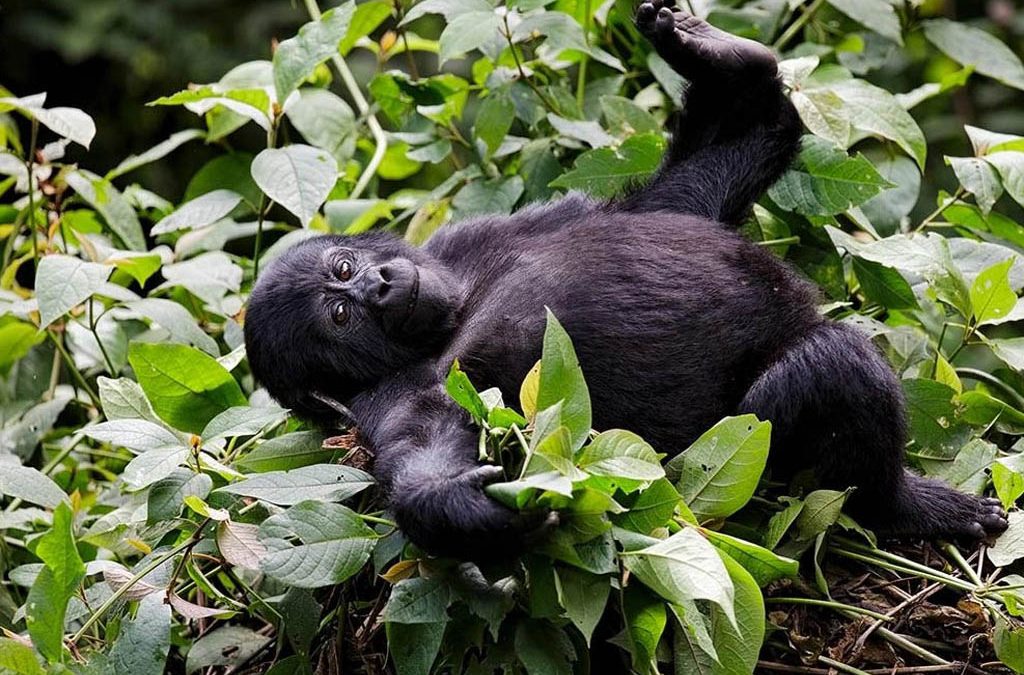
Gorilla trekking in Uganda is a transformative adventure, offering travelers the rare chance to witness majestic mountain gorillas in their natural rainforest habitat. While the dry season often attracts the majority of visitors, the low season—spanning March to May and October to November—provides an unparalleled experience for those seeking tranquility, exclusivity, and affordability. During these months, Uganda’s lush rainforests are at their most vibrant, creating a captivating atmosphere for trekking. With fewer crowds, discounted rates, and unique ecological opportunities, the low season emerges as a hidden gem for gorilla trekking enthusiasts. This article unveils why this lesser-known period is ideal for an unforgettable journey into the heart of Uganda’s wilderness.
What Makes Low Season Special for Gorilla Trekking
Serene Trails and Personalized Experiences
One of the most significant advantages of trekking during the low season is the dramatic reduction in tourist numbers. Unlike the peak season, where permits are scarce and trails are crowded, the low season offers a tranquil and exclusive experience. This allows for:
- Unhurried Observations: Spend more time observing gorilla families without feeling rushed, allowing for a deeper understanding of their behaviors and social dynamics.
- Intimate Forest Experience: Enjoy a quieter and more immersive journey through the forest, with the sounds of nature unobscured by large groups.
- Personalized Guidance: Receive personalized attention from park guides and rangers, enhancing your understanding of the gorillas and their habitat.
More Intimate Wildlife Encounters
The low season fosters more intimate and rewarding interactions with wildlife. With fewer tourists, gorillas are less stressed and more relaxed, allowing visitors to form a deeper connection with these majestic creatures. This setting also increases the likelihood of encountering other wildlife, such as golden monkeys, elephants, and a variety of bird species, as the forest is less disturbed.
Vibrant Landscapes
Uganda’s national parks, particularly Bwindi Impenetrable National Park and Mgahinga Gorilla National Park, transform into breathtaking landscapes during the rainy season. The lush vegetation flourishes, creating a stunning backdrop for photography. The rain enhances the vibrancy of the forests, making each trek visually captivating. Additionally, the abundance of food sources within a smaller radius means gorillas may not wander far from their usual locations, providing more consistent sightings.
Low Season vs Peak Season: A Complete Cost Breakdown
Permit Prices Comparison
Gorilla trekking permits in Uganda are generally more affordable than those in Rwanda, and the low season offers even greater savings. The Uganda Wildlife Authority (UWA) often provides discounted rates during the low season, making it an excellent option for budget-conscious travelers. Here’s how the costs compare:
- Peak Season: $800 per person for foreign non-residents (as of 2025/2026).
- Low Season Discounts: Permits may drop to $450–$500 per person, depending on availability and promotions.
These discounts allow travelers to enjoy a world-class gorilla trekking experience at a significantly reduced price.
Accommodation Savings
Lodging costs in Uganda also decrease during the low season, with many accommodations offering substantial discounts to attract visitors. Benefits include:
- Lower Rates: Luxury lodges often reduce prices, while budget options become even more affordable.
- Added Perks: Complimentary services like guided nature walks, spa treatments, or extended stays are sometimes included.
- Greater Availability: Travelers have a wider selection of accommodations and are more likely to secure their preferred choices.
Transportation Costs
Transportation during the low season can also be more economical:
- Flight Deals: International flights to Uganda and domestic charter flights may offer seasonal promotions.
- Negotiable Rates: With fewer tourists, car rentals and private transfers often come with reduced or negotiable pricing.
- Overall Savings: These reductions in transportation costs further lower the total expense of a safari experience.
The low season in Uganda offers a cost-effective alternative for gorilla trekking without compromising on the quality of the experience. From discounted permits to reduced accommodation and transportation costs, travelers can enjoy a premium adventure at a fraction of the peak season price.
Best Months for Low Season Trekking in Uganda
March-May Window
The first low season for gorilla trekking in Uganda spans from March to May, coinciding with the long rainy season. While this period presents some challenges, it offers unique advantages for adventurous travelers:
- March: An excellent time to visit as the rains are just beginning, with trails still relatively manageable.
- April: The wettest month, presenting the most challenging conditions but also the lowest prices and fewest crowds.
- May: Rains begin to taper off, offering a balance between low season benefits and improving weather conditions.
During this period, visitors can enjoy:
- Significantly discounted gorilla permits, sometimes reduced to $450-$500 per person.
- Lush, vibrant landscapes ideal for photography.
- Opportunities to observe migratory bird species arriving from Eurasia.
October-November Period
The second low season occurs in October and November, characterized by short rains:
- October: The start of the short rainy season, with intermittent showers and cooler temperatures.
- November: Rains continue, but the forest is at its greenest, offering stunning scenery.
Benefits of trekking during this time include:
- Fewer tourists on the trails, allowing for more intimate gorilla encounters.
- Lower accommodation rates and potential for complimentary services at lodges.
- Ideal conditions for combining gorilla trekking with birdwatching.
While the low seasons present some challenges due to increased rainfall and muddy conditions, they offer unparalleled opportunities for budget-conscious travelers and those seeking a more exclusive experience. With proper preparation and waterproof gear, trekkers can enjoy the unique beauty of Uganda’s rainforests at their most lush and vibrant.
Uganda vs Rwanda: Low Season Comparison
Permit Availability
Uganda offers a more flexible and accessible permit system compared to Rwanda, even during peak seasons. In the low season, Uganda’s permits are easier to secure and often come at discounted rates, making it an attractive option for travelers. For example:
- Uganda: Permits are discounted during the low season, ranging from $450–$500 per person, compared to the standard $700 in peak months.
- Rwanda: Permits maintain a premium price of $1,500 year-round, with limited discounts available only for specific conditions, such as combining visits to other parks or attending conferences.
This makes Uganda a better choice for budget-conscious travelers or those booking last-minute.
Cost Differences
The disparity in permit costs is significant:
- Uganda: Low season permits can save travelers up to 35%, making it a more affordable option without compromising the quality of the experience.
- Rwanda: The high cost of permits remains a barrier for many travelers, even during the low season.
Additionally, accommodations and transportation in Uganda are generally more budget-friendly than in Rwanda, further enhancing its appeal for cost-conscious visitors.
Terrain and Accessibility
The trekking terrain and accessibility differ notably between the two countries:
- Uganda: The rugged terrain of Bwindi Impenetrable Forest offers a more adventurous and diverse trekking experience, though it can be challenging during the rainy season due to muddy trails. Mgahinga Gorilla National Park provides easier trails with bamboo forests but has fewer gorilla groups available.
- Rwanda: Volcanoes National Park features well-maintained trails and bamboo-dominated landscapes, making it less physically demanding. However, its higher permit cost may deter some travelers.
For low-season gorilla trekking, Uganda stands out as the more affordable and flexible option. With discounted permits, lower overall costs, and diverse trekking experiences in Bwindi and Mgahinga, it caters to both budget-conscious adventurers and those seeking an authentic wilderness experience. Rwanda’s premium pricing and easier terrain may appeal to luxury travelers or those with time constraints but come at a significantly higher cost.
Essential Low Season Trekking Preparation
What to Pack
To ensure a comfortable and enjoyable trek during the low season, consider packing the following essentials:
- Waterproof Hiking Boots: Sturdy, waterproof boots with good grip are crucial for navigating muddy trails.
- Lightweight Rain Gear: Include a waterproof jacket and pants to keep you dry during sudden rain showers.
- Gloves: Gloves can help with gripping vegetation and protecting your hands from thorns and mud.
- Quick-Dry Clothing: Pack clothing that dries quickly to minimize discomfort during the trek.
- Waterproof Backpack: Protect your camera gear and other essentials with a waterproof backpack.
- Additional Accessories: Bring a hat, sunglasses, sunscreen, and insect repellent to protect against the elements.
Physical Preparation
Gorilla trekking demands moderate to high fitness levels, especially during the rainy season when trails become slippery and challenging:
- Cardio Exercises: Engage in regular cardio activities like running, cycling, or swimming to improve your endurance.
- Strength Training: Incorporate strength exercises to enhance your overall physical resilience.
- Hiking Practice: Practice hiking on uneven terrain to build your stamina and agility.
Weather Considerations
Be prepared for unpredictable weather conditions:
- Sudden Rain Showers: Always carry lightweight rain gear and be ready for sudden rain showers.
- Morning Treks: Schedule your treks for early morning when weather conditions are generally better.
- Drying Facilities: Many lodges offer drying facilities for wet gear, ensuring you stay comfortable throughout your stay.
Additional Tips
- Porters: Consider hiring a porter to help carry your gear, especially if you have a lot of camera equipment.
- Guides: Ensure your guides are experienced and knowledgeable about the terrain and weather conditions.
- Flexibility: Be flexible with your itinerary and prepared for changes due to weather conditions.
By being well-prepared, you can enjoy a safe and memorable gorilla trekking experience in Uganda during the low season.
Top Uganda Gorilla Trekking Companies for Low Season
Licensed Operators
Safari Vacations and Travel Services
Overview: A well-established local travel agency specializing in unforgettable gorilla trekking and wildlife safaris across Uganda, Rwanda, and Congo. They offer a diverse range of safari packages tailored to meet specific preferences.
Expertise: Known for curating exceptional gorilla trekking experiences with captivating insights into the natural world. They provide budget-friendly and mid-range options, ensuring a cost-effective adventure.
Great Adventure Safaris
Specializing in low-season gorilla trekking, Great Adventure Safaris guarantees permit availability and offers budget-friendly packages. They emphasize the advantages of trekking during the rainy season and provide expert guidance to navigate the challenging terrain.
Why Choose These Operators?
Expertise in Low Season Travel: These companies understand the unique challenges and opportunities of trekking during the wet season, ensuring travelers are well-prepared with proper gear and support.
Customized Packages: Whether you’re seeking a budget-friendly trek or a luxurious safari experience, these operators provide options tailored to your needs.
Sustainability Focus: Operators like Nkuringo Safaris emphasize eco-friendly practices, supporting local communities and conservation efforts.
By choosing one of these top operators, travelers can enjoy a stress-free gorilla trekking adventure while taking advantage of the cost savings and exclusivity that the low season offers.
Bwindi vs Mgahinga: Choosing Your Low Season Location
Accessibility During Rains
Bwindi Impenetrable National Park: Known for its dense terrain and steep trails, Bwindi can be challenging to navigate during the rainy season. Trails often become muddy and slippery, requiring sturdy hiking boots and walking sticks. However, ongoing plans for an all-weather road aim to improve accessibility to the park, making it easier for tourists to reach even in wet conditions.
Mgahinga Gorilla National Park: Mgahinga’s open trails and less rugged terrain provide slightly easier trekking conditions during the rains. The park’s smaller size and well-maintained paths make it a more accessible option for those concerned about challenging hikes.
Gorilla Family Locations
Bwindi: Home to over 35 gorilla families, with 15 habituated groups available for trekking across four sectors (Buhoma, Ruhija, Rushaga, and Nkuringo). This diversity increases the chances of unique encounters and allows visitors to choose from various trekking experiences. Bwindi also offers the exclusive gorilla habituation experience, where visitors can spend up to four hours with a gorilla family.
Mgahinga: Hosts only one habituated gorilla group, the Nyakagezi family, known for its stability and large size. While fewer options exist compared to Bwindi, Mgahinga compensates with stunning volcanic scenery and additional activities like golden monkey trekking and hiking the Virunga volcanoes.
Accommodation Options
Bwindi: Offers a wider range of accommodations catering to all budgets, from basic campsites to luxury lodges. Popular options include Buhoma Lodge (luxury), Mahogany Springs (mid-range), and Ride 4 A Woman (budget). This variety ensures that travelers can find accommodations that suit their preferences and budget.
Mgahinga: While fewer in number, Mgahinga’s lodges are high-quality and cater primarily to mid-range and luxury travelers. Notable options include Mount Gahinga Lodge (luxury) and Amajambere Iwacu Community Camp (budget), which also supports local community initiatives.
Choose Bwindi if you’re seeking diverse gorilla trekking experiences, a wider range of accommodations, or the unique gorilla habituation experience. Its extensive options make it ideal for those looking for variety.
Opt for Mgahinga if you prefer fewer challenging treks, stunning volcanic landscapes, or additional activities like golden monkey trekking. Its exclusivity and serene environment make it perfect for travelers seeking a more tranquil experience.
Both parks offer incredibly low-season opportunities, but your choice will depend on your trekking preferences, fitness level, and desired activities.
Photography Tips for Rainy Season Treks
Camera Protection
Waterproof Covers and Dry Bags: Invest in waterproof covers or dry bags to shield your camera equipment from rain and moisture. This is crucial for protecting your gear during sudden downpours.
Silica Gel Packs: Carry silica gel packs to absorb moisture and prevent lens fogging, ensuring your lenses remain clear and functional throughout the trek.
Additional Tips: Consider using a rain sleeve for your camera and lens, and always keep a microfiber cloth handy to wipe away any moisture that might accumulate on your equipment.
Lighting Techniques
Soft Lighting: The overcast conditions during the rainy season provide soft, diffused lighting, which is ideal for capturing stunning portrait shots of gorillas. This soft light minimizes harsh shadows and highlights, resulting in more natural-looking images.
Wide Aperture: Use a wide aperture (low f-stop number) to allow more light into your camera, compensating for the dim conditions. This will also help create a shallow depth of field, separating your subject from the background.
ISO Management: Be mindful of your ISO settings to avoid excessive noise in low-light conditions. If possible, keep your ISO as low as necessary to maintain image quality.
Best Photo Opportunities
Gorillas in Their Environment: Capture gorillas interacting with their surroundings, such as playing, eating, or resting. These moments showcase their natural behaviors and provide compelling storytelling opportunities.
Misty Landscapes: Take advantage of the misty landscapes to create dramatic and atmospheric shots. The foggy conditions can add depth and mystery to your photographs, making them truly unique.
Additional Subjects: Don’t miss the opportunity to photograph other wildlife, such as birds, monkeys, and forest flora. The lush vegetation during the rainy season offers a vibrant backdrop for capturing a variety of species.
Additional Tips
Patience: Be patient and prepared to wait for the right moment to capture your shots. Gorillas can be unpredictable, and the rain may affect their behavior.
Guided Tours: Consider joining a guided tour with experienced guides who can help position you for the best photo opportunities while ensuring safety and respect for the gorillas.
Respectful Photography: Always maintain a safe distance and respect the gorillas’ space. Avoid using flash, as it can disturb them, and never touch or feed the animals.
By following these tips, you can enhance your photography experience during rainy season treks and capture unforgettable moments with the majestic mountain gorillas.
Conclusion
Uganda’s low season for gorilla trekking offers an unparalleled opportunity to explore the lush rainforests with fewer crowds, lower costs, and an intimate wildlife experience. Whether you’re an adventure traveler, a budget-conscious explorer, or a photographer seeking stunning jungle backdrops, the low season presents the perfect window for a memorable trek. Safari Vacations & Travel Services is ready to craft your personalized low-season gorilla trekking experience—book your adventure today!





