Why I Chose Gorilla Trekking Experience Over Traditional Safaris
A traditional wildlife safari can fill a morning with discoveries. You might leave the lodge before sunrise, stop for elephants crossing the track, and spend the next half hour looking for the source of an alarm call. I understand the appeal. Still, when I think about what I most want from a Uganda safari, I keep coming back to one idea. I want to enter a mountain forest on foot and spend time watching a gorilla family go about its day.
That is why I chose gorilla trekking as the focus of this safari plan. I like the idea of building a day around one encounter and giving it my full attention.
The choice matters most when your itinerary is short, your budget has limits, or the people travelling with you want different things. Here is what draws me to a mountain gorilla trek, where game drives have the edge, and how I would plan a trip that includes both.
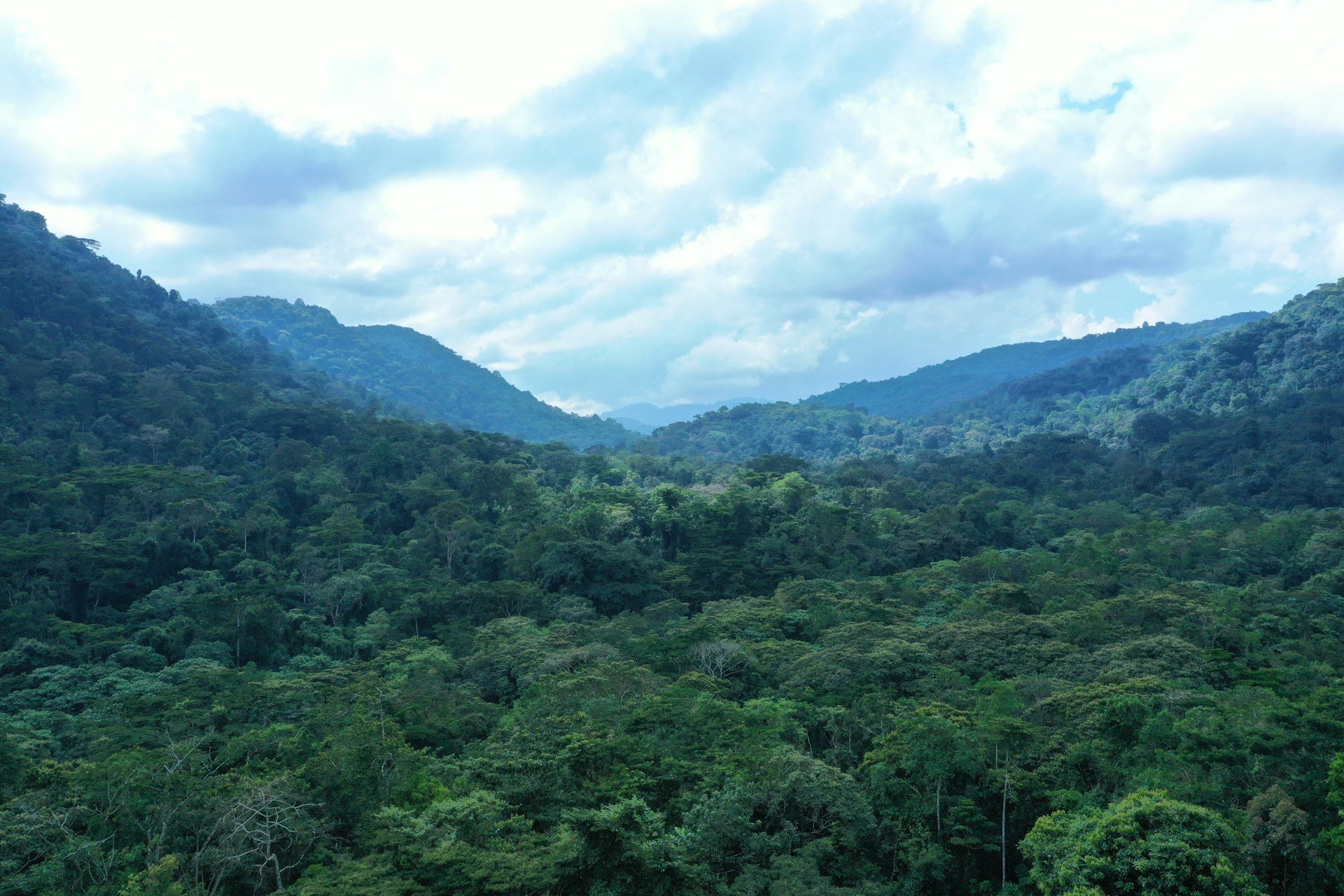

The forest walk was part of the reason I chose gorilla trekking
On a game drive, the vehicle gives you range. You can start among open grasslands, follow a track into scrub and finish near water where several species come to drink. In Bwindi, the forest limits what you can see ahead. The path turns, the canopy closes, and progress depends on what the rangers learn about where the gorillas have moved. That change in pace is part of the appeal for me.
The morning starts with a briefing at the sector named on your permit. A ranger explains how the group will move through the forest and what to do when you reach the gorillas. The route depends on where the family has moved. I would go into the trek expecting the walk to demand my attention. A steep descent takes a different kind of effort from an uphill climb. A wet root can be slippery even when the slope looks gentle. There may be moments when it makes sense to pause, let the person ahead clear a narrow section, and then continue at a steady pace. If you like walking outdoors, those small decisions can feel like an integral part of the day.
The guide to trekking in Bwindi is a useful starting point for picturing the day. A short trek can still include an awkward stretch of ground, and an apparently gentle start tells you little about the return walk. If you have a knee injury, a balance concern or a lower tolerance for hills, raise it before choosing a sector and again at the ranger briefing. That gives the people planning and leading the trek information they can use.
I wanted time to watch one gorilla family
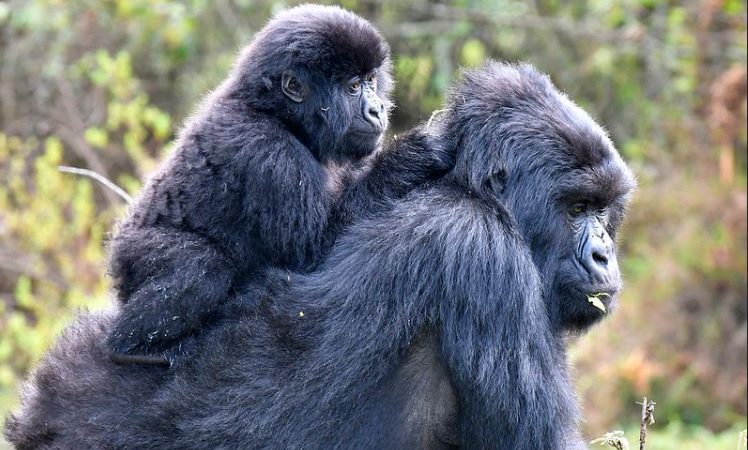
A game drive invites you to scan. Your eyes move between the road, the tops of the trees and the next patch of shade. During a gorilla visit, there is room to pay attention to a single family. One animal might feed while another rests. A young gorilla may move through a gap in the leaves and vanish from view again. Each family and each visit unfolds differently.
The Uganda Wildlife Authority allows up to one hour with a habituated family on a standard visit. The walk to reach the gorillas and the return walk are separate from that viewing period. A clear line of sight can come and go as the animals move through vegetation. I would spend part of the visit with my camera down. When a gorilla moves out of sight, there is time to notice what the other animals are doing and let the ranger guide the group if it needs to reposition.
Travellers curious about how families become accustomed to observers can read about the gorilla habituation experience. It is a separate activity with a different permit and a different purpose. I would choose a standard trek for a first visit if my main aim was to spend time observing a family and leave room in the trip for other parts of Uganda.
What a traditional wildlife safari does especially well
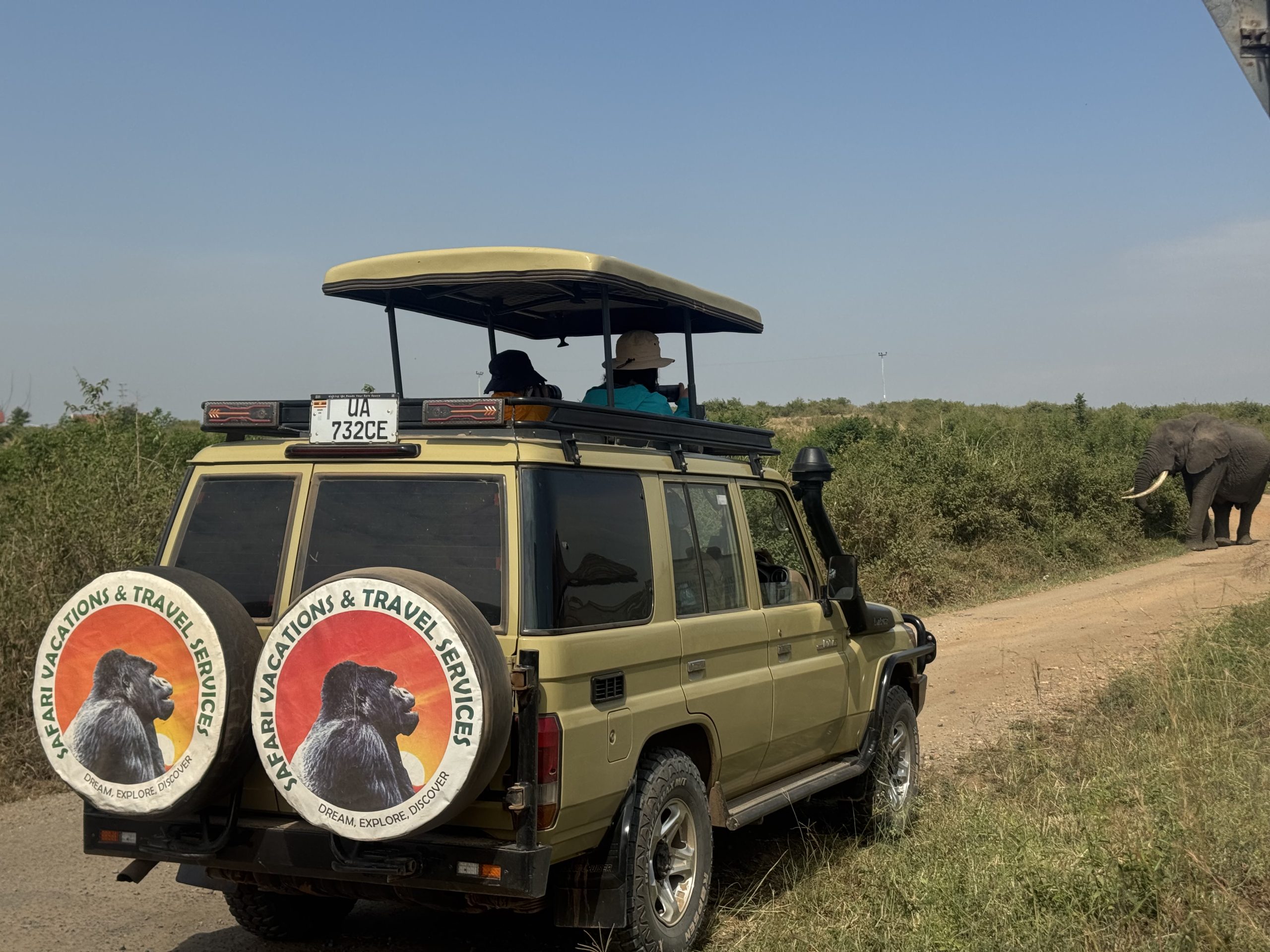
If someone told me they had always wanted to see elephants, giraffes and hippos, I would ask which sightings mattered most before pointing them toward a park. The strengths of a game drive are variety and the freedom to follow what is happening. A guide can stop for fresh tracks, wait for animals to cross, or change the route when the light improves. Sometimes a bird, a small antelope, or an interaction between animals becomes the best sighting of the morning.
A guide to game viewing in Uganda can help you decide where to spend that time. Queen Elizabeth National Park lends itself to pairing a drive with a wildlife boat safari on the Kazinga Channel. The boat gives you a different angle on the shoreline and offers chances to see hippos, waterbirds and other animals near the water. If a Nile boat outing and a visit to the falls appeal to you, read the Queen Elizabeth and Murchison Falls comparison before committing to a route.
There is also a practical advantage to a vehicle-based outing for some groups. Travellers who prefer to limit sustained walking can still spend several hours outdoors watching wildlife. Ask about the height of the vehicle step, how long the drive lasts and how rough the tracks are. A walking safari in Lake Mburo offers a further option for travellers who like being on foot and would enjoy a different kind of wildlife outing.
Gorilla trekking versus a traditional wildlife safari
The clearest question for me is what I would most regret leaving out. If I wanted a wider range of animals, changing landscapes and more time behind a camera, I would give a game-drive park more nights. For a trip centred on mountain gorillas, I would build the itinerary around the permit date.
How you explore
Gorilla trek
Walk with rangers in mountain forest. The route changes with the gorillas’ movements.
Game drive
Follow park tracks by vehicle, stopping when your guide spots activity.
What you watch
Gorilla trek
One habituated gorilla family, with up to one hour of standard viewing.
Game drive
Several species and habitats across one or more outings.
Physical effort
Gorilla trek
Variable hills, uneven ground and potentially muddy trails.
Game drive
Less walking, with time seated and some potentially rough tracks.
Booking priority
Gorilla trek
Start with permit availability for your travel dates.
Game drive
Choose the park, time of day, and number of outings around your goals.
Photography
Gorilla trek
Close observation in uneven forest light, with no flash.
Game drive
More opportunities to work with varied subjects, light and distances.
Both experiences depend on wildlife behaviour. On a game drive, an animal can disappear into tall grass just as you lift your camera. In the forest, leaves can obscure part of a gorilla family even when the animals are nearby. A trip built around one particular photograph can make either outing feel like a race. I would take the equipment I can use comfortably and let the guide explain when there is time to wait.
If birding is a major part of your trip, give it its own time in the schedule. The Uganda birdwatching park guide can help you decide whether to devote a morning to a shoreline, wetland, or forest edge. A ranger may pause for a bird during a trek, but the group has a specific goal and a pace to keep. A separate birding outing gives you time to listen, wait, and revisit promising spots.
Where I would trek in Uganda
Bwindi is my first choice for this route because it offers several trekking sectors and can fit into a southwestern Uganda route. The four sectors are Buhoma, Ruhija, Rushaga, and Nkuringo. The permit sector determines where you report for the briefing, so I would look at lodge locations before deciding where to sleep. A lodge that looks close on a map can still be an inconvenient drive from a different trailhead.
The Bwindi sector guide helps narrow the options. I would compare the previous day’s drive, the morning transfer to the briefing and the journey after the trek. If Rushaga fits those movements, the Rushaga permit guide is a useful next step. I would confirm the permit date and sector before committing to a lodge, then ask how long the drive to the briefing point takes.
Uganda’s other option is gorilla trekking in Mgahinga, near Kisoro. It makes sense to consider if the Virunga landscape is part of what draws you to the trip or if your route already takes you through the area. Check Mgahinga permit arrangements for your dates. For either park, the Uganda Wildlife Authority’s gorilla tracking overview explains the basic activity, and the Uganda permit availability guide helps with the booking sequence.
A second trek would change the way I planned the trip. I would allow recovery time between walks if the first trek was likely to stretch my fitness. I would also ask whether a second permit means reporting to the same briefing point. It is worth deciding what you want from the extra day before you book. A second forest visit gives you another chance to observe gorilla behaviour. An extra game drive gives you a different habitat and more opportunities to see a range of species. The Uganda bucket list is a good place to explore what else you might put in that day.
What I would plan before booking
I would start with the dates I can actually travel and the airport I can use comfortably. If I were arriving through Kigali, I would check the border crossing, arrival time, and onward drive before booking a permit for the following morning. The guide to reaching Uganda’s gorilla parks from Kigali outlines that approach. Starting in Entebbe makes sense if the rest of my trip is also in Uganda, particularly when I want to work west through other parks.
Next, I would ask for a breakdown of the permit, accommodation, transport, and guide arrangements. For a short trek-focused trip, I would look closely at the nights on either side of the trek. For a longer safari, I would ask how many actual game drives or boat outings fit between transfers. That distinction matters because a day listed under a park name may include several hours of road travel. I would check the gorilla permit eligibility guide early if travelling with younger family members.
Season would enter the decision after I had a workable route. The month-by-month gorilla trekking guide gives a starting point for comparing dates. I would pack for possible rain in any month. A compact waterproof layer, comfortable boots with grip, water, and a dry pouch for small electronics are practical. I would also choose long trousers and a long-sleeved layer for sections where the trail brushes against vegetation.
For fitness, I would build in walks that include hills and practise coming downhill with control. The gorilla safari preparation guide covers this in more detail. I would ask about hiring a porter at the briefing point if I wanted help with my bag or on difficult sections. If I felt unwell on trek day, I would tell the ranger before setting out. Once with the gorillas, I would follow the ranger’s directions on positioning, distance, and photography.
I would pay attention to who leads each activity. The park rangers lead the trek, explain how to move around the gorillas, and decide when the viewing period ends. The safari driver-guide helps with the road journey and can talk through the plan for the next day. Before leaving the lodge, I would check where to meet, whether a packed meal is arranged, and where I can leave any gear I do not need.
How I would combine gorillas and game drives in one trip
If I had enough days for both, I would keep the forest encounter as the centrepiece and give the savannah a proper visit. Queen Elizabeth is a natural pairing to consider with Bwindi. Its game drives and the Kazinga Channel offer two distinct outings, and adding a second night can give you a full day to do both without having to fit in a major transfer. I would place the trek before or after Queen Elizabeth according to the permit date and my arrival and departure points.
I would keep the trek afternoon free. If the group returns early, a short outing near the lodge may fit. If I wanted to add Lake Bunyonyi, I would give it a separate night so the stop does not depend on an early finish in the forest. With more days, I would consider Kibale for chimpanzee tracking or add a quieter stop between drives and forest walks. The sample routes below show what those choices look like at different lengths.


When comparing these itineraries, I would read the daily plan as well as the headline. The five-day Bwindi and Queen Elizabeth itinerary is another useful reference for the park combination, while the 16-day Uganda primates and wildlife safari shows what a longer circuit can accommodate. Ask about the order of stops, the lodge distance from each activity, and what is included on the quotation. Those details tell you how the trip will feel on the ground.
A short itinerary becomes easier to judge if you mark the days by what you will spend most of the time doing. Put “transfer” on the days you mainly travel by road, “forest trek” on permit day, and “game viewing” where there is a proper outing. If the route leaves no room to linger, check whether you would enjoy one fewer stop and an extra night in a park. The 10-day Uganda wildlife and primates safari provides another route to compare if you want more time for each part of the trip.
If I only had time for one experience
For a short trip with one wildlife priority, I would choose gorilla trekking. I like the idea of walking into a forest, following the rangers’ lead and concentrating on the animals in front of me. With a few days to spend in one game-drive park and the freedom to head out at different times of day, I would happily make game drives the focus. That kind of safari gives you the chance to watch the same landscape change between dawn and late afternoon.
For a family or a group of friends, I would ask each person to name the experience they would least want to miss. If one person wants a gorilla trek and the others want elephants or boat time, look at a custom Uganda safari and see whether the schedule supports both. If the trip is too short, choose the experience that brought you to Uganda in the first place and give it enough time.
Frequently asked questions
Is gorilla trekking a safari?
Yes. Gorilla trekking is a guided wildlife safari on foot. The word “safari” also covers activities such as game drives, boat outings and guided walks. In this comparison, a traditional wildlife safari means a trip centred on game drives.
How much time do you spend with the gorillas?
A standard trek allows up to one hour of viewing once the family is reached. The walk to and from the family varies with the gorillas’ location and the terrain. The ranger tells the group when the viewing period begins and ends.
Is gorilla trekking more physically demanding than a game drive?
A forest trek generally demands more sustained effort. You may walk on steep, slippery, or uneven ground for several hours. A game drive involves less walking, though you should still consider vehicle access, bumpy tracks, and how long you will be seated.
Can I see gorillas and other wildlife on a five-day Uganda safari?
Yes. A five-day route can pair Bwindi with Queen Elizabeth National Park. Check that the schedule allows time for both the drive and the Kazinga Channel outing, and confirm where you need to be on the morning of your trek.
Which is better for wildlife photography?
Choose according to the subjects and settings you want. Game drives offer more variety across multiple outings. Gorilla trekking offers a dedicated window with one family, often in uneven forest light. Follow the ranger’s instructions and leave the flash off during the gorilla encounter.
Will I know how long the trek is before I set out?
Your ranger may have an idea of the route at the briefing. The family can move during the morning, so the distance and time can change. If you have concerns about the pace or terrain, tell the ranger before the group sets out.
Plan your Uganda safari
Tell Safari Vacations and Travel Services Ltd your travel dates, group size, and the wildlife experiences you want to make time for.