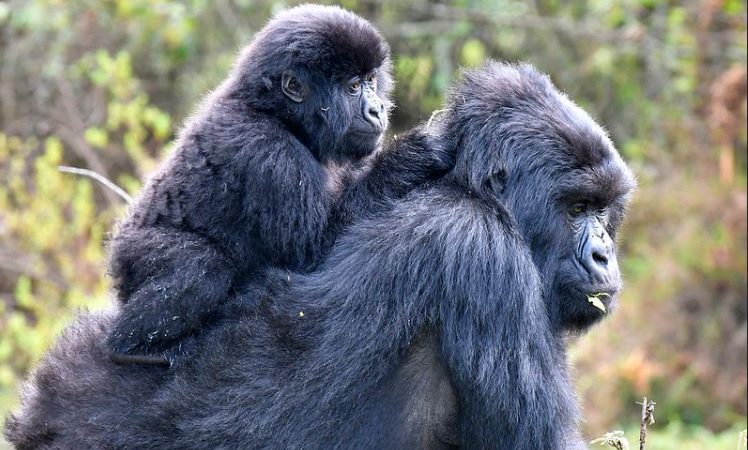
What to Pack for Gorilla Trekking in Peak Season

What to pack for gorilla trekking in the peak season requires careful consideration of challenges in equatorial mountain rainforests during June-September and December-February. Despite favorable dry conditions and improved trail access, mountain climates remain unpredictable with sudden weather changes. Proper preparation with durable, waterproof gear is essential for navigating dense forest terrain, steep slopes, and varying altitudes in Uganda, Rwanda. The right equipment ensures comfort, safety, protects electronics, and enables capturing encounters with mountain gorillas. Proper packing determines whether your experience becomes an unforgettable adventure or a challenging ordeal.
Essential Clothing Systems: What to Pack for Gorilla Trekking in Peak Season
Base Layer and Protection Clothing
Lightweight, Long-Sleeved Shirts
Select moisture-wicking, quick-dry long-sleeved shirts in neutral colors such as khaki, olive green, or earthy brown tones. These colors serve multiple purposes: they help you blend naturally with forest environments, reduce visibility to wildlife, and most importantly, avoid attracting tsetse flies that are drawn to bright colors, black, and blue fabrics. The long sleeves provide crucial protection against sunburn at higher altitudes, scratches from thorny vegetation, and bites from various forest insects including mosquitoes and biting ants.
Choose shirts made from synthetic materials or merino wool that dry quickly when wet and provide some insulation even when damp. Avoid cotton materials that retain moisture and lose insulation properties when soaked, potentially leading to hypothermia in cool mountain conditions.
Long Hiking Trousers
Invest in high-quality, waterproof or water-resistant hiking pants that can be tucked securely into boots and gaiters. The trousers should be lightweight yet durable enough to withstand contact with thorny bushes, stinging nettles, and sharp volcanic rocks common in gorilla habitats. Look for pants with reinforced knees and seat areas that experience the most wear during climbing and crawling through dense vegetation.
The ability to tuck trousers into socks and secure them with gaiters creates an essential barrier against safari ants, which can deliver painful bites, and other biting insects that inhabit forest floors. Choose pants with multiple pockets for carrying small essentials while keeping hands free for hiking.
Weather Protection Systems
Rain Jacket or Poncho
Even during peak dry season, mountain rainforests experience sudden weather changes and unexpected showers due to orographic effects and equatorial climate patterns. Pack a lightweight, fully waterproof rain jacket or poncho that packs small but provides complete coverage. Look for jackets with sealed seams, waterproof zippers, and adjustable hoods that can accommodate hats underneath.
Consider ponchos for maximum coverage that can protect both you and your daypack simultaneously. However, ponchos can catch on branches and vegetation more easily than fitted rain jackets, so choose based on your preference for mobility versus coverage.
Warm Insulation Layer
Mountain elevations where gorillas live can experience significant temperature variations, with cool mornings requiring warm layers before the day’s trekking begins. Pack a lightweight fleece sweater or down vest that provides warmth without bulk and can be easily stored in your daypack once temperatures rise during the day.
Layering systems allow you to adjust to changing conditions throughout the trek, from cool pre-dawn starts to warmer midday temperatures and potentially cool afternoon rain showers.
Footwear and Leg Protection: What to Pack for Gorilla Trekking in Peak Season
Hiking Boots and Sock Systems
Sturdy Hiking Boots
Invest in high-quality, waterproof hiking boots with excellent ankle support and aggressive tread patterns designed for muddy, slippery conditions. The boots should be broken in completely before your trip to prevent blisters and hot spots during long forest treks. Look for boots with good breathability to prevent overheating while maintaining waterproof protection.
Consider boots with gaiter attachment points that allow secure connection with leg gaiters for maximum protection against mud, water, and insects. The sole should provide excellent grip on wet rocks, muddy slopes, and slippery tree roots commonly encountered on gorilla trekking trails.
Long Socks and Gaiters
Wear long, moisture-wicking hiking socks that extend above your boot tops, allowing you to tuck trouser legs securely inside. This creates the first barrier against insects and debris. Complement socks with high-quality gaiters that cover the gap between boots and trousers, preventing mud, water, insects, and vegetation from entering your footwear system.
Gaiters also protect lower legs from scratches and provide an additional layer of waterproofing around boot tops where water most commonly enters footwear systems.
Hand and Head Protection
Hand Protection Systems
Gardening Gloves
Pack durable gardening gloves or specialized hiking gloves that protect hands from thorns, stinging nettles, and rough bark when grabbing branches and vegetation for support on steep slopes. Choose gloves that provide good grip while wet and maintain dexterity for camera operation and equipment handling.
Consider gloves with reinforced palms and extended cuffs that provide wrist protection. Some trekkers prefer lightweight work gloves that can be easily replaced if damaged during the trek.
Head Protection
Wide-Brimmed Hat
Wear a wide-brimmed hat that provides sun protection at higher altitudes while keeping foliage, insects, and debris out of your hair during passage through dense vegetation. Choose hats with chin straps to prevent loss during windy conditions or when pushing through thick forest areas.
Consider hats with insect netting that can be deployed when needed, though this may interfere with photography and wildlife viewing during gorilla encounters.
Essential Gear and Equipment
Carrying Systems
Waterproof Daypack
Select a lightweight, waterproof daypack with capacity for water, snacks, camera equipment, rain gear, and personal items while leaving hands free for hiking and balance. Look for packs with external attachment points for water bottles, walking sticks, and wet gear.
Choose packs with padded shoulder straps and back panels for comfort during long treks. Internal organization pockets help keep gear organized and easily accessible during brief stops.
Hydration and Nutrition
Water and Energy Snacks
Carry ample water for extended forest treks, typically 2-3 liters depending on trek length and weather conditions. Use reusable water bottles or hydration systems to minimize environmental impact. Supplement water with electrolyte replacement drinks for longer treks.
Pack high-energy snacks including nuts, dried fruits, energy bars, and chocolate that provide quick energy during challenging terrain navigation. Many lodges provide packed lunches, but confirm this service in advance and carry backup snacks regardless.
Photography and Documentation
Camera with Extra Power
Bring cameras with fully charged extra batteries, as you’ll have limited time with gorilla families and cannot afford equipment failures. Cold, humid conditions drain batteries faster, so carry batteries in warm, dry locations close to your body.
Remember to disable flash photography to avoid startling gorillas and disrupting their natural behaviors. Consider bringing lens cleaning materials for humid forest conditions.
Health and Safety Equipment
Insect Protection
Apply DEET-based insect repellent to all exposed skin and consider treating clothing with permethrin for extended protection against malaria-carrying mosquitoes and other disease vectors. Reapply repellent as needed throughout the day, especially after rain or heavy sweating.
Basic First-Aid Supplies
Pack essential first-aid items including adhesive bandages, antiseptic wipes, pain relievers, anti-diarrheal medication, and any personal prescription medications. Include blister treatment supplies for foot care during extended hiking.
Protective Storage
Waterproof Storage Systems
Use waterproof bags or dry sacks to protect electronic equipment, important documents, and spare clothing from moisture. Double-bag critical items like cameras, phones, and medications for maximum protection.
Optional Enhancement Items
Community Support Options
Porter Services
Consider hiring local porters at trailheads to carry your daypack and provide hiking assistance. This service supports local communities economically while making your trek more comfortable and enjoyable. Porter fees are typically modest and represent significant income for local families.
Additional Support Equipment
Hiking Sticks and Support
Bring or rent hiking poles that provide stability and support on steep, muddy trails. Some visitor centers provide walking sticks for free or small fees. Consider collapsible poles that pack easily when not needed.
Financial Preparations
Local Currency
Carry small bills in local currency for tipping guides and porters, purchasing souvenirs, and handling unexpected expenses. US dollars are often accepted but local currency provides better value and supports local economies.
Emergency Supplies: What to Pack for Gorilla Trekking in Peak Season
Biodegradable Toilet Paper
Forest environments lack restroom facilities, making biodegradable toilet paper essential for emergency needs. Pack in waterproof storage and follow Leave No Trace principles for waste disposal.
Proper preparation with appropriate gear ensures your gorilla trekking experience focuses on wildlife encounters rather than equipment problems or comfort issues.