
What Makes Uganda a Different Destination


Why Is Uganda Such a Unique Safari Destination?
Uganda combines mountain gorilla trekking, chimpanzee tracking, Big Five wildlife opportunities, river safaris, birdwatching and cultural encounters. Its diversity allows travellers to experience different sides of Africa without visiting several countries.
1. Uganda Offers Extraordinary Mountain Gorilla Trekking
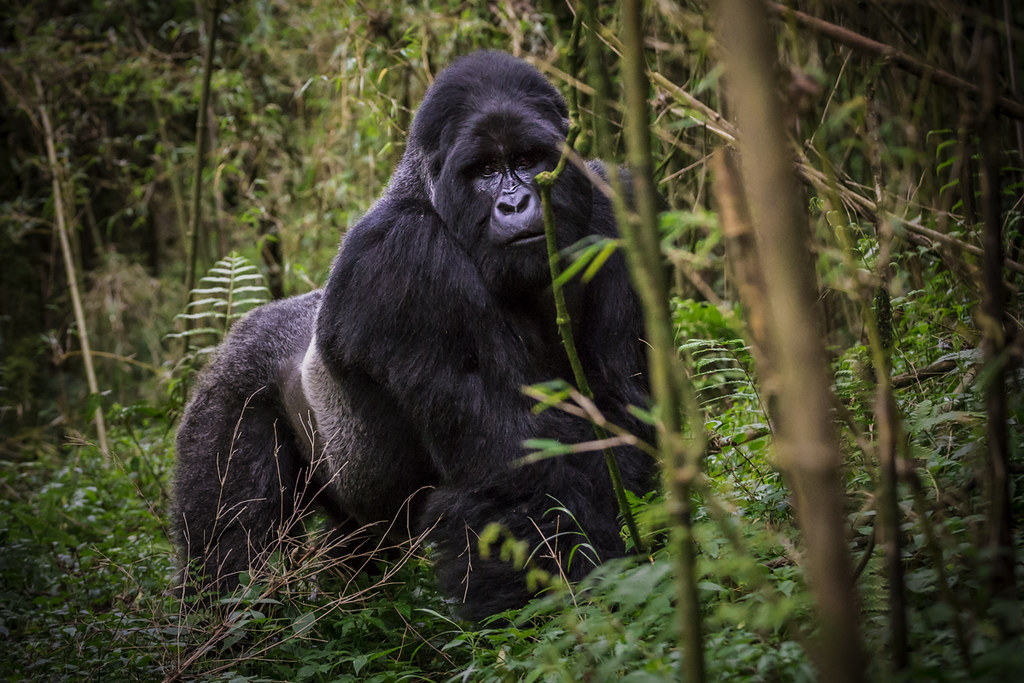
Mountain gorillas are among Uganda’s most remarkable natural attractions. These endangered primates live in the forested mountains of southwestern Uganda, where conservation efforts protect their natural habitat.
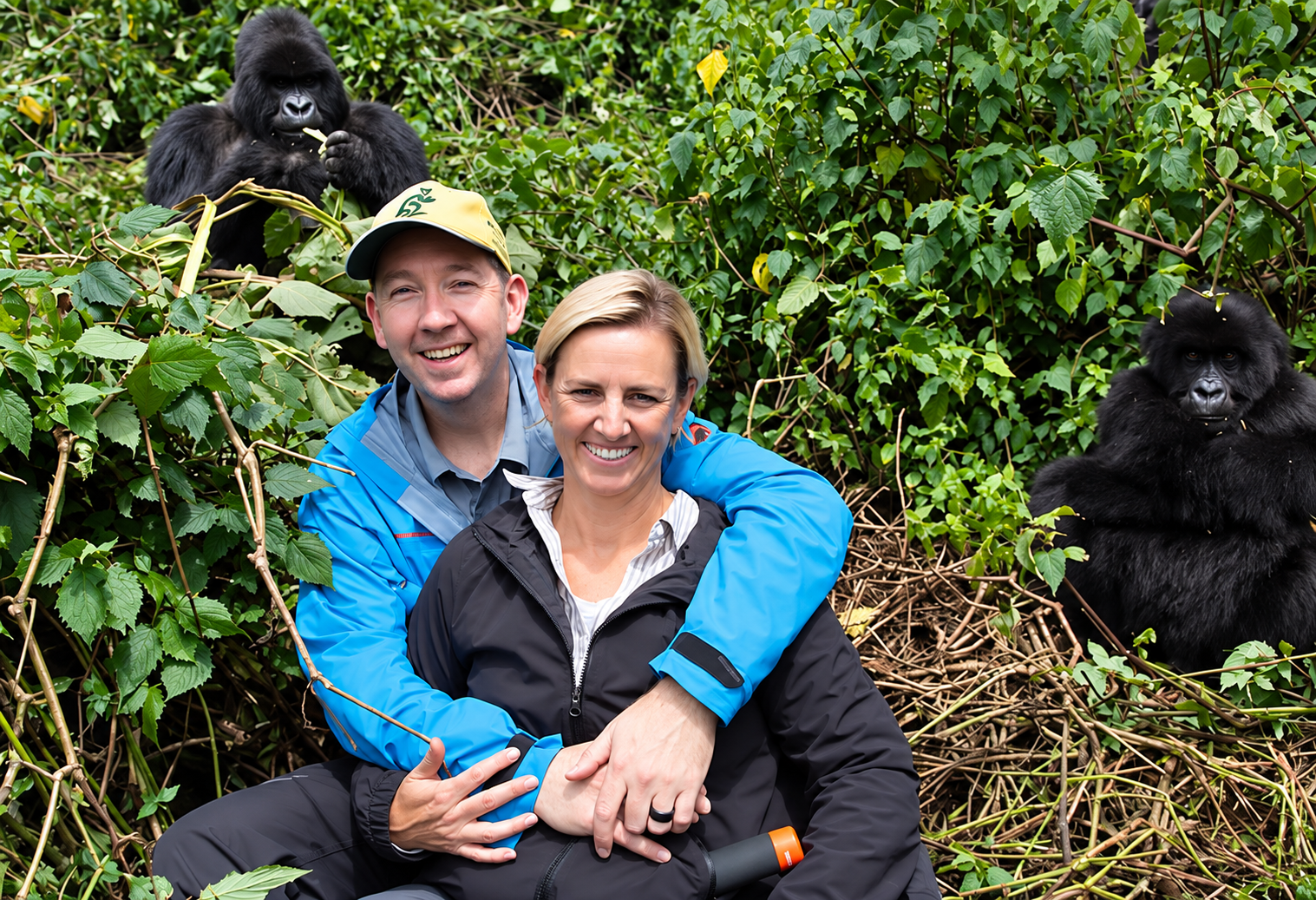
Visitors can trek mountain gorillas in Bwindi Impenetrable National Park and Mgahinga Gorilla National Park. Both destinations offer ranger-guided encounters, although their forest environments differ considerably.

Bwindi is particularly famous for its dense vegetation, ancient forest and numerous habituated gorilla families. Trekkers walk along forest trails, sometimes climbing steep hills as they search for the assigned gorilla group.
When the gorillas are located, visitors normally receive one hour to observe them from a safe distance. Watching a silverback quietly monitor his family or seeing younger gorillas interact offers a memorable insight into their social behaviour.
For travellers interested in specific locations, the Rushaga gorilla trekking sector is one of several options within Bwindi.
Uganda also offers a longer gorilla habituation experience, during which authorised visitors can spend up to four hours observing a designated gorilla group after it has been located.
This is particularly attractive to wildlife photographers, primate enthusiasts and travellers seeking a more extended forest encounter.
2. Uganda Is an Exceptional Destination for Chimpanzee Trekking
Uganda’s primate experiences extend far beyond mountain gorillas. The country is also home to substantial populations of wild chimpanzees, with Kibale National Park being its best-known tracking destination.
Kibale protects a rich tropical forest where chimpanzees share their environment with several other primate species. These include red colobus monkeys, black-and-white colobus monkeys, red-tailed monkeys and L’Hoest’s monkeys.

A Different Kind of Primate Encounter
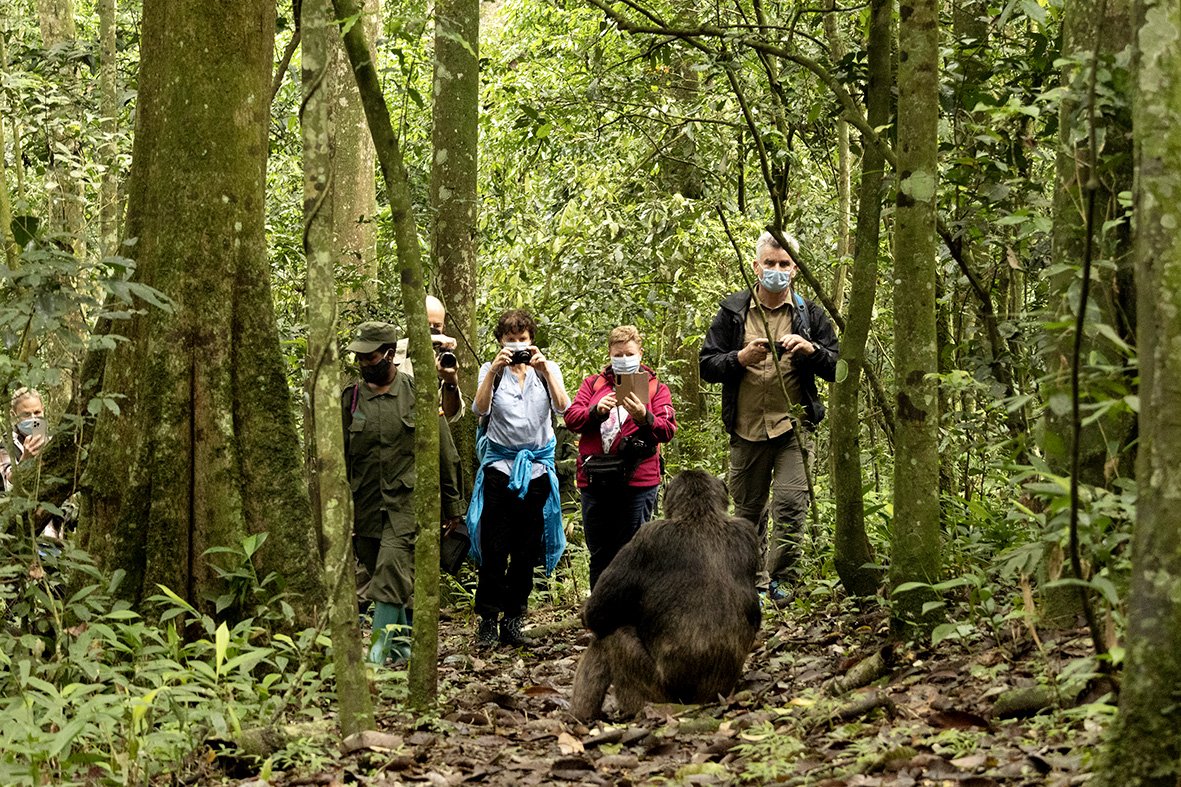
Chimpanzee trekking feels very different from a gorilla encounter. Chimpanzees are generally more active and vocal, frequently moving through trees and along the forest floor.
Visitors may hear loud calls echoing through the forest long before they see the animals.
Once the chimpanzees have been located, guides help visitors understand their behaviour, social interactions and movements.
Kibale is also conveniently located near the Fort Portal crater lakes and Bigodi Wetland Sanctuary. This allows travellers to combine chimpanzee trekking with community experiences, birdwatching and nature walks.
Those wishing to spend more time observing chimpanzees can explore options such as double chimpanzee trekking in Uganda, subject to availability and separate permits.
The opportunity to encounter gorillas and chimpanzees during a single safari is one of Uganda’s strongest attractions.
3. Uganda Combines Forest Primates With Big Five Wildlife
Some travellers visit East Africa primarily for classic wildlife safaris. Others come specifically for mountain gorillas. Uganda makes it possible to combine both interests within one itinerary.
Its savannah national parks support elephants, buffaloes, lions, leopards, antelopes, giraffes and numerous other animals. White rhinoceroses can also be seen at Ziwa Rhino Sanctuary, completing opportunities to encounter the traditional Big Five across a wider Uganda safari circuit.


A well-planned Uganda safari can begin with wildlife viewing in Murchison Falls, continue through Kibale for chimpanzees and Queen Elizabeth National Park for game drives, then finish with gorilla trekking in Bwindi.
This route connects forest ecosystems with savannah landscapes while keeping the journey varied and engaging.
Travellers interested in this combination can explore our Uganda wildlife safari guide or view a complete 10-day Uganda safari itinerary.
4. The River Nile Adds a Unique Dimension to Uganda Safaris
One of Uganda’s most impressive natural features is the River Nile. At Jinja, water flows northward from Lake Victoria into the Victoria Nile, beginning a remarkable journey through Uganda’s landscapes.
For adventure lovers, Jinja offers activities such as white-water rafting, kayaking and boat excursions. The area provides an energetic contrast to the quieter forest and savannah experiences elsewhere in the country.
Farther north, the Nile runs through Murchison Falls National Park before plunging through a narrow rocky gorge at Murchison Falls.

Boat cruises along this section of the river provide opportunities to observe hippos, crocodiles, elephants, buffaloes and waterbirds along the banks.
For many visitors, seeing wildlife from the water creates an entirely different perspective from traditional game drives.
Travellers with limited time can explore a 3-day Murchison Falls safari, which brings together rhino tracking, wildlife viewing and the Nile experience.
5. Uganda Has Remarkably Diverse Landscapes
Another quality that makes Uganda different is the dramatic change in scenery between its regions.
Travelling through the country can take visitors from tropical forests into tea plantations, cultivated hills, freshwater lakes, volcanic mountains and dry savannah plains.
Western Uganda is particularly scenic. The landscape around Fort Portal features crater lakes and green hills, while southwestern Uganda is known for terraced slopes and mountain forests.

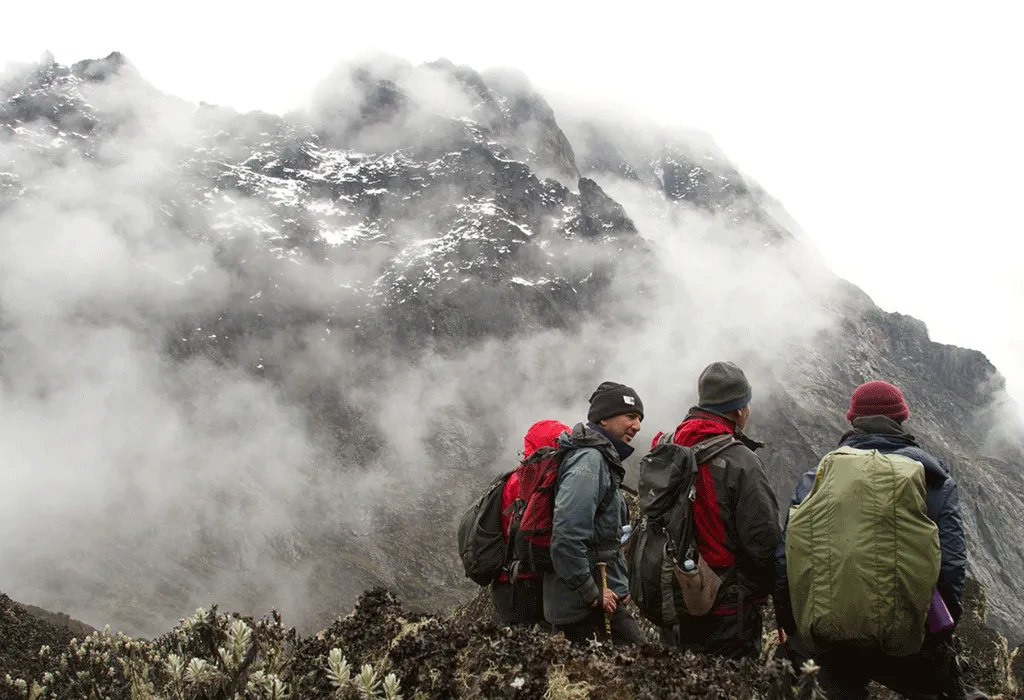

The Rwenzori Mountains are particularly appealing to experienced hikers interested in challenging routes and high-altitude scenery. Their vegetation changes with elevation, creating an impressive range of natural environments.
By contrast, Lake Bunyonyi offers a peaceful setting for canoe trips, boat excursions, lakeside relaxation and village walks.
These landscape differences make Uganda suitable for travellers whose interests include photography, hiking, nature and relaxation as well as wildlife.
6. Uganda Offers Outstanding Birdwatching Opportunities
Uganda is one of Africa’s most rewarding destinations for birdwatching. Its varied habitats support more than 1,000 recorded bird species, including forest specialists, wetland birds, savannah species and Albertine Rift endemics.
The country’s location is particularly important because it brings together birds associated with different African ecosystems.
The Extraordinary Shoebill
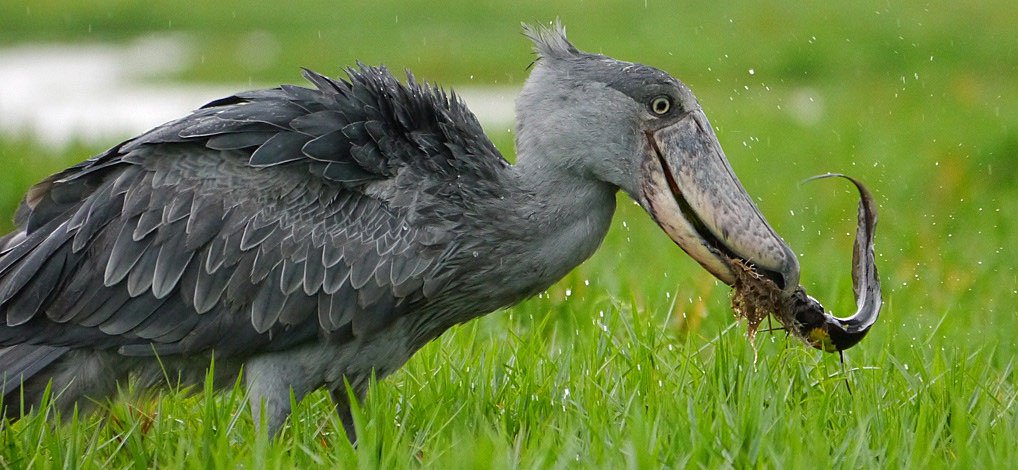
One of Uganda’s most sought-after birds is the prehistoric-looking shoebill.
Mabamba Swamp, near Lake Victoria, is a popular destination for shoebill excursions. Visitors travel through wetland channels by canoe with knowledgeable local guides.
Other important birding locations include Bwindi, Kibale, Semuliki, Queen Elizabeth and Murchison Falls.
Birdwatchers may encounter colourful turacos, hornbills, kingfishers, sunbirds, bee-eaters and many other species depending on the habitat.
The best birding experience often comes from visiting several habitats rather than remaining in one national park.
For nature lovers, birdwatching adds an important dimension to a traditional safari, especially when combined with forest walks and boat excursions.
7. Uganda Offers Meaningful Cultural Experiences
Wildlife is only one part of discovering Uganda. The country is also home to numerous communities with different languages, traditions, cuisines and cultural histories.
Travellers can visit local markets, meet community guides, participate in food experiences and learn about traditional livelihoods.

Near Kibale National Park, community walks around Bigodi can introduce visitors to local farming, village life and conservation-related tourism projects.
In southwestern Uganda, visitors may arrange cultural experiences led by Batwa community members to learn about their history, traditional forest knowledge and contemporary lives.
These encounters are most meaningful when communities participate voluntarily, lead the interpretation and receive fair benefits from tourism.
Uganda’s cultural attractions also extend to Kampala, the country’s capital, where visitors can discover traditional markets, historical landmarks, religious sites and local cuisine.
Read more about cultural tourism in Uganda and how local experiences can complement wildlife safaris.
8. Uganda Has Remote Wilderness Areas Worth Exploring
While southwestern Uganda attracts many visitors because of its gorillas and chimpanzees, other parts of the country offer a more remote wilderness experience.
Kidepo Valley National Park, located in northeastern Uganda, is particularly impressive.
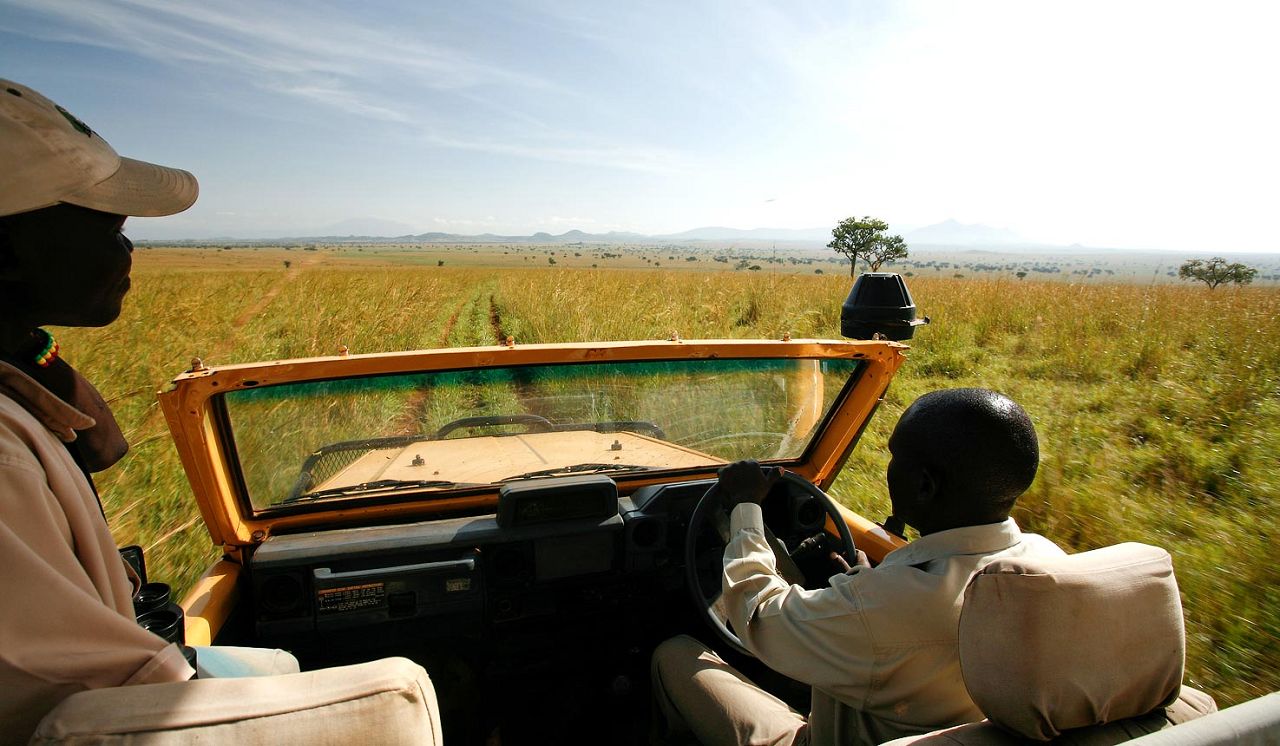
The park is known for broad valleys, mountain backdrops and extensive open grasslands. It supports buffaloes, lions, giraffes, elephants, antelopes and numerous birds, including ostriches.
Its remote setting gives the park a different atmosphere from Uganda’s more established western safari circuit.
For visitors interested in photography or spending more time observing wildlife without rushing between destinations, Kidepo can be especially rewarding.
Explore what makes Kidepo Valley unique and why it appeals to adventurous safari travellers.
9. Uganda Offers More Than Traditional Game Drives
A conventional African safari often focuses on exploring national parks in a vehicle. Uganda certainly offers excellent game drives, but visitors can enjoy several other ways of experiencing the natural environment.
One memorable option is a ranger-guided walking safari in Lake Mburo National Park.

Discover Wildlife at Walking Pace
Walking allows visitors to appreciate animal tracks, vegetation, bird calls and smaller details that are often missed during vehicle-based safaris.
Lake Mburo is particularly associated with zebras, impalas, giraffes and other plains wildlife.
Approved guided walks provide a different perspective on these animals and their habitats.
Lake Mburo can also be included on a route between Bwindi and Entebbe. This makes it a convenient place for a final wildlife experience before travelling home.
Learn about Lake Mburo walking safaris or explore the wider Lake Mburo National Park safari experience.
10. Uganda Has Rare Golden Monkeys and Volcanic Adventures
Mgahinga Gorilla National Park offers another example of Uganda’s remarkable natural diversity.
Located in the southwestern corner of the country, this compact national park protects part of the Virunga volcanic landscape.
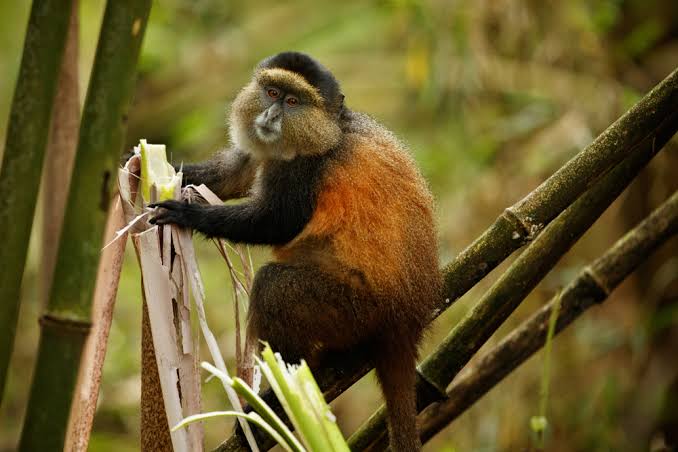
Mgahinga is famous for its mountain gorillas, but it is also Uganda’s main destination for tracking golden monkeys.
These energetic primates live in the bamboo-rich mountain forests, where visitors can observe them feeding, climbing and moving through the vegetation.
Unlike the relatively calm observation periods sometimes enjoyed with gorillas, golden monkey encounters can be lively and fast-moving.
The park also offers hiking opportunities on the Ugandan slopes of Mount Muhabura, Mount Gahinga and Mount Sabyinyo.
Travellers can learn more about golden monkey tracking, the park’s unique flora and fauna, and the reasons to visit Mgahinga.
11. Uganda Is Ideal for Combining Different Safari Experiences
One of the most practical advantages of travelling through Uganda is the opportunity to build an itinerary around several contrasting destinations.
A well-designed western Uganda circuit can connect Kibale National Park, Queen Elizabeth National Park, Bwindi Impenetrable National Park and Lake Mburo National Park.
Each destination offers something different. Kibale introduces visitors to tropical rainforest and chimpanzees. Queen Elizabeth provides game drives and boat cruises. Bwindi offers mountain gorilla trekking, while Lake Mburo adds walking safaris and open grassland scenery.
Travellers with additional time can include Murchison Falls at the beginning of the journey or spend extra nights relaxing beside Lake Bunyonyi.
Example: A 10-Day Uganda Safari Route
Days 1–2
Arrival and Murchison Falls wildlife experiences.
Days 3–4
Travel to Kibale and track chimpanzees.
Days 5–6
Game drives and Kazinga Channel boat safari.
Days 7–8
Bwindi forest and mountain gorilla trekking.
Days 9–10
Lake Mburo experience and return to Entebbe.
This is an illustrative route. Actual daily arrangements depend on driving times, flight schedules, permit availability and preferred travel pace.
Our guide to Uganda’s leopard safari parks can also help wildlife enthusiasts choose the most suitable locations for predator-focused game drives.
12. Uganda Provides Opportunities for Responsible and Community-Based Tourism
Uganda’s protected forests and wildlife areas depend on long-term conservation work and cooperation between park authorities, conservation organisations and surrounding communities.
For travellers, visiting these landscapes creates an opportunity to learn more about wildlife protection, conservation challenges and the relationship between national parks and local livelihoods.
Gorilla and chimpanzee trekking permits contribute to the management of protected areas, ranger operations and conservation programmes.
Visitors can also support local communities by hiring porters, choosing locally operated experiences and purchasing products from responsible community enterprises.
Near Bwindi, porters can help visitors navigate steep forest terrain while earning income from tourism. Around Kibale, community-guided experiences introduce travellers to life near a protected rainforest.
Responsible tourism is not simply about visiting protected landscapes. It also involves respecting wildlife-viewing regulations, maintaining appropriate distances and supporting the people who live around these important ecosystems.
How Is Uganda Different From Kenya, Tanzania and Rwanda?
All four countries offer memorable East African travel experiences, but their most recognisable safari attractions differ.
| Destination | Best-Known Experiences | Typical Safari Appeal |
|---|---|---|
| Uganda | Gorillas, chimpanzees, savannah wildlife, wetlands and the Nile | A varied journey combining primates, wildlife and landscapes |
| Kenya | Maasai Mara, savannah game viewing and migration-season wildlife | Classic big-game safaris and extensive savannah landscapes |
| Tanzania | Serengeti, Ngorongoro, Tarangire and Zanzibar | Large wilderness ecosystems and classic safari circuits |
| Rwanda | Volcanoes National Park, Nyungwe, Akagera and Lake Kivu | Compact itineraries combining primates, culture and wildlife |
Uganda is particularly attractive to visitors who want a mixed safari rather than concentrating on one wildlife ecosystem. However, the ideal destination depends on personal interests, available time and budget.
EXPLORE OUR SAFARIS
Discover Uganda With Safari Vacations & Travel Services
Whether you have three days or two weeks, our team can design a private Uganda safari around your travel preferences, interests and accommodation budget.


Planning Your First Safari to Uganda
Planning a Uganda safari becomes easier when you begin with the experiences that matter most to you.
When Is the Best Time to Visit Uganda?
Uganda is a year-round safari destination. However, the relatively drier periods from June to August and December to February are often convenient for forest trekking and wildlife viewing.
The wetter months bring lush green landscapes and can be appealing for photography. Forest trails may become muddy, and driving conditions can be more challenging in some areas.
How Many Days Do You Need in Uganda?
A short three- or four-day visit can focus on gorilla trekking or one wildlife destination. However, a seven- to ten-day itinerary allows more time to combine forests, savannah and cultural experiences.
Travellers wishing to include Murchison Falls, Kibale, Queen Elizabeth, Bwindi and Lake Mburo should consider a longer journey with enough time for comfortable transfers.
Should You Arrive in Entebbe or Kigali?
Entebbe International Airport is a practical starting point for longer Uganda safaris. Travellers can explore destinations in western and northern Uganda before returning to Entebbe.
Kigali International Airport in Rwanda can be convenient for shorter gorilla trekking safaris in southwestern Uganda, provided travellers have the necessary travel documents for the border crossing.
Do You Need Gorilla and Chimpanzee Permits?
Yes. Gorilla and chimpanzee trekking are controlled activities requiring valid permits for the selected dates and destinations.
Permit availability is limited, so it is advisable to secure these important activities before finalising accommodation and other itinerary arrangements.
For visitors considering longer primate encounters, our guide explaining gorilla trekking versus gorilla habituation provides further information.
Frequently Asked Questions About What Makes Uganda Different
What makes Uganda different from other African countries?
Uganda stands out because it combines mountain gorillas, chimpanzees, classic savannah wildlife, beautiful freshwater lakes, tropical forests and the River Nile. These experiences can be included in one safari itinerary.
Why is Uganda called the Pearl of Africa?
Uganda became widely associated with the name Pearl of Africa because of its remarkable scenery, fertile landscapes and natural beauty. The phrase was popularised by Winston Churchill in the early twentieth century.
Is Uganda good for first-time safari travellers?
Yes. Uganda offers a wide selection of safari experiences suitable for first-time visitors. A well-organised itinerary can combine game drives, boat cruises, gorilla trekking and chimpanzee tracking with comfortable accommodation and private transport.
Can you see the Big Five in Uganda?
Yes, across different locations. Lions, leopards, elephants and African buffaloes inhabit several savannah parks. White rhinos can be seen at Ziwa Rhino Sanctuary. Wildlife sightings are never guaranteed.
Can you see gorillas and chimpanzees on the same Uganda safari?
Yes. Travellers commonly combine gorilla trekking in Bwindi or Mgahinga with chimpanzee trekking in Kibale National Park. Both experiences require separate permits.
What is the best national park in Uganda?
The best park depends on your interests. Bwindi is famous for mountain gorillas, Kibale for chimpanzees, Murchison Falls for wildlife and the Nile, Queen Elizabeth for varied savannah experiences, and Kidepo for remote wilderness.
Is Uganda only famous for gorilla trekking?
No. Although mountain gorillas are a major attraction, Uganda also offers chimpanzees, wildlife safaris, birdwatching, mountain hiking, river adventures, cultural tourism and scenic lakes.
How long should a Uganda safari last?
Three or four days may be enough for one major experience. Seven to ten days are more suitable for combining several destinations. Longer journeys allow more time for photography, culture, hiking and relaxation.
Final Thoughts: What Truly Makes Uganda Different?
What makes Uganda different is not any single animal, national park or attraction. It is the combination of experiences that visitors discover as they travel through the country.
A Uganda safari can begin with the excitement of tracking chimpanzees, continue with lions and elephants on open plains, and finish with a quiet encounter with mountain gorillas in an ancient rainforest.
Along the way, travellers discover scenic lakes, welcoming communities, remarkable birdlife, forested mountains and some of East Africa’s most distinctive landscapes.
Uganda is especially rewarding for travellers who appreciate variety, wildlife conservation and journeys that connect nature with local life.
Whether you prefer a luxury safari, a comfortable mid-range holiday or an adventurous budget itinerary, Uganda offers many possibilities for a memorable African journey.
Ready to Discover What Makes Uganda a Different Destination?
Let Safari Vacations & Travel Services create a personalised Uganda safari featuring mountain gorillas, chimpanzees, remarkable wildlife and the destinations you would love to explore.
Safari Vacations & Travel Services Ltd | Uganda & Rwanda Safari Specialists





