
What Can Children Do While Adults Go Gorilla Trekking?
What Can Children Do While Adults Go Gorilla Trekking in Uganda and Rwanda?
What Can Children Do While Adults Go Gorilla Trekking? The Virunga region, spanning Uganda and Rwanda, is primarily known for its wilderness experiences, with gorilla trekking being the highlight. However, since the Uganda Wildlife Authority and the Rwanda Development Board set the minimum age for gorilla trekking is 15, younger children are unable to participate in this activity.
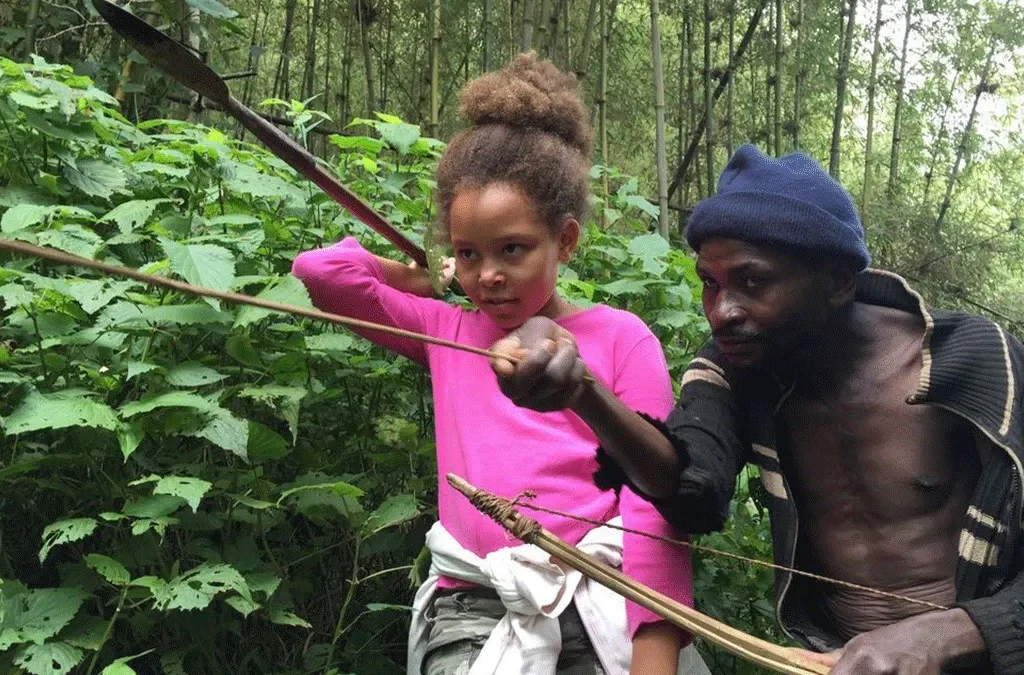
To ensure children remain engaged and immersed in the safari experience, we can make for you special arrangements in collaboration with park management. Kids can take part in guided educational forest walks, where they learn about the plants, birds, and animal species. Additionally, they can engage in creative activities that teach them about the natural world and its inhabitants. This ensures that they have a memorable and enriching experience while the adults are trekking.
Most Popular safaris
3 Day Uganda Gorilla Habituation Safari
3 Day Uganda Gorilla Safari through Kigali
7 Days Uganda Primates and Wildlife from Kigali
6 Days Masai Mara Wildlife and Gorilla Safari in Bwindi
8 Days Uganda Gorilla and Big 5 Safari
4-Day Gorilla and Golden Monkey Tracking Safari
3 Days Congo Eastern lowland gorilla trekking safari
10 Days Rwanda Uganda Wildlife Safari
Activities for Children While Adults Go Gorilla Trekking
Although children under 15 cannot participate in gorilla trekking, there are several engaging activities available to keep them entertained and immersed in the safari experience. Kids can enjoy spotting monkeys, visiting local communities and schools near the gorilla trekking parks, or trying unique activities such as cyanotype photography.
Some lodges offer special programs for children who are not eligible for gorilla trekking. However, it is essential to make arrangements in advance to ensure proper care and engaging activities for them.
When parents return from their trek, a community walk with the children can be a rewarding experience. In Bwindi Impenetrable National Park, visitors can explore cultural sites through the Buhoma or Nkuringo community walks. These walks offer opportunities to meet a traditional healer, taste locally brewed banana beer, visit a local homestead, observe a blacksmith at work, and more.
In Mgahinga National Park, children accompanied by parents or guardians can embark on the Batwa cultural experience. It includes a visit to the historic Garama Cave. This tour, guided by a Mutwa native, provides insight into the ancient lifestyle of the Batwa people. This community once depended on the forest before being displaced for mountain gorilla conservation. The experience concludes with traditional Batwa entertainment, which you should arrange in advance.
Gorilla trekking in Uganda is conducted in Bwindi Impenetrable National Park and Mgahinga National Park. Both national parks are in the southwestern region of the country. Currently, Uganda has 22 habituated gorilla families and 176 permits available for public booking. Additionally, Bwindi offers a unique gorilla habituation experience with two semi-habituated gorilla families.
In Rwanda, Volcanoes National Park is the sole destination for gorilla trekking, home to 12 habituated gorilla families. this means that there are 96 permits available daily for public booking.
Requirements For Gorilla Trekking in Uganda and Rwanda
Booking a Gorilla Permit
What Can Children Do While Adults Go Gorilla Trekking?- Gorilla permits. Whether you choose to trek gorillas in Uganda or Rwanda, you need a gorilla permit. It acts as your entry ticket to this incredible adventure. These permits are issued on a per-day basis. They are strictly limited to a maximum of eight visitors per gorilla family to support conservation efforts.
Gorilla trekking permits are allocated on a first-come, first-served basis, and no permit is secured without full payment. To obtain one, you will need to provide certain passport details. These include your full name as it appears on your passport, nationality, date of birth, and passport expiry date.
In Uganda, the Uganda Wildlife Authority (UWA) is responsible for regulating and issuing gorilla permits. Travelers can either book directly through UWA or use the services of an accredited tour operator, such as Safari Vacations and Travel Services, to facilitate the reservation process.
Booking Accommodation For Gorilla Trekking
Accommodation in Uganda
What Can Children Do While Adults Go Gorilla Trekking? Bwindi accommodations include Gorilla Forest Camp, Engagi Lodge, Buhoma Lodge, Ruhija Gorilla Lodge, Rushaga Gorilla Safari Lodge, Nkuringo Gorilla Lodge, Broadbill Camp, Gorilla Resort, Lake Kitandara Tented Camp, Silverback Lodge.
Mgahinga National Park has only one gorilla family called Nyakagezi, and accommodation options are limited, too. More accommodations can be accessed from Kisoro town, just about 14 kilometers, taking a 30-minute and 30-minute drive to Mgahinga National Park.
Mgahinga accommodation include Gahinga Lodge, Traveller’s Inn, Kisoro Tourist Hotel, Mgahinga Gorilla Triangle, Majambere Iwachu, Community Camp
Uganda accommodation you may book for gorilla trekking in Bwindi Impenetrable National Park are reserved according to areas into which the park is subdivided: the Buhoma area in the North, Ruhija in the East, Rushaga and Nkuringo area in the southern sector. The Bwindi impenetrable national park is categorized into luxury, mid-range, and budget facilities. These areas lie some distance apart, so based on the nature of the roads around the park, connecting from one area to another is challenging, yet you may be required to drive in the dark to catch up with briefing in another.
Rwanda Accommodation
Sabyinyo Silver Back Lodge, One&Only Gorilla Nest, Bisate Lodge, Mountain Gorilla View Lodge, Le Bambou Gorilla Lodge, Davinci Lodge, Hotel La Palme, Kinigi Guest House, Hotel Muhavura, Isange Paradise Resort, and many others.
Getting to Gorilla Trekking Destinations(Transport)
Road transport is the primary means of reaching gorilla trekking destinations in both Uganda and Rwanda. Due to the challenging terrain shaped by volcanic activity and frequent rainfall, a 4×4 vehicle is highly recommended for a smoother journey.
In Rwanda, the drive from Kigali International Airport to Volcanoes National Park takes approximately three hours. The road is fairly smooth but winds through numerous hills on the way to Musanze.
In Uganda, the journey from Entebbe International Airport to Bwindi Impenetrable National Park or Mgahinga Gorilla National Park takes about 8 to 9 hours. The roads, particularly in rural areas, can be bumpy and dusty, making a 4×4 vehicle essential. Travelers prone to motion sickness should consider carrying medication for a more comfortable trip.
You can also access Mgahinga and Bwindi via Kigali by road, a journey that takes 4 hours and this is the most recommended.
For those who prefer air travel, Uganda offers daily domestic flights from Kajjansi Airstrip or Entebbe Airport to Kihihi or Kisoro Airstrips. Seats should be booked in advance, especially during peak tourist seasons. Upon arrival, a transfer vehicle is required to complete the journey to the gorilla trekking destinations. Additionally, charter flight services are available from Entebbe or Kajjansi to Kihihi and Kisoro.
In Rwanda, travelers can also book charter flights from Kigali International Airport to Volcanoes National Park for a faster and more convenient option.
Preparing Physically for a Gorilla Trek
What Can Children Do While Adults Go Gorilla Trekking?- how to physically prepare for gorilla trekking. Keeping your body prepared for hiking is essential, as the Virunga region’s rugged terrain—shaped by volcanic activity—features ridges and plateaus where mountain gorillas roam throughout the day. Tracking these gorillas requires trekking through slopes and valleys, which can be physically demanding, especially for those who are not accustomed to hiking. Without adequate preparation, muscle fatigue and strains may make the experience more challenging.
In some cases, even reaching the starting point of your gorilla trek may require a hike, depending on where the gorillas were last spotted the previous day.
You don’t need to spend hours in the gym, but engaging in light physical activity beforehand can make a significant difference. Simple exercises such as extended walks, stair climbing, or short hikes can help condition your muscles and improve endurance, ensuring you enjoy the trek without unnecessary strain.
Gorilla Trekking Costs 2025-2026
What Can Children Do While Adults Go Gorilla Trekking?- Gorilla Trekking cost. If you’re planning a trip to Africa to experience gorilla trekking and want to know the costs for 2025-2026, we’ll provide details on the best destinations for seeing Mountain Gorillas in their natural habitat. Gorilla trekking in Uganda, Rwanda, and Congo offers a unique, once-in-a-lifetime adventure. Despite the high costs and the physical challenge of hiking through forests, it remains one of the most unforgettable wildlife experiences for travelers.
Determinants of Gorilla Trekking Cost
Gorilla permits
To take part in gorilla trekking in Rwanda and Uganda, you need to purchase a gorilla trekking permit. A gorilla permit is a document that shows that you are eligible for visiting gorillas. You can purchase the gorilla permit in Uganda from the Uganda Wildlife Authority. It costs $800 for foreign nonresidents, $700 for foreign residents, $500 for African citizens, and Ugx300,000 for East African Citizens. In Rwanda, you can only purchase a gorilla permit from the Rwanda Development Board, which costs $1500 for foreign nonresidents, and $1000 for Foreign residents and African Citizens. Therefore, if you are a budget traveler, you can opt for a cheaper permit, and if you are a high-end traveler, you can visit Rwanda gorillas.
Accommodation
Gorilla trekking cost also depends on the accommodation you opt to use. Since gorilla trekking requires more than one day, you have to book accommodation near the briefing point. There are three categories of accommodation and these are; budget, standard/midrange, and luxury. Budget lodges range between $100-$150 per person per night, $150-$250 for midrange, and $250 and more for high-end travelers. This therefore affects how much your gorilla tour costs.
Size of the group
The size of the group also affects the cost of the gorilla safari. For example, if you are traveling alone, the cost of car hire fuel, and driver allowance will all be incurred by you. However, you will share these expenses if you are with other travelers. Hence, you can say that it’s more expensive to go on a gorilla tour alone than when you travel with a group.
Several other factors may determine the cost of gorilla trekking. These include souvenir shopping, the number of days in the tour, and privacy. The ones explained above are the major determinants. Contact us if you need more information about the cost of the tour.
What Is the Difference Between Gorilla Trekking in Uganda and Rwanda?
Regardless of whether you choose Uganda or Rwanda for your gorilla trekking safari, the moment you come face-to-face with the mountain gorillas is truly unforgettable. The excitement and awe of the experience make all the preparation and effort worthwhile. However, there are some key differences between trekking in these two destinations, particularly in terms of cost.
Gorilla Permit Cost
In Uganda, a gorilla trekking permit costs $800 per person, while in Rwanda, the cost is $1,500 per person per trek. This price difference is primarily due to Rwanda positioning itself as a luxury travel destination, whereas Uganda promotes more affordable tourism options.
Number of Gorilla Families
Uganda offers more opportunities for gorilla trekking, with 22 habituated gorilla families available for tourists. Of the 22, 21 are for Bwindi, and 1 is for Mgahinga Gorilla National Park. This allows for a total of 176 gorilla trekking permits issued per day. Additionally, Uganda provides a unique Gorilla habituation experience, with two gorilla families open for this extended four-hour encounter.
On the other hand, Rwanda has 12 habituated gorilla families, allowing for 96 gorilla trekking permits to be issued daily. While both countries offer incredible trekking experiences, Uganda provides a higher number of available permits and an exclusive habituation experience for those looking to spend more time with the gorillas.
Augmenting Your Gorilla Safari
Uganda offers a wide range of additional activities that complement gorilla trekking, making it a more diverse destination. In addition to gorilla trekking, visitors can enjoy activities like chimpanzee trekking, various game drives in national parks, exploring the source of the River Nile, white-water rafting, bungee jumping, and more. These activities provide a broader range of experiences for adventure and nature lovers.
Rwanda, while renowned for its gorilla trekking, is more limited in terms of other activities to combine with the trek. The primary focus remains on the gorilla experience, though Rwanda does offer scenic landscapes and cultural experiences, such as visiting the Kigali Genocide Memorial or exploring local communities. However, Uganda’s diverse offerings give travelers more options to enhance their safari adventure.
Packing List For Gorilla trekking in Bwindi
What Can Children Do While Adults Go Gorilla Trekking?-Packing list. When preparing for a gorilla trekking safari with kids in Uganda or Rwanda, here are essential items to pack for a smooth and enjoyable adventure:
- Hiking Safari Boots: Protect your feet from rough terrain and ensure a safe walk.
- Camera: To capture the once-in-a-lifetime experience of gorilla trekking.
- Binoculars: For a closer look at distant wildlife and jungle features.
- Sweater or Warm Layer: It can get chilly, especially in the mornings and evenings, due to the high humidity.
- Waterproof Backpack: To carry your trekking gear safely in case of rain.
- Insect Repellent: To protect from biting insects, especially in humid areas.
- Bug Spray: For use in your accommodation to keep bugs at bay.
- Toiletries: In case your lodge doesn’t provide them.
- Garden Gloves: To protect your hands from stinging nettles or rough jungle surfaces.
- Shoe Bag: For storing muddy or wet shoes when you’re done trekking.
- Duffel Bag: For transporting your luggage, especially if you need to carry it to your room.
- Extra Fully Charged Batteries: You’ll be taking plenty of photos, so spare batteries are a must.
- Safari Long-Sleeved Shirt and Trousers: To protect against insects and sun exposure.
- Extra Clothes: For after the trek, especially if you need to change after a shower.
- Travel Adapter and Charger: Ensure you can charge your devices, especially in remote areas.
- Rainproof Gear: The weather can be unpredictable, so it’s wise to be prepared for rain.
- Flip Flops: Comfortable footwear to wear after a day in closed shoes.
- First Aid Kit: For any minor injuries or emergencies that may arise.
Feel free to contact us for more details or any specific inquiries!





