
Do You Need Walking Sticks for Gorilla Trekking?
Uganda & Rwanda Gorilla Trekking Guide
Walking Sticks for Gorilla Trekking
A practical guide to choosing and using walking sticks on the forest trails of Bwindi, Mgahinga and Volcanoes National Park.
Quick answer: Walking sticks are not compulsory for gorilla trekking in Uganda or Rwanda, but they are strongly recommended. They help you maintain balance on wet, muddy, steep and uneven forest trails. Simple wooden sticks are commonly available at briefing points or nearby lodges, although availability and any charge should be checked locally. You can also bring your own trekking pole.
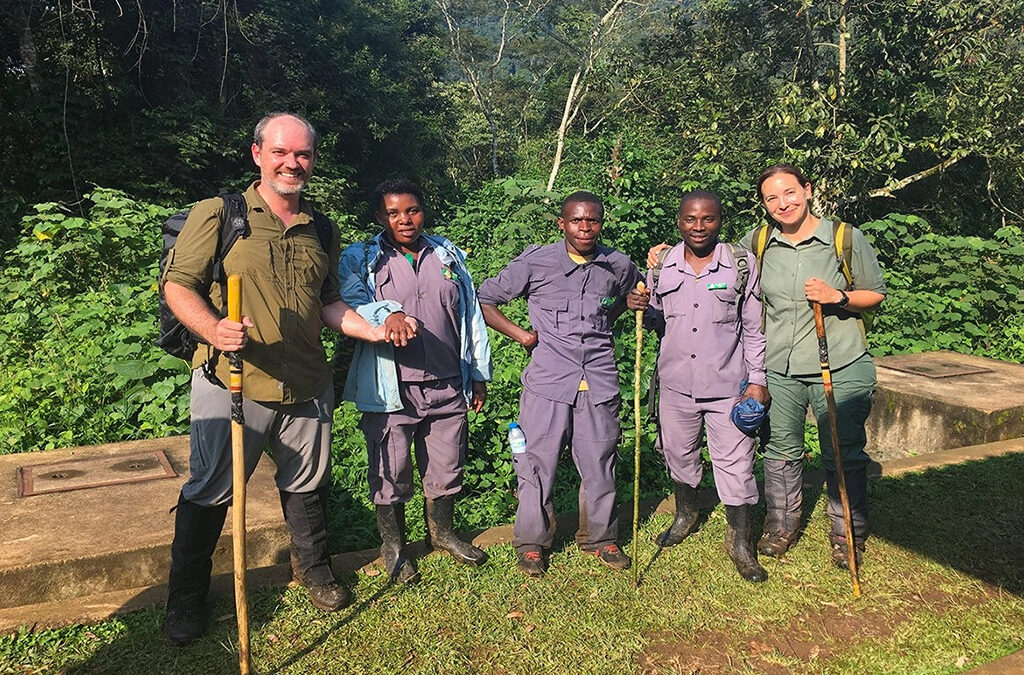
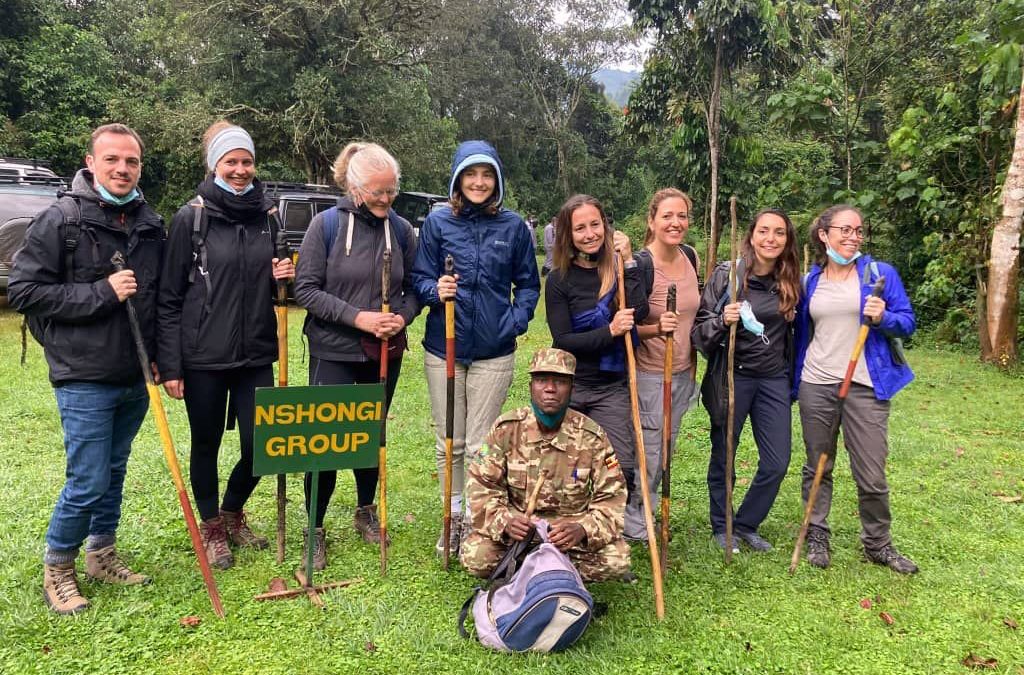
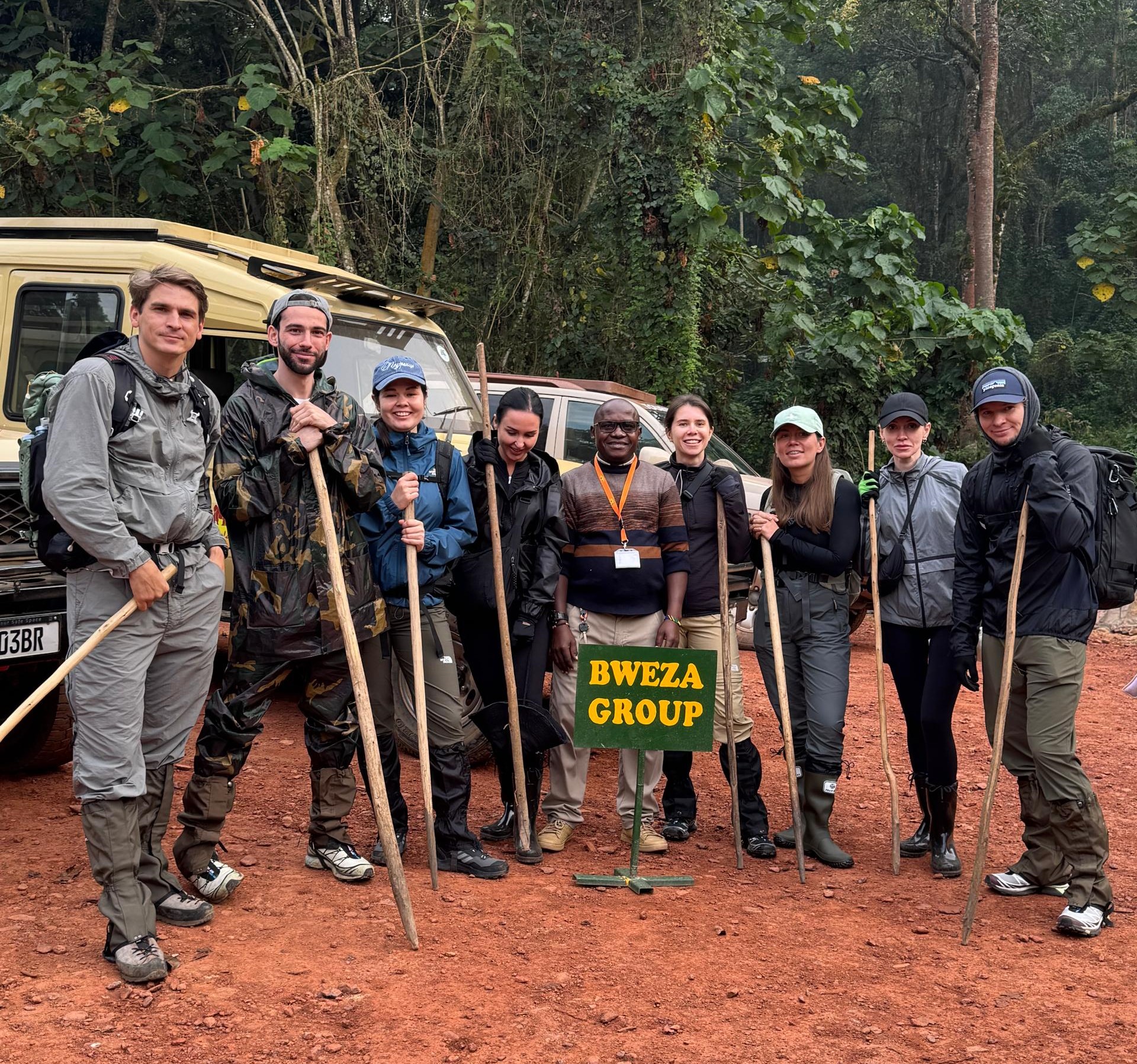
Imagine walking beneath the trees of Uganda’s gorilla forests. Your ranger pauses for an update from the trackers. A few metres ahead, the path drops sharply into a damp, narrow valley. The ground looks firm until your boot meets a slippery patch of clay. At that moment, an ordinary walking stick can make a remarkable difference.
Many first-time visitors preparing for a gorilla trekking safari from Kigali ask whether a walking stick is essential, whether one will be supplied and if trekking poles are useful for younger, fitter travellers. The answer depends partly on your comfort, but the benefits extend well beyond support for people who find hiking difficult.
Gorilla trekking is not a paved nature walk. Mountain gorillas move freely through their habitat, and the path you follow depends on where trackers locate the family that day. Even experienced walkers can benefit from an extra point of contact with the ground. This guide explains what to expect and how to prepare without packing unnecessary equipment.
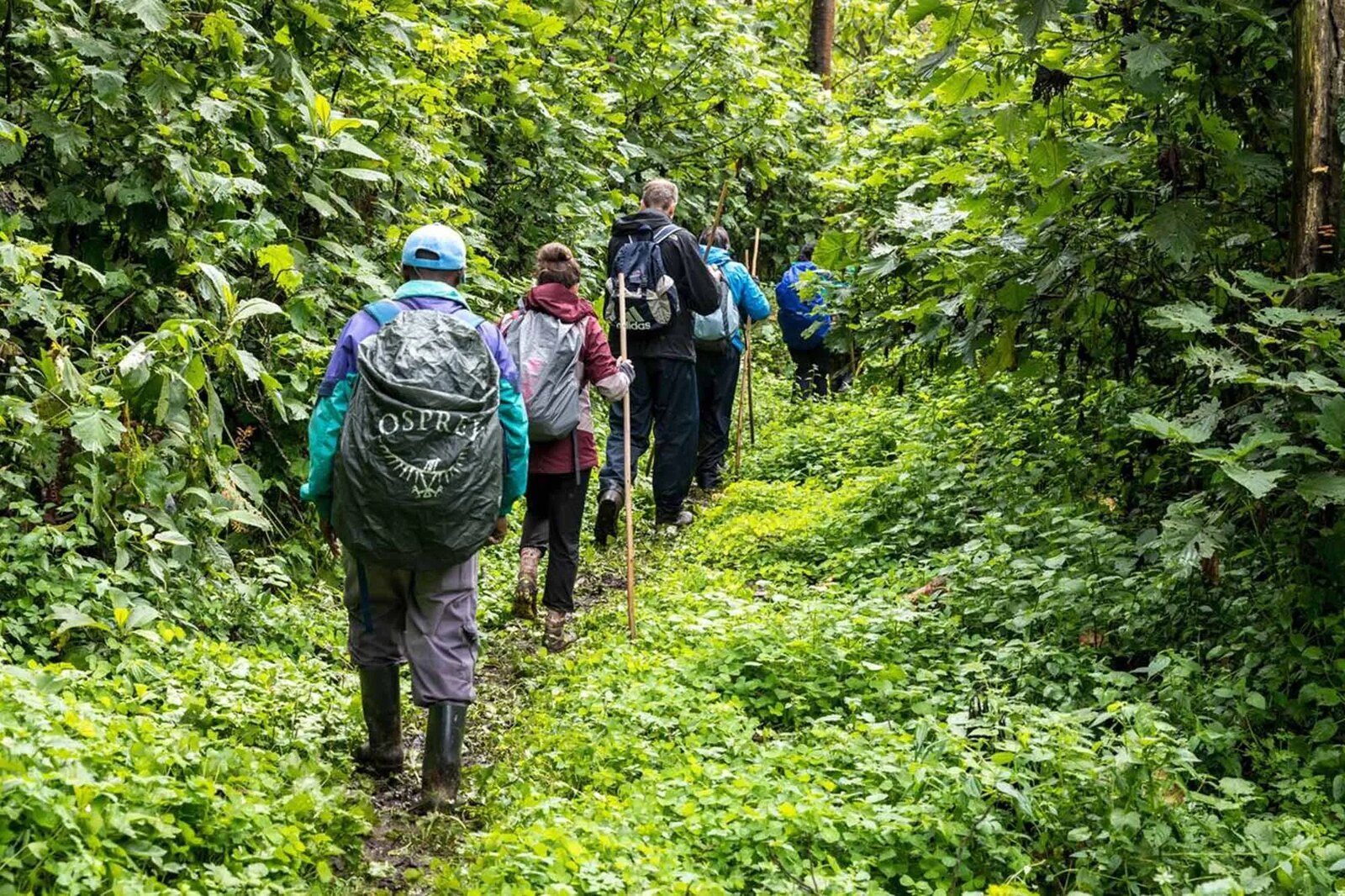
Why Walking Sticks Are Helpful on a Gorilla Trek
The biggest reason to carry a stick is stability. The forests of southwestern Uganda and northern Rwanda are beautiful, but their trails can present several obstacles at once: thick roots, loose stones, patches of wet soil, overgrown vegetation and sudden changes in elevation. A properly positioned walking stick gives your body another support point while you test your next foothold.
1. Better balance on slippery ground
Rain can fall at any time in a tropical mountain forest, including during months generally considered drier. Moss, mud and exposed roots become slippery even after a short shower. A walking stick helps you steady yourself before placing your full weight on the next step. It is especially useful where the trail narrows or bends across a hillside. Remember that the stick does not eliminate the possibility of slipping; good footwear and a measured pace remain essential.
2. Extra support when climbing
On steeper sections, you may find yourself taking shorter steps while working against gravity. A comfortable walking stick lets you share a little of the effort with your arms, provided you use it without leaning too heavily on an unstable surface. This can make a long climb feel more controlled. For visitors worried about fitness for gorilla trekking, a stick is helpful equipment, not a replacement for preparing for the hike.
3. More confidence on downhill sections
Descending often feels trickier than climbing, particularly when you are tired after spending time with the gorillas. Your knees and ankles work hard to manage uneven steps. Using a stick for balance can help you move more deliberately and avoid rushing. If you have recurring knee pain, a pair of properly adjusted trekking poles may offer better support, but discuss suitability with your clinician and trekking guide beforehand.
4. Help with hidden roots and uneven terrain
In parts of the forest, fallen leaves conceal rocks, holes or roots. You can use the tip of the stick gently to check a patch of ground before stepping forward. Do not jab into dense vegetation, disturb wildlife or damage plants. The aim is to check your footing, not clear your own route. Rangers are responsible for directing the group safely through the forest.
5. Less stress and more enjoyment
When you feel secure on your feet, it is easier to enjoy the surrounding scenery rather than stare at the trail throughout the hike. A stick may also encourage you to settle into a steady rhythm and take breaks before you become exhausted. For first-time visitors, this extra confidence can be particularly valuable on an unfamiliar mountain trail.
Do You Need a Walking Stick in Bwindi, Mgahinga or Rwanda?
The general recommendation is the same across the main gorilla trekking destinations: take a walking stick if one is available. The exact conditions differ by park, sector, weather and gorilla family location.
Bwindi Impenetrable National Park
Bwindi’s forest trails can be steep, damp and heavily vegetated. The Buhoma, Ruhija, Rushaga and Nkuringo sectors vary in elevation and daily route difficulty. A stick is a sensible choice in any sector, especially after rainfall.
Mgahinga Gorilla National Park
Mgahinga lies on the Virunga volcanic slopes, where climbs, loose ground and damp trails may require careful footing. Walking sticks are particularly useful on the ascent and descent. Read our Mgahinga trekking guide.
Volcanoes National Park, Rwanda
Rwanda’s gorilla habitat includes bamboo forests, high-altitude slopes and occasionally muddy paths. A stick can help on uneven ground; guides and porters can advise on the day’s conditions. Trek difficulty varies by assigned gorilla family.
In all three parks, the distance and difficulty cannot be promised precisely before the trek. Trackers monitor the gorillas, but the animals are wild and may move. The Uganda Wildlife Authority explains that trekking in Uganda may last several hours, while Rwanda’s official gorilla tracking guidance also highlights the mountain terrain and importance of sturdy boots.
Are Walking Sticks Provided at Gorilla Trekking Briefings?
Simple wooden walking sticks are commonly offered at or around gorilla trekking briefing locations in Uganda and Rwanda. Many accommodations near the parks also keep sticks for guests to use. However, availability is not guaranteed at every trailhead on every day, and any purchase, rental or donation arrangements can vary. It is best not to assume a specific stick will automatically be included in your permit.
For most visitors, this means you do not need to fly to East Africa with a heavy wooden staff. Your safari guide can ask your lodge or the park team about local availability before your trek. If you already use a particular mobility aid or trekking pole, bring equipment that you know fits you and discuss it with the ranger at the briefing.
At Safari Vacations and Travel Services, we recommend asking about walking sticks and porters when planning your itinerary rather than waiting until you feel uncomfortable on the trail. Our team can help you prepare for the logistics of the trekking day, while final decisions about the route and safe equipment use remain with the park authorities.
Wooden Walking Stick or Trekking Poles: Which Is Better?
There is no single correct choice. A traditional wooden stick suits many travellers because it is simple, strong and easy to hold. Modern trekking poles provide adjustable height and different grip options, which can appeal to experienced hikers.
| Feature | Local wooden walking stick | Adjustable trekking poles |
|---|---|---|
| Convenience | Often available locally | Usually bring your own |
| Adjustability | Generally fixed length | Height can be adjusted |
| Packing | No need to pack if available locally | Collapsible versions are travel-friendly |
| Best suited to | Casual hikers seeking simple balance support | Regular hikers wanting a tailored grip and height |
One pole or stick is usually enough for general stability, while two trekking poles may be preferable for travellers accustomed to them. Some narrow or overgrown sections are easier with one hand free, so follow your ranger’s advice. Avoid sharp, exposed metal tips near other visitors and wildlife. Consider rubber tips when appropriate for the trail surface and park instructions.

How to Use a Walking Stick Safely During Gorilla Trekking
A walking stick is most effective when you use it deliberately. Holding one does not automatically improve your balance, especially if it is too short, too long or placed on unstable ground. Before leaving the briefing area, take a few steps to get comfortable with the grip and length.
- Choose a comfortable height. With your arm relaxed, the handle should be near wrist height for ordinary level walking. Adjust to terrain and individual needs; ask your guide for help if unsure.
- Keep a natural grip. Hold the stick firmly enough for control but avoid constantly squeezing the handle. You should still be able to move your hand comfortably.
- Plant it before committing your weight. On slippery terrain, place the tip on secure ground and test it gently before stepping. Avoid relying on loose rocks or soft mud.
- Take small steps downhill. Slow down, keep your knees slightly relaxed and follow the ranger’s recommended route. Do not race to catch up with other trekkers.
- Keep space between hikers. A swinging or misplaced stick can accidentally strike someone walking behind or beside you. Hold it close and point the tip down.
- Listen to the ranger near the gorillas. You will generally be asked to set aside your walking stick and daypack before the final approach. Never point, wave or raise a stick near the animals.
It is also important to understand the limits of walking sticks. A pole cannot correct unsuitable boots, dehydration, exhaustion or a route that is beyond your abilities. If you are struggling, speak up early. Rangers can allow rest breaks and advise you on the safest way to continue.
What Happens to Your Walking Stick When You Reach the Gorillas?
As your trekking group gets close to a habituated gorilla family, the ranger will explain what to do with your belongings and walking equipment. Visitors are commonly instructed to leave sticks and larger daypacks at a designated point before quietly approaching the gorillas. Porters usually remain behind that point, so collect the camera and other essentials you need for the viewing hour.
Do not approach mountain gorillas holding a stick unless the park guide specifically instructs you otherwise. Sudden gestures, raised objects or unnecessary movement can be unsettling. Keep your voice low, remain together with your group, avoid flash photography and follow the ranger’s directions at all times. Gorilla viewing is generally limited to one hour with the family.
For an overview of the full sequence, read our gorilla trekking day guide. Your stick will be useful again when you begin the return journey, which can still involve a long or slippery descent.
Should Seniors and Less Experienced Hikers Use Walking Sticks?
Yes, they are particularly worth considering for older travellers, visitors who are unfamiliar with forest hiking and anyone who feels more confident with additional balance support. However, age alone does not determine your ability to trek. Some older visitors comfortably complete demanding hikes, while younger travellers can struggle with steep terrain or altitude.
If you have concerns about mobility, previous injury, surgery or a health condition, seek personalised medical advice before travelling and tell your safari operator about any practical needs. A stick may help with balance, but it is not a medical device designed to compensate for serious mobility limitations. In certain circumstances, additional porters or arranged carrying assistance may be possible, subject to local arrangements, cost and advance notice.
Read more in our guide to gorilla trekking for seniors and travellers with mobility challenges. If you anticipate needing an easier pace, communicate this before the trek and again at the morning briefing. The ranger team considers multiple factors when assigning gorilla groups, but no particular route can be guaranteed.
Walking Stick vs Porter: Do You Need Both?
A walking stick and a porter serve different purposes. The stick provides an extra point of balance. A porter carries your daypack and can offer practical assistance with footing on difficult sections. Using both may make a trek more manageable, particularly when slopes are muddy or you are carrying camera equipment and drinking water.
Porters are hired separately from your ranger guide and are not automatically covered by the gorilla trekking permit. Charges vary by park and arrangement, so confirm the current local price before the trek and carry suitable cash if needed. Hiring a porter also supports employment and income in communities neighbouring gorilla habitats.
Even strong hikers sometimes appreciate having their bag carried during the steepest part of the climb. You still need reasonable fitness, and no porter can guarantee that the trek will be easy. When travelling with Safari Vacations and Travel Services, tell us if you would like guidance on arranging porter support, especially if you have concerns about the physical demands.
What Else Should You Pack for Gorilla Trekking?
Walking sticks work best as part of a practical trekking kit. You do not need expensive specialist equipment, but the basics should protect you from variable weather, insects and vegetation. Pack lightly enough that you can walk comfortably for several hours and keep the essentials within easy reach.
- Waterproof hiking boots: Choose broken-in boots with reliable grip. Avoid trying brand-new boots for the first time on the trek.
- Long trousers and long sleeves: These help protect your skin from nettles, branches and insect bites.
- Rain jacket: Carry a lightweight waterproof layer even when the morning sky looks clear.
- Gardening-style gloves: Useful if you need to grip safe vegetation for stability, following your guide’s directions.
- Gaiters or long socks: Help keep mud and debris out of your boots and protect your lower legs.
- Water and snacks: Carry sufficient drinking water and food for the hiking period; do not eat or drink near the gorillas.
- Daypack and rain cover: Keep your camera, spare layer and personal items dry.
- Personal medication: Bring anything you may need during the outing and let the relevant guide know about important needs.
- Camera: Bring charged batteries and keep flash switched off when photographing gorillas.
Consider a modest training routine before your trip: regular walks, gentle hill climbs and some stairs where appropriate. This preparation can help more than purchasing elaborate equipment shortly before departure. If you are planning multiple outdoor activities, our gorilla trekking and Mount Sabyinyo hiking safari gives an idea of how different forest and mountain experiences can fit into one journey.
Seven Practical Tips Before Your Gorilla Trek
- Accept a walking stick early. Trying one before the hike gives you time to get accustomed to its feel.
- Check the tip and handle. Avoid a stick that is cracked, excessively smooth or uncomfortable to hold.
- Wear proper boots. A stick should complement, not substitute for, reliable footwear.
- Be realistic about your fitness. Tell the ranger if steep climbs or long walks may be difficult.
- Consider hiring a porter. Carrying less can help you concentrate on your footing.
- Protect the gorillas. Leave sticks and bags where instructed, move quietly and follow all viewing rules.
- Save energy for the return. The trek is not over when the one-hour gorilla encounter finishes.
Frequently Asked Questions About Walking Sticks for Gorilla Trekking
Are walking sticks compulsory for gorilla trekking?
No. They are optional, but strongly recommended because terrain can be steep, wet and uneven.
Can I get a walking stick at the park?
Basic wooden sticks are commonly available at briefing points or lodges. Confirm arrangements with your guide because availability and fees can vary.
Can I bring my own trekking poles?
Generally yes, though you should follow the park team’s instructions on acceptable equipment and when to set it aside near gorillas. Check airline baggage rules for poles before flying.
Is one walking stick enough?
One is adequate for many casual hikers. Experienced hikers may prefer two adjustable poles, but narrow forest trails can make a single stick more convenient.
Are walking sticks useful for young and fit travellers?
Yes. Good fitness does not prevent slips on mud or roots. A stick provides an additional balance point for almost anyone.
Can I carry my stick when viewing gorillas?
Usually you will be instructed to leave walking sticks behind before the final approach. Follow your ranger’s directions, and never gesture toward gorillas with a stick.
Can a walking stick make a difficult gorilla trek easy?
No. It may improve balance and confidence, but steep climbs, altitude and long walking distances can still be demanding. Preparation and appropriate assistance remain important.
Should I hire a porter if I already have a walking stick?
That depends on your fitness, bag weight and preferences. A porter can carry equipment and offer assistance, while the stick provides balance support. They are complementary rather than interchangeable.
Plan a Comfortable Gorilla Trekking Safari
Safari Vacations and Travel Services arranges private gorilla trekking trips in Uganda and Rwanda, including permits, accommodation, safari transport and practical pre-trek advice. Share your travel dates, number of travellers and any concerns about walking difficulty, and we can help plan an itinerary that suits you.





