
Best Uganda Gorilla Trekking Region by Fitness Level

Uganda Gorilla Trekking Region by Fitness
Uganda Gorilla Trekking Region by Fitness Level
Compare Buhoma, Ruhija, Rushaga, Nkuringo and Mgahinga and choose a gorilla safari that respects your walking ability, comfort and adventure goals.
Best Uganda Gorilla Trekking Region by Fitness Level: Buhoma is often a sensible first sector to investigate if you are concerned about stamina, while Rushaga may suit a wide range of moderately active visitors. Ruhija requires consideration of elevation, Nkuringo is often more demanding because of steep terrain, and Mgahinga combines volcanic slopes with high-altitude conditions. None guarantees an easy trek.
Which Region Matches Your Fitness?
Uganda has four gorilla trekking sectors within Bwindi Impenetrable National Park and a fifth trekking area in Mgahinga Gorilla National Park. The sectors are not graded official walking routes. Instead, use the following as a practical starting point when discussing your preferences with a specialist.
| Region | Typical considerations | Who may prefer it? |
|---|---|---|
| Buhoma | Hilly rainforest; some potentially less strenuous routes | First-time visitors seeking a planning starting point; no easy-trek guarantee |
| Rushaga | Variable forest slopes, sometimes steep | Moderately active visitors; Kigali itineraries |
| Ruhija | Higher-elevation terrain; cool, hilly conditions | Active walkers and forest lovers |
| Nkuringo | Notably steep ridges and descents | Fit walkers who enjoy a challenge |
| Mgahinga | Volcanic landscapes, altitude, changing slopes | Comfortable mountain walkers |
Which Gorilla Trekking Region Fits Your Walking Ability?
Use your real comfort level—not your age or an online difficulty score—as the starting point. These suggestions are planning conversations, not official UWA sector rankings.
Light walking / mobility concerns
Discuss Buhoma first, describe the longest walk you can comfortably manage, and ask us to investigate current support and permit options. Any sector can involve steep, muddy sections.
Moderate fitness
Consider Buhoma or Rushaga in relation to permit availability and lodge access; Ruhija may also suit walkers accustomed to hills. A porter and proper preparation remain useful.
Strong hill-walking fitness
Explore Nkuringo, Ruhija or Mgahinga if their scenery and safari logistics appeal. These are not automatically more rewarding gorilla encounters; their terrain simply brings different demands.
If walking is not practical: ask early about a porter-supported sedan chair and whether a safe arrangement can be confirmed for the chosen sector; never rely on a chair being available at the gate.
Explore Uganda’s Five Gorilla Trekking Areas
Look beyond the sector name. The right choice also depends on your safari route, where you stay, how well you tolerate altitude and what assistance you might need.
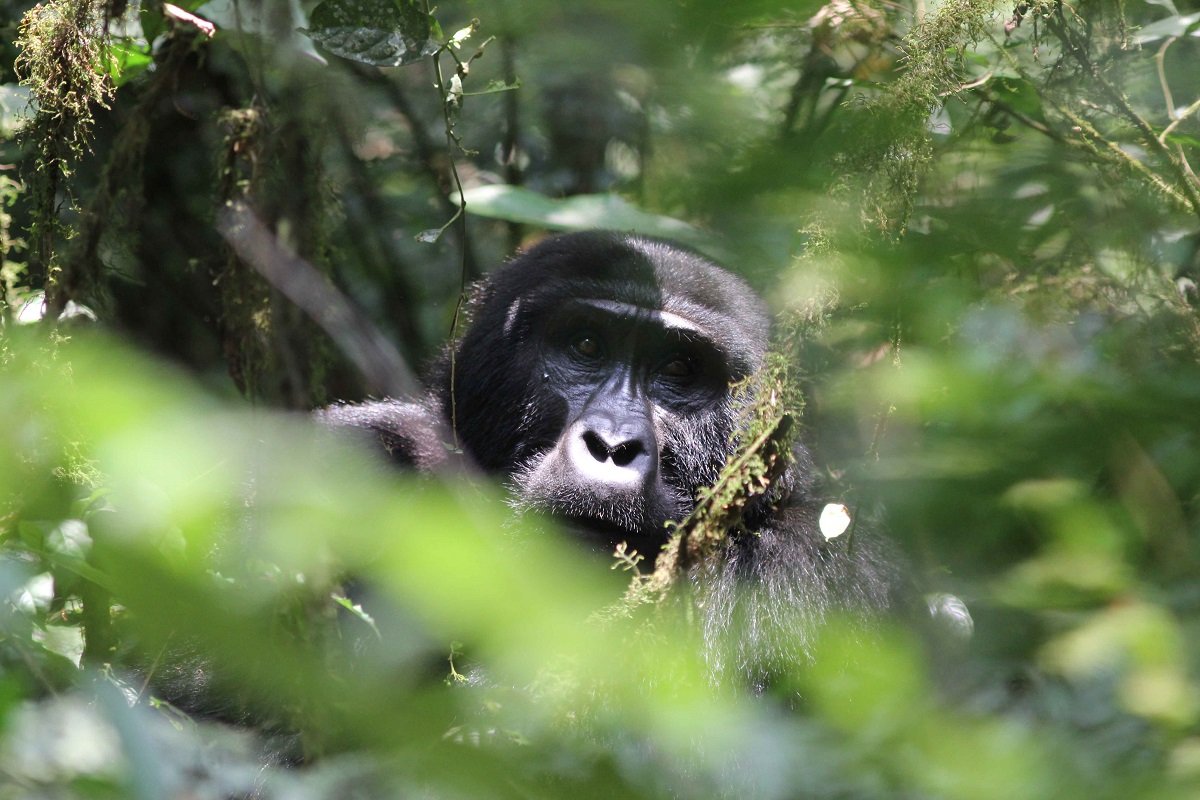
A practical first choice
Buhoma
Often considered by visitors who want established facilities and a possibility of a more manageable walking experience. Steep and lengthy walks remain possible.
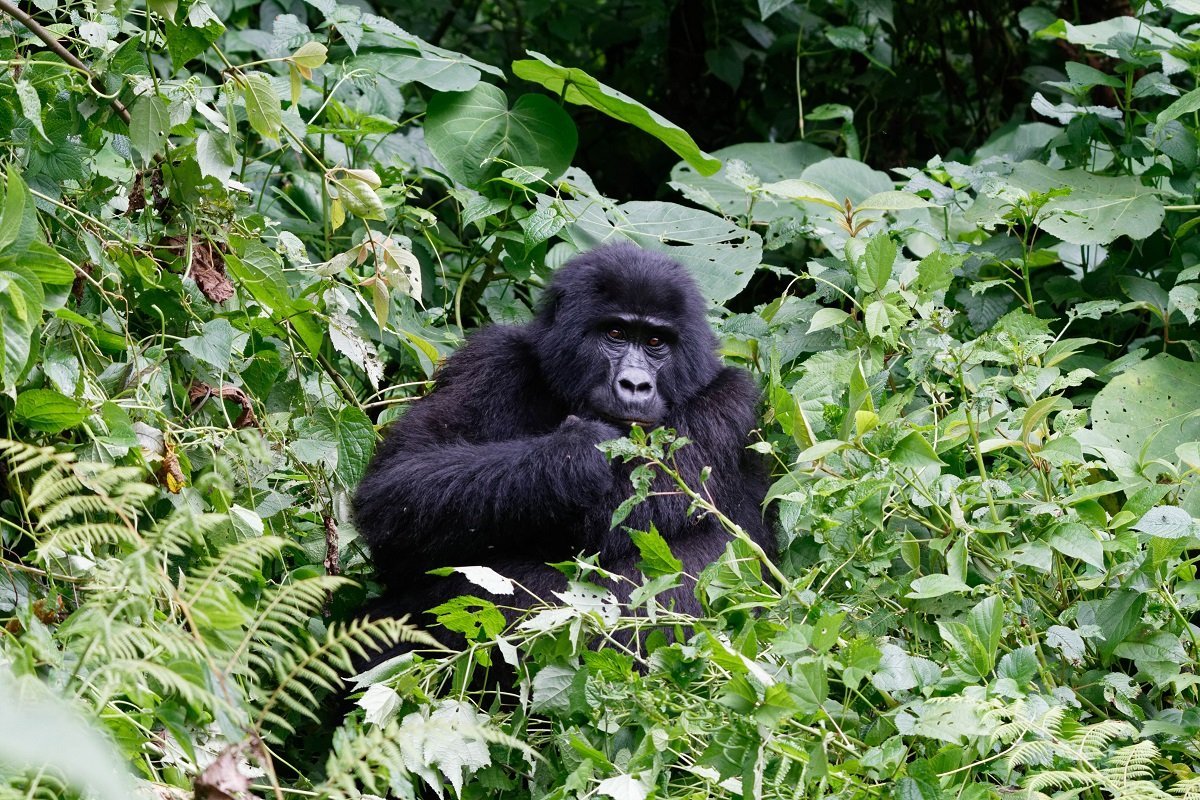
Flexible southern planning
Rushaga
A popular southern Bwindi base with several habituated groups. Terrain varies, and some routes are steep; it is not automatically easy.

Higher-altitude rainforest
Ruhija
Ideal for visitors who enjoy highland forest scenery, but the cooler elevation and hills can make the walk more strenuous.

For ambitious hikers
Nkuringo
Dramatic ridges and steep trails can test endurance, leg strength and knees, especially during the return climb.

Volcanic mountain adventure
Mgahinga
Open vegetation in places and volcanic surroundings make for a different experience; altitude and gradients still matter.
Buhoma: A Good Starting Point for Visitors with Fitness Concerns
Buhoma is in northern Bwindi and has a long history of gorilla tourism. Visitors often appreciate the established lodges, visitor services and its position on itineraries that also feature Queen Elizabeth National Park. If you are worried about your first gorilla trek, Buhoma deserves consideration — but it is misleading to call every Buhoma trek easy.
Some routes may be relatively manageable depending on where a gorilla family has settled. Others require prolonged uphill walking, muddy descents or a longer return journey. Rangers decide the trekking allocation, not your hotel or tour company. State any limitations before the morning briefing and ask about assistance.
Consider Buhoma if: you are a first-time trekker, prefer established tourism facilities, or want to build a northern Uganda itinerary. Read our guide to the four Bwindi sectors for more on logistics.
Rushaga: A Southern Option for Different Fitness Levels
Rushaga lies in southern Bwindi and is attractive for travellers entering Uganda from Kigali. Its multiple habituated gorilla families make it an important trekking centre, while its forested slopes offer a variety of walking conditions.
That variety should not be mistaken for a promise of a short route. You might walk for hours through rugged vegetation or encounter a family relatively close to the trailhead. The Gorilla Habituation Experience is also associated with Rushaga and is a separate, potentially longer and more physically demanding activity than standard trekking.
Consider Rushaga if: you are reasonably active, travelling from Rwanda or comparing standard gorilla trekking with habituation. Confirm that your lodge is close to the briefing point linked to your permit.
Ruhija: Highland Terrain for Active Travellers
Ruhija is found on the eastern side of Bwindi. Visitors interested in forest scenery, birds and a quieter mountain atmosphere often find this sector appealing.
Its elevation means the air can feel cooler, and uphill walking may be tiring if you are not accustomed to mountainous areas. The trails are natural, with roots, uneven surfaces and slippery patches after rain. Hiking fitness and stable footing may matter more than speed.
Consider Ruhija if: you already walk hills comfortably and would enjoy adding nature and birdwatching activities to your itinerary. Discuss breathing difficulties, knee discomfort or balance concerns before choosing a highland route.
Nkuringo: Spectacular Scenery and Steeper Challenges
Nkuringo is in southwestern Bwindi. Its ridges and wide mountain views reward adventurous visitors, but the sector deserves particular attention when evaluating your fitness.
The elevation changes can involve substantial downhill and uphill walking. Descents may strain knees or challenge balance, while returning uphill can feel tiring after the gorilla encounter. Weather and the gorillas’ movements can make the same general area feel quite different between visits.
Consider Nkuringo if: you hike regularly, are comfortable on steep natural ground and genuinely want an active experience. It is not automatically unsuitable for older people, but those with limited mobility should evaluate the demands carefully.
Mgahinga: Volcanic Slopes and Higher Elevation
Mgahinga Gorilla National Park is a separate protected area near the Virunga volcanoes. Here the vegetation and views differ from Bwindi’s dense rainforest, including bamboo and volcanic landscapes.
Although some areas can look more open, Mgahinga should not be presented as an easy alternative. Slopes and altitude can increase exertion, and the precise path depends on the gorilla family’s current location. Its permit supply is more limited than the combined Bwindi sectors.
Consider Mgahinga if: you are comfortable walking at elevation, like volcanic mountain landscapes and may wish to add golden monkey tracking or another experience nearby.
What Actually Determines Trek Difficulty?
Choosing a sector helps with planning, but the most important factor is where the gorilla family is on your trekking date. Uganda Wildlife Authority describes standard gorilla tracking as potentially lasting around 2–7 hours, although individual experiences vary.
A trek might feel easy at first, then become tiring on the return. Think about several factors together:
- Distance and location: gorillas move freely and may be far from the starting point.
- Slope: both steep climbing and descents can be demanding.
- Trail conditions: mud, roots and wet vegetation require careful balance.
- Altitude: uphill walking may feel harder at higher elevations.
- Weather: rain can make trails slippery in any season.
- Individual health: stamina, joint comfort, mobility and medical conditions differ.
For more practical preparation, see How Fit Do You Need to Be for Uganda Gorilla Trekking?.
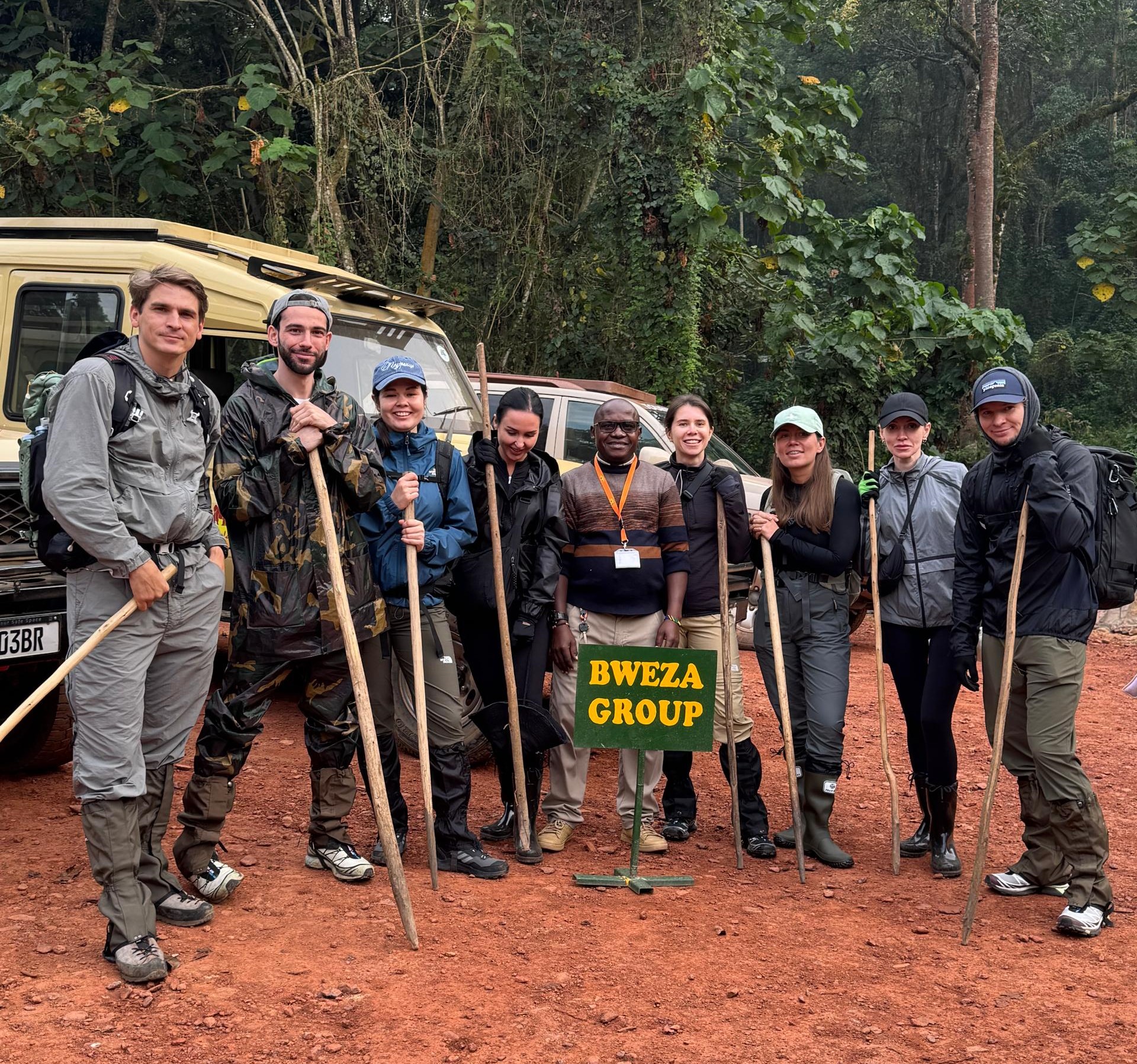
Can You Trek Gorillas with Limited Fitness?
Possibly. Many visitors who are not regular hikers still participate with adequate preparation and support. However, your ability to manage uneven ground for several hours should be considered realistically.
Tell your safari planner about any concerns before permits are purchased. Hire a porter to carry belongings and assist on rough stretches. For significant mobility limitations, ask whether a specially arranged carrying service is feasible and suitable — it must be confirmed locally, not assumed.
Anyone with heart, breathing, mobility or balance concerns should seek individual medical guidance before making a trekking commitment.
What Happens on Trekking Day?
You check in at the correct sector headquarters with your documentation and attend a mandatory ranger briefing. Park staff then manage the day’s walking groups in light of gorilla movements and operational conditions. Tell the staff directly about your fitness level, injuries, balance concerns or need for assistance. It is useful to raise these matters during booking too, but no operator can assign you a particular gorilla family.
The walk is guided by Uganda Wildlife Authority personnel. Conditions can range from established paths to muddy slopes and vegetation. The time needed can vary substantially. Uganda Wildlife Authority describes gorilla trekking as a moderately demanding activity which may take roughly two to seven hours, although individual days can differ. Once the gorillas are reached, a standard visit allows up to one hour of viewing, followed by the walk back.
Visitors must be at least 15 years old for gorilla trekking. Follow ranger instructions, maintain the current required separation from gorillas, never touch or feed wildlife and do not trek if you have a potentially infectious illness. Treat the trek as a full morning or day rather than scheduling a tight onward flight immediately afterwards.
Four useful things to tell your safari planner
- How long you can walk on uneven ground without significant discomfort.
- Whether stairs, steep descents, mud or altitude present problems.
- Whether you would like a porter or need to discuss sedan-chair assistance.
- Your arrival airport, travel dates, and whether your permit sector is already fixed.
A Simple Fitness Preparation Plan
Weeks 1–2 · Build consistency
Walk regularly on comfortable terrain and gradually add gentle hills or stairs if suitable for you.
Weeks 3–4 · Add variety
Practice uphill and downhill walking, balance on safe natural paths and use the boots you plan to take.
Weeks 5–6 · Build endurance
If your health permits, try a longer walk with breaks, a light daypack and some uneven ground.
These are optional general preparation ideas, not fitness tests or a medical prescription. Progress at a pace appropriate to your circumstances.
Porters, Walking Sticks and Sedan Chairs: What Help Is Possible?
Porters: A locally hired porter can carry a backpack, water or camera equipment and may offer a hand on difficult sections. This service can reduce the load on your body, but it does not remove the need to walk and maintain balance. Ask for current charges in advance; the porter fee and any voluntary tip are separate from the gorilla permit.
Walking sticks: A stick may help with stability, especially on wet or downhill sections. Choose footwear with good traction and avoid bringing unfamiliar gear you have never practiced with.
Sedan chairs: Some visitors who cannot safely complete the walk may be able to arrange a porter-carried chair, subject to location, staffing, equipment, body-support needs and local approval. These arrangements require advance discussion and should never be advertised as universally available or risk-free. Published estimates from our earlier guidance have commonly ranged from USD 300–500, but a current tailored quotation is essential.
Significant heart, respiratory, joint or balance conditions warrant personalised advice from a qualified medical professional before committing to a remote trek. The decision to use support is practical, not an assessment of anyone’s age or courage.
What If You Are Over 60 or Have Knee Problems?
Age alone does not determine whether someone can trek. An active visitor in their seventies may be more comfortable than a younger person with little experience of hills. Balance, endurance, joint comfort and existing health conditions are more useful considerations than a birthday.
Knee problems can be especially difficult on steep descents. Hiking poles, a porter, supportive footwear and a slower pace can help some people, but none removes the risk of a challenging route. Speak to your clinician if you have significant pain, restricted mobility or uncertainty about exertion at altitude.
For guests who cannot safely manage extended walking, enquire in advance about locally arranged sedan-chair or carrying assistance. Such services require planning, additional costs and an assessment of practicality and are not guaranteed for every individual or sector.
What to Pack for a More Comfortable Trek
Good equipment does not determine the length of a gorilla trek, but it can improve comfort and safety. Bring broken-in hiking boots with grip, long trousers, a lightweight waterproof jacket, water, snacks, insect repellent, gloves for vegetation and a small daypack.
A walking stick may be available locally, but ask for support before the briefing if you depend on a particular mobility aid. Keep your pack light and plan for wet, changeable conditions even in drier months.

Why the Correct Lodge and Transfer Route Matter
Bwindi’s four trekking sectors are geographically separate. A lodge described as “near Bwindi” is not necessarily close to your confirmed morning briefing point. Choose the trekking date and sector first, then book accommodation that works for that entry point. Southern itineraries may use Kisoro and northern itineraries may use Kihihi, depending on flights and exact lodge locations.
Travellers arriving through Kigali sometimes find southern Bwindi or Mgahinga more convenient than driving all the way from Entebbe, but border formalities, travel times and road conditions must be considered. If you are sensitive to fatigue, avoid a late arrival followed by an early trekking briefing. Leave room for a relaxed evening, hydration and proper sleep.
Weather matters as much as the calendar: June–September and December–February are usually relatively drier periods, but forest rain can occur in any month. Wet ground may increase the effort needed, particularly on descents. The most accessible plan is not simply a choice of season; it is a combination of a realistic trekking sector, suitable lodging, good boots and adequate support.
How We Would Match the Sector to Your Safari
At Safari Vacations and Travel Services Ltd, selecting a gorilla trekking region begins with a discussion about the whole trip. Someone combining Queen Elizabeth National Park and Bwindi may prefer a northern-sector itinerary. Someone arriving through Kigali may find the southern sectors more convenient. A keen hiker may welcome the scenery around Nkuringo, while a visitor anxious about stamina may first compare Buhoma and appropriate supported options.
We then look at the actual permit sector, lodge location, realistic transfers, porter arrangements and any relevant personal needs. Park staff retain responsibility for the allocation of gorilla families and for safe trekking decisions.
How Safari Vacations Helps You Plan
Safari Vacations and Travel Services Ltd is a Uganda-based safari operator arranging permits, private 4×4 transport, accommodation and gorilla trekking itineraries. Our team can help you compare sectors around your route and explain what information to share with park staff. We do not control ranger allocation or guarantee short treks, particular families or the availability of special assistance.
Primary guidance: Uganda Wildlife Authority’s gorilla tracking information and its published tracking permit guidelines. Any current field instructions from UWA take precedence.
Useful Guides for Planning Your Gorilla Trek
Explore the topics most relevant to your own trip: preparation, assistance, permit logistics and safari connections. We recommend prioritising your personal walking needs over generic easy-trek claims.
Fitness and planning
Assistance and comfort
Permits and regions
Safari routes and options
FAQs About Uganda Gorilla Trekking Region by Fitness
Which Uganda gorilla trekking region is easiest?
There is no officially guaranteed easiest sector. Buhoma is often a reasonable place to begin for someone worried about fitness, but gorilla movements and trail conditions can make any region difficult.
Is Buhoma always easier than Nkuringo?
Not always. Nkuringo often involves steep terrain, but an individual Buhoma trek can still be long or strenuous. Compare general terrain, then prepare for unpredictable conditions.
Can beginners trek gorillas in Uganda?
Yes, many beginners can take part if they are comfortable with uneven walking and prepare appropriately. They should tell the guide about fitness concerns and consider porter support.
How long does gorilla trekking take?
Uganda Wildlife Authority gives approximately 2–7 hours as a general range. Exact timings vary, and the standard encounter with the gorillas is limited to up to one hour after the family is located.
Will a ranger assign me an easy gorilla family?
You can explain physical limitations at the briefing, and staff may take them into account, but assignments are controlled by Uganda Wildlife Authority. No operator can promise a particular family or short walk.
Is Rushaga good for older travellers?
It can be, depending on the visitor’s fitness, support needs and the route that day. Age alone is not a reliable indicator, and the terrain can be steep.
Can I use a porter or sedan chair?
Porters often help with bags and rough terrain. Special carrying services may sometimes be arranged for visitors with significant mobility needs; availability, suitability and charges should be checked in advance.
Does the dry season make trekking easy?
Drier conditions can reduce mud in some places, but rain remains possible year-round. Gorilla location, gradients and individual ability still determine how demanding the trek will feel.
Is Mgahinga easier because the forest is more open?
No. Volcanic slopes and altitude can still make Mgahinga strenuous. The amount of vegetation alone is not a reliable difficulty measure.
Which region is best if I start in Kigali?
Rushaga and Nkuringo can be convenient from Kigali because they are in southern Bwindi. This is mainly a road-access consideration, not a claim that they are easier to trek.
Find the Right Gorilla Trek for Your Fitness
Tell us about your walking ability, preferred dates and arrival city. We can help compare sectors, accommodation and available support without making unrealistic promises about trek length.





