Uganda gorilla trekking after COVID-19: 7 Amazing Tips

Uganda gorilla trekking after COVID-19: 7 Amazing Tips
Uganda gorilla trekking after COVID-19 is a renewed opportunity to meet mountain gorillas thoughtfully. This guide separates outdated emergency measures from the conservation responsibilities that still matter, helping you plan a safe, realistic and rewarding journey through southwestern Uganda.
What Uganda gorilla trekking after COVID-19 means today
Uganda gorilla trekking after COVID-19: what changed
Uganda gorilla trekking after COVID-19 is still the extraordinary forest encounter that made southwestern Uganda famous, but the pandemic sharpened attention to an essential fact: people can transmit respiratory infections to great apes. Visitors should not confuse the end of emergency travel restrictions with the end of disease precautions. Today, your main responsibilities are to secure a valid permit, arrive well, follow the ranger briefing, and keep the prescribed distance from wildlife. For a visitor researching Uganda gorilla trekking after COVID-19, the most useful distinction is between temporary pandemic border measures and the lasting conservation principles that apply whenever humans meet gorillas.
During the disruption, tourist arrivals fell dramatically and the income supporting guides, lodges, porters and conservation activities was interrupted. The experience also demonstrated why wildlife protection cannot depend on visitors alone. Those who return now help support local livelihoods, but that contribution does not exempt anyone from the rules. The most effective precautions for gorilla trekking after COVID-19 are straightforward: do not trek while sick, avoid close contact, keep voices down, and accept instructions from wildlife professionals. Decisions should be based on current park guidance, not photographs or anecdotes from an earlier season. gorilla tracking in Uganda since the pandemic therefore rewards informed travelers who see conservation as part of the adventure rather than a restriction attached to it.
Where gorilla trekking takes place in Uganda
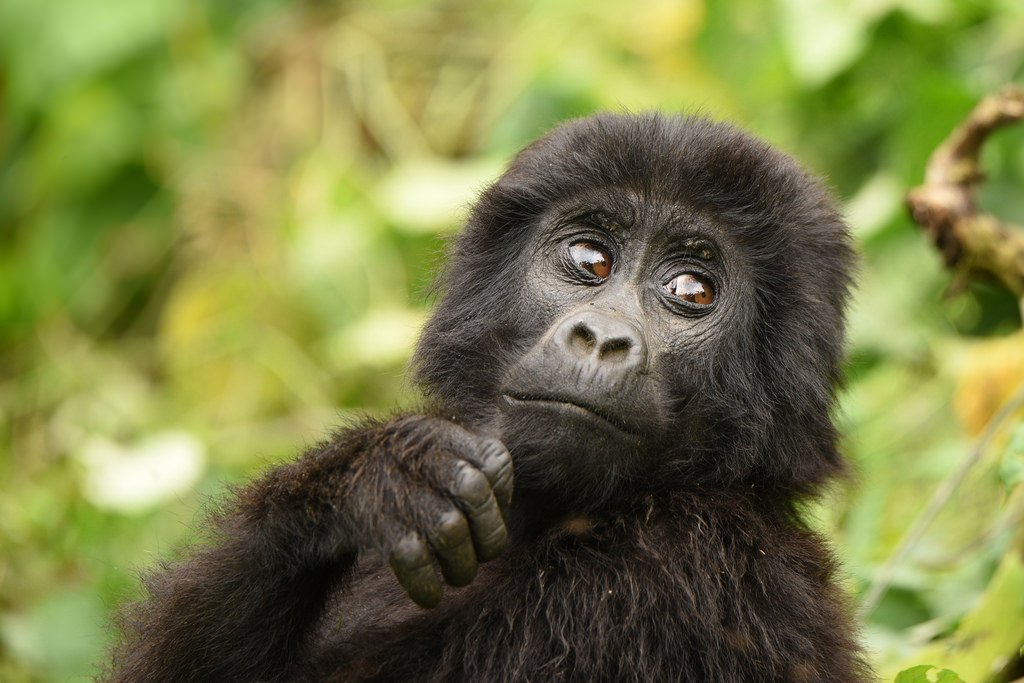
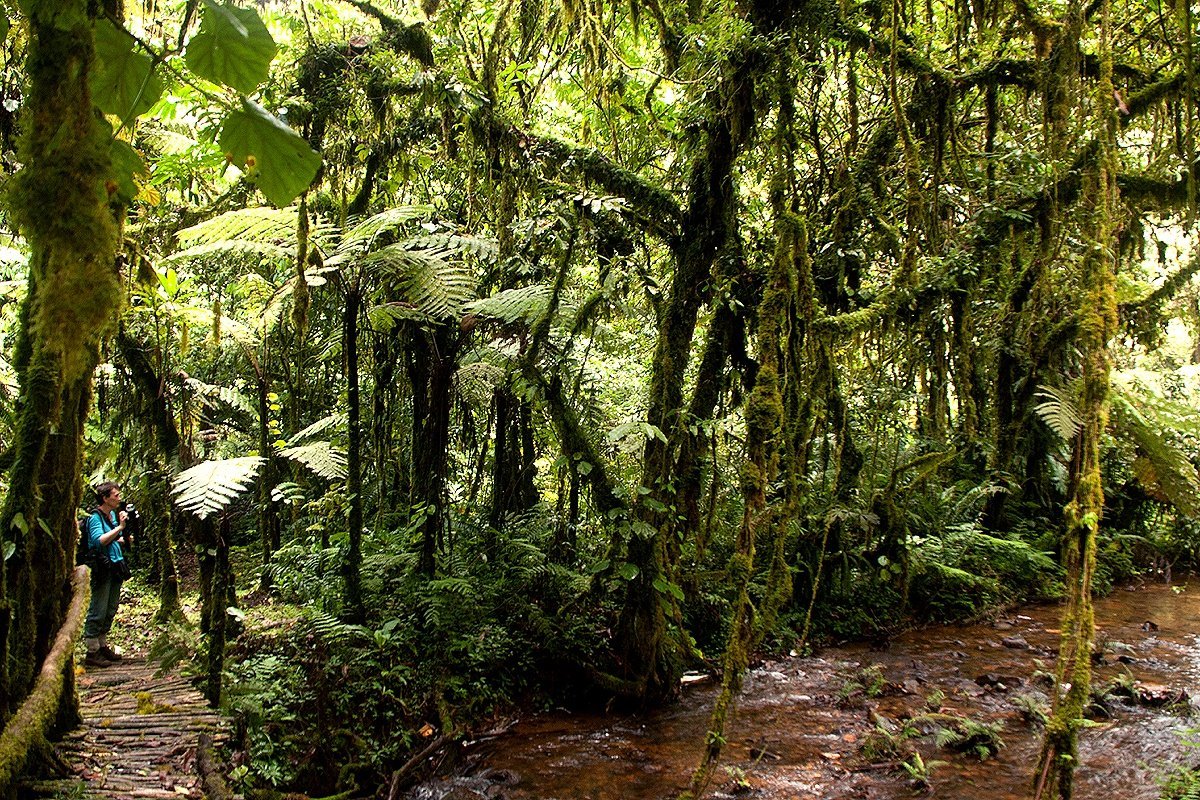
Uganda’s two mountain-gorilla destinations are Bwindi Impenetrable Forest and Mgahinga Gorilla National Park. Bwindi is a large, rugged rainforest with several access sectors. Mgahinga lies in the Virunga volcanic landscape and provides a different setting, with bamboo and montane vegetation. Each park has its own logistics, entry points and Accommodation options. A permit is linked to a specific date and trekking location, so a hotel that looks close on a map may still be inconvenient for an early briefing. This is why Uganda gorilla trekking after the pandemic should begin with the exact park sector rather than an attractive lodge photograph.
Bwindi’s commonly used sectors include Buhoma, Ruhija, Rushaga and Nkuringo. Elevation, road conditions and trail steepness vary, and a trek may be relatively short or physically demanding. Mgahinga’s Ntebeko entry point serves its gorilla tracking operations. Neither destination offers a guaranteed easy walk, because trackers follow gorillas where they have moved. Confirm the meeting point and travel time before booking. When deciding between parks, compare actual permit availability, lodge distance, physical comfort, road routing and complementary activities. Uganda gorilla trekking after COVID-19 has not changed the mountains or the weather; careful preparation remains essential for a satisfying day.
Are COVID tests or vaccination certificates required?
Many tourists remember the pandemic era for PCR documents, isolation rules, vaccination passes and changing airline conditions. Those requirements were tied to specific phases of the public-health response and should not be copied from old safari articles as if they are permanent. Requirements can change again during an outbreak. Before departure, consult official Ugandan immigration and health sources, the airline operating your flights, and your government’s travel advice. Ask what applies to your nationality, transit points and travel dates. Gorilla trekking health precautions in the forest are a separate issue from whatever entry documents are currently required at the airport.
A practical approach is to review travel documents when you book, again before making final payments, and once more shortly before flying. Yellow-fever documentation and other destination-specific health requirements may be relevant independently of COVID-19. A travel-health clinician can help with personalized advice about immunizations, malaria prevention and medicines. Do not assume that a vaccination protects gorillas against every human infection or makes trekking while unwell acceptable. For gorilla tracking in Uganda since the pandemic, a respectful decision to miss the trek if you are infectious may protect an entire habituated family. Insurance coverage and permit terms deserve attention precisely because health can alter plans unexpectedly.
If you have been unwell in the days before departure, contact the operator before leaving your hotel. Ask how illness is assessed at the park, what supporting documentation may be required and whether any change of date is possible. Never conceal symptoms in the hope that a permit will remain usable.
Why gorilla health remains the priority
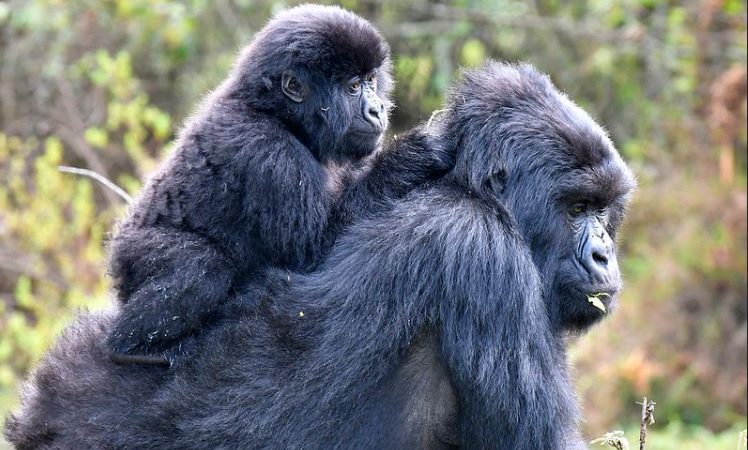
Mountain gorillas and humans are closely related, which makes disease transmission a serious concern. An ordinary respiratory illness in a traveler can pose disproportionate risk to a small gorilla population. The requirement to stay away when ill is not ceremonial; it is a conservation measure. Rangers may exclude visitors showing symptoms, and travelers should tell their operator promptly if they develop a fever, persistent cough, cold or other potentially infectious condition. Sound safety measures for gorilla trekking after COVID-19 begin before the vehicle leaves the lodge and continue through the briefing, forest walk and encounter.
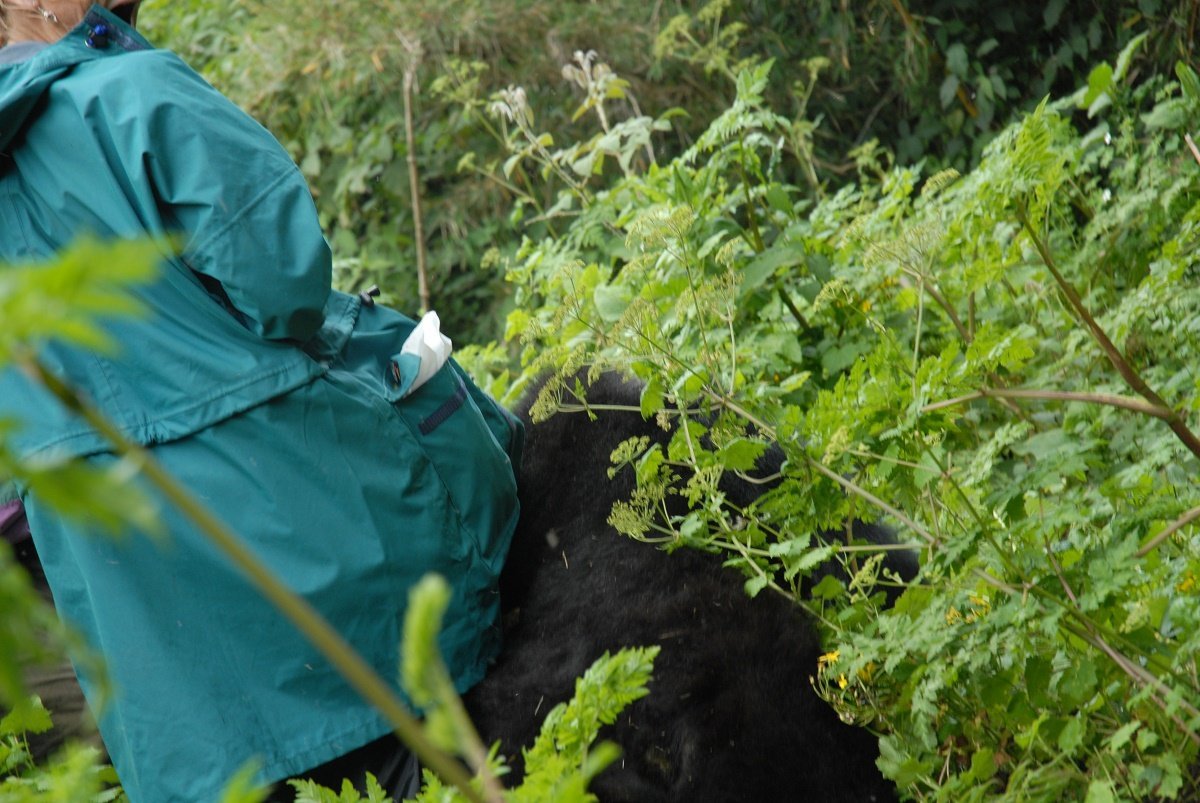
Current published Uganda Wildlife Authority tariff guidance specifies a minimum distance of ten metres, an encounter normally limited to one hour, and no flash photography. The rules also prohibit eating, drinking and smoking near the gorillas. Follow the ranger if a gorilla approaches you: do not step toward it for a closer photograph. Mask instructions can vary with updated operating procedures or specific health events, so bring a suitable clean mask and comply with the briefing rather than assuming an old rule remains unchanged. Responsible mountain gorilla tourism means protecting an animal’s space even when its curiosity creates an unforgettable moment. Uganda gorilla trekking after COVID-19 is best approached with patience, restraint and an appreciation of the safeguards that make visits possible.
Plan a Health-Conscious Gorilla Visit
Share your dates and travel requirements to build a practical itinerary around park guidance.
Permits, booking channels and the true cost
The gorilla habituation experience is distinct from standard one-hour tracking and uses its own permit conditions. A gorilla permit is a controlled authorization for a particular tracking date and entry point, not a flexible ticket to any forest. Secure Uganda gorilla trekking permits before paying non-refundable lodge or flight deposits. The Uganda Wildlife Authority’s published purchasing advisory distinguishes visitor categories and states that foreign non-residents must use tour operators licensed by the Uganda Tourism Board. Ask the operator for a clear permit confirmation and an itemized invoice. Gorilla permit costs are only one part of a safari budget: accommodation, guides, vehicles, fuel, meals, domestic flights, porter services and insurance may be additional.
A quote that appears inexpensive may exclude the most important activity, whereas a higher quote may include long-distance transfers and two or three nights near the park. Ask whether a trekking permit is confirmed or merely requested; availability is not the same as a reservation. Booking Bwindi gorilla permits for a popular date can require early decisions, especially when your schedule is tied to international flights. Uganda gorilla trekking after the pandemic also benefits from reading rescheduling, illness and cancellation conditions before payment. Uganda gorilla trekking after COVID-19 should be priced as a complete itinerary, with no assumption that old pandemic promotions or historic tariffs still apply.
Choosing the best time to travel
The drier periods, commonly June through September and December through February, are popular for Uganda’s gorilla forests because some paths may be less muddy. Even then, Bwindi is a rainforest and showers can arrive without warning. March through May and parts of October and November often receive heavier rain, creating slippery hillsides but also lush scenery and sometimes a quieter visitor atmosphere. The best time to trek mountain gorillas depends on your tolerance for rain, permit availability, wider safari plans and travel budget rather than a universal perfect month.
Consider your practical priorities. Photographers may appreciate softer forest light, while travelers concerned about footing may favor a relatively drier window. Families combining wildlife parks with trekking must account for school dates and the minimum age for gorilla encounters. If international flights are fixed, reserve the permit first and choose accommodation near the assigned briefing location. A wet afternoon does not mean gorillas disappear, just as a sunny morning cannot promise an easy hike. For Uganda gorilla trekking after COVID-19, flexible expectations and sensible waterproof clothing matter more than trying to predict a rain-free day months in advance. Good health safeguards for gorilla trekking after COVID-19 apply in every season, including quieter months when there are fewer visitors.
How fit should you be for the trek?
The physical challenge is real but variable. One group may be reached after a manageable forest walk; another can require hours of uphill and downhill movement through vegetation and uneven ground. Ground conditions depend on rainfall, altitude and the movements of the gorillas. Start preparing with regular walks, hills or stairs and footwear already broken in. The Uganda gorilla trekking fitness question is not whether you can complete a marathon: it is whether you can maintain steady movement, manage slippery surfaces and recover comfortably after a demanding day.
Discuss limitations openly with the operator before a permit is assigned. Ranger teams can explain available support, but no traveler should be promised a particular route difficulty or specific gorilla family. Gorilla tracking for elderly and mobility-limited guests may involve special logistical arrangements, porter assistance or additional transport support where available; suitability and costs must be confirmed individually. Hiring a local porter can reduce fatigue and provide valuable community income. Take walking poles if recommended, pace yourself and drink water before the encounter. Uganda gorilla trekking after the pandemic should protect your energy with a restful evening before the trek. gorilla tracking in Uganda since the pandemic remains a physical forest activity, not a staged viewing platform.

What happens on the trekking morning?
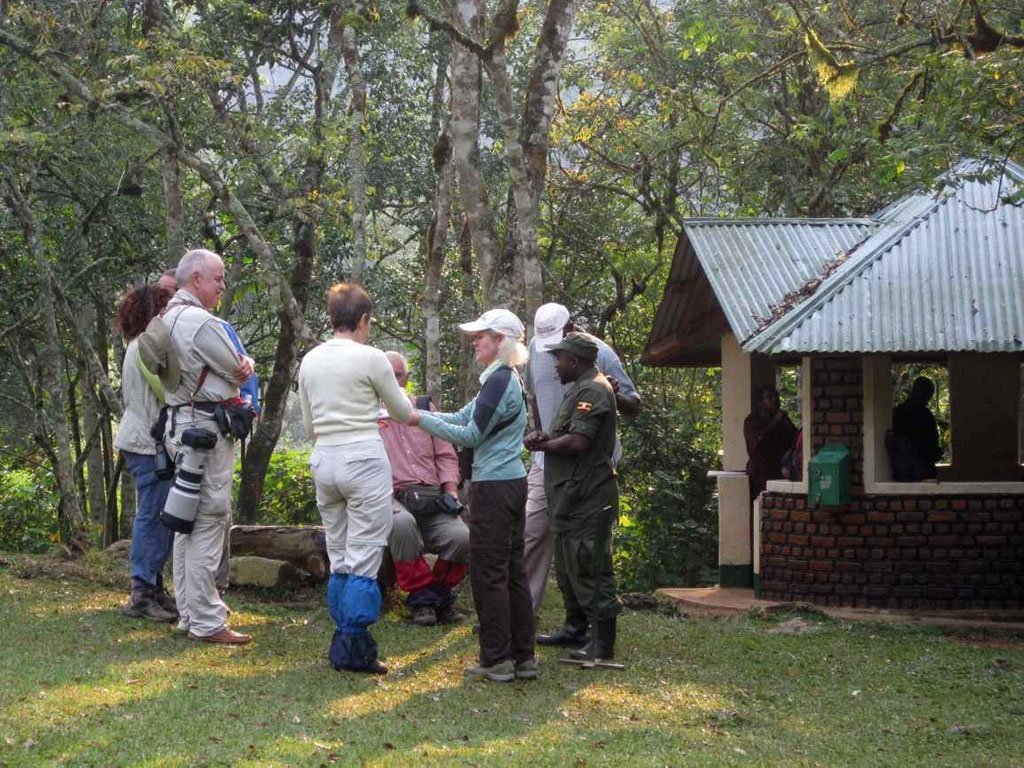
Your day usually begins with breakfast and an early transfer to the designated park reception point. Staff validate your booking and identity details, followed by a safety and conservation briefing from authorized guides. Visitors are placed into tracking parties under official procedures, and the location of a gorilla family is guided by trackers’ field knowledge rather than a fixed trail map. Uganda Gorilla trekking in Bwindi may lead through thick forest, open clearings, narrow paths and steep terrain. Allow enough time for the entire day rather than arranging a tight onward flight.
When trackers locate the gorillas, the guide explains where to stand, how to move quietly and when photography is appropriate. The usual viewing period is limited to one hour; the overall trek can take much longer. Keep bags and food where the guide directs, avoid flash and resist any urge to touch vegetation or animals for a better shot. A silverback feeding calmly or youngsters playing may create a memorable experience without visitors moving closer. Gorilla trekking health precautions should be treated as part of the ranger briefing, not a separate optional checklist. For Uganda gorilla trekking after COVID-19, a successful day is one in which the gorillas can continue their normal behavior despite our brief presence.
Match the Trek to Your Fitness
Tell us your mobility priorities and preferred trekking sector before booking.
Choosing between Bwindi sectors
The four principal Bwindi trekking sectors can feel different even though they belong to the same national park. Buhoma is on the northern side and has an established visitor network; Ruhija is higher and is a useful base for birders; Rushaga and Nkuringo serve southern approaches with their own landscapes and accommodation choices. Journey times between sectors can be substantial on winding roads. Do not reserve a room simply because its marketing copy contains the word Bwindi. The name of your permit’s entry point is more important than the district or park name on the hotel website.
Travelers who want a wider experience can combine Uganda gorilla trekking in Rushaga with quiet time around the southern highlands, but the exact route must be planned around the confirmed trek. Rain can make a short distance unexpectedly slow. Ask the operator to give driving time in hours, note the road surface and confirm whether an overnight stop is required. A carefully chosen location reduces a stressful dawn journey and leaves you more rested for the forest. Uganda gorilla trekking after the pandemic involves choosing fewer bases wisely, not adding extra hotel changes. gorilla tracking in Uganda since the pandemic benefits from the same principle that makes every good safari work: protect time in the destination.
What to pack for health, comfort and safety
Wear long trousers, long sleeves and sturdy waterproof or water-resistant walking shoes with good grip. A breathable rain jacket, sun protection, gardening-style gloves where useful, a small daypack and a reusable water bottle are practical additions. The best gorilla trekking boots are ones that fit you and have already been tested on uneven ground; new boots can turn a remarkable day into an ordeal. Consider gaiters or long socks for wet vegetation and keep a dry bag for your phone, camera and documents.
A simple what to wear on a gorilla trek checklist should also include any prescribed medication, a charged phone, spare camera battery, tissues and a clean mask for use if requested by rangers. Pack light enough that you can move without constantly adjusting straps. Bring snacks for the hike but do not eat near the gorillas. Strong perfume is unnecessary, and bright flashes or loud camera alerts can disturb wildlife. Never leave litter on the trail. Good gorilla tracking health precautions are easier to follow when your bag is organized before the briefing. For Uganda gorilla trekking after COVID-19, comfort, preparation and respect for park instructions will serve you better than specialist equipment you have never used.
Responsible photography and the one-hour encounter
The chance to observe a wild gorilla family should not become a competition for the closest camera angle. Keep the distance directed by the ranger and do not obstruct movement corridors. Disable your flash before the encounter begins, silence electronic devices and stay with your group. Use a longer focal length if you want a portrait rather than advancing toward the animals. Professional photographers and phone users follow the same rules. Ethical gorilla trekking relies on consent-like boundaries established by wildlife managers for the protection of animals that cannot agree to our presence.
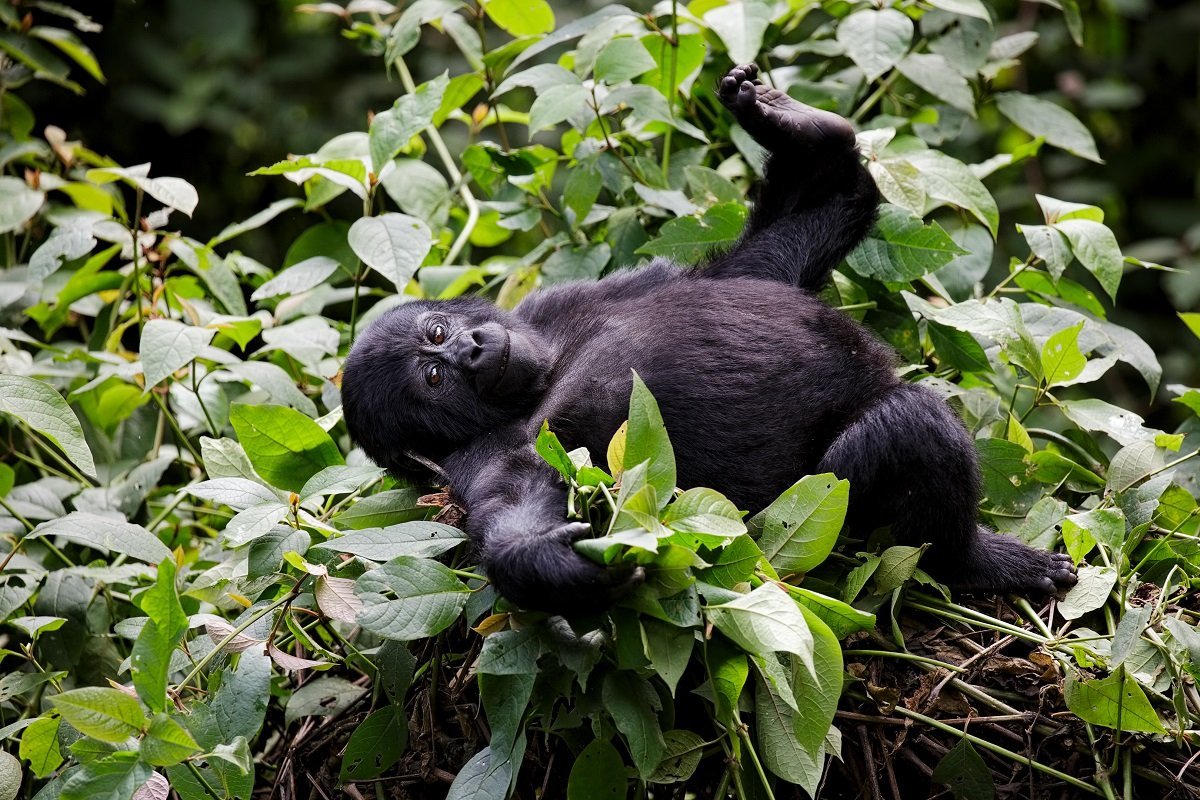
Some of the strongest images show context: a silverback beneath broad forest leaves, young gorillas in filtered light, or a group moving across a slope. Watching without a camera for a few moments can be equally rewarding. If foliage blocks a perfect frame, accept the view rather than pushing through vegetation. Remember that gorillas are wild and their movements are unpredictable. Responsible mountain gorilla tourism measures the quality of a visit by minimal disturbance, not proximity. Uganda gorilla trekking after COVID-19 brought fresh attention to exactly this restraint, while gorilla tracking health precautions remain relevant even when everyone in the group appears healthy.
Getting to Bwindi and Mgahinga
Cross-border Uganda and Rwanda gorilla trekking itineraries require careful comparisons of permits, border documentation and timing. Most international travelers enter through Entebbe, although some Uganda itineraries can connect through Kigali with appropriate cross-border arrangements. Overland journeys to southwestern Uganda are long and are best treated as an interesting travel day rather than a quick transfer. A fly-in safari to Bwindi may reduce time on the road, but scheduled flights have luggage limits and still require a vehicle from the airstrip to the relevant lodge and trekking sector. Confirm the actual airstrip, transfer duration, flight baggage allowance and weather contingency before choosing this option.
If you are arranging gorilla tracking from Entebbe, leave room for traffic, rest stops and the last section of mountain roads. Travelers entering from Rwanda need to verify current immigration permissions, vehicle handovers and border operating conditions rather than assume an old itinerary remains accurate. Do not schedule the gorilla trek immediately after an uncertain international arrival. Spending the previous night near the briefing point substantially lowers logistical risk. Uganda gorilla trekking after the pandemic should include a realistic route map, not just a list of national parks. Uganda gorilla trekking after COVID-19 still depends on the simple details of reliable transport, patient timing and an experienced local driver.
Combining gorillas with other wildlife
A Uganda itinerary becomes especially varied when primate tracking is combined with savannah and river ecosystems. Queen Elizabeth National Park can add game drives, birdlife and boat trips along the Kazinga Channel. Kibale Forest National Park is popular for chimpanzee tracking, creating a natural contrast between two great-ape experiences. These additions require separate activity arrangements and their own health protocols, and wildlife sightings are never guaranteed. An Uganda gorilla trekking and wildlife safari can be designed around the travel days you actually have rather than a hurried attempt to see every park.
A slower final night around Lake Mutanda may appeal to visitors who want scenery and rest after an intense forest hike. Mgahinga offers opportunities for golden monkey trekking where permits and schedules allow. Each addition changes the budget and transfer route, so it should earn its place in the itinerary. Keep at least one recovery period after a physically hard trek if practical. Responsible mountain gorilla tourism fits naturally into a broader conservation-minded journey that values forests, wetlands and local communities. Uganda gorilla trekking after COVID-19 can be the centerpiece of a wildlife holiday without consuming every available day.
Create a Balanced Uganda Safari
Combine gorillas with wildlife, scenery and well-paced travel days.
How much does a post-pandemic gorilla trip cost?
Total cost depends on the number of travelers, season, accommodation style, transport and permits. Budget gorilla trekking safaris commonly prioritize shared costs, practical lodges and overland travel. A luxury gorilla trekking safari may emphasize private vehicles, premium lodge locations and regional flights. Neither label alone guarantees better guiding or better gorilla sightings. Ask for a line-by-line quotation that distinguishes the official permit from transport, meals, lodge nights, porter fees, tips, taxes and insurance. If a supplier advertises a special price, confirm its validity for your exact travel dates.
The cost of responsible travel includes supporting trained guides, appropriate safety procedures and conservation funding. Cutting a night near the park can sometimes increase fatigue and missed-connection risk, while an unnecessary flight may inflate the budget without adding meaningful wildlife time. Compare what is included before paying. Planning gorilla trekking after COVID-19 should also consider refunds, rescheduling fees and illness-related exclusions. A short itinerary is not automatically cheap if it requires expensive long-distance travel for one day. gorilla tracking in Uganda since the pandemic has restored the opportunity to travel, but a sound financial decision still depends on transparent prices and confirmed services.
Safety, insurance and changing travel advice
Uganda gorilla trekking operates with trained guides and ranger supervision, but mountain terrain and wilderness conditions carry unavoidable risks. Follow park instructions, stay with your group, avoid sudden movements around gorillas and discuss mobility concerns before booking. Uganda Gorilla trekking safety also extends to road transfers: choose reputable drivers, avoid rushed schedules and plan for weather interruptions. Some destinations may have regional security considerations that are not reflected by a generic national headline, so read detailed advice for your exact route from reliable official sources.
Review travel insurance carefully. It should address medical treatment, evacuation where appropriate, cancellation, interruption and trekking activities rather than simply promising broad adventure coverage. Check what happens if illness prevents you from meeting a gorilla family and how an airline disruption affects your fixed-date permit. Keep digital and offline copies of emergency contacts, identification, booking confirmations and insurance details. Gorilla trekking health precautions reduce avoidable risks but do not replace a robust plan for unexpected illness. Travelers considering Uganda gorilla trekking after COVID-19 should value a flexible operator and clear support arrangements over unsupported promises that everything will run perfectly.
The role of communities and conservation
The forests are protected landscapes, but the livelihoods of surrounding communities are part of their future. Local guides, porters, drivers, food suppliers and accommodation teams benefit when tourism is managed carefully. Choosing an operator that pays staff fairly, follows park rules and supports genuine local enterprise can make your visit more meaningful. Responsible mountain gorilla tourism also means asking permission before photographing residents, using established community experiences and avoiding gifts handed directly to children in ways that can create problems.
For some travelers, a cultural walk or craft visit provides perspective on how people and protected forests share a boundary. Choose community activities with transparent local participation and an appropriate share of visitor fees. A porter is not merely someone carrying a backpack; hiring one can provide income and practical trail support at the same time. Do not invent personal stories about communities or assume every village has identical traditions. The lesson of Uganda gorilla trekking after COVID-19 is that wildlife conservation needs resilience beyond one tourism season. Your itinerary can contribute, but lasting benefit depends on fair partnerships and consistent conservation policies.
Sample four-day itinerary
A compact four-day journey begins with a travel day from Entebbe or another agreed gateway to the appropriate southwestern Uganda lodge. The second day is reserved for the gorilla trek and a quiet evening afterward. On the third day, travelers might choose a village-guided experience, a scenic walk, an additional available park activity or simply rest. The final day is for the return journey, with plenty of buffer before an international flight. This is only a framework; road duration and arrival options must be verified for the specific sector. A properly arranged Uganda gorilla trekking tour feels calm because its timing is realistic.
For a five- or six-day version, add a wildlife stop, more recovery time or a second forest activity rather than squeezing transfers into the trekking day. Visitors contemplating a short gorilla booking from Kigali need to check the actual border route and avoid assumptions about crossing times. gorilla trekking after COVID-19 is most effective when the trekking date anchors the itinerary and other activities adapt around it. Uganda gorilla trekking after COVID-19 is not a race between destinations; even a brief visit deserves time for the ranger briefing, the climb, the encounter and reflection afterward.
Children, older visitors and accessible planning
Gorilla trekking in Uganda has a published minimum participation age of fifteen, so families with younger children need alternatives on the trekking day. The gorilla tracking age limit should be checked against identification and current authority conditions before anyone purchases a permit. Families may plan age-appropriate nature experiences or arrange supervised activities separately, but facilities vary by lodge. Never assume that a child can join the gorilla encounter because they are fit or mature. The restriction exists within a managed wildlife experience and should be respected.
Older visitors and people with disabilities should discuss requirements with a qualified operator or the wildlife authority well before choosing dates. Different sectors, weather conditions and available support can affect what is feasible. An accessible lodge does not necessarily mean an accessible forest trail. Porter support may help, but it cannot guarantee a short or level route. Thoughtful Uganda gorilla trekking after the pandemic involves honest discussions about stamina and contingencies rather than making promises about easy tracking. gorilla tracking in Uganda since the pandemic welcomes a wide range of interested travelers, yet personal suitability is always more important than a marketing claim.
Check Your Permit Before You Travel
Confirm trekking dates, sector access and arrangements before paying a deposit.
Questions to ask before paying a deposit
Ask which park and entry point are confirmed, whether your permit has actually been issued, and what traveler identification the operator needs. Request the full quotation and cancellation conditions in writing. Confirm the lodge’s location relative to the briefing area, the vehicle type, the number of passengers and any necessary border or flight transfers. Ask who is responsible for assistance if a flight is delayed. Uganda Gorilla trekking difficulty is not fixed, so discuss mobility constraints without expecting an exact hike duration. Find out whether your quoted itinerary leaves enough time to recover from a long journey.
Next, ask how the operator communicates updated health requirements and what happens if you become ill close to the trekking date. These practical questions should be answered before money changes hands. Gorilla trekking health precautions protect gorillas; appropriate insurance and clear permit policies protect the traveler from avoidable financial uncertainty. gorilla trekking after COVID-19 is stronger when all participants know the rules before arriving at the forest. Uganda gorilla trekking after COVID-19 is most rewarding when visitors arrive informed, prepared and able to enjoy the experience without last-minute surprises.
Frequently asked questions
Is Uganda gorilla trekking after COVID-19 operating? Uganda offers gorilla tracking under established wildlife authority permits and guidance, but travelers must verify current rules and availability for their dates. Are face masks required? Requirements may change; carry one and follow the ranger’s current instructions. Can I trek if I have a cold? No: visitors with a potentially infectious illness should not approach gorillas. How long can I observe the animals? Standard tracking allows a limited encounter, commonly one hour after the gorillas are located. Does a permit guarantee an easy hike? No, because the animals move and terrain varies.
Is Bwindi better than Mgahinga? Both offer authentic mountain-gorilla habitat, so compare access, sector, date, scenery and the wider trip. How close may I stand? Follow the current Uganda Wildlife Authority rule and your guide’s instructions; the published tariff guidance specifies ten metres. Does travel insurance cover illness-related missed trekking? Coverage varies, so confirm the exact terms with your insurer. Can I add chimpanzees? Yes, subject to separate permits and itinerary timing. What is the most important recommendation for Uganda gorilla trekking after COVID-19? Prioritize the health of the gorillas, book the correct permit, and allow enough time for transport and the forest experience. Responsible mountain gorilla tourism begins with those choices.