Uganda Facts About Mountain Gorillas

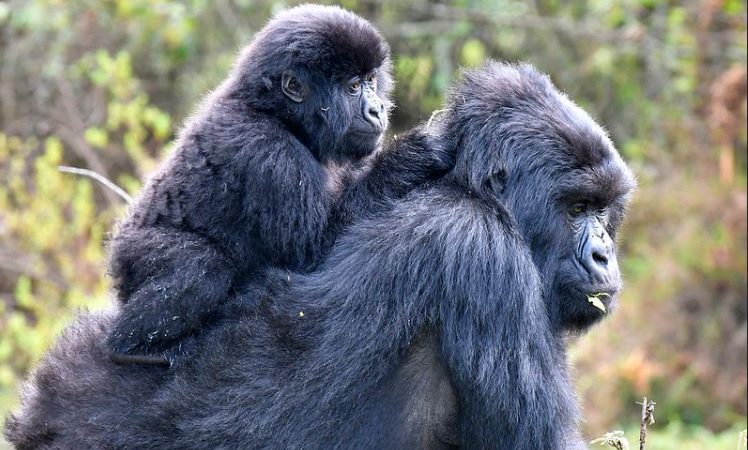
Uganda Facts About Mountain Gorillas reveal some of the most exciting truths about these gentle giants. Mountain gorillas are among the rarest animals on Earth. They live in thick forests and high mountains in Africa. Three countries share these amazing creatures — Uganda, Rwanda, and the Democratic Republic of Congo (DRC). Scientists, travelers, and nature lovers all agree on one thing. These apes are truly special. Learning about them helps us protect them. This guide covers the key facts you need to know before you plan a gorilla trekking safari.
Where Do Mountain Gorillas Live?
Mountain gorillas call four national parks home. In Uganda, you find them in two parks — Bwindi Impenetrable Forest National Park and Mgahinga Gorilla National Park. In Rwanda, they live in Volcanoes National Park. Additionally, Virunga National Park in the DRC shelters a large group of these primates.
Furthermore, Bwindi Impenetrable Forest holds the highest number of mountain gorillas in the world. It is home to about 480 gorillas. The rest of the global population spreads across the Virunga mountain region. In total, scientists estimate that about 1,063 mountain gorillas exist in the world today. That number is small, which is why their protection matters so much.
Their Conservation Status
The International Union for Conservation of Nature (IUCN) lists mountain gorillas as an Endangered Species. This means they are at serious risk of disappearing from the wild. However, conservation efforts have helped their numbers grow slowly over the years.
Political conflicts in the DRC and Rwanda caused many problems. Humans moved into gorilla habitats to seek safety. As a result, gorillas lost large parts of their forest homes. People also cleared forests for farming and charcoal burning. These activities pushed the gorillas further into danger.
Moreover, mountain gorillas face a unique health risk. They share about 95% of their DNA with humans. Because of this close link, they can catch human diseases very easily. Even a simple cold can make a gorilla very sick. In some cases, a cold can kill them. This is why park rules ask sick visitors to stay away from the gorillas. Keeping them healthy is a top priority for every national park.
Uganda Facts About Mountain Gorillas is the Silverback — Leader of the Family
Mountain gorillas live in family groups. Each family has one strong leader. That leader is the silverback gorilla. When male gorillas grow up, they develop a silver stripe of hair on their backs. This stripe gives them their name.
The silverback plays a very important role. He protects the family from outside threats. He also keeps order within the group and makes key decisions. Every member of the group follows his lead. If danger comes, the silverback stands at the front to face it. He is the shield and guide of his family.
What Do Mountain Gorillas Eat?
Mountain gorillas are vegetarians. They do not eat meat. Instead, they feed on a variety of plant foods every day. Their daily meals include leaves, shoots, wild fruits, and flowers. The thick forest provides all the food they need.
Young gorillas, however, follow a different path. Baby gorillas drink their mother’s breast milk until they turn three years old. After that, they switch to solid plant foods, just like the rest of the family. This natural growth process keeps the young ones strong and healthy.
Uganda Facts About Mountain Gorillas is about their Social Life and Family Bonds
Mountain gorillas are social animals. They travel and live in groups. A typical group has between 5 and 30 members. Each group forms strong bonds that last a long time.
Interestingly, females form strong ties with male gorillas. However, female gorillas do not bond as closely with each other. The silverback plays a key role in family relationships. He does not mate for pleasure. His goal is reproduction, and he takes that role seriously. When a female is nursing her baby, no male makes any sexual advances toward her. The group respects this natural rule without fail.
In addition, gorillas build new nests every evening. At sunset, each gorilla bends branches or gathers grass to make a fresh sleeping spot. Young gorillas sleep with their mothers until they reach three years of age. After that, they build their own nests, often copying the style of their mother’s nest.
How Safe Is Gorilla Trekking?
Many travelers ask this question before booking a safari. The answer is very clear — gorilla trekking is safe. Park authorities habituate the gorilla groups that visitors meet. Habituation takes two to three years. During this time, rangers expose the gorillas to human presence slowly. The gorillas learn that humans pose no threat.
As a result, habituated gorillas remain calm when visitors approach them. Since gorilla trekking began in these parks, there has been no recorded attack on a visitor. That track record speaks for itself. Gorillas are gentle and peaceful by nature. They only act aggressively when they feel threatened.
Furthermore, even when a gorilla feels upset, it communicates first. It may grunt, beat its chest, or move closer. These are warning signals, not attacks. Visitors who follow park rules and listen to their guides stay completely safe throughout the trek.
The Cost of Gorilla Trekking
The cost of a gorilla trekking permit varies by country. In Rwanda, a permit costs $1,500 per person. In Uganda, the cost is $600 per person. The DRC offers the lowest price at $400 per person.
Additionally, Uganda offers a special experience called gorilla habituation. This experience takes place in Bwindi Impenetrable Forest. It costs $1,500 per person. Unlike a regular trek, habituation gives visitors four full hours with the gorillas. A standard trek allows only one hour. This extended time makes the habituation experience very popular with wildlife enthusiasts.
The money collected from permits goes directly into gorilla conservation. Parks use these funds to protect gorilla habitats and support anti-poaching efforts. Moreover, local communities around the parks also benefit from this income. Better livelihoods for local people means less pressure on the forest. Therefore, buying a permit does more than fund a holiday — it actively saves gorilla lives.
Uganda Facts About Mountain Gorillas is their Behavior and Personality
Mountain gorillas are among the gentlest creatures on the planet. They live in calm, well-organized groups. They rarely show aggression without a reason. In fact, they spend much of their day eating, resting, and playing.
Young gorillas love to play. They climb trees, chase each other, and roll around in the grass. Adult gorillas watch over them calmly. This peaceful family life mirrors human family behavior in many ways. That similarity is not surprising, given their close genetic link to humans.
Additionally, gorillas are highly intelligent. They solve problems, use tools in the wild, and learn from experience. Their intelligence is one of the reasons habituation works so well. They understand patterns and adapt to new situations quickly.
Why You Should Visit Mountain Gorillas
Gorilla trekking is unlike any wildlife experience in the world. The chance of seeing gorillas during a trek stands at 95%. That rate is higher than almost any other animal encounter on Earth. Visitors walk through lush forests, breathe in fresh mountain air, and come face to face with these magnificent apes. The moment stays with travelers for a lifetime.
Beyond the thrill, every visit contributes to conservation. Every permit purchased helps protect these endangered animals. Every traveler who spreads the word about gorillas raises global awareness. Collectively, these efforts keep the species alive for future generations.
Planning Your Gorilla Safari
Planning a gorilla safari requires some preparation. You need to book permits in advance, especially for Uganda and Rwanda, where demand is high. You also need to arrange transport, accommodation, and any other activities you want to include in your trip.
Several reputable tour operators specialize in gorilla trekking. They handle all the logistics, from permits to accommodation to transport. Working with an experienced operator saves time and reduces stress. It also ensures that you follow all park regulations properly.
In conclusion, mountain gorillas are treasures of the natural world. They live only in Uganda, Rwanda, and the DRC. They are endangered but surviving, thanks to conservation work and visitor support. Trekking to see them is an experience like no other. It is safe, rewarding, and meaningful. Most importantly, every visit helps ensure that these gentle giants continue to thrive in the wild for many years to come.