
New Baby Gorilla in Mubare Family: 7 Amazing Insights
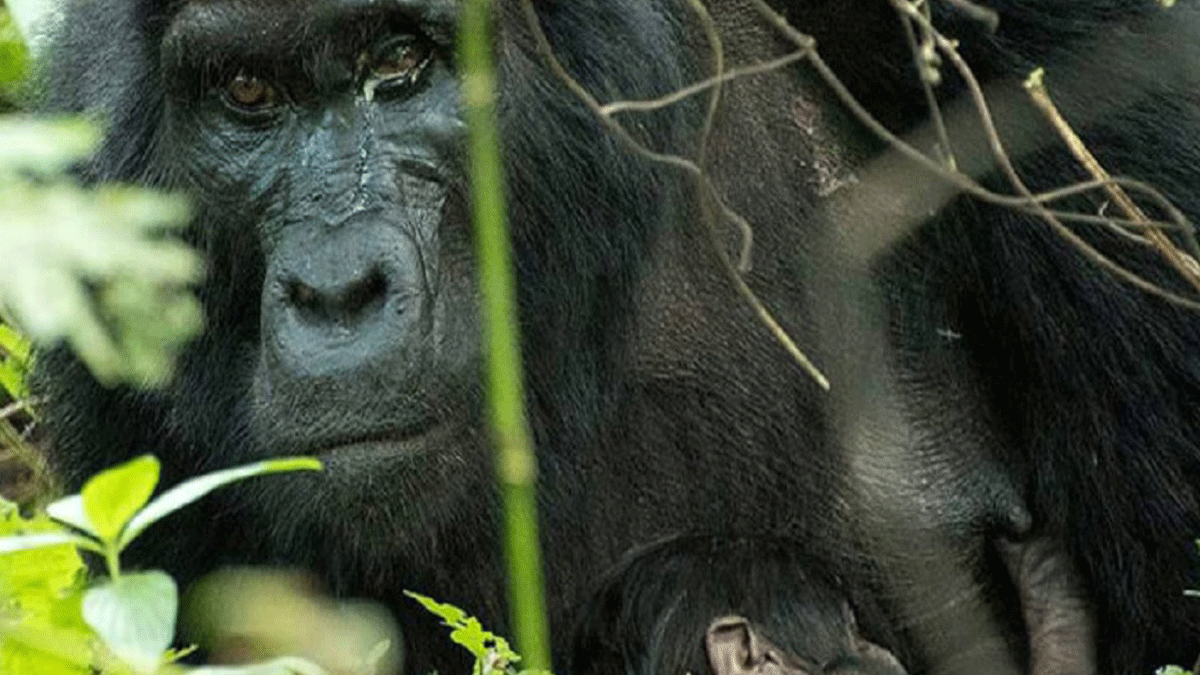
Bwindi conservation stories · Buhoma, Uganda
New Baby Gorilla in Mubare Family: The Story Behind a Remarkable Birth
The New Baby Gorilla in Mubare Family story celebrates a documented mountain gorilla birth in Buhoma, Bwindi. Learn when it happened, why it matters, and how to plan a responsible forest trek today.
Historical accuracy: The reported birth involving Businza took place on 16 October 2019. This is a conservation feature, not a claim of a new 2026 birth.
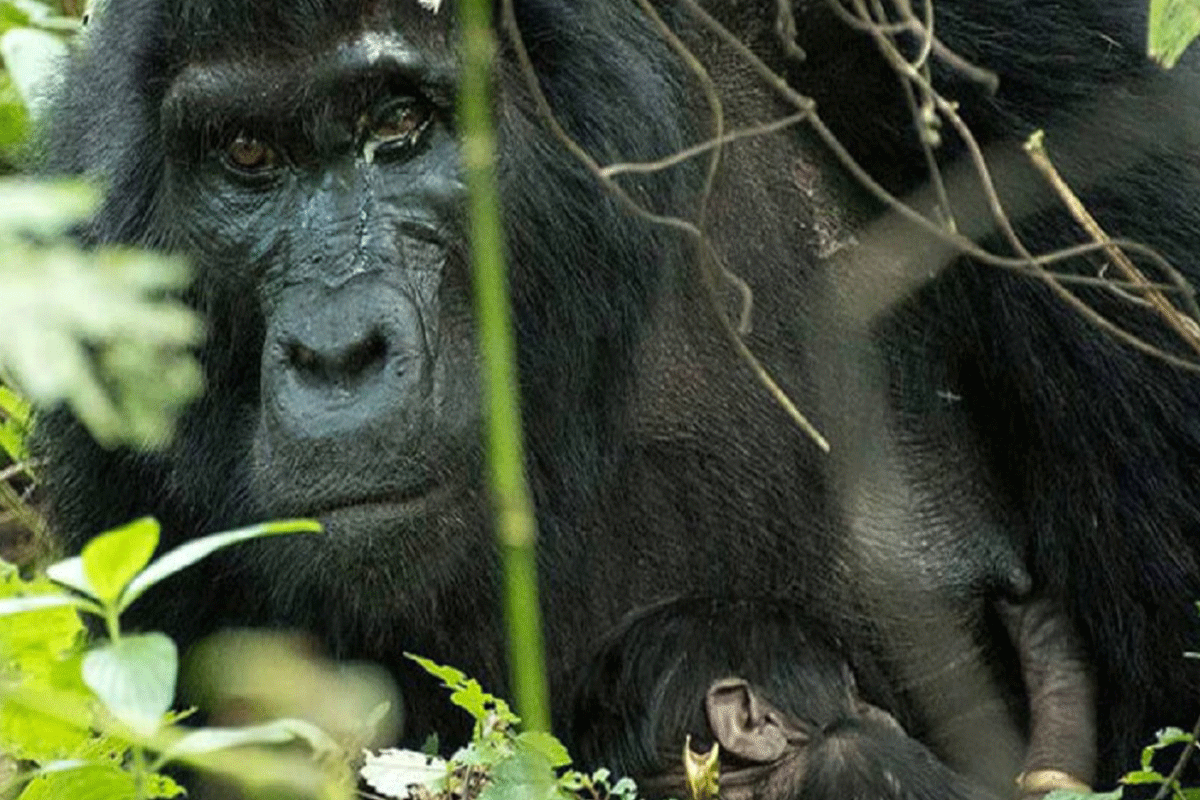
New Baby Gorilla in Mubare Family: 7 essential insights
The seven central insights are straightforward: the original report has a specific date; the mother was identified; Mubare has a pioneering history; family numbers change; the trek is regulated; a baby sighting cannot be promised; and responsible tourism helps sustain long-term protection. The sections below build on those facts with useful travel decisions, rather than recycling the headline as current news.
Why the New Baby Gorilla in Mubare Family still matters
The value of this story lies in what it reveals about mountain gorilla family life and protection. It connects a real, dated birth report to the everyday work of rangers and communities, and it helps visitors see beyond the excitement of a single wildlife photograph.
The documented Mubare baby: what happened and when
The story behind the New Baby Gorilla in Mubare Family is joyful, but its date matters. On 16 October 2019, trackers recorded a newborn with Businza, an adult female in the Mubare group. Uganda Wildlife Authority warden Peter Mbwebwe publicly confirmed the arrival and reported that mother and infant were doing well. Contemporary reports appeared on 17 and 18 October. This is a documented historical birth, not an announcement of a fresh birth in November 2026. A later article on our own website revisited the news in 2023, which can make the event seem more recent than it was. By reading the earlier Mubare birth story with its original timeline in mind, travelers can celebrate the milestone without confusing the date.
A wildlife birth is not a fixed tourist attraction. A gorilla infant grows rapidly, travels with its family, and eventually becomes a juvenile. The infant reported in 2019 should therefore not be described as a newborn today. Family composition also changes as gorillas mature, leave, join, or die. Before planning around a particular group, consult your safari planner about current Buhoma sector logistics and ask the rangers for up-to-date field information. Visitors book access to a trekking sector; the wildlife encounter remains a genuine forest experience rather than a staged presentation.
That distinction makes the story more meaningful rather than less exciting. It gives the birth a place within a living, changing population whose individual gorillas are monitored over time. Travelers interested in the Bwindi Impenetrable Forest can appreciate the announcement as part of the park’s long conservation history. They should not expect to identify the same infant on a future trek or assume that any particular family will be assigned to them. Good gorilla tourism starts with curiosity, accurate expectations, and respect for wild animals.
Why a baby gorilla matters to the forest
A baby mountain gorilla represents more than a charming photograph. Mountain gorillas have relatively slow reproductive cycles, and infants depend on their mothers for sustained care. Every successful birth adds a possibility for the future of a population that has faced pressure from habitat loss, disease risks, and human activity. Bwindi gorilla conservation depends on lasting protection. The survival of young animals depends on food availability, social stability, and continued protection of forest habitat. A birth therefore gives conservation teams a reason to celebrate while also reinforcing the work still required. The deeper theme of ethical gorilla trekking is that a wildlife encounter should contribute to protection, never undermine it.
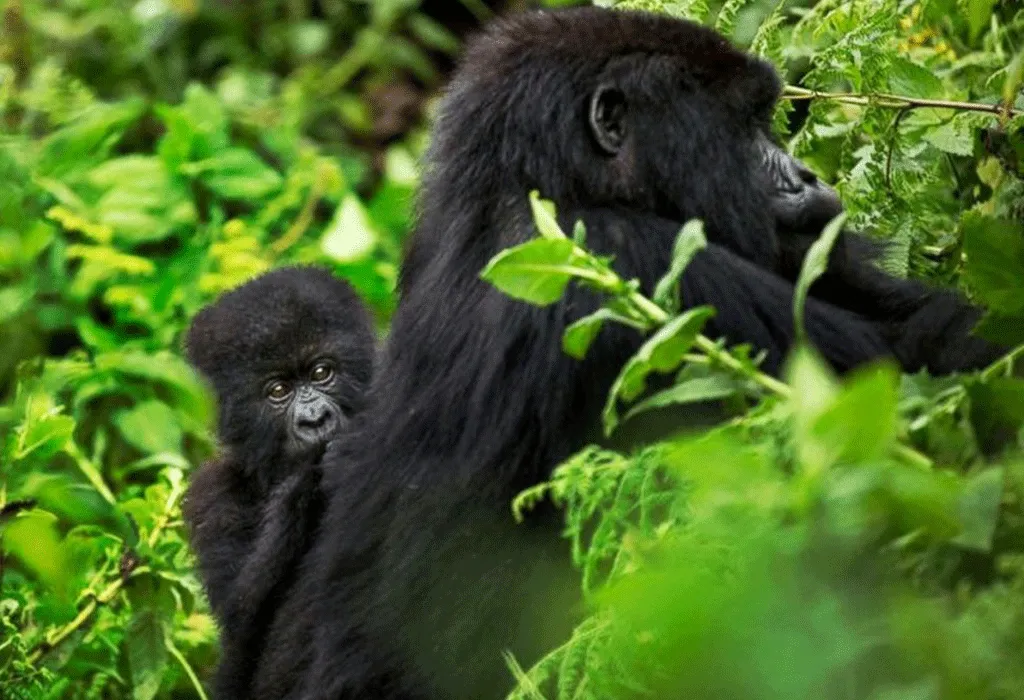
Mothers protect tiny infants by holding them close and moving cautiously through dense vegetation. In the first months an infant is especially dependent; as it develops, playful exploration gradually becomes more visible. Older juveniles can interact with younger family members while adult gorillas feed, rest, and maintain social relationships. The group itself is a complex social unit, not a collection of animals posing for photographs. Watching carefully from the permitted distance can reveal gestures, feeding patterns, and maternal attention without needing to approach the baby. The best way to value a mountain gorilla tracking experience is to allow those natural behaviors to continue undisturbed.
Not every infant survives, and a single new birth does not prove that all threats have disappeared. Conservation success should be understood through long-term monitoring, habitat management, veterinary intervention when appropriate, and support from nearby communities. Visitors can contribute by choosing responsible operators, following ranger rules, and avoiding sensational claims. Celebrating an infant’s arrival is appropriate; claiming that the birth alone guarantees population growth is not. That balanced view is at the heart of a memorable gorilla safari and meaningful wildlife travel.

Meet the Mubare gorilla family of Buhoma
The Mubare gorilla family has a special place in Uganda’s safari history. It was Bwindi’s first habituated group opened for tourist visits in 1993, making it central to the earliest organized gorilla trekking experiences in the park. The name comes from Mubare Hills, associated with the group’s original range. Its home area is the northern Buhoma side of Bwindi, where forest slopes and deep vegetation shape the daily movement of gorillas and trekkers alike. When visitors research Bwindi trekking sectors, Mubare frequently appears because of this pioneering role rather than because its exact membership has remained unchanged.
The group’s leadership has changed repeatedly. Ruhondeza was a well-known historic silverback; Kanyonyi later led the family, and Maraya took over after a conflict in 2017. The International Gorilla Conservation Programme recorded Maraya as leader in its January 2024 profile, with seven individuals at that time. That is a dated snapshot, not a verified 2026 count. Different online articles list conflicting membership numbers because their information was recorded in different years. For a current visit, ask your guide to interpret the latest information provided by park rangers instead of relying on a static internet number. The broader Bwindi gorilla tracking system protects the group’s welfare while allowing a limited visitor experience.
Mubare is not the only habituated group associated with Buhoma, and allocation depends on daily park arrangements. Travelers often want to request a named group because they have read its story; the actual assignment may be different, even when their permit is valid for the correct sector. A flexible mindset is essential. What matters most is the chance to enter a protected forest, meet a habituated group under ranger supervision, and understand the social life of mountain gorillas. That is the most reliable promise of gorilla trekking in Buhoma today.
A timeline of Mubare birth reports and conservation milestones
The timeline helps separate different occasions that have sometimes been blended together online. The group became available for tourism in 1993. Leadership changed over subsequent decades, reflecting the complex dynamics of wild gorillas. On 16 October 2019, Businza’s infant was reported, followed by a public announcement and press coverage. Other sources also describe an additional infant associated with female Karungi during November 2019. In July 2020, another Mubare birth involving adult female Nyampazi was reported. These are distinct events, not three descriptions of one unnamed baby.
Later announcements from Bwindi have concerned gorilla families in other sectors as well. For example, 2025 reports celebrated births in Nkuringo and Busingye, while a 2026 announcement concerned a group in Rushaga. Those developments are encouraging but cannot be used to claim a new 2026 baby in Mubare. The date on a blog post, the date of the underlying sighting, and the date of the most recent family census are different pieces of information. Readers planning a trip should look for all three. Our additional Mubare birth article offers background, while this guide keeps the chronology explicit.
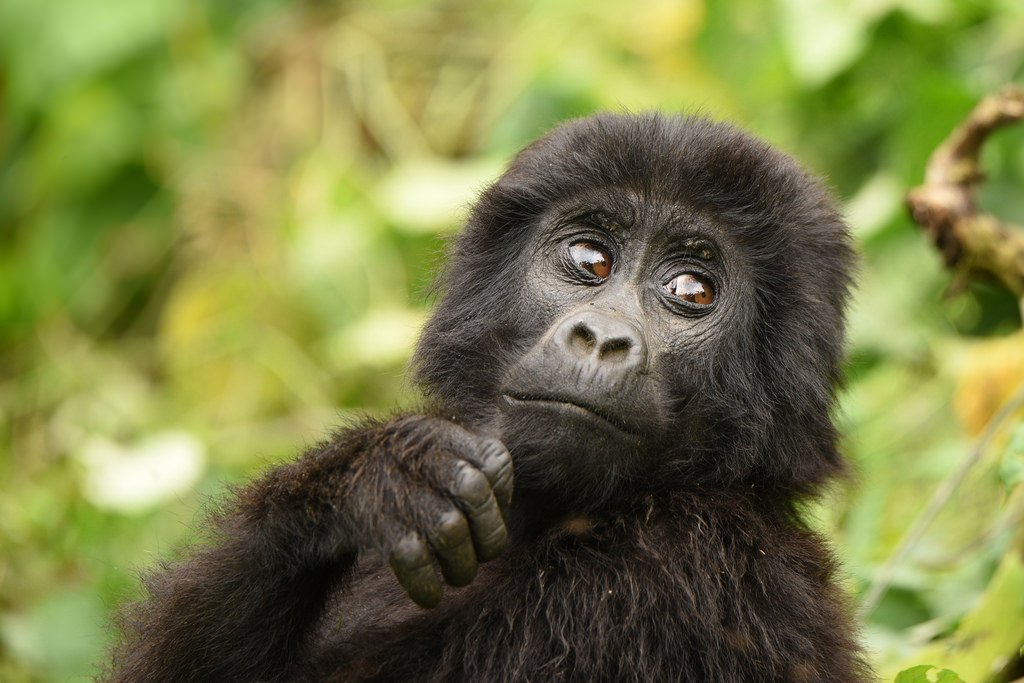
For photographers, writers, and travelers, good documentation means recording who reported the observation, which family was involved, and the date. Reposting an older baby image as fresh news can create false expectations. Identifying an infant from a stock-style wildlife photo is also unreliable. When a photo is used as general gorilla imagery, its caption should say so rather than imply that it shows Businza and the specific newborn. Responsible communication is another small but important part of gorilla tracking information and conservation awareness.
What visitors can experience during Buhoma gorilla trekking
A typical trekking morning begins at the designated meeting point with registration and a ranger briefing. Staff explain the forest conditions, behavior rules, group allocation, and likely route. Trackers may already be monitoring gorilla locations, but mountain gorillas move freely and travel time cannot be guaranteed. Once your group sets off, you follow guides across forest trails, muddy slopes, and occasionally thick vegetation. The experience is adventurous even when walking distances are relatively modest. Detailed gorilla trekking duration advice is useful, but any published estimate describes a range rather than a promise for one specific day.
When the gorillas are located, rangers direct visitors to a suitable viewing area. Standard trekking generally provides up to one hour with the habituated group. The important moments may be surprisingly quiet: a silverback resting, a mother feeding, a juvenile climbing, or another individual observing the visitors briefly before returning to its activities. Seeing an infant can be especially moving, but infants may be hidden against their mothers or out of view. Rangers manage the encounter around animal welfare, not around a photographer’s wish list. That is why gorilla trekking safety involves listening closely to instructions and respecting every requested movement.
At the end of the encounter the group walks back through the forest and returns to the meeting point or transfer vehicle. Time should remain flexible for lunch, showers, or onward travel. Plan accommodation close to the correct sector, especially when road conditions are wet. Families may want to spend another night in Buhoma instead of scheduling an immediate long transfer. The forest reward is not only a photograph: it is an understanding of why every healthy animal and every protected hectare matters.
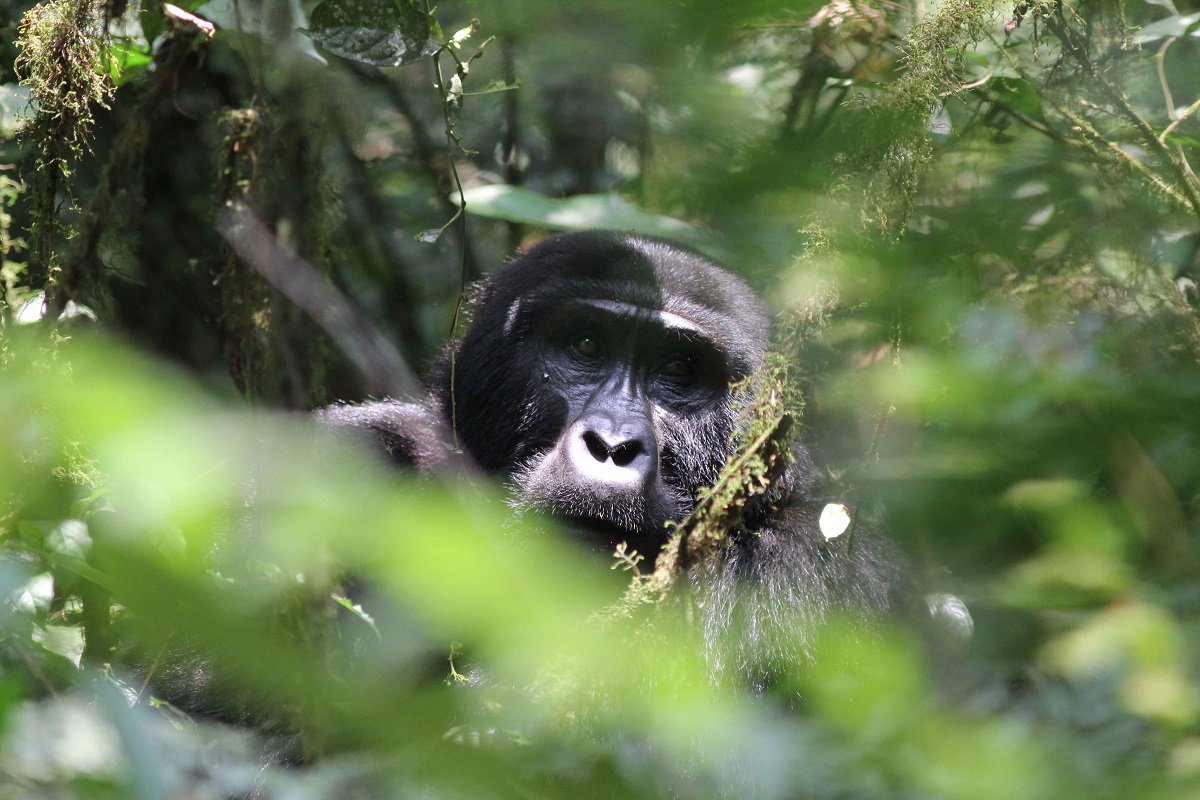
Can you request the Mubare group or guarantee seeing a baby?
It is reasonable to tell your operator that Mubare’s story interests you. However, an operator cannot promise that rangers will allocate Mubare, and no ethical operator can guarantee a baby sighting. Trekking permits provide access to an organized gorilla tracking activity in a designated area, subject to park arrangements and conservation rules. Gorilla family locations, trail conditions, and visitor needs influence the daily schedule. Travelers should treat named-family requests as preferences, not contracted wildlife outcomes. Learning about gorilla tracking permit allocation before confirming accommodation will prevent misunderstandings later.
The same applies to trekking difficulty. Some groups are relatively accessible on a given morning while others move deep into the forest. Terrain and weather matter as much as distance. If you have mobility limitations, communicate early and ask about porter assistance and whether a sedan chair arrangement can be considered. Neither option turns the entire route into a fully accessible path, and suitability must be assessed in advance. Our practical notes on gorilla tracking for elderly visitors explain why individual preparation is important rather than assuming that a specific group will always be easiest.
A thoughtful traveler therefore plans for a good encounter, not one particular family portrait. If the assigned gorillas include an infant, enjoy the moment from the permitted distance. If not, watching adult and juvenile behavior can be equally fascinating. Ask guides about habitat, plant foods, conservation monitoring, and the changing social relationships they observe. This approach offers a richer safari and gives the wildlife space to behave naturally.
Gorilla trekking permit rules and booking steps
Gorilla trekking in Bwindi requires a permit for the date and sector of travel. Uganda Wildlife Authority manages the permits and sets the visitor rules. For foreign non-residents, published UWA booking guidelines require purchases through Uganda Tourism Board–licensed tour operators. A travel company should therefore verify permit availability before taking a trip as confirmed, provide the correct visitor details, and explain deposit and cancellation conditions. Travelers should carefully review Uganda gorilla trekking permits rather than relying on a verbal promise that a space is already reserved.
Published standard foreign non-resident rates have been US$800 per person under the earlier tariff, and promotional rates may apply for particular visitor categories or dates. Rates, eligibility rules, and change conditions may be revised; a quote should identify the applicable tariff for the actual trekking date. Your budget must also cover transport, accommodation, meals, tips, and any optional activities. A permit is not the same as an all-inclusive safari. If your dates are flexible, compare the total cost of several travel windows instead of judging the trip from the permit price alone.
The minimum tracking age is 15 years. A normal visit is limited to eight guests per gorilla group and one hour with the animals, in addition to the walk in and out. Ill travelers should not attempt the trek because respiratory illnesses pose a risk to great apes. Rules also address distance, eating, photography, and guide instructions. Read the gorilla tracking age limit before booking for a multigenerational family. A trustworthy operator will discuss these restrictions before accepting a final payment, not after you reach the park.
Best time of year to plan a Mubare-focused safari
Bwindi remains a rainforest destination throughout the year. Visitors often prefer the relatively drier periods, commonly around June to September and December to February, because forest trails may be easier to negotiate. Yet the forest can receive rain in any month. Wet-season landscapes are beautifully green, and photography may benefit from soft light, but slippery slopes and slow roads can complicate timing. The best choice depends on your fitness, budget, travel flexibility, and tolerance for rain. Our best time to trek mountain gorillas guidance explains the practical differences rather than promising a rain-free season.
Rain affects more than the hike. It can extend vehicle journeys, make photography challenging, and increase the need for dry bags and layers. Booking a lodge near Buhoma helps reduce early morning stress. Consider an extra night in the region if you are traveling with older family members or combining Bwindi with more distant parks. Proper Bwindi forest weather preparation allows visitors to enjoy a beautiful forest day even when clouds move in unexpectedly.
Birdwatchers may appreciate the forest activity beyond the main gorilla encounter, while photographers often value the muted greens of a misty morning. Travelers should not select a month in hopes of finding a particular newborn: gorilla births do not operate on a tourism calendar, and the historical Mubare infant has long since grown beyond the newborn stage. Choose the season for overall safari conditions, then let the wildlife experience unfold naturally.
How to prepare for the physical demands of the trek
A gorilla tracking day can involve steep gradients, exposed roots, wet leaves, and uneven ground. The route may be short or demanding depending on where the assigned group has moved. Begin walking regularly before the trip, including slopes or stairs if they are suitable for your health. The aim is not to become an athlete overnight; it is to improve confidence and endurance while carrying a small daypack. Our gorilla trekking fitness guide offers a more useful starting point than simply assuming everyone needs the same training plan.
Use sturdy walking footwear with grip, comfortable long trousers, breathable layers, and a rain shell. Gaiters or long socks can help protect against mud and insects; gardening gloves may help when gripping vegetation, subject to your guide’s advice. Keep camera equipment light, and carry drinking water and a simple packed lunch where your operator recommends. Look at our gorilla trekking boots article before purchasing new shoes; broken-in footwear is usually more useful than impressive-looking but untested gear.
If you are worried about hills, talk openly with the operator before permits are booked. A porter may carry your bag and provide help on difficult sections. Some travelers arrange specialized support with advance notice, though availability, pricing, safety, and trail suitability vary. Think through the difficulty of gorilla trekking with your own circumstances in mind. The aim is for guests to arrive prepared and leave the forest with a positive memory, not to overextend themselves to reach a particular family.
Photographing gorilla mothers and young responsibly
Images of gorilla infants are powerful because they capture tenderness and vulnerability. They also require restraint. Visitors should never step closer to a mother, block an animal’s movement, or attempt to provoke a baby into looking at the camera. Park rules prohibit flash photography. A quiet photographer with a camera already prepared can capture meaningful images without repeated movement or loud instructions. The most important frame may be the ordinary moment when a mother continues feeding while her infant rests against her chest.
Use a suitable focal length rather than trying to close the gap yourself. In dense forest, manage camera settings before the gorillas are located so that the viewing hour is not wasted navigating menus. Keep straps and loose items secured, avoid sudden gestures, and remain responsive to rangers. Remember that seeing the animals with your own eyes is more important than collecting a perfect image. A what to wear on a gorilla trek checklist can keep the day simple and reduce distractions.
When sharing photographs afterward, caption them honestly. If the image was taken in another sector, another year, or on a different safari, do not present it as a new Mubare birth. If the photo’s animal identity is unknown, describe it as a mountain gorilla image rather than naming a particular mother or infant. Respectful storytelling helps travelers understand that conservation news is based on monitored events, not viral photo captions.
Where to stay around Buhoma
Buhoma has accommodation in several price categories, from simpler guesthouses to comfortable safari lodges positioned for forest views and early trekking starts. The right choice is the one that matches your confirmed trekking sector, budget, accessibility needs, and desired level of comfort. A beautiful lodge near a different Bwindi entrance may require a long, impractical transfer before the morning briefing. Always ask for real travel times to the sector meeting point. Travelers considering luxury gorilla trekking accommodation should compare location and service inclusions rather than judging a property solely by photographs.
Some properties provide packed lunches, walking-stick assistance, boot cleaning, and helpful morning departures. Others may offer gardens, community walks, or birding opportunities for guests spending more than one night. Ask in advance whether a specific room has many stairs, whether meals can accommodate dietary requirements, and if electricity or charging facilities are reliable. These details matter for anyone carrying cameras or traveling with older relatives. A thoughtfully chosen base is often worth more than squeezing the route into the lowest possible nightly rate.
For a less expensive trip, compare a well-reviewed modest lodge with a shared or small-group transport arrangement. Do not cut costs by booking the wrong sector or sacrificing permit confirmation. A budget gorilla trekking package should still include reliable transport, a legal permit, clear meals and lodging, and knowledgeable local support. Transparent inclusions protect the experience and prevent unpleasant surprises.
Reaching Buhoma from Kampala, Entebbe, or Kigali
Travelers commonly approach Buhoma by road from Kampala or Entebbe, a substantial journey that should usually be treated as a full travel day. Exact duration depends on departure point, road conditions, stops, and weather. Some itineraries approach from Kigali in Rwanda, with a border crossing and onward driving in Uganda; these arrangements require the appropriate immigration documents and enough time for formalities. None of these routes should be treated like a short city transfer. Our three-day Uganda gorilla trekking safari outline illustrates why most short trips devote an entire day to the journey toward Bwindi.
A domestic flight to a regional airstrip can reduce road travel, but it does not eliminate the final ground transfer. Flight schedules, baggage limits, and onward vehicle arrangements must be checked for the dates involved. Travelers comparing the cost of flying against time on the road may find a fly-in safari to Bwindi worthwhile, especially for a shorter holiday or a special occasion. Do not book flights that assume a gorilla trek will finish at a precise hour; forest schedules can change.
Plan to arrive in the region at least the night before your trek. This provides a buffer for delayed flights or road journeys and avoids beginning a physically demanding activity after a late-night transfer. A second night after trekking makes it easier to relax, enjoy the forest, and avoid rushed travel. Whatever your route, confirm that the lodging and transport serve Buhoma, not simply “Bwindi” in a generic sense.
A realistic three-day itinerary inspired by Mubare
Day one is for the journey to Buhoma. Leave Entebbe or Kampala with an experienced driver, build in meal and comfort stops, and aim to arrive with daylight to settle into your accommodation. Spend the afternoon checking your trekking documents, preparing layers and boots, and learning about the forest. If time and energy allow, ask the lodge about a light guided community activity. You can also read about gorilla trekking in Bwindi to understand what is included in your permit and what is arranged separately.
Day two is the gorilla tracking day. Eat breakfast, collect your packed food and water, and attend the ranger briefing on time. Your allocated group may be Mubare or another habituated family in the sector. Follow ranger instructions and respect the one-hour viewing limit. After returning, rest and reflect on the behavior you saw rather than checking a list of named animals. If the group includes young gorillas, the encounter can offer interesting observations about how mothers and juveniles interact. A forest encounter is valuable even when no infant appears in your photographs.
Day three is for the onward journey, with optional time for breakfast, a short guided nature experience where feasible, or an extension to another Ugandan destination. Do not add too many distant activities to the same day. Travelers who have additional time might investigate Mgahinga Gorilla National Park for a different landscape or combine Bwindi with a broader wildlife itinerary. Every extension should fit permits, drive times, and border rules rather than an ambitious list of attractions.
How gorilla tourism supports long-term conservation
Well-managed gorilla tourism gives protected forests an economic value that can support conservation teams, community initiatives, and visitor services. Permit systems deliberately limit daily numbers so that viewing remains controlled. Local guides, porters, drivers, and lodges also connect tourism income with communities around the park. That does not mean tourism removes every conservation threat, but it can create practical incentives for habitat protection when managed responsibly. The story of the Mubare group, with births as well as losses over many years, shows why long-term care matters more than a single headline.
Visitors can make thoughtful choices by asking operators about community involvement, waste management, and fair treatment of staff. Hiring a porter when appropriate can provide local employment while making the walking day easier. Following trail directions and keeping a safe distance protects both people and gorillas. When a ranger asks guests to move or stop photographing, cooperation matters immediately. Many travelers first become interested through a baby gorilla story and leave with a deeper understanding of the whole ecosystem.
This form of travel also rewards patience. Forest conservation is measured across many breeding seasons, changing group structures, and ongoing human pressures. A single birth is worth marking, but it is not a shortcut to judging the full state of a population. Our gorilla habituation experience guide explains a different kind of regulated visit elsewhere in Bwindi; it should not be confused with ordinary one-hour tracking of the already habituated Mubare group.

Questions to ask before paying for a Buhoma safari
Before sending a deposit, confirm the exact trekking date, the permit sector, and how the operator verifies availability. Ask whether the quoted package includes permit, park-related charges, road or flight transfers, lodging, meals, porter assistance, and a driver-guide. The reply should name any excluded expenses such as personal drinks, visas, tips, and optional community visits. If the trip depends on a particular gorilla group, ask the operator to explain why that sighting cannot be guaranteed. A clear booking conversation is a good sign of professional planning.
Ask about cancellation rules, rebooking conditions, illness protocols, and what happens if your transport is delayed. Confirm that the arrival day leaves a suitable margin before trekking. An operator should also disclose whether a lodge is near Buhoma or a different gate. If you want a gentler pace, two nights in the same lodge often works better than constantly changing rooms. For extra planning reassurance, review our gorilla trekking frequently asked questions and prepare a short list of details specific to your party.
A meaningful safari does not need to claim exclusive access, guaranteed newborn encounters, or fabricated discounts. Transparent logistics and respectful wildlife practices are the strongest value. Travelers who choose a trip after learning the historical Mubare story can celebrate the conservation milestone while staying realistic about what a wild forest visit will reveal.
Frequently asked questions about the Mubare baby and trekking
Was the baby born in 2026? No. The widely reported Mubare birth involving Businza occurred on 16 October 2019. Separate later gorilla birth stories concern other dates or families. The age of a blog article is not necessarily the age of the wildlife news it describes.
Where does the Mubare family live? The family is associated with the Buhoma area in the northern sector of Bwindi Impenetrable National Park in southwestern Uganda. Rangers monitor gorilla movement, and the precise location changes as the animals range through the forest.
Can visitors meet Businza’s infant? There is no guarantee of seeing any individual gorilla, and the 2019 infant is no longer a newborn. A trekking permit offers a managed visit to a habituated group selected through park arrangements, not a private appointment with a named animal.
How long do guests stay with gorillas? Standard gorilla tracking allows up to one hour with a group once located. The forest hike before and after that encounter can vary considerably. Plan the activity as the main commitment of your trekking day.
Are babies safe around visitors? The priority is to minimize disturbance and disease transmission. Keep the distance instructed by the rangers, do not use flash, never offer food, and do not attempt to touch an animal. If a gorilla moves toward you, remain calm and follow directions.
Do permits include accommodation? No. Tour operators can package the permit with transport, meals, and lodging, but the permit itself is for the park activity under the stated regulations. Ask for a written itinerary and itemized inclusions.
What if I am not very fit? Discuss your circumstances before booking. A ranger-led trek may involve demanding terrain, and support options such as a porter or arranged gorilla trekking sedan chair require advance suitability checks. No operator should guarantee a flat or effortless route.
Can I see wildlife beyond gorillas? Yes. Bwindi is a biologically rich forest with birds, plants, and other animals. Sightings depend on weather, time, local access rules, and the activities you have arranged. Ask the lodge about guided nature walks or community programs rather than wandering into protected areas independently.
Plan a thoughtful safari inspired by a remarkable birth
The New Baby Gorilla in Mubare Family story offers a compelling starting point for discovering Buhoma. It reminds us that every mountain gorilla belongs to a social group with a history of leadership, births, and changing relationships. For travelers, the best response to that story is not to rush toward a baby photograph. It is to book the right sector, travel with reliable guides, and enjoy whatever the forest reveals within conservation limits. Respect for gorilla wellbeing is the foundation of a rewarding visit.
A carefully organized trip should leave time to notice the mist over the canopy, the sounds of birds along the trail, and the concentration of trackers who know the forest. These experiences deepen the meaning of the encounter. Book well ahead for preferred dates, but keep plans flexible where wildlife is concerned. Whether your guide introduces the Mubare group or another family, the visit can become a memorable contribution to your understanding of conservation.
Share the documented 2019 story accurately, celebrate the forest’s ongoing protection, and let the next trip be guided by knowledge rather than marketing promises. If you want help selecting a Buhoma lodge and aligning transport with permit dates, a tailored itinerary can make the logistics simpler without compromising the wildlife experience.





