
Is Gorilla Tracking a Difficult Activity?
Is Gorilla Tracking a Difficult Activity?
Is Gorilla Tracking a Difficult Activity? Mountain gorilla tracking is one of the most thrilling wildlife adventures in Africa. However, many travelers often wonder how difficult it really is to find and observe these gentle giants in their natural habitat. The truth is that gorilla tracking can be quite challenging due to a combination of factors such as high altitudes, dense vegetation, rugged terrain, and unpredictable weather.
Despite these challenges, thousands of people complete this once-in-a-lifetime experience every year. The key lies in preparing both mentally and physically for the trek. With proper planning, the right gear, and a positive attitude, you can overcome the difficulties and fully enjoy your encounter with the mountain gorillas.
Why Gorilla Tracking Can Be a Difficult Activity
1. Weather Conditions
The weather plays a major role in determining the difficulty of gorilla tracking. Mountain gorillas live in tropical rainforests that receive rain throughout the year. In these regions, rainfall can occur at any time without warning, even during the so-called dry seasons.
When rain falls, the forest trails quickly become slippery and muddy, making it harder to hike through the thick vegetation. The moisture also increases humidity, which can make trekkers feel tired faster. In addition, mist and fog are common in high-altitude areas, reducing visibility and adding to the physical strain.
To minimize the challenge caused by weather, trekkers should prepare with waterproof clothing and strong hiking boots designed for wet, uneven terrain. It is also wise to carry a lightweight rain jacket and to expect changes in the weather at any time
2. Rugged Terrain
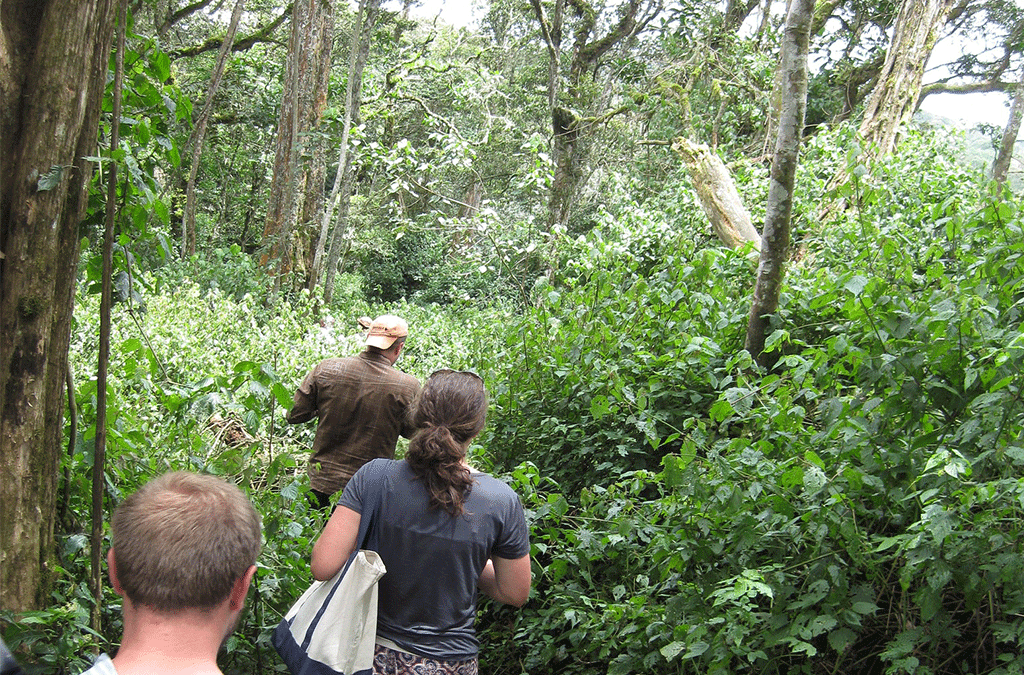
The terrain in gorilla habitats is another significant challenge. Mountain gorillas live in regions characterized by steep slopes, deep valleys, and dense forests. Trekkers often move up and down uneven ground covered with roots, vines, and thick undergrowth.
The hike may involve crossing streams, climbing over rocks, and pushing through dense vegetation. These conditions make the experience physically demanding, especially for people who are not used to hiking in mountainous environments. However, the terrain also adds to the sense of adventure, as every step brings you closer to the incredible moment of finding a gorilla family.
Having a walking stick, maintaining a steady pace, and taking short breaks can make hiking through rugged terrain more manageable.
3. High Altitude
Altitude is another key factor that contributes to the difficulty of gorilla tracking. Most gorilla parks, such as Bwindi Impenetrable National Park in Uganda and Volcanoes National Park in Rwanda, are situated at elevations above 2,000 meters (6,500 feet) above sea level.
At these heights, the air is thinner, which can cause shortness of breath, fatigue, or even mild altitude sickness, especially for people not accustomed to such environments. The combination of steep ascents and reduced oxygen levels can make the trek more exhausting.
To prepare for high-altitude hiking, it helps to engage in regular aerobic exercises before the trip. Activities like jogging, cycling, or walking uphill can improve stamina and make breathing easier during the trek.
4. Location of the Gorilla Family
The location of the gorilla family also determines how easy or difficult your trek will be. Gorilla families move constantly in search of food. Some families live close to the starting point of the trail, while others wander deep into the forest.
The time it takes to find them can vary widely, from one hour to as long as six hours or more. Park trackers usually go ahead of the group early in the morning to locate the gorillas before the trekkers begin their journey. Once the rangers find the gorillas, they communicate the location to the guides, who then lead visitors to the exact spot.
This means that no one can predict how long or challenging the trek will be. You should be mentally prepared for a short, medium, or long trek depending on the gorillas’ movement on the tracking day.
How to Overcome the Challenges of Gorilla Tracking
Is Gorilla Tracking a Difficult Activity? While gorilla tracking can be physically demanding, there are several ways to make the experience easier and more enjoyable. Proper preparation, support services, and the right mindset will go a long way in helping you complete the trek successfully.
1. Hire a Porter
Hiring a porter is one of the smartest decisions you can make. Porters are local men and women who live in communities near the parks. They are physically strong and familiar with the terrain. Their role is to assist trekkers by carrying backpacks, water, and packed lunches.
More importantly, porters offer a helping hand during steep climbs or slippery sections of the trail. They can push or pull you when necessary, ensuring your safety and comfort throughout the hike.
Hiring a porter not only makes your experience easier but also supports the local community. The income earned from portering helps families around the park and encourages conservation efforts.
2. Rent a Sedan Chair (African Helicopter)
For travelers who are unable to hike due to physical limitations, age, or health conditions, renting a sedan chair, also known as the “African helicopter,” is an excellent option. This specially designed stretcher allows porters to carry you from the starting point to the gorilla family and back after the trek.
The cost of hiring a sedan chair ranges from USD 300 to USD 500, depending on the location of the gorilla family and the distance to be covered. Though it may seem expensive, it ensures that everyone — regardless of fitness level — has the opportunity to experience the wonder of gorilla tracking.
3. Request a Short Trek
You can also request a short trek during the briefing session at the park headquarters. The park authorities may assign you to a gorilla family that is closer to the starting point. This option is particularly helpful for elderly travelers or those who prefer a less demanding experience.
However, this option is not always guaranteed. Since gorillas move constantly in search of food, a family that was close yesterday might move farther the next day. Therefore, even with a short trek request, you should be prepared for any situation — short, medium, or long.
Planning for a Successful Gorilla Tracking Experience
Is Gorilla Tracking a Difficult Activity? Proper planning makes all the difference between a difficult trek and a rewarding adventure. To ensure a smooth and memorable experience, you should focus on physical fitness, proper gear, and mental preparation.
1. Build Physical Fitness
Gorilla tracking is physically demanding, so you need to prepare your body in advance. Start exercising several weeks before your trip to build stamina and strength. Engage in activities like brisk walking, jogging, hiking, or stair climbing.
These exercises improve endurance, leg strength, and lung capacity — all of which are essential for hiking in high-altitude forests. Being physically fit not only makes the trek easier but also allows you to enjoy the experience more fully without feeling overly exhausted.
2. Pack the Right Gear
Having the right gear is crucial for a comfortable and successful trek. Some essential items include:
-
Waterproof hiking boots: Choose comfortable boots with good ankle support and a firm grip for slippery terrain.
-
Rain jacket and waterproof pants: These protect you from sudden rain showers.
-
Long-sleeved shirts and trousers: They shield you from scratches and insect bites.
-
A backpack: Carry water, snacks, and a packed lunch.
-
Gloves: They help protect your hands while grabbing branches for support.
-
A walking stick: Often provided by park staff, it helps maintain balance on steep or muddy trails.
Packing appropriately ensures that you remain comfortable and focused throughout the trek.
3. Prepare Mentally
Mental preparation is just as important as physical readiness. Gorilla tracking requires patience, determination, and a positive mindset. You should prepare yourself for long walks, unpredictable conditions, and physical exertion.
Remind yourself that the effort will be worth it once you encounter the gorillas. The moment you stand just a few meters away from a family of mountain gorillas in their natural habitat, all the fatigue fades away, replaced by awe and joy.
Believing that you can complete the trek successfully gives you the motivation to keep going, even when the trail gets tough.
Conclusion
While mountain gorilla tracking is not an easy activity, it is certainly manageable and achievable for most travelers with proper preparation. The combination of steep terrain, unpredictable weather, and high altitude can make the trek challenging, but these obstacles only add to the sense of adventure and accomplishment.
By hiring a porter, carrying the right gear, maintaining fitness, and preparing mentally, you can overcome any difficulty along the way. Remember that thousands of visitors of all ages and backgrounds complete gorilla tracking every year — and so can you.
The reward of watching a family of mountain gorillas in the wild, observing their behaviors, and connecting with them in their natural home is truly one of the most unforgettable experiences on Earth. With the right attitude and preparation, your gorilla tracking journey will be both successful and deeply fulfilling.





