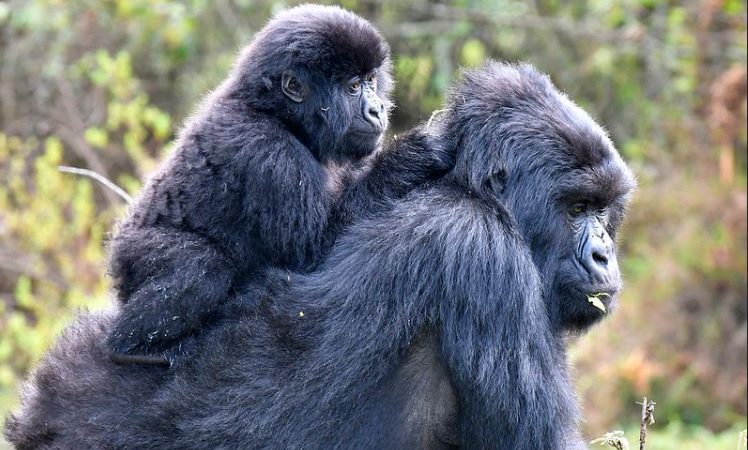
How Long Does Gorilla Trekking Take? 7 Amazing Tips

Uganda & Rwanda Gorilla Safari Planning
How Long Does Gorilla Trekking Take? A Complete Visitor Guide
Quick answer: Plan roughly 2–7 hours for a typical Uganda gorilla tracking activity, with up to one hour actually observing gorillas. The walk and overall outing vary according to the family’s location, terrain, group pace and transfers. Leave the entire day free.
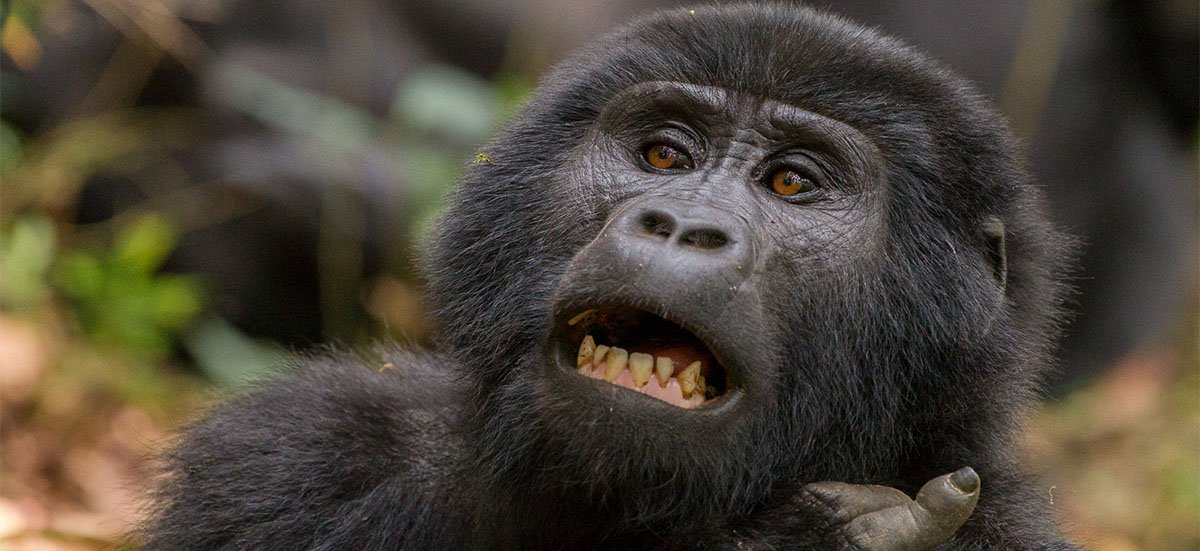
How Long Does Gorilla Trekking Take? The Short Answer
How long does gorilla trekking take? In Uganda, the wildlife authority describes a typical tracking activity as lasting roughly two to seven hours, with one hour permitted for observing a habituated gorilla family. That is a useful planning range, not an appointment with a fixed finishing time. The forest walk might be brief if trackers locate the family nearby, or much longer when the animals have moved across ridges and valleys. Allow most of your day, especially when transfers to the briefing point are involved.
The crucial distinction is between the journey through the forest and the time spent with gorillas during the encounter itself. Rangers lead your group to the animals, you observe them for the allowed hour, and then you must walk back to a vehicle or trailhead. For many visitors, the resulting mountain gorilla tracking experience is more than a sightseeing stop: it is a guided hike with a remarkable wildlife encounter at its centre. A generous time allowance protects you from unnecessary pressure and helps everyone in the group enjoy the day.
How Long Does Gorilla Trekking Take? Your Daily Timeline
Your day often starts at the lodge with an early breakfast and a packed lunch. You then drive to the park registration or briefing point, where staff check permits and explain wildlife etiquette, health rules and the role of your guides. Briefing and group allocation consume additional time before walking begins. If you stay far from your assigned trailhead, the vehicle journey can be surprisingly substantial; that is why accommodation location is a practical scheduling decision, not just a question of comfort.
After the briefing, your ranger and trackers guide the party into the forest. The ascent may begin on an established footpath and then follow vegetation and contours as the team approaches the gorillas. The group takes a regulated viewing hour when it reaches the family; afterward, it retraces a route or exits by another suitable path. You may return around lunchtime on an easier day or much later after a demanding hike. Avoid committing to a firm afternoon appointment or same-day long-distance flight based on the shortest possible scenario.
What Counts as Trekking Time and What Does Not?
Travelers sometimes hear conflicting answers because different operators count different parts of the excursion. One estimate may describe time spent walking, another may include the briefing and the hour with the gorillas, and a third may measure the entire outing from lodge departure to lodge return. Before comparing itineraries, ask exactly what the stated duration includes. The Uganda Wildlife Authority range is a useful baseline for the guided activity, but local transfers, delays and individual walking pace can make the full day longer.
For planning purposes, divide the day into four separate blocks: lodge-to-park transfer; briefing and allocation; tracking, encounter and return walk; then the drive back to the lodge. The first and last blocks depend heavily on lodging and road conditions. The middle blocks depend on ranger procedures, terrain and where the gorillas have moved. When somebody asks how long does gorilla trekking take, these definitions usually explain why two otherwise reliable estimates appear to disagree.
How Long Is the Actual Gorilla Encounter?
Once your group finds the assigned family, standard gorilla tracking normally allows a maximum of one hour in the animals’ presence. This conservation limit applies to visitors in Uganda and Rwanda and helps reduce pressure on wildlife that is susceptible to human illnesses. The hour is not a promise of a particular pose, photograph or display. The gorillas may feed, groom, rest or move a little while the ranger manages the group’s position and ensures the visit remains respectful.
This means a two-hour outing and a strenuous seven-hour outing can deliver the same regulated viewing period. The difference lies mainly in how much hiking is needed to reach the family and return safely. Keep a camera ready, but avoid spending the whole encounter adjusting settings. Put the lens down occasionally, listen to the forest and watch the group’s social behaviour. Your guide may shorten a visit when animal behaviour or safety conditions require it; the one-hour rule is a maximum, not a mandatory minimum.
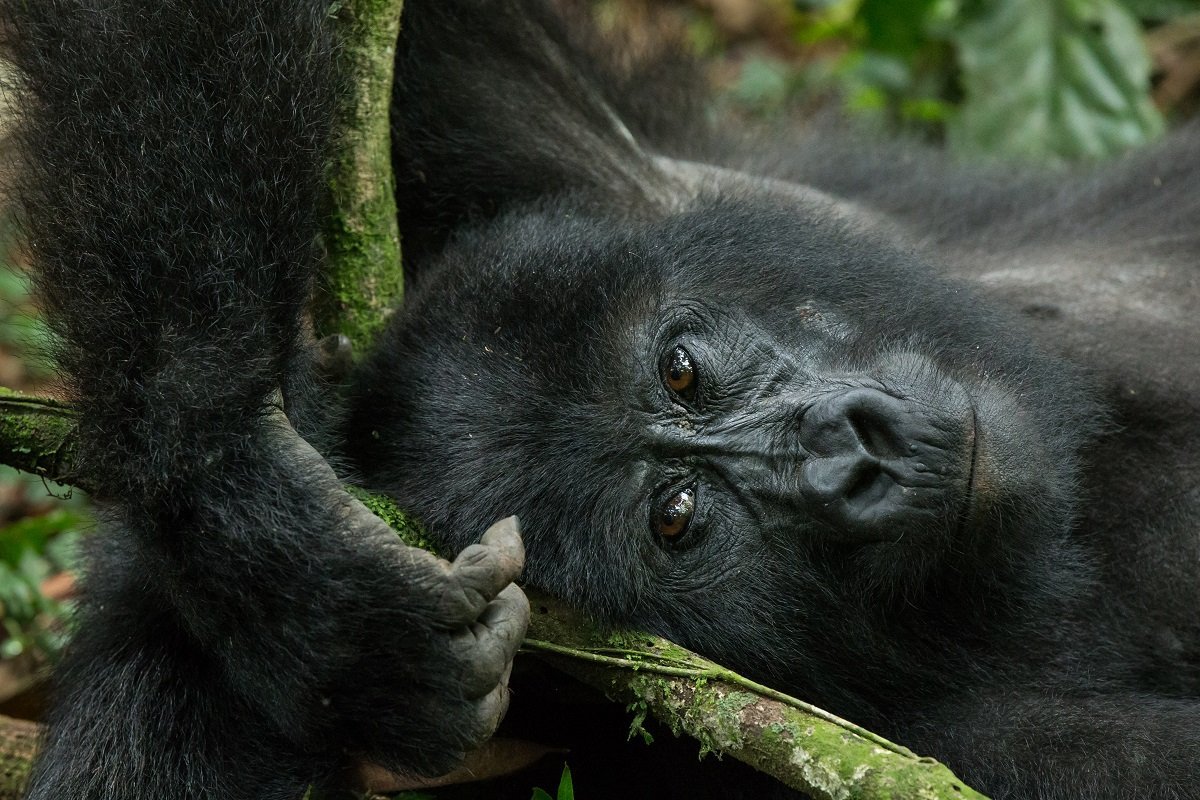
Why Gorilla Trekking Duration Changes from Day to Day
Mountain gorillas are free-ranging wild animals, not residents of a fixed viewing platform. Their movements depend on food, social behaviour and changing conditions. Trackers use knowledge of previous locations and signs in the forest to help rangers find a habituated family, but no one can promise precisely where it will be when your group reaches the area. That uncertainty is fundamental to ethical gorilla trekking, and it makes a fixed-hour guarantee unrealistic.
The same visitor may have very different experiences on consecutive days. One morning, the assigned family may be feeding just above a trail; on another, the animals could be far beyond a steep ridge. A shorter geographical distance does not always mean an easier walk when the slope is muddy or the route crosses tangled vegetation. For this reason, do not judge a trip’s value by how many hours you spend walking. A longer approach may simply reflect the ordinary freedom of the wildlife you came to see.
Forest Terrain, Elevation and Your Walking Pace
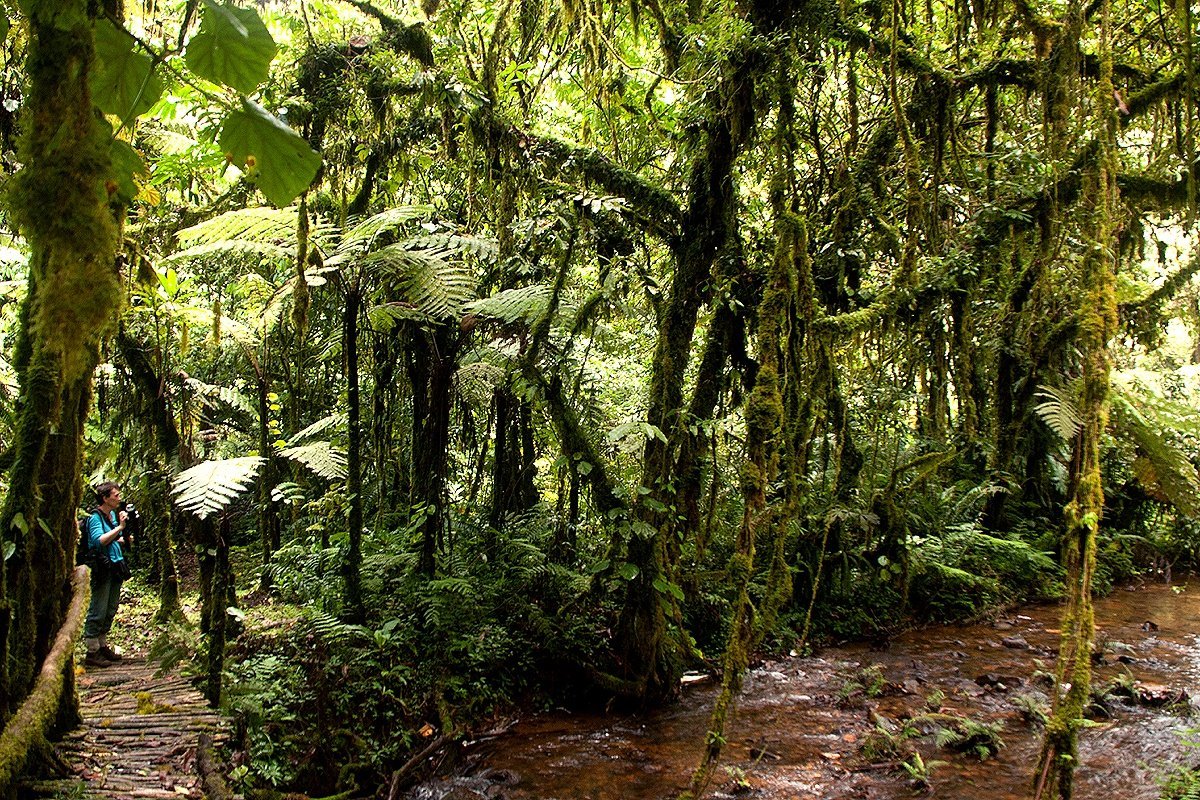
Bwindi Impenetrable National Park is known for dense vegetation and irregular mountainous ground. You may encounter exposed roots, slippery leaves, narrow paths and slopes that require deliberate steps rather than a fast pace. Even a short stretch can feel challenging at elevation. Group members have different fitness levels, so the ranger manages progress with safety in mind. Training on hills and uneven surfaces before the trip is more relevant than simply counting the distance you normally cover on a paved city walk.
Sturdy boots with grip, long trousers, gloves for supporting yourself on vegetation and a light rain shell can make sustained walking more comfortable. Carry enough water and energy-rich food according to the guide’s instructions. A daypack should be light enough that it does not pull you off balance. These preparations cannot shorten the route the gorillas choose, but they can reduce avoidable stops and help you cope when the return section is steeper or slower than expected.
Weather, Rainfall and Trail Conditions
Even in periods commonly called dry seasons, tropical highland forest can receive rainfall. Wet soil, fog and slick vegetation can slow the party and increase the need for careful footing. During a muddy descent, a guide may prioritise deliberate movement over keeping a schedule. That is an important safety choice, especially for visitors unfamiliar with steep forest ground. Reviewing weather conditions in Bwindi before departure can help you select appropriate clothing, but a forecast will never provide an exact finish time.
There are often relatively drier windows during parts of June through September and December through February, yet conditions vary by year and location. The best time to visit Bwindi depends on more than trail dryness: available permits, accommodation and personal comfort all matter. Rain does not automatically cancel gorilla tracking; decisions are made locally by park authorities in response to actual conditions. Build flexibility into a trip rather than assuming every trek in a preferred month will be quick and straightforward.
Does Trekking Take Longer in Bwindi Than in Rwanda?
Both Uganda and Rwanda offer one-hour standard gorilla visits, but the walking time varies substantially within each destination. In Rwanda, Volcanoes National Park has mountain slopes where a family may be reached after a comparatively short approach or several demanding hours. The official Rwanda booking guidance notes that hikes can range from about thirty minutes to four hours or more to reach a family, with a return walk afterward. That range is a better guide than claims that Rwanda always provides effortless encounters.
In Uganda, gorilla trekking in Bwindi can involve dense forest and steep ridges; Mgahinga offers a different volcanic landscape. Travelers comparing gorilla trekking in Rwanda with Uganda should consider total holiday time as well as walking difficulty. Kigali can be convenient for short journeys to Rwanda’s park, whereas the route to an Ugandan trekking sector may require a border crossing or longer transfer. Neither country can reliably assign a universally easier or shorter experience to every visitor.
Bwindi’s Four Sectors and Their Time Differences
The gorilla sectors in Bwindi are Buhoma, Ruhija, Rushaga and Nkuringo. All four provide managed tracking opportunities, but the trails, elevations and accessible gorilla families differ. Buhoma is often described as comparatively approachable in some situations, while parts of Nkuringo involve steeper terrain. These general impressions should never be interpreted as certainty about your individual trek. A family’s position on the morning matters more than any ranking of sectors printed months in advance.
When comparing the best Bwindi sectors, start with permit availability and a lodge near the correct briefing point. A comfortable accommodation choice in the wrong sector can add an unwanted road transfer before the walk even begins. Discuss medical needs and walking preferences before permits are allocated, but do not assume that mentioning a preference guarantees assignment to a nearby family. Rangers are balancing visitor needs, conservation rules and actual animal locations on the day.
Buhoma, Ruhija, Rushaga and Nkuringo in Practice
Buhoma has a long history of organised gorilla tourism and useful lodging options. Ruhija lies in highland forest and can involve cooler temperatures, slopes and scenic ridges. The Rushaga gorilla sector in southern Bwindi has multiple tracking activities and is also associated with the longer habituation experience. Nkuringo is prized for its dramatic highland setting, yet the terrain can demand strong legs and patience. These differences matter when selecting an itinerary, but none supplies a reliable stopwatch for the encounter.
If a tour includes Nkuringo gorilla permits, confirm that the accommodation and approach roads genuinely fit the allocated sector. Similarly, a guest trekking in Rushaga should not casually reserve a lodge intended for northern Bwindi. Keep the evening before tracking free for arrival and rest. A good guide can recommend a sensible departure time and explain the local access plan. Knowing your sector is usually more useful than chasing a claim that one specific family is always the fastest to find.
Mgahinga Gorilla Tracking: A Different Landscape
Mgahinga Gorilla National Park sits among Uganda’s Virunga volcanoes and offers mountain gorilla tracking in a distinctive setting. Its smaller footprint does not mean every walk is short or easy; mountain paths can still be steep, weather can change and gorilla movements are not predictable. Visitors considering gorilla trekking in Mgahinga should allow the same broad flexibility they would use for Bwindi, with an early briefing, a ranger-led walk and a regulated hour near the animals.
The Nyakagezi group is particularly associated with Mgahinga, although details of group composition and movement can change over time. Ask your operator to confirm current permit arrangements, meeting points and local transport rather than relying on an old itinerary. Travelers who want more than one forest activity may combine a gorilla day with golden monkey tracking or a separate nature walk. Those other activities deserve their own calendar day instead of being squeezed into an uncertain post-trekking afternoon.

How Long Does Gorilla Trekking Take in Volcanoes National Park?
In Rwanda, most visitors report to a designated park briefing area before being assigned a guided gorilla visit. The starting point for the actual hike may require a further vehicle transfer. Some routes begin in open farmland before reaching the park boundary, while others involve more extended ascents through vegetation. The park’s official booking guidance gives a variable range for the outward hike, which means you should not assume that a short drive from the lodge guarantees a short trekking day.
Familiarise yourself with gorilla tracking guidelines in Rwanda well ahead of the visit, especially illness precautions, group size limits and the permitted viewing period. A shorter trek is a welcome possibility, not an entitlement. If your group spends several hours approaching the family, the ranger still manages the return responsibly. Schedule a relaxed evening in the Musanze area and leave long onward journeys for the following morning whenever your itinerary permits.
Can Older Travelers Choose a Shorter Gorilla Trek?
Age alone does not determine whether someone can enjoy gorilla tracking. Visitors with suitable fitness and medical clearance may take part well into later life, and guides can discuss individual needs during planning. The most useful approach is to describe walking ability honestly, including comfort on steep descents, joint pain, balance and the need for rest breaks. Services associated with gorilla tracking for elderly visitors may help, but assignment to a nearby family cannot be guaranteed.
In some cases, prearranged sedan chairs for gorilla trekking allow porter teams to assist travelers with significant mobility limitations. Such assistance is not the equivalent of step-free access: forest terrain remains uneven, services must be confirmed locally and additional costs can apply. The availability, suitability and practical safety of carrying assistance require advance assessment. Discuss these arrangements before committing to permits, lodging or flight dates, particularly if the traveler uses medical equipment or needs sustained support.
How Much Fitness Do You Need for Several Hours?
A moderate base of walking fitness is helpful, but you do not have to train like a professional athlete. Practice comfortable uphill walks several times a week and include descending, because tired knees often find the return harder than the ascent. Where possible, practise on natural surfaces with a small backpack. If you normally live at low elevation, give yourself time to adjust to a highland climate rather than arriving late at night and immediately attempting a strenuous excursion.
Your guide’s pace should respect safety and the group’s capabilities. Tell the ranger about any health concerns instead of trying to conceal them to secure an easier assignment. Hiring a porter can reduce the strain of carrying water, layers and photography gear, and it supports local livelihoods. The most practical gorilla trekking tips are often simple: maintain steady movement, drink water, eat beforehand, conserve energy for the return and resist the temptation to rush when you hear that the gorillas are close.

The Ranger Briefing: Why It Takes Time
The pre-trek briefing is not wasted holiday time. Rangers explain how to behave around endangered primates, what to do if animals move near visitors, how to protect them from respiratory illness and why flash photography is not allowed. They also outline the anticipated route and practical expectations for the group. Good gorilla tracking briefing and guidance helps prevent avoidable incidents once a family has been located, especially among first-time travelers unfamiliar with primate behaviour.
You may need to show identification matching the permit, listen to group assignments and coordinate transport to a departure point. These steps take place before your boots begin the main walk. Set your alarm early enough to arrive without a frantic drive; punctuality is more important than squeezing in extra breakfast time. If you arrive late, your permit does not automatically entitle you to delay the ranger team or join a group already far into the forest.
Permits, Booking and the Length of a Safari
Booking Bwindi gorilla permits in advance is essential because daily visitor numbers are controlled. The permit secures the authorised activity on a particular date and location; it does not purchase a promise that the gorillas will be found in a predetermined number of minutes. Confirm the trekking sector before booking accommodation, and ask whether the travel plan includes a night close enough to avoid a stressful early transfer. The cost of transport and lodging is separate from the permit fee.
Gorilla permit costs depend on nationality or residency category, destination, tariff period and sometimes a special promotion. Instead of relying on an old headline price, request a dated quotation that identifies the applicable category and what is included. Even when comparing gorilla trekking in Uganda with Rwanda, permit figures alone do not tell you how long the day will take. Add the time for airport transfers, border formalities if applicable, road travel and sufficient rest before the activity.
How Many Days Should You Allow for a Gorilla Safari?
For most international visitors, a multi-day safari is more sensible than attempting to arrive and trek immediately. A common plan reserves the first day for travel toward the trekking area, the second for the guided activity and the third for departure. A 3-day gorilla trekking in Uganda itinerary is particularly straightforward when transport, lodging and the permit sector are coordinated. Longer itineraries permit a second trek, a lakeside rest day or an additional national park without making the primary gorilla day feel rushed.
One-day experiences exist under certain starting conditions, but they often depend on an extremely early departure and relatively convenient access. Gorilla trekking from Kigali can reduce some road distances for southwestern Uganda compared with starting in Entebbe, but border procedures and permits must be planned properly. A fly-in safari to Bwindi may help travelers with limited holiday time, yet small-aircraft schedules and final road transfers still need generous margins. A short holiday should not become an unsafe race against the clock.
Planning Transfers from Entebbe, Kigali and Kisoro
Your trekking duration is separate from the much longer journey of reaching the destination. Gorilla tracking from Entebbe generally requires a substantial road transfer to southwestern Uganda or a domestic flight combined with ground transport. Visitors arriving through Kigali may consider Rwanda’s Volcanoes region or southern Bwindi, subject to travel documents and border arrangements. Kisoro and nearby highland towns can serve as staging points for particular sectors, but road quality and travel times vary with weather and route.
Do not use a short hiking estimate to justify booking an international departure shortly after the gorilla activity. You need time for a possible delayed return, showering, the drive out of the highlands and any airport procedures. If a flight cannot be moved, place it on a later day or build a buffer that can absorb a slow trek. The most memorable Bwindi gorilla trekking experience happens when visitors are free to focus on wildlife instead of worrying about an impossible connection.

Standard Tracking Versus Gorilla Habituation
The gorilla habituation experience is not simply a standard trek with a longer walk. It is a separate, specialised activity involving a group undergoing the process of becoming accustomed to carefully controlled human presence. Where offered and authorised, the encounter period can extend to four hours under a different permit and operating rules. That is distinct from the ordinary one-hour observation of an already habituated family. Permit quotas, sectors and eligibility should be reconfirmed rather than assumed from an older brochure.
When comparing gorilla tracking and gorilla habituation, allow a fuller and potentially more physically demanding day for the latter. Rangers and researchers may spend substantial time observing animal behaviour before the extended viewing period begins, and the return journey still takes effort. For travelers primarily concerned with how long does gorilla trekking take, standard tracking remains the clearer choice because its observation period is shorter, even though the hike itself can still be demanding and unpredictable.
Health, Age Limits and Safety on the Trail
The standard gorilla tracking age limit is generally fifteen years in Uganda and Rwanda. Visitors should also be prepared to follow park health protocols, particularly when experiencing fever, a respiratory infection or another contagious condition. Human illnesses can pose risks to gorillas, and a guide may determine that a sick visitor should not proceed. Rules on separation distance, avoiding flash and following ranger directions are conservation safeguards, not optional suggestions for a better photograph.
Gorilla tracking safety depends on trained staff, visitor cooperation and respect for the environment. Stay with the group, follow instructions if a gorilla approaches and tell a guide immediately if you feel faint or unwell. Do not run ahead in pursuit of a quicker viewing opportunity. The forest contains natural hazards such as uneven ground and slippery vegetation, and rushing introduces risks without increasing your permitted time with the animals. A patient approach supports both wildlife welfare and the visitor experience.
What to Pack When You Might Trek All Day
Pack for the longer plausible outing rather than the shortest advertised walk. Wear supportive hiking boots that you have already broken in; add long sleeves, trousers, gloves and a waterproof outer layer. Carry drinking water, a packed lunch or snacks, prescribed medicines and a small personal first-aid kit in a lightweight bag. A walking stick may be useful when permitted by your guide. Protect electronics from rain with a dry bag or sealed inner pouch rather than relying on a thin backpack cover.
Bring a camera with settings prepared for dim forest light and avoid flash. Extra batteries and a lens cloth are often more useful than multiple bulky lenses. A porter can help carry equipment and offer support on difficult steps, but keep essential medication close to you. Arrange clothing for cool early mornings and warmer walking conditions later. Good packing saves time in a practical sense: it prevents lengthy pauses to search for misplaced items and reduces the risk of fatigue caused by excess weight.
What if Your Trek Takes Much Longer Than Expected?
If the family is unusually far away, your ranger will assess the changing conditions and manage the group. Visitor well-being and conservation rules come before completing the outing at a particular hour. Keep your guide informed about hydration, dizziness, pain or exhaustion, and be willing to turn back if safety requires it. The presence of expert trackers improves the search, but seeing gorillas should never be represented as mathematically guaranteed, nor should the time to locate them be fixed in a sales promise.
Contact your lodge through the authorised guide or driver if a later return affects meals or onward arrangements. The most useful preparation is a flexible schedule and enough water, energy and patience for a strenuous day. Do not pressure the ranger to walk faster or cut corners in wildlife etiquette. An excellent wildlife experience is measured by responsible access and observation, not by beating another traveler’s return time. This perspective helps keep expectations realistic, particularly when traveling with a mixed-ability group.

Can You Do Two Gorilla Treks on Consecutive Days?
Yes, some travelers reserve different dates to experience separate gorilla families or locations, subject to permit availability and park arrangements. Repeating the excursion can reveal very different behaviour and walking conditions, even if you start from the same area. One day may offer a brief approach, while the next involves several hours of climbing. Do not assume the second trek will be easier merely because you have learned the routine; fatigued legs may make the second day more demanding.
If you want two encounters, build in rest, adequate sleep and a sensible lodge location rather than moving accommodations every evening. Confirm that each tracking day has its own valid permit and correct sector. Photographers may appreciate the second opportunity, but their expectations should remain respectful of the fixed viewing period and the animals’ space. Keeping a free afternoon afterward is wise. Those who prefer variety can instead combine one gorilla trek with forest birdwatching, community visits or a relaxed stay near the park.
How to Choose a Tour That Respects Your Time
A responsible operator explains that the gorillas move freely and that the duration of tracking cannot be guaranteed. Look for a proposal specifying the park, sector, permit date, number of nights and realistic road transfers. Ask whether the accommodation is near the appropriate starting point and how unexpected delays are handled. Be cautious of any seller promising a particular gorilla family at a fixed distance or a guaranteed return before a scheduled afternoon flight.
The right itinerary also accounts for your walking comfort and preferred overall pace. Families, older travelers and photography enthusiasts may have different needs, but everyone benefits from a free trekking afternoon and experienced local guides. When discussing how long does gorilla trekking take, ask the operator for a range and for a day-by-day explanation, not a single optimistic figure. A transparent plan is valuable even if your eventual walk is easier than anticipated.
Frequently Asked Questions About Gorilla Trekking Time
Is the gorilla visit always one hour? Standard gorilla visits permit up to one hour with the family after the animals are reached. The ranger may shorten a visit for safety or conservation reasons. Does the one hour include walking? No. The walk to and from the animals is additional to the observation period. Do I need a whole day? It is sensible to reserve the full day because the route, weather and return time are uncertain. Leaving the afternoon unscheduled provides a useful buffer.
Can the trek take only thirty minutes? The outward hike can sometimes be short when a family is near the access point, but that does not include briefing, observation and returning. Does Rwanda always take less time than Uganda? No: both destinations have variable terrain and free-ranging gorillas. Is an easy trek guaranteed for senior visitors? No; assistance and special needs can be discussed in advance, but the family’s location cannot be controlled. Can I plan a flight that afternoon? It is much safer to schedule major departures for another day.
The Best Way to Schedule Your Gorilla Trekking Experience
Plan to sleep close to the correct park sector the night before, eat breakfast early and arrive at the briefing point on time. Keep the entire trekking day free of rigid onward appointments, hire a porter if it would improve comfort, and carry supplies for a potentially long walk. Most importantly, accept that wildlife movements shape the day more than your printed itinerary. That uncertainty is part of the appeal of meeting mountain gorillas on their own terms.
For a well-paced safari, allow time to reach the destination, one dedicated trekking day and a relaxed onward journey. If you want extra activities, place them on separate days rather than counting on an early return. How long does gorilla trekking take? The practical answer remains roughly two to seven hours for the Uganda tracking activity, a maximum one-hour encounter, and extra time for briefings and transfers. Build around that range and the experience can feel rewarding rather than hurried.