How is Gorilla Habituation different from Gorilla Trekking?

Differences Between Gorilla Habituation Experiences and Traditional Gorilla Trekking
Gorilla tourism has become one of the most exciting wildlife experiences globally, offering a rare opportunity to observe gorillas in their natural habitats. It has gained immense popularity, particularly in East and Central Africa, where visitors can choose between two main options: Traditional Gorilla Trekking and Gorilla Habituation Experiences. While both experiences allow for close encounters with gorillas, they differ significantly in terms of duration, depth of engagement, and purpose. Understanding these differences is crucial for travelers who wish to make the most of their journey and for those who are committed to supporting conservation efforts. In this blog, Safari Vacations and Travel Services will explore the distinctions between these two activities, offering insights into gorilla behavior, conservation implications, and the experiences themselves.
Understanding Gorillas and Their Habitats
Physical Characteristics of Gorillas
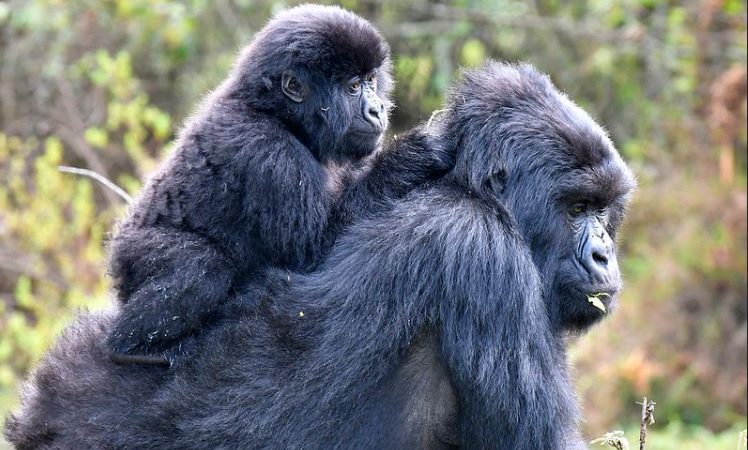
Gorillas are the largest and most powerful of all primates, belonging to the genus Gorilla. Scientists divide gorillas into two species: the Eastern Gorilla and the Western Gorilla. Trekkers most frequently encounter the Mountain Gorilla, a subspecies of the Eastern Gorilla. Gorillas have robust bodies, long arms, and muscular frames, with males significantly larger than females. Adult male gorillas can weigh between 300 and 450 pounds and grow up to six feet tall when standing upright. A distinctive feature of male gorillas is the development of a “silverback,” a silver patch of hair on their back that appears when they mature. Their dense fur, primarily black or brownish-grey, helps them withstand the cold temperatures of their mountainous habitats. Their physical strength and agility make them perfectly adapted to their forested environments.
Behavioral Patterns of Gorillas
Gorillas are social animals that live in family groups known as troops, typically led by a dominant silverback male. These groups can consist of up to 30 members, including females, offspring, and younger males. The silverback plays a critical role in protecting the group from threats and making key decisions, such as finding food and shelter. Gorillas are primarily herbivorous, feeding on a diet of leaves, bamboo shoots, fruits, and occasionally small insects. They spend most of their day foraging and resting, and their movements are usually slow and deliberate. Communication among gorillas is highly developed, involving a variety of vocalizations, gestures, and facial expressions. They also display complex social behaviors like grooming, which strengthens bonds within the group. Gorillas are peaceful creatures but can exhibit aggressive behavior when threatened.
Habitats of Gorillas
The natural habitats of gorillas are diverse and range from lowland rainforests to high-altitude montane forests. Mountain gorillas, specifically, inhabit the misty forests of the Virunga Mountain range, spanning Uganda, Rwanda, and the Democratic Republic of Congo (DRC). These forests are characterized by dense vegetation, steep terrain, and cool, wet climates. The thick undergrowth provides ample food sources and protection from predators. Lowland gorillas, on the other hand, reside in the rainforests and swampy regions of West and Central Africa. Their habitats are more humid and tropical compared to those of their mountain-dwelling relatives. Unfortunately, these habitats are under constant threat due to human activities like deforestation, agriculture, and illegal logging. Conservation efforts have focused on protecting these ecosystems to ensure the survival of gorilla populations.
Traditional Gorilla Trekking: An Overview
History and Evolution of Gorilla Trekking
Gorilla trekking has a rich history that dates back to the late 20th century when conservationists like Dian Fossey first brought global attention to the plight of endangered mountain gorillas. Fossey’s groundbreaking research in Rwanda during the 1960s and 70s helped raise awareness of the need for gorilla conservation and laid the foundation for what would eventually become a thriving eco-tourism industry. The first official gorilla trekking tours were introduced in the 1980s as a way to generate income for conservation efforts and local communities while giving tourists a unique wildlife experience. Over time, gorilla trekking evolved into a well-regulated activity, with governments in Uganda, Rwanda, and the DRC implementing permit systems and strict guidelines to minimize the impact of human presence on gorilla populations. Today, it stands as a crucial component of conservation strategies in the region, helping to fund anti-poaching patrols, habitat preservation, and community development projects.
Popular Gorilla Trekking Destinations
Gorilla trekking is available in three main countries: Uganda, Rwanda, and the Democratic Republic of Congo. Each destination offers its unique landscapes and trekking experiences:
- Bwindi Impenetrable National Park (Uganda): Home to nearly half of the world’s mountain gorilla population, Bwindi offers densely forested trails and a chance to see gorillas in a UNESCO World Heritage site.
- Mgahinga Gorilla National Park (Uganda): This lesser-known park offers fewer gorilla families but is known for its breathtaking scenery and rich biodiversity.
- Volcanoes National Park (Rwanda): One of the most famous gorilla trekking locations, Volcanoes National Park is where Dian Fossey conducted her research. Its accessibility and well-developed infrastructure make it a popular choice for tourists.
- Virunga National Park (DRC): The oldest national park in Africa, Virunga is known for its active volcanoes and stunning landscapes. Although it faces security challenges, it remains an iconic gorilla trekking destination.
Gorilla Habituation Experiences: An Introduction
Definition and Purpose of Gorilla Habituation
Gorilla habituation refers to the process of gradually accustoming wild gorillas to human presence without disturbing their natural behavior. This long-term process is essential for research and conservation, as it allows scientists and rangers to study gorillas up close while minimizing stress or disruption to their daily lives. In the habituation process, small groups of humans regularly visit gorilla groups over an extended period, often taking several years to complete. This approach aims to make the gorillas comfortable enough with human presence so they can be safely and calmly observed without disrupting their natural behaviors. The Gorilla Habituation Experience is a unique tourist activity that allows visitors to participate in this process, spending up to four hours with a gorilla family that is in habituation. This offers a deeper and more immersive experience compared to traditional trekking.

Gorilla habituation
Key Differences from Traditional Gorilla Trekking
While both activities involve observing gorillas in their natural habitat, there are several key differences between Gorilla habitat experiences and Traditional Gorilla Trekking. First and foremost is the duration. In traditional trekking, tourists spend only one hour with a fully habituated gorilla group. In contrast, habituation experiences allow for up to four hours of observation, giving visitors a more comprehensive view of gorilla behavior. Additionally, habituation groups are not fully accustomed to humans, so their behavior may be more natural and less predictable than that of habituated groups. This creates a more authentic and raw wildlife experience. Group sizes are also smaller in habituation experiences, with a maximum of four tourists per group, compared to eight in traditional trekking. The purpose of the two activities also differs: trekking is primarily a wildlife observation activity, while habituation is an active participation in the conservation process.
Comparative Analysis of Gorilla Habituation and Traditional Trekking
Duration and Intensity of Interaction
One of the most significant differences between traditional gorilla trekking and the habituation experience is the amount of time spent with the gorillas.
- Traditional Gorilla Trekking typically allows for one hour of observation after the group has been located. This brief but intense encounter is designed to minimize stress on the habituated gorilla group while providing tourists with a memorable wildlife experience.
- Gorilla Habituation offers a more extended interaction, with up to four hours spent observing gorillas in their natural environment. This extra time allows for a more in-depth understanding of gorilla behavior, including feeding, social interactions, and movement through the forest. Visitors also have the chance to see the daily activities of a gorilla group at different times of the day, offering a more comprehensive wildlife experience.
Group Size and Composition
The size and composition of tourist groups differ significantly between the two experiences.
- In Traditional Gorilla Trekking, groups are limited to a maximum of eight tourists per trek. This group size is carefully controlled to reduce the impact on the gorillas and their habitat while still allowing for a shared experience among tourists. The larger group size can make the experience feel more like a traditional safari.
- Gorilla Habituation involves much smaller groups, with a maximum of four tourists per group. The smaller size creates a more intimate and exclusive experience, allowing for closer interaction with the gorillas and less noise and disturbance. This also means that tourists have more opportunities to ask questions and engage with guides and researchers, making it a more personalized experience.
Cost and Accessibility
Both experiences come at a premium cost due to the significant conservation efforts and strict regulations in place.
- Traditional Gorilla Trekking permits range from $600 in Uganda to $1,500 in Rwanda, with the cost varying depending on the location and time of year. Uganda generally offers more affordable options, while Rwanda’s higher prices reflect the country’s luxury tourism positioning.
- Gorilla Habituation is more expensive, with permits costing around $1,500 in Uganda. The higher price is justified by the longer duration of the experience and the more exclusive nature of the groups. While it is a more costly option, many tourists find that the additional time with the gorillas and the unique nature of the experience is worth the investment.
Benefits of Gorilla Habituation Experiences
Educational and Conservation Value
One of the primary benefits of participating in a gorilla habituation experience is its educational and conservation value. Visitors not only get to observe gorillas in a more natural setting but also actively contribute to the habituation process. This participation helps fund ongoing conservation efforts and provides invaluable support to researchers and park authorities. By engaging with rangers and conservationists, tourists gain deeper insights into the challenges facing gorilla populations and the ongoing efforts to protect them. The experience fosters a greater understanding of the importance of conservation, inspiring many participants to become advocates for wildlife preservation.
Enhanced Understanding of Gorilla Behavior
The extended time spent with the gorillas during a habituation experience allows for a more profound understanding of their behavior. Visitors have the opportunity to observe gorillas at various stages of their day, from feeding to resting and social interactions. The less predictable nature of a non-fully habituated group means that tourists may witness more spontaneous and authentic behaviors, such as play, grooming, and dominance displays. This deeper observation offers a richer wildlife experience compared to the more structured and shorter encounters of traditional trekking.
Challenges and Ethical Considerations
Impact on Gorilla Behavior
One of the most significant ethical concerns associated with gorilla tourism is the potential impact on the gorillas themselves. Both trekking and habituation experiences follow strict regulations but repeated human contact still risks altering gorilla behavior. Overexposure to humans may lead to increased stress, changes in social dynamics, or even the transmission of diseases. This is why strict guidelines are in place to limit the number of visitors, maintain a safe distance from the gorillas, and ensure that all participants are in good health before trekking.
Environmental Impact and Sustainability
Both traditional trekking and habituation experiences can have environmental impacts, particularly in terms of trail erosion, waste, and habitat disruption. The influx of tourists can place pressure on the fragile ecosystems that gorillas depend on. As a result, there is an ongoing effort to promote sustainable tourism practices, including minimizing waste, reducing the carbon footprint of trekking activities, and ensuring that a portion of tourism revenue goes directly into habitat conservation and community development projects. Balancing the needs of tourism with the conservation of gorilla habitats is a constant challenge, but one that is necessary for the long-term sustainability of gorilla populations.
Future Trends and Opportunities
As gorilla tourism continues to grow, both traditional trekking and habituation experiences are likely to evolve. Increasing awareness of the importance of ethical and sustainable wildlife tourism is driving a shift toward more responsible practices. Governments and conservation organizations are likely to emphasize limiting visitor numbers, reducing the environmental impact of trekking, and enhancing the educational components of both experiences. There may also be opportunities to expand gorilla tourism into new areas, as conservation efforts help stabilize and grow gorilla populations. In addition, greater involvement of local communities in gorilla tourism could lead to more inclusive and equitable benefits, ensuring that tourism continues to support both conservation and livelihoods.
Conclusion
In conclusion, both Traditional Gorilla Trekking and Gorilla Habituation Experiences offer unique and unforgettable opportunities to observe one of the world’s most endangered species in its natural habitat. While traditional trekking provides a shorter, more accessible experience, the habituation experience allows for a deeper, more immersive encounter with gorillas and their behavior. Both activities are crucial in supporting conservation efforts and raising awareness of the need to protect these magnificent animals. By choosing either option, visitors not only enjoy a once-in-a-lifetime wildlife experience but also contribute to the ongoing protection of gorillas and their habitats. The choice between the two depends on personal preferences, time, and budget, but both offer a meaningful and impactful way to connect with nature and support conservation.