Habituated Gorilla Families in Uganda: 7 Amazing Facts

UGANDA GORILLA TREKKING GUIDE • 2026
Habituated Gorilla Families in Uganda: Complete Trekking Guide
Habituated Gorilla Families in Uganda make unforgettable forest encounters possible without turning wild mountain gorillas into captive attractions. This guide explains where the families live, how the sectors differ, which names are well documented, how ranger assignments work, and why standard trekking is not the same as the longer habituation outing.
Habituated Gorilla Families in Uganda: What They Really Are

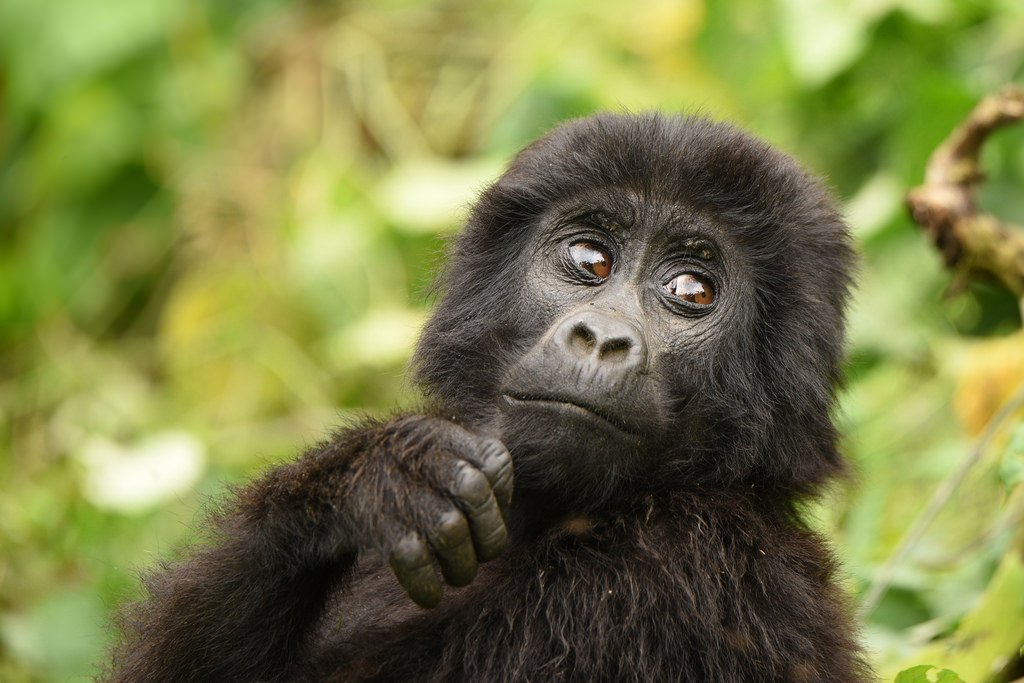
Habituated Gorilla Families in Uganda are mountain gorilla social groups that wildlife professionals have gradually accustomed to the limited, carefully supervised presence of people. Habituation does not turn gorillas into tame animals. They remain wild, powerful primates with their own routines, choices, and boundaries. A family may include a leading silverback, adult females, juveniles, and infants, but its membership can change when animals are born, die, transfer, or form new groups. This difference between a living family and a fixed attraction matters when planning an encounter.
Uganda protects mountain gorillas in Bwindi Impenetrable National Park and Mgahinga Gorilla National Park. Most visitor trekking takes place in Bwindi, which has several trailheads spread around a substantial, mountainous forest. Mgahinga offers a distinct experience on the Virunga slopes. The gorilla families in Bwindi are associated with visitor sectors rather than interchangeable starting points; a permit, hotel, and driver should therefore be coordinated around the same sector.
For first-time visitors, the most important decision is not which silverback has the most impressive reputation. It is how to obtain an authorized permit, choose a suitable trailhead, allow enough travel time, and arrive physically prepared. Our guide to Bwindi Impenetrable Forest explains the surrounding landscape, while our overview of gorilla trekking in Uganda sets the experience within a broader safari holiday.
A Family Is Not a Guaranteed Cast of Characters
Many travel articles list exact animal counts or name an individual silverback as though the roster will never change. Gorilla society is dynamic. A family can split after a disagreement, join another group, lose a leader, or welcome a newborn. These events are normal aspects of mountain gorilla life. The names in this guide identify widely documented groups, not a guarantee that every group will be assigned to visitors on a particular date.
The Uganda Wildlife Authority manages visitor access, daily tracking assignments, health protocols, and changes to family availability. Trackers monitor movements, and rangers determine which visit is feasible on the day. Tour operators can normally help visitors select and book a sector, but should not promise a named family without reliable, current authorization. Even a familiar group can move far from yesterday's location as it feeds, rests, and follows the forest's resources.
Before choosing a lodge, compare the gorilla sectors in Bwindi and ask your operator to explain road conditions between sectors. A tempting hotel advertisement can create a difficult early-morning transfer if it is located on the opposite side of the forest. A carefully matched sector and lodge is often more valuable than an elaborate promise about one particularly famous gorilla.
Buhoma: The Historic Starting Point
Buhoma, on the northern side of Bwindi, is the birthplace of organized gorilla tourism in Uganda. The Mubare group became the country's first habituated family opened to tourists in 1993. That milestone makes Buhoma an important setting for understanding how conservation tourism developed, how ranger-led encounters are managed, and why protection and community benefits remain central to the experience.
Other well-known families historically associated with Buhoma include Habinyanja, Rushegura, and Katwe. Mubare's long history should not lead visitors to expect the same number of individuals recorded in an old article. Likewise, Rushegura is known from years of visitor accounts, yet sightings near accommodation are never assured. Families choose where to feed and travel, and park staff determine safe access to them.
Buhoma combines forest trails with a comparatively established range of lodges and community activities. It can suit travelers who want an introduction to Bwindi without treating the trek as the only reason to visit. Review our Buhoma gorilla trekking guide before selecting accommodation, and ask about walking options, cultural visits, and the best arrival route for your particular itinerary.
Ruhija: Forest Ridges and Quiet Trails

Ruhija lies on Bwindi's eastern side, where cool conditions, ridgelines, and steep forest slopes shape the trekking experience. Names commonly associated with this sector include Bitukura, Oruzogo, Kyaguliro, and Mukiza. The visitor status of a named group may differ from its historical research association, so a current official assignment matters more than any list copied from an older brochure.
Birdlife is another reason to consider Ruhija. Travelers with a few extra days may combine primate encounters with guided forest walks and birdwatching. Forest terrain here can be challenging in wet weather, with slippery roots and gradients that demand patient footing. The length of a trek cannot be predicted simply from the family name; it depends on where the allocated group happens to be that morning.
A well-paced trip normally includes an overnight stay near the designated meeting point before tracking day. Consult the Ruhija gorilla trekking guide and tell your operator about injuries, mobility limitations, or preferences for a slower walking pace. Rangers may consider fitness when organizing trekking parties, but the wildlife's movements ultimately determine the trail.
Need a route matched to the right gorilla trekking sector? We can help you plan around permit availability and practical travel times.
Rushaga: Many Groups and a Special Habituation Option
Habituated Gorilla Families in Uganda and the Rushaga Difference
Rushaga is in the southern part of Bwindi and is especially relevant to readers researching Habituated Gorilla Families in Uganda. Names frequently linked with Rushaga include Nshongi, Mishaya, Kahungye, Busingye, Bweza, and other groups introduced or reclassified over time. Group histories illustrate how new families form, especially when individuals leave an established group and a silverback gathers companions around him.
Rushaga also features the separate gorilla habituation experience, a product often confused with conventional trekking. Standard trekking involves a visit to a family that is already accustomed to regulated tourist presence. The special habituation outing lets a smaller number of visitors accompany professional teams working with a group still in the habituation process, subject to official designation and permit availability. It is not a private, unrestricted interaction with gorillas.
Because this southern sector has multiple experiences, travelers should specify exactly which permit they want when requesting a quote. Our Rushaga gorilla trekking guide explains the trailhead, while the gorilla trekking versus habituation comparison helps you decide whether a longer forest-focused day fits your priorities and budget.
Nkuringo: High Ridgelines and Rewarding Views
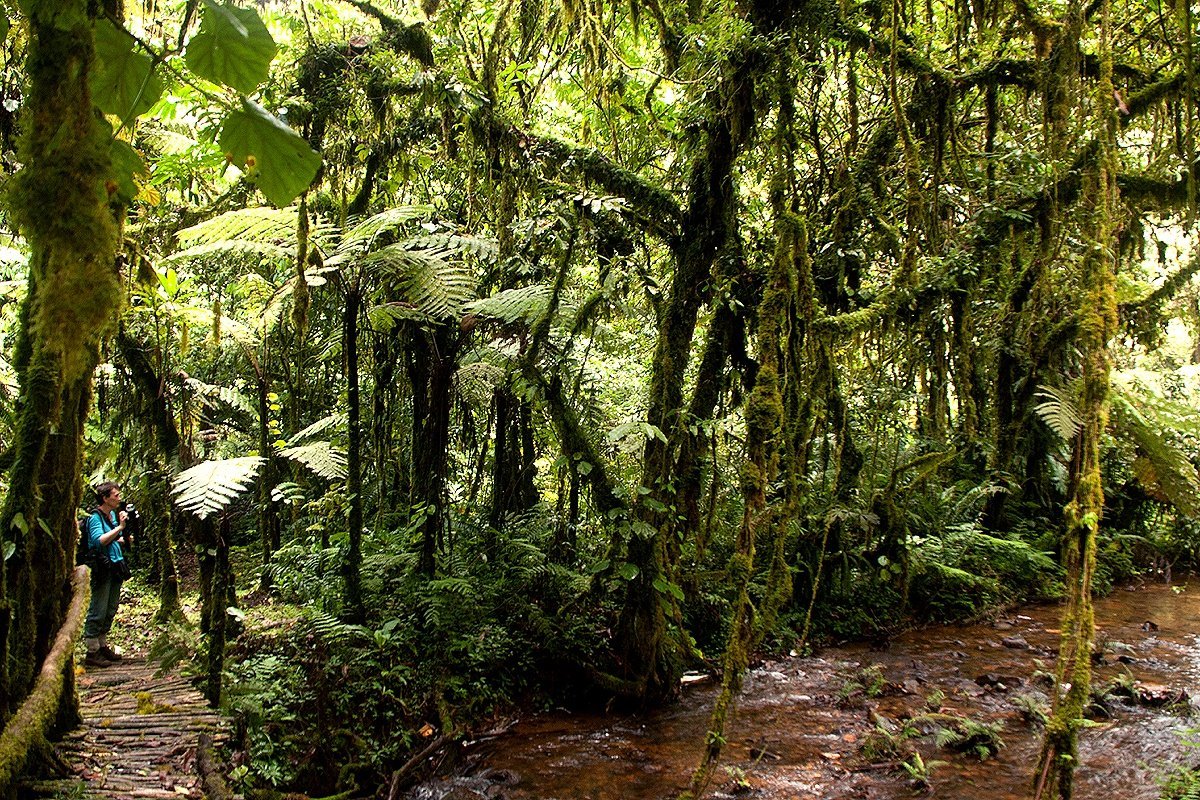
Nkuringo sits along Bwindi's southwest edge and is known for dramatic highland landscapes. The names Nkuringo and Bushaho, among others, appear in descriptions of local groups, and the composition of these families has evolved over time. The main attraction is not a predictable roll call but a guided encounter in a biologically rich landscape where people enter only under the park's strict rules.
This sector is often associated with demanding gradients. Some routes may descend steeply into forest before climbing out, making good footwear, hydration, and appropriate pacing especially important. The actual trek can still vary dramatically because trackers follow the gorillas' present location. Travelers should not assume the physically hardest route will automatically lead to a better sighting or a longer permitted viewing period.
For destination-specific advice, read our Nkuringo gorilla trekking guide and a separate account of tracking the Nkuringo family. Both provide helpful background, but current logistical decisions should rest on your permit sector and your guide's updated information. If you prefer striking scenery and are comfortable walking on hills, this may be an appealing base.
Mgahinga and the Nyakagezi Family
Mgahinga Gorilla National Park protects a smaller Ugandan section of the Virunga mountain ecosystem. Nyakagezi is its best-known habituated gorilla family and the principal reason visitors come for gorilla tracking. Unlike Bwindi's many named groups across four sectors, this park offers a different mountain setting shaped by volcanic slopes, bamboo vegetation, and a compact protected area.
The trekking experience still follows strict conservation practices: visitors attend a briefing, walk with authorized rangers, maintain appropriate distance, and follow health and photography guidance. Mountain weather can change quickly, and uneven ground calls for proper hiking shoes. Gorilla movements affect the route, so fixed claims about how many minutes a trek will take should be treated cautiously.
Learn more about Mgahinga Gorilla National Park and tracking the Nyakagezi family before choosing between the parks. Mgahinga also has golden monkey tracking and rewarding volcano landscapes, allowing some itineraries to combine two very different primate experiences without leaving the Kisoro region.
Standard Gorilla Trekking Versus the Habituation Experience
The word habituated describes the gorillas' degree of familiarity with supervised human presence, while the gorilla habituation experience names a particular visitor activity. That distinction is essential. On an ordinary trek, rangers guide tourists to an already habituated group, and observation time after the encounter is generally limited to one hour. The wider outing can still occupy much of the morning or day because hiking time is unpredictable.
The specialized habituation outing, offered under official conditions in Bwindi, involves accompanying experienced teams observing a group still becoming accustomed to people. It typically permits a longer period of observation, often described as up to four hours once the group is located, under strict supervision. Availability, eligible groups, permit rules, and exact arrangements must be confirmed before payment. It is more costly and can involve longer forest exposure.
Our gorilla habituation experience guide discusses the longer outing, while an explanation of which Bwindi sector offers habituation helps locate the designated activity. Choosing a longer visit should be based on your interests, health, budget, and available permits, rather than the belief that regular trekking provides an inferior conservation experience.
How Families Are Assigned on Trekking Day
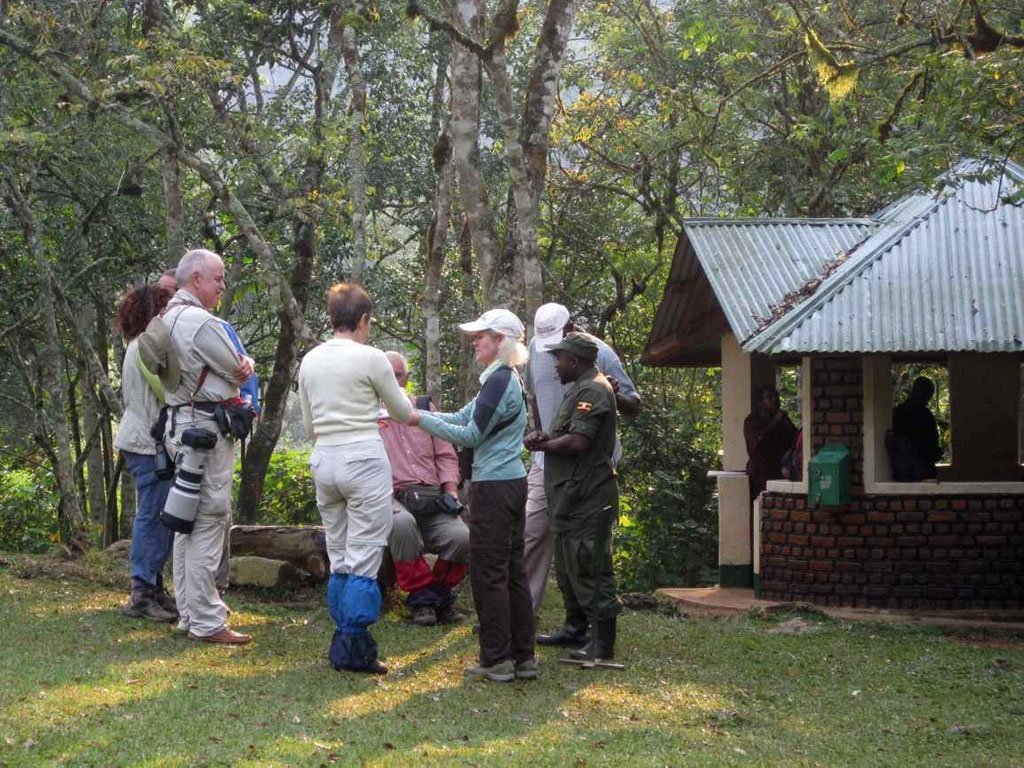
On the morning of tracking, visitors normally report to their appointed sector's briefing point. Rangers explain what to expect, confirm basic rules, and organize parties according to the park's procedures. Gorilla tracking groups are generally limited to eight visitors per habituated family for the standard visit, though specific operational arrangements are subject to authority direction. The smaller habituation experience has its own permit allocation and should not be confused with the ordinary eight-person limit.
Fitness, mobility, available guides, terrain, and the position of the gorillas may all affect assignment. Visitors can make a preference known, especially when they need a manageable hike, but cannot rely on choosing a particular family as if selecting a seat on a flight. The team's first duty is a safe, well-managed wildlife encounter rather than satisfying a brochure's promise about a famous silverback.
To assess different possibilities, compare the best Bwindi sectors for gorilla trekking and read about gorilla trekking difficulty before travel. Honest preparation, appropriate clothing, and a flexible attitude lead to a better day than building the whole holiday around a single group name.
Need a route matched to the right gorilla trekking sector? We can help you plan around permit availability and practical travel times.
Permits, Booking Rules and What You Pay For
Access to Habituated Gorilla Families in Uganda is controlled through official permits, not walk-up tickets sold by a lodge. Standard tracking and the longer habituation outing are different products. Permit rates depend on nationality or residency categories, the relevant tariff period, and any formally announced promotional rules. Old prices circulate widely online, so travelers should request a dated written quote and confirmation of the category under which they qualify.
An operator should state which park and sector have been booked, the permit product, travel date, the travelers' names and identifying details, and the payment terms. Be cautious about anybody promising a guaranteed named family or claiming an unofficial bargain permit with no verifiable confirmation. Regulations for booking and amendments can change; the Uganda Wildlife Authority's current procedures take precedence over older blog posts.
Review our gorilla trekking permit in Uganda guide, booking Bwindi gorilla permits checklist, and online gorilla permit booking information to understand the process. For budgeting across borders, a gorilla permit cost comparison explains why a lower permit price does not always equal a lower total holiday cost after transport and accommodation are included.
Preparing Physically for a Forest Encounter
Gorilla trekking involves uphill and downhill walking on paths that can be muddy, narrow, or obscured by vegetation. A visitor might locate a family comparatively quickly or walk considerably longer through uneven terrain. Neither outcome can be promised beforehand. Begin preparing with regular walks, especially on hills and steps, several weeks before the trip if your health permits. Stamina and balance are often as useful as raw speed.
Wear sturdy waterproof walking footwear with good grip, long trousers, a long-sleeved shirt, and layers that cope with chilly mornings and humid afternoons. Carry rain protection, drinking water, and a small snack if permitted. A porter can support your daypack and provide practical assistance while earning income from tourism. Ask in advance if you need special support or have a medical issue affecting mobility.
Our gorilla trekking fitness advice explains realistic preparation, while the gorilla trekking boots and gorilla trekking packing list pages cover essential gear. Avoid purchasing complicated equipment solely for a single day; reliable footwear, weather protection, and comfortable clothing matter more than expensive accessories.
What Happens When You Meet the Gorillas?
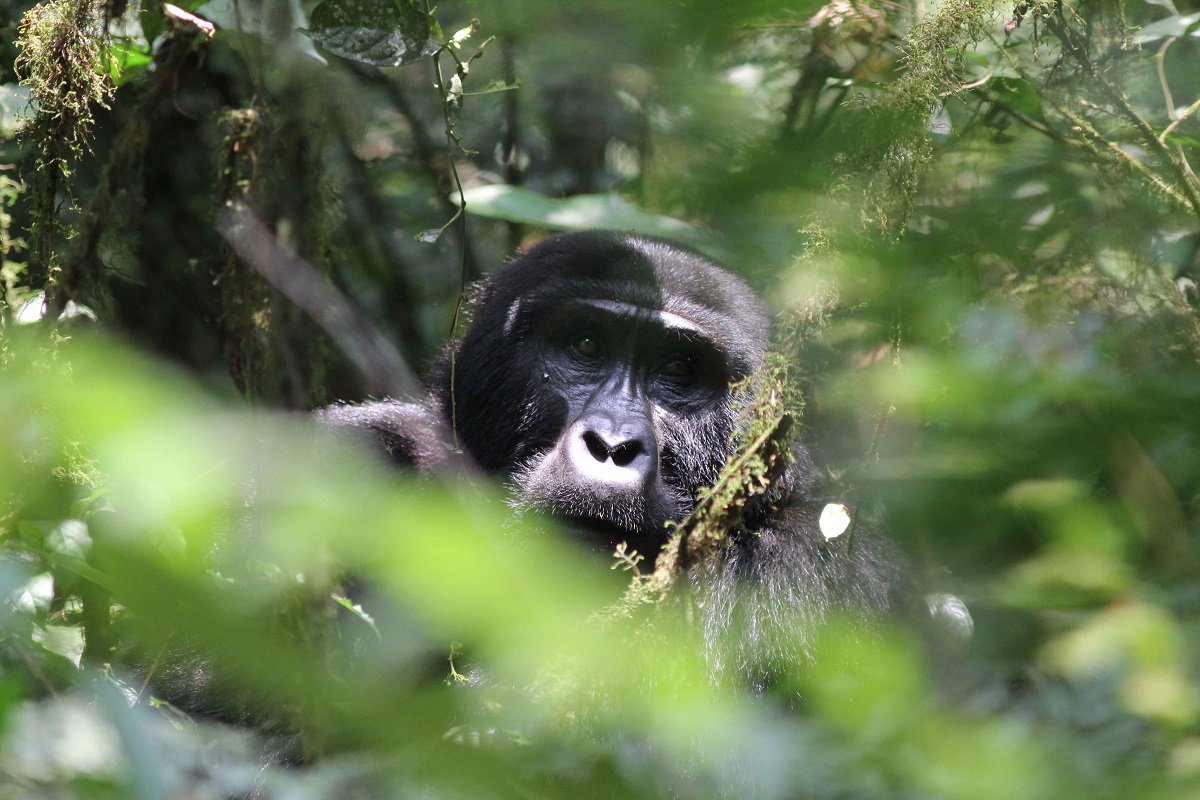
The moment a tracker signals that the group is nearby is usually quiet rather than theatrical. Visitors may hear vegetation moving or see a dark form through the leaves before realizing that a silverback or young gorilla is only a short distance away. Rangers direct the group on where to stand and how to behave. Gorillas may feed, groom, travel, rest, or play; each encounter is governed by their natural behavior, not a staged performance.
Follow the guide's distancing instructions and never attempt to touch a gorilla. Keep your voice low, avoid sudden movements, and remain calm if an animal changes position. Flash photography is not permitted. If a gorilla approaches, the correct response is to follow the ranger's instructions rather than moving closer for a selfie. Respectful conduct helps limit stress and supports the long-term viability of the activity.
Practice ethical gorilla trekking throughout the visit and use gorilla trekking photography tips if you hope to bring home good pictures. A compelling photograph is never more important than the animal's welfare or your group's safety.
Protecting Gorilla Health and Conserving Their Habitat
Mountain gorillas share biological vulnerabilities with humans, particularly to respiratory illnesses. This is why parks impose health rules, limited group sizes, and controlled visiting times. Visitors who feel unwell should disclose symptoms to their operator and park staff rather than hiding them to protect a costly holiday. Wearing a mask when directed, respecting distancing rules, and following hygiene instructions are conservation measures, not optional inconveniences.
The forests also support birds, other primates, and plant species that depend on the same habitat. Ranger employment, community partnerships, and regulated tourism can create incentives for long-term protection, but these benefits require careful oversight. Avoid littering, feeding wildlife, buying products sourced from protected species, or entering the forest outside authorized activities.
For practical visitor precautions, consult our gorilla trekking safety advice. A respectful visitor's goal is simple: return home with memories while leaving the gorillas' behavior, habitat, and ability to thrive undisturbed.
Getting to Bwindi and Choosing Accommodation
Bwindi has four visitor sectors separated by mountain roads and forest terrain. The important travel question is not simply how far you are from the national park boundary, but how far you are from the actual check-in point shown on your permit. Road journeys from Entebbe or Kampala can occupy most of a day and should allow for roadworks, weather, stops, and the final approach to a lodge. Rwanda-based approaches through Kigali may be shorter for selected southern sectors, depending on entry requirements and border conditions.
Scheduled domestic flights to regional airstrips may reduce time on the road but still require an onward transfer. A fly-in itinerary is particularly attractive when travelers have limited time or prefer to avoid extended driving. It does not remove the need to match your landing point and accommodation with the trekking sector. Recheck luggage restrictions and flight changes with your operator.
Our fly-in safari to Bwindi guide explains the aviation option. Travelers arriving by road should aim to sleep near their trailhead the night before trekking and allow time for a relaxed check-in. A beautiful lodge in the wrong sector can turn a peaceful morning into an unnecessary race.
Need a route matched to the right gorilla trekking sector? We can help you plan around permit availability and practical travel times.
Best Season for Tracking Gorilla Families
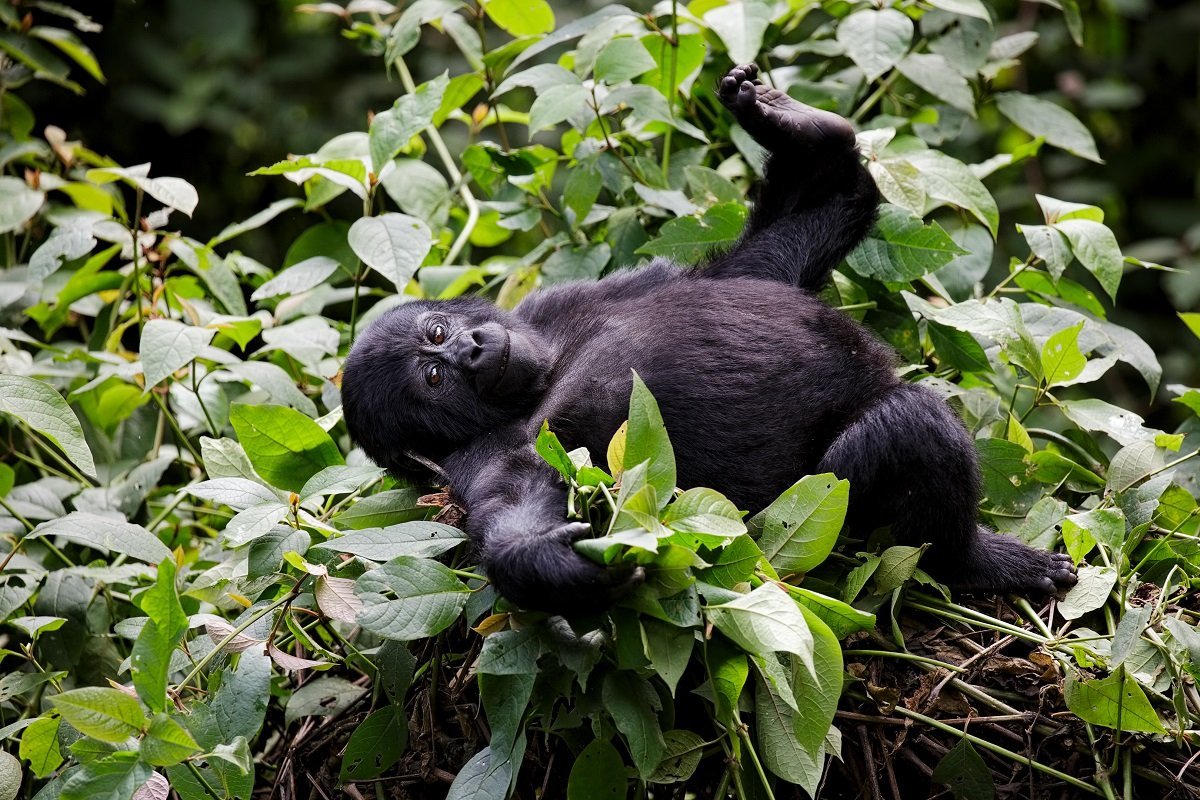
Bwindi and Mgahinga receive rain at various times of the year; these are mountain forests rather than landscapes with a guaranteed dry-day season. The relatively drier periods often associated with June through August and December through February can make footing more comfortable, yet showers remain possible. Wetter months may bring lush scenery and fewer visitors, while steep trails can become slippery and travel times less predictable.
Permit availability is at least as important as the weather forecast. Popular dates can fill early, particularly when school holidays and other peak travel periods overlap. Book your sector and permit before purchasing nonrefundable accommodation whenever possible. Consider adding a buffer day when arriving on a complicated international itinerary, especially if a missed transfer could make you late for the trekking briefing.
Our best time for gorilla trekking Uganda overview can help compare seasonal tradeoffs. No month can guarantee an easy walk or a close encounter with a particular family; the value of the experience lies partly in entering a real, changing ecosystem.
Sample Three-Day Gorilla Family Safari
Day one is for arrival and transfer to the correct Bwindi sector. Meet your guide early, drive through Uganda's highlands, make lunch and viewpoint stops where practical, and check in before dark. For a Kigali-origin trip, border formalities and onward road conditions determine timing. Confirm visa requirements, passport validity, and insurance arrangements before departure rather than making assumptions based on the nationality of other travelers.
Day two is for the permit-controlled gorilla trek. Eat breakfast, carry your documents and packed supplies, and reach the briefing point at the time indicated by your operator. Rangers then organize the forest walk. After the encounter, return to the lodge, rest, and reflect on what you saw rather than scheduling a tight afternoon transfer. A community activity or short guided walk can work if time and energy allow.
Day three is the return journey or onward extension to another Ugandan park. A three-day gorilla trekking safari is an efficient outline, but an extra night can make the holiday far less hurried. Travelers planning the special habituation outing should expect a physically demanding forest day and consider a slower schedule.
Combining Gorilla Trekking With Other Uganda Experiences
A gorilla-focused trip becomes richer when visitors appreciate the wider region. Queen Elizabeth National Park offers savannah wildlife and boat-based viewing, while Lake Bunyonyi and the Kisoro highlands offer scenic recovery days. Travelers can also extend into Kibale for chimpanzee tracking or choose Mgahinga for volcano hiking and golden monkeys. The best combination depends on road distances, available permits, and the number of nights you can devote to each destination.
Avoid trying to fit too many parks into a short holiday. In Uganda, a map's straight-line distance rarely reflects the time needed on rural roads or through mountainous terrain. A well-designed itinerary reserves a proper day for trekking, realistic transfer windows, and an opportunity to enjoy the lodge or surrounding community. This makes the trip feel like travel rather than a series of rushed checkboxes.
Visitors interested in comfort may want an extra night before and after tracking. For travelers with different fitness levels, a flexible program and separate optional activities may be more satisfying than pressuring everyone into the same pace. Families should also confirm the minimum age rules for gorilla trekking before paying for permits.
Can Older Travelers Trek and Can You Request an Easier Family?
Age alone does not determine whether someone can enjoy a gorilla trek. Terrain, medical conditions, stamina, and individual support needs matter more. Some older travelers walk comfortably for hours; some younger travelers struggle on muddy slopes. Share relevant details honestly with the operator well before departure, including the need for a porter or specialized assistance where those services are offered.
Rangers may consider visitors' abilities when allocating groups, but an easy route cannot be guaranteed because gorillas move freely. It is therefore misleading to advertise one named family as permanently the easiest. An allocation that was straightforward yesterday might be much harder after the group changes valleys. A flexible expectation and careful preparation are better safeguards than relying on an old ranking.
Our gorilla trekking for seniors advice discusses ways to plan an inclusive trip. If a traveler has significant mobility restrictions, ask for a realistic explanation of support options, limitations, and contingencies before making nonrefundable payments.
Frequently Asked Questions About Habituated Families
How many habituated gorilla families can tourists visit? The answer changes as groups become eligible, split, or are reassigned for conservation reasons. Published counts also sometimes mix trekking families, research groups, and families in the longer habituation program. Use the park's confirmed permit inventory for your actual date instead of treating an old total as permanent.
Can I choose a gorilla family by name? You may communicate a preference to the operator, but the final visit depends on the sector, authorized groups, tracking information, and ranger allocation. A permit should never be marketed as a guarantee of seeing one particular silverback. Are the gorillas safe to approach? A ranger-supervised viewing is managed to reduce risks, but wild animals are unpredictable and visitors must obey the rules at all times.
Are the animals fed to keep them nearby? No: legitimate trekking follows wild gorillas in their habitat and should not involve visitors feeding them. Is a habituated group different from a captive gorilla group? Yes. Habituated gorillas live freely within a protected natural ecosystem and are not pets or zoo animals. Our gorilla trekking frequently asked questions page covers additional planning concerns.
Plan a Responsible Visit to Habituated Gorilla Families in Uganda
The strongest trip begins with three decisions: which park and sector fit your itinerary, which official permit product you want, and how you will arrange enough time to reach the briefing point without stress. Learn the historical names of the groups because their stories reveal decades of conservation work, but expect the actual forest visit to be shaped by the wildlife's behavior and the rangers' professional judgment.
For travelers choosing between standard trekking and the longer habituation activity, specify the product in writing and request date-specific confirmation before making commitments. Then build your lodge, road transfers, optional activities, and rest days around that booking. This approach protects your money, helps you arrive ready, and supports a calmer experience for both people and gorillas.
Habituated Gorilla Families in Uganda provide one of Africa's most moving wildlife encounters precisely because the animals remain wild. A thoughtful traveler leaves the forest without touching, feeding, or disturbing a single gorilla, and carries away something more lasting than a checklist: a personal understanding of why the habitat and its inhabitants deserve care.
Need a route matched to the right gorilla trekking sector? We can help you plan around permit availability and practical travel times.
A final practical tip: when you request a quote, include your preferred dates, number of travelers, ages, accommodation standard, arrival airport, and whether a standard gorilla trek or the longer habituation activity interests you. This information helps an operator check the right permit inventory before suggesting hotels and routes. Ask which costs are included, whether porter services are optional, what happens if weather affects travel, and when final confirmation will be issued. A well prepared itinerary should have clear transfer timings, realistic resting periods, and room for the unexpected.
Editorial note: Gorilla family names, group composition, product availability, and permits change over time. Always confirm details with the authorized park authority or licensed operator for your selected travel date.