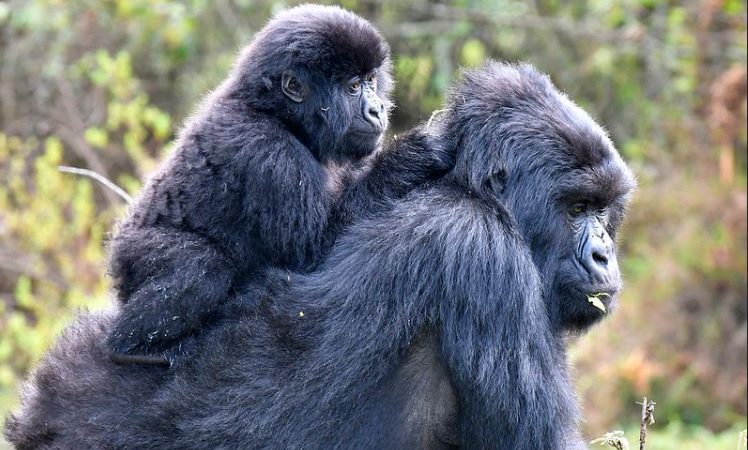
Gorilla Trekking Safari Bookings in Africa
Safari Vacations & Travel Services Ltd
Gorilla Trekking Safari Bookings in Africa
Your complete guide to booking gorilla permits, selecting safari accommodation, comparing Uganda and Rwanda, and planning a responsible encounter with mountain gorillas.
Where Can You Book Gorilla Trekking in Africa?
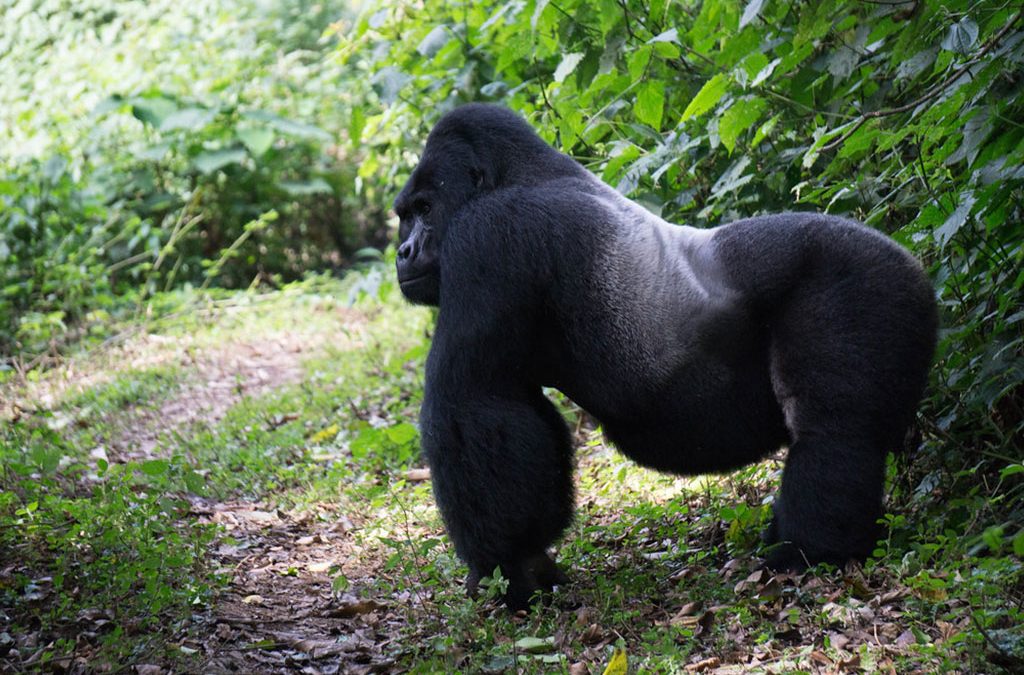
Gorilla trekking safari bookings in Africa begin with a destination decision. Mountain gorilla treks operate in Uganda’s Bwindi Impenetrable and Mgahinga Gorilla national parks and Rwanda’s Volcanoes National Park. Mountain gorillas also occur in the Democratic Republic of Congo, but park operations and security conditions there require current confirmation before considering travel.
For many international visitors, Uganda and Rwanda offer the clearest choice. Uganda combines gorillas with chimpanzees, game drives and forest walks; Rwanda offers a comparatively short journey from Kigali to the Volcanoes National Park area. A well-arranged safari is built around available permits, suitable accommodation and realistic transfers—not simply the lowest advertised price.
Further reading: booking Bwindi gorilla permits · booking Rwanda gorilla permits.


Uganda vs Rwanda: Which Gorilla Safari Is Better?
Uganda is generally better suited to travelers who want several days combining gorilla trekking with Kibale chimpanzees, Queen Elizabeth National Park or Lake Bunyonyi. Rwanda is attractive when international flights connect conveniently through Kigali and the traveler wants fewer road days. Some itineraries begin in Kigali and travel across the border to southern Bwindi; immigration requirements and road conditions must be checked before departure.
| Factor | Uganda | Rwanda |
|---|---|---|
| Main parks | Bwindi and Mgahinga | Volcanoes National Park |
| Standard foreign non-resident permit | USD 800 published standard rate; check dates and eligibility | USD 1,500 standard international rate |
| Typical appeal | Longer primate and wildlife safaris | Shorter trips from Kigali |
| Where to stay | Correct Bwindi sector or Mgahinga gateway | Kinigi or Musanze |
Further reading: Uganda gorilla permit booking · Rwanda permit guidance.
Gorilla Trekking Permits: Prices and What They Include
The gorilla trekking permit is usually the first service to secure because the number of visitors admitted to habituated gorilla families each day is limited. For Uganda, the published standard foreign non-resident trekking rate is USD 800 per person; a USD 600 foreign non-resident low-season offer has been announced for eligible April, May and November dates. Rwanda’s published standard international permit is USD 1,500 per person. Always request a written quotation for the exact travel date and visitor category because tariffs, promotional conditions and eligibility can change.
A standard trekking permit normally includes park-authorized gorilla tracking with a ranger team and a maximum of one hour observing the gorillas once located. Uganda’s gorilla permit tariff includes the relevant tracking-day park entrance and guiding; it does not include your private safari vehicle, hotel, porter or personal expenses. Rwanda’s permit covers the official gorilla trekking activity, not your wider safari package.
Important for 2027: Uganda’s foreign non-resident gorilla habituation fee is scheduled to rise from USD 1,500 to USD 1,800 on 1 January 2027. This is a different experience from standard trekking: habituation provides up to four hours with a gorilla group under the relevant park rules, while standard trekking provides up to one hour.
For Uganda, foreign non-resident permits are purchased through a Uganda Tourism Board-licensed operator under the Uganda Wildlife Authority booking guidelines. In Rwanda, permits can be arranged via the official Rwanda Development Board booking system or through a tour operator. A payment or itinerary proposal alone should never be represented as a confirmed permit.
Further reading: Uganda permit information · permit price updates · permit categories for African travelers.
How to Book a Gorilla Trekking Safari: Five Practical Steps
1. Share your travel dates and group information
Tell us your preferred travel month, party size, children’s ages, arrival and departure airports, approximate budget and interest in budget, midrange or luxury hotels. Travelers aged under 15 cannot join standard mountain gorilla treks.
2. Check official permit availability
We first identify which dates and trekking areas have suitable permits. For Bwindi, the correct sector—Buhoma, Ruhija, Rushaga or Nkuringo—determines your lodge and road logistics.
3. Match the itinerary and accommodation
Decide whether you want a focused two- or three-day trip, a four- to six-day primate safari, or a longer holiday with wildlife and cultural activities. Allow sensible travel time and avoid unnecessary moves between distant lodges.
4. Review your itemized quotation
Check the number and type of gorilla permits, room categories, meals, park fees, private vehicle, guide, airport transfers, border arrangements, excluded costs and cancellation terms. Ask for changes in writing.
5. Pay using verified details and retain confirmation
Safari Vacations commonly requests a 60% deposit and the balance one month before departure unless the written quotation specifies otherwise. We provide an invoice and reservation details; permit and lodge confirmation follows successful booking with the relevant providers.
Further reading: Bwindi habituation sector · trekking versus habituation · two-day gorilla safari from Kigali.
Where to Stay: Gorilla Trekking Accommodation in Uganda and Rwanda
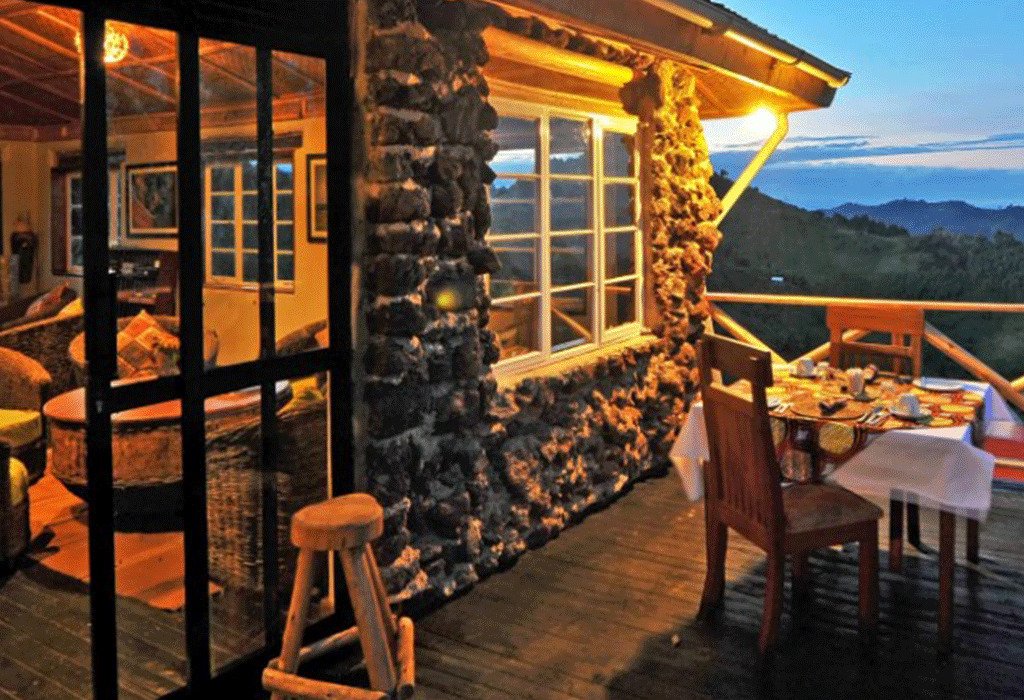
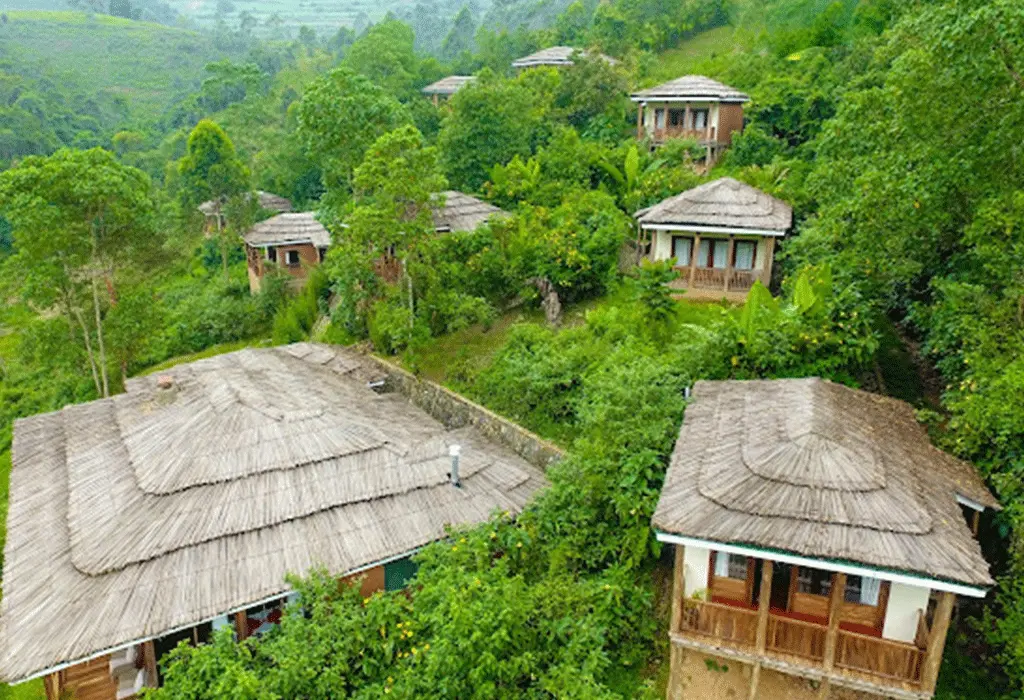
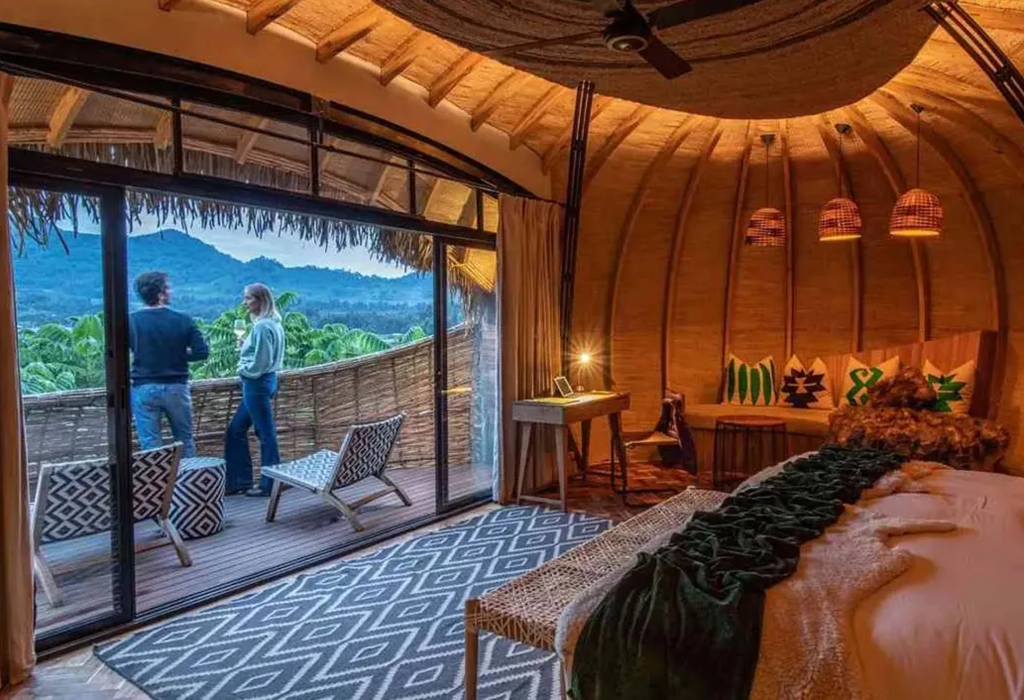
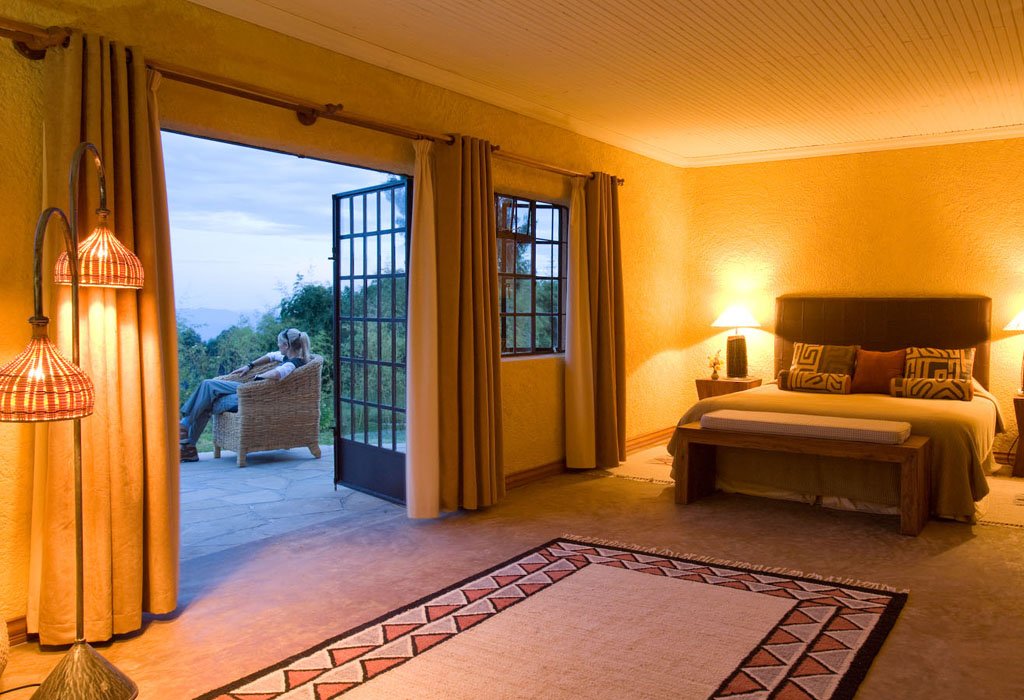
Accommodation is a major part of a successful gorilla safari. The best lodge is not necessarily the most expensive one: it is the property that fits your allocated trekking sector, room requirements and budget. A lodge on the wrong side of Bwindi can mean an impractical early-morning drive on steep, winding roads. We therefore organize lodging around the permit before finalizing the itinerary.
Budget properties prioritize clean, practical rooms and convenient access. Midrange lodges add more comfortable amenities and meals, while luxury retreats emphasize spacious rooms, scenic forest settings and personalized service. Lodges differ in electricity arrangements, Wi-Fi, hot water, packed lunches, accessibility and cancellation deadlines, so these features must be checked for the actual property.



Best Accommodation Areas by Trekking Sector
| Trekking location | Preferred lodge area | Key advice |
|---|---|---|
| Buhoma | Buhoma | Northern Bwindi access |
| Ruhija | Ruhija | Avoid unnecessary inter-sector morning transfers |
| Rushaga | Rushaga | Suitable for Rushaga trekking and habituation where allocated |
| Nkuringo | Nkuringo | Plan around the southern highland road approach |
| Mgahinga | Kisoro / park gateway | Confirm transfer to Ntebeko briefing point |
| Rwanda Volcanoes | Kinigi / Musanze | Consider the early park headquarters briefing |
Before paying for a room: verify full-board or half-board terms, packed lunch, drinking water, porter costs, room configuration, transfer time, accessibility requirements and applicable refund deadlines. Many lodges fill quickly during peak holiday periods. We can propose an equivalent nearby alternative if your preferred property is unavailable, but any substitution should be approved before it is booked.
Further reading: two-day Bwindi trek · Uganda gorillas from Kigali.
Best Time to Book Gorilla Trekking
Gorilla trekking operates year-round. The generally drier periods from June to September and December to February are popular because forest trails are often less muddy, although rain is possible at any time. March to May and October to November can offer lush landscapes and sometimes more flexible accommodation choices, but rain may make trekking more challenging.
For fixed dates, larger groups, specialist lodges or peak holidays, looking six to twelve months ahead is sensible. Shorter-notice bookings can still be possible when permits and rooms are available. Rather than relying on generic “last-minute deals,” ask us to verify live permit supply for your actual travel dates and sector.
Further reading: Bwindi accommodation and permits · best gorilla trekking tours.
How Long Should Your Gorilla Safari Be?
A two-day safari from Kigali to southern Bwindi is possible with suitable arrival times, but it is tightly scheduled and involves an international border crossing. A three-day trip is generally more relaxed. Rwanda itineraries may also be designed around two or three days with Volcanoes National Park as the main focus.
For four to six days, consider a combination of gorillas, golden monkeys, Lake Bunyonyi or a second forest activity. A seven- to ten-day Uganda safari can include chimpanzees in Kibale, wildlife drives in Queen Elizabeth National Park and a Kazinga Channel boat cruise. The right duration depends on your flight routing, stamina and priorities, not on the number of attractions in a brochure.
Private Safari, Shared Safari or Gorilla Habituation?
A private safari means your road transport and day-to-day itinerary are arranged exclusively for your traveling party. It does not automatically mean a private gorilla encounter: park authorities allocate trekkers to gorilla groups according to conservation rules. Standard tracking commonly has a maximum of eight visitors assigned to each habituated gorilla family.
A shared departure can distribute some vehicle and guide costs but usually requires fixed travel dates and a more standardized hotel selection. The separate Uganda gorilla habituation experience allows a smaller group and a longer observation period, with different permit fees. Photographers and visitors who want more observation time may consider it, subject to fitness and availability.
Further reading: five-day cross-border safari · combine gorillas with chimpanzees.
Trekking Day: Fitness, Packing and Responsible Travel
The duration of the forest walk depends on where the gorilla family is that day. Some groups are found relatively quickly while others require several hours of steep or muddy hiking. The one-hour viewing period begins once the family is located and visitors are positioned under the ranger’s direction. Trekkers must be at least 15 years old and must not participate when sick with a contagious illness.
Pack broken-in hiking boots, long trousers, long sleeves, gardening-style gloves, a waterproof jacket, water, packed snacks and a camera without flash. A walking stick and a locally hired porter can be helpful; porter fees are normally separate from the permit and provide valuable community income.
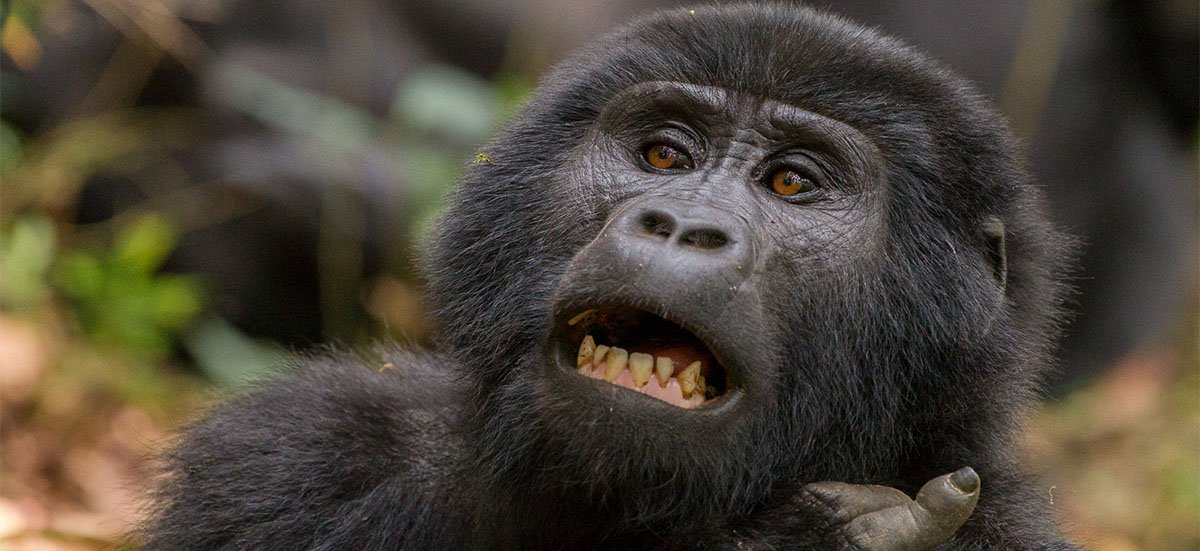
Always follow the current distance rule given by park rangers, avoid touching or feeding gorillas, remain quiet and never use flash. Visitors should give wildlife space if an animal approaches and follow the guide’s instructions rather than attempting photographs at close range. Good gorilla tourism helps fund habitat conservation and local livelihoods.

Further reading: Uganda gorilla and wildlife safari · habituation safari planning.
Transfers, Border Crossings and Arrival Airports
Entebbe International Airport is a common gateway for longer Uganda safaris, while Kigali International Airport can be a convenient starting point for trips to Volcanoes National Park or southern Bwindi. Direct road transfers between Entebbe and Bwindi are long, frequently taking most of the day. Kigali to the Volcanoes National Park area generally requires a much shorter road transfer; Kigali to Bwindi involves a Rwanda–Uganda border crossing and further travel.
For guests who want to reduce driving time, domestic flights into Kisoro or Kihihi may be possible depending on the sector, flight schedule and transfer arrangements. Not every airstrip serves every Bwindi lodge conveniently. Check current visa eligibility, passport validity, health requirements and border procedures before buying flights, particularly for cross-border itineraries.
Further reading: Rwanda trekking from Uganda · why a gorilla permit is required.
What Does the Safari Price Include?
An accurate gorilla safari quotation should clearly list your permit type and quantity, private or shared transport, professional driver-guide, accommodation names and meal plan, park entry charges where applicable, airport or border transfers and optional extras. Drinks, tips, porter hire, sedan chairs, travel insurance, international flights and personal purchases are often excluded unless specifically stated.
The permit price is not the full safari price. A more expensive lodge, single occupancy, additional flight, longer route or vehicle upgrade can significantly alter the total. Conversely, a cheaper accommodation category does not reduce the official permit fee. We prepare tailored quotations so you can compare the true inclusions instead of relying on attractive but incomplete starting prices.
Further reading: honeymoon permit planning · permit payment considerations.
Booking Confirmations, Payments and Cancellation Terms
Once the preferred itinerary has been agreed, we issue an invoice and provide the relevant payment instructions. Our usual arrangement is a 60% deposit to secure permits and accommodation, with the balance approximately one month before travel unless your quotation specifies different terms. Payment processing costs, including any card surcharge, should be stated before you pay.
Permits, lodges and transport can each have different cancellation and amendment conditions. Wildlife authorities control permit rules; lodges control their own room cancellation policies. Always read these in writing and consider insurance covering trekking, trip interruption and emergency medical evacuation. If your flight changes after permits have been issued, a date amendment is subject to the relevant authority’s conditions and availability; it is never automatic.
Further reading: short Bwindi itineraries · additional permit planning.
Suggested Gorilla Trekking Safari Packages
These sample trip styles are starting points for tailor-made itineraries, not promises of specific permit or room availability.

Further reading: historical Uganda permit pricing · two-day trip from Kigali.
Further reading: One-day gorilla permit itineraries.
Frequently Asked Questions About Gorilla Safari Bookings
Can I book a gorilla permit without a full safari?
You may book the trekking permit without purchasing a complete lodging-and-transport package. However, for Uganda, foreign non-residents must obtain their gorilla permits through a Uganda Tourism Board-licensed tour operator under current UWA guidelines. Rwanda also provides official permit booking channels. Transport and accommodation still need to be arranged separately.
What is included in a gorilla safari package?
Inclusions depend on the written quotation. Our tailored packages can cover the gorilla permit, private transfers, driver-guide, accommodation, meals and listed activities. International flights, visas, tips, porters and insurance are usually separate unless expressly included.
How long is the gorilla trek?
The walk can take a few hours or much longer depending on where the gorillas are and the terrain. Standard tracking allows up to one hour with the gorillas after the family is located. The total outing includes the briefing, walking time and return trek.
What happens if I need to change dates?
Permit changes depend on the issuing park authority’s rules and available capacity, while lodge changes follow the property’s cancellation terms. Contact us as early as possible; do not assume paid permits or hotel stays are automatically transferable or refundable.
How much does a gorilla trekking permit cost?
Uganda’s published standard foreign non-resident rate is USD 800, with eligible low-season rates on specified dates. Rwanda’s standard international permit is USD 1,500. These are permit fees, not complete safari prices; ask us to confirm the applicable current tariff before payment.
How early should I reserve gorilla trekking?
For fixed dates in popular travel months, a lead time of six to twelve months is prudent. Other dates may remain available at shorter notice. The deciding factor is actual permit and lodge inventory.
Can children join gorilla trekking?
The normal minimum age for mountain gorilla trekking in Uganda and Rwanda is 15 years. Families with younger children can arrange other age-appropriate activities while eligible adults trek, subject to itinerary logistics.
Can I have a private gorilla encounter?
Hiring a private safari vehicle does not make the ranger-led trek private. Park authorities allocate visitors to families and groups for conservation and safety; special arrangements must never be assumed without official approval.
Local Expertise, Tailored Safaris
Plan Your Gorilla Trekking Safari with Us
Tell Safari Vacations and Travel Services Ltd your travel dates, number of guests, arrival airport, preferred lodging level and must-see experiences. We can check permit availability, coordinate suitable accommodation and prepare a detailed Uganda or Rwanda safari quotation.