Gorilla Trekking & Kenya Wildlife Safari

A classic savannah safari meets a once-in-a-lifetime forest encounter
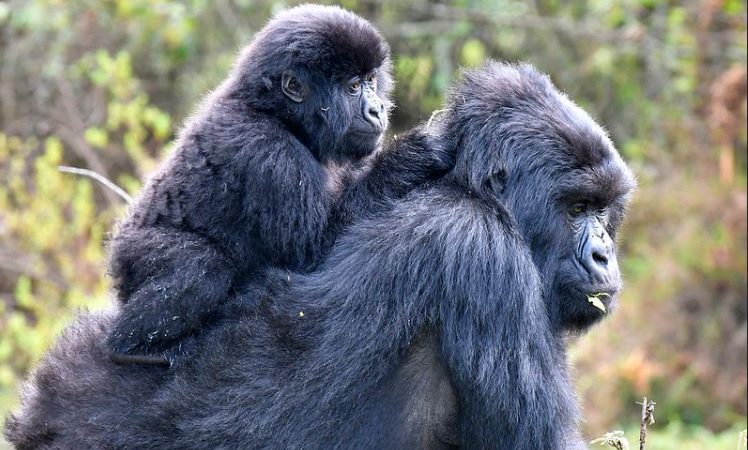
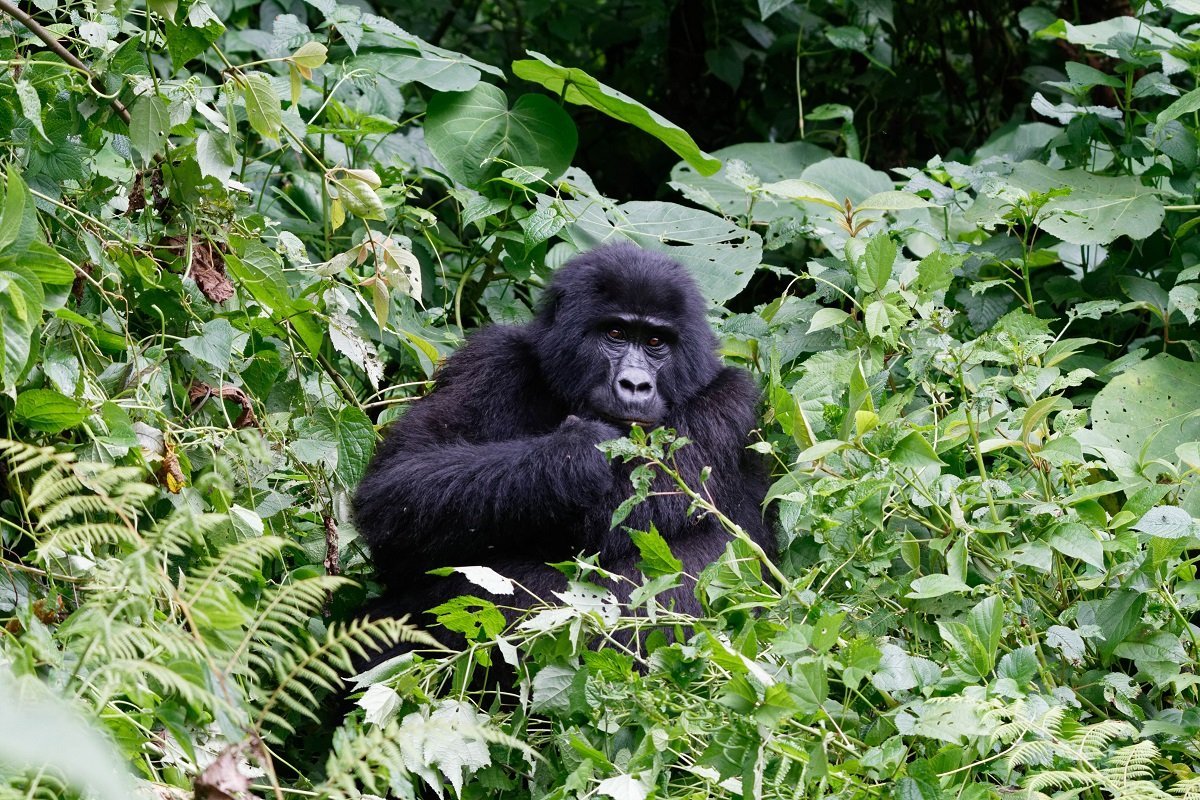
A gorilla trekking and Kenya wildlife safari brings together two very different sides of East Africa. In Uganda or Rwanda, you follow experienced trackers into green highland forests to spend a carefully controlled hour observing mountain gorillas. In Kenya, open-vehicle game viewing reveals expansive landscapes, dramatic predator encounters and herds of grazing animals. The contrast is what makes this multi-country itinerary special.
Mountain gorillas do not live in Kenya. The gorilla portion takes place in Uganda’s Bwindi region or Rwanda’s Volcanoes National Park, followed or preceded by a Kenya wildlife safari. Our team can arrange the connecting transport, gorilla permits, guides and accommodation, so you enjoy a coherent itinerary rather than two unrelated trips.
You may have as little as six days for a concentrated Maasai Mara and gorilla experience, or ten to fourteen days for more wildlife areas, comfortable travel pacing and optional chimpanzee trekking. The best route depends on your chosen gorilla park, arrival and departure airports, flight connections and the dates for which permits are available.


Where to Go Gorilla Trekking
Choosing the gorilla destination is an important first decision. Uganda and Rwanda both protect mountain gorillas, but access, accommodation, trekking terrain and permit costs differ. Read our comparison of Bwindi and Volcanoes National Park before selecting your route. Another option worth exploring is gorilla trekking in Mgahinga. Price-conscious travelers can review affordable gorilla trekking options.


Kenya’s Best Wildlife Safari Destinations
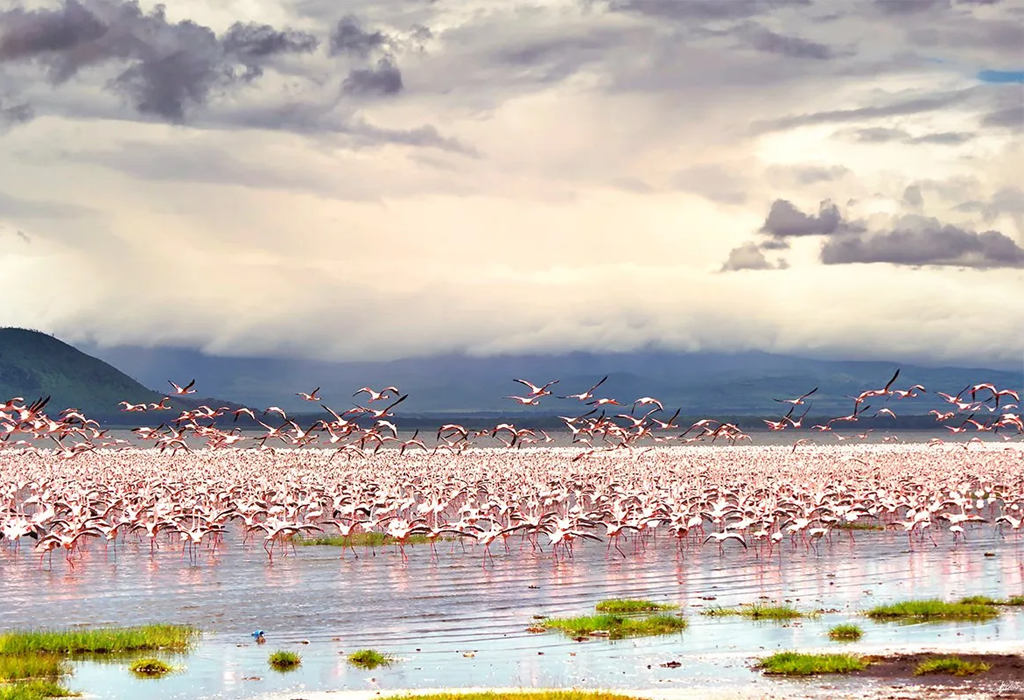
The Maasai Mara is the strongest single-park choice for many first-time visitors, while Amboseli and Lake Nakuru add different landscapes and animal encounters. A longer journey can combine two reserves, but packing in too many parks may create unnecessary long transfers. Explore more of our Kenya safari guides while choosing your wildlife priorities.


How to Combine Gorilla Trekking and Kenya on One Trip
The simplest strategy is to book the gorilla trekking day first, then build the Kenya itinerary around it. Gorilla permits are limited and tied to a specific date and park. In contrast, Kenya wildlife visits offer more flexibility in how many game-drive days you schedule. A sensible itinerary uses at least one dedicated transfer or flight-connection day between the gorilla region and the Kenyan reserve, rather than assuming these destinations are connected by a quick road journey. Budgeting becomes easier with our overview of gorilla trekking costs.
Option 1: Kenya first, Uganda second. Fly into Nairobi, spend three or four nights in the Maasai Mara, then fly to Entebbe or Kigali via an available connection and continue to Bwindi or Mgahinga. This is useful for travelers who want game drives first and the gorilla experience as their grand finale. See the existing Nairobi-to-Bwindi travel guide.
Option 2: Rwanda first, Kenya second. Begin in Kigali, transfer to Volcanoes National Park, track gorillas and then return to Kigali for an onward flight via the appropriate connection to Nairobi. Continue by road or domestic flight to the Maasai Mara or Amboseli. This option can be attractive for a compact eight-day journey, particularly when a Rwanda gorilla permit is available on the right date.
Option 3: Uganda primates, then Kenya wildlife. With ten or more days, add chimpanzee trekking in Kibale, a visit to Queen Elizabeth National Park or another Ugandan highlight before continuing to Kenya. It is ideal for visitors who would prefer a broader wildlife and primate safari. Our Uganda gorilla and wildlife itinerary offers a useful starting point.
Flights between East African countries are not the same as domestic flights between safari parks. Airline timetables, airport transfers, baggage allowances, border requirements and domestic bush-flight availability all need to be checked for your exact dates. We do not assume that direct flights between the Maasai Mara and a gorilla trekking park operate every day.
Sample 8-Day Kenya & Gorilla Trekking Itinerary
This is a flexible planning example, not a confirmed flight schedule. It uses Rwanda for the gorilla trek; an Uganda-based variation is available. Before finalizing the trekking day, read about what to expect during a gorilla trek.
Day 1 — Nairobi
Arrive, meet your guide and relax after your flight.
Day 2 — Maasai Mara
Travel to the Mara, settle into camp and enjoy a game drive if time allows.
Day 3 — Maasai Mara
Enjoy a substantial wildlife-viewing day with your specialist safari guide.
Day 4 — Maasai Mara
Continue game drives, photography or an optional cultural encounter.
Day 5 — Nairobi / Kigali
Return toward Nairobi and take a suitable onward flight; overnight as connections permit.
Day 6 — Volcanoes Region
Transfer from Kigali to Musanze, check into your lodge and prepare for the trek.
Day 7 — Gorilla Trekking
Attend the park briefing, trek with rangers and spend an hour with a gorilla family.
Day 8 — Kigali Departure
Transfer to Kigali for your onward international flight, allowing enough time.
For a Uganda version, replace the Volcanoes segment with Bwindi or Mgahinga and add transfer time according to the chosen sector and airport. View a shorter Maasai Mara and Bwindi combination.
Accommodation for Your Gorilla & Kenya Safari
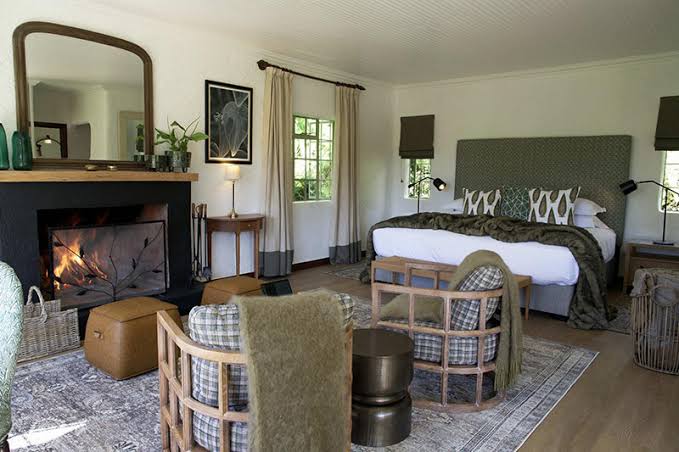
Good accommodation makes a substantial difference on a multi-country safari. At the gorilla destination, proximity to the correct briefing point matters more than a lodge’s appearance alone. In the Maasai Mara, camp location affects how much time you spend driving to wildlife areas and which reserve or conservancy access fees apply. We match lodging to your dates, comfort preference, travel budget and final route rather than promising one lodge for every itinerary. For guests with mobility considerations, we also explain accessible gorilla trekking sectors.


Best Time for Gorilla Trekking and Kenya Wildlife
June to September is a particularly popular period for this combination. Gorilla trails in Uganda and Rwanda are often comparatively drier, and the Maasai Mara may offer opportunities to see the Great Migration as herds move through the broader Mara–Serengeti ecosystem. River crossings are natural events, however, and cannot be guaranteed on a particular day. If you are comparing the standard encounter with a longer forest experience, learn about gorilla tracking and habituation.
December to February is another attractive window for gorilla trekking and Kenya wildlife viewing. In the gorilla forests, conditions are often relatively drier, although rain remains possible in every month. Wildlife viewing is possible throughout the year in Kenya, with seasonal variations in vegetation and animal movements.
March to May and October to November can suit travelers who appreciate green scenery, fewer visitors in some locations and flexible accommodation choices. Rain may make gorilla trails muddier or slow road travel. Instead of selecting dates based only on the season, consider available permits, Kenya game-viewing priorities and realistic air connections. Read our best time to see mountain gorillas guide for fuller seasonal context.
Gorilla Permit Costs and Safari Budget
For foreign non-residents, Uganda’s standard gorilla trekking permit is USD 800 per person, while Rwanda’s standard foreign visitor permit is USD 1,500 per person. These are permit fees, not the total cost of a multi-country safari, and rates can differ for residents, citizens and officially announced promotional categories. The standard permit generally provides up to one hour of observation once the gorillas have been located. See our Uganda gorilla permit cost guide.
The rest of your holiday cost depends on the number of nights, private or shared vehicle arrangements, domestic and regional flights, accommodation category, Kenya park or conservancy fees, number of participants and optional activities. A journey featuring just the Maasai Mara and one gorilla trek will ordinarily be less complex than a multi-park safari with Amboseli, Lake Nakuru, Kibale and extra gorilla permits. Request an itemized quote that identifies what is included and what remains payable separately.
For official reference, see the Rwanda Development Board booking portal and Kenya Wildlife Service. Prices and rules should always be checked against the travel year before payment.
Practical Planning: Flights, Visas and What to Pack
Flight planning: Nairobi is Kenya’s principal international connection point, while Entebbe serves Uganda and Kigali serves Rwanda. Domestic flights may reduce road time to parts of the gorilla trekking region or Kenya’s safari areas, but actual routing depends on operating days, airstrips and transfer logistics. Allow generous connections, especially when separate airline tickets are used. For forest footwear, waterproof layers and daypack essentials, use the gorilla trekking packing list. Those booking a habituation experience rather than a standard trek should also check the gorilla habituation packing list.
Entry requirements: Passport validity, visas or electronic travel authorizations, vaccination documents and transit requirements are determined by nationality and exact routing. Kenya’s current entry process and Uganda/Rwanda visas should be checked through official government portals before travel. An East Africa Tourist Visa is not a substitute for every possible Kenya entry authorization or itinerary; eligibility and first-entry conditions matter.
Gorilla trek preparation: Bring sturdy walking boots, long trousers, a long-sleeved top, waterproof outerwear, garden-style protective gloves, drinking water and a small daypack. Porters can assist on steep trails, where available. Gorilla trekking has a minimum age of 15, and visitors with contagious illness may be refused participation to help protect gorilla health. The ranger team controls the viewing distance and duration.
On safari in Kenya: Pack neutral-colored clothing, sun protection, binoculars, camera batteries and something warm for early-morning drives. Wildlife sightings cannot be promised, but a well-paced game-drive schedule gives you time to explore without rushing between locations. Consider a gorilla and Great Migration safari if seasonal wildlife movements are a particular interest.
Choosing the Right Safari for Your Travel Style
For first-time visitors: A three-night Maasai Mara stay followed by one gorilla trek balances the best-known wildlife encounters with a manageable schedule. Reserve at least one full Kenya game-viewing day rather than treating the reserve as a quick photo stop. Our six-day Maasai Mara and Bwindi safari demonstrates how the essential experiences can fit into a shorter journey, subject to suitable flights. Older visitors may find our advice on gorilla trekking for senior travelers.
For photographers: Consider extra time in the Maasai Mara for changes in light and animal behavior, plus a carefully selected forest lodge close to the gorilla briefing point. Photography in the rainforest is often challenging because the light is filtered, the ground can be slippery and flash is not permitted near gorillas. A longer itinerary provides room to adjust without sacrificing the gorilla encounter. Our gorilla trekking tour guide explains the key experience choices.
For travelers who enjoy variety: Uganda offers an excellent extension. A chimpanzee trekking day in Kibale can create a memorable contrast with the mountain gorillas, while a Queen Elizabeth National Park game drive or boat cruise offers another wildlife setting before you depart for Kenya. If spotting the Big Five is central to your trip, review our gorilla and Big Five planning guide and remember that sightings depend on species distribution, habitat and luck.
For luxury travelers: Focus less on the number of destinations and more on the quality of each stay. Premium Kenya camps, carefully planned domestic flights and luxury gorilla lodges can produce a comfortable safari while keeping the day-to-day program intimate. If time allows, a gentle rest day before or after trekking can be more valuable than another long transfer. Browse our Uganda and Rwanda gorilla options for alternative routes.
For adventurous travelers: The forest element can be expanded with separate nature walks, cultural visits or golden monkey trekking where available. In Kenya, consider an optional guided activity permitted by the chosen conservancy or camp. The best additions are not automatically the most expensive ones: choose experiences that complement the main wildlife focus and are supported by the correct local guides and permits. You can also explore our best gorilla trekking tours comparison.
Why Plan the Journey with a Local Safari Team?
Traveling between two or three countries introduces details that are easy to underestimate. A change in the gorilla trekking sector can alter lodge access, a missed flight can affect an expensive permit day, and a Kenya camp outside your expected reserve area may change game-drive arrangements. Safari Vacations and Travel Services Ltd helps match permits, regional flights, road transfers, safari vehicles and local guiding to a single travel plan. We organize the journey around the experiences you value, explain the practical trade-offs and prepare a clear inclusions list for your review.
We also encourage responsible wildlife viewing: follow ranger instructions around gorillas, avoid pressuring guides for unsafe close encounters and respect the regulations of Kenya’s parks and conservancies. Before arriving at the forest, review our gorilla briefing guidance so your experience supports conservation as well as your own enjoyment.
Frequently Asked Questions
Can I see mountain gorillas in Kenya?
No. Wild mountain gorilla trekking takes place in Uganda and Rwanda, as well as the Virunga region of DR Congo when access conditions permit. Kenya is the wildlife safari part of this combined itinerary. For additional support on forest trails, see our guidance on hiring a porter on a gorilla trek.
How many days should I allow?
Six to eight days can work for one Kenya wildlife area and one gorilla destination if flights align. Ten to fourteen days is more comfortable for multiple Kenya parks, chimpanzees or additional Uganda and Rwanda experiences.
Is Uganda or Rwanda better for a combined Kenya safari?
Uganda appeals to travelers wanting more primate options or a broader wildlife circuit, while Rwanda offers a relatively direct route from Kigali to Volcanoes National Park. The right choice depends on your budget, flight plan and permit date.
Can I start in Nairobi and finish in Kigali or Entebbe?
Yes, an open-jaw itinerary can be arranged where available. This avoids returning to the original international arrival airport unnecessarily. We recommend securing international flights only after reviewing your route and regional connections.
Will I definitely see the Great Migration?
No. The migration is seasonal and movements vary by rainfall and grazing conditions. A Maasai Mara safari can still offer excellent wildlife viewing outside the headline migration season.
How physically demanding is gorilla trekking?
The distance and terrain vary according to where a family is located. Some treks are shorter, others involve several hours over muddy, uneven slopes. Discuss mobility considerations before permits are reserved, and request a porter if useful.
Can the itinerary include chimpanzee trekking?
Yes. Kibale National Park in Uganda is a strong extension for travelers with extra days. Adding chimpanzees is especially sensible when the trip already includes Bwindi and Entebbe.
When should I book gorilla permits?
As early as practical, particularly for the popular June–September and December–February periods. A Kenya safari lodge can sometimes be changed, but the gorilla trek is tied to a dated permit.
Is this safari suitable for couples or families?
Yes, it can be customized for couples, solo travelers, private groups and families. Remember that gorilla trekking participants must meet the minimum age of 15; younger family members would require other activities and appropriate supervision.
What should I provide to receive an accurate quote?
Share preferred dates, number of travelers, approximate trip length, gorilla destination preference, Kenya parks of interest, accommodation budget and the airports you are considering. We can then build an itinerary with realistic transfers and suitable permits.