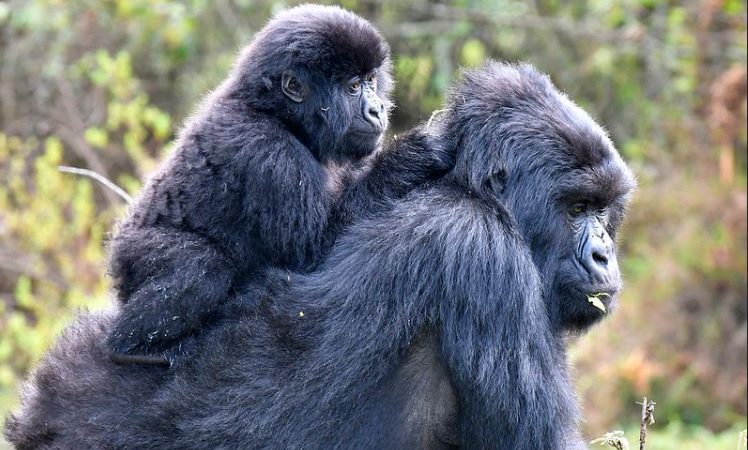
Gorilla Trekking: Amazing Africa Holiday Adventure

Gorilla Trekking in Africa: Uganda & Rwanda Safari Guide
Gorilla trekking in Africa is one of the continent’s most memorable wildlife experiences: a guided forest journey that can bring you into the presence of a habituated mountain gorilla family. For most travellers planning a practical trip today, the main choices are gorilla trekking in Uganda and gorilla trekking in Rwanda. Both experiences require a permit, realistic expectations about hiking conditions and respect for the gorillas, guides and protected forest.
2026 planning snapshot: Uganda’s standard foreign non-resident gorilla permit is USD 800, while Rwanda’s standard permit is USD 1,500. Uganda usually suits travellers building a longer wildlife itinerary; Rwanda is especially convenient for shorter trips because Volcanoes National Park is readily reached from Kigali. Permit rules and promotional rates can change, so confirm the applicable rate before paying for flights or lodges.
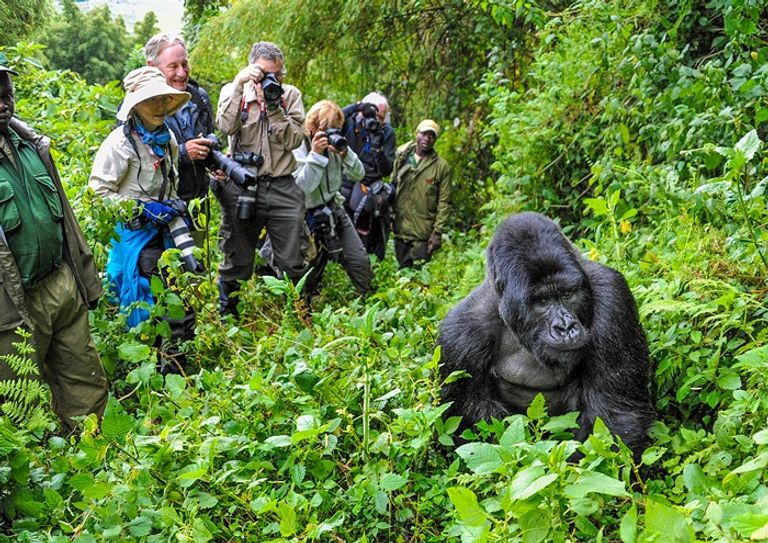
Where to Go Gorilla Trekking in Africa
For gorilla trekking in Africa, Uganda protects mountain gorillas in Bwindi Impenetrable Forest and Mgahinga Gorilla National Park. Bwindi is divided into separate trekking sectors, so your permit location needs to match your accommodation and road transfers. Rwanda’s trekking is concentrated in Volcanoes National Park, making the logistics comparatively compact.
If your dream is a deeper safari rather than a stand-alone trek, Uganda makes it straightforward to combine gorillas with chimpanzees and savannah wildlife. A broader Uganda–Rwanda gorilla trekking guide can help you compare the two countries around time, budget and the wider journey.
Uganda or Rwanda: How the Experiences Differ
When comparing gorilla trekking in Africa, the gorillas are the reason to travel, but the journey around them differs. Uganda generally offers a lower permit price, more trekking locations and easy combinations with other national parks. Rwanda offers fast access from Kigali, a concentrated trekking area and a strong fit for travellers with fewer days. This detailed Uganda vs Rwanda comparison is useful when deciding which logistics fit your trip.
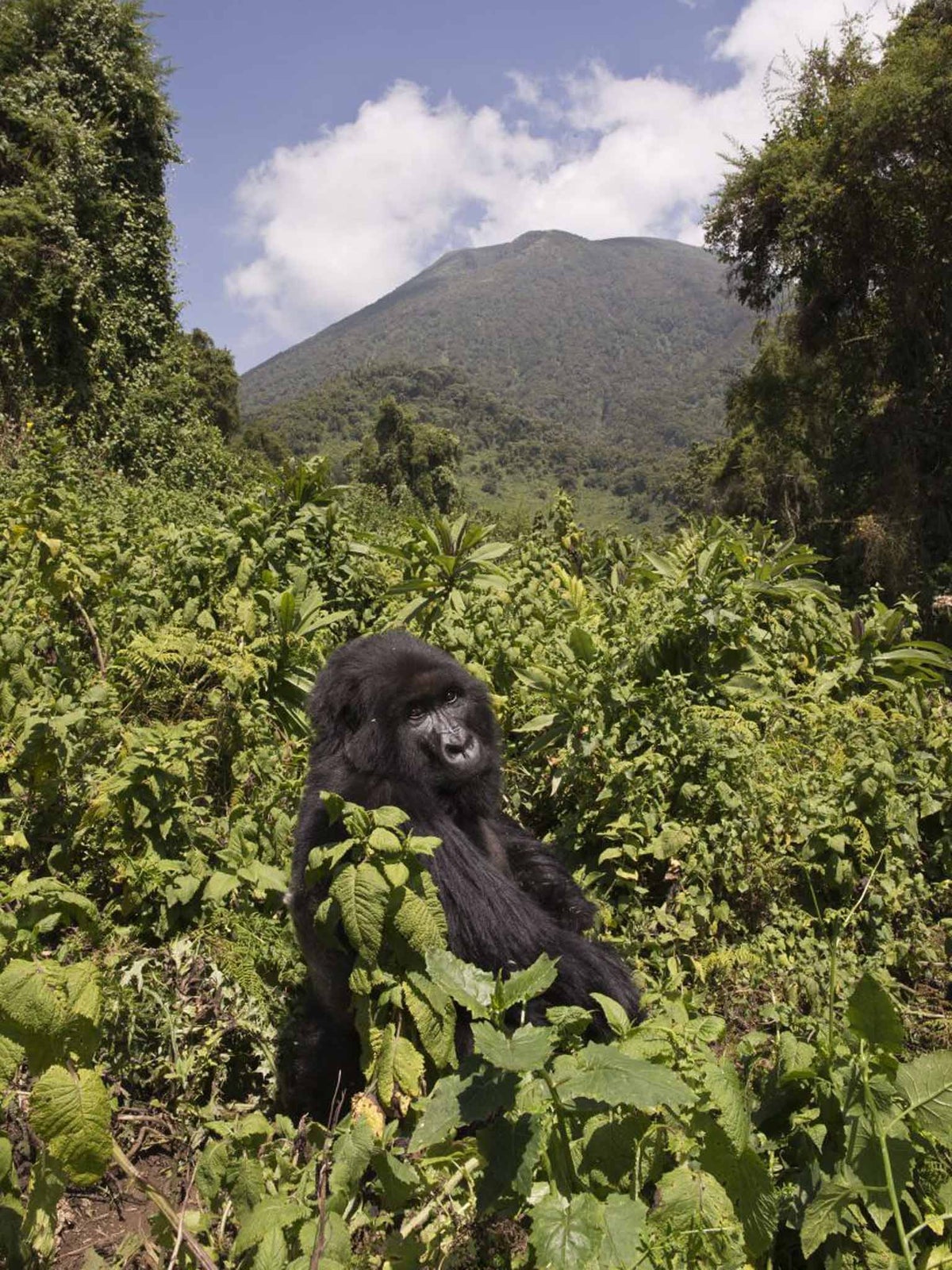
Permits, Costs and Booking Order
For gorilla trekking in Africa, the permit is the key reservation around which the rest of the trip should be built. In Uganda, your trekking sector affects where you should sleep, while in Rwanda your permit is tied to the Volcanoes National Park trekking system. Read the current Uganda gorilla permit guidance before committing to accommodation, and compare it with the latest Rwanda gorilla permit information.
Budget beyond the permit itself. Transfers, lodging, meals, porter services, tips and any additional safari activities all shape the final trip cost. Booking the permit first prevents a common mistake: choosing a beautiful lodge that is inconveniently far from the assigned trekking start point.
What Happens on Gorilla Trekking Day?
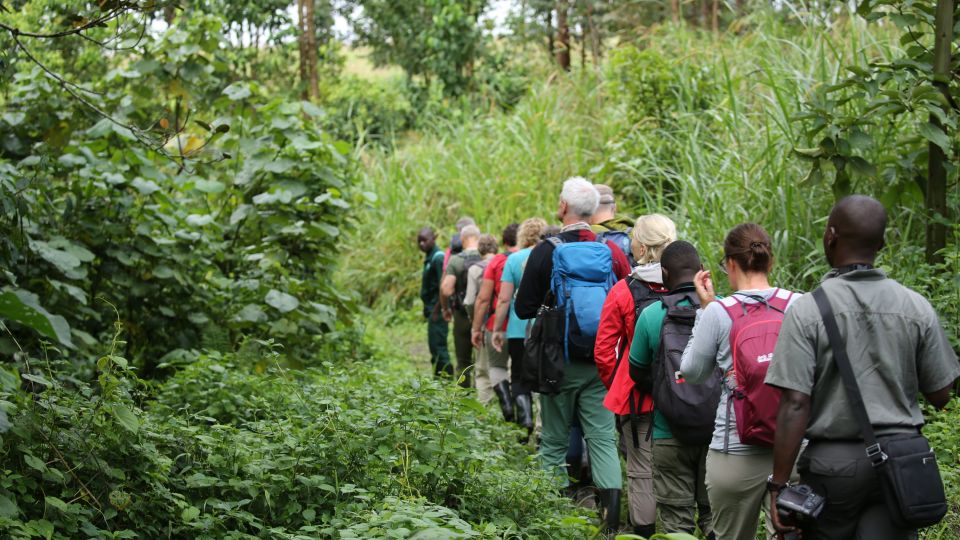
The day normally starts with a ranger briefing and group allocation. You then enter the forest with guides and trackers, following the gorillas’ current location rather than a fixed tourist trail. The walk may be relatively short or may take several hours over steep, muddy and uneven ground. Once the assigned family is located, standard trekking allows a limited observation period under ranger supervision. Review current gorilla tracking information so you understand health, distance and photography rules before entering the forest.
No operator can promise an exact walking time because the gorillas move naturally through their habitat. Fitness, recent rainfall, vegetation and the family’s location all influence the day, which is why it is worth understanding gorilla trekking difficulty before you travel.
Best Time to Go
Gorilla trekking in Africa operates throughout the year, but relatively drier periods are popular because trails can be easier underfoot. Wetter months can bring muddier conditions, yet the forest remains lush and permits or rooms may be easier to secure on some dates. There is no month when rain is impossible in a mountain rainforest. Use this best time to trek mountain gorillas guide to match weather preferences with your travel dates.
What to Wear and How to Prepare
Wear sturdy hiking boots with good grip, long trousers, a long-sleeved top and rain protection. Carry drinking water and protect cameras or phones from sudden showers. Gloves can be useful when steadying yourself on vegetation. A practical gorilla trekking clothing guide helps turn a general packing list into forest-ready gear.
Prepare for the hike as well as the sighting. Regular walking, hills or stair training before departure can make the day more comfortable. Travellers with stamina or mobility concerns should discuss them before permit allocation and review options for gorilla tracking support for elderly travellers or others who may need additional support.
Make the Gorilla Trek Part of a Bigger African Safari
Gorilla trekking in Africa can be the emotional centre of a trip without being the whole itinerary. In Uganda, travellers often connect Bwindi with chimpanzee tracking, Queen Elizabeth National Park or other wildlife areas. In Rwanda, a gorilla trek can combine with Kigali, Akagera or Lake Kivu. If you want the trek to anchor a longer journey, explore a dedicated gorilla trekking tour and build outward only after the permit date is confirmed.
Responsible Trekking Makes the Dream Sustainable
Mountain gorillas are wild primates vulnerable to human disturbance and disease. Follow ranger instructions, respect the required viewing distance, avoid trekking when ill, never feed or touch gorillas, and keep photography calm and flash-free. Responsible behaviour is not an optional extra; it is part of the conservation model that makes regulated gorilla tourism possible. Learn more about the principles behind ethical gorilla trekking before your visit.
The best gorilla trekking in Africa itinerary is therefore not simply the one with the lowest permit price or shortest transfer. It is the one that matches your available days, hiking confidence, preferred travel pace and wider safari interests. Secure the permit first, stay near the correct trailhead, prepare for changing rainforest weather and leave enough time around the trek so the experience never feels rushed.