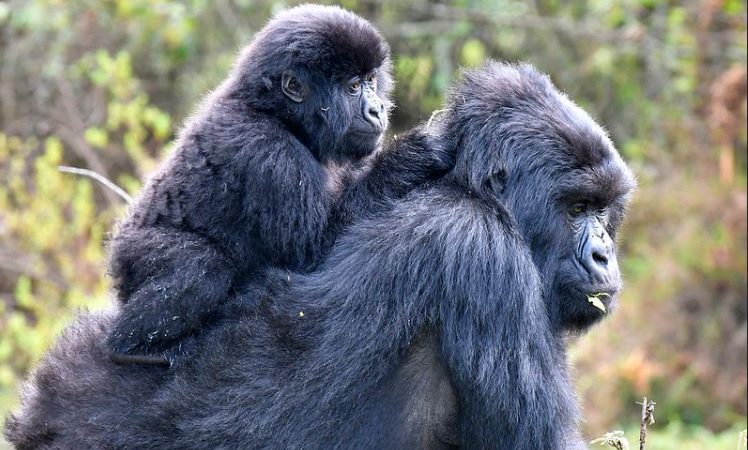
Gorilla Trekking Boots: 9 Ultimate, Amazing Fit Tips

Uganda & Rwanda Gorilla Safari Guide
Gorilla Trekking Boots: The Complete Fit, Grip & Packing Guide
Gorilla Trekking Boots can make a demanding forest walk far more comfortable. This practical guide explains what to buy or pack, why traction matters, how to avoid blisters, and how to prepare for muddy trekking in Bwindi, Mgahinga and Rwanda.
Practical footwear advice · Trekking preparation · Uganda & Rwanda
Why Gorilla Trekking Boots Matter More Than Most Safari Gear
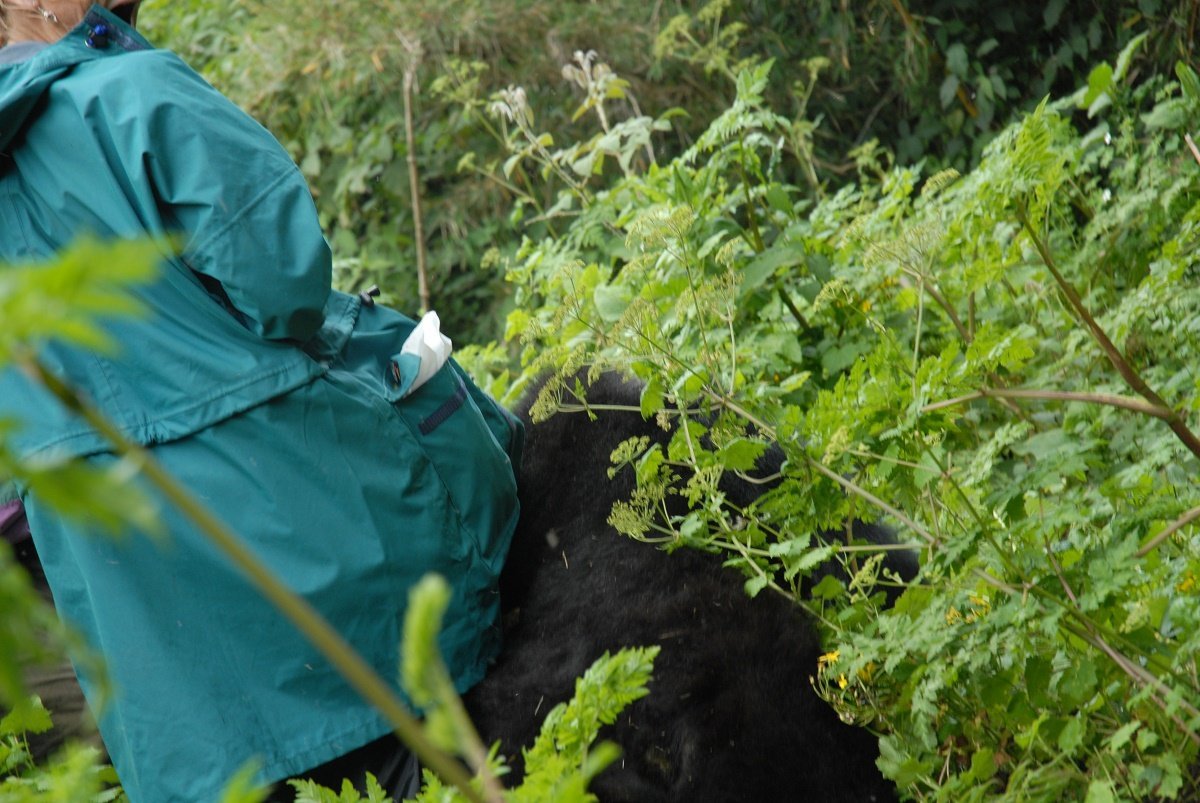
When people imagine an encounter with mountain gorillas, they picture a silverback in the greenery rather than the path leading to him. In reality, your feet experience the safari first. Forest tracks can be muddy, narrow, rooted and steep, and the route changes with rainfall and where the animals are feeding. Choosing Gorilla Trekking Boots is therefore a safety and comfort decision, not simply a fashion choice. A reliable pair reduces distractions and helps you remain attentive to the ranger, your footing and the surrounding wildlife.
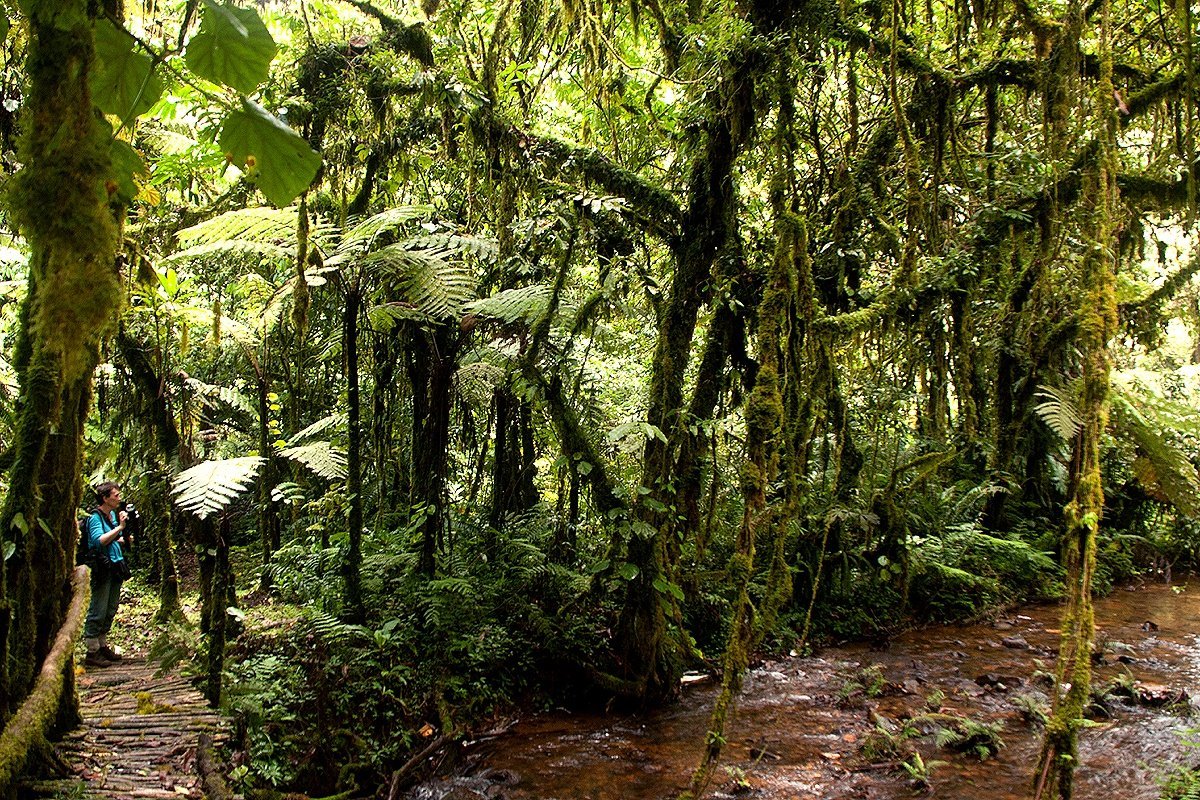
The forests have different personalities. Bwindi Impenetrable Forest is known for tangled vegetation and uneven mountain slopes. In Gorilla Trekking in Bwindi, you may walk through farmland before reaching dense forest, then climb or descend on damp soil. Gorilla Trekking in Rwanda often combines volcanic slopes, grassland and patches of forest around Volcanoes National Park. Neither destination guarantees an easy path. Your boots must cope with changing surfaces rather than one perfectly maintained hiking trail.
Proper boots for gorilla trekking are not necessarily the heaviest or most expensive pair in a shop. The goal is a dependable balance of traction, fit, weather protection and enough flexibility to walk normally. Good gorilla trekking footwear should feel secure at the heel but allow your toes to move on descents. The best choice is the pair you have practiced in, tested on uneven ground and can wear without constant adjustment.
The Nine Essential Features of Good Gorilla Trekking Boots
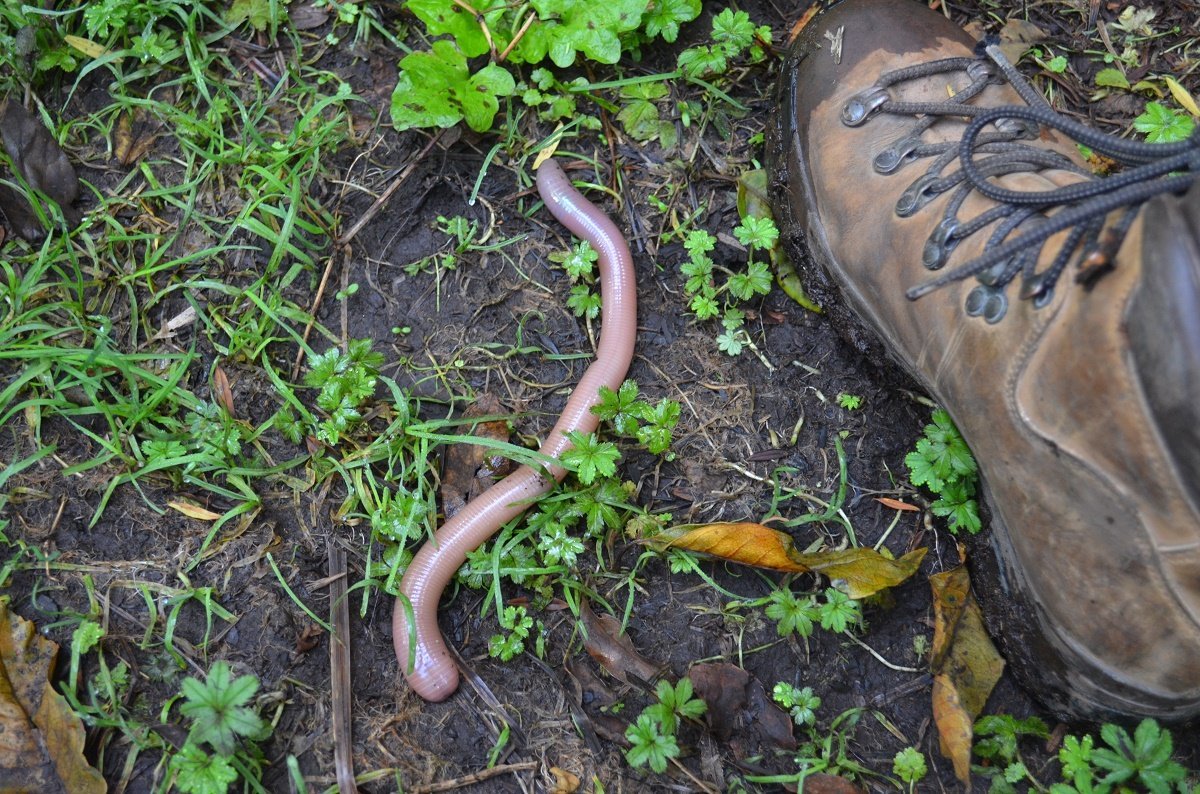
Begin with the outsole. Deep, widely spaced rubber tread helps shed mud and improves grip on loose soil. On a polished wet root or smooth rock, however, even excellent tread can slip. Take smaller steps, keep a stable stance and accept a ranger or porter’s assistance. Gorilla Trekking Difficulty often reflects weather and terrain more than a traveler’s confidence on ordinary city walks. Look for a sole that bends near the forefoot while staying stable under the middle of the foot.
Next assess heel security, collar height and waterproofing. Many travelers prefer mid-cut waterproof hiking boots because they cover the ankle and help block splashes while remaining lighter than tall mountaineering boots. Ankle collars can add protection, but they do not prevent every sprain. A boot that rubs your ankle is a poor fit regardless of its technical label. Water resistance is helpful, yet no membrane can keep feet dry if water enters over the top of the boot.
Finally consider breathability, weight, laces and durability. Warm forests can make a sealed boot humid inside, and a heavy pair may tire inexperienced walkers. Try a lightweight or medium-weight model with a firm heel cup, comfortable padded tongue, solid stitching and laces you can adjust in stages. Good Gorilla Trekking Boots allow you to tighten the heel before a descent and relax the forefoot if swelling develops during a long outing.
Waterproof Hiking Boots or Water-Resistant Shoes?
Waterproof hiking boots are the safest all-round recommendation for the majority of first-time trekkers. Mist, damp undergrowth, rain showers and wet clay may be present even when the forecast looks encouraging. A waterproof membrane helps keep shallow splashes out, while a closed upper protects against dirt and plant debris. The advantage becomes particularly obvious when a dry-looking path turns slippery under the canopy. You still need suitable socks and a plan for drying the boots overnight.
Water-resistant footwear is sometimes more breathable and may dry faster after becoming saturated. Experienced hikers who know the terrain may accept that trade-off, but newcomers should not mistake an ordinary trainer for technical trail footwear. Solid tread and secure fit matter more than a marketing claim. In the Weather conditions in Bwindi forest national park, humidity and unpredictable showers justify carrying proper rain protection regardless of the travel month.
Avoid expecting waterproof hiking boots to behave like rubber fishing boots. On a deeper stream crossing or in relentless rain, water can run down trousers and into the boot collar. Gaiters and waterproof over-trousers help manage that vulnerability. After a wet trek, remove insoles, loosen laces and allow air to circulate. Never put leather or synthetic boots beside a fierce fire; excessive heat can damage adhesives, leather and waterproof membranes.
Finding the Correct Fit Before You Travel
How to Fit Gorilla Trekking Boots Properly
Try boots late in the day when feet may be slightly swollen. Bring the same hiking socks you intend to wear in Uganda or Rwanda. Stand, walk, climb a few steps and descend an incline if the retailer has one. Your heel should not lift excessively; your toes should not strike the front on a downhill step. If your usual size pinches, try a different last or width rather than assuming that every new boot will stretch sufficiently.
Check the space in front of your longest toe while standing. There should be room for normal movement without allowing your whole foot to slide. Too much volume produces heel blisters, while too little creates pressure on toenails during descents. Women and men should choose based on actual foot shape, not marketing labels. Anyone wearing orthotics should test them in the hiking boots and confirm that the heel remains securely seated.
Plan several progressively longer practice walks before departure. Wear the pair on local slopes, stairs and safe muddy surfaces if possible. Start with modest distances, then walk with a small daypack. The objective is not to endure pain until the leather gives up; it is to discover problems early while returns or adjustments remain possible. Gorilla Trekking Fitness preparation is more rewarding when the footwear used in training is the same pair taken on safari.

Breaking In Boots Without Getting Blisters
Begin with short walks in your neighborhood and assess your feet immediately afterward. A hot spot on the heel, the side of a toe or the arch signals friction before a blister fully forms. Adjust lacing, sock thickness or footwear choice as needed. Some modern synthetic hiking boots need little break-in, but they still require a realistic trail test. New footwear first opened in a lodge room is a gamble on an experience with a valuable permit.
Increase walking time gradually rather than testing your endurance with one huge outing. If the weather is dry, practice on uneven surfaces to simulate balance demands; if it rains, test grip somewhere safe. Learning to manage shoelaces and gaiters beforehand prevents fumbles at the morning briefing. The Mountain Gorilla Tracking Experience is special enough without spending the return walk thinking about bleeding heels.
Carry a few blister dressings, although the ideal outcome is never needing them. Clean and dry your skin before applying a protective dressing. If an area repeatedly hurts despite adjustments, stop and reconsider the fit. Do not depend on thick socks to fix a boot that is fundamentally the wrong shape. Comfortable Gorilla Trekking Boots should become familiar equipment well before the ranger calls your group forward.
Choosing Socks That Work With Gorilla Trekking Footwear
Good hiking socks manage moisture and reduce friction. Merino blends and technical synthetic fabrics are popular because they can move sweat away from the skin and maintain cushioning. A medium cushion is often sufficient; extremely thick socks can make an otherwise correct boot feel cramped. Try each combination as a system, since fit changes dramatically with sock thickness. Cotton tends to retain moisture and may increase discomfort on long damp walks.
Carry a spare dry pair in your daypack and change after the trek if the first pair becomes soaked. Wearing damp socks for the drive back can make minor skin irritation worse. If your feet are prone to blisters, test a thin liner sock beneath a hiking sock during training, but avoid layering so much that toes lose space. Good boots for gorilla trekking should never require a painful compression trick to feel stable.
Trousers can be tucked into long socks as a simple barrier against insects and plant debris, provided the arrangement remains comfortable. The clothing suggestions in What to Wear On a Gorilla Trek are helpful for completing an outfit around your footwear rather than treating boots in isolation. Lightweight long trousers, covered legs, a rain jacket and protective gloves make more sense together than any single expensive item.
Do You Need Gaiters for Gorilla Trekking?
Gaiters wrap around the lower leg and the top of the boot. Their main purpose is to keep mud, grit, water splashes and vegetation from slipping through the gap at the ankle. On some paths, they can also reduce the opportunity for biting insects to enter clothing. They are particularly useful in wet weather and on routes with dense low vegetation, but they should be treated as an aid rather than a promise of total protection.
A lightweight gaiter is often easier to pack than a full heavy-duty mountain model. Choose one that fastens securely, covers the top of your boot and does not slide down as you walk. Practice fitting it at home, especially the underfoot strap and front hook. If you do not own gaiters, properly tucked trousers and long socks offer a basic alternative, although the arrangement may be less effective in deep mud.
Avoid buying complicated accessories simply because a packing list includes them. Ask your operator what the conditions have been like, then match the kit to the forecast and your comfort level. Gorilla trekking footwear works best when gaiters, socks and trousers overlap neatly without bunching or restricting circulation. A quick inspection before the trek can prevent rubbing under straps during the climb.
Boots Versus Trainers, Trail Runners and Gumboots
Ordinary fashion trainers are a poor default choice for mountain gorilla trekking. Their relatively shallow tread, limited protection and water absorption may be manageable on an urban footpath but much less pleasant in forest mud. Technical trail runners can be grippy and lightweight, and experienced hikers sometimes use them in dry conditions. Yet they offer less coverage against mud and plant debris, making secure hiking boots a more versatile choice for visitors uncertain about conditions.
Gumboots are sometimes discussed as a solution for muddy trails. Their waterproof rubber upper can be useful in soft ground, but fit, arch support and comfort vary considerably. A loose rubber boot can rub and feel unstable during a lengthy descent. Do not rely on borrowing a pair unless you have checked sizing, sole quality and availability in advance. The best option remains footwear that you already know fits.
In Gorilla Tracking in Uganda, a forest hike can be shorter or much longer than expected. The Mountain Gorilla Duration varies with animal movements, the assigned group and the trail. That uncertainty favors dependable, previously tested boots over footwear chosen only for the easiest possible outing. Bring lighter shoes separately for the lodge and road transfers so your trekking footwear can dry.
Matching Boots to Bwindi’s Four Trekking Sectors
Bwindi’s four major visitor sectors are Buhoma, Ruhija, Rushaga and Nkuringo. The actual route and elevation change depend on the assigned gorilla family, its location and that day’s conditions, so no sector guarantees an easy walk. The Gorilla Sectors in Bwindi impenetrable each offer different travel logistics and lodge locations. Choose your trekking sector in coordination with permits and accommodation rather than on an assumption that one particular trail will be dry.
Visitors heading to Rushaga Gorilla Sector in Bwindi should expect the same need for dependable grip, supportive footwear and rain protection as elsewhere. Nkuringo’s landscape can involve challenging slopes; Buhoma also has uneven, muddy terrain despite its reputation as an accessible gateway. The Best region to trek gorillas in Bwindi depends on multiple factors, including availability, interests and how much road travel suits your itinerary.
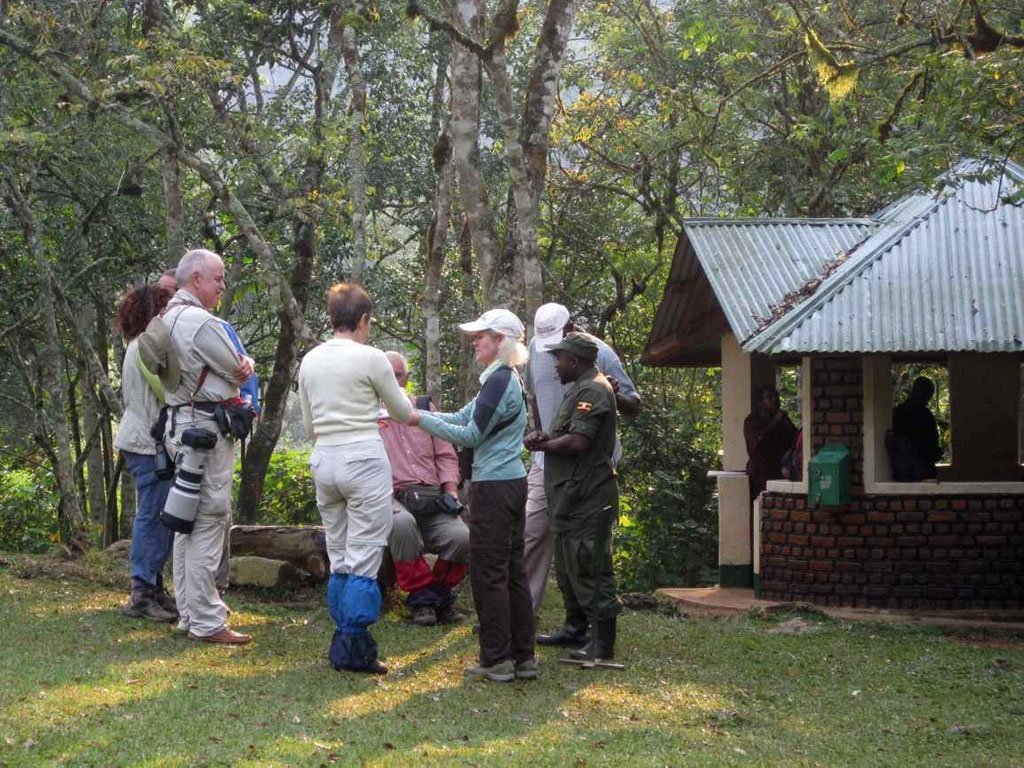
For every sector, pack the same core footwear kit: fitted boots, tested socks, optional gaiters and dry shoes for afterwards. Never assume the gorilla family will be close to the briefing point. Rangers assess conditions on the day and organize groups under park procedures. If you have knee concerns or limited hiking confidence, tell your operator beforehand and speak to rangers at the briefing without requesting a guarantee they cannot make.
What Changes in Mgahinga and Rwanda?
Mgahinga Gorilla National Park lies in Uganda’s Virunga mountain landscape, where trails can include volcanic soils and mountain vegetation. A comfortable boot with a gripping outsole remains useful, especially if conditions are damp. Visitors who combine a gorilla trek with golden monkey tracking or other guided walks should pay attention to cumulative foot fatigue. Carry dry socks and avoid planning a new pair of boots for a second activity immediately after the first.
In Rwanda, the approach to gorilla groups in Volcanoes National Park may involve farmland, vegetation and rocky or muddy slopes. Official Gorilla Tracking Guidelines in Rwanda emphasize sturdy walking shoes, protective clothing and practical precautions. Trekking duration is variable, and the park team assigns groups according to its procedures. Waterproof hiking boots are a sensible choice even when you expect a relatively gentle route.
People comparing Gorilla trekking Uganda-Rwanda should weigh permit cost, travel route, accommodation, desired activities and physical readiness together. Boots do not decide which country is best, but dependable footwear makes either experience more comfortable. If a destination has a wet forecast, emphasize traction and moisture management. If conditions are warmer, balance waterproofing with breathable socks and careful ventilation after the walk.
Rainy Season, Dry Season and Mud on the Trail
The drier periods generally improve the chances of firmer ground, but the forest climate is not an on-off switch. Mountain areas can receive showers throughout the year. The Best Time To Trek Mountain Gorillas depends on preferences, permit demand, holiday schedules and tolerance for changing weather. Even a dry-season departure should include waterproof protection for a sudden downpour and enough time to clean muddy gear afterward.
During wetter months, focus more on reliable tread, gaiters and dry storage. Waterproof socks or over-trousers may be useful for specific conditions, though they are not substitutes for well-fitting boots. A rainy downhill section can require patience and deliberate foot placement. Rangers may suggest walking sticks and support from local porters, especially when the trail becomes slick. Leave extra time for the return to your lodge.
The Best Time of the Year To Trek Gorillas is not necessarily the month when your shoes will stay clean. Wet forest scenery can be beautiful, and gorilla observations are possible in many conditions, subject to park decisions. Gorilla Trekking in December can still encounter rain. Rather than designing a trip around perfect forecasts, prepare for several realistic weather scenarios and wear equipment that adapts.
What to Pack With Your Trekking Boots
A complete day outfit combines long quick-drying trousers, a breathable long-sleeved top, a light insulating layer, and a genuine rain jacket. Gloves protect your hands when holding vegetation or using support. A brimmed cap may help during exposed stretches, while a small waterproof pouch safeguards your phone. Avoid a large backpack that catches branches. The Gorilla Tracking Information supplied at the morning briefing always takes priority over generic travel advice.
For your feet, pack one primary pair of Gorilla Trekking Boots, two or more pairs of suitable socks for multiple trekking days, and optional gaiters. Bring lightweight shoes to wear after trekking and a small cloth to remove mud. A spare dry pair of socks in a sealed bag is often more useful than a second bulky pair of hiking boots. Keep your packed items organized so the morning begins without frantic searching.
Carry drinking water, energy snacks, prescribed medication and a small personal first-aid kit as appropriate. Ask your lodge about packed lunch arrangements. If you plan Gorilla Habituation Experience, the longer observation period can make dry layers and comfortable footwear particularly valuable. You should still follow ranger instructions and expect walking demands to vary. Keep your equipment lightweight enough to manage safely, or arrange porter assistance.
A Simple Night-Before Footwear Checklist
The evening before your trek, lay your entire outfit on a clean surface. Check the boot soles for lodged stones, loose rubber and damaged tread. Inspect laces for fraying, especially near eyelets. Refit the insoles and test both boots with the intended socks. A minor problem found at the lodge is easier to solve than the same problem halfway down a slippery slope. Do not apply an unfamiliar waterproofing chemical moments before departure.
Place socks, gaiters, trousers and rain layers together so they are ready at the early departure time. If the boots were wet on a previous outing, remove the insoles and let them air in a ventilated sheltered space. Newspaper or absorbent paper can help remove moisture, but avoid leaving gear near intense heat. Have a dry bag ready in case rainfall starts before or during the ranger briefing.
Confirm the assigned meeting time and transport arrangements with your guide. A Fly-in safari to Bwindi may reduce long road transfers, but it does not remove the need to arrive at the correct sector with working footwear. Bring your identity documents and follow permit instructions. The goal is a calm start where everything, including your boots, has already been checked.
How a Typical Gorilla Tracking Day Unfolds
Most trekking days begin with breakfast, a transfer to the sector briefing point and instructions from park staff. After group organization, your party follows guides and trackers toward the gorillas. Walking time varies considerably. When the group reaches the gorillas, the standard viewing period is generally limited to one hour, with ranger rules governing distance, behavior and photography. The return can be just as demanding as the outward hike.
This is why Gorilla Trekking Boots should be comfortable for a full day, not merely for one hour of wildlife viewing. You might stand on a slope, cross roots or pause in damp vegetation as trackers assess movement. Keep your laces secure and follow the established line where guides direct you. Do not rush to obtain a better photograph or step away from the group for a shortcut.
The experience described in How Long Does Gorilla Trekking Take? is necessarily variable. The most useful expectation is to allow the day for trekking and recovery rather than making an inflexible onward schedule. Ask about the possibility of assistance, but remember that no operator can promise exactly how close a family will be. Having footwear you trust reduces stress while the forest sets the pace.
Using a Walking Stick and Hiring a Porter
A walking stick can add stability on soft ground or uneven steps, especially when moving downhill. Learn to place it securely and avoid leaning on rotten branches or loose rocks. Guides may recommend a particular technique for narrow sections. A porter can carry a daypack and offer help over obstacles, allowing you to concentrate on balance. Arrange support according to local procedures, and never assume assistance makes a steep trail completely risk-free.
For travelers considering Gorilla Tracking for elderly, footwear and realistic pace planning are as important as the ranger’s possible group allocation. Tell your guide about relevant mobility needs in advance so options can be discussed without creating false assurances. A good grip and correct boot size can make a meaningful difference, but no footwear removes the physical demands of mountain terrain.
Treat porter services respectfully and agree on arrangements before setting off. The person helping you is part of the local visitor economy and should not be expected to solve problems created by unsafe shoes. A hiking pole, fitted Gorilla Trekking Boots and attentive movement are complementary tools. Choose each for what it can do rather than using one to compensate for another.
Planning for Different Fitness and Mobility Levels
A moderate level of walking fitness usually makes mountain trekking more enjoyable, though experiences and routes vary. Train by climbing hills, walking stairs and carrying a light daypack. Build endurance gradually and practice on slopes where you can test your balance. If you have recurring ankle or knee issues, speak to your clinician about appropriate travel activity before making an expensive commitment.
When discussing an itinerary with your operator, explain your preferred hiking pace and any need for assistance. Gorilla Trekking Tour planning should allow enough time around long transfers so you do not arrive exhausted. Hiring a porter may reduce pack weight, but the trail can still include muddy steps and uneven vegetation. The ranger briefing remains the place where current trail conditions and safety instructions are explained.
Comfortable boots for gorilla trekking are especially important for travelers who tire easily because friction or unstable footing consumes extra energy. Consider how the socks and boots feel after two hours, not just while walking around a shop. Breaks, hydration and a steady pace are often more valuable than trying to keep up with faster hikers. Follow the ranger’s direction and communicate if your footwear starts causing pain.
Mistakes That Ruin Otherwise Excellent Trekking Boots
The most common mistake is wearing an untested new pair. Others include choosing boots that are too small, ignoring worn treads, tightening laces until circulation is restricted, and packing only cotton socks. A premium price tag cannot rescue a bad fit. Even well-made boots can cause blisters when combined with the wrong sock thickness or when feet swell on long climbs.
Another mistake is choosing waterproofing at the expense of all breathability, then leaving damp socks on for hours. Pay attention to sweat as well as rain. Change into dry shoes after returning to the lodge, remove insoles and let everything air. Avoid washing leather or membrane-lined boots with harsh detergent without checking the maker’s care guidance. Natural drying usually protects their useful life better than direct heat.
Finally, do not assume a boot’s rugged appearance guarantees good traction. The tread may be shallow, hard, worn or unsuitable for clay. Test safely during training. The Gorilla Trekking in Uganda landscape is varied, and thoughtful gear preparation should match the conditions rather than a product photograph. Fit and function are more important than color, brand recognition or dramatic advertising language.
Budgeting for Gorilla Trekking Footwear
Remember that footwear is only one part of the trip cost. The Gorilla Trekking Permit in Uganda is a separate requirement, and permit fees depend on eligibility and applicable tariff dates. Accommodation, transport, porter assistance and other activities add to the overall price. When researching Budget gorilla trekking Safaris, avoid the temptation to save a small amount by hiking in shoes that will not cope with slippery forest conditions.
It may be possible to borrow certain items locally, but do not base your travel plans on unconfirmed equipment availability or sizing. If you intend to rent boots, obtain written confirmation of the model, size range and collection point; ideally test fit before trekking day. Your feet deserve a predictable plan. Simple gorilla trekking footwear that you already know is comfortable usually offers the greatest value.
Footwear for Multi-Day Safaris and Repeated Treks
Multi-day itineraries can involve a mixture of forest walking, vehicle transfers, lodge paths and short town visits. Wear your trekking boots only where their protection is useful, and change to comfortable shoes for long drives or evenings. This prevents unnecessary wear and gives your feet a break. Store the boots where air can circulate, especially if the forest was wet during the morning activity.
On consecutive trekking days, damp boots are uncomfortable and may create friction even with fresh socks. Plan extra drying time and pack enough socks. If your itinerary combines Bwindi with Uganda’s Mgahinga or a Rwandan park, check luggage restrictions for any light aircraft connection. A second complete boot pair may be excessive unless you have a specific reason and enough luggage allowance.
Longer journeys sometimes include Gorilla Habituation from Kigali or other cross-border experiences. Verify transport and permit arrangements independently of the footwear checklist, and choose sensible luggage rather than carrying gear for every imaginable scenario. The boots still need secure fit and good grip, but the rest of your kit can remain compact. Thoughtful packing often improves the entire safari.
How to Clean and Dry Boots After the Forest
Allow the boots to dry at a comfortable room temperature in a ventilated place. Strong heat can shrink leather, weaken glue and damage parts of the upper. If your socks became wet, wash and dry them separately. Put a dry pair into your daypack for the next morning. Be cautious about scented products or oils that may degrade technical membranes or change how the leather behaves.
Before packing for the flight home, inspect the soles and seams for remaining soil and plant material. Clean them thoroughly to reduce the risk of transporting seeds, pests or contaminated mud between destinations. A breathable shoe bag helps separate footwear from clean clothes, but do not seal wet boots in plastic for prolonged periods. Responsible preparation is about the forest as well as your personal comfort.

Quick Packing Checklist for Gorilla Trekking Boots
Add a small blister-care kit and a waterproof bag for spare clothes. Consider walking poles according to park practice and your own comfort level. Pack drinking water and snacks in a light daypack, while keeping medication and important documents accessible. No packing checklist can predict an animal’s location or the length of the hike, which is why flexible expectations are as useful as the right equipment.
The strongest recommendation is straightforward: choose Gorilla Trekking Boots you have already walked in, rather than a pair that merely looks suitable online. When they fit properly, grip confidently and protect your feet, you can devote more attention to the surroundings and the conservation experience that brought you to East Africa.
Frequently Asked Questions About Gorilla Trekking Boots
Are trainers suitable for gorilla trekking? Ordinary casual trainers are generally not the recommended choice because slick mud, roots and steep paths demand dependable grip and protection. Experienced walkers may choose technical trail shoes in specific dry conditions, but sturdy hiking boots are the more versatile default for an unfamiliar trek. If you are unsure, ask your operator about recent conditions and test your chosen footwear on a local trail first.
Do I need waterproof hiking boots in the dry season? Water resistance remains useful because mountain forests can be damp even when rainfall is limited. A boot should also breathe reasonably well and fit without pressure. Do not assume waterproofing means dryness in all conditions; water can still enter from above. Gaiters and carefully arranged trouser cuffs provide additional protection from splashes and low vegetation.
How early should I buy my boots? Allow enough time for several training walks and, if needed, an exchange for a better size or shape. What socks should I use? Choose moisture-managing hiking socks that work with your exact boot fit, plus a dry spare pair. Can I wear the same pair for two treks? Yes, if they are in good condition, comfortable and properly dried between outings.
Plan a Comfortable and Responsible Gorilla Trek
Footwear will never replace professional guiding, but it makes following instructions easier. Keep to the routes set by rangers, move carefully near roots and wet slopes, and follow gorilla viewing rules throughout the encounter. Avoid treating the trek as a race. The rare chance to observe gorillas in their natural habitat is more rewarding when you are prepared to travel at the group’s safe pace.
The right equipment works best alongside good planning. Confirm the correct trekking sector, check your permit, allow sensible travel time and tell your safari organizer about mobility needs or uncertainty over terrain. The Gorilla Tracking Age Limit and other participation conditions are separate from footwear choice, so families should confirm eligibility before paying for travel. Never assume a comfortable boot guarantees that a person is eligible to join the trek.
For advice on boots for gorilla trekking, packing and route selection, share your travel dates and intended destination with the safari planning team. We can help you consider the practical demands of Bwindi, Mgahinga and Volcanoes National Park without promising an easy trail, a specific gorilla family or confirmed permit availability. Arriving with prepared feet and realistic expectations gives the journey a much better beginning.