Gorilla Tracking Information — Gorilla Tracking Information: Practical Guide
Gorilla tracking information begins with clear expectations about the destination, timing and rules that affect the visitor experience. Uganda, Rwanda and eastern Congo offer different access, cost structures and travel considerations, even though gorilla encounters are similarly controlled. Arrive early at the correct trailhead with permit confirmation, original travel identification and essential day equipment. This guide explains the important choices in a way that helps travelers arrange a realistic trip rather than relying on a general promise about travel time, scenery or wildlife sightings.
A practical example
A traveler reading an old gorilla guide may see prices and families presented as permanent. A responsible booking decision separates durable information—trekking requires ranger supervision—from items that may change, such as rates and allocation practices. Confirm the variable details for the travel date instead of relying on the publication year.
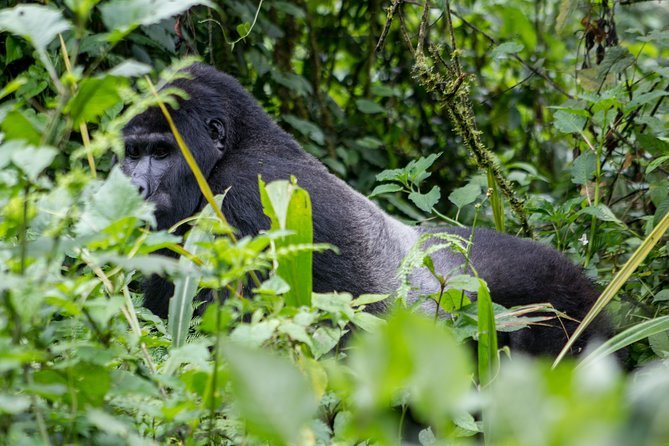
Bwindi gorilla .
gorilla tracking information: practical decisions and trekking essentials
Decision 01
gorilla tracking information: Park choice
Uganda, Rwanda and eastern Congo offer different access, cost structures and travel considerations, even though gorilla encounters are similarly controlled.
Decision 02
trekking essentials: Briefing day
Arrive early at the correct trailhead with permit confirmation, original travel identification and essential day equipment.
Decision 03
Bwindi sectors: Guide allocation
Tracking teams follow ranger and tracker information, and the specific route is not known to visitors in advance.
forest safety: what to decide before visiting
tracking permits: Park choice
Ask the person arranging gorilla tracking information: practical guide to explain how “park choice” changes the practical plan. The important detail is not just the attraction’s name but the exact location, time and conditions described here.
forest safety: Briefing day
Ask the person arranging gorilla tracking information: practical guide to explain how “briefing day” changes the practical plan. The important detail is not just the attraction’s name but the exact location, time and conditions described here.
Expect mud, roots, brush and steep slopes; a walking pole or porter may help, depending on conditions.
Gorilla in bwindi .
Observation hour
Standard trekking normally limits direct observation to a regulated period once the group is located.
Ask the person arranging gorilla tracking information: practical guide to explain how “observation hour” changes the practical plan. The important detail is not just the attraction’s name but the exact location, time and conditions described here.
Protected wildlife
Keep the required distance, avoid food near gorillas, and never try to touch or reposition an animal for a photograph.
Bwindi lazy gorilla .
Travel illness
Respect the prohibition on visits by people with potentially infectious illnesses and follow local staff instructions.
Lodge selection
Choose lodging near your assigned sector, especially where poor road conditions might disrupt a dawn briefing.
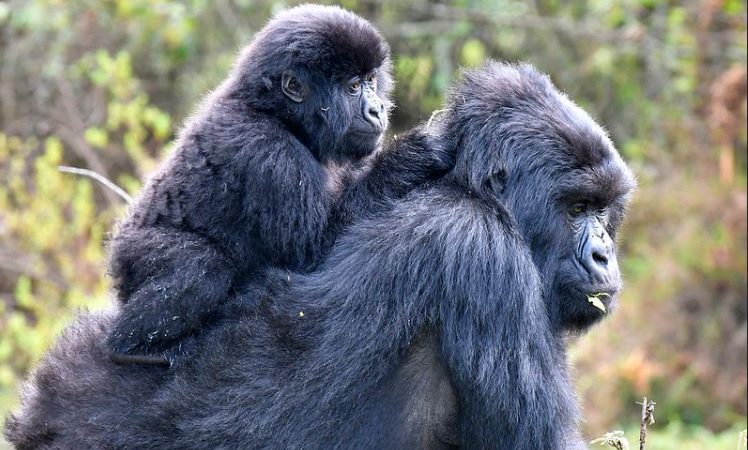
Gorilla family bwindi .
Return planning
Keep onward transfers and optional afternoon activities flexible because the forest does not run on a fixed clock.
Ask the person arranging gorilla tracking information: practical guide to explain how “return planning” changes the practical plan. The important detail is not just the attraction’s name but the exact location, time and conditions described here.
Bwindi sectors and tracking permits: preparation details
Before travel
What to confirm
Booking proof
Date, operator, location and whether every required permit is included
Transfers
Pickup time, driver contact, border or road buffers where relevant
Equipment
Footwear, rain protection, medication and suitable personal gear
Visitor rules
Minimum ages, guide instructions, health conditions and safety briefing
Price details
Entry tickets, accommodation, meals, extra activities and cancellation clauses
Weather contingency
Alternative timing or safe activities if conditions change
For this itinerary, choose Accommodation close enough to the actual activity entrance to avoid unnecessary transfers. Confirm the access road, check-in timing and any early breakfast arrangements.
Bwindi Gorilla Trekking .
Frequently asked questions
What should visitors know about return planning?What should visitors know about travel illness?What should visitors know about observation hour?What should visitors know about guide allocation?What should visitors know about park choice?Bwindi gorilla portrait .
Key takeaways for this visit
The most useful planning details for Gorilla Tracking Information: Practical Guide are park choice, guide allocation and observation hour. Confirm the relevant rules and logistics before travel, and keep weather-sensitive activities flexible.
Gorilla tracking information differs across Bwindi, Mgahinga and Volcanoes National Park. Confirm the country and park before comparing transport or prices.
Check permit category
Ask whether the quoted activity is standard trekking or habituation and whether the date and guest names are confirmed.
After the briefing
Rangers explain conduct, distance and safety requirements. Visitors should follow their assigned group rather than depart independently for a photograph.
Plan the onward trip
Do not place tight onward travel immediately after an uncertain-duration trek. Mountain roads and variable hiking times can affect the departure.
Practical details worth checking
The safest plan responds to gorilla tracking information: practical guide by checking the activity conditions first and arranging transport and resting time second.
The explanation should be specific to gorilla tracking information: practical guide.
This approach is especially helpful for families, photographers and visitors who prefer a gentler pace, because gorilla tracking information: practical guide should be tailored to people rather than to a fixed sales script.
The most important early decision for gorilla tracking information is the confirmed date and access point.
Before departure
The day on the ground
Weather and season
gorilla tracking information: particular questions for this trip
The reason this deserves attention is that travelers often make the decision too late, after another part of the itinerary is already fixed. Choose lodging near your assigned sector, especially where poor road conditions might disrupt a dawn briefing. The best comparison includes both the attractive experience and the less visible transport, access and recovery time needed to enjoy it. Keep the plan flexible enough to accommodate actual conditions while making sure the essential booking details are not vague.
The reason this deserves attention is that travelers often make the decision too late, after another part of the itinerary is already fixed. Keep onward transfers and optional afternoon activities flexible because the forest does not run on a fixed clock. The best comparison includes both the attractive experience and the less visible transport, access and recovery time needed to enjoy it. Keep the plan flexible enough to accommodate actual conditions while making sure the essential booking details are not vague.
A clear checklist helps avoid last-minute confusion. Review the documents and contact details well before the departure day, then confirm again when dates or visitor categories change. The questions below are deliberately specific: every operator should be able to explain which part of the journey is fixed, which is weather-dependent and which additional cost needs your approval.
For a smoother trip, review Accommodation options only after confirming the activity location and the travel day. A beautifully photographed lodge is not automatically convenient for an early park briefing or a long cross-border transfer. Ask how long the final approach takes in the conditions likely at your time of travel.
Before sending any final payment, ask for a written itinerary showing confirmed dates, activity locations, guide arrangements, hotel location and a transparent list of included services. This is especially important where national borders, protected wildlife or changing transport schedules are involved. A carefully checked itinerary gives visitors more freedom to appreciate the place once they arrive.
Gorilla tracking information for the day in the forest
Read the itinerary as an operating plan
A gorilla tracking day has several distinct stages: traveling to the correct assembly area, receiving ranger instructions, walking through the habitat, observing gorillas under the permitted conditions and returning safely. A brochure may compress those stages into the phrase morning trek, but each requires attention. The traveler’s practical preparation should identify where the day begins and what can change after entering the forest. The guide may have a route in mind, yet the location of wild gorillas determines how the walk develops. Understanding this sequence prevents frustration when the experience is longer, wetter or less predictable than an advertisement suggests.
The vehicle and park teams perform different roles
A private driver can organize transfer timing, luggage and the journey to the ranger meeting point. Once the group enters the protected area, park staff direct the tracking activity and govern behavior around wildlife. These roles should not be confused. A driver cannot independently allocate a gorilla family or authorize a visitor to bypass ranger procedures. Before departure from the lodge, guests should know where they will meet their assigned guide afterward and where belongings will remain. Clear handovers reduce confusion between transport and forest operations. A good operator prepares visitors to follow the authority of the people responsible for managing wildlife encounters.
The briefing gives everyone a shared framework
Group members may arrive with different hiking ability, language experience and expectations. Ranger instructions help establish a consistent understanding of safety and conduct. Pay attention to where the group should walk, what to do if an animal moves toward the party and which behaviors are not permitted near gorillas. Questions about photographs or health should be raised before the walk when possible. The briefing is not an optional orientation for first-time tourists only. Even someone who has trekked elsewhere should listen, because rules and conditions can differ between parks and may be updated over time.
Finding gorillas in a changing landscape
Trackers respond to natural movement
Gorilla families range through forest habitats according to their own feeding and social behavior. Trackers and guides use knowledge of the animals and environment to plan the search, but no one can guarantee the precise distance in advance. The group may walk uphill, down a slope or through vegetation before reaching the animals. Visitors should see this uncertainty as part of wildlife observation rather than evidence that the itinerary is disorganized. The forest does not operate like a zoo exhibit, and a meaningful encounter requires following the animals’ natural circumstances within the limits established by park staff.
Terrain may change suddenly
A path that begins gently can become muddy or steep. Roots, wet grass and loose soil make balance important, particularly when descending. Wear boots with traction and take careful steps rather than rushing to keep pace with a faster walker. If a traveler struggles, communicate with the guide promptly. Concealing fatigue can increase the risk of injury and affect the group. A walking aid or porter support may be helpful where available, but suitability depends on the person and the route. Preparation should acknowledge the possibility of difficult ground even when the previous day’s weather was pleasant.
Rain can arrive during an otherwise clear morning
Forest weather is variable, so a blue sky at breakfast should not lead visitors to leave all waterproof clothing behind. Pack a lightweight outer layer and protect essential items in water-resistant storage. Wet clothing can become uncomfortable when the group stops to observe gorillas, especially at higher elevations. A small bag is easier to manage than a large case, and gear should remain accessible without repeatedly unpacking the entire load. A visitor who prepares for rain can focus on the guide’s instructions instead of worrying about electronic equipment or personal belongings. Practical clothing does not need to be expensive, but it should function in real forest conditions.
What happens when gorillas are located
Observation should begin with stillness
Seeing a mountain gorilla in its natural habitat can be emotionally powerful. Visitors may instinctively want to move closer, raise their voices or take photographs immediately. The safer response is to listen to the ranger and settle into the permitted viewing position. Give other group members room to observe, and keep bags and equipment from blocking narrow spaces. A gorilla may be feeding, resting or moving, and the group must adapt calmly. The moment is valuable because it is unscripted. Allowing the animal to continue naturally is more important than creating a dramatic photograph.
The gorillas’ behavior takes priority
A silverback, adult female or youngster may change direction during the encounter. Visitors should respond according to ranger instructions rather than making independent decisions based on a video they have seen online. Never touch or feed a gorilla. Avoid sudden movements or attempts to attract attention. Large wild primates should be treated with respect regardless of how calm they appear. The rules exist because the animals’ welfare and visitor safety matter more than individual preferences. A responsible guide will explain how to behave, and a visitor should accept those instructions even if they prevent a closer view.
Keep the group calm and cooperative
Gorilla tracking is often a shared park activity, even when a guest has purchased private transport or high-end accommodation. People may have different cameras and levels of experience, but everyone must follow the same observation rules. Do not crowd another visitor to gain a better angle or ask the ranger to move the entire party repeatedly for one photographer. Someone who wishes to observe without a camera deserves space as well. Cooperation can make the encounter more meaningful because it reduces unnecessary noise and movement. The goal is collective, respectful observation, not competition for the most impressive image.
Health and responsible conduct
Illness should be treated seriously
Human illnesses can pose risks to great apes. Visitors should understand the current health requirements and disclose relevant symptoms rather than hiding them to protect a nonrefundable trip. The park may have procedures for people who are not well enough to participate. A booking provider should explain these conditions in advance. Guests should also avoid coughing toward animals or ignoring distancing directions. The rules are conservation measures, not arbitrary restrictions. Responsible behavior includes accepting disappointment when participation could harm wildlife. An authentic encounter is worthwhile only when it is managed with the animals’ long-term welfare in mind.
Food and waste belong away from gorillas
Do not eat or leave food near the animals in violation of park instructions. Packaging, tissues and other rubbish should be carried out of the forest. A dropped object can attract attention, create hazards or require staff intervention. Prepare a small bag with secure pockets so items are not easily lost on steep ground. If something is dropped in a restricted area, tell the guide rather than approaching the gorillas to retrieve it. Protecting the habitat involves ordinary care as well as following formal rules. Every visitor should leave the environment with as little disturbance as possible.
Respect the end of the observation period
Visitors may wish to remain longer when the gorillas are active or well positioned for photographs, but official limits govern the encounter. Do not pressure staff to extend a visit beyond what is permitted. The return walk is also part of the activity and may require concentration after the excitement of viewing. Keep enough energy and drinking water for the journey back. A memorable final view does not justify ignoring instructions about departure. The value of a regulated encounter includes knowing that the animals will be left to continue their lives without prolonged human attention.
Photography without distraction
Prepare the camera before the forest walk
An easy-to-use camera setup allows visitors to spend less time adjusting menus during the encounter. Charge batteries, clear space on memory cards and protect equipment from rain. Heavy lenses may be difficult to handle on muddy slopes, so select the items that can be carried safely. A phone camera can be sufficient for many guests, though shade may affect image quality. The technical goal is to respond calmly to available light and natural behavior. Do not plan a complicated equipment change at a point where the group must remain quiet or move together under ranger direction.
Natural light can be difficult
Gorillas may be in deep shade under vegetation or briefly illuminated by openings in the canopy. The light can change faster than a visitor can adjust exposure. Practice the camera’s low-light settings before the trip rather than experimenting with unfamiliar features beside wildlife. Follow restrictions on flash. A photograph with some shadow can still communicate the forest environment honestly. Do not step off an authorized position to find brighter light. The animal’s welfare and the group’s safety are not negotiable in pursuit of better image quality.
A good encounter does not need many images
Some travelers return with hundreds of photographs but few clear memories of what they observed. Consider taking a limited number of thoughtful images and allowing periods of quiet attention. Notice how gorillas move, feed or interact when those behaviors occur. Listen to the ranger’s interpretation. A brief encounter with ordinary behavior can be deeply meaningful without dramatic action. Photography is a useful record, but it should not become the only purpose of the trek. The best experience balances seeing, understanding and respecting the animals in their natural habitat.
Returning from the forest safely
Fatigue can affect the return walk
After the excitement of seeing gorillas, visitors may forget that the path back still includes uneven ground. A descent can be challenging for knees, especially when mud has made the surface slippery. Continue walking at a controlled pace and tell the guide about discomfort. Avoid rushing toward the vehicle because the lodge lunch is waiting. Keep water accessible and take appropriate rests. People who managed the approach comfortably may feel more tired on the return. A well-organized group treats the entire walk as the activity, not only the time spent near gorillas.
Keep wet or muddy gear separate
A change of footwear or clothes at the lodge can make the afternoon much more comfortable. Carry a simple bag for damp items so they do not soak the rest of the luggage. If the traveler is leaving immediately by vehicle, arrange a suitable place to change and protect the seats from heavy mud. Camera equipment should be cleaned carefully without damaging it. Small practical decisions after the trek can improve the rest of the journey. A long transfer is more pleasant when guests are dry, fed and able to rest rather than continuing in clothes that have become uncomfortable on the trail.
Do not schedule an inflexible afternoon
The exact return time may vary, so a fixed appointment immediately after tracking is risky. A guest may want to rest, review photographs or speak with the guide about the animals observed. A gentle cultural or scenic activity can be considered if time and energy permit, but it should not be imposed on every visitor. Families and older travelers may appreciate a quieter day. The experience is not incomplete because the afternoon is unhurried. Time for reflection can make the wildlife encounter more meaningful than adding another distant attraction purely to fill a brochure.
Understanding the guide’s explanations
Listen for context about gorilla society
Guides can help visitors recognize basic social behaviors when they occur, such as feeding, grooming or interactions between adults and youngsters. Family groups may change composition over time, so older descriptions of particular gorillas should not be treated as permanent. Ask questions at suitable moments without interrupting safety directions. Understanding the animals’ social structure can deepen the encounter beyond simply identifying a silverback. The guide’s interpretation should be based on the group observed and current park knowledge rather than a fixed story prepared for every visitor.
Notice the forest as a living habitat
The surrounding vegetation is part of the gorilla experience. Food plants, shelter, slopes and weather shape the animals’ movements. During the walk, observe how the trail passes through different patches of vegetation and listen to other wildlife sounds. Do not touch unidentified plants or leave the path to collect natural objects. A visitor who appreciates the habitat understands why a wild gorilla sighting cannot be separated from forest conservation. The landscape provides context for animal behavior and for the work of rangers who protect it. That wider understanding can be as memorable as the encounter itself.
Respect uncertainty in tracking reports
A guide may explain where a gorilla group was recently observed or how trackers have located it in the past. Such information helps visitors understand the process but does not amount to a guarantee about today’s route. Wildlife movements and weather can alter plans. A responsible guide communicates what is known and what remains uncertain without inventing certainty. Visitors should accept updates calmly and be prepared for changes in pace. The process of locating wild animals is one of the reasons the activity feels different from a fixed attraction.
Practical decisions before departure
Confirm the correct park meeting point
A traveler may be staying somewhere described as near Bwindi or Volcanoes National Park, yet the official briefing location is more specific. Verify the assigned destination and road approach with the driver. The booking confirmation, lodge arrangements and activity date must agree. If a permit is for one Bwindi sector, accommodation in another may create a difficult early transfer. Resolve discrepancies before the trekking morning. Accurate logistics protect the activity and reduce the pressure to drive too quickly on mountain roads.
Know the difference between private services and park access
A private vehicle, personal driver and comfortable lodge can improve the surrounding journey, but the forest encounter remains subject to ranger management. A tour company cannot guarantee a chosen animal, a particular walking distance or permission to exceed viewing limits. Ask which services have actually been confirmed and which parts depend on natural conditions. This distinction is useful for travelers comparing premium and budget packages. The best operator offers honesty and careful planning rather than claiming control over wildlife or official procedures.
Review the weather, documents and gear together
The evening before tracking, lay out walking clothes, boots, rain protection, drinking water and required identity documents. Confirm breakfast and vehicle departure time. A quick check can prevent avoidable delays and ensure that the traveler does not leave an essential item in the luggage compartment. Keep the pack small enough to manage comfortably on uneven terrain. If a participant has a health concern or needs assistance, communicate this before the group departs. Preparedness creates space to enjoy the forest rather than handling logistical problems at the last minute.
Conservation responsibilities beyond the encounter
Follow rules without expecting exceptions
Park procedures apply to everyone, regardless of travel budget or experience. A visitor who pays for a luxury room does not receive different wildlife rules from someone staying in a simple guesthouse. If the ranger asks the group to move away, lower cameras or end observation, comply promptly. The restrictions help manage human impact on the animals. A successful visit should leave the gorillas able to continue natural behavior with minimal disturbance. Respect for those boundaries is an essential part of gorilla tracking, not a feature that can be purchased away.
Recognize the people behind the encounter
Rangers, trackers, guides, drivers and local communities all contribute in different ways to the broader visitor experience. Travelers should treat staff respectfully, listen to the expertise offered and avoid pressuring anyone to make unrealistic promises. Community encounters outside the park should be organized with consent, and photography of residents requires permission. Supporting legitimate local services can broaden the value of tourism. A visitor’s responsibility extends from the forest meeting point to the lodge and surrounding region. Respectful conduct is one of the clearest signs of informed wildlife travel.
Leave with a realistic understanding
Gorilla tracking cannot guarantee that every visitor sees the same animals behaving in the same way. Weather, animal movement and terrain shape the day. The encounter is rewarding because it takes place in genuine habitat under careful management. Guests who arrive expecting a scripted performance may overlook the forest’s quieter details and the skill required to find wildlife. The best memory is often a combination of the walk, the guide’s interpretation and the time spent observing gorillas respectfully. That experience deserves to be understood on its own terms rather than measured against a promotional photograph.