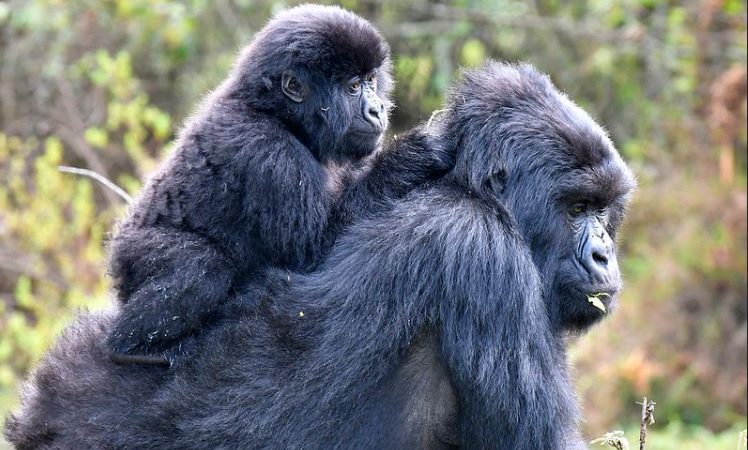
gorilla tracking in Rwanda

Gorilla Tracking in Rwanda: Complete Guide to Permits, Costs & the Trek
Gorilla tracking in Rwanda brings you face-to-face with endangered mountain gorillas amid the bamboo forests and volcanic slopes of Volcanoes National Park. This complete travel guide explains how the experience works, what the official permit costs, the best seasons to travel, what to wear and how to build a practical itinerary from Kigali.
The central planning rule is simple: secure your date-specific gorilla permit first, then arrange the lodge, transfers and additional activities around it. A thoughtful schedule gives you time to enjoy the forest rather than worrying about a rushed airport connection.
Why gorilla tracking in Rwanda is extraordinary
Rwanda offers one of Africa’s most memorable wildlife encounters: a guided walk into the misty Virunga highlands to observe a habituated mountain gorilla family. Unlike a vehicle safari, gorilla trekking in Rwanda unfolds on foot, with experienced trackers locating the animals while visitors cross bamboo groves, ferns and montane forest.
The reward is not simply spotting a gorilla. Young animals may play among leaves, mothers may groom infants and the silverback may feed or rest nearby. Trackers and guides interpret these behaviors while ensuring visitors remain at a safe distance. Even a quiet family offers a memorable view of how mountain gorillas live together.
Gorilla tracking in Rwanda suits travelers seeking an intimate forest experience without a lengthy multi-country expedition. Its protected gorilla groups form part of the small remaining population of mountain gorillas in Africa, whose survival is closely tied to habitat protection, veterinary care and careful tourism management.
Gorillas are wild animals, and encounters depend on forest conditions, animal movements and compliance with ranger instructions. Visitors should expect a genuine wildlife experience rather than a staged photo opportunity. Health screening, limited group sizes and the restricted viewing period are essential safeguards for a species vulnerable to human-borne infections.

Where gorilla tracking happens: Volcanoes National Park
All standard mountain gorilla tracking in Rwanda takes place in Volcanoes National Park, in the northwestern Virunga volcanic landscape near Musanze. The protected area is shaped by steep green ridges, bamboo belts, highland vegetation and weather that can change quickly. Mountain gorillas move across suitable habitat rather than remaining beside a fixed visitor trail.
Most visitors stay around Musanze or Kinigi to reach the early park briefing. Lodges range from simple guesthouses to premium volcano-view retreats. The proximity of accommodations to the briefing point for Volcanoes National Park gorillas can make the early start more comfortable, particularly after a long journey.
Rwanda’s gorilla habitat belongs to the wider Virunga Massif, which extends across international borders. Your Rwanda permit authorizes the designated activity in Rwanda, not trekking in neighboring countries. Check that your booking confirmation names Volcanoes National Park and the correct date before you commit to flights or non-refundable rooms.
Cloud cover and rain are not flaws in the destination; they are part of the mountain ecosystem. A clear morning can become misty within minutes. Travelers should plan around walking conditions and the quality of the wildlife interaction, not an expectation of postcard-perfect volcano views throughout the day.
Rwanda gorilla permits: price, eligibility and booking
The standard published fee for an international visitor is US$1,500 per person for one gorilla-tracking permit. Rwanda Development Board also lists certain resident, citizen and African visitor categories with different rates or promotional conditions. Those categories require documentary proof and may have seasonal exclusions, so never assume that a discount applies without checking the official booking portal for your exact dates.
Each visitor needs a date-specific gorilla permit, and daily spaces are limited to protect the animals and manage group sizes. Reserve well ahead for popular travel periods, ensure traveler names match passports and retain the official booking confirmation alongside the rest of your travel documents.
Permits normally cover the regulated gorilla visit and ranger-led trek, not accommodation, private transport, meals, porters or flights. The gorilla tracking guidelines in Rwanda also govern minimum viewing distance, health restrictions, group behavior and the amount of time visitors can spend with a family.
The Rwanda Development Board sets an early morning reporting time and a minimum trekking age of fifteen. Advance booking for Volcanoes gorilla permits is especially important for families and groups, because permit dates determine the nights needed around Musanze and the timing of arrival flights.

Secure the Right Gorilla Permit
Share your dates, group size and preferred travel style so we can help coordinate permits, transfers and a practical route.
Request My Rwanda Gorilla Safari →
Email: info@ugandarwanda-safaris.com
How a gorilla-tracking day unfolds
Your first gorilla tracking in Rwanda experience
Expect a very early breakfast followed by a drive to the visitor assembly point near Kinigi. Park staff check permits, explain conduct requirements and assign visitor groups. Guides consider operational factors such as known gorilla locations and hiking demands, but assignments cannot guarantee a short trek or a specific family. Tell staff honestly about fitness or mobility concerns.
After the briefing, groups may drive to a trailhead before following muddy paths through farmland, bamboo and dense forest. Trackers adapt the route to the gorillas’ location that morning. This changing route is a defining feature of gorilla tracking, so neither the distance nor the hiking time can be guaranteed.
Once a gorilla family is found, the guide positions visitors at the required distance for a limited observation period, usually one hour. During silverback gorilla tracking, a dominant male may be resting, feeding or watching over younger members of the group; quiet observation is essential.
Afterward, the group hikes back, often to a waiting vehicle. A day can end comparatively early or extend into the afternoon depending on the family’s movements and terrain. Do not schedule a tight international departure immediately afterward. Keep drinking water, a snack and dry clothes available for the return journey.
How difficult is gorilla trekking in Rwanda?
Difficulty is variable rather than fixed. Some assigned gorilla groups may be located after a relatively short walk, while others require sustained climbing through thick and slippery vegetation. Elevation increases exertion, particularly for people arriving from sea level. Even a short route can be tiring because footing is uneven and weather may be humid or wet.
Prepare with regular walks on hills or steps and use hiking boots that have already been broken in. The difficulty of gorilla trekking changes with rainfall, elevation, vegetation and the location of the allocated family, which is why general endurance matters more than training for a fixed distance.
Guides keep a manageable pace, but slopes, roots and muddy footing can challenge visitors with balance or mobility concerns. Fitness for gorilla trekking means having enough stamina for an uncertain walk and discussing porter assistance and other practical support before the trek.
Porters are worth considering even for fit travelers. They can carry your small bag and offer practical assistance at difficult points, while earning local income. Agree on the service and payment expectations before starting. Do not pressure guides to rush or take unsafe shortcuts merely to reach the gorillas sooner.

Best time for gorilla tracking in Rwanda
Gorilla tracking is offered throughout the year, and the best travel month depends on what you value most. June through September often brings relatively drier walking conditions, while December through February can also be favorable. Popular periods attract stronger demand for permits and lodges, so early planning is particularly useful.
March through May and parts of October and November tend to be wetter. Forest trails can become slippery, and rain protection is essential. However, greener scenery, soft light and fewer travelers can reward visitors who are comfortable with unpredictable weather. Rainfall patterns vary from year to year, and even the so-called dry season is not rain-free in a mountain rainforest.
Gorillas can be tracked throughout the year, and no month guarantees clear skies or easy photographs. The best time to trek mountain gorillas is often associated with relatively drier conditions, although forest trails can stay wet even in months commonly described as dry.
For planning purposes, the best month depends on how comfortably you can manage wet, slippery trails and how far ahead you can reserve a permit. June to September and December to February often appeal to visitors seeking comparatively drier conditions, but rainfall remains possible in every month. Gorilla tracking is not a dry-season-only activity.
What to wear and pack for the forest
Good traction matters more than fashionable outdoor gear. Waterproof or water-resistant boots, long trousers, long sleeves and accessible rain protection are practical essentials. Knowing what to wear on a gorilla trek is especially useful where stinging plants, wet vegetation and cooler mountain temperatures overlap.
Bring gardening-style gloves for grasping vegetation where the guide permits, hiking socks, a sun hat, insect repellent, a refillable water bottle, snacks and a small daypack with a rain cover. Gaiters can be useful in muddy conditions. Neutral clothing is practical, but comfort and protection matter more than purchasing an elaborate safari wardrobe.
Keep electronics in waterproof pouches, bring a spare battery and avoid unnecessary camera weight. Essential gorilla trekking gear includes a compact daypack, rain cover, drinking water and comfortable gloves for grabbing vegetation on slippery sections. Flash photography is not permitted near gorillas.
Leave bulky luggage at your lodge. Carry only what you and a porter can move safely. Pack a dry shirt and socks in the vehicle for afterward, especially if you have a long drive. A simple, well-tested kit will usually prove more useful than a large number of brand-new accessories.

Pack Smart for the Rainforest
Share your dates, group size and preferred travel style so we can help coordinate permits, transfers and a practical route.
Request My Rwanda Gorilla Safari →
Email: info@ugandarwanda-safaris.com
Gorilla safety, distance and conservation etiquette
Human respiratory infections can pass to great apes, so visitors must report illness and follow ranger instructions. The gorilla tracking age limit is fifteen years, making the activity unsuitable for younger children even if they are confident hikers.
Keep voices low, avoid sudden gestures and do not attempt to touch a gorilla. If an animal moves toward the group, do not improvise a photograph or run. Follow the guide’s directions calmly. Food, litter and unnecessary objects should remain packed away, and spitting in the park is prohibited. The forest must be left as it was found.
Gorilla tracking in Rwanda is tightly regulated to reduce disturbance and manage daily visitor numbers. The official limit is eight visitors per gorilla group and a one-hour viewing period. These boundaries can feel strict, but they protect the animals’ feeding, resting and social behavior. Responsible travelers accept that the guide, not the camera, sets the distance.
Conservation is part of the experience, not an optional extra. Ethical gorilla trekking depends on obeying viewing distances, avoiding contact with animals, paying fairly for porter services and choosing operators that respect local communities and wildlife regulations.
Getting to Volcanoes National Park from Kigali
Kigali International Airport is the most convenient international gateway for most Rwanda gorilla trips. The road journey toward Musanze and the Volcanoes area is commonly planned as a few hours by private vehicle, depending on traffic, weather, stops and lodge location. A private transfer offers flexibility, while local transport may require additional connections.
For a comfortable itinerary, spend the night near the park before tracking. Arriving from an overseas flight and attempting the trek the same morning introduces unnecessary uncertainty. Choose a driver who understands the specific visitor assembly point and confirm your early pickup time with the lodge the evening before.
Most international visitors arrive through Kigali International Airport. Because the gorilla briefing begins early, spending the night near Kinigi before tracking is usually more comfortable than driving from Kigali on the morning of the trek. Leave enough time for flight delays and the road transfer so a late arrival does not jeopardize the permit date.
Cross-border travelers should account for immigration procedures, road conditions and individual visa requirements. Never rely on a travel map alone for journey duration. Ask your operator for door-to-door transfer estimates, starting points and backup arrangements before the safari is finalized.
Choosing the right lodge near the gorillas
Accommodation around Musanze and Kinigi spans simpler guesthouses, comfortable mid-range lodges and exclusive luxury retreats. Price differences reflect architecture, service, dining, views and facilities, but the most useful question for a trekking itinerary is how well the property supports the early start and a wet, tiring return.
Look for reliable transfers, flexible meal arrangements, helpful staff, warm bedding and a place to dry boots. Some premium properties offer spa treatments and elaborate dining; others emphasize proximity and quiet surroundings. Both can work. The value depends on whether the lodge matches your overall budget and the pace of your journey.
Check what is included in the rate: meals, drinks, laundry, transfers, guide accommodation and taxes vary by supplier. A low advertised nightly figure may become less attractive if the property is far from the assembly point. Ask about the real road travel time rather than relying on straight-line distance.
Booking two nights near the park is often a practical minimum for a relaxed three-day gorilla trip. An extra night creates room for golden monkey tracking, community experiences or simply enjoying the volcanoes after the main trek.

Realistic cost of a Rwanda gorilla safari
The US$1,500 standard international permit represents a substantial share of the cost, but it is not the total safari price. Add accommodation, transfers, guiding arrangements, meals, porter tips, travel insurance and flights. A short trip with modest lodgings may be much less expensive than a luxury itinerary even when both include the same official gorilla activity.
Costs change with group size. Two or more guests sharing a vehicle and room can divide some fixed transport expenses, while solo travelers may face a higher per-person rate. Premium lodges can considerably increase the total. An extra night also adds cost but may remove stressful connections and provide worthwhile time in Rwanda.
Ask for a quotation separating the permit, accommodation, road transport, meals and guiding services. Rwanda safari costs vary with group size, travel season and lodge standard; a seemingly lower package price may exclude the most expensive fixed component, the gorilla permit.
Plan for personal spending as well: porter payment, gratuities, drinks, extra activities, gifts and luggage-related expenses. Currency conversion, card acceptance and payment conditions should be confirmed before departure. A transparent quote is more valuable than an attractive starting price that excludes essential items.
See the Total Safari Cost
Share your dates, group size and preferred travel style so we can help coordinate permits, transfers and a practical route.
Request My Rwanda Gorilla Safari →
Email: info@ugandarwanda-safaris.com
Sample three-day gorilla tracking itinerary
Day one begins in Kigali with an arrival or morning pickup and a scenic drive into northern Rwanda. If your schedule allows, include a city stop before departing, then continue to the Musanze area. Settle into the lodge, confirm travel documents and trekking equipment, and take an early night. Keep this day flexible if an international flight is involved.
Day two is dedicated to gorilla tracking. Leave the lodge early, attend the official briefing and follow the allocated guides and trackers into the forest. After the encounter, return for lunch or a late meal and rest. An optional gentle village experience may be possible, but avoid committing to a fixed afternoon program before knowing the day’s hiking demands.
Day three can include a relaxed breakfast and return journey to Kigali, or a morning golden monkey activity if your flight times and booking support it. A late-evening departure gives more flexibility than a tight connection. The plan is intentionally simple: one important permit, an unhurried experience and manageable transfers.
For more time, add a fourth day in the highlands. You could pursue a guided nature outing, a conservation-related experience or another morning close to the volcanoes. The right extension depends on fitness, weather and the activities actually available for your dates.
Photography advice for a respectful gorilla encounter
The best images often come from quiet observation. Watch how light reaches faces through leaves, how a juvenile interacts with a parent or how a gorilla uses its hands to feed. Do not force a composition by moving closer than instructed. A photograph can wait; the gorillas’ space and comfort cannot.
Rain and dense vegetation create challenging conditions, so prepare your camera settings before reaching the family. Avoid flash, pack a dry cloth and protect equipment from condensation. A lightweight lens with reasonable low-light capability may be more practical than carrying the heaviest wildlife setup up a slippery hillside.
Keep camera sounds discreet, avoid flash and leave other visitors clear sightlines. Practical gorilla trekking photography tips center on steady hands, natural light and patience, not stepping closer to an animal for a dramatic close-up.
Consider taking fewer photographs and watching the encounter directly for a few minutes. Remembering the gorillas’ breathing, vegetation sounds and their interactions is often more rewarding than returning with hundreds of nearly identical frames.

Health, visas and travel readiness
Entry requirements differ by nationality and can change. Confirm current Rwanda visa and passport rules through the official immigration authorities before departure. A gorilla permit authorizes the booked wildlife activity; it does not replace any entry permission required for the country.
Consult a travel-health professional for destination-specific advice about vaccinations, malaria prevention and personal medical conditions. Carry medication in its original packaging where appropriate and arrange travel insurance that covers hiking, medical treatment, evacuation and unexpected trip interruption.
Because gorillas are vulnerable to human illness, a cold or flu can prevent participation. Consider this when planning travel and discuss illness-related arrangements with the operator before booking. Official permit terms may not provide ordinary refunds for last-minute cancellations.
Save copies of passport details, permit confirmations, insurance contacts and lodge bookings offline. Check baggage policies if connecting through regional flights. Small preparations often make the difference between a smooth wildlife morning and unnecessary anxiety at the park gate.
Common mistakes to avoid when booking
The first mistake is reserving flights and accommodation before confirming the gorilla permit. The permit is the least flexible element of most short Rwanda trips. Obtain a confirmed date and verify names before building the rest of the holiday, especially when several travelers must trek together.
The second is underestimating hiking difficulty or assuming a dry-season visit means dry shoes. Mountain weather changes quickly. Train beforehand, pack suitable boots and rain protection, and be honest about mobility requirements when discussing your assignment and any available support.
The third is overlooking inclusions. Ask whether the quoted price includes the actual gorilla permit, airport transfers, guiding, meals, park-related costs, and any porter payment. Read cancellation conditions and consider flight delays. An apparently convenient one-day outing can become risky when built around tightly timed transport.
The fourth is treating the encounter as a photo opportunity first and a conservation experience second. Keep distance, respect staff, stay home if contagious and avoid any behavior that pressures wildlife. A well-run trek should leave the forest, animals and surrounding communities better protected.
Frequently asked questions about gorilla tracking
Can you see gorillas in Rwanda without a permit? Standard tourist visits to habituated mountain gorilla families require an official date-specific permit and authorized guides. Buying park entry alone is not a substitute. Confirm the correct activity, identity details and reporting location in advance.
How long do you spend with mountain gorillas? The normal viewing time is one hour once your group reaches the family. Hiking and transfers are additional and vary considerably. Plan the whole day around the activity, not only the one-hour encounter.
What age can participate? Rwanda Development Board sets a minimum age of fifteen years for gorilla tracking. If traveling with younger family members, organize a suitable alternative activity and supervision while eligible adults complete the trek.
Are sightings guaranteed? Rangers and trackers use extensive local knowledge, but these are wild animals and outcomes cannot be guaranteed. Rwanda Development Board publishes specific rules covering some unsuccessful treks; verify the terms directly rather than relying on generalized assurances.

Planning your Rwanda gorilla adventure with confidence
Start with a fixed travel window and confirm how many visitors need permits. Decide whether a three-day focused trip or a longer Rwanda journey suits your energy and interests. Reserve the gorilla date before choosing non-refundable flights, then select a lodge with sensible access to the visitor assembly point.
Ask your safari planner to show the permit amount separately from vehicles, rooms, meals and optional activities. Request realistic transfer hours, a clear early-morning pickup plan, cancellation terms and advice about weather and footwear. If you have special mobility needs, disclose them before payment.
On the day itself, the most important preparation is a patient mindset. Walk at the guide’s pace, respect the health rules and let the gorillas behave naturally. The forest may be wet and the climb demanding, but these details form the context of an encounter few visitors forget.
Gorilla tracking in Rwanda is best approached as a carefully managed privilege: one protected forest, a small visitor group, a trained ranger team and a limited hour with extraordinary wildlife. Thoughtful planning protects both your holiday and the animals you have traveled so far to see.
Plan Your Gorilla Trek With Local Experts
Share your dates, group size and preferred travel style so we can help coordinate permits, transfers and a practical route.
Request My Rwanda Gorilla Safari →
Email: info@ugandarwanda-safaris.com
Before submitting visitor details, verify each traveler’s full passport name, passport number where requested, travel date and age eligibility. Ask for written confirmation naming the tracking date and activity. A general safari invoice is not the same as confirmation that a permit has been secured. If your dates are flexible, confirm available spaces before arranging the flights and lodge nights around them.
The permit is normally tied to a specific calendar date, and unused space cannot simply be transferred to another day without approval under the current policy. Request the cancellation, amendment and refund terms in writing before making a payment. Charges and concessions can change, so any published figure should be treated as a planning reference until your booking is confirmed.
Your trekking group is formed at the park briefing, where staff explain forest etiquette, safety and how the encounter will work. Allocation may consider fitness and other practical factors, but requests for a shorter route cannot be guaranteed because gorillas move freely. Tell officials at the briefing if you have a mobility limitation or require a slower pace so they can advise on practical support.
Once trackers identify a family, visitors normally leave bags and walking sticks at a designated point before the close viewing period, following the guide’s instructions. The one-hour encounter starts when the group reaches the gorillas, not when the hike begins. You may spend a significant part of the day walking to and from the group, so do not plan a tightly timed onward journey.
The trail can alternate between farmland edges, bamboo stands, thick undergrowth and wet slopes. Steps carved by earlier hikers may be uneven and roots can be slippery. Even visitors who walk regularly on level ground can find this combination tiring. Build endurance by hiking on inclines before travel and carry only what you need for the day.
A porter can help carry a daypack and steady visitors through difficult stretches, but porter availability does not turn the route into an accessible walkway. Ask your operator about available assistance well before booking if you have reduced mobility, joint problems or concerns about walking at altitude. Being realistic about your abilities protects both your experience and the group’s pace.
Never attempt to touch a gorilla, feed it or position yourself between members of the family. Follow the ranger immediately if a gorilla approaches or moves across the group’s path. Sudden movements, loud talking and attempts to obtain a closer photograph are inappropriate. Keep your voice low and your attention on the guide rather than the camera screen.
Anyone with symptoms of a respiratory or other contagious illness should tell park officials before the trek. The gorillas’ close genetic relationship to humans makes disease prevention especially important. The guide may apply additional protective instructions or restrict participation in accordance with the rules in force that day; never conceal symptoms to avoid missing the outing.
Choose boots with secure ankle support and deep tread, then wear them on several walks before departure. Tuck trousers into long socks or use gaiters where recommended to reduce irritation from insects and vegetation. Wear a moisture-wicking base layer under a breathable outer layer because you may feel warm while climbing and cool when standing still.
Pack enough drinking water for a variable-length hike, a snack permitted by your guide, waterproof protection for documents and electronics, and a small first-aid kit for ordinary scrapes. Leave bulky equipment behind; a small pack is easier to manage in dense forest. Avoid bright flash attachments because flash photography is not permitted during the gorilla encounter.
In the wetter parts of the year, vegetation may be lush and scenery dramatic, but boots and clothing are more likely to become muddy. Drier periods can make paths easier without eliminating slippery sections. Instead of expecting perfect weather, plan clothing and footwear for rain on any trekking date.
Availability is often more decisive than weather. Limited daily permits, holiday travel and popular trekking months can constrain the options. Visitors who must travel on a specific date should prioritize permit confirmation over lodge selection, and visitors with flexibility may have more choice in accommodation and group travel arrangements.
Confirm the exact briefing location and check-in time with your operator the day before tracking. Travel time depends on your lodge and traffic, so a property advertised as being “near Volcanoes” may still require a morning drive. Arrange a reliable pickup, allow time for breakfast and identify who will carry your permit confirmation and passport details.
It is sensible to sleep near the park the night before and to leave a generous buffer after the trek before any international flight. Gorillas do not follow a schedule, and conditions on the trail can prolong the return. A relaxed final afternoon is safer than a plan that relies on a short hike or a precisely timed finish.
Prepare camera settings before reaching the gorillas so the short viewing window is not spent adjusting equipment. A camera that performs well in low light is useful because the forest canopy filters sunshine. Set a shutter speed that accommodates animal movement and use a moderate zoom instead of trying to step closer.
Photography must never override the ranger’s directions. Keep camera straps secured, do not use flash, and avoid walking sideways or backward while looking through the viewfinder. Spend part of the hour observing without a lens: gestures, vocalizations and family interactions are easier to appreciate when you are not continuously shooting.