
Is there gorilla habituation in Volcanoes National Park?
RWANDA GORILLA TREKKING GUIDE • 2027
Is There Gorilla Habituation in Volcanoes National Park?
Discover whether Rwanda offers gorilla habituation, how its one-hour gorilla trekking experience compares with Uganda’s four-hour adventure, and where to book your next mountain gorilla safari.
Quick Answer: Does Volcanoes National Park Offer Gorilla Habituation?
No. Volcanoes National Park in Rwanda does not offer the public four-hour Gorilla Habituation Experience. Visitors can enjoy standard gorilla trekking with a fully habituated mountain gorilla family, spending a maximum of one hour observing the gorillas after locating them.
For travellers seeking up to four hours with a family undergoing habituation, Uganda’s Bwindi Impenetrable National Park offers the appropriate experience. Both options provide unforgettable wildlife encounters, but their permit costs, viewing durations and visitor arrangements differ.
SECTION ONE • GORILLA HABITUATION IN RWANDA
Why Is Gorilla Habituation Not Available in Volcanoes National Park?
Volcanoes National Park is one of Africa’s leading destinations for observing endangered mountain gorillas in their natural habitat. Located in northwestern Rwanda, it protects an extraordinary landscape of bamboo forest, montane vegetation and dramatic volcanic slopes. However, unlike Uganda’s Bwindi Impenetrable National Park, Rwanda does not currently offer a special four-hour gorilla habituation permit for tourists.
The country’s public gorilla tourism programme focuses on controlled trekking visits to fully habituated families. This approach allows park authorities to regulate visitor numbers, monitor interactions and manage the animals’ exposure to people. Travellers considering Rwanda should explore our Volcanoes National Park travel guide to understand its geography, attractions and tourism activities.
What Exactly Is Gorilla Habituation?
Gorilla habituation is a gradual conservation process through which wild gorillas become accustomed to the controlled presence of people. Trained researchers, trackers and rangers carefully observe the animals, record their behaviour and evaluate how they respond to nearby humans. The process can take several years because the welfare of the gorillas must remain the priority.
During habituation, gorillas may behave cautiously, move away or show signs of uncertainty. Field teams must respond appropriately, maintaining safe distances and avoiding actions that create unnecessary stress. The objective is not to domesticate the gorillas or encourage close physical interaction. Instead, it is to make limited observation possible without substantially disturbing normal behaviour.
Visitors interested in understanding this conservation process can read our Gorilla Habituation Experience guide, which explains how the activity differs from ordinary tourism.
Why Does Rwanda Offer Only Standard Gorilla Trekking?
Rwanda’s gorilla tourism framework emphasizes carefully regulated encounters with designated habituated groups. While scientific monitoring and conservation activities take place within the park, these activities are separate from the public tourist product. Consequently, tourists cannot simply request additional hours with a gorilla family or join an active research programme without specific authorization.
This distinction helps prevent confusion between the scientific process of habituation and the visitor experience known as trekking. The animals encountered by ordinary tourists have already undergone habituation. Our gorilla tracking information explains the wider principles of responsible encounters with mountain gorillas.
What Happens During Gorilla Trekking in Rwanda?
A typical trekking day begins with an early registration and briefing near Kinigi. Rangers explain park regulations, health precautions and correct behaviour around gorillas. Visitors then proceed to their allocated trailhead, where professional guides and trackers lead them into the forest to locate a designated gorilla family.
The walking duration is unpredictable because gorillas move freely while feeding, resting and travelling. Some groups are located relatively quickly, while others require lengthy hikes across muddy paths and steep volcanic terrain. Once the family is found, the regulated viewing period begins and lasts no longer than one hour.
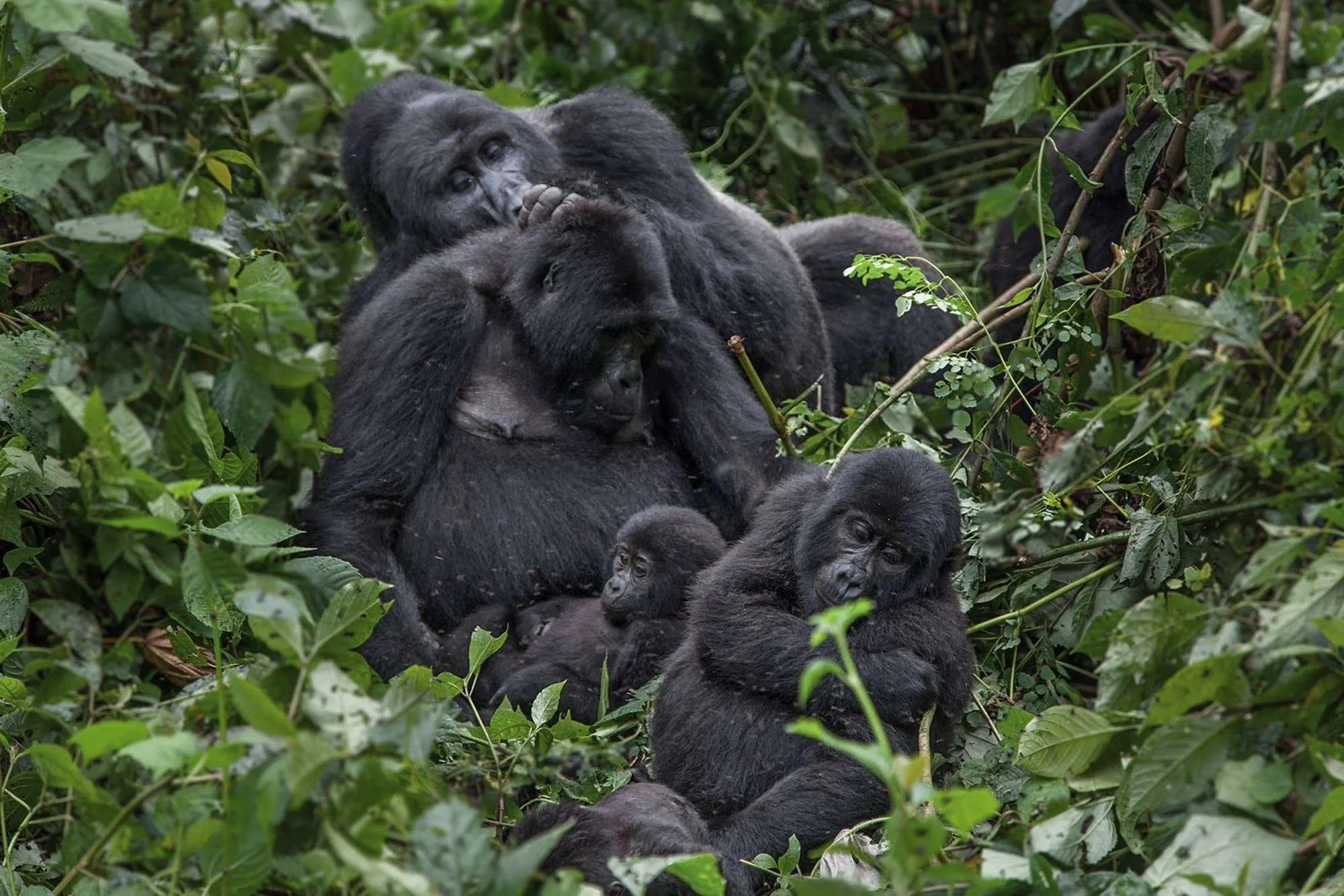
During this time, visitors may observe a silverback resting among vegetation, youngsters playing, mothers caring for infants and other fascinating social interactions. Our mountain gorilla tracking overview describes what travellers can expect from a guided encounter.
Is Gorilla Trekking in Rwanda Worth It?
Yes. Even without the longer habituation experience, Volcanoes National Park offers exceptional gorilla viewing opportunities. The scenery is spectacular, the park is accessible from Kigali, and visitors can combine gorilla trekking with other activities in the Virunga Mountains.
The shorter observation period does not necessarily mean a less meaningful experience. For many travellers, watching a mountain gorilla family in the wild for sixty minutes becomes the defining memory of an African holiday. Visitors looking for a focused short itinerary can consider a one-day gorilla trekking adventure in Volcanoes National Park.
How Many Gorilla Families Can Tourists Visit?
Volcanoes National Park contains several monitored mountain gorilla families, but not every family is available for tourism. Some groups are managed for research and conservation, while designated habituated families are assigned to visitors according to park procedures. The number of available groups and family compositions can change over time.
Examples of historically well-known gorilla families include Susa, Amahoro, Sabyinyo and Agashya. Rangers determine group assignments based on conditions and management considerations. Learn more in our Rwanda gorilla families guide.
Why Is Responsible Gorilla Tourism Important?
Mountain gorillas are endangered animals vulnerable to habitat disturbance and diseases transmitted by humans. Responsible tourism requires small groups, limited observation periods and strict adherence to guide instructions. Visitors should not trek when suffering from potentially contagious illnesses or attempt to feed, touch or provoke gorillas.
Tourism also contributes to conservation financing and supports livelihoods linked to protected landscapes. Travellers can explore additional wildlife destinations through our Rwanda national parks guide.
When planning your safari, it is helpful to compare the rules and purpose of each encounter. Our article about gorilla trekking versus habituation provides further context, while our habituation preparation advice highlights practical differences.
Finally, consider how gorilla permits affect the entire safari budget. Our gorilla habituation booking guide explains why securing the correct activity before reserving accommodation is essential.
Three Gorilla Safari Experiences Worth Comparing
Choose between Rwanda’s classic gorilla trek, Uganda’s longer habituation experience or a private safari combining both destinations.


SECTION TWO • GORILLA HABITUATION IN UGANDA
Where Can You Experience Gorilla Habituation Instead of Rwanda?
Travellers who specifically want to spend up to four hours with mountain gorillas should consider Bwindi Impenetrable National Park in southwestern Uganda. The protected forest is internationally recognized for its biodiversity and offers both conventional gorilla trekking and a special habituation experience.
Bwindi’s long-established conservation activities provide a unique opportunity to observe the process of introducing gorilla families gradually to controlled human presence. Visitors can explore the background and arrangements in our Uganda gorilla habituation guide.
Where in Bwindi Does Habituation Take Place?
Uganda’s public Gorilla Habituation Experience is associated with the southern Rushaga sector of Bwindi. This landscape contains steep forested hills, thick vegetation and a network of trails used by authorized trackers and guides. The actual location of a gorilla family can change daily because the animals move naturally through their habitat.
Travellers should confirm their designated briefing point before selecting accommodation. Staying in the wrong part of Bwindi may involve lengthy mountain-road transfers. Our Rushaga gorilla habituation information introduces the experience.
What Happens During the Four-Hour Experience?
Your day begins with an early briefing about conservation rules, trekking conditions and visitor responsibilities. Rangers then lead the authorized group through the rainforest, following information about the gorillas’ movements. The search itself may involve several hours of hiking before the animals are found.
After locating the gorillas, the special experience permits up to four hours of observation. You may see feeding, grooming, play, resting and interactions between family members. Because the gorillas are undergoing habituation, their behaviour may be less predictable than that of fully habituated tourist groups.
This is not a hands-on encounter. Rangers maintain appropriate distances and may adjust the visit according to the animals’ behaviour. Our gorilla habituation visitor guide explains these expectations.
How Is Habituation Different from Normal Trekking?
The principal difference is the permitted observation time. Standard trekking allows up to one hour with the animals, while the special habituation experience permits up to four hours. Habituation visits also involve smaller tourist groups and observation of gorillas at an earlier stage of familiarization.
However, the longer encounter is not necessarily easier. Gorillas may move frequently, and visitors must remain prepared for forest conditions. Neither product guarantees a particular photographic opportunity or specific animal behaviour.
Our detailed comparison of gorilla trekking and gorilla habituation helps travellers decide which activity matches their interests.
How Much Does Gorilla Habituation Cost?
For foreign non-residents, the published Uganda habituation permit tariff effective from January 2027 is USD 1,800 per person. The standard gorilla trekking permit is USD 800 for the same visitor category. Rwanda’s published standard international visitor gorilla permit costs USD 1,500.
These amounts refer to permits rather than complete safari packages. Accommodation, transfers, meals, visas and optional services are normally calculated separately. Rates for residents and citizens may differ, and final availability should always be confirmed before payment.
For further booking guidance, visit our gorilla habituation booking page.
Can You Start Gorilla Habituation from Kigali?
Yes. Kigali is a practical starting point for many travellers visiting southern Bwindi because southwestern Uganda is accessible by road through established Rwanda–Uganda border crossings. The transfer passes through scenic mountain landscapes and rural communities before reaching the selected accommodation.
Actual driving duration depends on the border used, immigration procedures, weather, traffic and lodge location. Visitors should carry the correct entry documents for both countries and arrive in the gorilla region before the trekking day.
See our three-day gorilla habituation safari from Kigali for a sample itinerary.

Can You Upgrade an Ordinary Gorilla Permit?
A normal gorilla trekking permit does not automatically allow participation in the extended habituation programme. Anyone wishing to change activities must establish whether a suitable permit is available and whether the relevant authority permits the requested amendment.
Payment differences, cancellation conditions and booking procedures may apply. Avoid making changes to flights or accommodation until the revised permit arrangement has been confirmed. Our article about upgrading from trekking to habituation provides additional advice.
Is Gorilla Habituation Worth the Extra Cost?
For dedicated wildlife photographers, primate enthusiasts and travellers who particularly value extended observation, habituation can justify the additional investment. Four hours provide more opportunity to notice social interactions, feeding patterns and changing animal behaviour.
However, travellers with limited budgets may prefer an ordinary gorilla trek and use the remaining money to visit other national parks. An hour with a habituated family can still be an extraordinary wildlife experience.
For a wider comparison, explore our gorilla habituation experiences guide and mountain gorilla trekking guide.
Travellers planning a broader wildlife journey can also review our Uganda and Rwanda gorilla tracking information before selecting the right combination of activities.
Rwanda Gorilla Trekking vs Uganda Gorilla Habituation
| Feature | Rwanda Trekking | Uganda Habituation |
|---|---|---|
| National park | Volcanoes | Bwindi |
| Viewing duration | Up to 1 hour | Up to 4 hours |
| Gorilla groups | Fully habituated | Undergoing habituation |
| Usual visitor limit | 8 per group | 4 per group |
| Minimum age | 15 years | 15 years |
| Standard foreign non-resident permit, 2027 | USD 1,500 | USD 1,800 |
SECTION THREE • PLANNING YOUR GORILLA SAFARI
How to Plan a Gorilla Safari in Rwanda and Uganda
Choosing between Rwanda and Uganda begins with understanding the type of gorilla encounter you want. Rwanda is particularly appealing for travellers seeking a relatively short journey from Kigali and a premium gorilla trekking experience. Uganda is ideal for visitors interested in extended habituation, diverse rainforest activities and longer wildlife itineraries.
A well-designed journey should also account for driving distances, weather, accommodation locations and the availability of permits. Travellers exploring Rwanda can start with our Volcanoes National Park guide.
Best Time for Gorilla Trekking and Habituation
Gorilla encounters can be arranged throughout the year. June to September and December to February are generally popular because conditions may be comparatively drier. However, both Volcanoes and Bwindi are rainforest environments where rain remains possible in any month.
Wet conditions can make trails muddy and slippery, although the landscapes become exceptionally green. During popular holiday periods, permits and well-located accommodation may sell out early. Travellers should prioritize confirmed availability and realistic walking conditions rather than relying entirely on seasonal averages.
If you are combining gorillas with other wildlife experiences in Rwanda, consider our Rwanda safari destinations for itinerary inspiration.
What Should You Wear for Gorilla Trekking?
Good preparation makes a significant difference during a mountain gorilla safari. Waterproof hiking boots with suitable grip are essential, along with long trousers, long-sleeved clothing and a lightweight waterproof jacket. Gardening gloves may protect your hands when balancing against vegetation during difficult sections.
Carry sufficient drinking water, snacks, personal medication and suitable camera protection. Many visitors also hire local porters to help carry daypacks and assist on steep trails. Trekking difficulty varies, so moderate physical preparation is strongly recommended before travelling.
Read our practical gorilla habituation advice before finalizing your packing list.
Other Activities in Volcanoes National Park
Volcanoes National Park offers several memorable experiences beyond mountain gorillas. Golden monkey trekking is particularly popular because visitors can observe these energetic primates feeding and moving through bamboo vegetation. The activity provides an excellent complement to a gorilla trek.
Hiking is another attraction, with routes through the Virunga volcanic landscape. Travellers interested in conservation history can also consider activities associated with primatologist Dian Fossey’s research and legacy. The suitability of individual hikes depends on fitness, trail conditions and available time.
For travellers building a multi-country primate itinerary, explore our extended gorilla experiences in Uganda before choosing additional activities.
Sample Four-Day Rwanda and Uganda Gorilla Itinerary
Day One: Kigali to Volcanoes National Park. Your driver-guide meets you at Kigali International Airport or your accommodation and transfers you to the Musanze region. Enjoy the countryside views before checking into your selected lodge. Spend the afternoon relaxing and preparing for the following morning.
Day Two: Rwanda Gorilla Trekking. Attend the early briefing and join an authorized gorilla trek in Volcanoes National Park. After observing the family for up to one hour, return to your lodge. Depending on the trekking duration, enjoy a relaxed afternoon or a suitable optional activity.
Day Three: Transfer to Bwindi, Uganda. Travel through the beautiful Virunga countryside towards the appropriate international border. After immigration formalities, continue to the accommodation near your confirmed Bwindi habituation briefing location. Rest and prepare your hiking equipment for an early start.
Day Four: Gorilla Habituation in Bwindi. Join the ranger briefing and enter the forest for the special Gorilla Habituation Experience. Spend up to four hours observing the designated family after locating it, subject to ranger instructions. An additional night is advisable before undertaking a long return transfer.
Visitors who prefer to focus on a single extended encounter can explore our three-day Uganda gorilla habituation safari from Kigali.
How Early Should You Book Your Gorilla Permit?
Booking several months ahead is advisable, particularly for fixed travel dates during busy periods. Rwanda trekking permits and Uganda habituation permits are limited, and availability can change quickly. Travellers should confirm the permit type before paying for flights or non-refundable accommodation.
Passport information, traveller category and intended activity dates may be required during the booking process. If you already have a standard Uganda permit and would prefer habituation, review our gorilla permit upgrade information.
Choosing the Right Accommodation
Accommodation choices range from simple guesthouses to comfortable midrange lodges and luxury forest retreats. For Rwanda, Musanze and the wider Volcanoes National Park region provide convenient access to trekking arrangements. For Uganda habituation, accommodation near the Rushaga sector is generally the most practical option.
Always confirm actual driving time to the assigned briefing point. Properties in different sectors of Bwindi may appear geographically close but require lengthy transfers over mountain roads. Our habituation booking information can help you coordinate permits and accommodation.

Which Gorilla Safari Is Best for You?
Choose Rwanda if you want a shorter itinerary from Kigali, prefer conventional gorilla trekking or wish to combine primates with other Rwandan attractions. Choose Uganda’s habituation experience if you are specifically interested in observing gorillas for longer and are comfortable with a potentially demanding forest outing.
A combined journey is particularly rewarding for travellers seeking two contrasting experiences. It allows comparisons between the Virunga volcanic forests and Bwindi’s ancient rainforest while providing greater insight into mountain gorilla conservation.
Our gorilla trekking and habituation comparison offers additional decision-making advice.
Why Book with Safari Vacations and Travel Services?
Safari Vacations and Travel Services organizes private gorilla safaris throughout Uganda and Rwanda, helping travellers select suitable activities, accommodation categories and routes. Our local planning team can coordinate airport transfers, professional driver-guides, permit arrangements and customized safari itineraries.
We explain the differences between standard gorilla trekking and habituation before you confirm your booking, helping ensure that your expectations match the purchased permit. We can also combine gorilla adventures with other wildlife and cultural experiences according to your available time.
Travellers interested in extending their journey should explore our mountain gorilla safari experiences, gorilla tracking options and Uganda habituation guide.
Frequently Asked Questions About Gorilla Habituation in Volcanoes National Park
1. Is gorilla habituation available in Volcanoes National Park?
No. Rwanda offers standard one-hour gorilla trekking, not the public four-hour habituation experience.
2. Where can tourists experience four-hour gorilla habituation?
The public Gorilla Habituation Experience is offered in Uganda’s Bwindi Impenetrable National Park, particularly the Rushaga area.
3. How long can I stay with gorillas in Rwanda?
Visitors may spend a maximum of one hour observing their assigned gorilla family once it has been located.
4. How much does Rwanda gorilla trekking cost?
The published standard international visitor permit price is USD 1,500, with other official rates applying to certain qualifying categories.
5. How much is Uganda’s gorilla habituation permit?
The published foreign non-resident rate effective January 2027 is USD 1,800 per person, subject to official confirmation.
6. What is the minimum age for gorilla trekking?
The minimum age is fifteen years for Rwanda gorilla trekking and Uganda’s standard gorilla trekking and habituation experiences.
7. Can I start a Uganda habituation safari from Kigali?
Yes. Private trips can begin in Kigali and continue by road to Bwindi after completing the necessary border formalities.
8. Is gorilla habituation better than trekking?
Habituation provides more observation time, while ordinary trekking is a rewarding shorter experience. The better choice depends on your interests and budget.
9. Can I see gorillas in both Rwanda and Uganda?
Yes. A customized safari can combine Rwanda’s standard trekking with Uganda’s extended habituation experience.
10. Are gorilla sightings guaranteed?
Gorilla sightings have a high success rate, but wild animal movements and park conditions mean specific encounters cannot be guaranteed.
11. Can I photograph mountain gorillas?
Photography is generally permitted under ranger instructions. Flash photography and actions that disturb the animals are prohibited.
12. Is gorilla habituation physically demanding?
It can be strenuous because of steep terrain, thick vegetation and unpredictable walking distances. Suitable fitness and footwear are important.
13. Can I touch gorillas during habituation?
No. Visitors must not deliberately touch mountain gorillas and must follow the viewing distances and instructions set by rangers.
14. Does Mgahinga offer gorilla habituation?
Mgahinga offers standard mountain gorilla trekking. The public four-hour habituation experience takes place in Bwindi.
15. What is the best season for gorilla trekking?
June to September and December to February are popular for generally drier conditions, although trekking is possible throughout the year.
16. How many tourists join a habituation visit?
Uganda’s habituation experience normally allows a maximum of four tourist participants with a designated gorilla family.
17. How far in advance should I reserve permits?
Booking several months ahead is recommended for popular dates because permits are limited and availability changes.
18. How do I book a private gorilla safari?
Contact Safari Vacations and Travel Services with your preferred dates, number of travellers, nationality and desired gorilla experience.
Conclusion: Rwanda or Uganda for Gorilla Habituation?
Volcanoes National Park is an outstanding mountain gorilla destination, but it does not offer the public four-hour Gorilla Habituation Experience. Visitors seeking a classic one-hour encounter can confidently choose Rwanda, while travellers specifically interested in extended observation should consider Bwindi Impenetrable National Park in Uganda.
Both destinations offer extraordinary opportunities to observe endangered mountain gorillas while supporting conservation-focused tourism. Choosing the right experience depends on your travel schedule, physical fitness, budget and the amount of time you hope to spend watching these remarkable primates.
Safari Vacations and Travel Services can organize a private trip to either destination or create a combined Rwanda–Uganda gorilla safari tailored to your preferences.
YOUR GORILLA SAFARI STARTS HERE
Book Your Rwanda or Uganda Gorilla Experience
Experience Rwanda’s spectacular mountain gorillas or enjoy an extended gorilla habituation adventure in Uganda. Our team will help you select the right permits, accommodations and private safari itinerary.
Safari Vacations and Travel Services
+256 776 423286
info@ugandarwanda-safaris.com



