How Many People Are Permitted to Do Gorilla Habituation?
Quick Answer
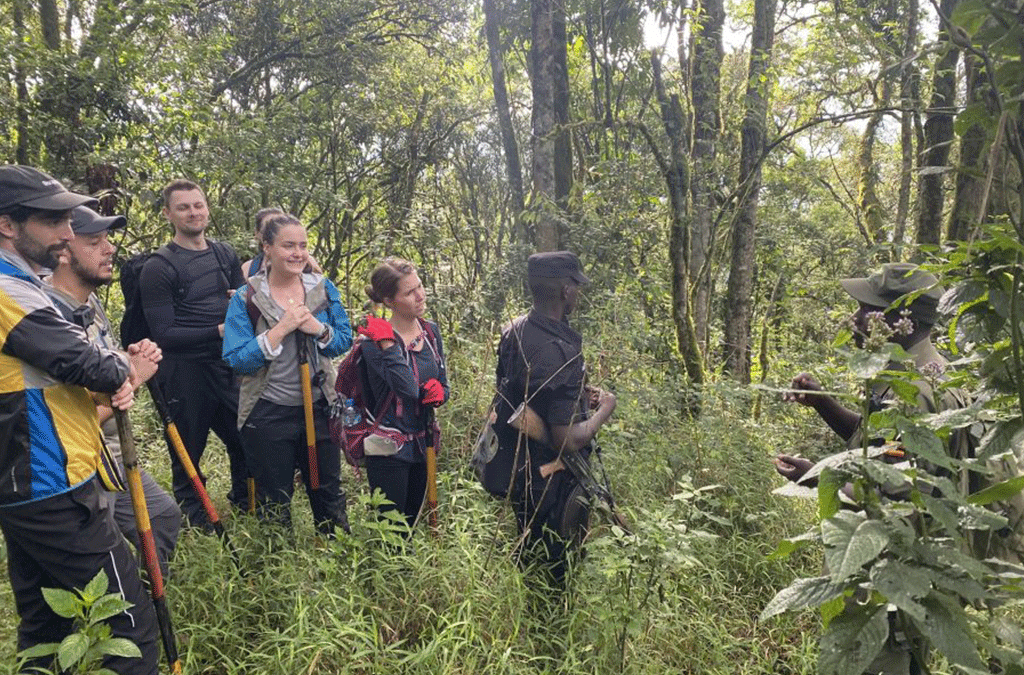
A Maximum of 4 Visitors Are Permitted for Gorilla Habituation
The Gorilla Habituation Experience is limited to a maximum of four visitors with each participating gorilla family.
This is half the typical visitor group size allowed for standard gorilla trekking, where up to eight visitors may track an assigned habituated gorilla family.
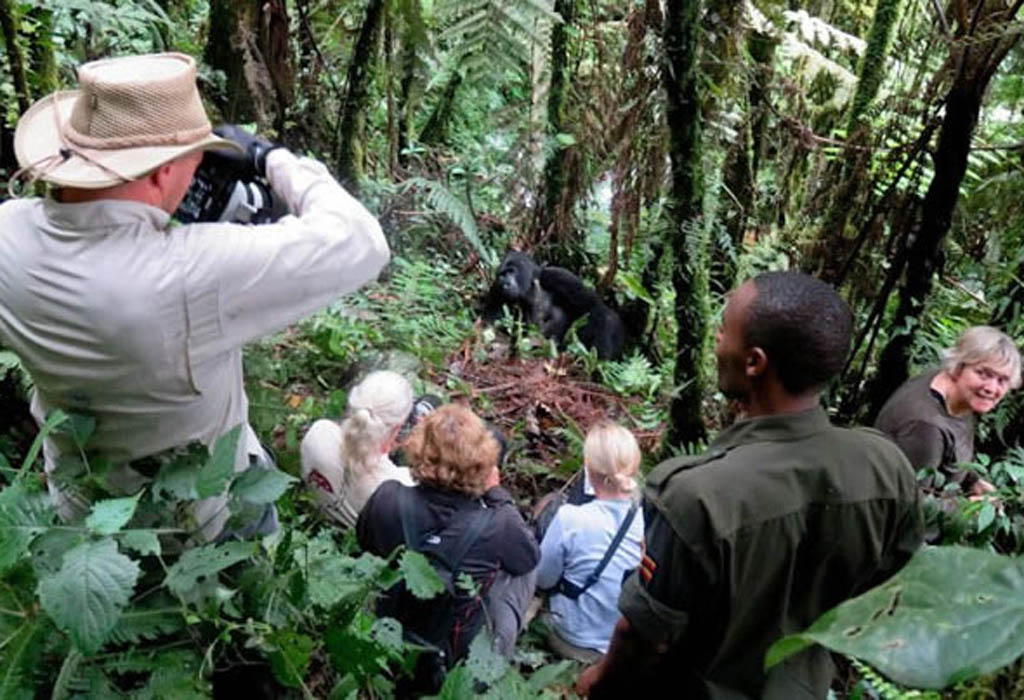
The smaller group is one of the reasons habituation feels particularly personal. Participants join experienced trackers, rangers and researchers and may spend up to four hours with the gorillas after they are located.
Gorilla Habituation at a Glance
The experience differs considerably from an ordinary one-hour gorilla trek.
What Makes Gorilla Habituation Group Size Different?
The Gorilla Habituation Experience is designed for travellers who want a smaller group, more time with the gorillas and a deeper understanding of the habituation process.

4
Maximum Visitors
A maximum of four tourists join each habituation group.
4 Hours
Viewing Time
Visitors may spend up to four hours with the gorillas after contact is made.
15+
Minimum Age
Participants must meet Uganda’s minimum gorilla-viewing age requirement.
6:30 AM
Early Start
Habituation experiences normally begin earlier than standard gorilla trekking.
Why Are Only Four People Allowed to Do Gorilla Habituation?
The small group size is deliberate.
Gorillas involved in the habituation programme are still becoming accustomed to controlled human presence. They are therefore at a different stage from gorilla families used for ordinary tourism, which have already completed a longer habituation process.
Keeping visitor numbers low reduces unnecessary pressure around the gorillas and allows researchers and rangers to manage the encounter more carefully.
A group of four tourists is also easier to supervise while moving through dense forest, particularly because the experience can last much longer than standard gorilla trekking.
Another advantage is visibility.
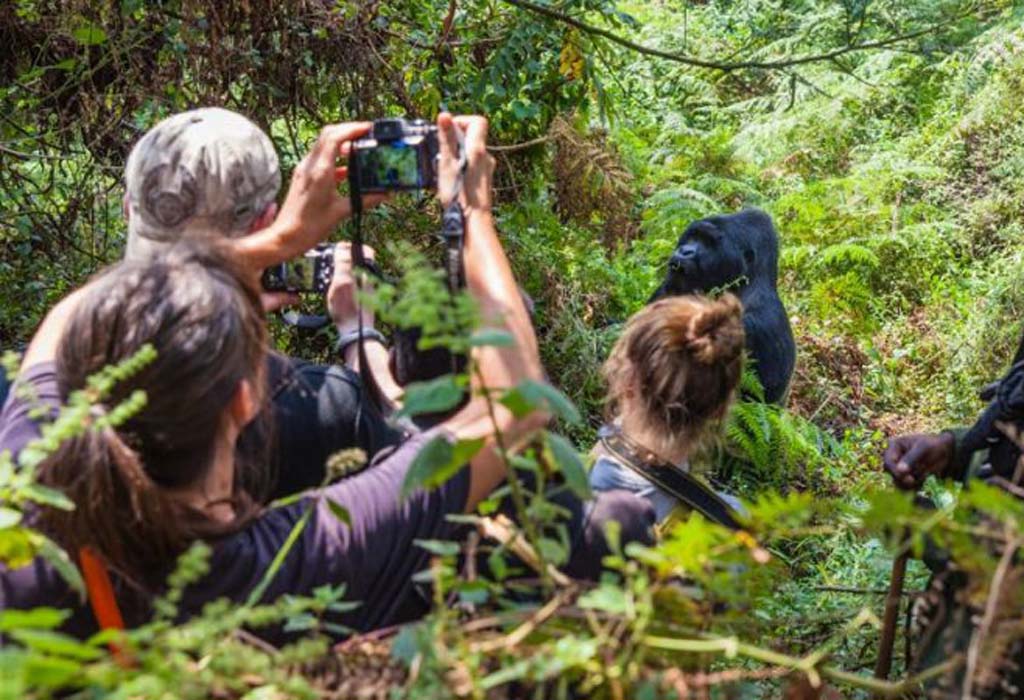
With only four visitors, there is less competition for viewing space and photography positions when the gorillas are moving through thick vegetation.
The restricted group size therefore serves both conservation and visitor experience.
Gorilla Habituation vs Standard Gorilla Trekking
The easiest way to understand why the Gorilla Habituation Experience feels so different is to compare it directly with normal gorilla trekking in Uganda.
| Feature | Gorilla Habituation | Standard Gorilla Trekking |
|---|---|---|
| Visitor Group Size | Maximum 4 visitors | Up to 8 visitors per gorilla family |
| Time With Gorillas | Up to 4 hours | Up to 1 hour |
| Type of Gorilla Family | Family undergoing habituation | Fully habituated tourism family |
| Start Time | Usually around 6:30 am | Typically after morning briefing |
| Experience Style | Research-oriented and immersive | Traditional tourism trek |
| Availability | Very limited | More permits available overall |
The Biggest Difference
You Can Spend Up to Four Hours With the Gorillas
Standard gorilla trekking allows visitors to spend up to one hour observing a habituated family after it has been located.
The Gorilla Habituation Experience extends that maximum viewing period to four hours.
The four hours begin once visitors encounter the gorillas, not when they first enter the forest.
This means the complete activity can occupy a large part of the day because participants must first hike through Bwindi to locate the gorilla family.
The gorillas may be close to the starting point or much farther away depending on where they nested, fed and travelled.
For travellers who want to watch behaviour develop over a longer period rather than experience only a short encounter, the additional time is one of the main attractions of habituation.
What Does Gorilla Habituation Actually Mean?
Gorilla habituation is the gradual process through which a wild gorilla family becomes accustomed to the carefully managed presence of people.
It is not a quick process.
Researchers, trackers and conservation staff repeatedly visit a gorilla family over an extended period, allowing the gorillas to become familiar with human presence while monitoring their behaviour.
The purpose is not to domesticate gorillas.
Mountain gorillas remain completely wild animals living in their natural forest habitat.
Habituation simply allows conservation teams to observe and study them more effectively and, once appropriate, enables controlled tourism under strict rules.
The Gorilla Habituation Experience gives a small number of visitors an opportunity to accompany the teams involved in this process.
What Happens on the Day of Gorilla Habituation?
Early Morning Briefing
The day normally begins earlier than standard gorilla trekking. Visitors meet the ranger and research team for briefing before entering the forest.
Tracking Through Bwindi
The group follows trails and signs used by trackers to locate the gorillas. This may involve following nests, feeding signs, footprints and other evidence of the family’s movements.
Finding the Gorilla Family
Tracking time varies because gorillas move naturally through the forest.
Up to Four Hours of Observation
Once the gorillas are encountered, visitors may spend up to four hours observing the family while following instructions from the ranger and research team.
Return to the Trailhead
After the viewing period, the group hikes back through the forest. Depending on the location of the gorillas, the entire day can be physically demanding.
Where Can You Do Gorilla Habituation in Uganda?
The Gorilla Habituation Experience takes place in Bwindi Impenetrable National Park.
Bwindi lies in southwestern Uganda and is one of the world’s most important mountain gorilla habitats.
The park is divided into different gorilla trekking sectors, including Buhoma, Ruhija, Rushaga and Nkuringo.
Habituation activities have traditionally been associated with the southern part of Bwindi, particularly around the Rushaga area, although operational allocations can change according to the gorilla families being habituated.
For this reason, travellers should not choose accommodation before confirming the exact entry point shown on their habituation permit.
Staying in the wrong sector can create an unnecessarily long early-morning road transfer.
Why Gorilla Habituation Permits Are Extremely Limited
The answer comes back to the group size.
If only four tourists are allowed with a participating gorilla family, the number of permits available on any date is naturally very small.
This makes habituation permits much harder to secure than standard gorilla trekking permits.
Travel dates around June to September and December to February can be particularly competitive because these periods are popular for Uganda safaris.
Travellers who specifically want habituation should therefore secure the permit before booking non-refundable accommodation or building the rest of the itinerary around an assumed date.
How Much Does a Gorilla Habituation Permit Cost?
Gorilla habituation permits cost considerably more than standard trekking permits because the experience is much more limited and provides up to four hours with a gorilla family.
Uganda Wildlife Authority periodically revises conservation tariffs, so the permit price that applies depends on your actual trekking date and visitor category.
The publicly available UWA 2024–2026 tariff listed the Gorilla Habituation Experience at:
| Visitor Category | Published UWA 2024–2026 Rate |
|---|---|
| Foreign Non-Resident | US$1,500 |
| Foreign Resident | US$1,000 |
| Rest of Africa | US$1,000 |
| East African Community Citizen | UGX 750,000 |
Important: UWA tariffs are periodically revised. Travellers booking dates after the tariff period above should confirm the applicable current rate before payment. Safari Vacations and Travel Services can check the permit price and availability for your exact date.
What Is the Minimum Age for Gorilla Habituation?
The minimum age for tracking and viewing mountain gorillas in Uganda is 15 years.
This applies because gorilla activities can involve long forest hikes, steep terrain and strict behavioural instructions around the animals.
Families travelling with younger children should therefore plan alternative activities for them while eligible family members participate in gorilla trekking or habituation.
Is Gorilla Habituation Better for Photography?
For many photographers, the longer observation period is a major advantage.
One hour during standard trekking can pass quickly, particularly if the gorillas are moving through thick vegetation.
Four hours creates more opportunities for conditions to change.
A gorilla that is partly hidden may move into a clearer position later. Family members may feed, rest, groom or interact at different times.
The smaller visitor group can also make positioning easier.
However, habituation should not be viewed as a staged photography session.
The gorillas are wild, vegetation may be dense and visitors must always follow ranger instructions rather than moving purely to obtain a photograph.
Flash photography should not be used.
How Fit Do You Need to Be?
Gorilla habituation can be physically demanding.
Bwindi’s terrain includes steep hills, dense vegetation, muddy sections and uneven forest paths.
The length of the hike cannot be predicted because the gorillas move through their natural habitat.
A visitor may have a relatively manageable approach on one day while another group may need to trek much farther.
Basic fitness, good walking footwear and realistic expectations are therefore important.
Porters can be extremely helpful because they can carry your daypack and assist on difficult sections of the trail.
Travellers concerned about mobility should discuss their requirements before booking so that appropriate advice can be given.
What Should You Pack for Gorilla Habituation?
- Strong waterproof walking or hiking boots.
- Long trousers suitable for forest trekking.
- Long-sleeved shirt.
- Light waterproof rain jacket.
- Gardening or trekking gloves.
- Small daypack.
- Drinking water.
- Packed lunch or snacks as arranged by your lodge.
- Camera with spare batteries and sufficient memory.
- Hat and sunscreen for exposed sections before entering the forest.
Because the experience begins early, it is best to prepare your equipment the evening before.
Who Should Choose Gorilla Habituation?
Gorilla Enthusiasts
Travellers who want a deeper gorilla-focused experience rather than a short encounter.
Photographers
Visitors who value more time to observe changing behaviour and photographic opportunities.
Repeat Gorilla Visitors
Travellers who have already completed a standard trek and want a different experience.
Conservation-Minded Travellers
Visitors interested in understanding the work involved in preparing gorilla families for controlled tourism.
Who May Prefer Standard Gorilla Trekking Instead?
Habituation is not automatically the better choice for every traveller.
Standard trekking may be more suitable if:
- You only want one memorable gorilla encounter.
- You have a tighter safari budget.
- You prefer a shorter viewing experience.
- You are combining gorillas with many other Uganda activities.
- You are less comfortable with a potentially long day in difficult forest terrain.
The standard one-hour trek remains an extraordinary experience and should not be considered a lesser safari.
The better choice depends on your priorities.
How Early Should You Book Gorilla Habituation?
Earlier is better.
Because only four visitors are permitted with a participating habituation group, availability is far more limited than standard gorilla trekking.
Travellers planning for peak safari periods should avoid leaving permits until the final stages of itinerary planning.
A practical booking sequence is:
1
Choose Travel Dates
Identify several possible dates if you have flexibility.
2
Check Permit Availability
Confirm habituation space before committing to the rest of the safari.
3
Secure the Permit
Provide the required passport information and make the required payment.
4
Book the Correct Lodge
Match accommodation to the confirmed habituation entry point.
Sample 3-Day Gorilla Habituation Safari
Day 1 – Travel to Bwindi Impenetrable National Park
Travel from Entebbe, Kampala or Kigali depending on your itinerary and arrive at your lodge near the confirmed habituation entry point.
Spend the evening preparing your trekking equipment and resting before the early start.
Day 2 – Gorilla Habituation Experience
Wake early for breakfast and transfer to the briefing area.
Join the ranger, trackers and research team before entering Bwindi Forest.
After locating the gorilla family, spend up to four hours observing the gorillas while following the instructions of the field team.
Return to your lodge after the trek for a well-earned rest.
Day 3 – Departure
After breakfast, begin your onward journey to Entebbe, Kigali or another Uganda safari destination such as Queen Elizabeth National Park.
What Can You Combine With Gorilla Habituation?
Bwindi fits naturally into a wider Uganda safari.
Popular combinations include:
- Queen Elizabeth National Park for game drives and the Kazinga Channel.
- Kibale National Park for chimpanzee tracking.
- Lake Mburo National Park for zebras, walking safaris and game viewing.
- Lake Bunyonyi for relaxation after trekking.
- Mgahinga Gorilla National Park for golden monkey tracking.
Frequently Asked Questions About Gorilla Habituation
How many people are permitted to do gorilla habituation?
A maximum of four visitors are permitted to join a Gorilla Habituation Experience with a participating gorilla family.
How many hours do you spend with the gorillas?
Visitors may spend up to four hours with the gorillas after the family has been located.
Does the four hours include the hike?
No. The viewing period begins when the gorillas are encountered. The hike to locate them and the return walk are additional.
Where does gorilla habituation take place?
Uganda’s Gorilla Habituation Experience takes place in Bwindi Impenetrable National Park.
Is gorilla habituation the same as gorilla trekking?
No. Standard trekking normally involves up to one hour with a fully habituated gorilla family, while habituation involves a family still undergoing the habituation process and permits up to four hours of viewing.
How many people are allowed on normal gorilla trekking?
Standard gorilla trekking generally allows up to eight visitors to track an assigned habituated gorilla family.
What is the minimum age for gorilla habituation?
The minimum age for gorilla tracking and viewing in Uganda is 15 years.
What time does gorilla habituation start?
UWA guidelines schedule the Gorilla Habituation Experience from around 6:30 am, making it an earlier start than standard gorilla trekking.
Is gorilla habituation difficult?
It can be physically demanding because Bwindi has steep, uneven and sometimes muddy terrain, and the gorillas may be located far from the starting point.
Can I hire a porter?
Yes. Hiring a porter is strongly recommended because the experience may involve a long trek and the porter can carry your bag and assist on difficult terrain.
Is gorilla habituation good for photographers?
Yes. The longer viewing period and smaller visitor group can create more opportunities to observe and photograph changing gorilla behaviour, although photography is always subject to ranger instructions and forest conditions.
Can I use flash photography?
No. Flash should not be used when photographing mountain gorillas.
Should I book gorilla habituation early?
Yes. Because only four visitors are allowed with a participating family, permits are extremely limited and should be secured as early as possible.
Can Safari Vacations book my gorilla habituation permit?
Yes. Safari Vacations and Travel Services can check availability, arrange the correct permit, recommend accommodation near the confirmed entry point and organise private transport and the rest of your Uganda safari.
Is gorilla habituation worth it?
It can be particularly worthwhile for travellers who want significantly more time with the gorillas, a smaller visitor group and a deeper insight into gorilla research and habituation. Travellers prioritising budget or a shorter experience may prefer standard gorilla trekking.
Only Four Visitors Make Gorilla Habituation Exceptionally Exclusive
So, how many people are permitted to do gorilla habituation?
The answer is four visitors per participating gorilla family.
That small group size is one of the defining features of the Gorilla Habituation Experience.
It provides more space, more time and a very different perspective from standard gorilla trekking.
Instead of spending one hour with a fully habituated gorilla family in a larger visitor group, habituation participants join researchers and trackers and may observe a family undergoing habituation for up to four hours.
Because so few visitor spaces are available, planning early is essential.
If gorilla habituation is the main reason for your Uganda safari, secure the permit first and then build your accommodation, transport and additional activities around the confirmed date and entry point.
Only Four Visitor Places Per Habituation Group
Check Gorilla Habituation Permit Availability
Tell us your preferred travel dates and number of travellers. Safari Vacations and Travel Services can check gorilla habituation availability, arrange permits, accommodation, private 4×4 transport and your complete Uganda safari.