
Things to Do and See Around Lake Mutanda

Whether you are planning a romantic escape, a photography holiday or an extended Uganda safari, this guide explains the experiences worth including, how to organize them and why Lake Mutanda deserves more than a brief stop.


Where Is Lake Mutanda Located?
Lake Mutanda lies in Kisoro District, close to Uganda’s borders with Rwanda and the Democratic Republic of Congo. The lake occupies a beautiful highland landscape of cultivated hills, small islands and scattered rural settlements.
Three famous Virunga peaks—Mount Muhabura, Mount Gahinga and Mount Sabyinyo—form an impressive backdrop, especially on clear mornings.
Kisoro town serves as the main gateway. From there, travellers continue along local roads towards the lakeside lodges. Transfer time depends on the specific accommodation, road conditions and the route taken.
For visitors planning a wider holiday, the lake also combines naturally with Lake Bunyonyi, the southern Bwindi gorilla trekking sectors and Mgahinga’s volcanic forest.
Best Things to Do Around Lake Mutanda in Uganda
The following activities provide a balanced combination of nature, adventure, culture and relaxation. Some take place directly on Lake Mutanda, while others are rewarding excursions into the nearby Kisoro, Bwindi and Mgahinga regions.
1. Enjoy Traditional Canoeing on Lake Mutanda
Canoeing is one of the most memorable ways to experience Lake Mutanda. Rather than observing the landscape from a vehicle, you travel across the water in a traditional wooden canoe, often accompanied by a local guide who knows the islands, shoreline and surrounding communities.
Early mornings can be especially beautiful. Mist sometimes hangs over the water, fishing boats move quietly between landing points and the volcanic peaks gradually emerge as the light changes.
Guided canoe excursions may last a few hours, although shorter outings can be arranged depending on your lodge and the weather. Some visitors combine canoeing with birdwatching or an island visit.
Always wear a properly fitted life jacket, use an experienced guide and follow advice about wind and changing water conditions. For further inspiration, explore our Lake Mutanda activities guide.
2. Explore Lake Mutanda’s Beautiful Islands
One feature that makes Lake Mutanda particularly attractive is its collection of islands. From elevated viewpoints, these islands appear as small green patches floating between the hills and distant volcanoes.
A guided island excursion allows travellers to discover different sections of the lake and hear local accounts of its history. Some routes include islands associated with traditional stories, while others focus on farming communities, scenery and birdlife.
Mutanda Island is among the better-known islands, with a history of local settlement and agriculture. Visitors should arrange landings through local guides and respect private homes, cultivated land and community customs.
Island hopping is especially rewarding for travellers interested in local history and landscape photography. You can also read about a broader gorilla, golden monkey and Lake Mutanda safari that incorporates the lake into a multi-day journey.
3. Discover Birdwatching Around Lake Mutanda
Lake Mutanda offers enjoyable birdwatching because its shoreline, wetlands, gardens, islands and surrounding hills provide several different habitats.
Bird enthusiasts may observe kingfishers, herons, egrets, weaver birds, cormorants, African fish eagles and other water-associated species. The exact sightings depend on the habitat, season and conditions during your visit.
Morning is an excellent time to explore because birds are active and the light is generally favourable for photography. A canoe excursion can provide a different perspective from walking along the lakeshore.
Travellers who want a more extensive birding experience can also visit nearby protected landscapes, including the forests of Mgahinga and Bwindi.
For those combining birdwatching with a broader wildlife holiday, our Mgahinga activities guide introduces additional forest-based experiences.
4. Take Scenic Nature Walks Around the Lake
Walking through Lake Mutanda’s surrounding countryside is an excellent way to appreciate the beauty of southwestern Uganda beyond the water itself.
Footpaths lead through small farming settlements, cultivated slopes and viewpoints overlooking the islands. Depending on the chosen trail, visitors may pass banana plantations, vegetable gardens, coffee-growing areas and community gathering places.
These walks offer opportunities to learn how local communities make their living in this mountainous environment. They also provide attractive viewpoints for photographing the lake.
Choose a route according to your fitness and available time. Although many village walks are manageable, the landscape is hilly and paths can become slippery after rainfall.
5. Experience Mountain Gorilla Trekking in Bwindi
One of the strongest reasons to stay near Lake Mutanda is its access to the southern part of Bwindi Impenetrable National Park.
The Rushaga and Nkuringo sectors provide opportunities to trek mountain gorillas under the guidance of Uganda Wildlife Authority rangers. Your exact transfer time depends on the accommodation and assigned trekking meeting point.
Gorilla trekking normally begins with a morning briefing before visitors enter the forest. The walking time varies according to where the gorillas are located, the terrain and the trekking group’s pace. Once the assigned family is found, standard trekking normally allows up to one hour of observation.
Many visitors describe the experience as one of the highlights of their African holiday. Watching gorillas interact naturally within their forest habitat offers a powerful understanding of why conservation matters.
To prepare, explore our guides to Rushaga gorilla safaris, Bwindi trekking difficulty and gorilla family allocation.
Important planning advice:
Gorilla permits are date-specific and limited. Confirm your permit and trekking sector before choosing a lakeside lodge. A beautiful location is only convenient if the morning transfer to your assigned trailhead is practical.
6. Visit Mgahinga Gorilla National Park
Mgahinga Gorilla National Park provides another fascinating excursion from Lake Mutanda. This compact protected area lies within the Virunga Mountains and offers a different experience from Bwindi’s dense rainforest.
The park is particularly attractive because visitors can combine gorillas, golden monkeys, volcano hiking and scenic mountain landscapes within the same region.
Travellers planning a wildlife-focused visit can explore reasons to visit Mgahinga or learn more about the park’s wildlife and adventure opportunities.
7. Track Golden Monkeys in Mgahinga
Golden monkey trekking is an excellent addition to a Lake Mutanda holiday, especially for visitors who have already experienced mountain gorillas.
These energetic primates inhabit the bamboo-rich volcanic forests of Mgahinga. Their golden-orange colouring, expressive faces and lively movements make them particularly appealing to photographers.
During a guided trek, visitors follow designated park routes with rangers who help locate the monkeys. Sightings may include animals feeding, grooming one another, climbing through bamboo and moving across the forest floor.
The activity differs considerably from gorilla trekking. Golden monkeys are smaller and often move quickly, making observation lively and photography more challenging.
Our Mgahinga gorilla and golden monkey safari explains how to combine these encounters in one itinerary.
8. Hike the Virunga Volcanoes
The Virunga volcanoes are among Lake Mutanda’s most spectacular natural features. On clear days, their shapes dominate the skyline and create an extraordinary background for photography.
Travellers with good fitness can explore guided volcano hiking opportunities in Mgahinga Gorilla National Park.
Mount Gahinga is attractive for hikers interested in forest vegetation and volcanic scenery. Mount Muhabura offers a more demanding high-altitude challenge, while Mount Sabyinyo is known for its rugged terrain and steep sections.
These are not casual lakeside walks. Volcano hiking requires suitable footwear, appropriate clothing, sufficient water and careful attention to weather and ranger instructions.
Visitors interested in combining a mountain excursion with primate encounters can read about Mgahinga’s main activities.
9. Experience Local Culture and Community Life
One of the most meaningful experiences around Lake Mutanda is spending time with the people who live in its surrounding communities.
Guided community walks may introduce visitors to local farming practices, traditional food preparation, handicrafts and daily life in the Kisoro highlands.
These encounters are most rewarding when they are arranged through community guides and allow genuine conversations rather than hurried visits focused only on photographs.
Depending on local arrangements, visitors may also learn about the cultural heritage of the Bafumbira people and the wider history of this borderland region.
For travellers interested in cultural history, our guide to gorilla trekking in Uganda’s southwestern highlands provides additional context for planning a wider journey.
10. Discover the Batwa Cultural Experience
The Batwa are Indigenous people with a long historical relationship with the forests of southwestern Uganda and the wider Great Lakes region.
A responsibly organized Batwa cultural experience provides an opportunity to learn about traditional forest knowledge, plants, shelter, food collection and the community’s history.
Some visits also explore the effects of displacement from ancestral forest lands and the importance of community participation in tourism today.
In the wider Mgahinga region, the Batwa Trail is one organized opportunity for learning about this history under local guidance. Travellers should choose experiences that respect participants, compensate community guides fairly and provide accurate cultural interpretation.
Our Mgahinga destination guide introduces the park’s cultural and conservation background.
11. Enjoy Mountain Biking Through the Kisoro Highlands
The hills around Lake Mutanda offer an attractive setting for cycling enthusiasts. Rural roads and community tracks provide opportunities to explore the countryside at a different pace.
During a guided mountain biking excursion, travellers may pass farmland, roadside markets and scenic viewpoints with views towards the Virunga Mountains.
The activity can be physically demanding because of steep gradients and occasionally rough road surfaces. For this reason, a suitable bicycle, helmet and experienced local guide are recommended.
Mountain biking is best arranged in advance because equipment availability varies between lodges and local operators.
12. Enjoy Fishing With Local Guidance
Fishing provides another opportunity to connect with life around Lake Mutanda. For many local households, the lake has an important relationship with everyday livelihoods.
Depending on local arrangements, travellers may be able to join a guided recreational fishing outing or observe traditional fishing practices from a boat.
Any recreational fishing activity should follow current local rules, use appropriate equipment and respect the practices of local fishing communities.
The experience is especially interesting for travellers who enjoy slower activities and want to understand how people interact with the lake beyond tourism.
13. Visit Local Coffee Farms and Agricultural Communities
The cultivated hills surrounding Lake Mutanda provide an opportunity to learn about agriculture in the southwestern highlands.
Some community-based experiences introduce visitors to coffee growing, harvesting, processing, roasting and preparation. Activities vary according to the farming calendar and the households involved.
A coffee visit can be particularly rewarding for travellers who enjoy understanding the origin of everyday products. It also offers a chance to support local farmers directly.
Other agricultural visits may introduce banana cultivation, vegetable farming and the challenges of growing crops on steep hillsides.
14. Capture Beautiful Sunrise and Sunset Photography
Lake Mutanda is a wonderful destination for landscape photography. Its most distinctive feature is the combination of reflective water, green islands and the dramatic Virunga volcanoes.
Early mornings can produce soft light and misty mountain scenery. As the day progresses, changing clouds and reflections create new photographic opportunities.
Sunset photography can also be beautiful, although the best viewpoint depends on your position around the lake, weather conditions and the direction of the light.
Photographers should consider spending at least one night nearby rather than relying on a short daytime visit.
For another scenic lakeside destination, compare our Lake Bunyonyi relaxation experiences.
15. Relax at a Lakeside Lodge
Not every memorable safari experience requires strenuous activity. Lake Mutanda is an excellent place to rest after travelling or trekking in Uganda’s mountain forests.
Imagine returning to a comfortable lodge after a gorilla trek, enjoying a warm meal and watching the evening light settle over the lake.
Many visitors appreciate the opportunity to spend an afternoon reading, photographing birds, enjoying the surrounding scenery or simply relaxing on a lodge terrace.
For couples, the setting is particularly appealing because it offers privacy, natural beauty and a peaceful atmosphere away from busy urban centres.
Visitors who enjoy exploring different gorilla experiences can compare gorilla trekking and gorilla habituation before choosing how much recovery time to include.
Where to Stay Around Lake Mutanda
Choosing the right accommodation can make a considerable difference to your visit. Some properties focus on lakeside relaxation, while others are particularly convenient for trekking itineraries. Always consider the access road and your planned morning activities.
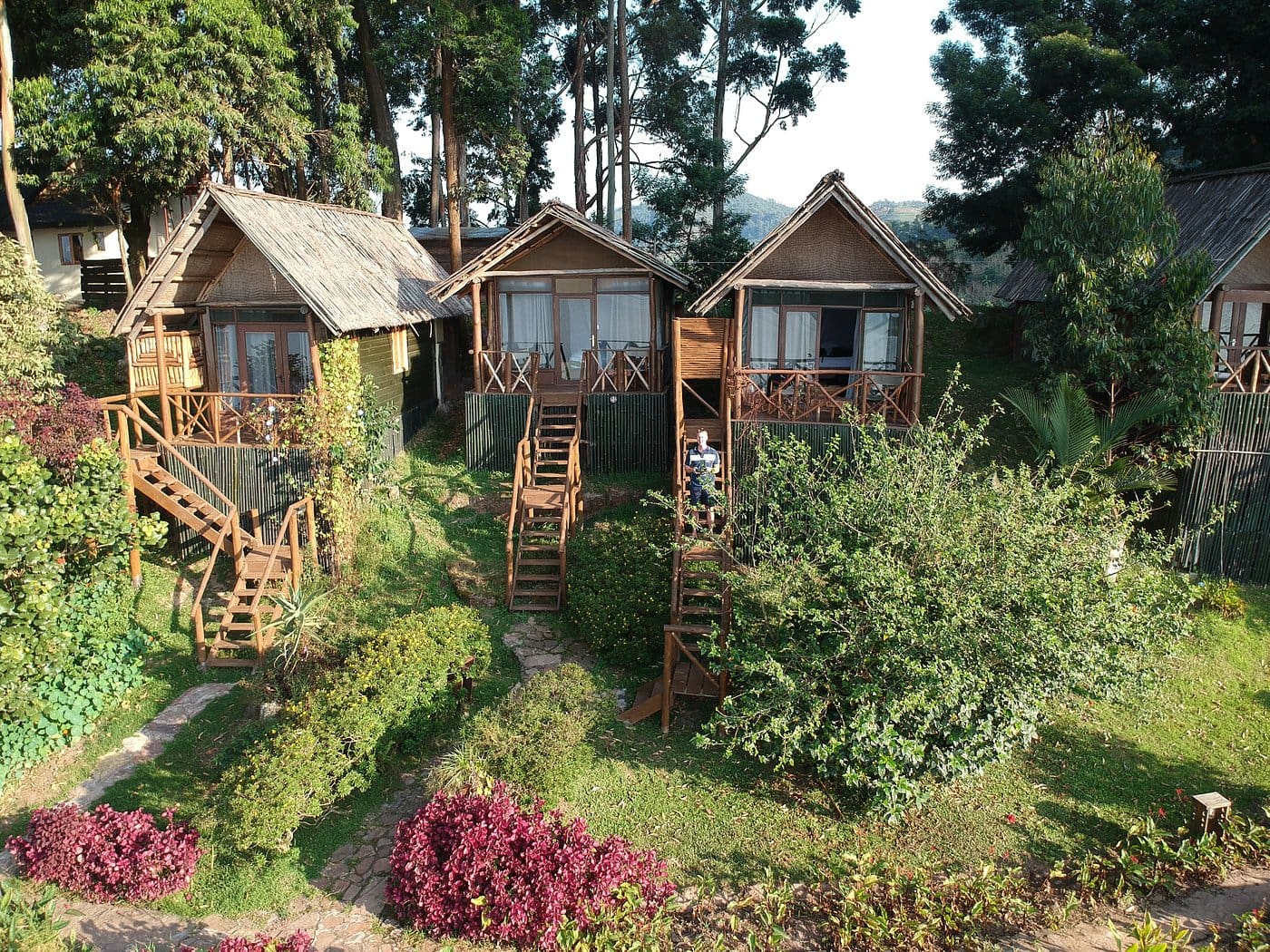

For more information on regional accommodation planning, see our guide to visiting Mgahinga and its surrounding attractions.
Can You Swim in Lake Mutanda?
Swimming is sometimes offered or discussed around Lake Mutanda, but visitors should not assume that freshwater swimming is completely risk-free.
Although the lake is widely described as lacking resident crocodile populations, water conditions, depth, cold temperatures and possible freshwater-borne infections still require consideration. Claims that any natural lake is permanently free from bilharzia should not be treated as a medical guarantee.
Before entering the water, consult your accommodation and qualified local advisers about current conditions. Swimming should never take place alone, and travellers should avoid swimming during poor weather or when visibility and water safety are uncertain.
For a safer and more accessible alternative, a guided boat or canoe excursion allows you to appreciate the scenery without entering the water.
Best Time to Visit Lake Mutanda
Lake Mutanda can be visited throughout the year. However, the best period depends on whether your priority is photography, relaxation, trekking or mountain hiking.
June to September
Often favourable for outdoor activities, hiking and gorilla trekking, although rain remains possible.
December to February
Another popular period for mountain adventures and scenic travel in southwestern Uganda.
Wetter Months
March to May and October to November can bring lush green scenery, misty mornings and muddier trails.
If gorilla trekking is part of your holiday, remember that permits should be confirmed before accommodation and transport arrangements are finalized. Learn about the southern Bwindi habituation sectors when planning a more specialized primate experience.
How to Get to Lake Mutanda in Uganda
From Kigali, Rwanda
Kigali provides a practical international gateway for travellers visiting southwestern Uganda. The route normally passes through the Cyanika border area before continuing towards Kisoro and Lake Mutanda. Allow additional time for immigration, road conditions and your lodge transfer.
Travellers with limited time can explore the logistics of a Kigali-to-Uganda gorilla trip, although an overnight stay is preferable when Lake Mutanda experiences are a priority.
From Entebbe or Kampala
Travelling by road from central Uganda offers opportunities to discover rural scenery, trading centres and the rolling hills of southwestern Uganda. However, the journey is lengthy and is best planned with appropriate breaks.
For travellers who prefer to reduce road time, domestic flights to Kisoro may be available, subject to airline schedules and operating conditions.
From Bwindi
Visitors staying in the southern Bwindi sectors can combine their gorilla experience with a Lake Mutanda excursion. The journey depends on the trekking sector, lodge location and mountain road conditions.
When comparing gorilla options, consider our guide to gorilla habituation permit locations.
Suggested 4-Day Lake Mutanda and Gorilla Safari
This itinerary offers a comfortable combination of wildlife, nature, cultural experiences and relaxation.
Day 1: Arrival and Transfer to Lake Mutanda
Travel from Kigali or another regional starting point to Kisoro and continue to your lakeside accommodation. Depending on your arrival time, enjoy a short guided walk or relax with views of the volcanoes.
Day 2: Mountain Gorilla Trekking
After an early breakfast, transfer to your confirmed Bwindi or Mgahinga trekking meeting point. Attend the ranger briefing and enjoy a guided encounter with mountain gorillas. Return to your lodge for dinner and relaxation.
Day 3: Canoeing, Islands and Community Experiences
Enjoy a guided morning canoe excursion, discover the lake’s islands and photograph the volcanic scenery. In the afternoon, take a community walk or visit a local coffee-growing household where arrangements are available.
Day 4: Golden Monkeys or Departure
Travellers with a suitable departure schedule may include golden monkey trekking in Mgahinga. Otherwise, enjoy a relaxed breakfast before continuing to Kigali, Entebbe or another safari destination.
For a more intensive primate itinerary, compare our chimpanzee and gorilla habituation safari or a Rushaga gorilla habituation experience.
Practical Tips for Visiting Lake Mutanda
Good preparation allows you to appreciate the region without unnecessary complications.
Pack for Highland Weather
Carry a waterproof jacket, comfortable walking shoes, warm evening clothing and sun protection. Weather can change quickly.
Book Key Activities Early
Confirm gorilla permits and other restricted activities before finalising a specific trekking itinerary.
Respect Local Communities
Ask permission before photographing people and use local guides for community and island visits.
Keep Your Schedule Flexible
Allow time for road conditions, mountain weather and relaxation between physically demanding activities.
If you want to understand what a longer primate experience involves, read what to expect on a gorilla habituation tour. Travellers interested in gorilla family conservation may also enjoy learning about Bwindi’s habituated gorilla families.
Frequently Asked Questions About Experiences Around Lake Mutanda in Uganda
Is Lake Mutanda worth visiting?
Yes. Lake Mutanda is worth visiting for its spectacular Virunga volcano views, peaceful canoe excursions, islands, birdwatching and access to nearby gorilla trekking destinations. It is particularly rewarding for travellers who enjoy nature and quieter locations.
What are the best experiences around Lake Mutanda?
Popular experiences include canoeing, island visits, birdwatching, scenic walks, cultural encounters, photography, mountain biking and lakeside relaxation. Nearby Bwindi and Mgahinga also offer gorilla trekking, golden monkey tracking and volcano hiking.
How many days should I spend at Lake Mutanda?
Two nights provide time for a canoe excursion, relaxation and a community activity. Three or four nights are preferable when combining the lake with gorilla trekking or golden monkeys.
Can I trek gorillas while staying at Lake Mutanda?
Yes. Several lakeside lodges provide access to southern Bwindi trekking sectors and Mgahinga, although transfer times vary. Choose your accommodation after confirming your gorilla permit and trekking location.
Can I swim in Lake Mutanda?
Some visitors swim in Lake Mutanda, but natural freshwater is not risk-free. Obtain current local safety advice and consider health risks, changing conditions and the absence of supervised swimming facilities before entering the water.
Is Lake Mutanda suitable for honeymooners?
Yes. The peaceful landscape, scenic lodges, beautiful sunsets and opportunities for private guided activities make it attractive for couples and honeymooners seeking a quiet escape.
What is the difference between Lake Mutanda and Lake Bunyonyi?
Lake Mutanda is particularly attractive for its Virunga volcano views and proximity to the Kisoro and Mgahinga region. Lake Bunyonyi is also scenic, with a wider collection of established lakeside activities and accommodation areas. Both work well as relaxing additions to a southwestern Uganda safari.
How can I reach Lake Mutanda from Kigali?
Travel by road from Kigali through the Cyanika border crossing into Uganda, continuing towards Kisoro and your lakeside accommodation. Journey time depends on immigration formalities, road conditions and your final lodge location.
Are canoeing and island tours suitable for families?
Many guided lake excursions may suit families, depending on children’s ages, weather and operator requirements. All participants should wear appropriate life jackets, and parents should discuss safety and age restrictions with the operator.
Can I combine Lake Mutanda with gorilla habituation?
Yes. Lake Mutanda can be included before or after a gorilla habituation experience in southern Bwindi. The exact itinerary should reflect the confirmed permit location, early-morning reporting requirements and road transfer times.
Why Lake Mutanda Deserves a Place on Your Uganda Safari
Lake Mutanda offers something that is becoming increasingly valuable in modern travel: an opportunity to slow down and appreciate a destination rather than simply pass through it.
The beauty of the lake is obvious, but its greatest attraction lies in the variety of experiences available nearby. You can paddle past small islands, meet local community guides, watch the morning light illuminate the Virunga volcanoes and explore some of Africa’s most important mountain gorilla habitats.
For adventurous travellers, there are demanding volcano hikes and memorable primate encounters. For couples and families, peaceful lodges, guided walks and gentle lake excursions provide a completely different holiday experience.
At Safari Vacations and Travel Services, we design private journeys that combine Lake Mutanda with the most suitable destinations across Uganda and Rwanda. Our itineraries can include transportation, accommodation, gorilla permits, local activities and experienced driver-guides according to your travel preferences.
Travellers wishing to understand a broader range of mountain gorilla experiences can also explore our guide to gorilla habituation in Uganda.
Explore Lake Mutanda With Safari Vacations
From peaceful canoe rides to unforgettable gorilla encounters, let us create a personalized safari that matches your interests, preferred accommodation and travel budget.
Safari Vacations & Travel Services Ltd | Uganda & Rwanda Tailor-Made Safaris





