Discover the Natural Heart of Uganda

The Pearl of Africa
Discover Uganda’s Most Unforgettable Experiences
From intimate encounters with mountain gorillas to spectacular wildlife safaris and chimpanzee adventures, experience the extraordinary natural beauty of Uganda.

There are places you visit for one remarkable attraction, and then there is Uganda. Here, the landscapes change almost as quickly as the experiences. One morning, you could be following the calls of chimpanzees through a tropical rainforest. A day later, you might be watching elephants wander across open savannah or enjoying the sunset beside a peaceful highland lake.
Uganda has long earned its reputation as the Pearl of Africa. Its natural beauty lies in the extraordinary contrast between its forests, wetlands, mountains, lakes, rivers and grasslands. Equally memorable are the people whose traditions and communities give each region its own character.
For travellers who want more than a conventional wildlife holiday, Uganda provides a wonderful balance of adventure and relaxation. You can explore protected forests, photograph African wildlife, visit remote villages and enjoy quiet evenings surrounded by nature.
Whether you are planning your first African adventure or returning for another extraordinary experience, our Uganda travel guide offers inspiration for discovering this fascinating country. You can also explore the best national parks in Uganda to discover which destinations deserve a place on your itinerary.
Three Signature Adventures
Experience the Natural Heart of Uganda
Some travellers visit Uganda to meet the mountain gorillas. Others dream of classic game drives or chimpanzee encounters. The most rewarding safari often combines these experiences with enough time to enjoy the landscapes between them.
Bwindi Impenetrable Forest: A Journey into the World of Mountain Gorillas
Entering Bwindi Impenetrable National Park is like stepping into a completely different world. Its steep hillsides are covered in ancient forest, where vines hang from tall trees, birds call from the canopy and narrow trails lead deep into the greenery.
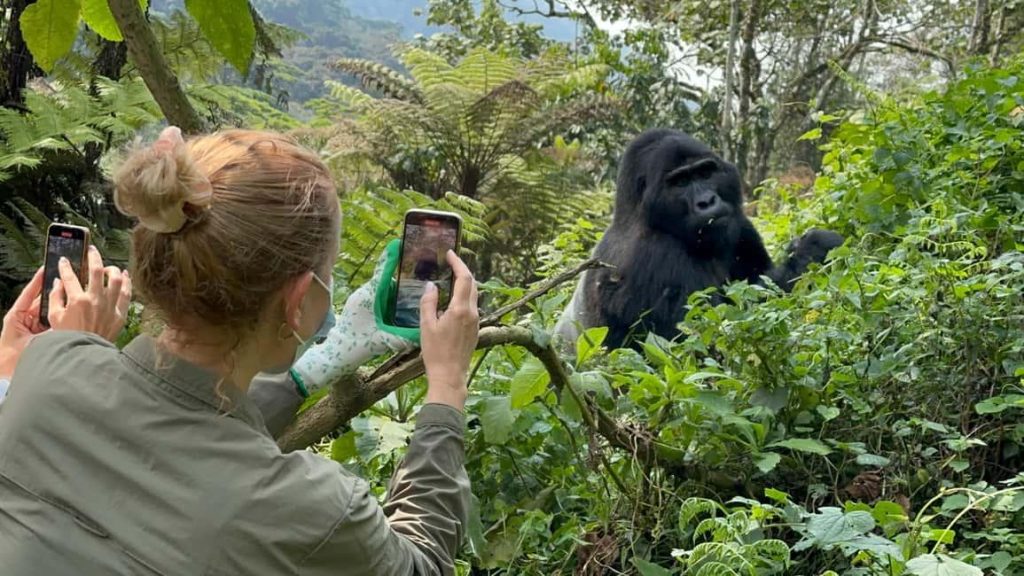
The park is internationally celebrated for its mountain gorillas. Visitors join trained ranger guides to search for a habituated gorilla family, following routes determined by the animals’ movements and the conditions in the forest.

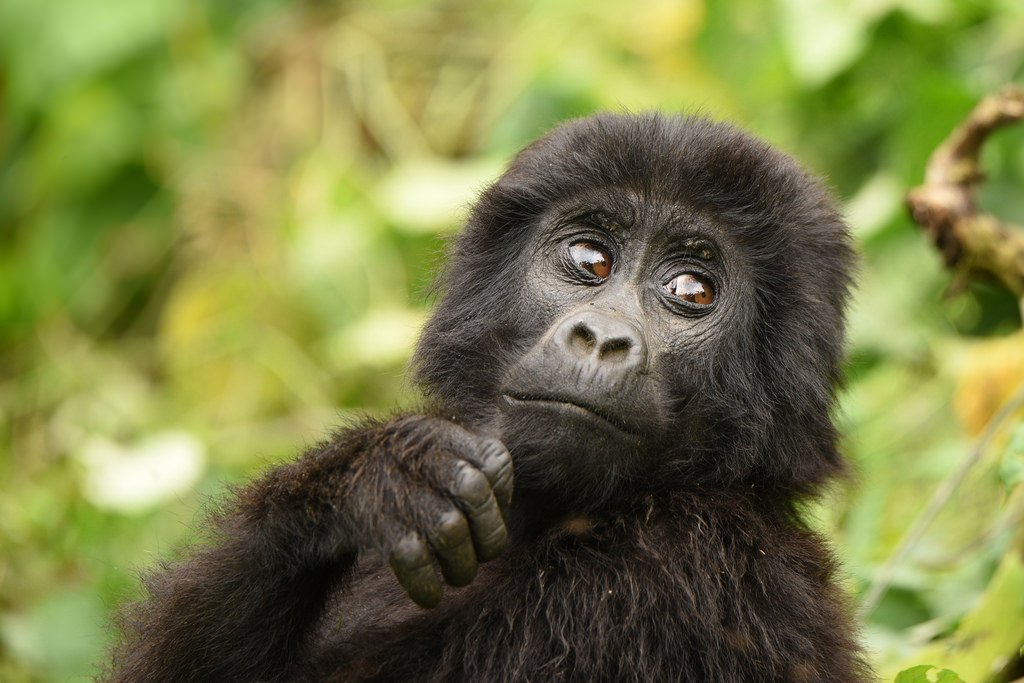
When the gorillas are located, visitors are allowed one hour with the family. During this time, you may observe a silverback resting, young gorillas playing or a mother feeding alongside her infant. No two encounters are exactly alike, and that unpredictability is part of the experience.
Gorilla trekking takes place in different sectors of Bwindi, including Buhoma, Ruhija, Rushaga and Nkuringo. Choosing accommodation near your allocated trekking sector is important because travel between sectors can take several hours.
The trekking experience can range from relatively manageable to physically demanding, depending on the terrain, weather and location of the gorilla family. Participants must be at least 15 years old and follow the park’s conservation and health guidelines.
For visitors who want to discover more than gorillas, the area also offers birdwatching, forest scenery and carefully selected community experiences. Combining Bwindi with Kibale creates a memorable Uganda gorilla and chimpanzee safari.
Kibale National Park: Follow the Calls of Chimpanzees
In western Uganda, Kibale National Park protects one of the country’s most remarkable tropical forest environments. The forest supports a wide range of wildlife, but its best-known residents are the chimpanzees.
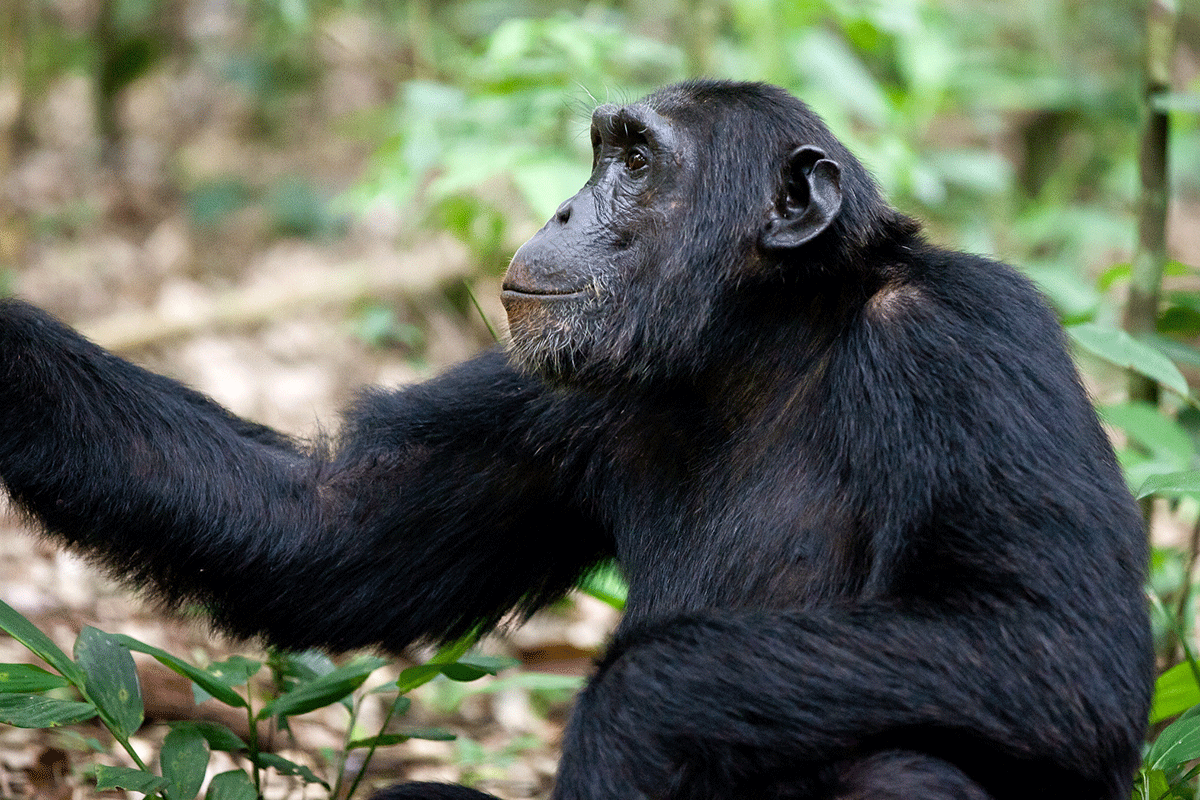
Chimpanzee tracking offers a very different experience from gorilla trekking. Chimpanzees are energetic, social and often noisy. Their calls travel across the forest, and they may move quickly between branches or travel along the ground as they search for food.
During a guided tracking experience, visitors learn about chimpanzee behaviour, forest ecology and the challenges of conserving these intelligent primates. Other species found in Kibale include black-and-white colobus monkeys, red colobus, red-tailed monkeys and numerous forest birds.
Nearby Bigodi Wetland Sanctuary makes a rewarding addition to your visit. Its locally guided nature walks introduce you to wetland birds, monkeys, vegetation and community conservation initiatives.
Travellers who prefer a gentler pace can also explore Fort Portal’s beautiful crater lakes, tea-growing landscapes and peaceful countryside. Rather than rushing directly to the next national park, consider spending an extra afternoon enjoying this part of western Uganda.
Queen Elizabeth National Park: Where Savannah Meets Water
Queen Elizabeth National Park is one of Uganda’s most rewarding wildlife destinations, particularly for travellers who enjoy a combination of game drives, boat cruises and beautiful landscapes.
The park stretches across open grasslands, volcanic crater scenery, woodland and wetlands. In the distance, the Rwenzori Mountains add a dramatic backdrop to the scenery.

Morning and afternoon game drives offer opportunities to encounter elephants, buffaloes, Uganda kob, warthogs and predators such as lions and leopards. Sightings depend on wildlife movements, but the varied habitats make every drive interesting.
The Kazinga Channel is another major highlight. A boat cruise along this natural waterway provides opportunities to see hippos, crocodiles, elephants, buffaloes and numerous waterbirds along the banks.
In the southern Ishasha sector, visitors may search for the park’s famous tree-climbing lions. These lions are sometimes seen resting in large fig trees, although finding them is never guaranteed.
Queen Elizabeth fits naturally between Kibale and Bwindi, which is why it features prominently in many customized Uganda safari packages. Wildlife photographers can also read about Uganda’s national parks for leopard sightings.
Murchison Falls: Witness the Power of the River Nile
Murchison Falls National Park is a place of magnificent contrasts. Broad savannah landscapes stretch toward the River Nile, where the scenery changes from quiet waterways to one of Africa’s most dramatic waterfalls.

The park offers excellent opportunities for traditional game drives. Travellers may encounter giraffes, elephants, buffaloes, antelopes, lions and various bird species across its diverse habitats.
One of the most memorable experiences is a boat cruise toward the base of Murchison Falls. Along the way, hippos surface from the water, crocodiles rest on the banks and colourful birds gather near the shoreline.
As the boat approaches the waterfall, the peaceful atmosphere gives way to the roar of the Nile being forced through a narrow rocky gorge. The sight of the rushing water against the surrounding landscape is unforgettable.
For visitors travelling from Kampala or Entebbe, Ziwa Rhino Sanctuary offers an opportunity to participate in guided rhino tracking along the journey north. Combining this activity with other parks expands the range of wildlife you can experience.
Consider our 10-day Uganda safari itinerary or explore a gorillas, chimpanzees and Big Five safari for a more comprehensive adventure.
BEYOND THE FAMOUS NATIONAL PARKS
Discover the Quieter Side of Uganda
Uganda’s famous primate forests and wildlife parks are only part of the story. Across the country, beautiful lakes, remote wilderness and smaller protected areas offer opportunities to slow down and appreciate nature at a different pace.


Waterfalls, Mountains and Uganda’s Remarkable Birdlife
Beyond its celebrated mammals, Uganda is a remarkable destination for people who enjoy walking through natural landscapes, observing birds and discovering places away from major safari circuits.
In eastern Uganda, Sipi Falls descends over beautiful green escarpments near Mount Elgon. Guided hikes lead to viewpoints overlooking the waterfalls and surrounding countryside. Coffee-growing communities provide opportunities to learn about local farming and traditional coffee preparation.

The Rwenzori Mountains offer a very different adventure. Known for their dramatic peaks and unusual Afro-alpine vegetation, they attract hikers interested in challenging multi-day mountain expeditions and exceptional high-altitude scenery.
Uganda is equally rewarding for birdwatchers. Forests, wetlands, grasslands and mountains support an exceptional diversity of birds, making the country attractive to both beginners and experienced bird enthusiasts.
One of the most sought-after species is the shoebill, a striking wetland bird with an enormous bill. A guided excursion through Mabamba Wetland near Lake Victoria offers opportunities to search for this remarkable species.
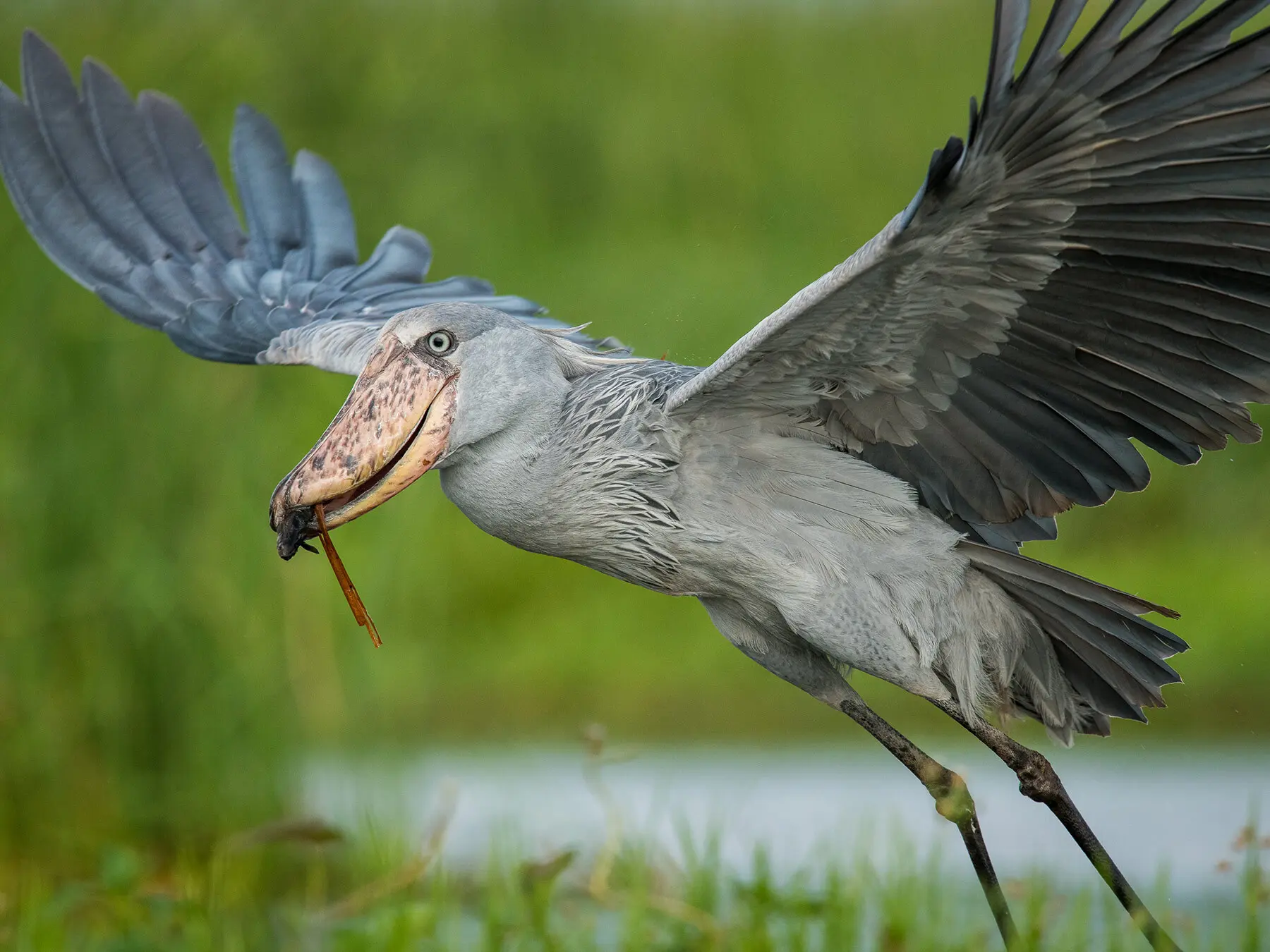
As with other wildlife encounters, shoebill sightings are not guaranteed. However, experienced local guides know the wetland habitats and can make the excursion an enjoyable experience regardless of the birds encountered.
If birdwatching is one of your main travel interests, explore our Uganda birdwatching safari guide for ideas on combining the country’s most rewarding habitats.
Experience the Warmth of Uganda’s People and Culture
A journey through Uganda is not only about what you see in the forests and national parks. It is also about the people you meet, the stories you hear and the everyday experiences that reveal the country’s cultural diversity.
Across Uganda, communities maintain distinct languages, traditions, foods, music and ways of life. Travellers can experience this diversity through guided village walks, community-based activities, markets, craft workshops and farm visits.
Near Bwindi, visitors interested in Batwa heritage can explore appropriate locally guided cultural experiences. These visits provide opportunities to learn about traditional forest knowledge, community history and the relationship between conservation and neighbouring residents.
In western Uganda, coffee farms, tea-growing communities and rural markets provide another perspective on local livelihoods. These activities can be particularly enjoyable when incorporated into a relaxed safari rather than squeezed between long transfers.
We encourage travellers to select respectful, community-led experiences where local people participate meaningfully and benefit from tourism.
WHERE TO STAY
Accommodation in Uganda: From Forest Lodges to Savannah Retreats
Where you stay can make a considerable difference to your Uganda safari experience. Some lodges offer remarkable forest views and the sounds of birds each morning, while others overlook open savannahs, rivers or peaceful lakes.
Uganda provides accommodation for a wide range of budgets, including affordable guesthouses, comfortable mid-range safari lodges and exclusive luxury properties.
Rainforest Lodges
In Bwindi and Kibale, choose accommodation that provides practical access to your trekking activities. Forest lodges offer tranquil surroundings, cooler evenings and opportunities to enjoy nature between activities.
Suggested options: Buhoma Haven Lodge, Mahogany Springs Lodge and selected lodges near Kibale Forest.
Wildlife Safari Lodges
In Queen Elizabeth and Murchison Falls, safari lodges often overlook landscapes where wildlife may be visible near the property. Good locations help reduce unnecessary driving before morning activities.
Suggested options: Buffalo Safari Lodge, Twin Lakes Safari Lodge and Paraa Safari Lodge.
Peaceful Lakeside Retreats
After days of trekking and game viewing, a lakeside lodge offers time to relax. Lake Bunyonyi is particularly popular for its tranquil atmosphere and attractive highland scenery.
Suggested option: BirdNest Resort at Lake Bunyonyi.
Our team can recommend accommodation combinations that suit your budget, trekking sector and travel style. For visitors interested in shared arrangements, our small-group Uganda safari guide provides additional planning ideas.
When Is the Best Time to Discover Uganda?
Uganda can be visited throughout the year, but the weather influences the condition of forest trails, wildlife viewing and the overall pace of your journey.
The generally drier periods between June and September and between December and February are popular for gorilla trekking, chimpanzee tracking and wildlife safaris. Forest trails may be easier to navigate, while animals sometimes gather near water sources in the savannah parks.
March to May and October to November are commonly wetter periods in many regions. The landscapes become especially green, and travellers may enjoy a quieter atmosphere at some destinations. However, rainforest trails can be muddy, and road journeys may require greater flexibility.
Uganda’s tropical forests can receive rain at any time of year, so practical waterproof clothing and suitable walking footwear are important regardless of when you visit.
If gorilla trekking is a priority, we recommend arranging permits early because availability is limited and popular dates can sell out. Seasonal permit discounts may apply to eligible travellers on qualifying dates, subject to the latest Uganda Wildlife Authority rules.
How Many Days Do You Need to Explore Uganda?
The ideal duration depends on the activities you want to include, your arrival airport and how much time you prefer to spend travelling between destinations.
3–5 Days
Best for a focused gorilla trekking adventure, a short wildlife safari or a combination of gorillas and Lake Bunyonyi. Kigali can be a convenient entry point for some southwestern Uganda itineraries.
6–8 Days
Suitable for combining gorilla trekking, chimpanzee tracking and wildlife viewing within a carefully planned western Uganda route.
9–12 Days
An excellent duration for experiencing several major parks while allowing time for nature walks, boat cruises, cultural experiences and relaxation.
13–16 Days
Ideal for a more complete journey, including Murchison Falls, Kibale, Queen Elizabeth, Bwindi, Lake Mburo and optional extensions.
For a wider journey, discover our 10-day Best of Uganda Safari or review our custom Uganda safari itineraries for more inspiration.
SAMPLE JOURNEY
A Beautiful Route Through the Natural Heart of Uganda
For travellers seeking a balanced combination of primates, wildlife, scenery and relaxation, a western Uganda circuit provides an excellent starting point.
Day 1 – Arrival in Entebbe: Meet your safari guide, settle into your accommodation and enjoy a relaxing evening. Depending on your flight schedule, a visit to the Lake Victoria area may be possible.
Day 2 – Journey to Kibale: Travel through the countryside toward Fort Portal and Kibale National Park, enjoying scenic views, tea plantations and rural landscapes along the way.
Day 3 – Chimpanzee Tracking: Enter Kibale Forest for a guided chimpanzee tracking experience. Later, consider a community-guided walk in Bigodi Wetland Sanctuary.
Day 4 – Queen Elizabeth National Park: Continue south toward Queen Elizabeth, with opportunities to enjoy the scenery and an afternoon wildlife experience depending on arrival time.
Day 5 – Game Drive and Boat Safari: Explore the savannah on a morning game drive before enjoying a boat cruise along the wildlife-rich Kazinga Channel.
Day 6 – Transfer to Bwindi: Travel toward Bwindi, possibly exploring the Ishasha sector en route if it fits your allocated trekking sector and travel schedule.
Day 7 – Gorilla Trekking: Enjoy an unforgettable guided mountain gorilla trekking experience in Bwindi Impenetrable National Park.
Day 8 – Lake Bunyonyi: Travel to the beautiful lake region for relaxation, canoeing or scenic nature walks.
Day 9 – Lake Mburo: Continue toward Lake Mburo National Park for wildlife viewing and a peaceful evening in the savannah.
Day 10 – Return to Entebbe: Enjoy an optional guided morning walking safari before returning to Entebbe, with a possible Equator stop along the way.
This is a sample route rather than a fixed package. The order can be adjusted for Kigali arrivals, trekking-sector allocations, accommodation availability and your preferred travel pace.
Travel Responsibly and Protect Uganda’s Natural Heritage
The wildlife, landscapes and communities that make Uganda special deserve thoughtful protection. Responsible tourism can help support conservation efforts and create meaningful opportunities for local people.
During gorilla and chimpanzee trekking, always follow your ranger’s instructions, maintain the required distance from animals and observe park health precautions. Never attempt to touch or feed wildlife.
On game drives, respect designated routes and avoid disturbing animals simply to obtain a photograph. The best encounters happen when wildlife can behave naturally.
Choosing knowledgeable local guides, supporting community initiatives, reducing unnecessary waste and respecting local customs are practical ways to contribute positively to the places you visit.
To learn more about Uganda’s remarkable biodiversity, explore our Uganda wildlife encounters guide and discover what makes Uganda a unique wildlife safari destination.
PLAN WITH CONFIDENCE
FAQs About Discover the Natural Heart of Uganda
Is Uganda a good destination for a first African safari?
Yes. Uganda is an excellent choice for first-time visitors who want a mixture of wildlife viewing, gorilla trekking, chimpanzee encounters, boat safaris, beautiful scenery and cultural experiences.
Where can I see mountain gorillas in Uganda?
Mountain gorilla trekking takes place in Bwindi Impenetrable National Park and Mgahinga Gorilla National Park. Both destinations require official trekking permits, which are subject to availability.
Can I see the Big Five animals in Uganda?
Uganda offers opportunities to see lions, leopards, elephants and buffaloes in its national parks. Rhinos can be encountered on guided visits to Ziwa Rhino Sanctuary. Wildlife sightings are never guaranteed.
How difficult is gorilla trekking in Uganda?
Difficulty varies depending on the location of the gorilla family, weather conditions and terrain. Treks may involve steep forest paths and muddy ground. Travellers with mobility concerns should discuss their requirements before booking.
Can I combine gorilla trekking with chimpanzee tracking?
Yes. Bwindi and Kibale are frequently combined within western Uganda safari itineraries, often with Queen Elizabeth National Park included for wildlife game drives and boat cruises.
Should I arrive through Entebbe or Kigali?
Entebbe is generally convenient for comprehensive Uganda safari circuits. Kigali can work well for shorter southwestern Uganda journeys. The best option depends on your flight connections, itinerary and visa requirements.
Is Uganda suitable for family safaris?
Yes. Uganda offers wildlife drives, boat cruises, cultural activities and nature experiences suitable for families. However, gorilla trekking has a minimum age of 15, and other activities have their own age restrictions.
Can Safari Vacations customize my Uganda safari?
Absolutely. Safari Vacations & Travel Services designs private and customized safari itineraries based on your travel dates, budget, accommodation preferences, preferred activities and available time.
Discover Uganda with Local Safari Experts
A carefully planned safari is about much more than visiting a collection of national parks. It is about choosing the right destinations, travelling at a comfortable pace and allowing enough time to appreciate the experiences that matter most.
At Safari Vacations & Travel Services, we design private and tailor-made Uganda safaris around the interests of each traveller. From gorilla permits and comfortable accommodation to experienced driver-guides and wildlife activities, we help coordinate the important details of your journey.
Whether you dream of photographing wildlife, trekking through ancient forests, exploring remote wilderness or simply enjoying Uganda’s spectacular landscapes, our team can create an itinerary that suits your expectations and budget.
We believe that the most rewarding safari experiences are personal, thoughtfully organized and never unnecessarily rushed.
Your Uganda Adventure Begins Here
Come Closer to the Natural Heart of Uganda
Tell us when you would like to travel, how many people are joining you and which experiences interest you most. We will help you create a personalized safari combining remarkable wildlife, beautiful scenery, comfortable accommodation and unforgettable moments.